We tend to think of cortisol as simply a “stress hormone.” But cortisol (and “stress”) is actually part of a complex communication system throughout the body known as the hypothalamic-pituitary-adrenal axis, which dictates how we respond to everything from skipping breakfast to major life stressors.
When balanced, cortisol helps me feel alert, even-keeled, and ready to take on the day. But when it’s chronically elevated, I notice it everywhere: trouble sleeping, sugar cravings, tension headaches, and brain fog.
What I love, though, is how strongly our diet influences this system.
Research has shown that meal composition directly impacts cortisol secretion, reactivity, and regulation.
Instead of trying to “fight stress,” I focus on nourishing my body with foods that naturally support and quiet this system. Here are the ones I lean on most—all backed by both science and real-world experience.
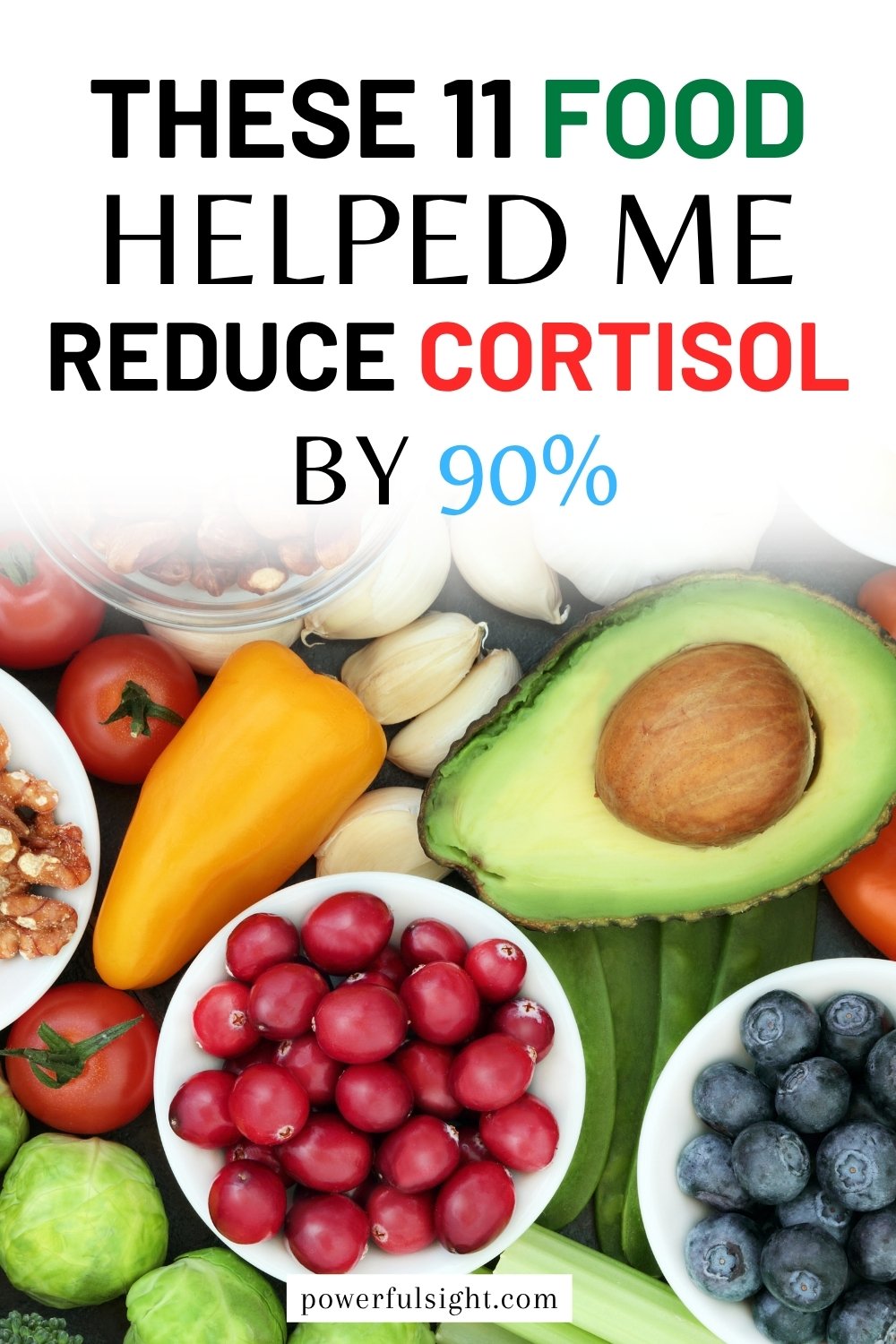
Save the pin for later
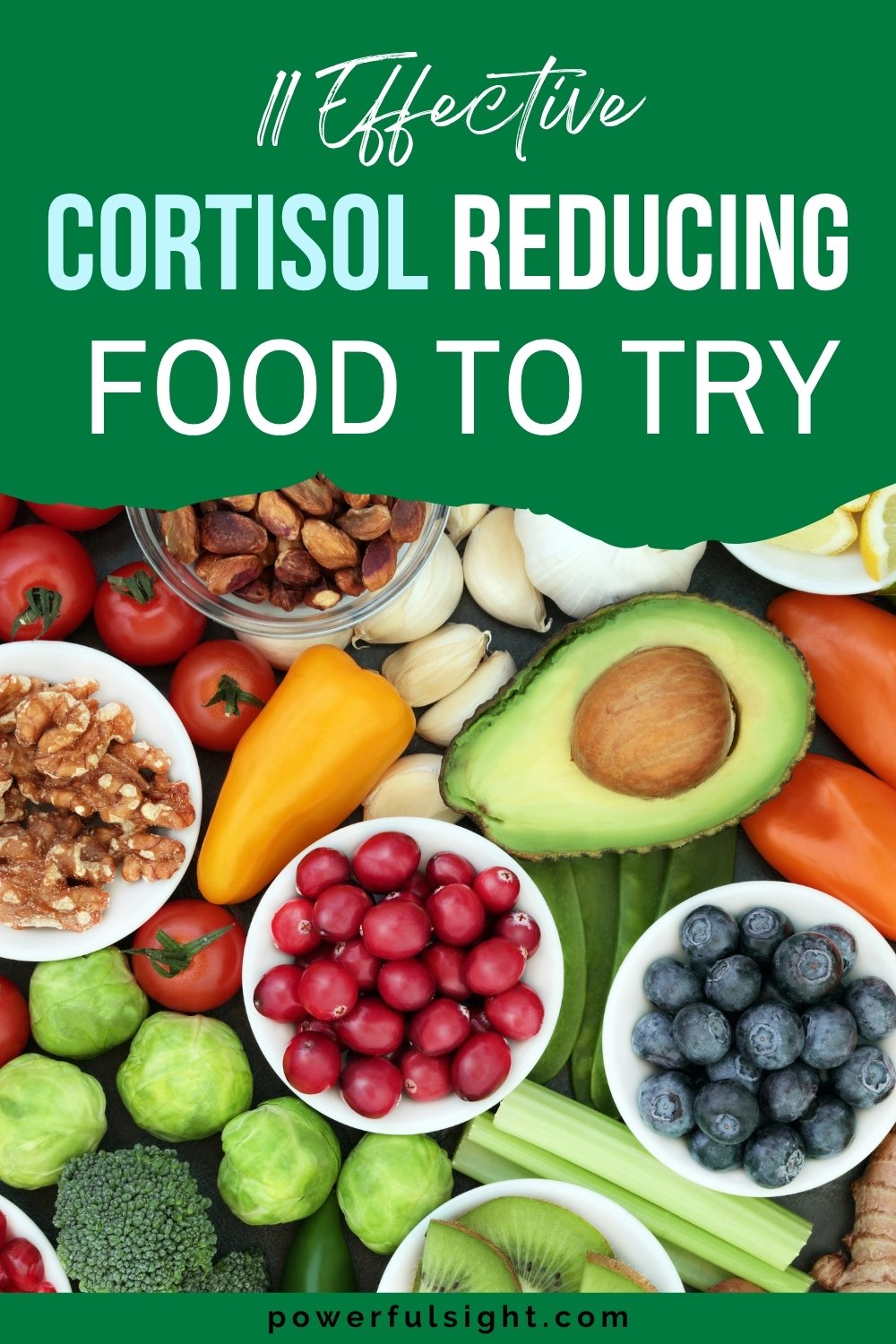
11 Cortisol Reducing Food To Try
1. Avocados — Blood Sugar Stability = Cortisol Stability
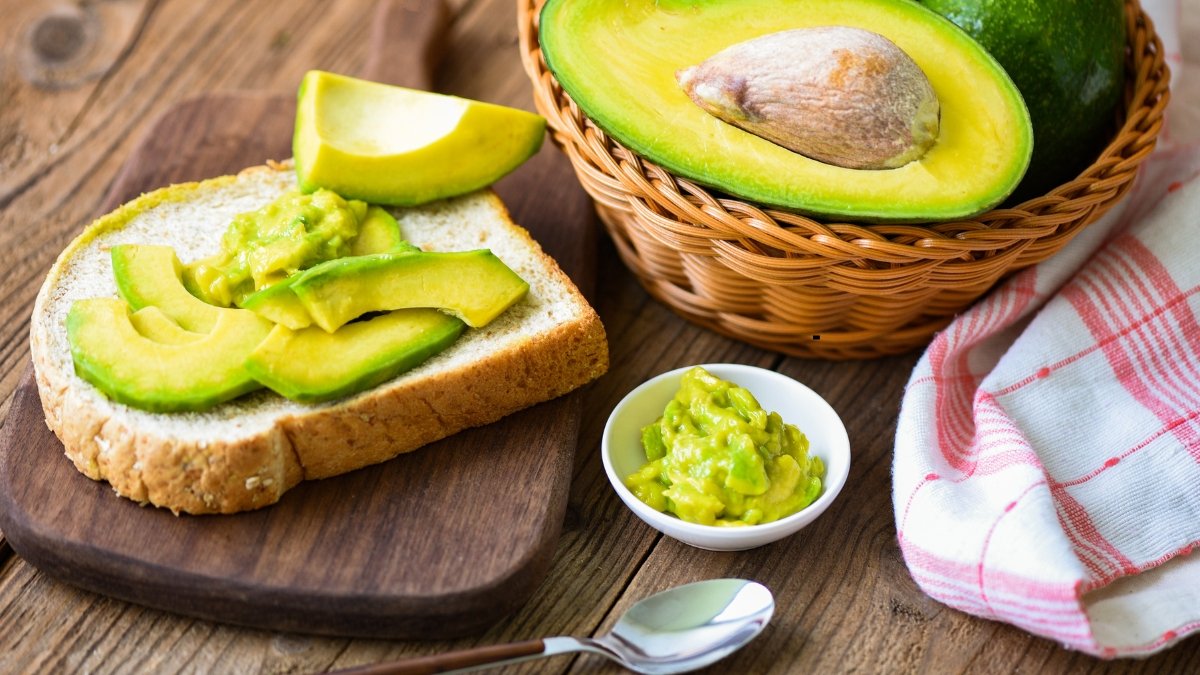
I first discovered that erratic blood sugar is one of the most significant causes of cortisol spikes. When blood sugar drops, cortisol is released to compensate.
Avocados help combat that.
Why? They’re loaded with:
- Monounsaturated fats
- Magnesium
- Fiber
All of which slow digestion and regulate glucose absorption. As a bonus, magnesium also helps directly calm the nervous system and regulate stress hormones.
How this helped me: Whenever my meals include healthy fats, I don’t experience the jittery, anxious crash that many carb-heavy meals leave me with.
2. Dark Chocolate — Polyphenols That Quiet Stress Signals

This is one of my favorite stress-support tools.
Dark chocolate (ideally 70%+) is rich in:
- Flavonoids (polyphenols)
- Magnesium
It can actually help decrease cortisol levels and reduce oxidative stress.
According to Healthline, dark chocolate is also rich in antioxidants.
Stress increases oxidative damage in the body. Dark chocolate helps mitigate that while also helping to “talk down” those stress signals in the brain.
If I want something sweet, it becomes more of a nighttime ritual for me. I never eat it mindlessly—I take a square or two and signal to my body: We’re safe now.
3. Fatty Fish — Omega-3s That Regulate the HPA Axis
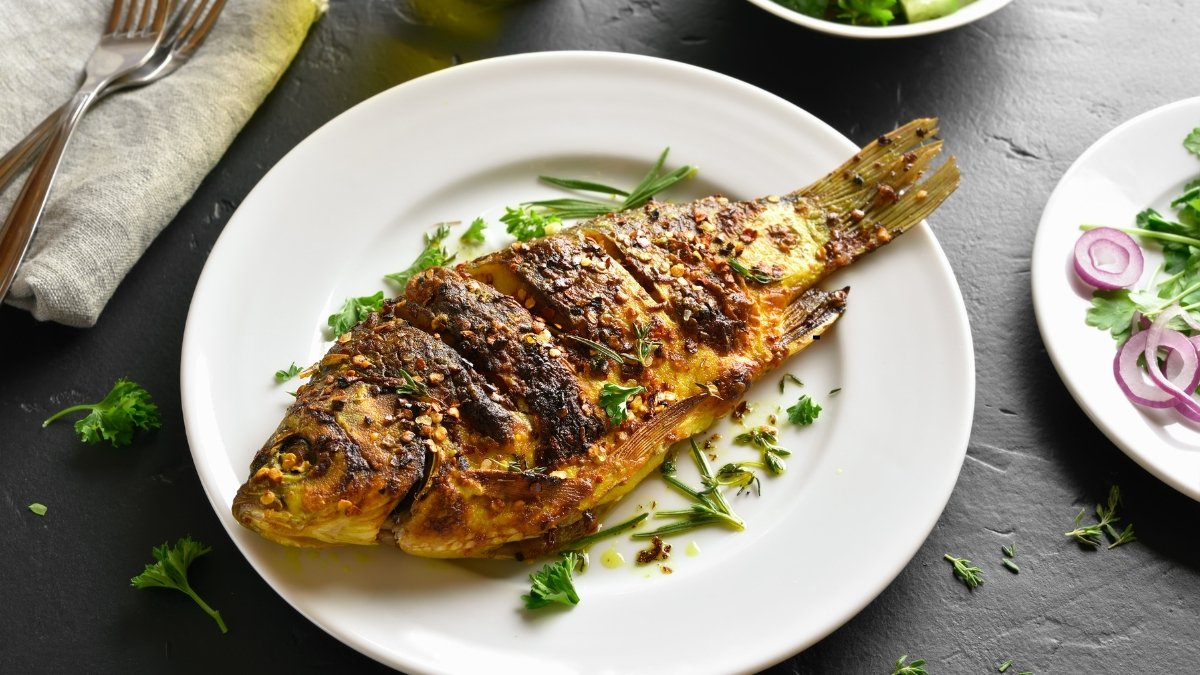
Omega-3 fatty acids are the one nutrient I never overlook when it comes to stress.
Why? Fatty fish contain:
- EPA and DHA (omega-3s)
Clinical research suggests that omega-3 supplementation can lower cortisol output and help regulate the stress response.
As I mentioned earlier with inflammation, omega-3s help reduce inflammation in the body—and cortisol regulation is closely tied to inflammation levels.
4. Nuts and Seeds — Magnesium + Healthy Fats for Hormonal Balance
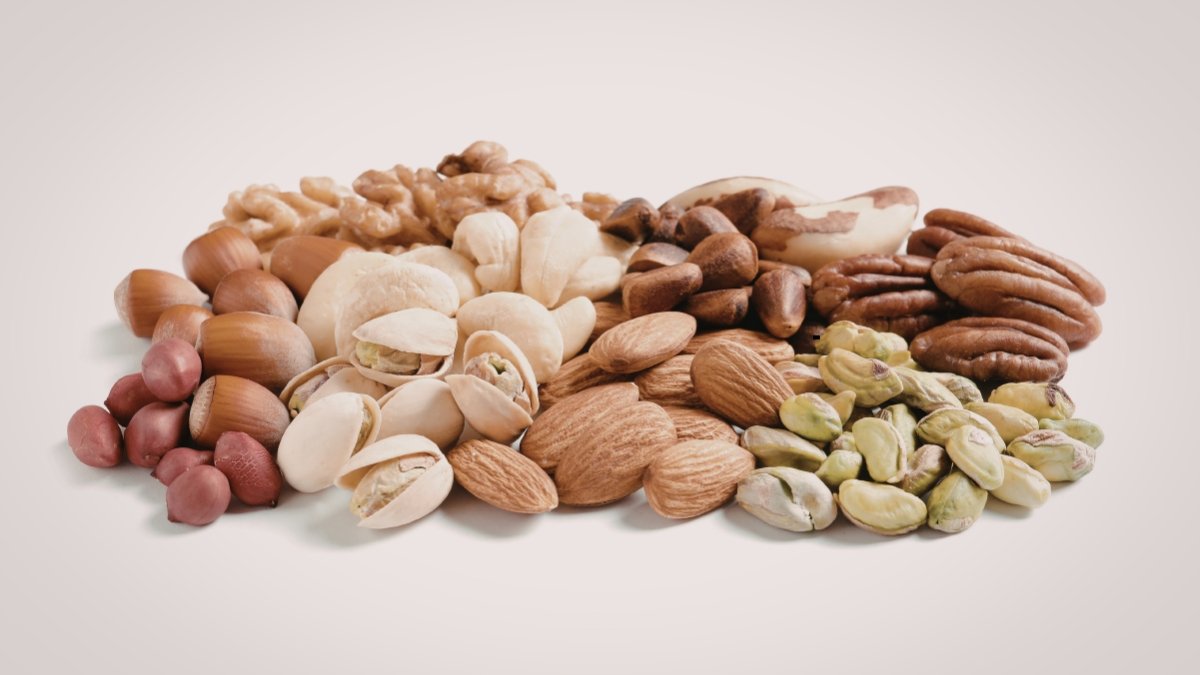
Nuts and seeds are little stress-relief powerhouses.
Inside, you’ll find:
- Magnesium
- Healthy fats
- Zinc
Remember how I mentioned magnesium calming the nervous system? It plays a major role here too.
Beyond keeping my snacking on track, I always carry a small bag with me when I know my day will be stressful. They keep me full, prevent cortisol spikes (thank you, “hanger”), and bring my energy back down to earth.
5. Green Tea — L-Theanine and Calm Focus
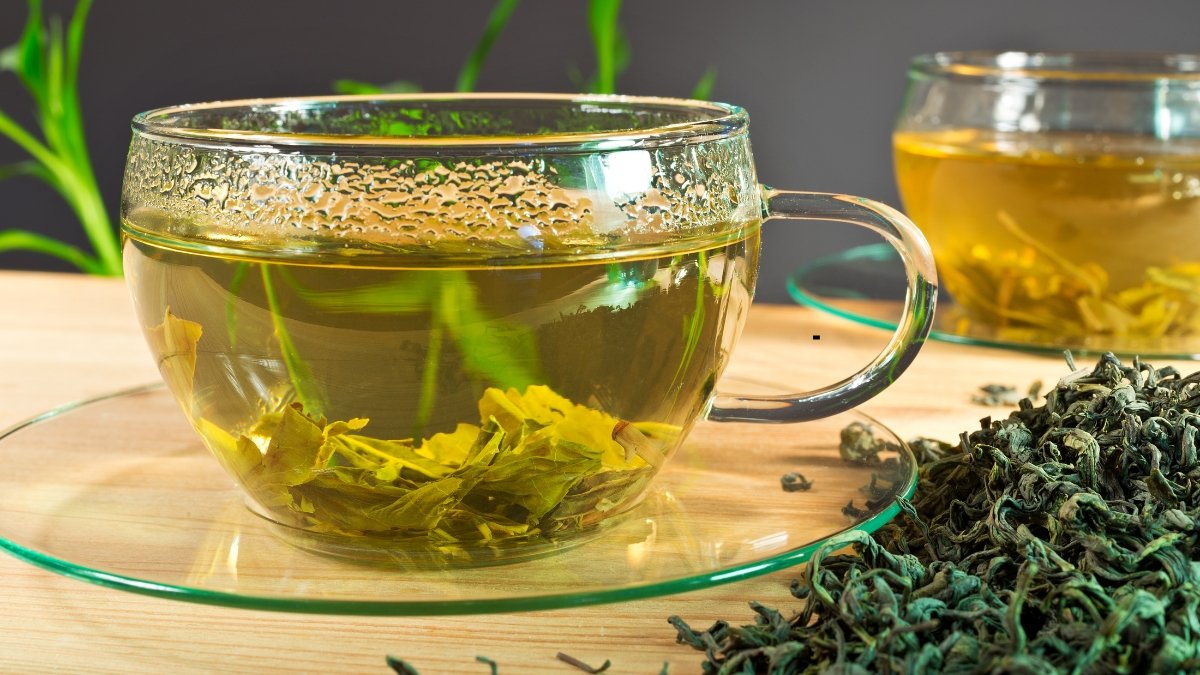
Love coffee? Swap it for green tea when you need something more calming.
It’s rich in:
- L-theanine
- Catechins
Both compounds have been shown to reduce cortisol response to stress.
L-theanine is unique—it helps the brain produce alpha waves, which are associated with calm, focused states without making you feel sleepy.
I switch to green tea whenever I start feeling overstimulated or overtired.
6. Whole Grains — Serotonin Support and Cortisol Control
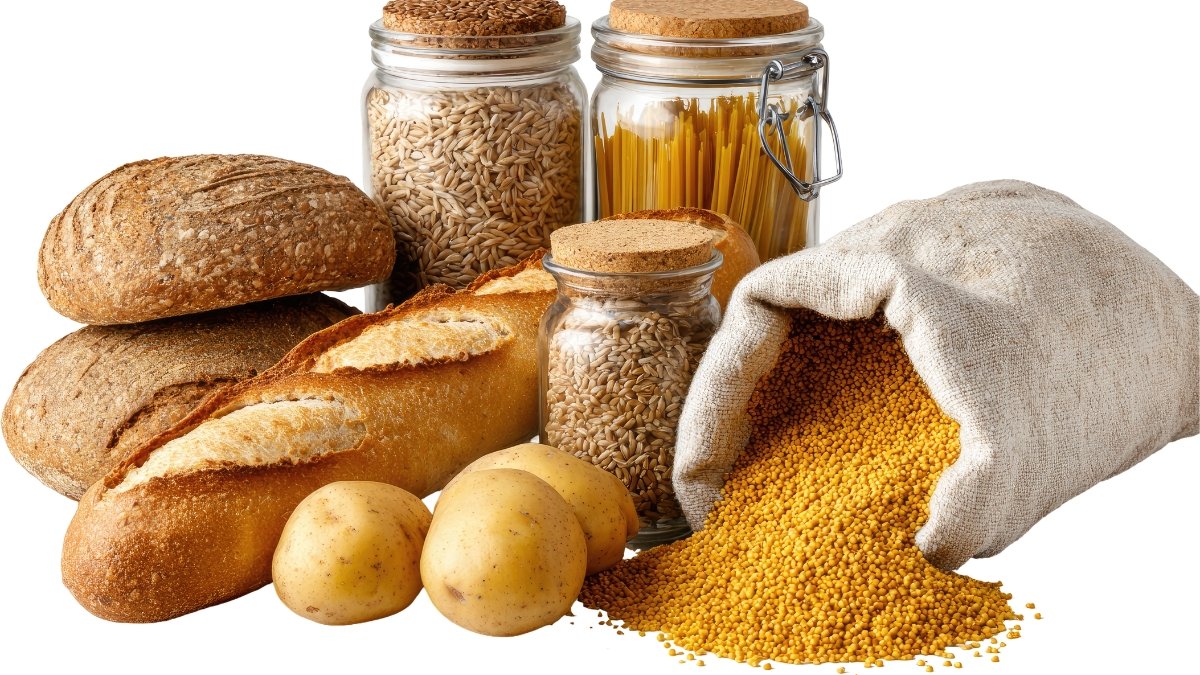
Low-carb was my life for years… until I realized my stress levels were higher than ever.
Here’s the thing about whole grains:
- They help stabilize blood sugar
- They support serotonin production
Diets high in processed carbohydrates (high-glycemic) can increase cortisol output, but whole-food carbohydrate sources help regulate it.
How this helped me: When I started eating oats every morning, my baseline energy stabilized—and my stress followed.
7. Berries — Vitamin C and Antioxidants That Lower Cortisol Reactivity
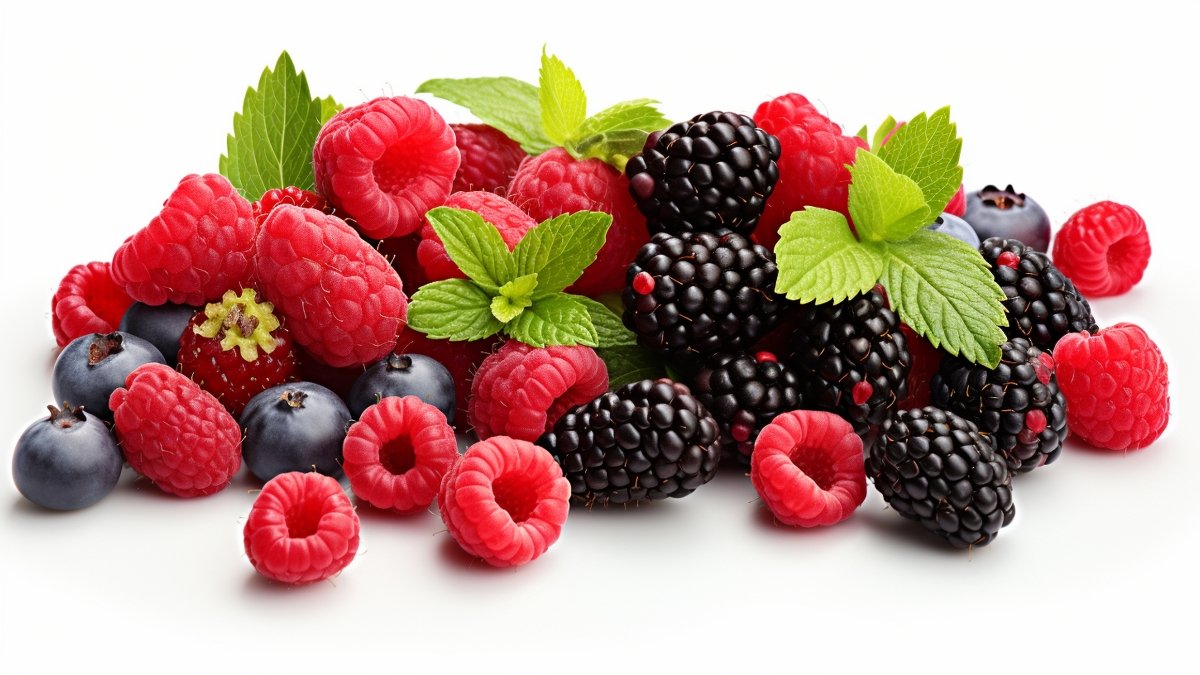
Berries are one of the easiest additions I made to help manage stress.
Why? They’re high in:
- Vitamin C
- Antioxidants
Some studies have shown that vitamin C can blunt cortisol reactivity to stress.
Vitamin C doesn’t just lower cortisol—it helps regulate how strongly my body reacts to stress in the first place.
8. Leafy Greens — Magnesium as a Natural Stress Regulator
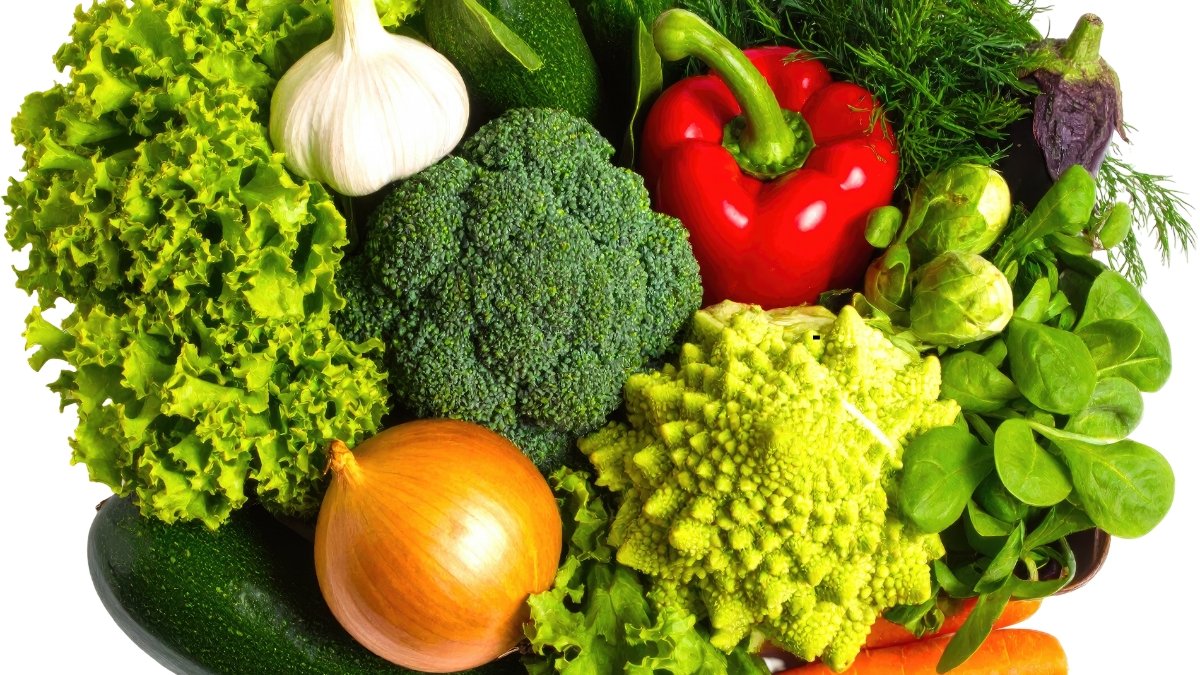
If I feel especially stressed, I start loading up on greens.
They’re high in:
- Magnesium
- Folate
- Vitamin C
Magnesium deficiency is associated with increased cortisol secretion and heightened stress reactivity.
Magnesium helps signal to the HPA axis that it’s okay to calm down instead of staying in a constant “alert” state.
Nuts, seeds, smoothies—I don’t overthink it. Greens are greens.
9. Bananas — Serotonin Support + Nervous System Fuel
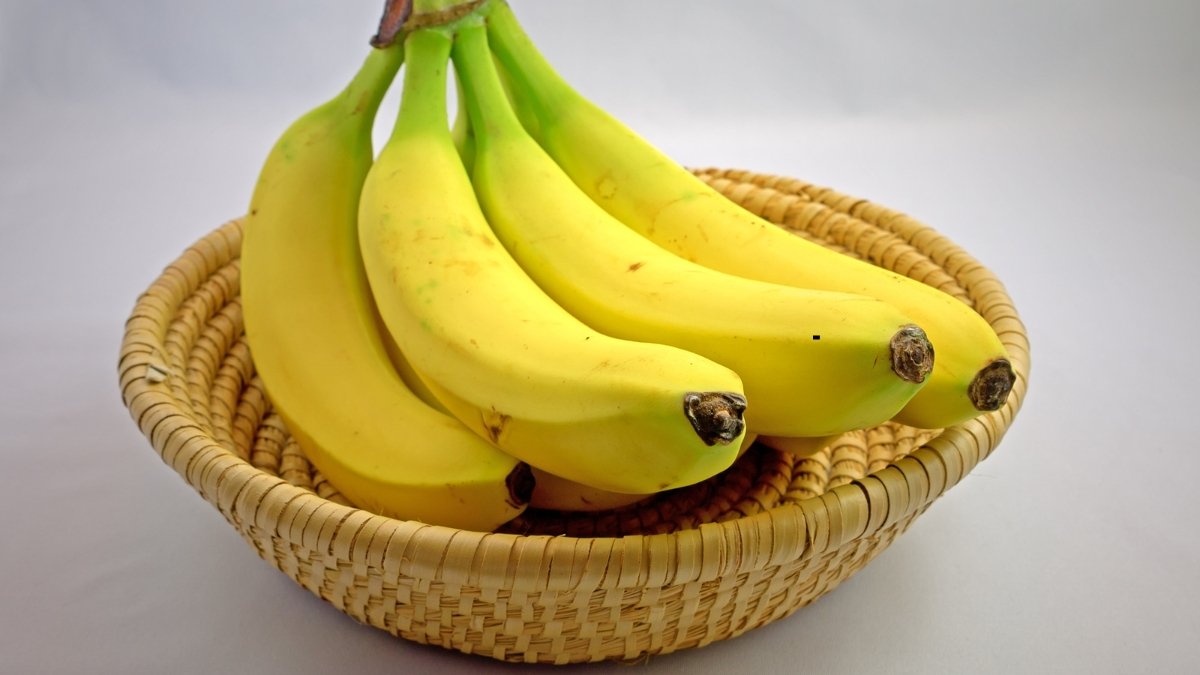
According to Joan Raymond, a medium banana gives you about 450 milligrams, which is about 10% of what you need every day.
Bananas are simple—but they work.
Inside, you’ll find:
- Vitamin B6
- Potassium
- Natural carbohydrates
Together, these nutrients support serotonin production and steady energy levels.
Ever notice how eating something sweet can improve your mood when stressed? Part of that comes from the calming effect on the nervous system. Bananas offer that—without the sugar crash.
I reach for them whenever my energy dips.
10. Yogurt and Fermented Foods — Gut-Brain Axis Regulation
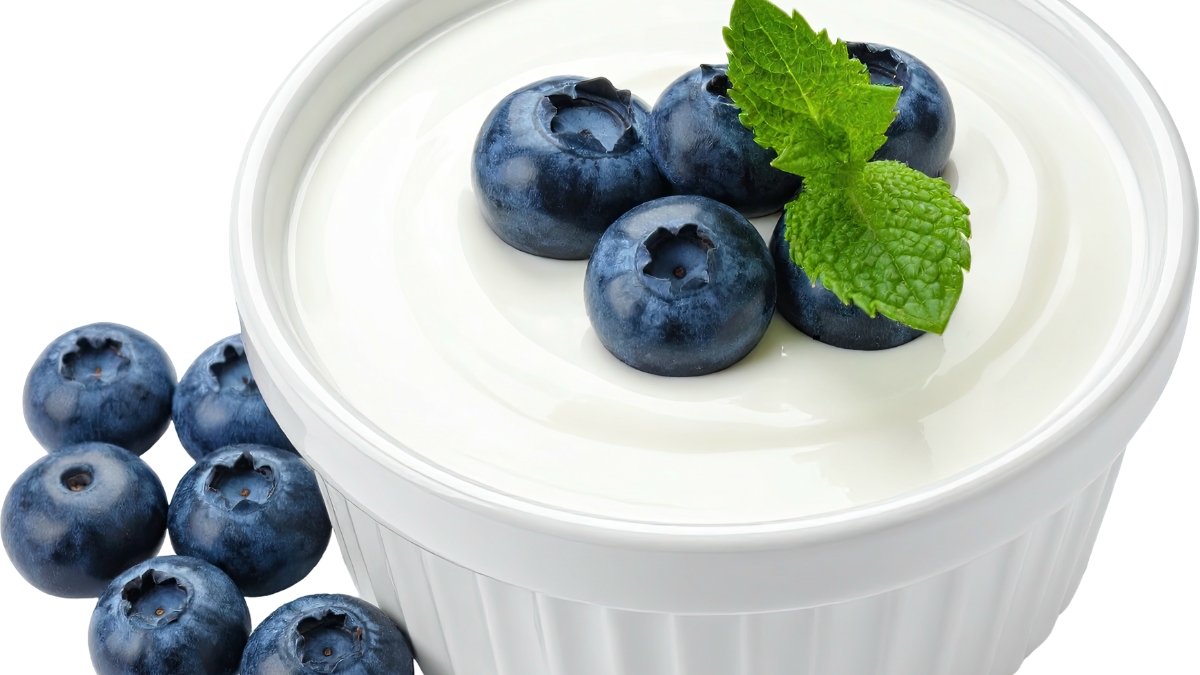
Gut health is a big deal—and for good reason.
Fermented foods like yogurt contain:
- Probiotics
Studies have shown that probiotics can help improve cortisol regulation through the gut-brain axis.
Gut health and brain health are deeply connected. Improving my gut health has genuinely changed how my body responds to stress.
11. Watermelon — Hydration and Heat-Assisted Hormone Balance
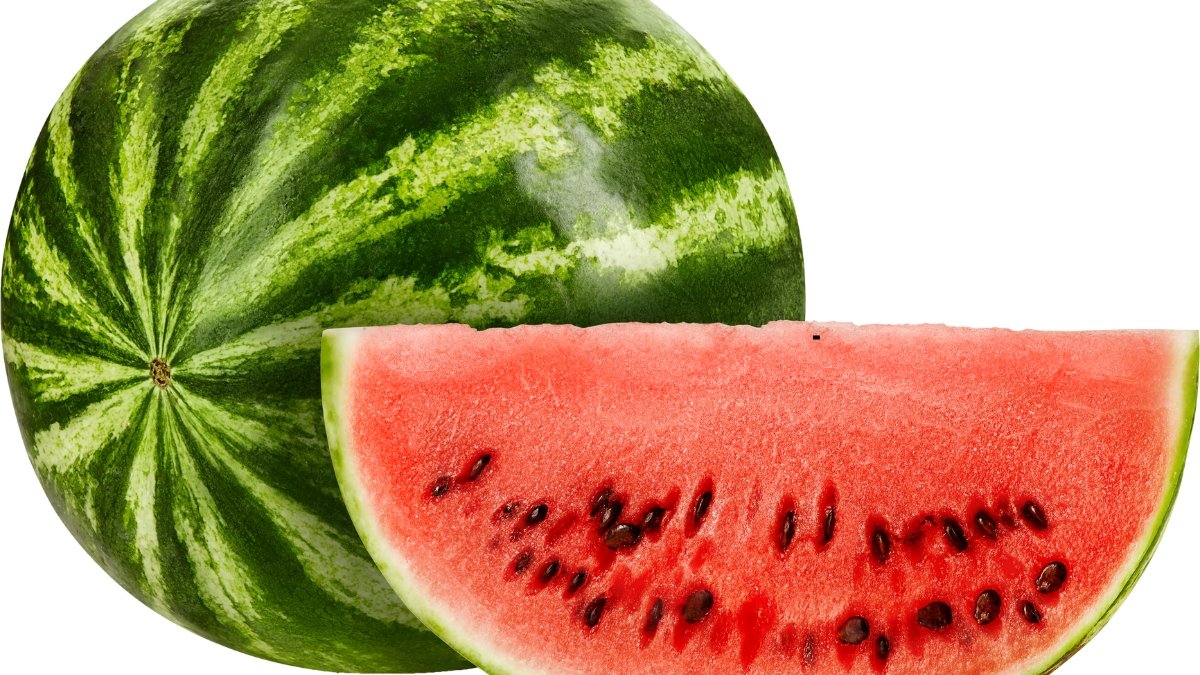
Last but not least: watermelon—mainly for its high water content.
Dehydration can trigger an increase in cortisol levels.
Staying hydrated also helps regulate body temperature, and excess heat can elevate cortisol.
We often associate dehydration with summer, but I’ve noticed it just as much in winter when indoor heating dries everything out.
When I’m exercising or sweating, I like having watermelon on hand to boost hydration.
The Bottom Line: Diet + Lifestyle Help Regulate Cortisol
Here’s the core idea: cortisol isn’t just “stress”—it’s how the body communicates stress.
- Eat late at night → cortisol spikes
- Eat inflammatory foods → cortisol spikes
- Disrupt your gut → cortisol becomes dysregulated
But:
- Eat balanced, whole foods
- Stabilize blood sugar
- Reduce inflammation
- Support gut health
→ And your body begins to regulate cortisol naturally.
Lifestyle Tactics to Pair with These Foods
- Eat regular meals (skipping meals increases cortisol)
- Prioritize sleep (sleep loss disrupts cortisol regulation)
- Manage stress (walk, meditate, stretch, breathe)
- Limit ultra-processed foods (they promote inflammation)
Final Thoughts
I don’t see these foods as quick fixes.
I see them as daily signals to my body that:
- I’m safe
- I’m nourished
- I don’t need to stay in fight-or-flight mode
Pair that with supportive lifestyle habits, and the difference becomes noticeable.
And if you’re just starting? Start small. Add one food, observe how you feel, and build from there.
Over time, your cortisol will balance—and everything else starts to follow.
If any of these food helped you lower your cortisol, spread the word by saving the pin below to your Pinterest to help this post reach other people.
Also, share your thought with us in the comment below.
Save the pin for later

- 15 Foods That Help Blood Sugar Management - 03/04/2026
- 11 Effective Cortisol Reducing Food To Try - 03/04/2026

