If you’re someone who deals with chronic tiredness, bloating, achy joints, or those days where you just feel… off,
inflammation may be playing a large role in all those symptoms.
Nutrition has been my passion for years, and I’m always in the kitchen trying to find foods that not only make me feel my best but also taste delicious.
Over the years, I’ve discovered that the best way to fight inflammation isn’t with fancy supplements or juices… it’s with your everyday meals.
No, you don’t have to eat boring meals every single day or cut out all your favorite foods.
You just have to be mindful of what you’re putting into your body.
Below, I’m going to share my favorite anti-inflammatory meals that I swear by—meals that are easy to make, will leave you feeling satisfied, and, more importantly, taste great.
7 Anti-Inflammation Meals That Actually Help You Feel Better
1. Turmeric Chicken and Roasted Vegetables
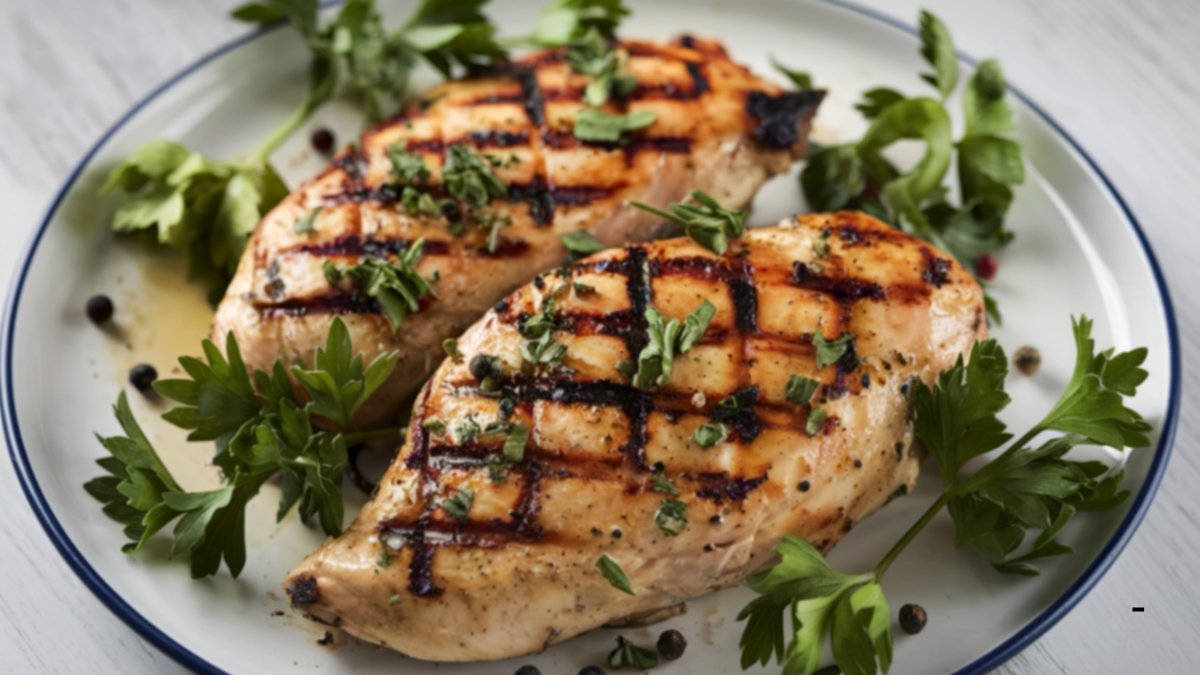
Okay, so this may be my favorite meal of them all.
Not only does it include some of the best anti-inflammatory foods, but it’s also perfect for times when your body just needs something grounding.
The star ingredient of this meal? Turmeric.
Turmeric has been proven to have powerful anti-inflammatory properties thanks to its main active compound, curcumin.
Tip: Always combine turmeric with black pepper, as it enhances your body’s ability to absorb it by up to 2000%.
Why it works:
- Turmeric packs a punch when it comes to fighting inflammation on a cellular level
- Vegetables like carrots, broccoli, and sweet potatoes are full of antioxidants
- Healthy fats from olive oil promote a balanced immune system
How I make it:
Sprinkle your chicken breast with turmeric, garlic, ginger, black pepper, olive oil, and lemon juice. Place it in the oven with your favorite veggies and roast until fully cooked.
Related: 15 Foods That Help Blood Sugar Management
2. Salmon with Avocado Quinoa Bowl
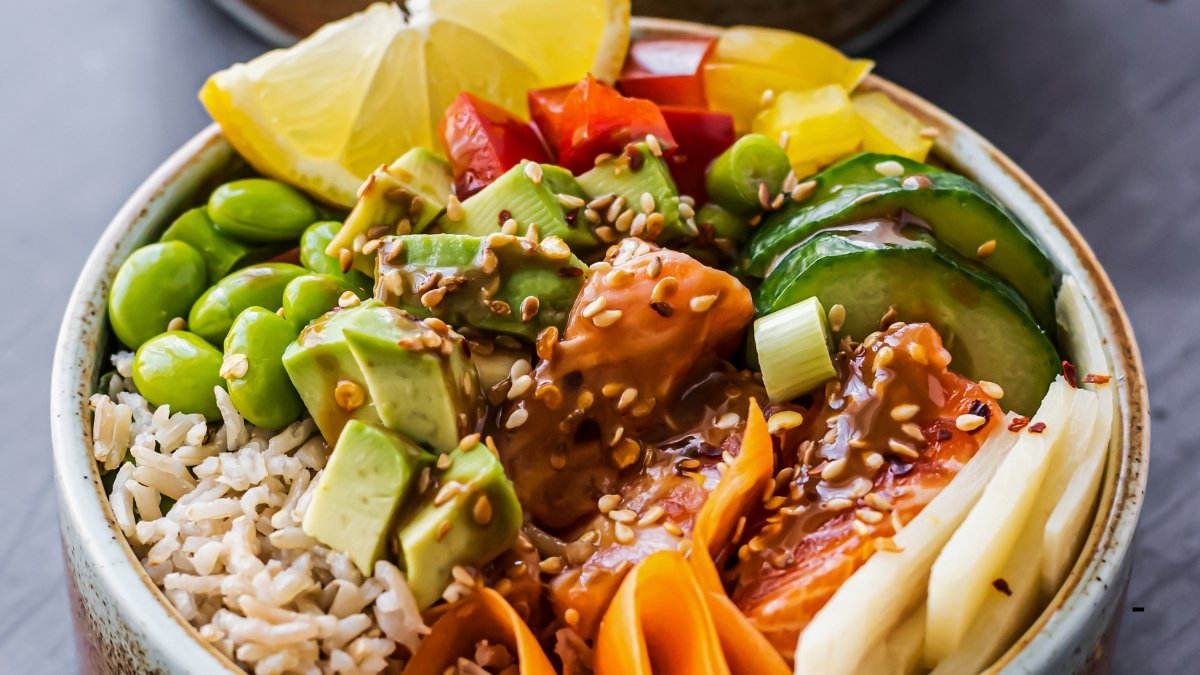
If I had to pick one meal that I recommend to everyone, it would probably be this one.
Wild-caught fatty fish like salmon are loaded with omega-3s, which help lower inflammation markers in your body.
Why it works:
- Salmon helps lower your body’s inflammatory response
- Avocados are full of healthy fats and potassium
- Quinoa is a clean, gluten-free grain packed with protein
How I make it:
Either grill or pan-sear your salmon with garlic and lemon. Then place it over a bed of quinoa with sliced avocado, spinach, and a drizzle of olive oil or tahini dressing.
Related: 11 Effective Cortisol Reducing Food To Try
3. Lentil and Spinach Stew
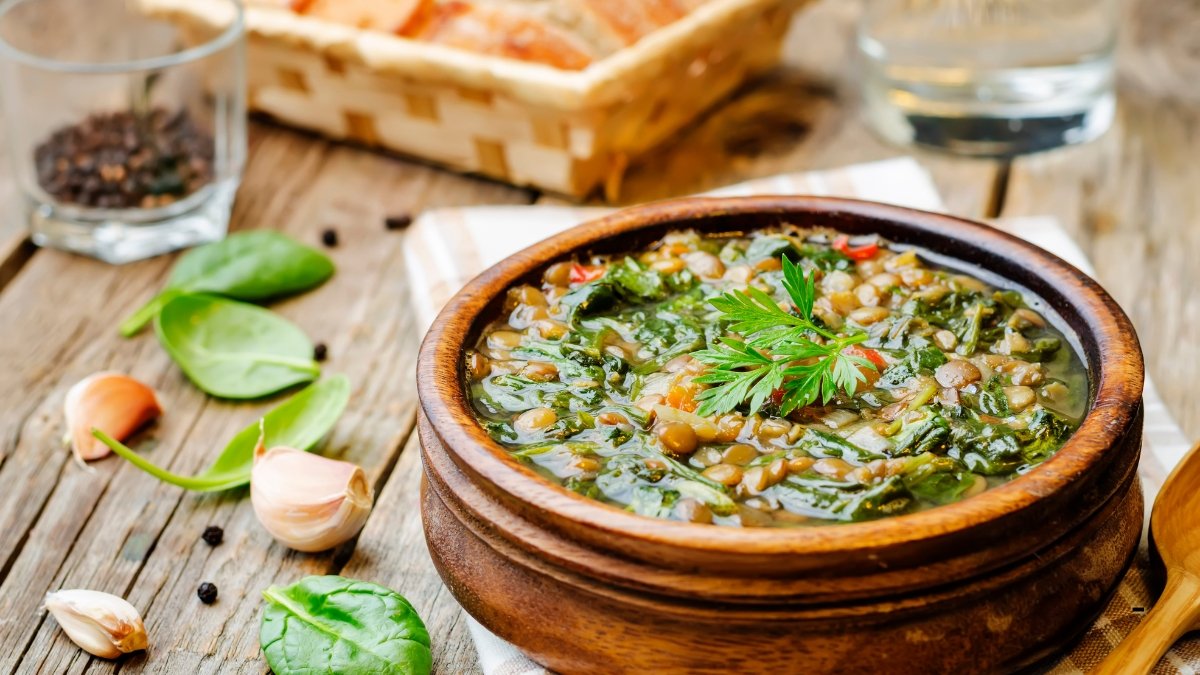
Feeling cozy? Make yourself a warm bowl of lentil and spinach stew.
Lentils help regulate blood sugar and are packed with fiber and plant-based protein.
Controlling your blood sugar is one of the most important things you can do to reduce inflammation.
Why it works:
- Lentils support gut health (which is crucial for reducing inflammation)
- Spinach is rich in antioxidants
- Spices like cumin and garlic add extra anti-inflammatory benefits
How I make it:
Cook lentils with onions, garlic, tomatoes, cumin, turmeric, and vegetable broth. Near the end, add spinach and let it wilt.
Related: 5 Healthy Work Lunch Ideas for Busy People
4. Sweet Potato and Black Bean Bowl
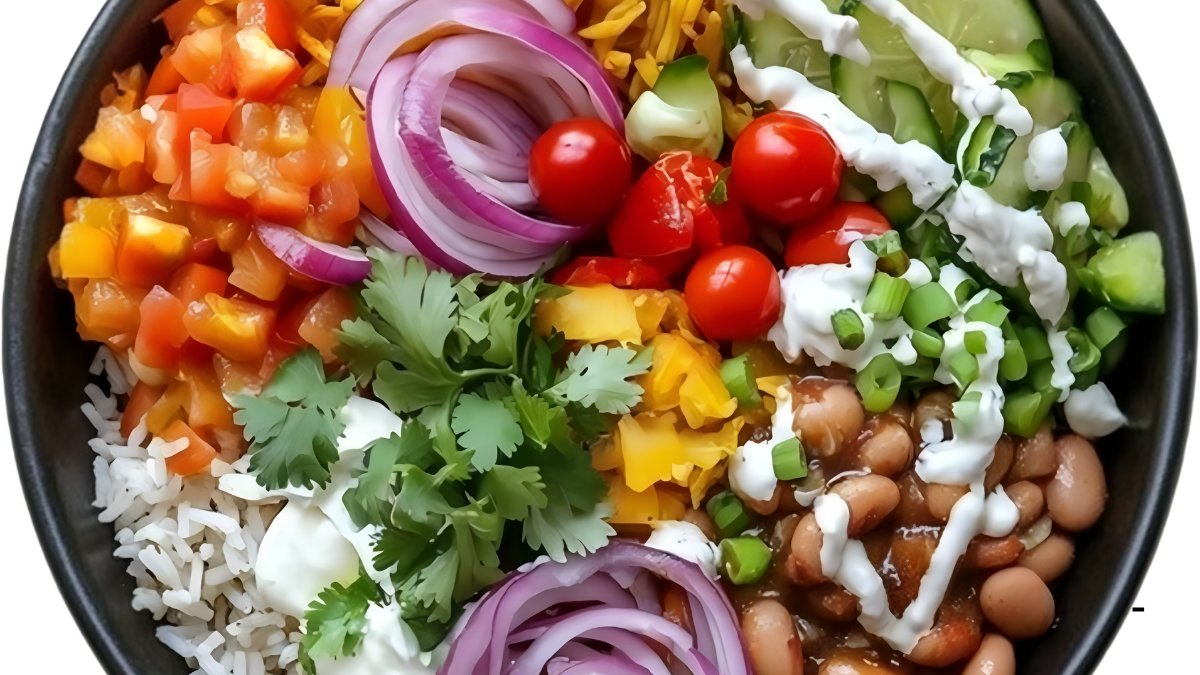
Cheap and easy—that’s the beauty of this meal.
Why it works:
- Sweet potatoes are high in beta-carotene
- Black beans are rich in fiber and plant-based protein
- This combination helps balance blood sugar levels and prevents inflammatory spikes
How I make it:
Chop sweet potatoes and roast them with paprika and olive oil. Then build your bowl with black beans, brown rice, avocado, and a squeeze of lime.
Optional: Top with a yogurt sauce or light chili dressing for extra flavor.
Related: 10 Signs Of High Cortisol
5. Ginger Garlic Vegetable Stir-Fry
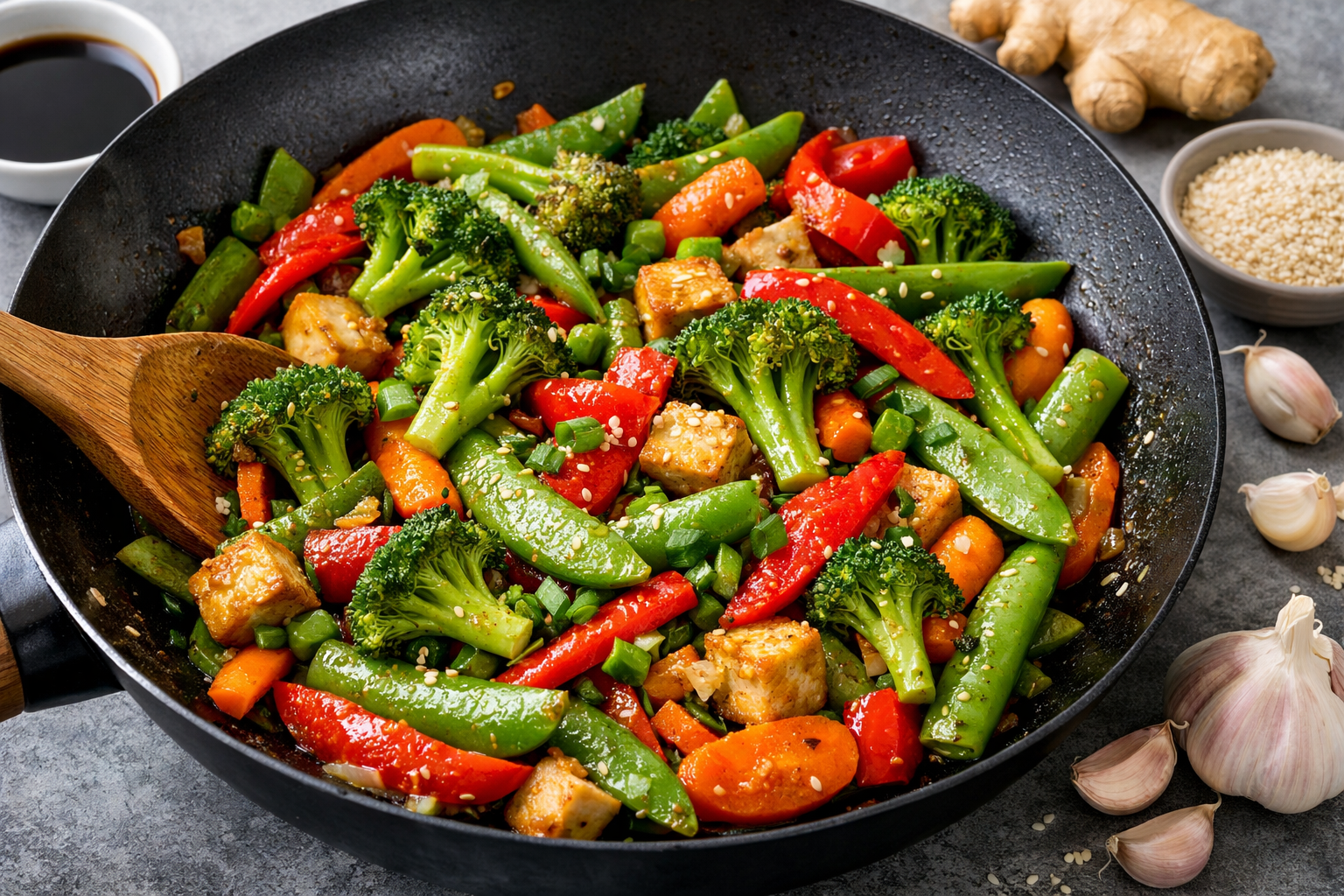
This is my go-to meal whenever I’m feeling bloated or tired.
Garlic and ginger are both extremely effective at reducing inflammation and also support digestion.
Why it works:
- Ginger helps reduce inflammatory compounds in the body
- Garlic supports the immune system
- A variety of vegetables provides a wide range of antioxidants
How I make it:
Stir-fry broccoli, peppers, carrots, and snap peas with fresh ginger and garlic. Add soy sauce or coconut aminos for extra flavor.
Feel free to add tofu, chicken, or shrimp!
6. Berry Chia Seed Breakfast Bowl
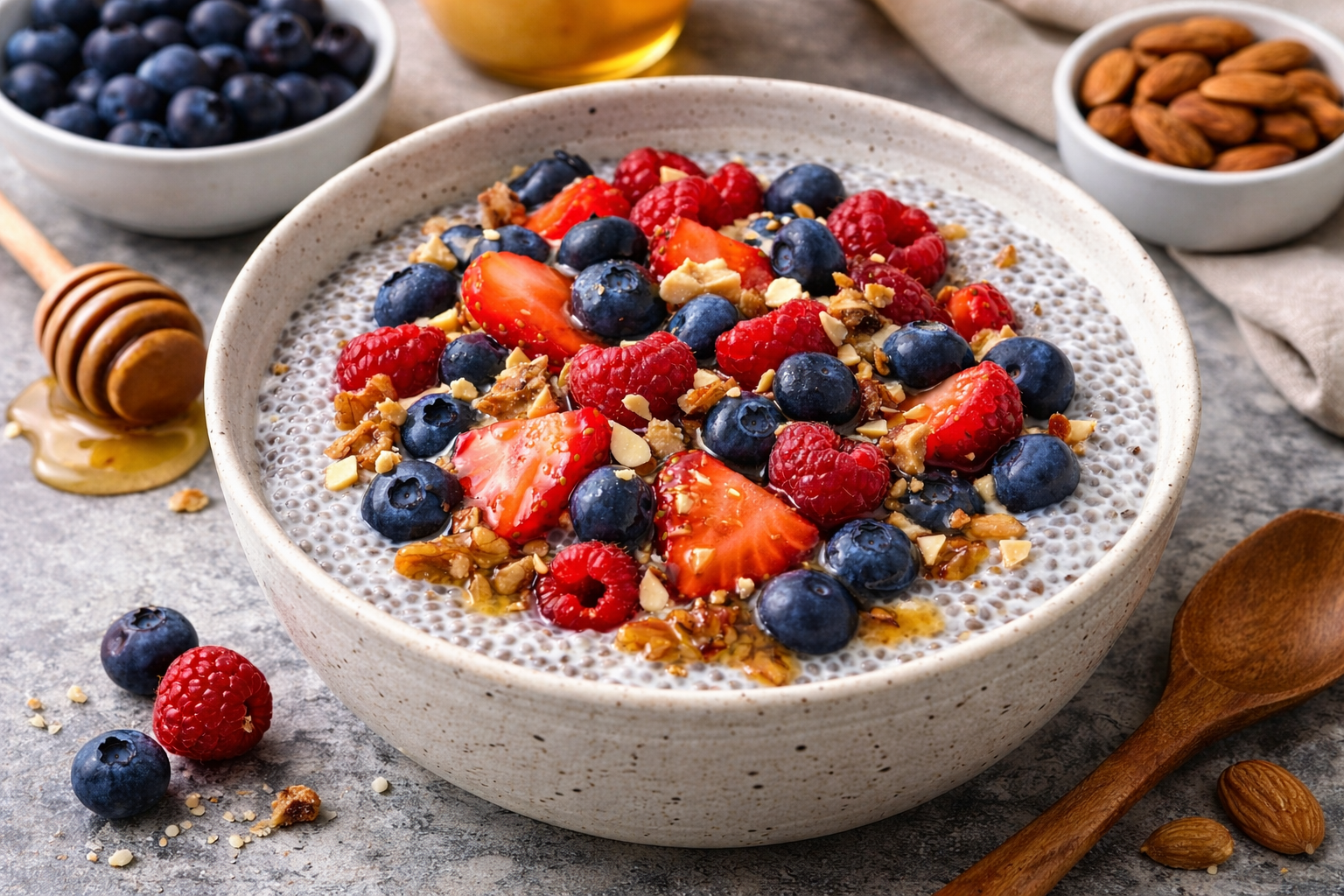
Anti-inflammatory eating doesn’t stop at breakfast.
In fact, what you eat in the morning can set the tone for your entire day.
Why it works:
- Berries are rich in antioxidants that fight inflammation
- Chia seeds are high in omega-3s and fiber
- This combo supports gut health and reduces oxidative stress
How I make it:
Combine chia seeds and almond milk and let it sit overnight. In the morning, top with berries, a drizzle of honey, and sometimes crushed nuts.
7. Tomato and Olive Oil Whole Grain Pasta
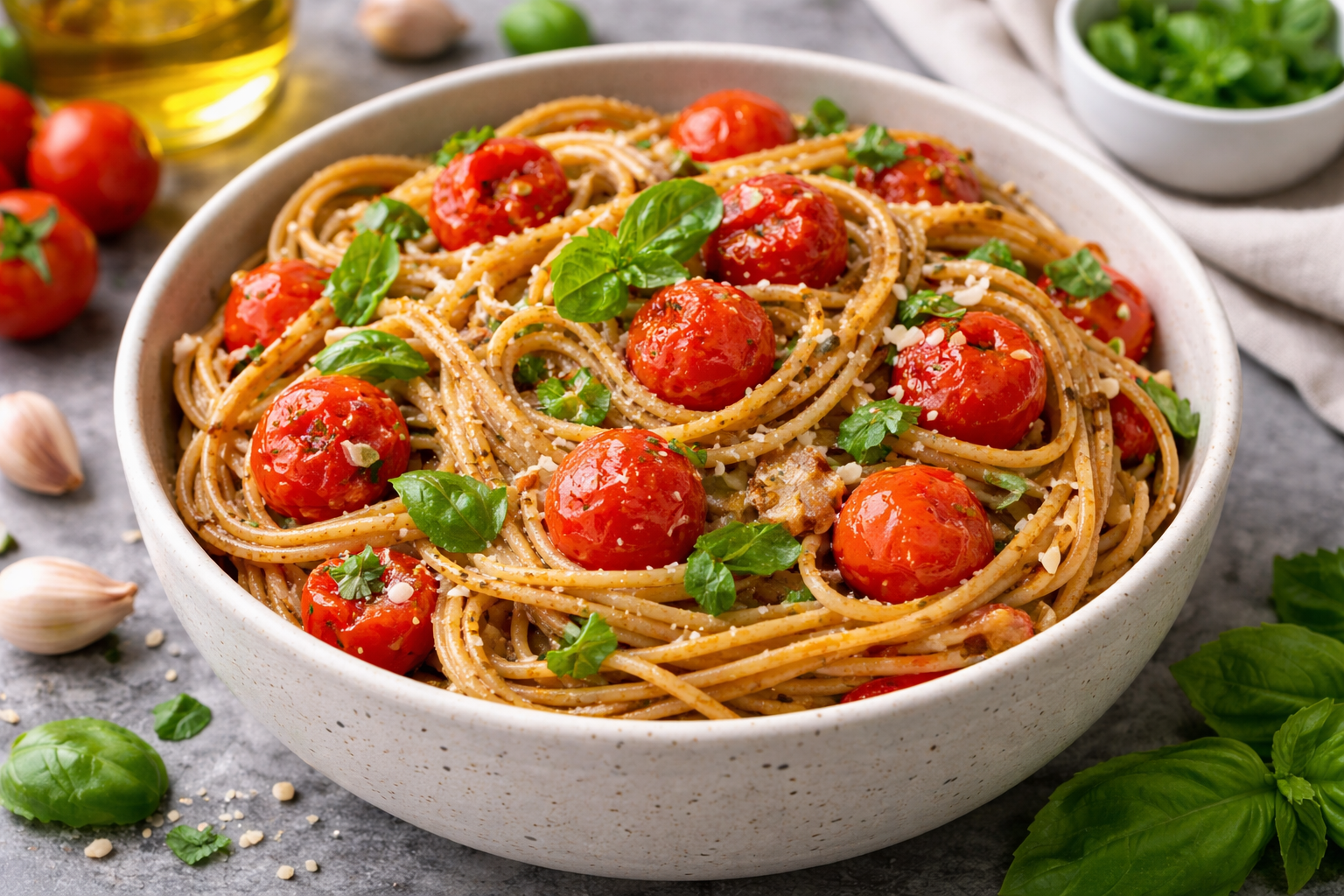
Yes, you can still eat pasta.
The key is using whole grain or legume-based pasta and pairing it with healthy ingredients.
Why it works:
- Tomatoes are rich in lycopene, an antioxidant that helps reduce inflammation
- Olive oil helps decrease inflammation
- Whole grain pasta contains more fiber than regular pasta
How I make it:
Cook whole grain pasta and toss it with fresh tomatoes, garlic, olive oil, and basil.
You can add grilled vegetables or lean protein to make it more filling.
A Common Misconception About Anti-Inflammatory Diets
What Most People Get Wrong About Eating to Reduce Inflammation
Hey now, don’t hate me!
I know what you’re about to read might sound a little harsh—but hear me out.
Most people think that eating an anti-inflammatory diet means they have to:
- Cut out all their favorite meals
- Follow strict diets they can’t maintain
- Live off juice cleanses and salads
Girl… bye.
Not only is that unrealistic, but it’s also not the full truth.
Here’s what actually matters:
- Eat whole, minimally processed foods
- Incorporate healthy fats into your diet
- Limit excess sugar and refined carbohydrates
- Focus on gut health
You don’t have to be perfect every single day.
But if you start making more nutritious choices consistently, you will feel the difference.
Final Thoughts
You don’t have to completely change your lifestyle to fight inflammation.
Just start by making better choices each day.
Try introducing one or two of these meals into your weekly routine.
Pay attention to how you feel after eating them.
Because trust me—once you start fueling your body with foods that nourish you rather than stress you…
you’ll notice a huge difference—and you won’t want to go back.
Save the pin for later
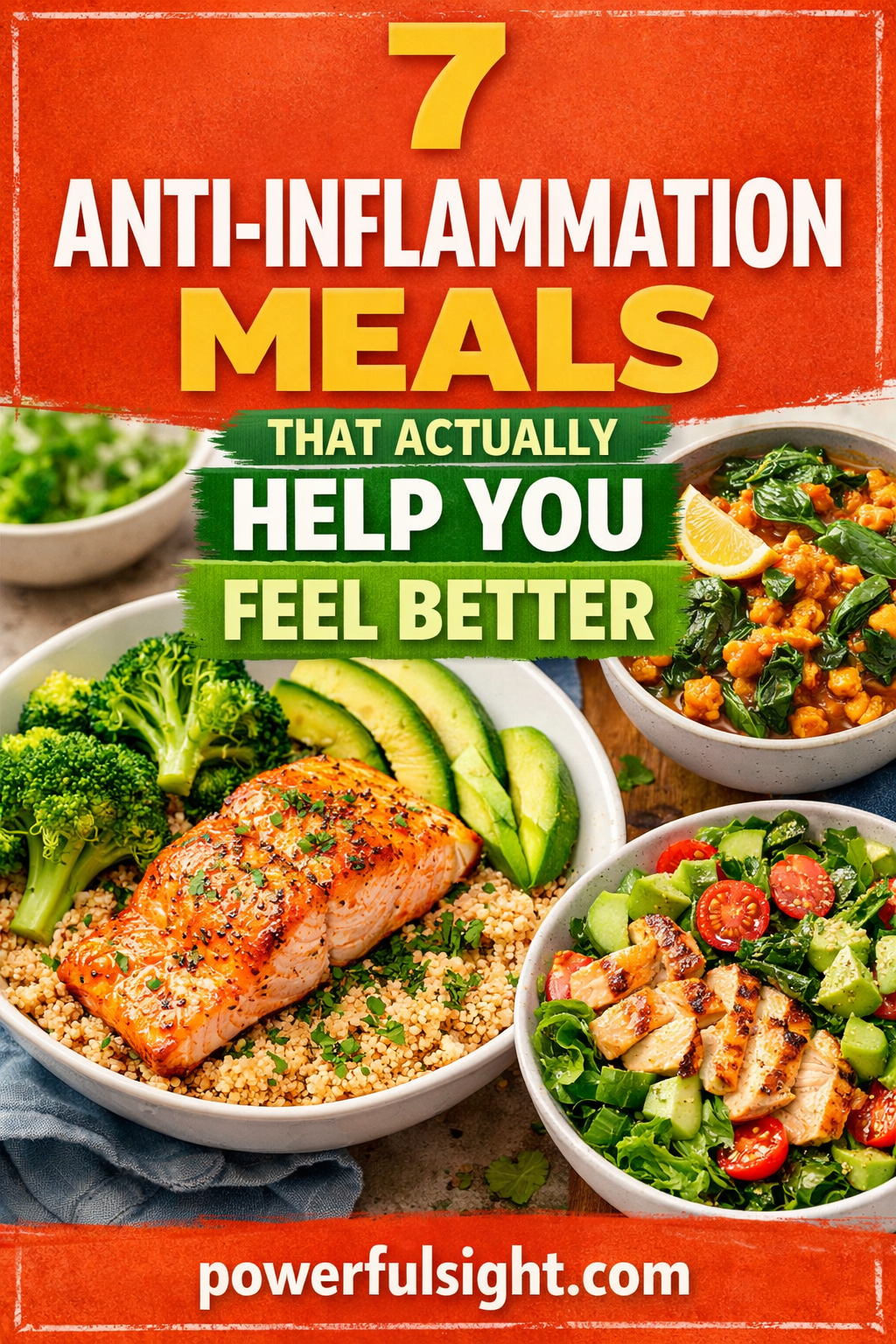

- 7 Anti-Inflammation Meals That Actually Help You Feel Better - 05/04/2026
- 5 Healthy Work Lunch Ideas for Busy People - 05/04/2026
- 10 Signs Of High Cortisol - 03/04/2026

