Disclaimer: This is not a medical advice. Ensure to see your doctor for medical advice.
Picking healthy foods that help stabilize blood sugar can have a tremendous impact on how you feel every day.
In fact, if I had to summarize everything I’ve learned about health and wellness over the past few years, it would be this: maintaining stable blood sugar isn’t just important for preventing diabetes—it’s the foundation for daily energy, focus, and overall function.
When your blood sugar is balanced, every system in your body runs better. You feel good.
You have:
- Consistent energy all day long (no crashes)
- Improved focus and mental clarity
- A steady mood
- Fewer cravings
When it’s out of balance, you feel tired (for no reason), get irritated over little things, your mind feels foggy, and all you can think about is junk food or sugar.
Chronically high blood sugar over time can also lead to long-term health problems.
So today, let’s simplify things.
Here’s a quick overview of blood sugar, plus my favorite foods to help keep it stable—and why I eat them:
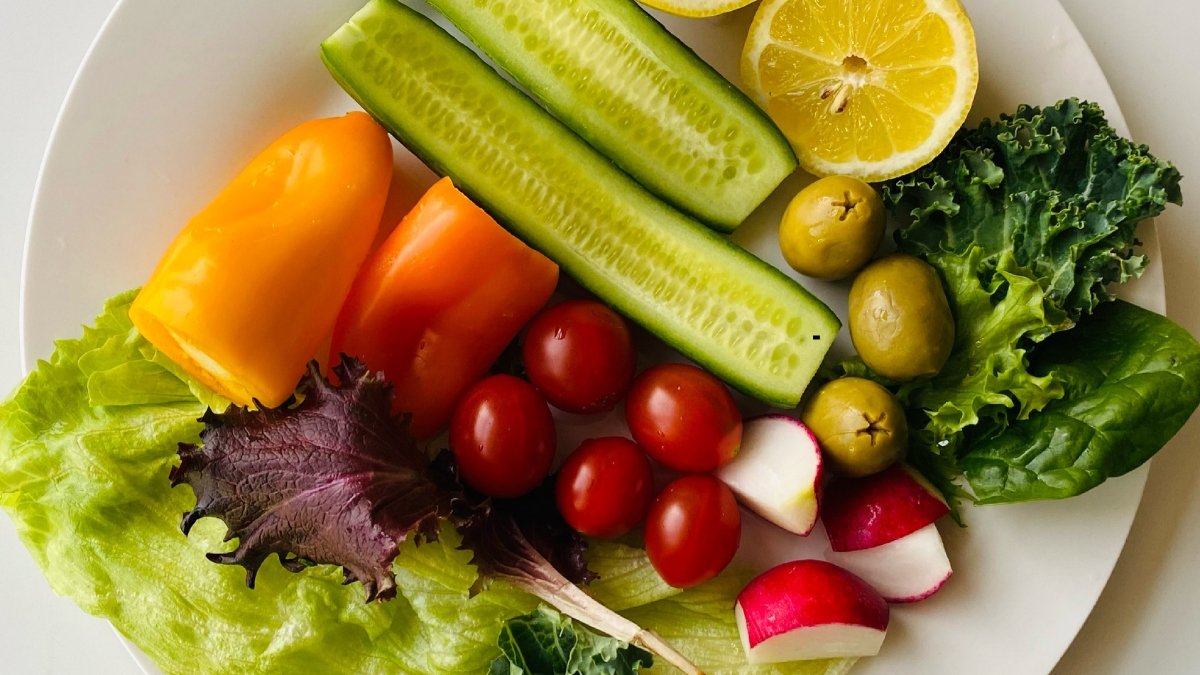
What Is Blood Sugar (And Why Should You Care If It Fluctuates?)
Blood sugar refers to the amount of glucose (also known as sugar) in your bloodstream.
Every time you eat, your body digests food into nutrients, including glucose, which enters your blood.
From there:
- Your blood sugar rises
- Your body releases insulin
- Insulin helps move sugar into your cells for energy
- Your blood sugar levels off
Ideally, your blood sugar shouldn’t rise too high or too quickly. However, consuming processed foods, sugary drinks, and refined carbs sends your blood sugar on a roller coaster ride that leads to:
- Energy crashes
- Sugar cravings
- Metabolic stress
According to Nichole Owens, “different people will have different target levels for their blood sugar. But generally, for people with diabetes, a level of 180 milligrams per deciliter (mg/dL) within 2 hours of eating is considered too high. That’s called hyperglycemia. The higher it goes, the more dangerous it becomes.”
This is why what you eat plays such a major role in your overall health.
But remember, you don’t have to give up carbs. Instead, focus on choosing foods that have a minimal impact on your blood sugar levels.
Ready for the list?
15 Foods That Help Stabilize Blood Sugar Levels
1. Oats
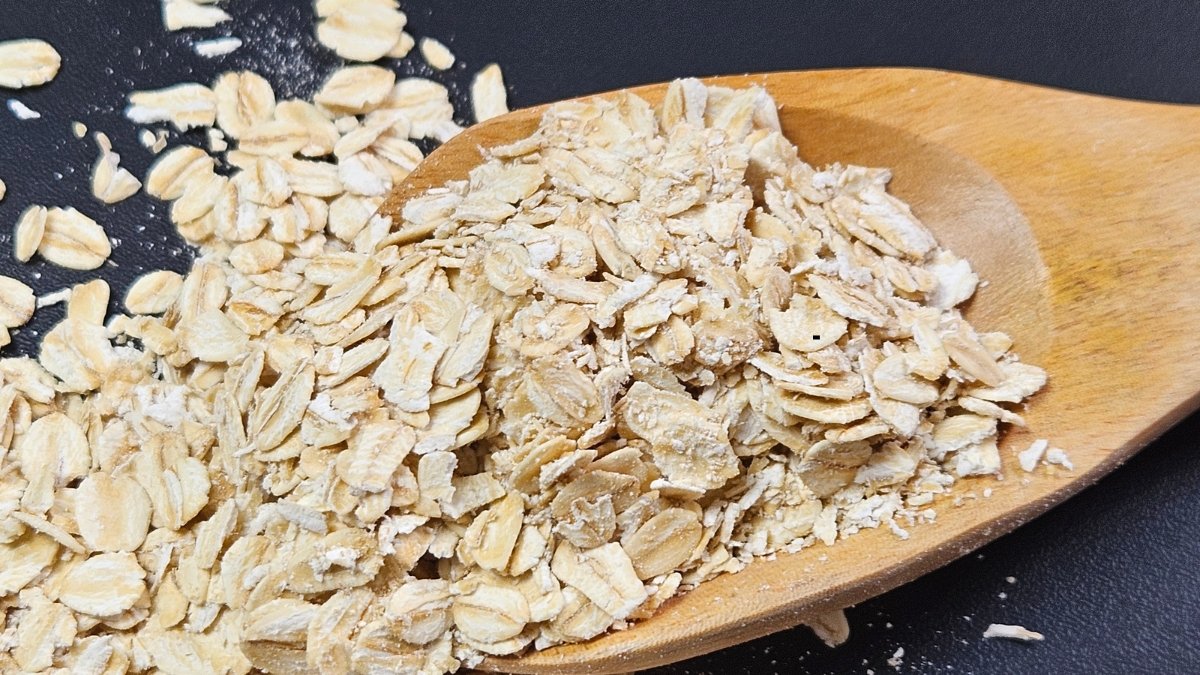
As someone who eats breakfast almost every day, oats are one of my staples. They’re rich in a type of soluble fiber called beta-glucan, which forms a gel-like substance in your gut. This slows down digestion and the absorption of carbohydrates, preventing sharp spikes in blood sugar.
What I love about oats:
I prefer plain rolled or steel-cut oats over instant oatmeal because they’re less processed and have a lower glycemic impact.
I usually top mine with chia seeds, almonds, or walnuts for added healthy fats and protein. Cinnamon gives it natural sweetness without needing sugar. You can also add berries or a spoon of Greek yogurt for balance.
2. Eggs

Eggs are a powerful blood sugar–friendly food because they contain high-quality protein and zero carbohydrates. This makes them excellent for maintaining stable energy levels throughout the day.
My tip:
Starting your day with eggs instead of sugary cereals or pastries can significantly reduce mid-morning crashes and cravings. Try boiled eggs for convenience, scrambled eggs with veggies, or omelets with spinach and mushrooms.
3. Leafy Greens (Spinach, Kale)
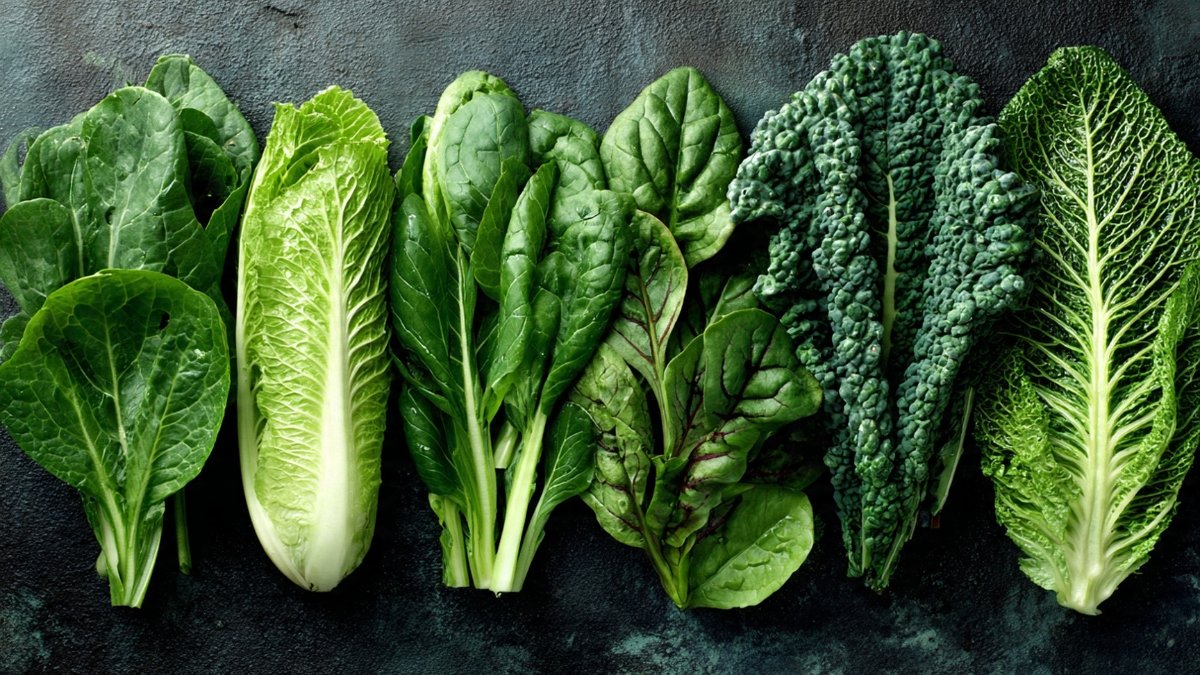
Leafy greens are incredibly nutrient-dense while being very low in carbohydrates. They contain vitamins, minerals, and antioxidants that support overall metabolic health without raising blood sugar levels.
My favorite way to use them:
They’re extremely versatile—add them to smoothies for a nutrient boost, toss them into omelets, stir-fries, or soups, or use them as a base for salads. Even blending spinach into sauces or stews works well if you don’t like the taste.
4. Avocados
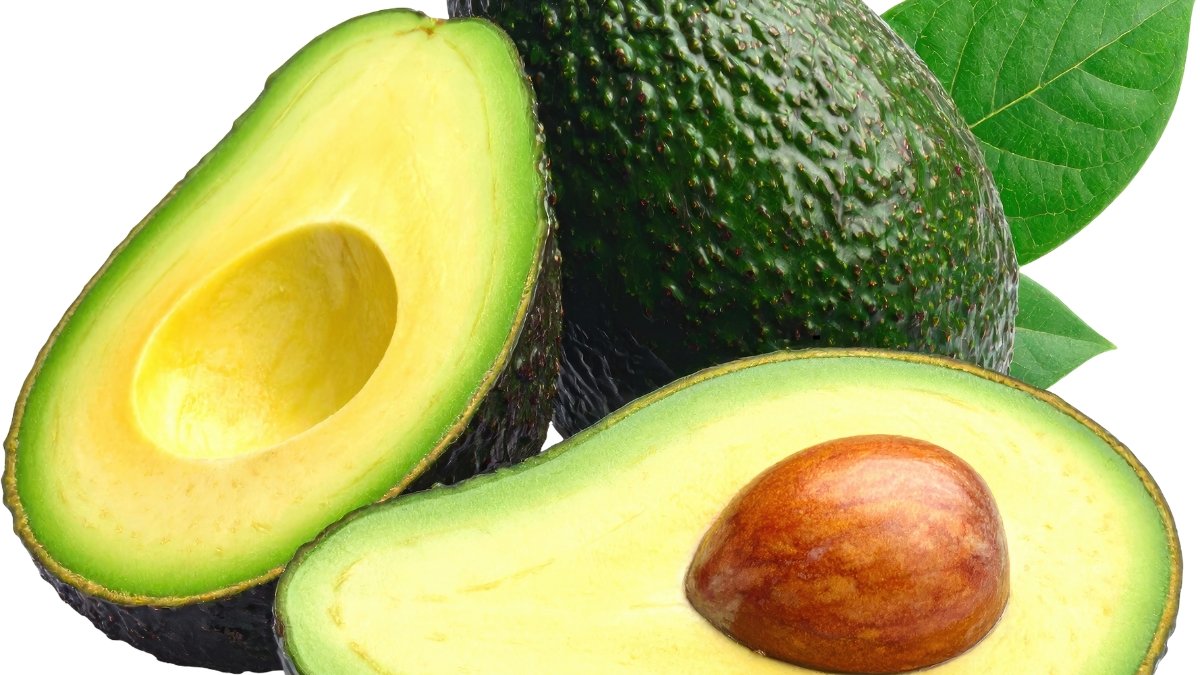
Avocados are rich in monounsaturated fats and fiber, both of which help slow digestion and keep blood sugar levels steady. They also promote satiety, helping you avoid overeating.
How I eat them:
Avocado toast with eggs is a go-to meal. I also add slices to salads, mash them into spreads, or blend them into smoothies for a creamy texture. Even half an avocado can make a big difference in meal balance.
5. Beans and Lentils
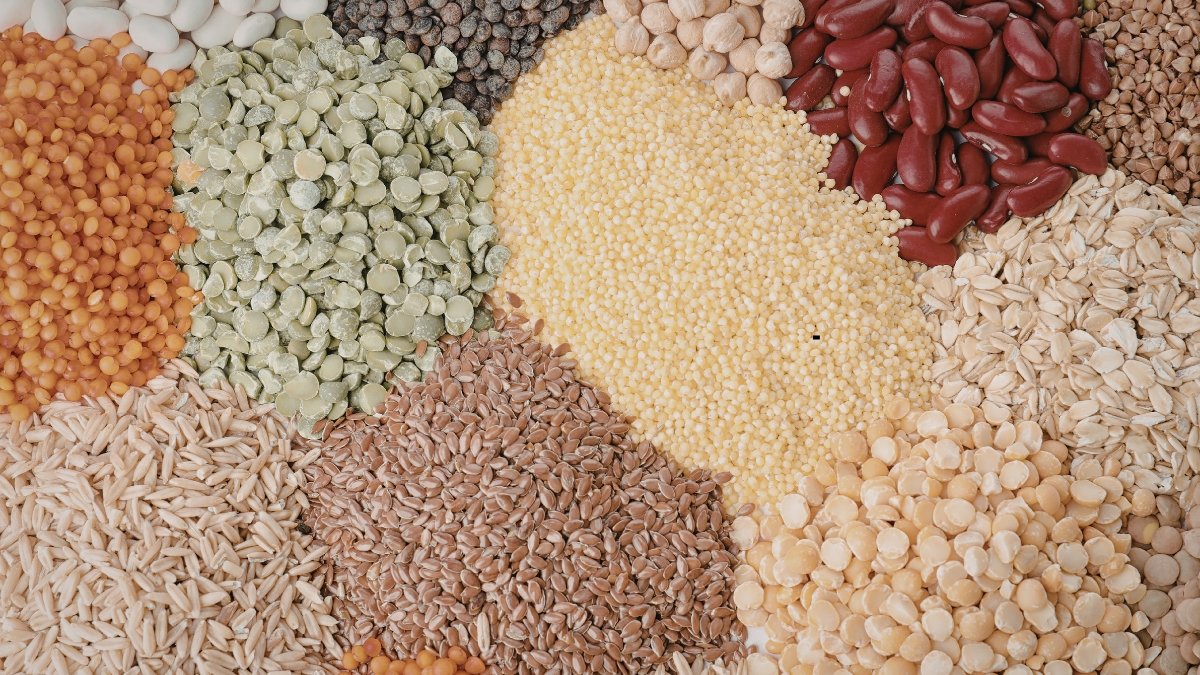
Beans and lentils are considered complex carbohydrates, but they digest slowly due to their high fiber and protein content. This helps prevent rapid spikes in blood glucose.
How I use them:
I add lentils to soups and stews or mix beans into salads, rice dishes, or wraps. A simple combination like beans and brown rice creates a balanced meal with sustained energy.
6. Berries
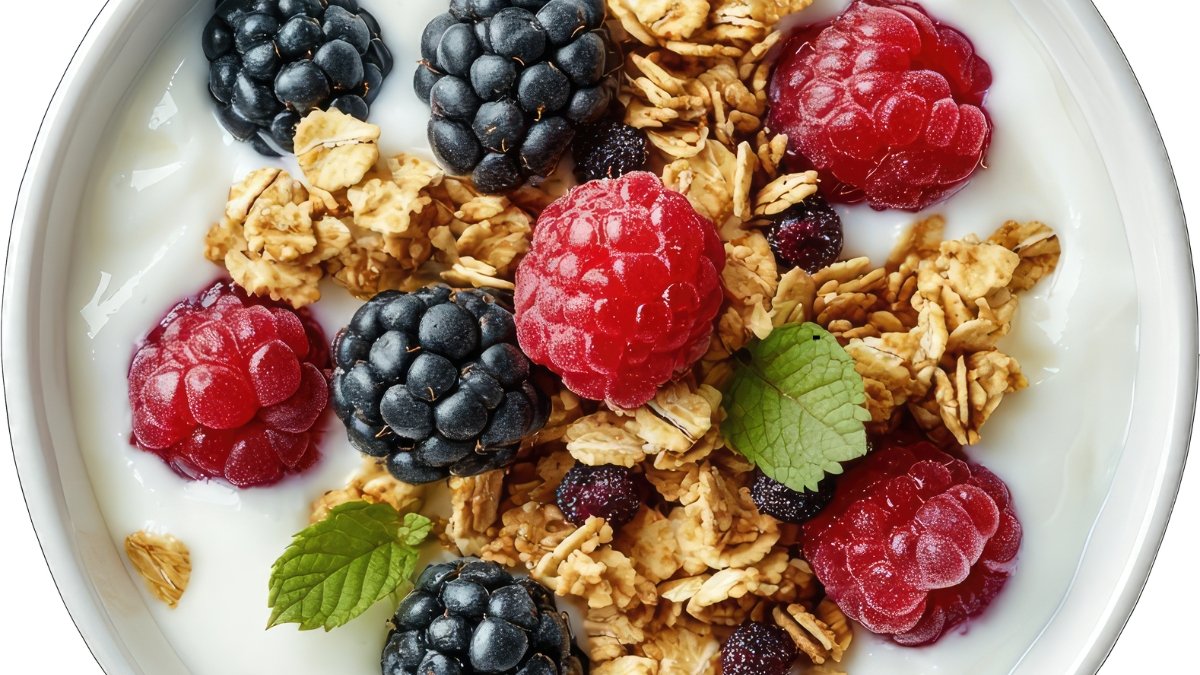
Berries such as strawberries, blueberries, and raspberries are naturally sweet but relatively low in sugar compared to other fruits. They’re also packed with antioxidants and fiber.
Tip:
To further stabilize blood sugar, pair berries with a protein source like Greek yogurt, cottage cheese, or nut butter. This combination slows sugar absorption and keeps you full longer.
7. Nuts (Almonds, Walnuts)
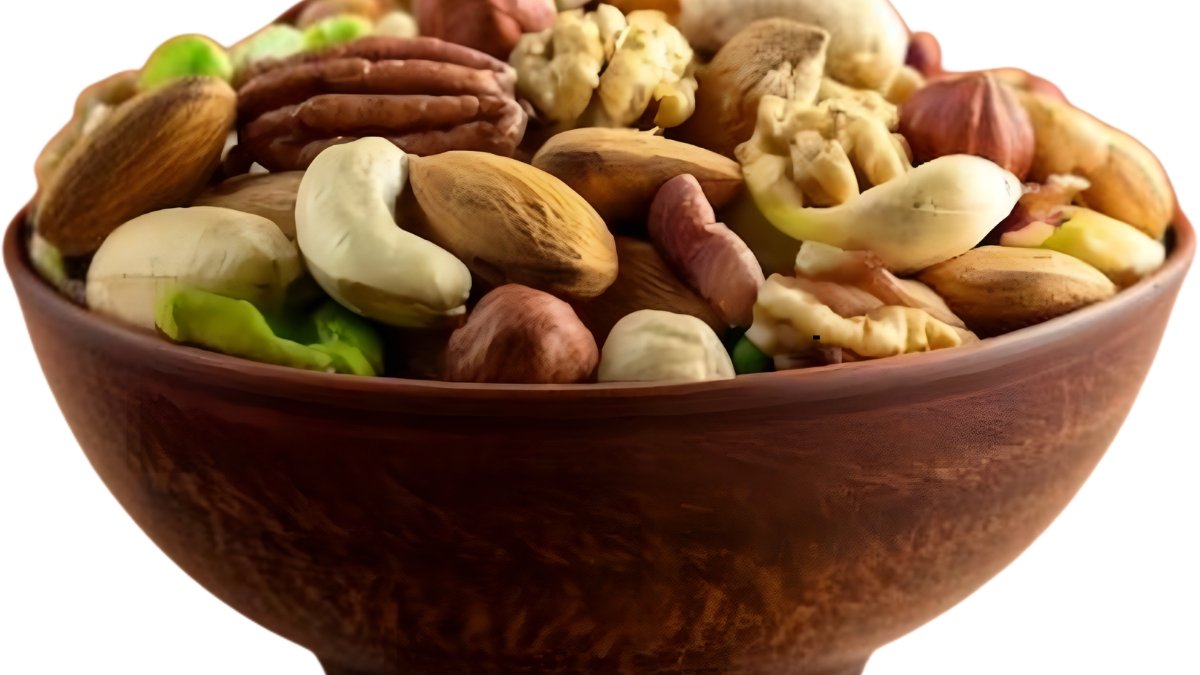
Nuts provide a perfect combination of healthy fats, protein, and fiber, making them ideal for stabilizing blood sugar between meals.
How I use them:
I keep a small handful as a snack or sprinkle them over oatmeal, salads, or yogurt. Be mindful of portion sizes since they are calorie-dense—about a handful is enough.
8. Greek Yogurt

Plain, full-fat Greek yogurt is high in protein and low in sugar, especially compared to flavored varieties. Protein helps slow digestion and prevents spikes in blood sugar.
My trick:
Instead of buying sweetened yogurt, I add my own toppings—berries, chia seeds, cinnamon, or a drizzle of honey if needed. This way, I control the sugar content.
9. Chia Seeds
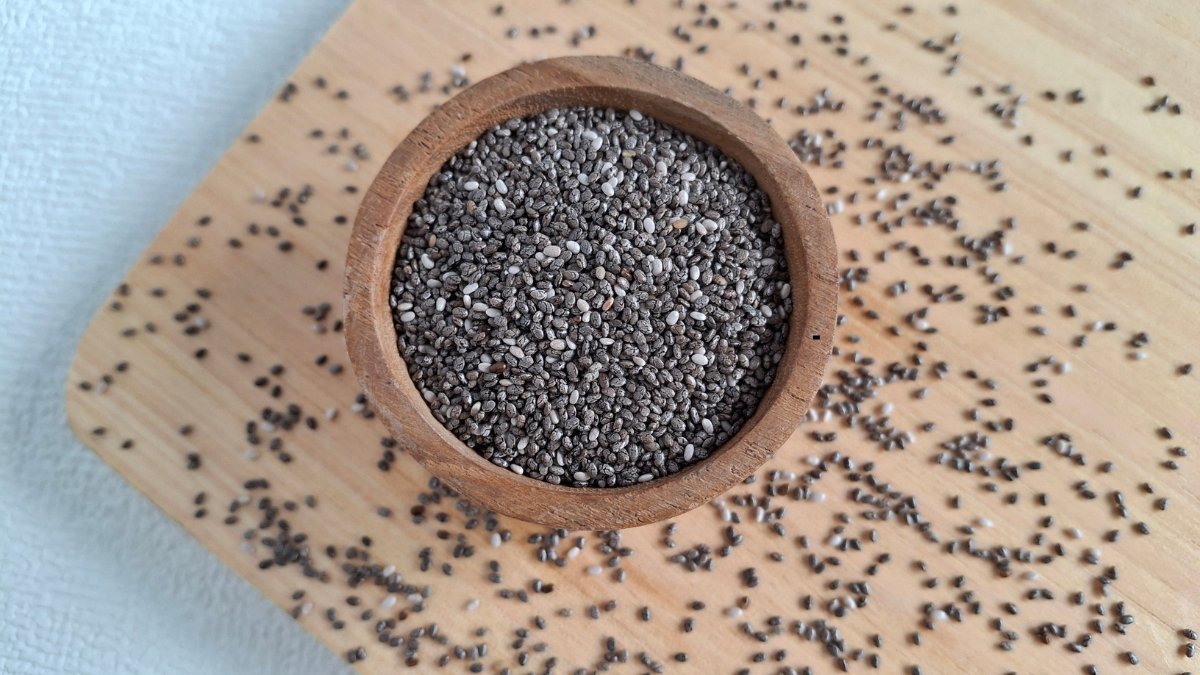
Chia seeds are loaded with soluble fiber. When soaked in liquid, they expand and form a gel that slows carbohydrate absorption.
Easy ways to use them:
Add them to smoothies, sprinkle over oatmeal or yogurt, or make chia pudding by soaking them overnight in milk. They’re small but very effective.
10. Cinnamon
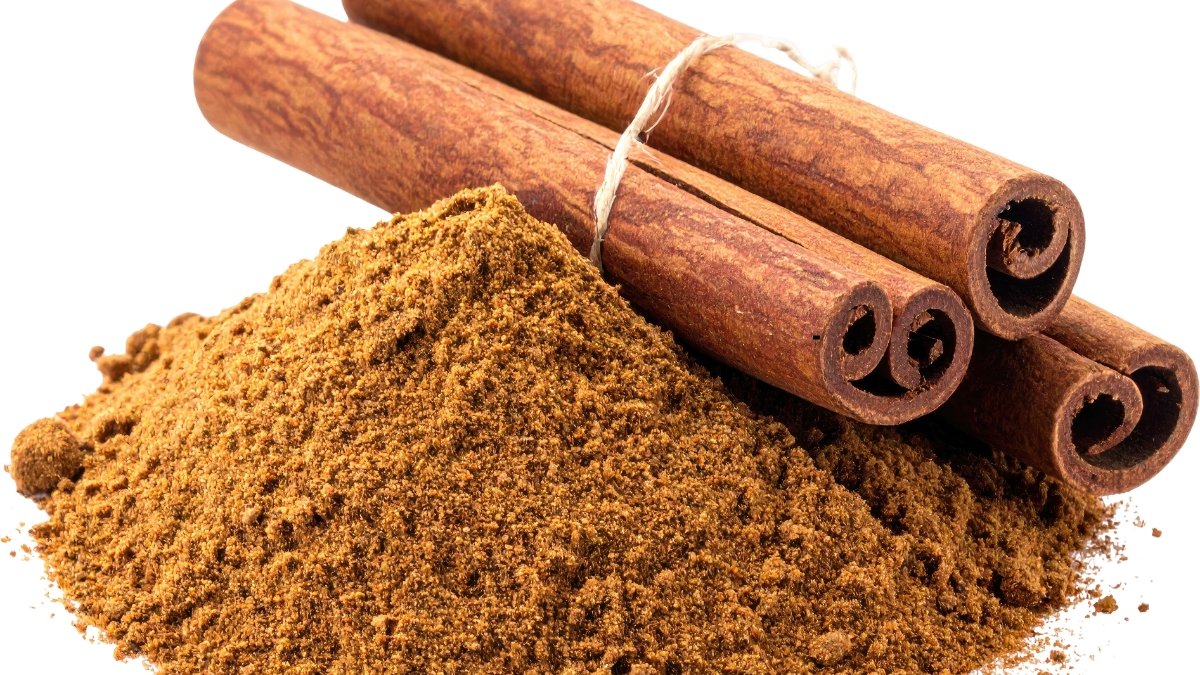
Cinnamon isn’t just a spice—it may help improve insulin sensitivity, allowing your body to use glucose more efficiently.
How I use it:
I add it to oatmeal, tea, coffee, or smoothies. It enhances flavor naturally and reduces the need for added sugar.
11. Sweet Potatoes
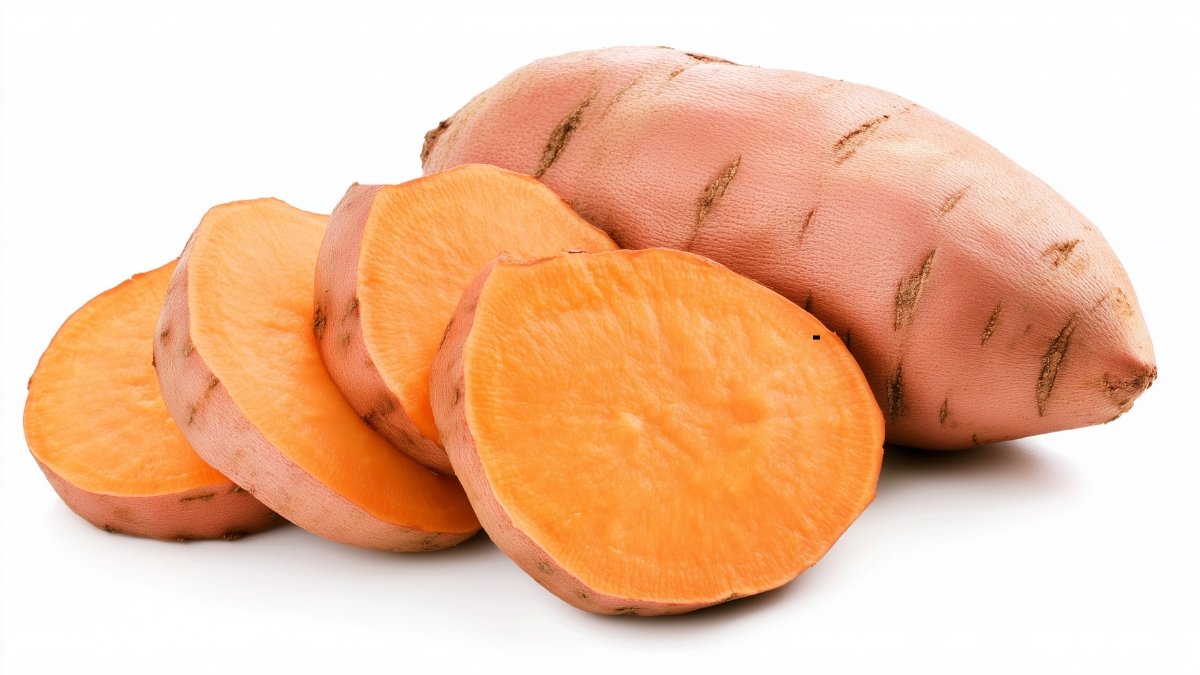
Sweet potatoes are a healthier alternative to white potatoes because they contain more fiber and nutrients, especially when eaten with the skin.
Important tip:
Preparation matters—baked or boiled sweet potatoes have a lower glycemic impact than fried ones. Pair them with protein (like eggs or fish) to further stabilize blood sugar.
12. Whole Grains (Quinoa, Brown Rice)
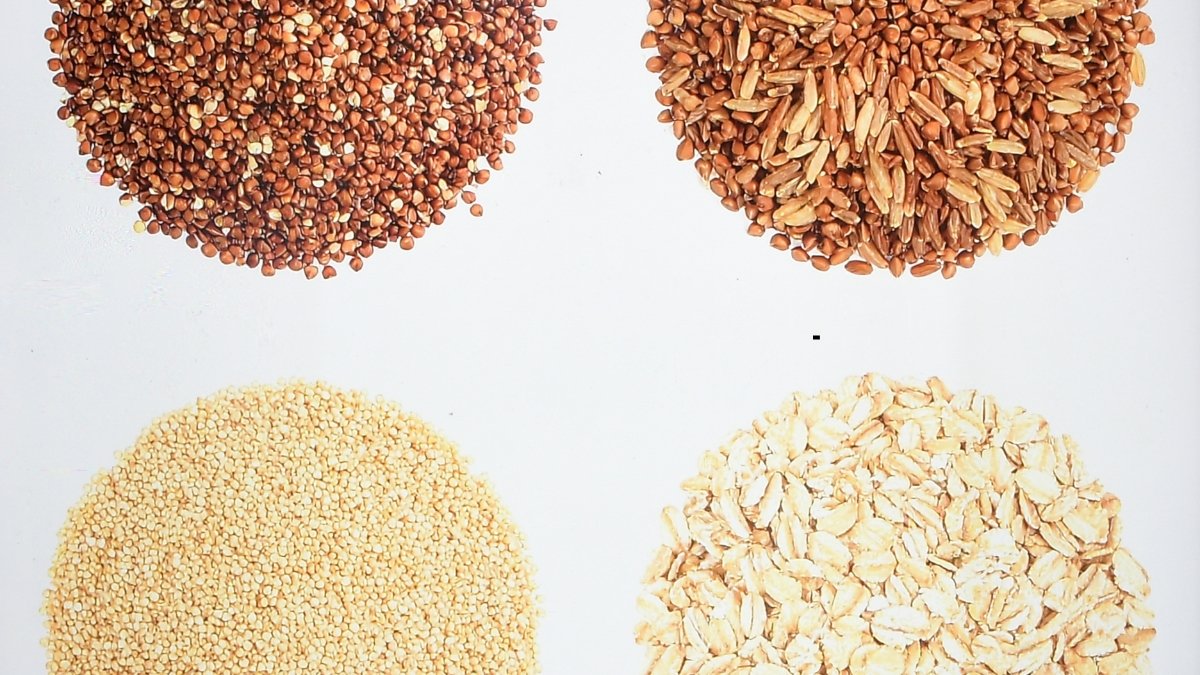
Whole grains retain their fiber and nutrients, unlike refined grains. This means they’re digested more slowly and cause a more gradual rise in blood sugar.
Tip:
Portion control is key. Combine whole grains with protein and healthy fats—for example, quinoa with grilled chicken and vegetables, or brown rice with beans.
13. Fatty Fish (Salmon, Sardines)
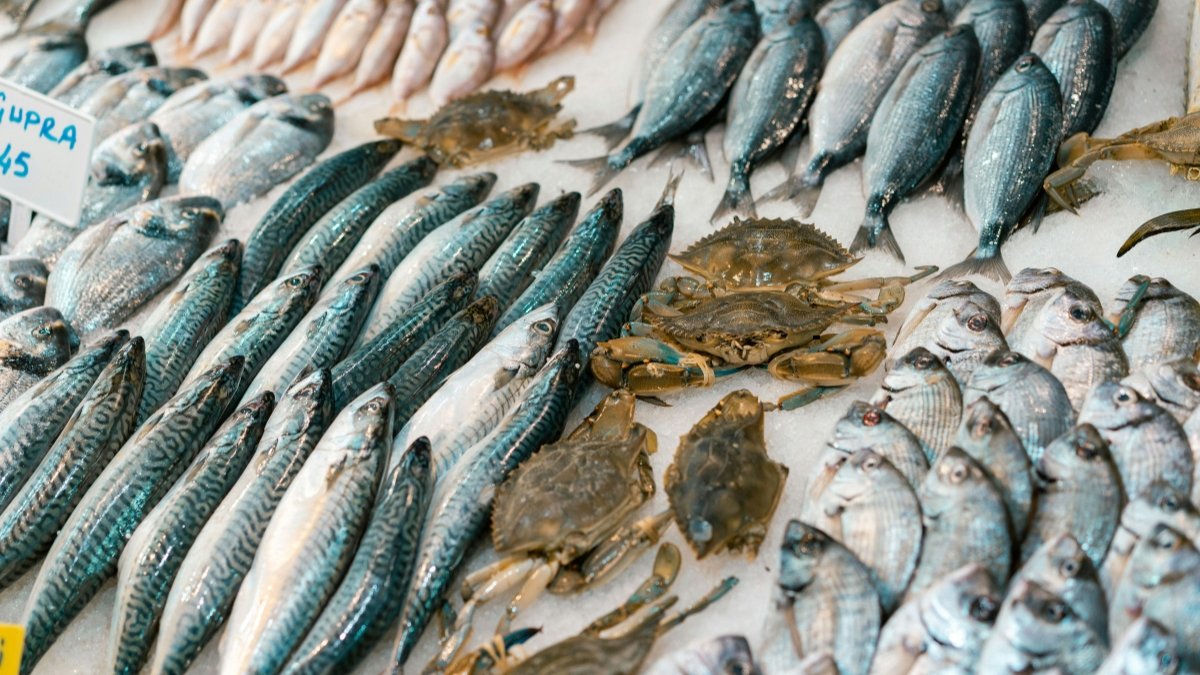
Fatty fish are rich in omega-3 fatty acids, which support heart health and may improve insulin sensitivity.
How I include them:
Aim for 2–3 servings per week. Grill, bake, or steam them, and pair with vegetables and whole grains for a balanced meal.
14. Apples
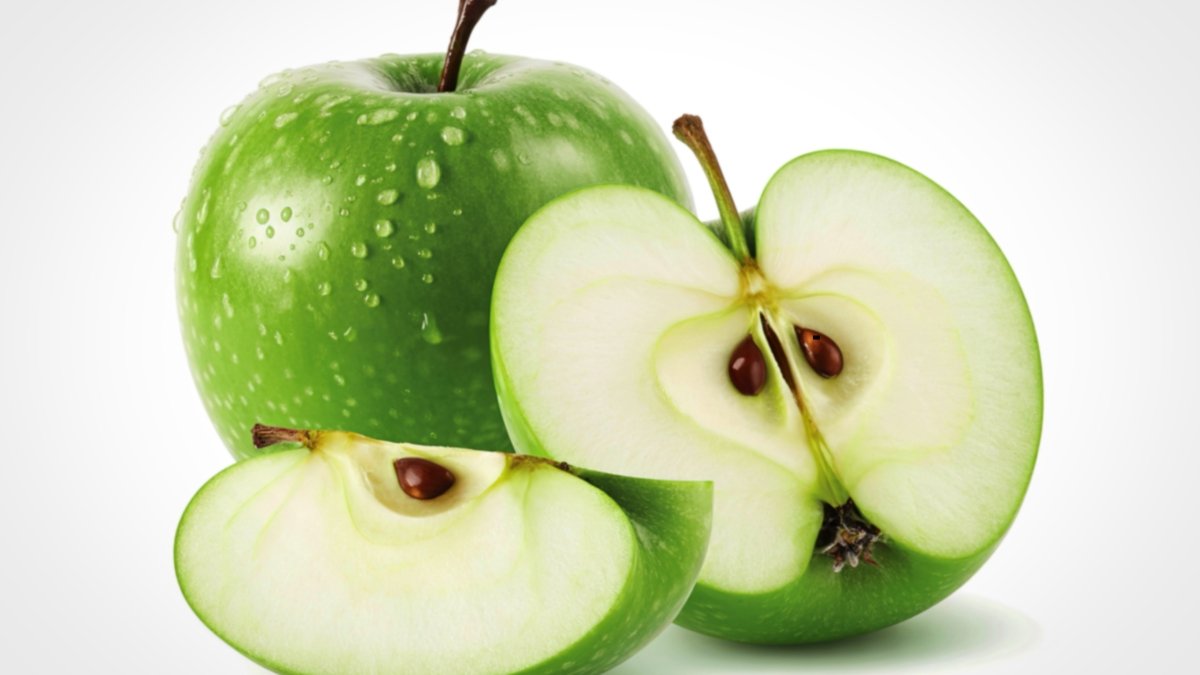
Apples are high in fiber, especially in the skin, which slows digestion and helps regulate blood sugar.
How I eat them:
Always eat apples whole rather than juicing them, since juice removes fiber. Pairing an apple with peanut butter or almonds makes it even more blood sugar–friendly.
15. Apple Cider Vinegar

Apple cider vinegar may help reduce blood sugar spikes after meals by improving insulin response.
How I use it:
Mix 1–2 teaspoons in a glass of water before meals or use it in salad dressings. Start small to see how your body responds.
Meal Prep Tips
Beyond food choices, your daily habits play a huge role in blood sugar stability:
- Drink plenty of water: Dehydration can affect blood sugar regulation.
- Eat regularly: Skipping meals can lead to overeating and spikes later.
- Stay active: Even a 10–15 minute walk after meals can help lower blood sugar.
- Avoid oversized portions: Even healthy foods can cause spikes if overeaten.
- Balance every meal: Aim to include protein, fiber, and healthy fats together.
Final Thoughts
Balance is key.
Every meal should include lean protein, healthy fats, and fiber-rich carbohydrates.
Your diet doesn’t have to be perfect. But if you do eat something unhealthy, avoid continuing the pattern throughout the day.
Instead, aim for meals you know will make you feel good.
If you focus on nutrient-dense foods most of the time, you can—and should—treat yourself occasionally.
Save the pin for later

- 15 Foods That Help Blood Sugar Management - 03/04/2026
- 11 Effective Cortisol Reducing Food To Try - 03/04/2026

