The joy of toddlerhood is a gift to parents and caregivers. Young children are open, honest, and fully present in every experience. In 2026, those experiences may look a little different than they did in previous years. Toddlers today grow up with screens, smart toys, and more stimulation than ever before.
But when it comes to what toddlers truly need at their core, not much has changed. They still need movement, fresh air, opportunities for wonder and discovery, creative play, unstructured time, and genuine connection with the people they love.
The best activities for toddlers, therefore, are not centered on fancy toys or Pinterest-perfect setups. Instead, the most meaningful activities help children engage with the physical world and with their own imaginations through hands-on experience.
Finding balance is a key theme of toddlerhood in 2026. Parents want to thoughtfully use modern tools while also ensuring their toddlers remain rooted in real, sensory-rich experiences.
Here are 15 great toddler activities for 2026 that strike that balance.

15 Activities for Toddlers
1. Sensory Bins With Real-World Themes
Sensory bins are among the most valuable activities you can offer a toddler. In 2026, many parents are moving away from random sensory setups and toward themed experiences.
A “kitchen” bin might include dry rice and beans, wooden spoons, cups, and small bowls.
A “construction” bin could include sand, pebbles, toy trucks, and building blocks.
A “nature” bin might feature leaves, pinecones, stones, and soil.
These activities support fine motor skills, language development, problem-solving, and a strong connection to tangible materials and real-world experiences.
Related; How to Make Your Toddler Stay in Bed
2. Movement Trails at Home
Toddlers are wired for movement. They learn by using their bodies. A movement trail is a simple way to channel this energy into healthy physical development.
Create a trail in your living room or another safe area using pillows, tape on the floor, stools, and mats. It might include:
-
Stepping stones made from paper or foam cutouts
-
A crawling tunnel made with chairs and a blanket
-
A jumping spot on the floor or a small pillow
-
A balance beam created with tape
Movement trails build coordination, balance, confidence, and body awareness while giving toddlers a positive outlet for their energy.
Related; 9 Heartfelt Ways to Make Your Toddler Feel Special
3. Music and Rhythm Play
Music and rhythm are incredibly beneficial for toddlers. In 2026, more parents are making music interactive instead of passive.
Rather than only playing songs, invite your toddler to help make music. Try:
-
Pots and wooden spoons
-
Shakers made from bottles filled with beans or lentils
-
Simple drums
-
Clapping and stomping games
Music play supports language, emotional expression, and memory. It’s also a powerful way to build connection between parent and child.
Related: How To Make Your Toddler Sleep Better
4. Nature Walks With Mini Missions
A simple walk can become a small adventure when you give your toddler a “mission.” These can be very simple:
-
Find three round stones
-
Spot something yellow
-
Collect two leaves
-
Listen for birds
These small goals encourage toddlers to slow down and truly observe the world around them.
5. Story Building With Picture Cards
Storytelling is becoming more interactive in 2026. Use picture cards featuring animals, people, vehicles, or objects. Lay out three or four and help your toddler build a story.
For example:
“Once there was a cat… who met a bird… and they went to the park.”
This activity nurtures imagination, early narrative skills, and expressive language.
6. Water Play Stations
Water play never loses its magic. Set up a simple water station in the bathtub, a large basin, or outdoors using:
-
Cups
-
Sponges
-
Floating toys
-
Funnels
Water play strengthens fine motor skills and cause-and-effect understanding. It is also deeply calming for many toddlers.
7. Practical Life Tasks
Toddlers love feeling capable and helpful. Including them in daily routines builds independence and confidence.
Simple tasks include:
-
Wiping tables
-
Sorting socks
-
Watering plants
-
Carrying light groceries
-
Putting away toys
Children who feel capable often become calmer and more cooperative.

8. Art With Open-Ended Materials
Art is most valuable at this age when it is unstructured. Offer open-ended materials and let toddlers explore freely.
Provide:
-
Crayons and large paper
-
Washable paint
-
Stickers
-
Recycled boxes
-
Safety scissors
The goal is exploration, not perfection. Art supports expression, motor control, and experimentation.
9. Role-Play Corners
Create a small role-play area in your home. It could be:
-
A mini kitchen
-
A doctor’s corner
-
A shop setup
-
A doll-care station
Role-play helps toddlers make sense of the world. It encourages empathy, communication, and social understanding.
10. Sorting and Matching Games
Toddlers naturally enjoy sorting. These simple games build early math and thinking skills.
Materials can include:
-
Colored blocks
-
Toy animals
-
Buttons (with supervision)
-
Shapes
Try prompts like:
-
“Can you put all the red ones together?”
-
“Which ones are big?”
These simple activities strengthen categorization and cognitive development.

11. Calm Corner Time
Emotional awareness and regulation are becoming a growing focus in early childhood.
Create a small calm corner with:
-
Soft pillows
-
Stuffed animals
-
Picture books
-
Sensory toys
Teach your toddler that this is a space for calming down. It is not for punishment—it is a place to learn self-regulation and emotional awareness.
12. Outdoor Free Play
Unstructured outdoor time is one of the most valuable gifts you can offer a toddler.
Outside, toddlers can:
-
Dig in dirt or sand
-
Run barefoot on grass
-
Pick flowers
-
Chase bubbles
Outdoor play doesn’t need to be complex. Nature both calms and stimulates a child’s senses.
13. Simple Cooking Activities
Cooking together builds language, early math skills, and confidence.
Safe tasks include:
-
Stirring
-
Washing fruit
-
Pouring ingredients
-
Tearing lettuce
These moments teach sequencing, patience, and pride in contribution.
14. Photo Memory Games
Printed photos are wonderful tools for building memory. Use pictures of family members, pets, or familiar places.
Simple games include:
-
“Where is Daddy?”
-
“Who is this?”
-
“Match the same picture.”
These strengthen memory and recognition.
15. Quiet Reading Rituals
Daily reading is one of the most powerful habits you can build.
Establish a consistent rhythm:
-
The same chair
-
The same time
-
The same books
-
The same calm energy
Even five minutes a day supports vocabulary, attention span, and emotional bonding.
Final Thoughts
Toddlers do not need to be entertained constantly—and in 2026, they still don’t. They are whole little humans. What they need most are caregivers who slow down, offer presence, and allow them to explore the world at their own pace.
These 15 activities are not a checklist. They are gentle invitations to create rhythms of play, calm, and discovery.
Parents don’t have to do this perfectly. Showing up, slowing down, and making space for wonder is enough. In those small, ordinary moments, toddlers learn how beautiful the world can be.
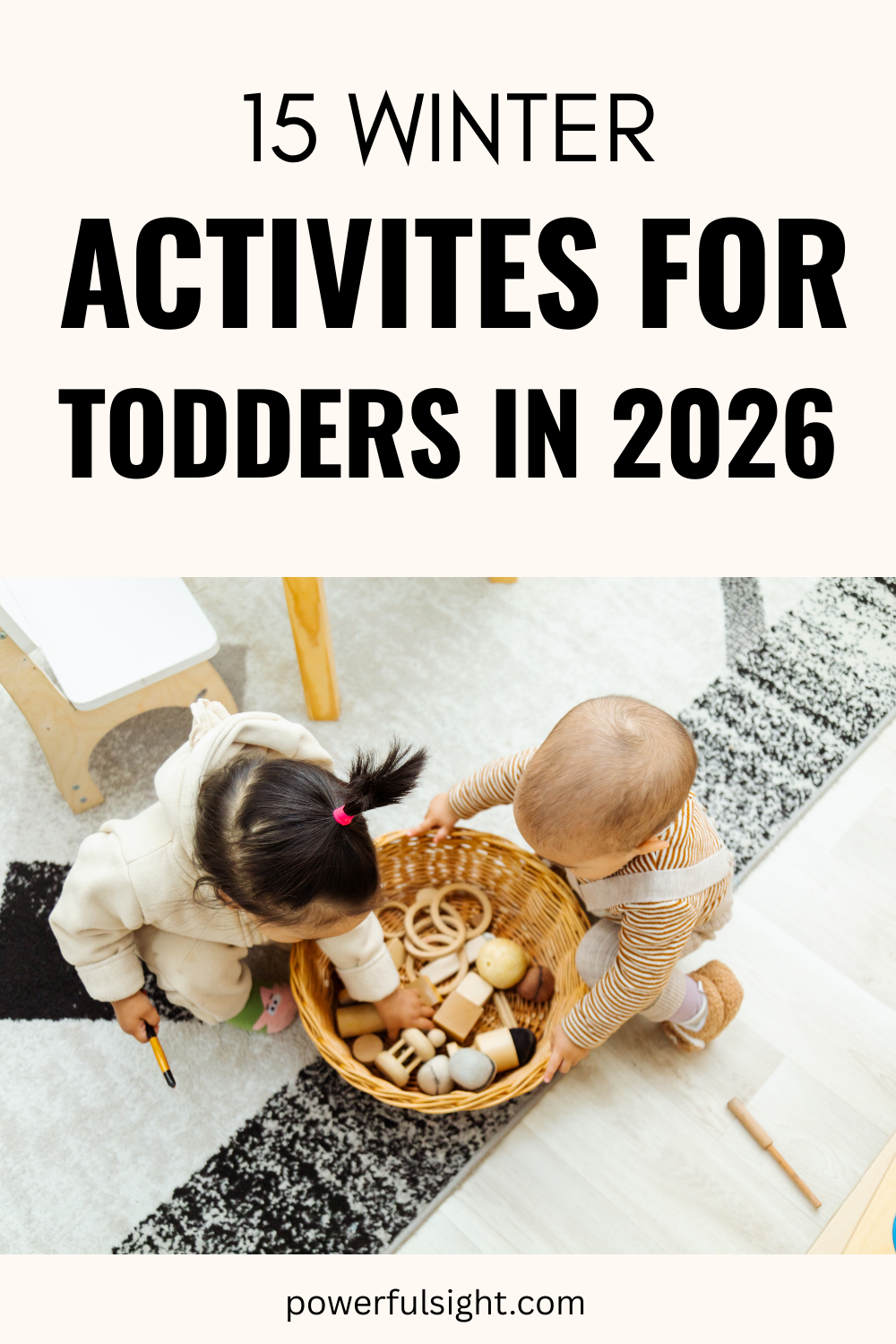
Save the pin for later

- 5 Best Self-Help Books To Read In 2026 - 12/01/2026
- 15 Activities For Toddler In 2026 - 12/01/2026
- 9 Things Narcissists Do That No One Else Sees - 11/01/2026

