Crying is one of the most human things we do. It’s a release. A signal of pain. A wordless way of saying, “Something inside me hurts.”
In healthy relationships, tears are often met with concern, softness, or at least a pause. Even when the other person doesn’t fully understand, they usually recognize that something meaningful is happening.
With a narcissist, however, crying often becomes something very different.
Instead of comfort, you may meet coldness.
Instead of curiosity, irritation.
Instead of care, blame, mockery, or emotional withdrawal.
Many people who have loved narcissistic partners, parents, friends, or bosses say the same haunting thing:
“Every time I cried, I somehow ended up feeling worse.”
That’s not an accident. It’s a pattern.
Understanding how narcissists react when you cry can be deeply validating. It helps you make sense of why moments that should have brought you closer instead left you feeling small, embarrassed, or even ashamed for having feelings at all.
Let’s take a closer look at what’s really happening beneath those reactions—and what they mean for you.
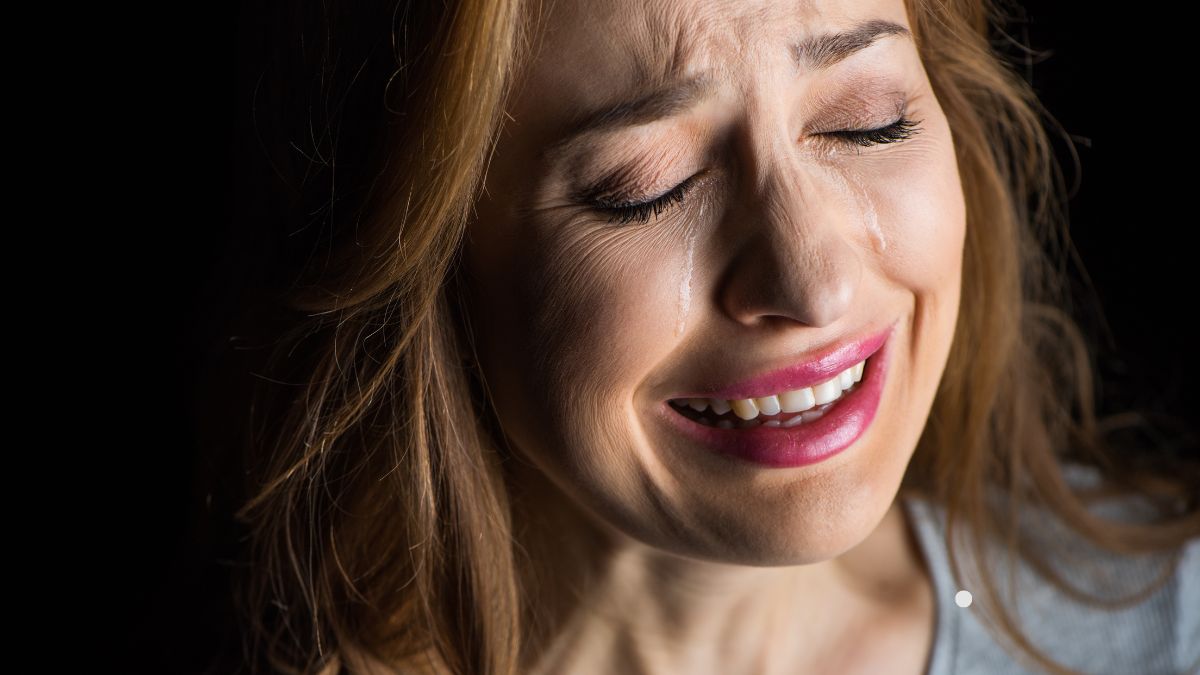
Why Tears Trigger Narcissists
To understand their reaction, you have to understand what crying represents to a narcissist.
Your tears mean:
-
You are emotionally affected
-
Something they did (or failed to do) matters
-
There is vulnerability in the room
-
There is a demand—spoken or unspoken—for empathy
For a healthy person, this invites connection. For a narcissist, it often feels like a threat.
Narcissists struggle with genuine empathy. They don’t easily step into another person’s inner world. When faced with your pain—especially if they caused it—they may experience:
-
Shame they don’t know how to process
-
Fear of being seen as flawed
-
A loss of control
-
A sense of being “accused”
Instead of feeling moved, they feel exposed.
And because narcissists are wired to protect their self-image at all costs, they often respond by deflecting, invalidating, or attacking—not soothing.
Your tears become something to neutralize, not something to honor.
Common Ways Narcissists React When You Cry
While every narcissist has their own style, certain patterns show up again and again.
1. They Minimize Your Pain
One of the most common responses is dismissal:
“You’re overreacting.”
“It’s not that serious.”
“Why are you so sensitive?”
“Other people have it way worse.”
This response quietly tells you: Your feelings are inconvenient.
Minimization is powerful because it doesn’t just deny your pain—it reframes it as irrational. Over time, you may start questioning your own emotional reality:
-
Am I too emotional?
-
Am I making a big deal out of nothing?
-
Is something wrong with me?
That self-doubt is fertile ground for control.
Related: How a Narcissist Plays the Victim Game To Manipulate You
2. They Become Irritated or Angry
Instead of softening, a narcissist may harden.
Your tears might be met with:
-
Eye-rolling
-
Sighing
-
Raised voices
-
Sharp words
-
Accusations
They may say things like:
“Here we go again.”
“You always do this.”
“You’re trying to make me the bad guy.”
What you’re really witnessing is emotional defensiveness. Your pain feels like an attack on their self-image. Rather than look inward, they strike outward.
You came seeking connection.
They respond with combat.
This teaches you something dangerous: Crying is unsafe.
Related: 15 Things To Never Do With A Narcissist
3. They Turn the Situation Around
Narcissists are masters of reversal.
You cry because you’re hurt.
Suddenly, they are the victim.
They might say:
“So now I’m the villain?”
“Do you have any idea how hard this is for me?”
“You don’t care about my feelings at all.”
Before you know it, you’re apologizing for crying.
This tactic does two things:
-
It shifts focus away from your pain.
-
It trains you to manage their emotions instead of your own.
Over time, you may stop expressing hurt altogether—because every tear becomes a burden you have to clean up.
Related: How Narcissists Trap You
4. They Mock or Belittle You
Some narcissists go further and weaponize your vulnerability.
They may:
-
Laugh at your tears
-
Mimic your voice
-
Call you “dramatic” or “crazy”
-
Use your crying later as ammunition
For example:
“You always cry like a child.”
“Here come the waterworks.”
“You’re unstable.”
This is emotional cruelty. It teaches you that vulnerability will be punished.
Many survivors of narcissistic relationships say this was the moment they “shut down” emotionally—not because they didn’t feel anymore, but because it became too dangerous to show.
5. They Offer Cold, Performative Comfort
Not all narcissists are openly harsh. Some appear supportive—but in a hollow way.
They might:
-
Pat your shoulder stiffly
-
Say, “There, there,” without presence
-
Offer solutions without listening
-
Change the subject quickly
It looks like care, but feels empty.
Why? Because the focus isn’t truly on you. It’s on resolving the discomfort your emotions create for them. The goal is not connection—it’s containment.
You may walk away thinking, They tried, yet still feel unseen.
That emptiness is information.
6. They Use Your Tears for Control
In some dynamics, crying becomes a tool for the narcissist.
They learn:
-
What makes you break
-
What makes you back down
-
What makes you apologize
Later, they may deliberately push those buttons.
Your vulnerability becomes a map.
They may provoke you, then say:
“See? You’re unstable.”
“This is why no one can deal with you.”
Your pain becomes proof of your “flaws,” not a signal of harm.
This can create a devastating cycle:
They hurt you → You cry → They shame you → You try harder to please → They gain more power.
What This Does to You Over Time
Being emotionally invalidated repeatedly changes you.
You may begin to:
-
Cry in secret
-
Apologize for having feelings
-
Numb yourself
-
Stop bringing up concerns
-
Doubt your perceptions
-
Feel embarrassed by your own emotions
Many people say:
“I became quieter. Smaller. I learned how to swallow pain.”
Not because they were weak,
but because their nervous system adapted to survive.
When crying leads to rejection instead of comfort, your body learns that vulnerability equals danger.
That is not a personality flaw.
That is a trauma response.
Why They Can’t Simply “Do Better”
It’s tempting to believe that if you explain clearly enough, cry gently enough, or stay calm enough, they’ll finally understand.
But narcissistic patterns aren’t about misunderstanding. They’re about structure.
Narcissists are organized around:
-
Protecting ego
-
Maintaining control
-
Avoiding shame
-
Preserving superiority
Your tears invite:
-
Accountability
-
Emotional depth
-
Mutual vulnerability
These are precisely the experiences narcissists struggle with.
That doesn’t make them monsters. But it does make them unsafe emotional partners for someone who needs real connection.
You cannot teach empathy into someone who experiences it as a threat.
What Healthy Reactions Look Like
It can be healing to know what should happen when you cry.
In emotionally healthy dynamics, people may not be perfect—but they tend to:
-
Pause
-
Soften
-
Ask what’s wrong
-
Try to understand
-
Take responsibility when needed
-
Stay present
They may not fix everything.
They may not always agree.
But your pain matters.
You don’t leave feeling foolish for having feelings.
You leave feeling human.
How to Protect Yourself
If you recognize these patterns, the most important shift is internal.
Stop using their reaction as a measure of your worth.
Your tears are not manipulative.
Your emotions are not excessive.
Your pain is not imaginary.
Crying is not a flaw. It is a language.
You deserve to speak it in places where it is honored.
Some protective steps include:
-
Sharing less vulnerability with unsafe people
-
Seeking emotional validation from healthy sources
-
Naming patterns instead of internalizing them
-
Allowing yourself to feel without self-judgment
-
Relearning that your emotions are allowed
You don’t need to “toughen up” to be worthy of love.
You need environments where your softness is not used against you.
Final thought
If someone consistently makes you feel ashamed for hurting, they are not a safe place to land.
Love does not require you to silence your own pain.
And the way someone responds to your tears tells you more about their capacity for connection than any words ever could.
You are not too much.
You were just asking the wrong person to hold something sacred.
Save the pin for later

- 10 Signs You’re Overparenting Your Child - 12/04/2026
- 8 Things Women Do When They Feel Invisible in Their Marriage - 12/04/2026
- 7 Clear Signs of an Authentic Woman You Should Never Ignore - 12/04/2026

