Ideally, marriage should be characterized by love, companionship, fun, support, security, intimacy, friendship, growth, and stability throughout the entire union. Of course, that’s not always how it works in reality.
We all experience hardship in our relationships—even healthy ones.
Occasionally, partners go through dry spells of happiness, communication, and connection.
There can even be prolonged periods of emotional disconnect, resentment, and unspoken unhappiness.
From my experience as a couples counselor, one of the most detrimental patterns in a marriage is quietly harboring negative emotions and frustrations toward your partner without even realizing it.
Many times, a person can become so unhappy in their marriage that they don’t even recognize it themselves. They just know they aren’t happy. They may feel “off” emotionally, irritated by everything, or disconnected from the person they love.
So how can you tell if someone secretly hates their marriage?
Below are eight subtle signs that someone might secretly despise their marriage (and what they really mean).

8 Signs You Secretly Hate Being Married
1) They Are Easily Irritated by Little Things
The straw that broke the camel’s back.
We’ve all been there. Little things begin to annoy us about our partner that we never used to notice or care about:
- How they chew their food
- How they speak to us
- The dishes in the sink
- The way they leave their clothes on the floor
It suddenly feels like too much.
What this really means:
Constant irritation over your partner’s small habits is usually a sign that you’re holding onto resentment. Letting emotions linger for too long wears down your patience and causes you to take things more personally than you used to.
Related: 10 Things a Married Woman Should Consider While Dealing With Other Men
2) They Feel Emotionally Distant
Emotional disconnection can be quiet and subtle.
You probably won’t notice your partner packing their bags and leaving overnight—but you will notice them slowly sharing less.
- Fewer conversations
- Less emotional expression
- Reduced engagement
They may start pouring their emotions into other areas like:
- Friends
- Work
- Social media
- Or nowhere at all
When people feel judged, unappreciated, or emotionally unsafe, they tend to pull away. The relationship begins to feel more like living with a roommate than a soulmate.
3) They Daydream About Life Without Their Partner
Think back to when you were single.
Did you ever think about being in a relationship? Of course.
You probably daydreamed about your ideal partner—but unless you were deeply unhappy, those thoughts didn’t consume you.
When someone is unhappy in their marriage, they begin to daydream more frequently about life without their spouse—whether that’s being single, dating others, or simply living independently.
When a relationship becomes emotionally draining, being alone starts to feel more appealing than being with your partner.
4) They Avoid Physical and Emotional Intimacy
Intimacy is one of the foundations of a healthy marriage.
When emotional and physical intimacy begin to fade, it’s rarely by accident.
You may notice:
- Less physical touch
- Little affection
- Emotional distance during intimacy
Intimacy fades when frustrations, annoyances, and disconnection build up over time. Emotional withdrawal often leads to physical withdrawal.
Related: What Is Emotional Abandonment In Marriage
5) They Feel Like They Settled
Do you ever catch yourself thinking:
“This isn’t how I imagined it…”
or
“This is as good as it gets…”
When expectations don’t match reality, feelings of settling can emerge.
This might apply to:
- Communication
- Personality
- Career
- Income
- Chemistry
- Passion
- Love
- Understanding
Feeling like you settled can lead to frustration, disappointment, and dissatisfaction. It’s difficult to feel fulfilled when you believe you could have done better or been better understood elsewhere.
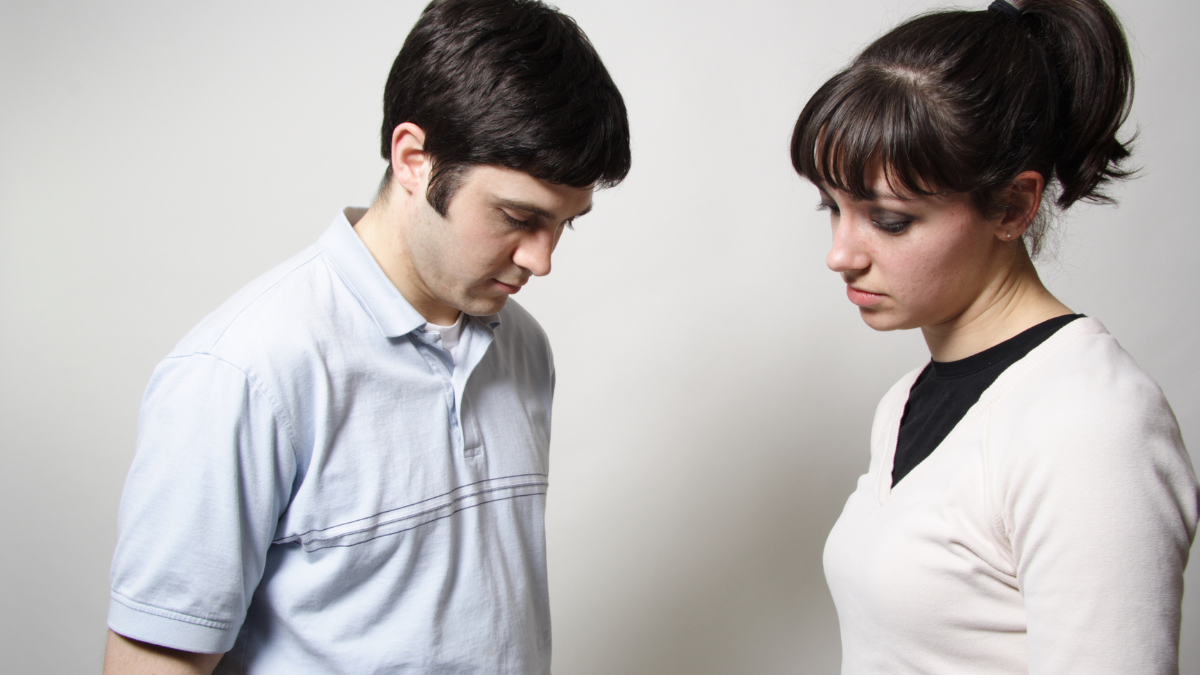
6) They Avoid Spending Time Together
When you love someone, spending time with them feels natural—not like an obligation.
But if you find yourself constantly avoiding your partner, that’s a concern.
You may notice:
- Working more than usual
- Staying out longer with friends
- Avoiding family time
- Always having something else to do
People naturally gravitate toward what feels good. If being around your spouse no longer brings joy, you’ll seek comfort elsewhere.
7) Communication Feels Like Hard Work
“Communication is key”—you’ve heard it before.
But if conversations feel exhausting or nonexistent, something is wrong.
You might:
- Argue every time you talk
- Avoid meaningful conversations
- Stop talking altogether
When people believe communication won’t lead to change, they shut down emotionally. Without effort, problems remain unresolved.
8) They Don’t Get Mad Anymore… They Just Don’t Care
This is one of the most serious signs.
Anger still shows emotional investment. Arguments, while uncomfortable, indicate that both people still care.
But indifference?
That’s different.
You stop feeling angry. You stop feeling hurt. You just feel… nothing.
Indifference is more dangerous than conflict. Feeling nothing signals emotional detachment at its deepest level.
What Do These Signs Really Mean?
These are red flags for a reason.
When someone is slowly—or quickly—falling out of love, these patterns often appear.
However, these signs don’t necessarily mean the marriage is over.
They suggest:
- Emotional disconnection has been building
- Resentments have gone unaddressed
- Both partners are unhappy but unsure how to fix things
- Important emotional needs are unmet
The good news? These issues can be addressed.
Can Someone Who Hates Their Marriage Change Their Mind?
Yes—but it requires self-awareness and effort.
The first step is acknowledging that there’s a problem both partners need to work on.
Once that happens, it becomes possible to:
- Identify underlying issues
- Address unresolved resentment
- Rebuild connection
Conclusion
Problems in relationships often go unnoticed because they blend into daily routines.
Wake up, argue, move on, repeat.
But when these patterns become consistent, they signal deeper issues.
Recognizing these signs is the first step toward change.
Once you understand what’s happening, you can begin to fix what’s missing.
Ignoring them only widens the emotional gap—until you feel like you’re living with someone you no longer recognize.
Awareness is the first step. What comes next determines the future of the relationship.
Save the pin for later

- 8 Signs You Secretly Hate Being Married - 13/04/2026
- 10 Habits That Make You a Difficult Wife (And How to Fix Them) - 13/04/2026
- If You Do These 16 Things You Don’t Have Common Sense - 12/04/2026

