Been guilty of starting a workout routine… then quitting after a few weeks?
Same here. I start strong, get lost halfway through, and lose motivation before reaching the finish line.
But after years of trial and error, I discovered a game-changing truth:
The best workout routine isn’t the fanciest or most intense one…
…it’s the one you actually follow!
And that’s why I created this post.
I’m going to share with you:
- How to create a workout routine that works in real life (as a busy adult with limited time)
- What to do on each workout day
- How to progress over time
Whether you’re just getting started or have fallen off the fitness wagon, I’ve got you.
Ready? Let’s go.

Why You Should Have a Workout Routine
Before we jump into the “how,” let’s quickly cover the “why.”
Why set a workout schedule and stick to it?
Here are the benefits you’ll enjoy:
- Consistency (you won’t have to wing it every day)
- Accountability (you can track your progress)
- Balanced training (reduced risk of injury)
- Improved strength, stamina, and confidence
Personally, I love how my workout routine helps me feel productive.
I work from home, so there are days when my brain feels foggy and I feel lazy. But working out forces me to sweat, focus on my form, and always leaves me feeling accomplished.
Workout Routine That Actually Works
Step 1: Know Your Goal
Before deciding on your workout routine, ask yourself:
“What am I trying to accomplish?”
Do you want to lose weight, gain muscle, improve endurance, or something else?
Your goals will determine:
- Which exercises you should choose
- How many days you should train per week
Keep in mind that your goals can evolve over time. But for now, pick something specific to work toward.
Here are some examples:
- Weight loss: Cardiovascular training + strength training
- Muscle gain: Resistance training + proper rest and recovery
- Endurance: Stamina-building workouts + cardio
- General fitness: A mix of strength training, cardio, and flexibility
Remember: your goals don’t have to be perfect—just specific enough to guide your workouts.
Related: 10 Body and Fitness Goals to Become Healthier In 2026
Step 2: Pick a Schedule
How often should you work out?
This used to stress me out. There were so many “rules.”
Work out every day? Three times a week? Take rest days?
Let me simplify it for you:
- Beginner: Train 3 days per week
- Intermediate: Train 4–5 days per week
- Advanced: Train 5–6 days per week
If you’re just starting, stick to 3 days per week. It allows your body to recover while helping you build a routine you can actually maintain.
Example:
- Monday: Workout
- Wednesday: Workout
- Friday: Workout
…and that’s it.
Related: 10 Ways to Beat Work Stress
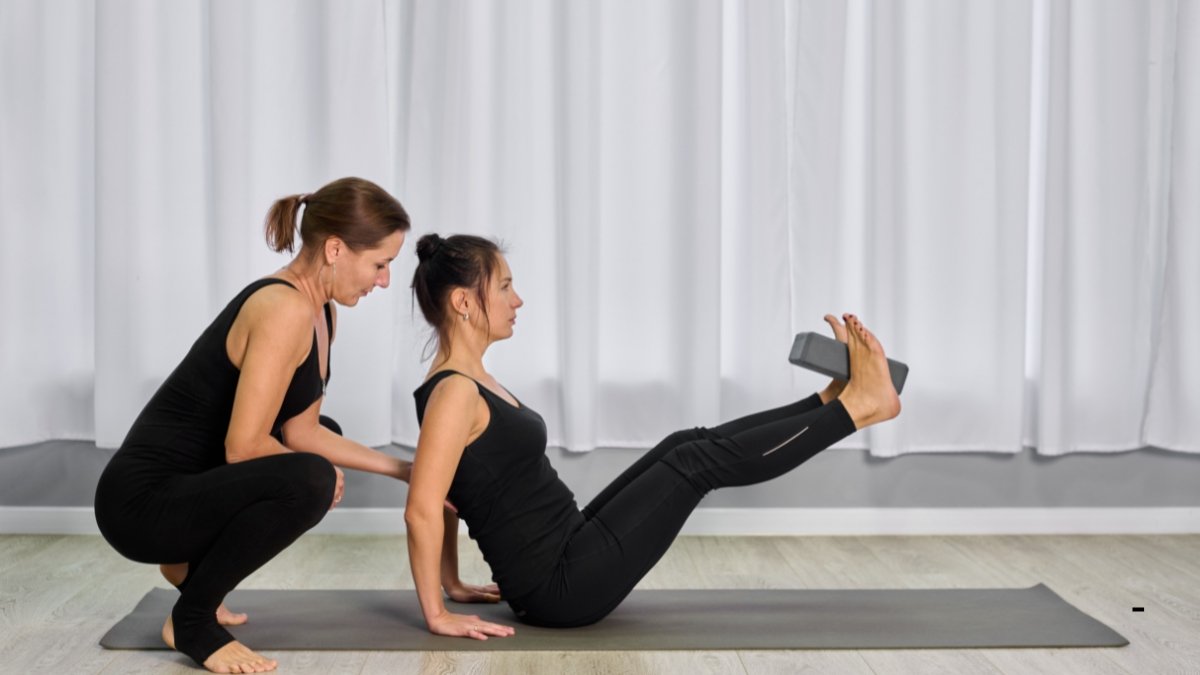
Step 3: Design Your Weekly Workout Routine
Now comes the fun part.
What workouts should you do each day?
You could spend hours researching exercises, but I’ll save you the headache.
Here’s a simple and effective routine:
Day 1: Full Body Strength
- Squats
- Push-ups
- Dumbbell rows
- Plank
Day 2: Cardio + Core
- Brisk walk or jog (20–30 minutes)
- Bicycle crunches
- Leg raises
- Mountain climbers
Day 3: Lower Body + Glutes
- Lunges
- Glute bridges
- Deadlifts (if available)
- Calf raises
Day 4 (Optional): Upper Body
- Shoulder presses
- Bicep curls
- Tricep dips
- Chest press
Day 5 (Optional): Active Recovery
- Stretching
- Yoga
- Light walking
Consistency matters more than perfection. Adjust as needed.
Related: How To Boost Your Wellness Routine
Step 4: Focus on Your Form
When I first started, I only cared about how many reps I could do.
Big mistake.
I ended up sore in places I didn’t even know existed—and risked injury.
Now, I focus on form above all else.
Slow down if needed. Pay attention to posture and range of motion.
It’s better to do 5 perfect reps than 30 sloppy ones.
Step 5: Continue to Make Progress
Your body adapts quickly. Do the same workout repeatedly, and you’ll plateau.
That’s why I aim for small improvements:
- Add more weight
- Increase reps or sets
- Reduce rest time
- Try more advanced variations
I started with wall push-ups, then knee push-ups—and now I can do full push-ups with proper form.
Small improvements lead to big results.
Related: 2 Hours Realistic Morning Routine Checklist
Step 6: Warm Up and Cool Down
I used to think warm-ups were pointless. I was wrong.
Warm-up (5–10 minutes):
- Jumping jacks
- Arm circles
- Light jogging in place
- Dynamic stretching
This improves performance and reduces injury risk.
Cool-down:
- Stretching
- Deep breathing
- Slow walking
Related: 5am Routine To Start Now To Change Your Life

Step 7: Listen to Your Body
Some days you’ll feel amazing. Other days, not so much.
That’s normal.
Here’s how I adjust:
- Tired → Take a rest day or go lighter
- Sore → Focus on stretching and mobility
- Feeling great → Increase intensity
Consistency doesn’t mean pushing hard every day—it means showing up.
Step 8: Have Fun
If you hate your workouts, you won’t stick with them.
I used to force myself into routines I didn’t enjoy. Now, I customize everything.
Try this:
- Listen to music or podcasts
- Try new exercises
- Work out outdoors occasionally
- Set fun challenges
Exercise shouldn’t feel like punishment.
Step 9: Support Your Workouts with Healthy Habits
Your results depend on more than just exercise.
1. Eat well
Focus on balanced meals with protein, healthy fats, and whole carbs.
2. Sleep enough
I perform best with at least 7 hours of sleep.
3. Stay hydrated
Keep water nearby and sip throughout the day.
Step 10: Track Your Workouts
Tracking progress keeps you motivated.
Write down:
- Exercises completed
- Reps and sets
- How you felt
You’ll be surprised how far you’ve come.
Progress Isn’t Always Visible
Not all progress shows on the scale or in the mirror.
But you’ll notice:
- Improved endurance
- Increased confidence
- Better overall performance
Trust the process.
Sample Beginner Workout Routine
Day 1 (Full Body)
- Squats – 10 reps × 3 sets
- Push-ups – 8 reps × 3 sets
- Plank – 20 seconds × 3 sets
Day 2: Rest or active recovery
Day 3 (Cardio + Core)
- Brisk walk/jog – 20 minutes
- Crunches – 10 reps × 3 sets
- Leg raises – 10 reps × 3 sets
Day 4: Rest
Day 5 (Full Body)
- Lunges – 10 reps per leg × 3 sets
- Glute bridges – 12 reps × 3 sets
- Light arm workout
Weekend: Rest or active recovery
Common Workout Mistakes
- Doing too much too soon
- Skipping rest days
- Comparing yourself to others
- Changing routines too often
Consistency always wins.
Conclusion
Creating a workout routine doesn’t have to be overwhelming.
Keep it simple, stay consistent, and build gradually.
Here’s what matters most:
- Start small
- Stick to your schedule
- Improve over time
- Remember why you started
Let me know if this workout routine checklist helps you below.
Save the pin for later

- 10 Workout Routine That Actually Works (And Sticks) - 05/04/2026
- How To Stop Being Manipulated By Women - 05/04/2026
- 9 Clear Signs A Woman Thinks You’re Attractive - 05/04/2026

