The first day of school can feel exciting, awkward, or stressful, especially when kids are meeting new classmates and adjusting to unfamiliar routines. Simple questions give them an easy way to connect without pressure, whether they’re talking with a new friend, answering a teacher, or sharing their day at home.
This collection includes 200 first day of school questions for kids to use in classrooms, playdates, car rides, family dinners, and back-to-school activities. The prompts are grouped by purpose, with easy getting-to-know-you questions, school hopes, feelings, favorite activities, and imaginative choices. Adults should let children pass, avoid forcing personal answers, and choose questions that match each child’s age and comfort level.
Start with a few light prompts, then explore the question groups that best fit your child’s mood and setting.
200 First Day of School Questions for Kids
These first day of school questions work well for name circles, partner chats, lunch conversations, morning meetings, and simple ball-toss games.
Children can answer aloud, write answers on cards, draw their responses, or interview a partner. Keep the tone relaxed, and let each child skip any question they don’t want to answer.
Easy Questions About Names, Pets, and Everyday Life
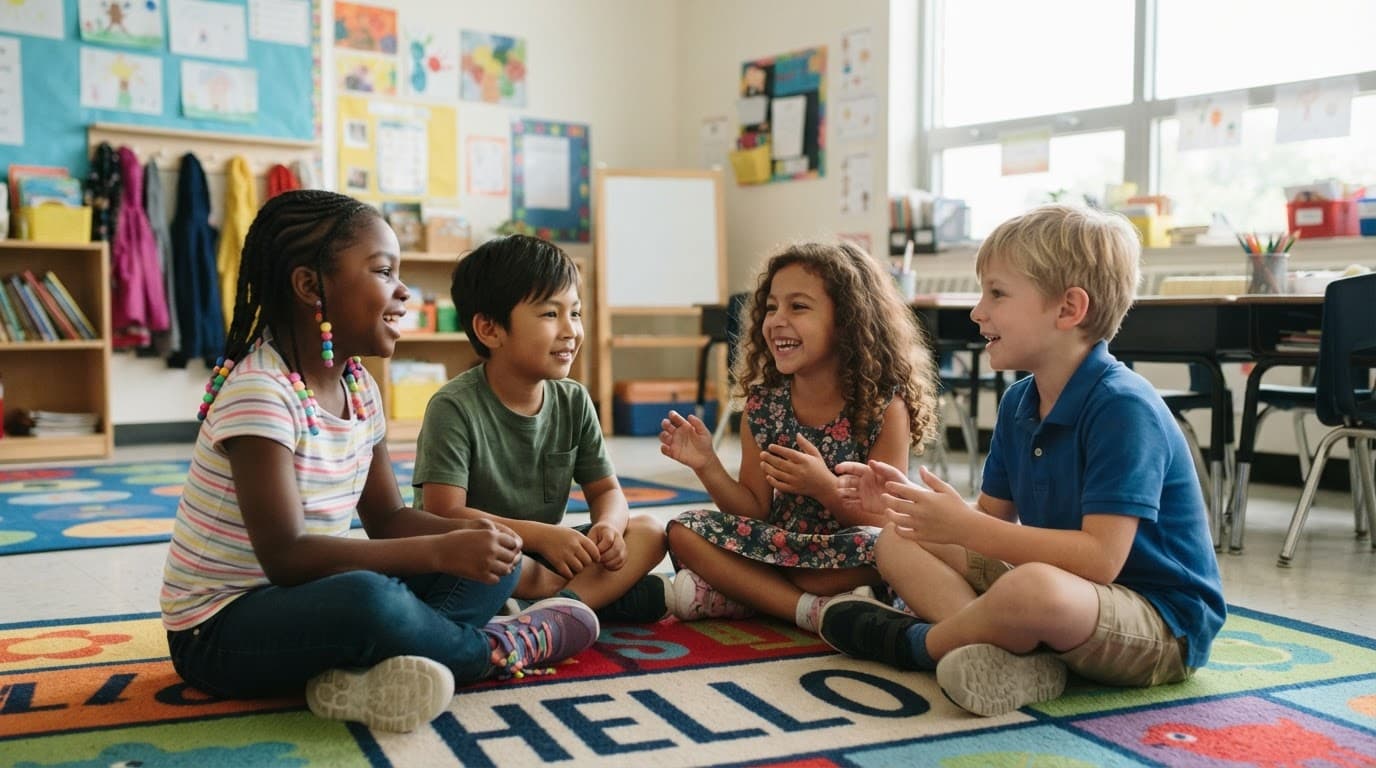
Start with familiar details that children can answer in a sentence or two. These prompts give everyone a comfortable first step into conversation.
- What name do you like your classmates to call you?
- Do you have a nickname, and how did you get it?
- Do you have a pet or a favorite animal?
- What is your favorite place to spend time at home?
- What do you usually do first after you wake up?
- What hobby do you enjoy during your free time?
- What is something you are good at doing?
- What is your favorite way to relax after a busy day?
- What family tradition do you enjoy?
- What is one thing that always makes you smile?
Questions That Help Classmates Find Shared Interests
Shared interests can turn a short answer into a real conversation. When two children choose the same activity, invite them to ask, “What do you like about it?” or “How did you get started?”
- What do you enjoy building with blocks, bricks, or other materials?
- What do you like to draw, paint, or color?
- What kinds of books do you enjoy reading?
- Do you collect anything, such as rocks, cards, or small figures?
- What is your favorite way to play outside?
- What type of music do you enjoy listening to?
- Do you like dancing, and what kind of dancing do you enjoy?
- What sport or physical activity do you like best?
- What games do you enjoy playing with friends or family?
- What is something you like making with your hands?
Children who need more ideas can browse icebreaker questions for kids before choosing their favorites.
Friendly Partner Questions for a Quick Introduction Game
For a two-minute partner interview or a find-someone-who activity, let children choose a few questions rather than answer all of them. Afterward, each partner can introduce the other using two or three answers.
- What place do you like visiting with your family?
- What is something you could teach a classmate?
- What skill would you like to learn?
- What is your favorite weekend activity?
- What funny, harmless habit do you have?
- What type of book do you prefer?
- What is your favorite sound?
- What dream outing would you enjoy?
- Which season do you like best, and why?
- What is your favorite school supply?
- What snack do you enjoy during a break?
- What subject would you like to learn more about?
- What makes a great playground game?
- What is one activity you would invite a new friend to try?
- What is one small fact you would like your partner to remember?
A child can record answers on a card, sketch one response, or share them from memory. For more conversation starters, try this icebreaker question collection.
Favorite Things Questions to Get Kids Talking on the First Day
Favorite questions give children an easy way to share something familiar. Choice-based prompts work especially well for shy kids because they can answer quickly, then explain why. Older children can add a reason, example, or short story. Use these prompts during partner chats, morning meetings, or lunch conversations.
Favorite Foods, Colors, Animals, and Places
Try these questions when you want children to talk about everyday preferences without putting them on the spot. Each answer can lead to a simple follow-up such as, “When did you first try it?”
- Which meal would you happily eat twice in one day?
- What snack would you pack for a long afternoon adventure?
- Which fruit would win a taste test in your house?
- What dessert feels like a special treat to you?
- Which color would you choose for your bedroom walls?
- If you could care for any animal, which one would you pick?
- What kind of weather makes you want to play outside?
- Which room at home is your favorite place to spend time?
- Where would you like to visit if you could take a weekend trip?
- What smell reminds you of a happy memory?
- Which sound do you enjoy hearing, such as rain, music, or birds?
- If you could design your school lunch, what would you put on the tray?
Favorite Books, Shows, Music, Games, and Creative Activities
Children often reveal their personalities through stories, games, and things they create. Invite them to name a favorite, then ask what makes it fun, funny, exciting, or relaxing. Adults looking for more ideas can browse this icebreaker question collection.
- Which book would you recommend to a classmate?
- Who is your favorite story character, and what do you like about them?
- Which movie could you watch again without getting bored?
- What television show makes you laugh the most?
- Which song do you enjoy singing or dancing to?
- If you could play one instrument, which would you choose?
- What video game do you enjoy, and what makes it fun?
- Which board game would you bring to a rainy-day classroom party?
- What craft do you like making with paper, glue, or recycled materials?
- What do you most enjoy drawing?
- Would you rather write a story, a poem, or a comic?
- What pretend-play adventure would you choose for you and your friends?
This-or-That Questions With a Chance to Explain Why
Either-or questions keep conversations moving, especially when children are still learning classmates’ names. You can use hand signals, colored cards, or a classroom corner for each choice. For additional food-related prompts, see this student icebreaker PDF.
- Would you choose the beach or the mountains? What makes you choose that?
- Do you prefer cats or dogs? What do you like about your choice?
- Would you rather explore in the morning or at night? Why?
- Do you pick sweet or salty snacks? What is your favorite example?
- Would you rather play indoors or outdoors? What makes it better?
- Do you prefer reading a book or listening to one? Why?
- Would you rather fly or swim? Where would you go?
- Do you like team sports or solo activities more? What makes you choose that?
- Would you choose comfortable clothes or fancy clothes? When would you wear them?
- Do you prefer building with toys or making art? What do you create?
- Would you rather visit a zoo or a museum? What would you look for first?
School Questions That Help Kids Share Hopes, Routines, and Goals
These school questions help children talk about the year ahead without making conversation feel like a test. Teachers can use them during morning meetings, writing warm-ups, class surveys, partner chats, or goal-setting activities. Students may answer aloud, write a few words, draw a picture, or pass when a prompt feels too personal.
Questions About Learning, Subjects, and Classroom Activities
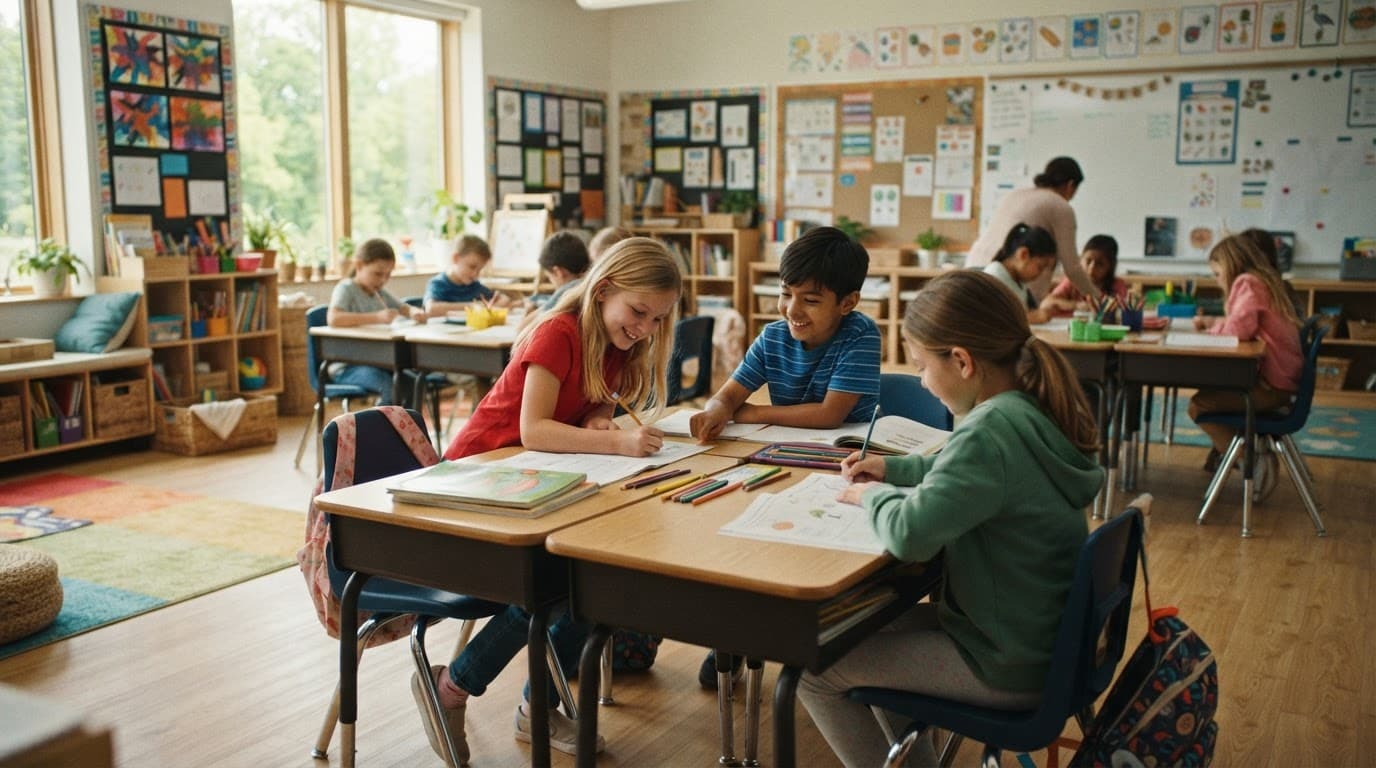
Invite children to explain what interests them and how they prefer to learn. Avoid treating one answer as better than another. For more classroom conversation ideas, teachers can also adapt these back-to-school icebreakers.
- Which school subject do you enjoy most, and what do you like about it?
- Is there a subject that feels less interesting to you right now?
- What topic would you like to explore this year?
- Do you learn best by listening, reading, watching, practicing, or discussing?
- What book would you like to read during the school year?
- What kind of class project would you enjoy trying?
- What question about the world would you like to help answer?
- What is something you already know that could help with a class activity?
- Which skill would you like to practice more often?
- What helps you focus when you are learning something new?
- Would you rather work alone, with a partner, or in a small group for certain activities?
- What would you like your classroom to have more time for this year?
Questions About Friends, Recess, Lunch, and the School Day
These prompts help children discuss routines and relationships without asking them to name a best friend. Use them for class surveys, small-group talks, or short writing activities. Remind students that friendships can grow slowly, and everyone deserves a welcoming place at school.
- What activity would you like to try during recess?
- How could you invite someone to join a game?
- What can you do if you notice a classmate sitting alone?
- What makes a playground game fair and enjoyable?
- What part of the lunch routine would you like to understand better?
- What helps you feel comfortable while eating at school?
- Which classroom job would you like to try?
- What helps a group work well together?
- What kind of quiet activity helps you recharge during the day?
- Which transition feels easiest for you, and which one needs more support?
- What school supply or classroom item helps you feel prepared?
- What could adults or classmates do to help the school day feel more comfortable?
Questions About Goals, Challenges, and What Kids Need From Adults
Children may not want to discuss worries in front of classmates. Let them answer privately through writing or drawing, and never demand a cheerful response. When a child shares a concern, respond with support and curiosity instead of correcting the feeling.
- Which skill would you like to improve this year?
- What is one goal you would feel proud to reach?
- Which school task feels difficult or tiring for you?
- What helps you when you feel stuck?
- How do you like adults to encourage you?
- What makes instructions clear and easy to follow?
- What do you hope your teacher understands about you?
- What helps you feel ready to ask for help?
- How can you tell when you need a break?
- What is one challenge you would like to handle with more confidence?
- What question do you have about your classroom or this school year?
Back-to-School Questions About Summer Memories and New Experiences
Summer breaks look different for every child. Some kids travel, attend camps, or visit relatives, while others stay close to home, follow familiar routines, or spend time resting. These first day of school questions focus on experiences rather than money, destinations, or having a perfect summer. Accept “nothing special” as a valid answer, and let children write, draw, or choose a pretend response if they prefer not to discuss home life.
Questions About Recent Fun, Rest, and Everyday Memories
Use these prompts for morning meetings, partner conversations, or a short back-to-school writing activity. Adults can invite children to add one detail, but nobody needs to share more than they want.
- What was one fun moment you remember from your break?
- What relaxing activity helped you rest or feel comfortable?
- What game did you play, and what made it enjoyable?
- What meal or snack did you enjoy recently?
- What movie, show, or book stayed in your mind?
- What did you enjoy doing outside, even if you stayed near home?
- What funny moment made you laugh?
- Which day felt especially good, and what happened?
- What did you make, build, cook, draw, or decorate?
- What small thing brought you happiness during your break?
A child who says “nothing special” can draw an ordinary day or describe a favorite classroom activity instead. These first-day icebreakers for students can also help adults offer choices without pressuring children to share personal details.
Questions About New Things Kids Tried or Learned
New experiences don’t need to involve a trip or a formal class. A child might learn a card game, help repair something, notice an insect, or practice reading at home.
- What new activity did you try during your break?
- What interesting fact did you learn?
- Which skill did you practice?
- What problem did you figure out how to solve?
- How did you help someone with a task or project?
- What new interest would you like to continue at school?
- What did you make that you felt proud of?
- What unfamiliar food did you taste, and what did you think?
- What different kind of book, comic, or story did you read?
- What opinion changed after you tried or learned something new?
Children may answer with a school-related example, a made-up situation, or something they hope to try this year. That keeps the activity welcoming for students with many different summer experiences.
Questions That Turn Memories Into Stories and Drawings
Offer speaking, writing, drawing, and partner sharing as equal choices. A child can create a picture or comic instead of talking, then explain it only if they feel ready. Classroom activities such as these get-to-know-you games for kids can make sharing feel more natural.
- What surprising moment could become a short story?
- What place, room, yard, or nearby spot felt interesting?
- What sound or smell reminds you of your break?
- Who helped you with something, and what did they do?
- Which object has a story behind it?
- What moment of laughter would you include in a comic?
- What challenge did you overcome or handle?
- Which picture would you choose to show a partner?
- If you could create a pretend version of your break, what would happen?
- What memory would you like to carry into the school year?
First Day of School Questions for Kids About Feelings and Confidence
The first day can bring several feelings at once. A child may feel excited about seeing friends, nervous about routines, and tired from the noise. Offer choices such as speaking, pointing to an emoji, using a one-to-ten scale, writing privately, or drawing. Listen without correcting, minimizing, or comparing their feelings. These back-to-school anxiety tips can also help adults prepare supportive conversations.
Gentle Mood Check-In Questions for the Morning
Use these questions during breakfast, in the car, or at the classroom door. A child can answer briefly or add “why?” if they want.
- Which emoji matches your mood right now: happy, worried, tired, calm, or unsure? Why?
- On a scale from one to ten, how much energy do you have this morning? Why?
- How excited do you feel about school today, from one to ten?
- How nervous do you feel about school, from one to ten? Why?
- Where do you notice a feeling in your body, such as your stomach, chest, shoulders, or hands?
- What has been the best part of your morning so far?
- What has been the hardest part of arriving at school?
- Does your body feel ready to learn, or does it need a slower start?
- Which feeling is strongest right now?
- Would you rather talk, point, write, or draw about your mood?
- What is one thing at school you are curious about today?
- What would make the next hour feel a little easier?
Questions About Worries, Bravery, and Asking for Help
A supportive question can help a child name uncertainty without sharing anything private. If worries continue or interfere with attending school, review guidance from the NHS on anxiety in children.
- What part of today feels uncertain?
- What are you ready to try, even if it feels new?
- What does being brave mean to you today?
- How can you tell when you need help?
- Which trusted adult could you talk to at school?
- What instruction would you like repeated or shown again?
- Would you like an adult to listen, explain, stay nearby, or help you begin?
- What could you do if the classroom starts to feel overwhelming?
- Which calming strategy might help, such as slow breathing, stretching, or taking a quiet pause?
- What could you say if you feel confused?
- How would you like to ask for a break?
- What is one small step you could take before asking someone to help?
A child can feel worried and capable at the same time. Confidence often grows after one manageable step.
Questions That Build Belonging, Kindness, and Classroom Confidence
These prompts help children think about connection while protecting their right to set boundaries.
- How could you welcome someone who looks new or unsure?
- What could you say to include someone in a game?
- How can you show kindness during a busy classroom moment?
- What might tell you that a classmate needs support?
- What idea would you like to share with the group?
- What can you do after making a mistake?
- How could you celebrate someone’s effort?
- What is one strength you bring to your classroom?
- What kind action could you try today?
- What boundary could you state if a game or conversation feels uncomfortable?
- What would help the classroom feel safe and welcoming for you?
Silly, Imaginative, and Interactive Questions for a Memorable First Day
Imaginative questions reduce pressure because children can answer creatively instead of sharing personal details. Use them for icebreaker games, movement activities, writing prompts, or small-group challenges. Children can speak, act, draw, vote, or pass.
Imagination Questions About Superpowers, Adventures, and Make-Believe
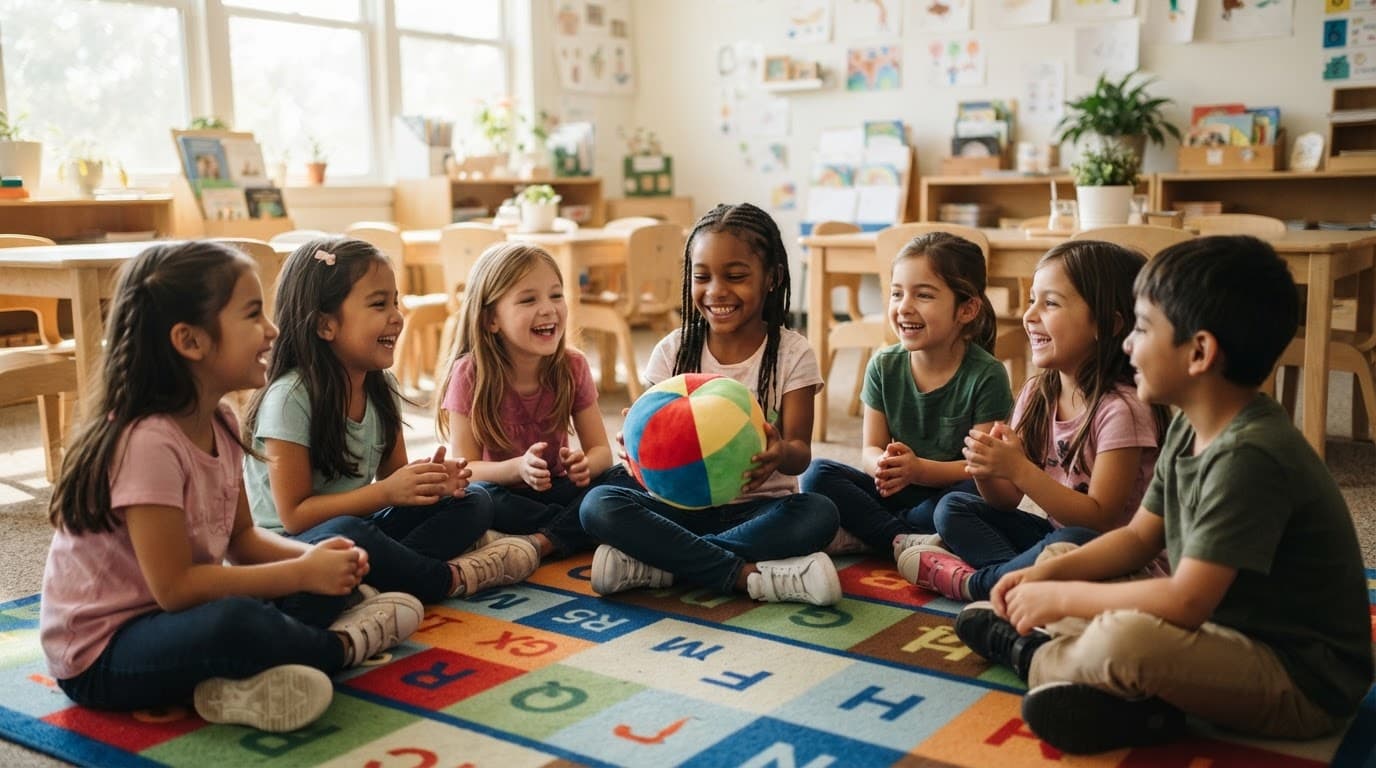
Invite children to answer with words, gestures, quick sketches, or a short scene. A child might flap like a flying hero, draw a fantasy classroom, or invent a sound for a magical creature.
- If you could choose one superpower for school, what would it be?
- What would you see in a classroom inside a cloud castle?
- If an animal could talk, which animal would you interview?
- Which story character would you become for one school day?
- Would you travel to the past or the future, and what would you explore?
- What magical school supply would you invent?
- What rooms and secret features would your dream treehouse have?
- What new holiday would you create for the school calendar?
- What unusual pet would you bring to a pretend pet-care club?
- If you led an imaginary adventure, where would the group go first?
Silly School Scenarios That Spark Laughter and Creativity
Keep these scenarios playful, safe, and easy to act out. For more classroom activity ideas, explore first-day icebreakers for students.
- What silly rule would your classroom follow for five minutes?
- What would your backpack say if it could talk?
- What special feature would you add to the school bus?
- What would a robot prepare for your school lunch?
- What funny talent would your teacher have in a pretend story?
- What problem could a pencil solve with one magical tap?
- What would recess look like on a friendly planet?
- Which unexpected but harmless guest would visit your classroom?
- What would your school mascot do during an assembly?
- How would you spend a day when everything was one color?
Quick Game Questions for Movement, Voting, and Team Play
Use raised hands for quick votes, classroom corners for choices, and a soft talking ball for turn-taking. Children can act out answers in charades, switch partners after one prompt, or share two true ideas and one pretend idea for classmates to guess. These formats pair well with teacher-tested back-to-school icebreakers.
- Would you rather hop like a rabbit or stomp like an elephant?
- Would you choose pancakes or pizza for a pretend class feast?
- Would you rather have a pet dragon or a pet penguin?
- Would you choose drawing or dancing for a dream club?
- Would you rather play outside in sunshine or gentle snow?
- Would you rather explore a moon base or an underwater school?
- Should your team move like robots or sneaky cats?
- Would you rather solve a mystery box or find a hidden map?
- Would you choose a talking backpack or singing shoes?
- Would you rather trade answers with a partner or act yours out?
Before starting, remind children to listen respectfully, avoid teasing, and let classmates pass. Keep movement optional, offer seated choices, and never require a child to reveal sensitive information.
How to Choose and Use These Kids’ First Day Conversation Starters
The best first day of school questions match the child’s age, energy, language skills, and comfort level. You don’t need to use all 200 prompts at once. Choose a few easy questions, watch the group’s response, and adjust the activity as you go.
Match Questions to Age and Comfort Level
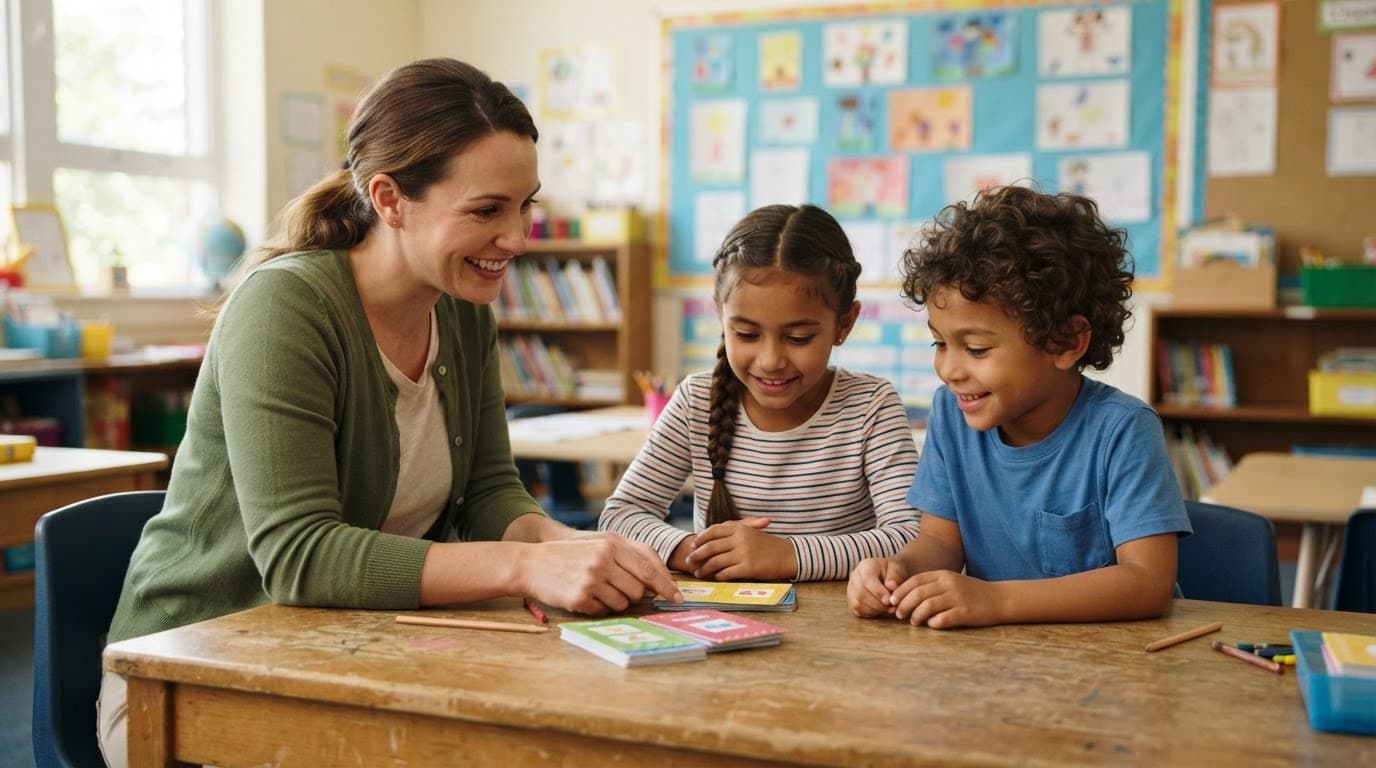
Young children usually respond best to short, concrete prompts about familiar things. A kindergartner might answer, “What color do you like?” or “What did you play with today?” Use pictures, gestures, and answer choices when words feel difficult.
Elementary students can handle questions about favorite subjects, classroom hopes, teamwork, and new skills. Tweens may prefer prompts that invite opinions, such as, “What would make this school year better?” or “What is one goal you have for yourself?”
Adjust the wording for the child in front of you:
- Siblings can answer the same question about home routines, then compare ideas without ranking them.
- Multilingual learners may benefit from sentence starters, picture cards, extra thinking time, or the option to answer in their strongest language.
- Shy children can write, draw, point, or whisper an answer to a trusted partner.
- Children with communication differences may use an AAC device, communication board, gestures, or a preselected answer card.
Begin with low-risk favorites, move to school hopes, and save deeper or imaginative prompts for later. The icebreaker questions for kids offer additional examples you can adapt to your group.
Choose a Format That Fits the Group
The same question can feel easy or stressful depending on how children answer it. Select a format that matches the group’s size and energy level.
Partner interviews work well for two children who need a smaller audience. In a circle, invite each child to answer one short prompt, then keep the next question optional. Written cards help children who need more planning time, while drawings give younger students another way to participate.
For larger groups, try a classroom poll, four corners, or a simple show of hands. Children can move to a corner for choices such as reading or drawing, then talk with others who chose the same answer. Anonymous responses work well for questions about worries, hopes, or what students need from adults.
Use “pass for now” as a normal choice. A child can answer later, choose a different prompt, or participate by listening.
Keep the Conversation Safe and Useful
Teachers and parents should model an answer first. For example, say, “I like walking because it helps me relax,” then invite children to share. Use inclusive wording such as “Who lives with you?” instead of assuming every child has the same family structure.
Avoid comparing answers, teasing, or asking children to reveal private details. If a child mentions fear, loneliness, or another sign of distress, pause the activity and follow up privately with care. A conversation starter should open a door, not push a child through it.
Spread the 200 questions across the first week. One or two thoughtful prompts each day usually create better conversations than a long session that leaves children tired.
Conclusion
The best first-day questions for kids are invitations, not tests. Choose a few prompts that match the child’s age, mood, and comfort level, then give them time to answer by speaking, writing, drawing, pointing, or passing. A relaxed conversation helps children connect without making them feel watched or judged.
Use introduction questions to learn names and shared interests, favorite-things prompts to keep conversations easy, and school questions to discuss hopes, routines, and goals. Recent-memory questions invite children to share everyday experiences, while feelings prompts help adults notice worries and offer support. Imagination questions add playfulness when the group needs a lighter activity.
Save a few favorite answers in a class display, personal journal, or later check-in. Ask permission before sharing anything publicly, and leave out private details. When adults listen closely and accept each child’s way of responding, a simple question can help the first day feel more welcoming.
Save the pin for later

- 60 Color Tattoos That Healed Beautifully - 25/09/2026
- 40 Most Painful Tattoo Spots - 24/09/2026
- 20 Tattoo Aftercare Mistakes That Ruin Fresh Ink - 23/09/2026

