Setting an exciting goal is easy; following through on a busy Tuesday is where it gets harder. You don’t need perfect motivation to keep going, though. Consistency grows when you choose actions you can repeat, fit them into routines that work for your life, and return to the plan when a day slips.
Whether you’re working toward a personal goal or building daily habits for personal growth, start with a clear next step. Let’s look at practical ways to make follow-through feel more manageable.
How to Stay Consistent With Your Goals Starts With a Clear Plan
A goal gives you a direction, but a plan tells you what to do next. When the steps are clear, you can follow through and see whether your effort is adding up. For example, “get fit” is hard to act on each day; “take a 20-minute walk after work on Monday, Wednesday, and Friday” gives you a behavior, a schedule, and a simple way to track it.
Your outcome still matters. You might want more energy, improved fitness, or healthier meals. Pair that larger result with actions that fit your real schedule, then adjust the plan when work, family, or other commitments get in the way.
Turn a big goal into a clear, measurable action
Choose an action you can see yourself doing, then decide when and where it will happen. “Eat better” leaves the details open. “Prepare a simple lunch on Sunday and Wednesday” gives you a repeatable task and a clear measure of completion.
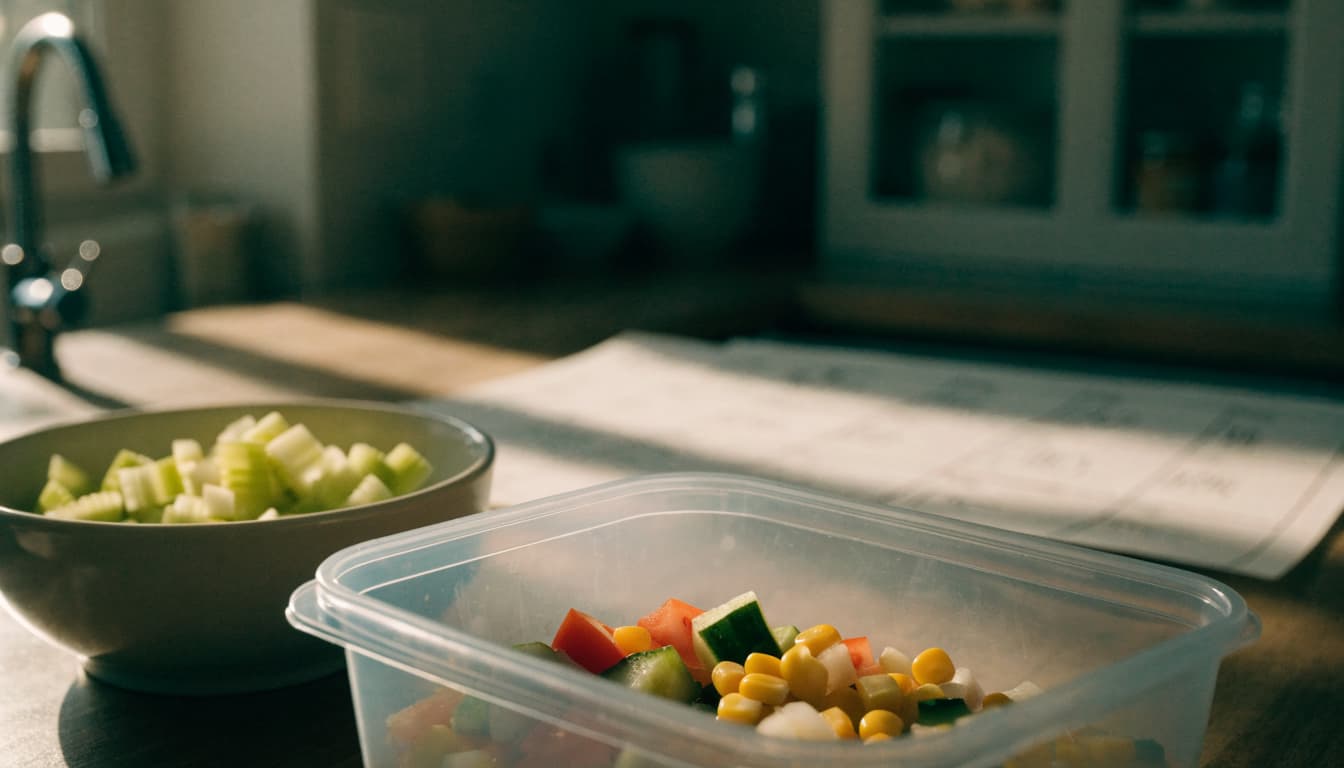
You don’t have to plan every minute. Pick days that suit your routine, and keep a backup option for weeks when your schedule shifts. A flexible plan is easier to return to than one that depends on perfect conditions.
Researchers describe an action plan as a way to specify where, when, and how you’ll carry out a goal. That detail can help turn an intention into a step you can take. For more ideas, explore these practical goal-setting tips.
Start small enough to repeat on a busy day
Make your first step manageable even when you’re tired or short on time. If you want to read more, begin with 10 minutes after breakfast. If you’re trying to cook at home, prepare one ingredient for tomorrow’s meal. A small action lowers the effort needed to begin, while giving the routine room to grow.
The right starting point depends on your goal and your life. Ten minutes may feel easy for one person and unrealistic for another, so choose a minimum you can honestly imagine doing on an ordinary busy day. You can increase the time or frequency later if the routine feels workable.
Keep your outcome in view, but track the action you control. Mark a walk, a reading session, or a prepared lunch on a calendar. That record makes progress visible and helps you spot when your plan needs a change. If the routine keeps slipping, shrink the next step or attach it to a familiar part of your day. You can also find more guidance on staying consistent with habits.
Build a Routine That Makes Follow-Through Easier
A clear goal still leaves a daily question: when will you act, and what will prompt you to begin? Decide in advance, so you don’t have to make the same choice from scratch each day. Set a time or situation for the action, then connect it to a cue that already appears in your routine. That might mean studying after breakfast or walking as soon as you get home. Small details like these make follow-through easier to remember, even when the day is busy.
Use an if-then plan to decide what happens next
Write a simple plan: “If [cue or situation] happens, then I will [specific action].” For example, “After breakfast, I’ll review my notes for 15 minutes,” or “When I get home from work, I’ll take a 20-minute walk.” The cue tells you when to act, while the action gives you a clear next step.
This kind of plan, known as an implementation intention, can help bridge the gap between intending to act and actually doing it. Peter Gollwitzer’s research on implementation intentions describes how linking a goal-directed action to a specific situation supports follow-through. If the timing matters, add the action to your calendar so it has a place in your day.
Attach the habit to a routine and prepare your space
A steady cue can come from a time, a place, or something you already do. You might stretch after brushing your teeth, read during your lunch break, or set aside study time right after dinner. Choose a cue that fits your actual schedule; a routine only helps when you can repeat it on ordinary days.

Then reduce the setup work. Put your walking shoes by the door, leave your book beside your breakfast spot, or set study materials on the desk before you finish for the day. When the cue arrives, you’ll spend less time gathering what you need and more time taking the first step. Pairing a new action with an existing routine is one practical way to build daily habits that last.
Track Your Progress and Add Support That Keeps You Moving
Once you have a workable plan, give yourself a way to see whether it fits real life. Tracking can reveal which actions you complete, what tends to interrupt them, and where a small adjustment could help. A trusted person can make those plans more visible and offer encouragement when your attention drifts. Together, these habits help you learn from your effort instead of judging each week as a success or failure. The aim is useful feedback: notice what happened, understand why, and choose a practical next step.
Track the action you control, not only the final result
Record the behavior you can do today, such as a practice session, a walk, or a planned meal. Results like a test score or a change in fitness may take time to appear, but completed actions show whether your routine is happening.
Keep the record easy to maintain. Mark a calendar, jot a note in a notebook, or set a phone reminder for a quick check-in. Add a brief note about what helped or got in the way, such as “packed lunch the night before” or “meeting ran late.” Those details can show you what to repeat and what to adjust.
The American Psychological Association summarized research across 138 studies and 19,951 participants, finding that prompted progress monitoring improved goal achievement. Tracking supports follow-through, but it can’t guarantee a particular result. For more ideas, see simple ways to make new habits stick.
Choose accountability that feels encouraging, not stressful
A weekly update to a trusted friend, group, or coach can help you stay connected to your plan. Keep it brief and specific: share what you planned, what you completed, and one next step. For example, you might say you planned three study sessions, finished two, and will move the third to Saturday morning.

Publicly reporting progress can strengthen monitoring, according to the research summarized by the APA. Still, accountability works best when it supports a clear plan, rather than replacing one. Ask for useful feedback, such as help spotting a scheduling problem, instead of criticism or pressure. If check-ins start to feel like punishment, choose a more comfortable person or a lighter schedule. These practical ways to build accountability can help make support feel constructive.
Make Your Goals Enjoyable and Plan for Real-Life Obstacles
Consistency gets easier when the routine feels worth returning to, even when your enthusiasm dips. Choose a version of the habit that suits your interests, then decide what you’ll do when the usual plan runs into a busy schedule, low energy, or bad weather. These two choices make follow-through more comfortable without asking you to feel motivated every day. They also leave room for ordinary life, so one disrupted afternoon doesn’t have to turn into a lost week.
Choose a version of the habit you can enjoy
People are more likely to repeat actions that feel rewarding and fit their preferences. If you want to walk more, choose a route you like or save a playlist for the walk. If your goal involves cooking at home, find a few recipes that suit your household and make the routine less of a daily puzzle. For studying, try a method that holds your attention, such as practice questions or explaining a concept aloud.

Notice small signs that the routine is working, too. Maybe you finish a walk feeling refreshed, or weekday meals take less thought because you have reliable options ready. A 2024 systematic review of habit formation identified enjoyment among the factors associated with stronger habits. A simple reward, such as relaxing with a favorite show after a study session, can add pleasure, but let the activity’s own benefits matter as well. For more ideas, see practical ways to build motivation.
Make a backup plan for the days that go sideways
Before a disruption happens, name the barriers most likely to interrupt your routine. Low energy, a packed schedule, bad weather, or missing supplies can each make the original plan harder. Choose a backup action that still moves you forward, such as a short walk instead of a full workout or a quick review session instead of an hour of studying.
Make the alternative specific enough to use without negotiating with yourself. You might decide, “If rain keeps me inside, I’ll walk at the mall,” or “If I miss my usual study time, I’ll review my notes at 7 p.m.” For cooking, keep one dependable meal on hand for evenings when the recipe you planned feels like too much work.
A backup plan doesn’t lower your standards. It helps you keep the routine alive while respecting what the day allows. When the usual option isn’t realistic, use the smaller version and return to your regular plan at the next opportunity.
Recover From Missed Days and Adjust Your Plan as You Learn
Consistency doesn’t require a perfect record. It means returning to your plan over time, even when a busy day or an unexpected problem interrupts it. The last two ways to stay consistent with your goals are to restart without self-blame and review your plan regularly. Each missed action can show you where the routine needs support, while a regular check-in helps you make sure the goal still fits your life.
Treat a missed day as information, then restart
When you miss a planned action, look at what got in the way before deciding what to change. Maybe a late meeting pushed your walk off the schedule, or you skipped meal prep because you hadn’t chosen a recipe. Name the obstacle, make one useful adjustment, and resume at the next planned opportunity. A missed day doesn’t erase the effort you’ve already made.

For example, if you missed a full workout, plan a shorter session for your next scheduled day. If you didn’t prepare lunch because the kitchen felt disorganized, set out the ingredients the night before. These small changes address the obstacle without turning one difficult day into a reason to quit. For more ideas, see how to recover after missing a routine.
Review your progress and revise goals that no longer fit
Set aside a few minutes each week or month to check your plan. Ask yourself what you completed, what felt hard, and what you want to change. You might move an action to a more reliable time, make it shorter, or reduce how often you do it. Keep the larger aim in view, but let the routine adapt to your current schedule and energy.
Habit formation also takes different amounts of time for different people. A 2024 systematic review and meta-analysis of health habits found that habits often took about two to five months to develop, with wide variation across people and behaviors. Treat that range as context, not a deadline. If your routine still feels difficult, use your check-in to make it more workable, then give the revised plan time to settle.
Conclusion
Learning how to stay consistent with your goals starts with actions you can repeat in real life. Clear steps, useful cues, honest tracking, and a kind restart after setbacks help you keep moving when motivation dips or a day doesn’t go to plan. For a practical refresher on shaping a goal and checking your progress, see this guide to setting goals.
Begin with one small change today, then build on what proves workable. Steady progress grows through returning to a plan that fits your life, one manageable action at a time.

- Healthy Low Sugar Dessert Recipes - 13/11/2026
- 15 New Year’s Eve Party Ideas for Every Guest - 12/11/2026
- 15 Friendsgiving Party Food Ideas for a Festive Potluck - 12/11/2026
About the Author