Cheating creates fear long before anyone finds the messages, notices the changed routine, or asks a direct question. A person who cheats may worry about being exposed, but the harder fears often involve losing trust, control, privacy, access to the relationship, and the future they assumed would remain available.
The fear of losing a partner can sit beside the fear of losing a carefully protected image. Some cheaters dread being questioned, having their choices examined, facing financial or family consequences, or discovering that apologies won’t restore the closeness they once took for granted. Others fear the silence that follows betrayal, when the person they hurt stops sharing feelings, making plans, or offering the same emotional access.
Every cheater is different, so these fears are common patterns, not proof of what one specific person feels. Understanding them shouldn’t excuse dishonesty or encourage revenge. It can help you separate genuine accountability from panic, manipulation, or promises made only to prevent consequences.
The 19 fears below connect cheating with trust, boundaries, privacy, emotional safety, and the long-term behavior change required after betrayal. If you’re trying to repair the damage, these steps to rebuild trust after cheating can help clarify what meaningful repair looks like. Now, let’s look at what cheaters may fear more than getting caught.
Key Takeaways
- Cheaters may fear losing trust, emotional closeness, and the relationship’s future more than immediate exposure.
- Infidelity can trigger anxiety, shame, self-blame, intrusive thoughts, and lasting insecurity for both partners.
- Public humiliation, damaged reputation, family conflict, and financial disruption can follow when cheating becomes known.
- A betrayed partner’s silence, distance, or firm boundaries may feel more final than an angry confrontation.
- Research links romantic betrayal with significant emotional distress, as explained in this review of love and infidelity.
19 Things Cheaters Fear More Than Getting Caught
Many cheaters fear the lasting consequences of exposure more than the moment someone discovers the truth. The hardest part may be losing control of the relationship, the story, their reputation, or the way they understand themselves.
These fears don’t excuse betrayal. Each one points to a broken promise, a damaged bond, or a consequence the cheater can no longer manage.
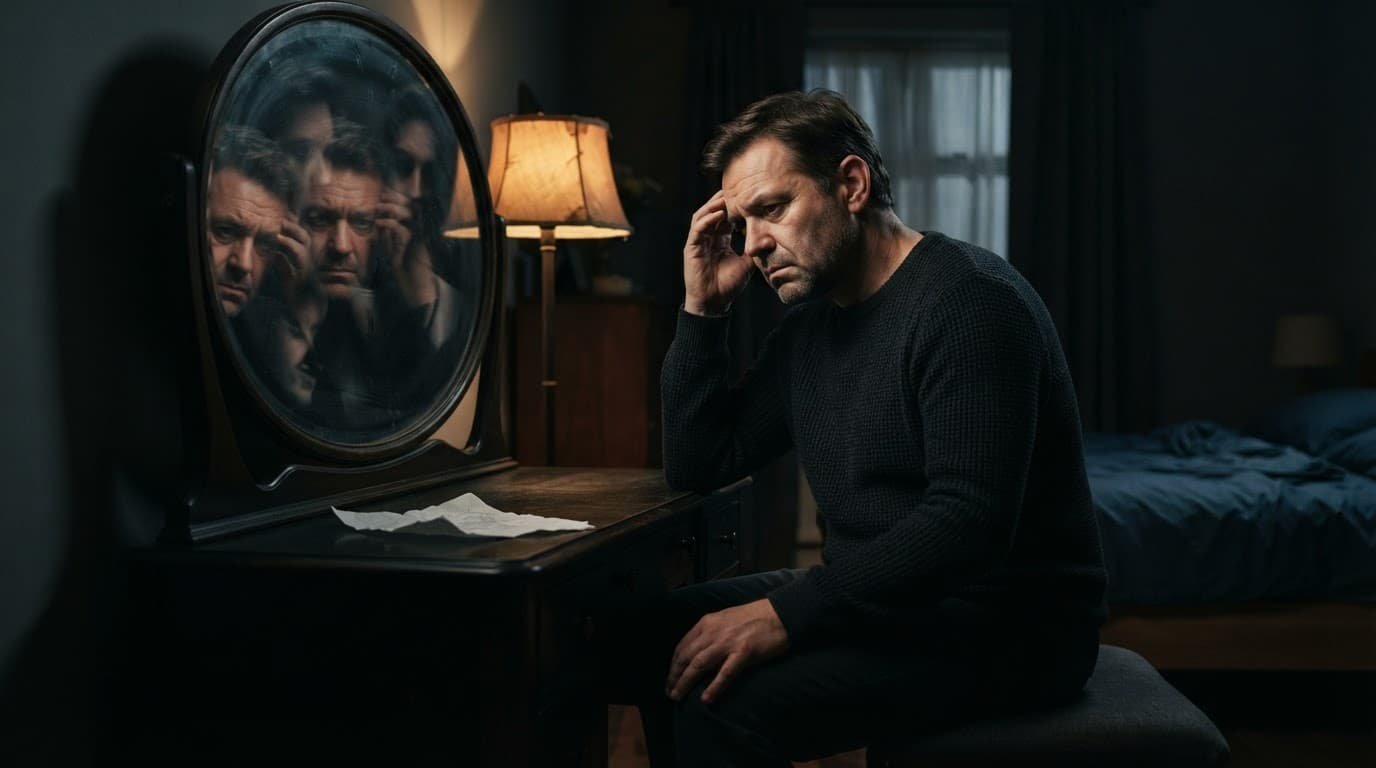
Being Fully Seen for Who They Chose to Be
A cheater may fear that exposure will reveal more than an affair. It may uncover the lies, deleted messages, secret meetings, excuses, and carefully separated versions of their life. The betrayed partner may realize that ordinary conversations happened beside a hidden reality.
That kind of discovery can destroy the image the cheater worked to maintain. They may have wanted to be known as loyal, dependable, or devoted while making choices that contradicted those qualities. Once the truth comes out, they can’t decide which parts of the story other people remember.
Making a harmful choice is different from being permanently defined by that choice. People can accept responsibility and change, but they can’t demand that everyone forget what happened. Honest ownership sounds like, “I lied, I broke our agreement, and I understand the harm I caused.” It doesn’t sound like, “I feel terrible, so you need to comfort me.”
Shame focuses on how bad the cheater feels. Accountability focuses on what the betrayed partner endured and what must change.
Self-pity can quietly shift the emotional burden back onto the person who was hurt. Genuine remorse does the opposite. It gives the betrayed partner room to feel angry, confused, or uncertain without asking them to protect the cheater’s self-image.
Losing the Relationship for Good
A cheater may want to stay after being exposed, but wanting the relationship doesn’t guarantee the relationship will continue. The betrayed partner may leave, request a separation, or decide that the damage has crossed a personal limit. That decision can feel final because the cheater no longer controls access to the relationship.
Fear often becomes real when the betrayed partner stops debating and starts protecting their peace. They may move out, change financial arrangements, limit conversations to practical matters, or refuse to continue couples work. Anger can fade into a clear boundary, and that boundary may be harder to reverse.
Reconciliation is a choice, not an obligation. A partner doesn’t owe another chance because the cheater apologizes, cries, promises therapy, or says the affair meant nothing. The betrayed person has the right to prioritize emotional and physical safety, especially if the cheating came with threats, intimidation, manipulation, or controlling behavior.
If the relationship includes coercion, threats, isolation, or violence, safety planning should come before repair attempts. Guidance on leaving a toxic relationship can help readers recognize patterns that require more than an apology.
Realizing Trust May Never Feel the Same
After betrayal, the relationship can remain intact while its emotional atmosphere changes. A late work night may create suspicion. A guarded phone may bring back unanswered questions. Even an ordinary pause in conversation can feel loaded when the betrayed partner no longer feels secure.
One apology can’t erase a pattern of deception. The injured partner may wonder what else remains hidden, whether the full truth has been shared, and whether the cheater regrets the betrayal or only regrets the consequences. Those questions aren’t always solved by reassurance because the deception damaged the partner’s ability to accept words at face value.
Trust returns through steady behavior over time, not promises alone. That may include honest answers, reliable follow-through, clear boundaries with the affair partner, openness about changes in routine, and patience when painful questions return. Professional guidance on rebuilding trust after infidelity also emphasizes observable behavior rather than declarations of love.
Still, trust may not return in its original form. The couple might build a more honest relationship, or they might discover that the old sense of safety is gone. Either outcome belongs to both people, not just the person who cheated.
Losing Control of the Story
Cheaters often fear that family members, friends, coworkers, or trusted professionals will learn what happened and form their own opinions. They may worry about being viewed differently at holidays, work events, or gatherings where their reputation once felt secure.
That fear can lead to pressure and manipulation. A cheater might ask the betrayed partner to stay silent, share a softer version of events, or avoid telling anyone until they can prepare an explanation. Those requests may sound like a desire for privacy, but they can also protect the cheater from consequences while leaving the betrayed person alone with the pain.
The betrayed partner gets to choose whom to tell, how much detail to share, and what support they need. Seeking help from a trusted friend, therapist, doctor, attorney, or family member isn’t the same as trying to publicly humiliate someone. Privacy belongs to the person sharing their experience, but safety and support may require breaking the silence.
A cheater doesn’t get to manage every listener’s conclusion. They can offer their account, correct false information, and accept that other people may lose respect. They cannot demand control over the truth after surrendering honesty inside the relationship.
Having Their Self-Image Fall Apart
Infidelity can challenge the way a person sees themselves. Someone who believed they were kind, honest, loyal, or dependable may struggle when their actions no longer fit that identity. The gap between who they claimed to be and what they chose can create intense shame.
Shame often produces defensiveness instead of repair. The cheater may minimize the affair, blame problems in the relationship, criticize the betrayed partner’s reactions, or tell new lies to protect the first lie. Some become angry when asked for details because the questions threaten the version of themselves they want to preserve.
Healthy accountability looks different. It names the behavior without excuses, acknowledges the specific harm, and accepts that trust may take time to rebuild. It also recognizes that the betrayed partner doesn’t have to manage the cheater’s sadness, panic, or fear of rejection.
The path forward requires more than feeling guilty. It requires ending the deception, answering reasonable questions honestly, accepting boundaries, and changing the habits that made secrecy possible. Readers dealing with this struggle may also find value in guidance about emotional maturity and accountability. A better self-image can return, but it must grow from better choices rather than a demand to be forgiven quickly.
The Losses That Make Cheaters Fear Accountability
Getting caught is only the first consequence of an affair. Accountability can also remove the secrecy, access, freedom, and comfort that allowed the betrayal to continue. Repair often changes ordinary parts of life, including phone habits, social routines, physical intimacy, and private communication.
These changes aren’t punishments designed to control the person who cheated. They are reasonable safety measures created after trust has been damaged. Readers who need practical next steps can also explore rebuilding trust after lying, especially when dishonesty continues after the affair is discovered.

Ending Contact With the Affair Partner
A cheater may fear losing more than the affair itself. They may miss the other person’s attention, compliments, sexual energy, emotional comfort, or the fantasy attached to that connection. Even when the affair caused serious harm, ending it can feel like losing a private source of excitement and validation.
Genuine repair usually requires clear no-contact rules. That may include deleting private channels, blocking the affair partner, avoiding personal conversations, and refusing secret meetings. If the people work together, contact may need to stay limited to necessary business communication. When that isn’t possible, the couple may need to discuss a transfer, schedule change, or another practical solution.
The betrayed partner shouldn’t have to discover continued contact by accident. Unexpected calls, messages, or workplace encounters should be disclosed honestly and promptly. A short, truthful update protects the recovery process better than silence followed by another discovery.
Secret messages keep the injury active, even when the cheater insists that the conversations are harmless. Hidden meetings, vague promises, and statements such as “we’re only friends now” offer no reliable safety when the behavior remains private. A relationship cannot heal while the outside bond still receives hidden protection.
Giving Up Phone and Account Privacy
After an affair, a private phone can feel less like personal space and more like a locked room. The betrayed partner may fear that email, social media, location history, or hidden notifications contain another part of the story. Meanwhile, the cheater may fear losing the privacy they used to protect the affair.
Recovery may involve an agreed period of transparency involving phones, email, social media, passwords, or location information. The goal is to make honesty visible while trust returns. It should be a mutual agreement with clear limits, not a permanent license for one partner to monitor every movement.
Couples can discuss practical questions before creating a transparency plan:
- Which accounts or devices need to be included?
- How long will the agreement last?
- What behavior will show that greater privacy is safe again?
- When will both partners review the arrangement?
- What happens if one person feels monitored or pressured?
Deleting messages, changing passwords without explanation, or turning off notifications can deepen suspicion. Even an innocent change may look threatening when secrecy already caused harm. Clear communication matters because transparency loses value when the betrayed partner must keep searching for missing pieces.
A healthy plan also respects safety and consent. The betrayed partner can request information needed for recovery, while the cheater can discuss limits without using privacy as a cover for deception. Constant surveillance may keep both people trapped in fear, so the arrangement should support healing rather than become the relationship’s permanent structure.
Answering the Same Painful Questions
Cheaters often fear repeated questions about the timeline, lies, meetings, sexual contact, and missing details. They may feel embarrassed, exposed, or exhausted by conversations they wish could disappear. Some respond with irritation and say, “I already answered that,” even when their earlier answers were incomplete or inconsistent.
The betrayed partner may be trying to rebuild a clear sense of reality. When someone has lived beside hidden information, ordinary memories can become uncertain. They may revisit dates, compare explanations, or ask the same question because the answer has not yet created a stable understanding.
That process isn’t automatically an attempt to punish the cheater. Still, repeated discussions need structure so they don’t turn into endless arguments. Planned conversations, written questions, scheduled breaks, and couples therapy can give both people a safer container for difficult information. A qualified therapist can also help separate useful facts from graphic details that may create more distress without improving understanding.
Calm, truthful answers matter more than polished speeches. If the cheater cannot remember something, they should say so instead of guessing. If they previously lied, they should correct the record directly and accept the consequences of having delayed the truth.
Every new lie forces the betrayed partner to investigate the old ones again.
The person who cheated may fear that honest answers will cause another emotional explosion or end the relationship. Yet avoidance usually makes the fear worse. Repair requires patience with reasonable questions, even when the same painful subject returns.
Losing Sexual Access and Physical Closeness
A cheater may fear that sex will stop, affection will disappear, or the relationship will no longer feel physically familiar. Betrayal can change the meaning of touch. A kiss may bring comfort one day and suspicion the next. Sleeping beside the person who lied may feel unsafe, even when both partners still feel love.
The betrayed partner never owes sex, affection, cuddling, or quick forgiveness. They can slow down, say no, request separate sleeping arrangements, or pause physical contact while they decide what feels safe. Consent must be present each time, and agreement in the past doesn’t create an obligation now.
Before sexual reconnection, both partners should discuss STI testing if sexual contact outside the relationship may have occurred. A healthcare professional can recommend appropriate tests based on the type of contact and timing. Until both people understand their health status, waiting or using protection may be the safest choice.
Physical closeness should return through trust, not pressure. The cheater’s loneliness, frustration, or fear of rejection doesn’t outweigh the betrayed partner’s need for emotional and physical safety. Patience may involve nonsexual affection, honest conversations, therapy, or simply allowing distance without turning it into another conflict.
Changing Friends, Routines, or Work Settings
An affair can attach itself to ordinary places and habits. A certain restaurant, gym, office, group chat, commute, or friendship may now carry painful meaning. The cheater may fear losing familiar routines, social access, professional convenience, or friends who supported the secret.
Real change may require difficult choices when contact cannot safely end. A person might need to leave a private social group, stop visiting a shared location, change a work schedule, or keep communication with a coworker strictly professional. If workplace contact keeps the affair alive, seeking another position may become part of responsible repair.
Those choices should come from the cheater’s willingness to remove known risks. A betrayed partner shouldn’t have to control every friend, appointment, or movement to feel secure. Healthy boundaries describe what each person will accept and what they will do if the agreement is broken. They don’t demand total isolation or erase a partner’s basic independence.
Voluntary sacrifice carries more meaning than reluctant compliance. When the cheater gives up a convenient routine because it protects the relationship, their actions begin to match their promises. When they defend every risky setting as untouchable, they may be protecting access to the affair rather than protecting recovery.
Trust grows when daily choices stop feeding secrecy. The cheater may lose comfort, convenience, and familiar connections, but those losses show whether accountability is real. A repaired relationship needs behavior that makes honesty easier, not circumstances that keep temptation within easy reach.
Why Cheaters Fear the Work of Rebuilding Trust
Getting caught can happen in one painful conversation. Rebuilding trust requires hundreds of smaller moments afterward. Remorse may bring guilt, sadness, or fear of losing the relationship, but remorse is an emotion. Repair is a repeated pattern of honest behavior.
A cheater may want forgiveness because forgiveness feels like relief. Yet trust returns only when promises become visible actions, difficult conversations become safer, and the betrayed partner sees consistent follow-through. Some relationships can heal through this process. Others should end when deception, intimidation, or safety violations continue.
Living With Proof Instead of Promises
After an affair, words lose some of their power. “I love you” may sound sincere, but the betrayed partner also needs evidence that the cheater is becoming dependable. Promises must connect to behavior that can be seen, repeated, and tested over time.
That may involve sharing a reliable schedule, providing honest updates, and explaining changes before they create suspicion. If a meeting runs late, the cheater should communicate instead of waiting to be questioned. If plans change, a quick truthful message can prevent the silence from becoming another source of fear.
Keeping commitments matters just as much. Arriving when promised, completing agreed tasks, respecting no-contact boundaries, and following through on therapy appointments may seem ordinary. After betrayal, ordinary reliability becomes important evidence.
Volunteering information also shows a different attitude toward honesty. The betrayed partner shouldn’t have to act like an investigator to discover relevant details. The cheater can say where they will be, who they will interact with, and what unexpected event occurred without being forced into each answer.
Trust grows through many small corrective experiences, not one impressive apology.
This process can feel tedious because there is no dramatic finish line. Each honest update repairs a small part of the damage. Each broken commitment reopens the question of whether the cheater has truly changed. Readers seeking practical ideas may also benefit from these steps for rebuilding trust after emotional cheating.

Facing Therapy and Honest Self-Examination
Therapy can feel threatening to someone who wants to avoid the real reasons they cheated. A private explanation may no longer feel safe when a therapist asks about entitlement, conflict avoidance, poor boundaries, emotional needs, secrecy, or repeated choices.
Individual therapy gives the cheater space to examine personal behavior without making the betrayed partner manage the conversation. Couples therapy can help both partners discuss injury, expectations, communication, and decisions about the relationship. The two forms of support can work together, but neither should become a performance designed to win forgiveness.
Therapy should never pressure a betrayed partner to stay. It shouldn’t excuse the affair by blaming an unhappy relationship, alcohol, loneliness, or the other person’s behavior. Relationship problems may need attention, but they don’t erase the cheater’s responsibility for choosing deception.
Useful therapy goals include:
- Understanding the choices and conditions that made secrecy possible.
- Ending harmful patterns such as lying, blame-shifting, or seeking outside validation.
- Improving communication when either partner feels hurt or defensive.
- Creating clear agreements about contact, privacy, sex, finances, and future concerns.
- Learning how to tolerate shame without becoming threatening or demanding.
A therapist may help the couple decide whether reconciliation is realistic. If the affair continues, honesty remains partial, or abuse enters the relationship, separation may be safer than repair. Couples counseling cannot create safety when one person keeps violating it.
The American Psychological Association features clinical resources on restoring trust after infidelity, including work focused on emotional distress and damaged attachment. Therapy doesn’t guarantee that a relationship will survive. It helps people face the truth and make healthier decisions.
Tolerating Their Partner’s Anger and Grief
Many cheaters fear the pain they cannot quickly fix. The betrayed partner may experience anger, grief, confusion, anxiety, numbness, or sudden emotional swings. A calm morning can give way to a painful night after a song, place, date, or unanswered question brings the affair back into focus.
The cheater may want the distress to end because witnessing it creates guilt. However, becoming impatient can add another injury. Saying “You’re overreacting,” “I already apologized,” or “You need to move on” turns the conversation into pressure instead of accountability.
Listening doesn’t mean accepting abuse. The cheater can acknowledge the pain without agreeing with every accusation or surrendering every personal boundary. A grounded response might be, “I understand why this brought the fear back. I want to answer honestly, but I need us to speak without threats.”
When either person becomes overwhelmed, a time-out can protect the conversation. The break should include a clear return plan, such as resuming the discussion after an hour or the next morning. Walking away indefinitely, refusing to return, or using silence as punishment creates more uncertainty.
The cheater also needs to resist making their discomfort the center of the discussion. Their shame matters, but the betrayed partner shouldn’t have to comfort them for causing the wound. Emotional patience means staying present without rushing forgiveness.
Waiting Through a Long Recovery
Rebuilding trust may take many months or longer. The timeline depends on the depth of deception, whether the full truth is known, whether contact with the affair partner has ended, and whether both people can maintain emotional and physical safety.
Recovery often moves through stages rather than a straight line. First, the couple may focus on safety and stability, including honest information, boundaries, health concerns, and calmer daily routines. Next comes grief and meaning-making, when the betrayed partner processes what happened and both people examine how the relationship reached this point. Reconnection and rebuilding can follow when dependable behavior has created enough security for closeness to feel possible.
Progress may look uneven. A couple can share a good weekend and still face a painful trigger on Monday. One difficult conversation doesn’t erase months of effort, but one new lie can damage progress quickly.
No deadline can force trust to return. Anniversaries, holidays, family pressure, or the cheater’s impatience don’t create emotional readiness. A person who says, “It’s been six months, so you should be over it,” treats recovery like a contract instead of a response to injury.
Watching Their Partner Rebuild Self-Trust
Infidelity can damage more than trust in the relationship. It can make the betrayed partner question personal instincts, memories, attractiveness, judgment, and ability to recognize dishonesty. They may wonder why they missed the signs or dismissed the discomfort they felt before discovery.
Some cheaters fear the moment their partner becomes clear and confident again. A stronger sense of self may lead the betrayed person to set firm limits, seek financial independence, spend more time with supportive people, or reconsider whether staying is healthy.
A responsible response is to support that growth, even when it creates an outcome the cheater doesn’t want. The partner may choose reconciliation, separation, or a permanent end to the relationship. Their recovery cannot depend on keeping the cheater comfortable.
That means respecting boundaries without bargaining, guilt, surveillance, or threats. Guidance on setting healthy relationship boundaries can help clarify the difference between a protective limit and an attempt to control another person.
A cheater who truly wants repair accepts that trust must belong to the betrayed partner again. The goal isn’t to make the partner stop asking questions or guarantee that they stay. The goal is to become honest enough that the partner can make a free, informed choice about their own future.
The Consequences Cheaters Cannot Talk Their Way Around
Some consequences reach beyond the couple. Infidelity can raise health concerns, change family relationships, damage a person’s identity, and destroy plans that once seemed permanent. These outcomes aren’t about making the cheater suffer. They are about facing reality, protecting the people affected, and preventing additional harm.
A persuasive apology cannot erase medical uncertainty, repair a child’s confusion, or return a future that another person no longer wants. Accountability begins when the cheater stops trying to control the outcome and starts responding responsibly to what their choices caused.

Sexual Health Testing and New Physical Boundaries
Sexual contact outside the relationship can create a health concern, even when the cheater insists that the encounter was brief, protected, or emotionally meaningless. Some sexually transmitted infections cause no obvious symptoms, so appearance and confidence cannot confirm that someone is healthy.
The partner may need STI testing based on the type of sexual contact, timing, and sites of exposure. The Centers for Disease Control and Prevention recommends discussing sexual history openly with a healthcare provider and asking which tests are appropriate. Its STI testing guidance can help people prepare for that conversation.
Testing should be paired with complete and honest disclosure. The betrayed partner needs accurate information about when the contact happened, whether protection was used, and whether there were other partners or exposures. A healthcare professional can explain testing windows, follow-up testing, treatment, and whether partners need medical care.
Until both people feel informed and secure, they may choose to pause sex. They may also use condoms or other barriers, avoid certain forms of contact, or sleep separately. These boundaries protect physical safety while each person decides what feels acceptable.
A pause in sex is not punishment. The betrayed partner doesn’t owe physical reassurance to prove love, forgiveness, or commitment. Consent must remain voluntary and current, especially after deception has made the body feel less safe.
Physical intimacy cannot repair a health risk that honest disclosure and medical care have not addressed.
The couple can discuss sexual boundaries before reconnecting. Helpful questions include:
- What information does each person need before sex resumes?
- Which forms of protection will they use?
- Will they wait for test results or follow-up care?
- What should happen if new information appears?
- What pace feels safe for the betrayed partner?
Clear answers won’t guarantee reconciliation, but they can reduce further harm. Readers may also find these consent and boundaries in relationships useful when deciding what physical safety requires.
Losing the Comfort of a Carefully Managed Double Life
A double life depends on constant maintenance. Secret routines, coded messages, hidden accounts, alternate explanations, and carefully timed absences require the cheater to remember which version of the story each person has heard. One forgotten detail can expose the entire structure.
That effort also consumes attention. The cheater may check notifications during dinner, delete evidence before coming home, invent work obligations, or monitor a partner’s mood for signs of suspicion. Even moments that look relaxed can carry the pressure of protecting a secret.
After discovery, those routines cannot continue in the same form. The cheater may need to explain the timeline, identify hidden communication, close secret accounts, and answer questions about choices they hoped to keep separate. Privacy may change because the partner needs enough information to make informed decisions.
Ending deception requires one consistent story. That doesn’t mean sharing graphic details that only create more pain, but it does mean stopping omissions, half-truths, and revised explanations. If the cheater remembers a relevant fact later, correcting the record matters more than protecting a temporary sense of calm.
A single story also requires consistent choices. The cheater cannot promise transparency at home while keeping a private channel open elsewhere. They cannot describe the affair as over while preserving a backup relationship, hidden account, or emotional escape route.
Some consequences cannot be undone. The cheater may never recover the old privacy, reputation, or sense of control. Their partner may always remember the period when ordinary explanations concealed something serious. Accepting that loss is part of accountability.
The goal isn’t to force a cheater into permanent surveillance. Healthy repair should create honest agreements with clear limits and review points. Over time, consistent conduct may allow privacy to return. Still, the cheater cannot demand that trust move faster simply because secrecy feels uncomfortable.
Facing Changes in Family and Social Relationships
An affair can alter family life even when relatives never learn every detail. Parents, siblings, close friends, and in-laws may respond with anger, disappointment, protectiveness, or distance. Some may support the betrayed partner. Others may remain loyal to the cheater while questioning whether the relationship can continue.
Children can feel the effects without receiving adult information. They may notice tension, separate bedrooms, changes in schedules, or canceled traditions. Parents should offer age-appropriate honesty without describing sexual details or asking children to take sides.
A child might hear, “The adults are having a serious problem, and you didn’t cause it. We both love you, and we’ll tell you what you need to know about changes in your routine.” That answer gives reassurance without turning the child into a witness, messenger, or emotional caretaker.
Parents should protect children from arguments, threats, and interrogations. They also need to avoid using children to gather information or deliver messages between households. If separation occurs, children deserve predictable schedules, appropriate explanations, and permission to love both parents without managing either adult’s feelings.
Friends and relatives also need room to reassess trust. Some may stop inviting the cheater to gatherings or refuse to pretend that nothing happened. Others may keep contact but set limits around gossip, alcohol, private meetings, or disrespect toward the betrayed partner.
Privacy still matters. The betrayed person can seek support without publishing every detail, while the cheater can ask loved ones not to spread private information. Yet a request for privacy cannot become a demand that everyone conceal the truth or repeat a false story.
Distance may be necessary while people decide what they believe and what contact feels safe. The cheater cannot talk relatives back into their former opinion. They can answer honestly, avoid retaliation, and accept that relationships outside the marriage may change.
Accepting That the Partner May Choose a New Future
The most painful consequence may involve a future the cheater assumed would remain available. Infidelity can place shared housing, routines, celebrations, travel plans, finances, and imagined milestones at risk. A partner who once planned retirement, children, anniversaries, or family traditions may begin picturing a different life.
That loss affects more than romance. The cheater may lose daily companionship, familiar holidays, a shared home, mutual friendships, and the comfort of knowing what next year was supposed to look like. Even if the couple stays together, some plans may pause or change while the betrayed partner decides what feels possible.
The betrayed partner is allowed to choose reconciliation. They are also allowed to request a trial separation or end the relationship permanently. No apology, therapy appointment, tearful confession, or promise of change removes that freedom.
A cheater may fear that giving the partner space will make separation permanent. Pressure, guilt, repeated calls, financial threats, or dramatic declarations won’t create genuine safety. They often make the decision harder by showing that the cheater still values access over the other person’s autonomy.
Respect may involve practical cooperation during uncertainty. The couple might discuss housing, finances, parenting schedules, shared pets, or upcoming events without treating those conversations as proof that reconciliation has been chosen. Practical contact can exist while the emotional decision remains open.
Accountability means accepting that changed behavior is necessary even when it doesn’t produce the desired result. The cheater must tell the truth, address health concerns, protect children from conflict, and honor boundaries without demanding a reward.
The partner’s freedom to choose is part of the consequence. Reconciliation, separation, and a permanent ending are all legitimate responses to betrayal. Respecting that choice is the clearest proof that accountability has replaced control.
Conclusion
The 19 fears linked to cheating often fall into five groups: exposure, loss, accountability, health, and time. A cheater may fear being fully seen, losing the relationship or a carefully managed double life, facing medical or family consequences, and living through the long work of rebuilding trust. Still, fear alone doesn’t prove remorse. Fear can protect a person’s image, comfort, or access to the relationship, while genuine remorse focuses on the harm caused.
Repair requires more than panic, tears, or promises made after discovery. It requires honest disclosure, no contact with the affair partner when appropriate, respect for physical and emotional boundaries, patience with painful questions, and steady behavior over time. The cheater must accept consequences without pressure, blame, guilt-tripping, or attempts to control whether the relationship continues.
Betrayed readers don’t have to stay, forgive quickly, provide reassurance, or carry the cheater’s emotional burden. Your next decision can be based on safety, evidence, and self-respect, not on someone else’s fear of losing you. If the relationship ends, rebuilding self-respect after betrayal can help you regain trust in your own judgment. Healing remains possible, whether two people rebuild together or one person chooses a healthier life apart.
Save the pin for later


- 60 Color Tattoos That Healed Beautifully - 25/09/2026
- 40 Most Painful Tattoo Spots - 24/09/2026
- 20 Tattoo Aftercare Mistakes That Ruin Fresh Ink - 23/09/2026

