Missing someone who repeatedly hurts you can leave you questioning your memory, judgment, and even your idea of love.
You might defend their behavior, wait for the kind version of them to return, or go back after promising yourself you wouldn’t. Trauma bonding helps explain this painful attachment, which often forms through a repeating cycle of harm followed by apologies, affection, calm, or brief moments of relief.
A trauma bond isn’t a sign of weakness or proof that the relationship contains deep love. Unpredictable kindness after abuse can make the connection feel urgent and difficult to leave, but the pattern isn’t your fault.
This post will define trauma bonding, explain why the cycle feels so powerful, identify common signs, and share safety-focused steps for getting help, including how to break a trauma bond. If you’re in immediate danger, contact emergency services now rather than waiting for the situation to worsen.
Key Takeaways
- Trauma bonding can develop when abuse alternates with affection, apologies, calm, or brief rewards, creating a powerful but unhealthy attachment.
- Feeling unable to leave doesn’t mean you want the abuse or caused it. Fear, isolation, and repeated reinforcement can cloud your judgment.
- Common signs include defending harmful behavior, obsessing over contact, hiding abuse, and returning after deciding to leave. Learn more about trauma bond warning signs after a breakup.
- Recovery starts with safety planning, trusted support, firm distance when safe, and professional guidance. The Hotline’s trauma bond guidance offers practical support.
What Is Trauma Bonding and Why Does It Happen?
Trauma bonding is a strong emotional attachment to someone who harms, controls, manipulates, or abuses you. The term is widely used in psychology and domestic violence support, but it is not a formal DSM-5 diagnosis or standalone mental health disorder. It describes a relationship pattern, not a flaw in your character.
The bond grows through repeated harm followed by relief. Fear, criticism, threats, or control may alternate with affection, apologies, gifts, promises, or calm. This unpredictable pattern can make kindness feel intensely meaningful because it arrives after distress. Research on traumatic bonding connects this process with intermittent abuse and unequal power.
However, not every difficult relationship creates a trauma bond. A relationship may be unhealthy, unequal, or going through a rough period without involving abuse and repeated reconciliation. Trauma bonding requires an ongoing pattern of harmful behavior, power imbalance, and temporary care or approval that keeps you emotionally attached. Psychology Today’s explanation of trauma bonding offers additional context on this abuse cycle.
The Trauma Bond Cycle: Harm, Relief, and Hope
The cycle often begins with rising tension. One person may become controlling, withdraw affection, monitor the other person, or create fear around ordinary choices. Then an abusive incident occurs, followed by denial, blame, excuses, or claims that the victim caused the problem.
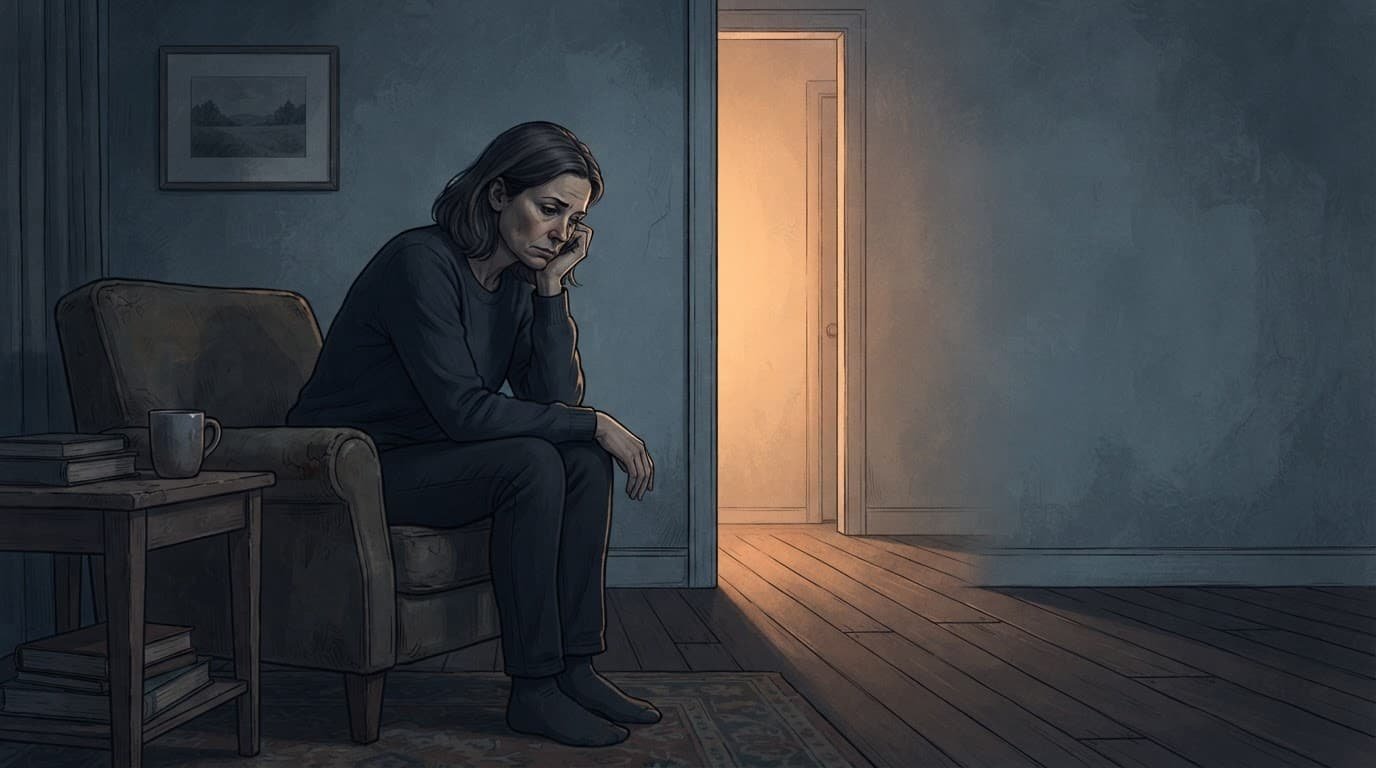
Afterward, the harmful person may act loving again. They might use love bombing, give gifts, offer a heartfelt apology, show sudden affection, or promise to change. That calm can feel like a warm room after standing outside in the cold. Because it follows fear or pain, the relief may feel powerful enough to renew hope.
Temporary kindness can explain why someone stays, but it never erases the abuse that came before it.
For example, a partner might repeatedly criticize and control someone, then apologize the next morning with flowers and promises to communicate better. The caring behavior may feel sincere, yet the same pattern returns when the tension builds again. Over time, the person may wait for the loving version of their partner while minimizing each harmful incident.
Where Trauma Bonds Can Form
Trauma bonds can develop wherever one person holds power and mixes harmful behavior with intermittent care or approval. They may appear in relationships involving:
- A romantic partner or spouse.
- A parent, sibling, or other family member.
- A caregiver who controls support or daily needs.
- A friend who alternates rejection with intense closeness.
- A boss who intimidates an employee, then offers praise or special treatment.
- A religious or community leader who uses authority, shame, and approval to control someone.
Ordinary disagreements don’t automatically create a trauma bond. The key concern is a repeated power imbalance, harmful conduct, and brief relief that keeps the person hoping the relationship will improve. For support with recognizing manipulation in toxic relationships, focus on the pattern rather than isolated good moments.
Signs You May Be Caught in a Trauma Bond
Trauma bonding can be difficult to recognize while you’re inside the relationship. The caring moments may feel more real than the harmful ones, especially when you keep waiting for the person you love to change. These signs are clues, not a diagnosis. One sign alone doesn’t prove a trauma bond, but several signs alongside abuse deserve attention.
What Trauma Bonding Can Look Like in Daily Life
You may defend the person who hurts you by saying, “They were under pressure,” or, “They apologized, so they must mean well.” After a partner insults you in private, they might become affectionate when you threaten to leave. They may cry, promise to change, or remind you of the early days when everything felt safe. You then think, “This time will be different.” That hope isn’t foolish. It often grows from genuine love and carefully timed moments of kindness.
A family member might use guilt and withdrawal to control you, stop answering your calls, then offer affection when you give in. At work, a supervisor may humiliate you in front of others, threaten your position, and later praise you just enough to keep you seeking their approval. In each case, relief follows distress, which can make the relationship feel impossible to release.
The pattern may also include:
- You minimize obvious red flags, explain away threats, or focus on rare good moments while ignoring repeated harm.
- You feel responsible for the person’s moods and believe you must choose the right words to prevent anger.
- They isolate you from loved ones, monitor your phone or location, demand to know where you go, or question everyone you contact.
- Financial control leaves you dependent. They may restrict access to money, demand receipts, control your paycheck, or stop you from working.
- Gaslighting makes you doubt your memory, judgment, or understanding of events. You begin wondering whether you’re too sensitive.
- You hide the truth from friends and family because you feel ashamed, fear their reaction, or want to protect the abusive person.
Even after separation, you may feel an intense urge to reconnect. Fear of being alone, emotional dependence, or a sudden loving message can pull you back before you’ve had time to feel steady. You might know the relationship harms you and still believe you can’t leave.
Losing trust in your own judgment is a serious sign, especially when someone repeatedly denies, threatens, monitors, or controls you.
Writing down specific incidents can help you see the larger pattern instead of judging the relationship by its best moments. You can also read about how narcissists create emotional dependence and review guidance on breaking trauma bonds. If threats, stalking, financial abuse, or violence are present, focus on safety and contact a trusted advocate before confronting the person.
Why Trauma Bonding Happens in the Brain and Nervous System
Trauma bonding develops through a repeated cycle of harm, fear, affection, and relief. The brain and nervous system begin reacting to the pattern, which can make the relationship feel urgent even when it causes pain. This is a learned attachment pattern, not a formal mental health diagnosis or proof that someone is addicted to another person.
Trauma Bonding vs. Love, Attachment, and Codependency
Healthy love feels safe enough for honesty, consent, mutual respect, and personal boundaries. Conflict may happen, but neither person needs fear or control to keep the relationship together. In contrast, trauma bonding depends on repeated harm followed by brief relief. The same person becomes both the source of distress and the source of comfort.
That pattern is called intermittent reinforcement. When kindness arrives unpredictably, attention can feel more valuable because you never know when it will return. An apology, affectionate message, gift, or peaceful evening may lower your fear for a moment. Your nervous system then learns to wait for relief after each stressful episode.
During abuse, the body may move into a state of alarm and vigilance. Once the threat appears to pass, a short period of calm can feel intensely comforting. Over time, this loop of fear, stress, and relief can make familiar instability feel safer than unfamiliar peace. The nervous system may mistake a repeated pattern for safety simply because it recognizes the pattern.

Codependency can involve over-focusing on another person’s needs, rescuing them, or ignoring your own well-being to preserve the relationship. However, codependency alone doesn’t create a trauma bond. Trauma bonding requires an abuse cycle, along with power, control, and intermittent relief. Avoid using therapy language as a label for every intense, difficult, or dependent relationship. Domestic Shelters explains trauma bonding in the context of abuse rather than ordinary relationship conflict.
Earlier abuse or neglect, insecure attachment, low self-worth, financial dependence, isolation, cultural pressure, and a lack of safe alternatives may increase vulnerability. None of these factors causes the abuse or makes the survivor responsible for it. Unconditional love still needs limits, and loving someone without accepting abuse means protecting your safety and dignity.
How Trauma Bonding Affects Your Well-Being
Trauma bonding can affect your emotional, mental, physical, and social well-being. Repeated fear followed by affection keeps your body alert, while manipulation slowly makes you question your memory, choices, and identity.
You may feel anxious, sad, ashamed, confused, exhausted, or unable to concentrate. Sleep problems, muscle tension, headaches, and other stress-related symptoms can also appear. The CDC connects intimate partner violence with depression, post-traumatic stress symptoms, anxiety, sleep disorders, chronic pain, and other health concerns.

Why Leaving Can Feel Impossible, and Why It May Be Risky
Leaving can feel impossible because abuse often affects every part of daily life. You may fear retaliation, homelessness, financial hardship, losing access to your children, or pressure from relatives and friends. Immigration concerns, disability-related dependence, limited transportation, pets, and threats can create serious barriers too.
You may also keep hoping the loving version of the person will return. Their apologies, promises, and affectionate moments can make you question whether the abuse was severe enough to justify leaving. Repeated manipulation can weaken your sense of identity and self-worth, but rebuilding self-respect after abuse is possible with support and time.
Social isolation adds another burden. If the abusive person has damaged your relationships or convinced others not to believe you, asking for help may feel humiliating or unsafe. Difficulty trusting your own choices is also common because gaslighting trains you to seek the other person’s approval.
Separation may bring grief, panic, loneliness, or a powerful urge to call or message the abusive person. You can miss someone who harmed you, especially when your nervous system has learned to associate them with both fear and relief. These reactions don’t mean leaving was wrong. They show how strongly the cycle affected you.
Leaving an abusive relationship can increase danger, especially when the abuser believes they are losing control. Don’t assume you must confront the person, announce your exit, or cut contact immediately. Your safest choice depends on your circumstances, including children, housing, finances, technology access, and the person’s history of threats.
A domestic violence advocate can help you create a personal plan through confidential support from The Hotline. You can also review personal safety planning guidance before making changes. If calling feels unsafe, use a trusted device when possible. In immediate danger, call 911.
Safe Steps to Break Free and Begin Healing
Once your immediate safety needs are addressed, recovery can begin with small choices that return control to you. There is no single correct way to leave or heal. Your plan should fit your risks, resources, and support system.
If the person may monitor you, use a phone or computer they cannot access. Online searches, messages, location sharing, and call records may reveal what you’re doing, so clear browser history when safe and ask an advocate about digital safety.
A safety plan may include:
- Securing identification, financial records, medications, and other important documents.
- Changing passwords and checking location sharing on your devices and accounts.
- Saving emergency money where the other person cannot find it.
- Preparing essential items in a safe place.
- Choosing a trusted contact and creating a code word for urgent help.
- Planning where you could go, such as a friend’s home, shelter, or public location.
Documenting abuse can help with support or legal decisions, but only if it won’t increase your risk. Save messages, voicemails, dates, or photos on a secure account or device after asking an advocate how to store them safely. If keeping records could be discovered, your safety matters more than creating proof.
In the United States, contact the National Domestic Violence Hotline at 800-799-7233 or text START to 88788. You can also use stalking safety planning support if monitoring or unwanted contact continues. People outside the United States should contact a local domestic violence service or emergency provider. If you face immediate danger, call 911 when it is safe to do so.
Rebuilding Trust in Yourself After the Relationship
After danger decreases, self-trust often returns through ordinary decisions. Write down what happened, focusing on facts instead of the person’s promises. Notice what your body tells you around certain people or situations. Tight muscles, dread, exhaustion, or a sudden urge to stay quiet can offer information, even when your mind feels uncertain.
Spend time with people who respect your choices. Choose what to eat, where to go, or how to spend an afternoon without seeking permission. Then set one manageable boundary and observe who respects it. These small acts help rebuild a sense of personal authority. You can also practice rebuilding self-respect after a toxic relationship as you reconnect with your needs and values.
A trauma-informed, licensed mental health professional can help you process fear, grief, and confusion without blaming you. A trusted friend, domestic violence advocate, therapist, or local emergency service can offer support when your own strength feels low.

You may choose no contact or low contact when safe, especially when communication keeps reopening the cycle. Healing can also include grief support, journaling, restored friendships, personal values, and learning boundaries. Missing the person doesn’t cancel the harm or mean you should return. Needing help is not failure. Recovery often happens gradually, one safe choice at a time.
Conclusion
Trauma bonding is an attachment shaped by abuse, fear, power, and unpredictable relief. It can feel intense, but it isn’t a healthier or deeper form of love. The bond grows from a harmful cycle, not from any weakness or failure in the person experiencing it.
The term also needs care because trauma bonding isn’t a formal DSM-5 diagnosis. A therapist or trained advocate can help you understand whether coercion, abuse, or another relationship pattern is affecting your life. You aren’t responsible for the abuser’s choices, and needing support doesn’t make you foolish.
If this pattern feels familiar, reach out to someone you trust, a domestic violence advocate, or a licensed therapist. Contact emergency services if you’re in immediate danger. With safety, support, and time, you can rebuild your dignity and create relationships based on respect, consent, and peace.
Save the pin for later

- 60 Color Tattoos That Healed Beautifully - 25/09/2026
- 40 Most Painful Tattoo Spots - 24/09/2026
- 20 Tattoo Aftercare Mistakes That Ruin Fresh Ink - 23/09/2026

