A sudden change in your partner’s behavior can trigger a persistent gut feeling, especially when you’re looking for possible signs your girlfriend is cheating or signs your wife cheated. However, no physical sign, mood shift, or change in routine can prove recent sex or infidelity on its own.
The commonly searched signs a woman has just slept with another man usually involve changes such as increased phone secrecy, unusual distance, less intimacy, a new focus on appearance, or unexplained changes to her schedule. Those clues may reflect relationship problems, stress, privacy needs, or something unrelated, so treating them as proof can lead to an unfair accusation.
This guide looks at five changes people often notice, explains why each one has several possible causes, and shows how to raise your concerns through a calm conversation rather than spying, shaming, or making assumptions. First, we’ll examine the behavior that often causes suspicion.
Key Takeaways
- No single behavior can prove a woman has slept with another man. Common signs of infidelity may reflect stress, privacy, relationship problems, or other concerns.
- Pay attention to ongoing behavioral changes, such as phone secrecy, emotional distance, altered routines, or unusual defensiveness.
- Physical clues are unreliable and shouldn’t replace honest communication or clear evidence.
- Calmly describe what you’ve noticed and how it affects your relationship trust, without making an accusation.
- Infidelity can trigger anxiety, jealousy, and doubt, so research on infidelity’s effects supports responding with care rather than surveillance.
What Signs a Woman Has Just Slept With Another Man Really Mean
Searches for signs a woman has just slept with another man often focus on smell, clothing, mood, or sexual behavior. These details may attract attention, but none can reliably prove that she recently had sex or cheated. Perfume, a different outfit, tiredness, or a change in affection can have many ordinary explanations.
The more meaningful concern is usually a repeated pattern, especially when several changes appear together. Even then, patterns point to a trust problem, not automatic proof of infidelity.
Physical clues are easy to misread.
People often look for another person’s scent, shifts in hygiene and grooming habits, unfamiliar marks, or clothing that seems out of place. Others watch for a different mood after sex, unusual tiredness, changes in sex life, or a sudden change in sexual interest. These details are sometimes misinterpreted as signs of infidelity, even though they rarely establish what happened.
These clues are weak evidence. She may smell different because of soap, work, exercise, smoke, or perfume. Extra effort in appearance may reflect confidence, comfort, or a normal change in style. Mood changes can follow a stressful day, poor sleep, health concerns, or an argument.
There is no special post-sex appearance that identifies infidelity. Treating normal differences as proof can turn uncertainty into accusation before you understand what happened.
Behavior matters more when it forms a pattern.

A stronger reason for concern may appear when secrecy and distance continue over time. For example, she might protect her phone, provide conflicting explanations, cancel shared plans, or display unexplained behavior around her schedule.
Still, these behaviors can also reflect stress, work pressure, depression, relationship conflict, a need for privacy, or changing routines. Research on love and infidelity also shows that infidelity affects people emotionally, but it doesn’t turn any one behavior into a reliable test.
Pay attention to the combination and duration of changes:
- Phone secrecy that begins suddenly and continues.
- Unexplained schedule changes or repeated absences.
- Less emotional connection, affection, or openness.
- Broken agreements followed by inconsistent explanations.
Focus on trust, not detective work.
If these patterns concern you, describe what you’ve observed without claiming to know the cause. You might say, “We’ve felt more distant, and your schedule has changed. I’m worried about what this means for our trust.”
That approach leaves room for an honest explanation and may prevent assumptions from creating deeper trust issues. It also helps you evaluate whether she responds with clarity, concern, and a willingness to repair broken agreements. When trust keeps deteriorating, consider the broader signs your relationship needs help, rather than relying on physical clues.
Five Changes That May Make a Partner Suspect Cheating
These changes may raise concern, but they can’t prove a woman has just slept with another man. Look for repeated patterns, shifting explanations, and a willingness to discuss what has changed before treating them as possible relationship red flags.
1. She Becomes Much More Secretive With Her Phone
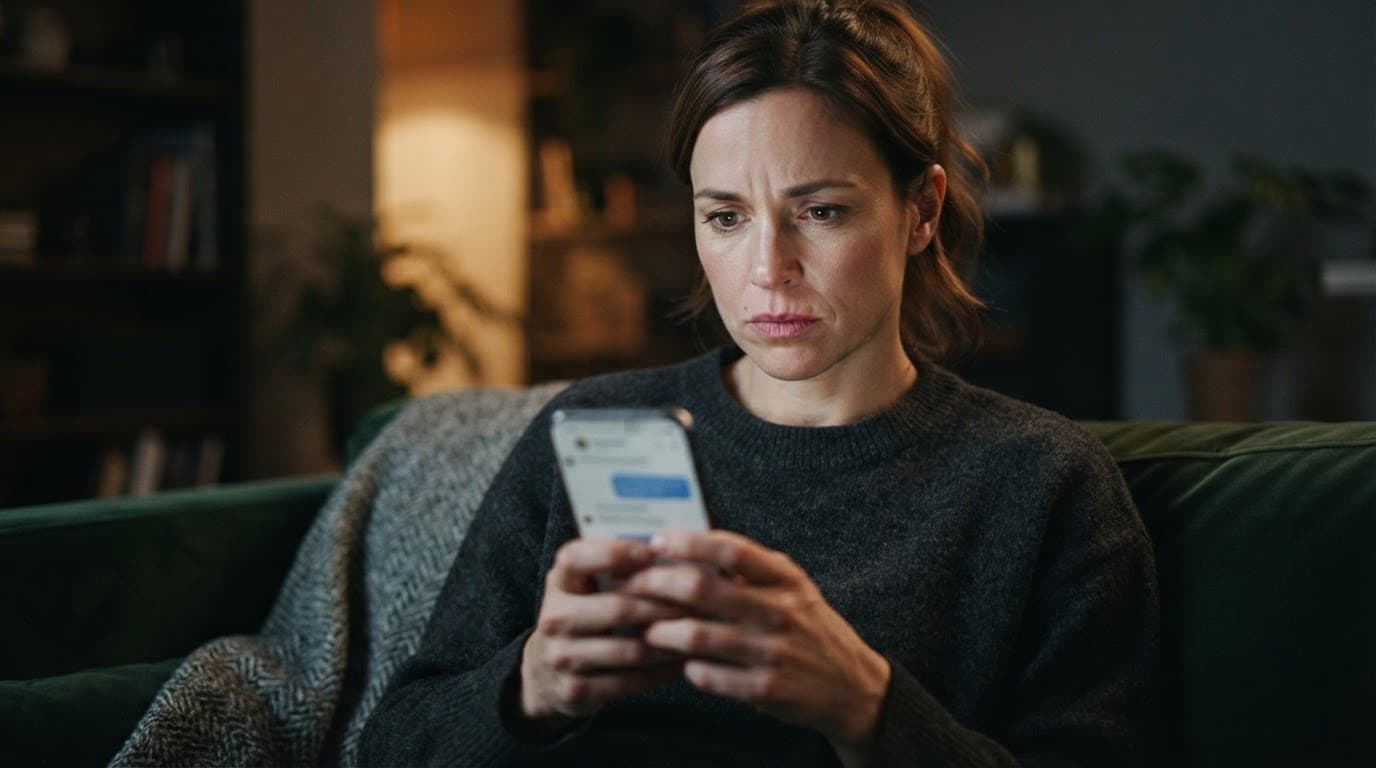
She may start guarding her phone by turning it face down, carrying it into every room, hiding notifications, changing her password, or leaving the room to answer messages. A sudden pattern of guarding her phone can feel troubling, especially when it appears alongside inconsistent stories or unusual defensiveness.
2. She Seems More Distant or Less Interested in Closeness
Less affection, shorter conversations, reduced emotional sharing, and avoided plans can make a partner feel shut out. Growing emotional distance may be one of the more noticeable relationship red flags, particularly when she also seems mentally absent during dinner or responds without much interest.
Cheating can cause emotional distance, but depression, exhaustion, anxiety, illness, grief, and unresolved conflict can look similar. A difficult week differs from a steady change that she refuses to discuss. Pay attention to duration and whether both partners can speak honestly about it.
3. Her Schedule Suddenly Has More Gaps and Vague Details
A change in schedule may involve unexplained late nights, new weekend plans, unexpected errands, extra work events, or missing time. Unaccounted for hours can create suspicion, especially when explanations change, important details remain unclear, or agreed expectations are repeatedly ignored.
However, schedule changes often have ordinary causes, including deadlines, family needs, commuting problems, new hobbies, or time with friends. Ask for context instead of treating every period of missing time as evidence. A calm question gives you better information than an interrogation.
4. Her Appearance or Scent Changes Without a Clear Reason
New clothes, extra effort in appearance, a different fragrance, wrinkled clothing, or an unfamiliar smell can attract attention. Yet these are weak and misleading clues. Perfume, exercise, weather, public spaces, laundry products, and a personal style change can explain them.
Hair, clothing, scent, and appearance can’t reliably identify recent sex. Bodily sensations or vaginal changes aren’t reliable tests either, and treating them as proof can cause shame and harm.
5. Her Mood, Communication, or Sexual Interest Shifts
Irritability, defensiveness, unusual guilt, fewer details, poor eye contact, or changes in sex life may seem meaningful. She might want sex more often, avoid it, or suggest unfamiliar behaviors, while becoming defensive when confronted about the change.
Those shifts can be among the possible signs of infidelity, but stress, hormonal changes, medication, body-image concerns, or relationship problems can produce the same pattern. Focus on communication and consistency rather than treating mood or sexual behavior as a confession. If trust continues to weaken, review these signs your relationship is getting stronger to identify what your partnership may be missing.
How to Separate a Real Trust Problem From an Unfair Assumption
Suspicion becomes easier to manage when you separate what you observed from what you think it means. Sudden behavioral changes or a changing routine are observations that may make you wonder whether a partner is hiding something. “She must have slept with another man” is a conclusion. Between them sits an interpretation, which may be accurate, incomplete, or shaped by fear.
Before confronting your partner, write down the concrete facts. Note when the change began, how often it happens, whether the behavior is new, and whether several concerns connect. A single late night carries less meaning than repeated unexplained absences paired with broken promises.
1. Look for Broken Agreements, Not Stereotypes

The central question isn’t whether your partner matches a viral list of “signs your wife cheated.” Ask whether she broke an agreement you both understood. Searching for online checklists or trying to test her faithfulness through traps, surveillance, or loaded questions can backfire and create more distrust.
Examples of a genuine breach include hiding romantic messages, lying about whereabouts, or having sex outside a relationship that both partners defined as exclusive. Treating every bit of suspicious behavior as definitive relationship red flags can create severe conflict, whether you’re dealing with a cheating partner or an innocent misunderstanding.
Couples don’t all define exclusivity in the same way. Some permit flirtation, dating, or sexual contact with others under clear conditions. Others consider private romantic messages a betrayal. You can’t fairly accuse someone of violating an unwritten rule that you never discussed.
Start with the agreement, then compare it with the facts. Confirmation bias can make every new detail appear to support your fear, especially after scrolling through social media detective posts or infidelity checklists. Those sources often rely on stereotypes rather than evidence.
A useful question is, “What do I know, and what am I filling in?” Trust concerns deserve attention when a partner repeatedly lies, conceals relevant information, or refuses to discuss a clear boundary. If communication repeatedly breaks down, these signs it is time for couples counseling may help you decide what support fits.
2. Consider Health and Safety Without Jumping to Conclusions
If there is a genuine possibility of unprotected sex outside the relationship, pause before having unprotected sex again. Arrange appropriate sexual health testing through a doctor or clinic, and discuss whether both partners should test. Testing protects both people’s health. It isn’t punishment, and it shouldn’t become a tactic to force a confession.
You also need a different response when the situation involves threats, coercion, intimidation, or fear. Speak with a trusted person, domestic violence advocate, or qualified professional, and prioritize immediate safety over proving infidelity. A relationship problem can require support even when cheating hasn’t been established.
Research on trust repair in couples emphasizes accountability and consistent actions after a real breach. That process starts with facts, honest conversation, and clearly stated boundaries.
What to Do When You Suspect She Slept With Someone Else
A persistent gut feeling can be stressful, but it isn’t proof by itself. Before you confront your partner, slow down and consider what you actually observed, what you feel, and what you need to understand. Choose a private time when neither of you is intoxicated, rushed, or already angry. Acting on fear can create more damage, so focus on a calm, respectful conversation.
1. Ask Directly Without Making a Public Accusation
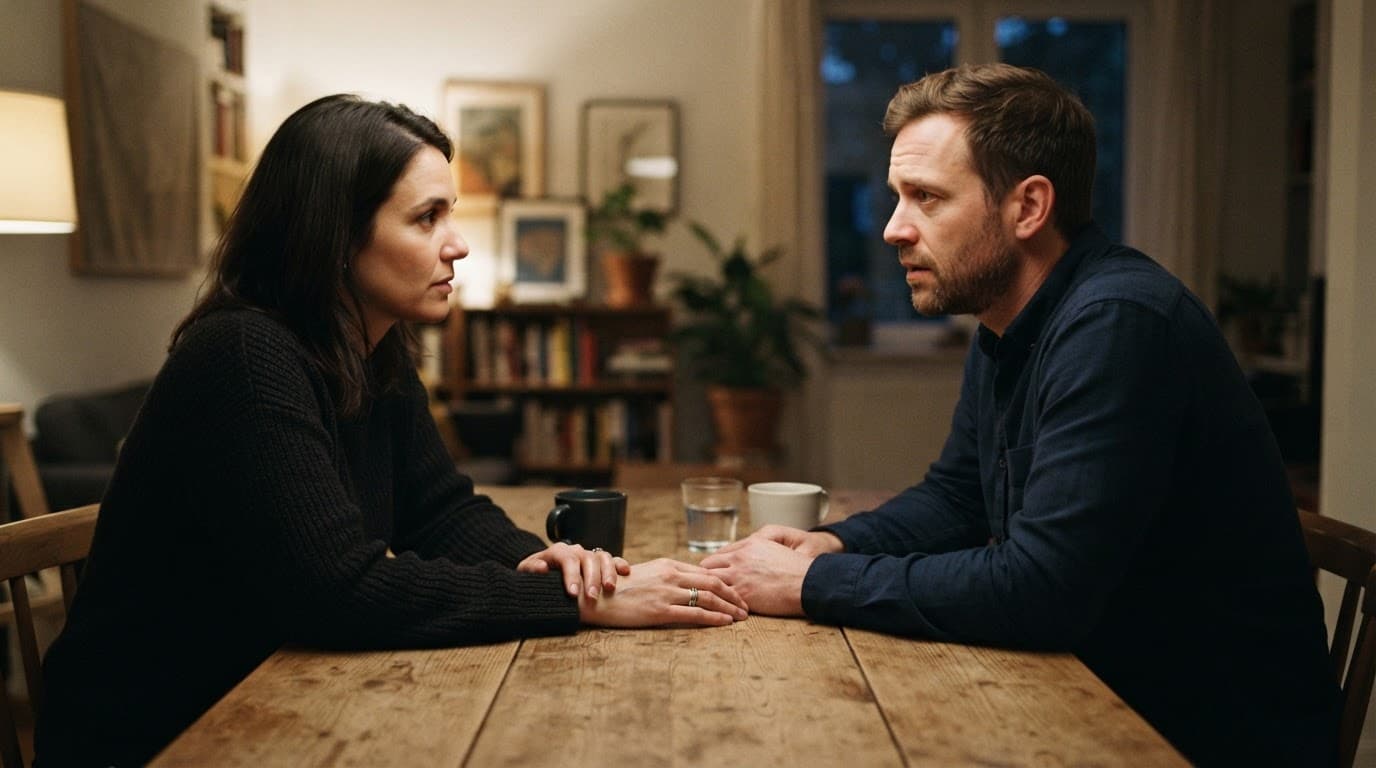
Start with specific changes rather than a claim about what happened. For example, you could say:
“We agreed to be exclusive, but lately our plans and explanations haven’t matched. I feel worried and disconnected. Has someone else become involved, or is there something about our relationship you need to tell me?”
This question is direct without calling her names or declaring guilt. It gives her room to explain recent changes while making your concern clear. Using statements such as “I feel worried when our plans and explanations do not match” can keep the conversation focused on trust instead of blame.
If a suspected cheating partner becomes defensive when confronted or starts guarding her phone, stay calm rather than treating those behaviors as proof. Ask one question at a time, then let her finish. Listen for the answer, not just for a pause, nervous gesture, or detail you can challenge. A denial may not resolve every concern, but it gives you information about whether she is willing to discuss the problem honestly. These principles also support effective communication in a relationship.
Avoid confronting her in front of friends, posting accusations online, or trying to trap her with supposed physical evidence. Insults, threats, repeated interrogation, and secretly searching her phone can turn uncertainty into a hostile conflict. If either person starts shouting or feels unsafe, end the conversation and leave the setting if necessary. You can return to the subject later with support from a counselor or trusted person.
2. Set Clear Boundaries for Trust and Next Steps
You get to decide what you need before continuing the relationship. Your boundaries might include truthful answers, agreed transparency about contact with another person, STI testing before resuming sex, couples counseling, or time apart.
Transparency must be mutual and voluntary. A shared agreement about communication can help rebuild trust, but forced surveillance, location tracking, and permanent access to private accounts are not healthy substitutes for honesty. If both of you are committed to repair, marriage counseling may help you rebuild your marriage. Consider these ways to build trust in a relationship when both people want repair.
If she admits to infidelity, you can consider repairing the relationship, separating temporarily, or ending it. Repair requires accountability and consistent behavior, not a single apology. If she refuses any honest discussion, you can still act on the broken trust by creating distance or ending the relationship. Prioritize your emotional health, sexual health, and physical safety throughout the decision.
Frequently Asked Questions
When you search for signs a woman has just slept with another man, it’s easy to treat ordinary changes as proof. These answers focus on what can actually be known, how to protect your health, and how to respond without making the situation worse.
Can you tell if a woman has recently had sex by her smell or body?
No dependable smell, appearance, or body change proves that someone recently had sex with another person. Changes in hygiene and grooming habits may reflect perfume, sweat, soap, exercise, clothing, laundry products, or the surrounding environment, not signs a woman has just slept with another man.
Physical changes can also follow poor sleep, stress, illness, or a change in routine. If you rely on scent or appearance as evidence, you may turn an ordinary detail into an unfair accusation.
Does acting extra affectionate mean she feels guilty?
Extra affection can come from a normal good mood, a desire for connection, or an attempt to repair tension after an argument. Guilt may cause someone to act more affectionate, but affection alone can’t identify cheating or confirm signs your girlfriend is cheating.
Look at the wider pattern instead. Honest context, consistent explanations, and respect for shared boundaries tell you more than a sudden hug or a more loving message.
Should I check her phone if I think she is cheating?
Secretly searching a partner’s phone, messages, or accounts violates privacy and can deepen the trust problem. Guarding her phone or seeming to be hiding something may increase your concern, but searching online for signs your girlfriend is cheating won’t establish the truth.
Raise the issue directly by describing what you have noticed and asking what has changed. If both partners agree, improving communication in your relationship can include reasonable, mutual transparency, but forced access is not the same as trust.
What if she denies cheating but I still do not trust her?
One forced answer rarely repairs damaged trust. Trust returns through consistent behavior, honest communication, reliable follow-through, and clear boundaries over time, rather than through isolated suspicious behavior or assumptions about signs your wife cheated.
If suspicion continues to control your thoughts or daily interactions, consider couples counseling or individual support. A counselor can help you assess the relationship without relying on guesses or constant checking.
Should both partners get tested for sexually transmitted infections?
Testing is sensible after possible exposure or whenever relationship exclusivity is uncertain, especially before having unprotected sex. Follow guidance from a doctor or sexual health clinic because the right tests and timing depend on the possible exposure.
An STI test protects both partners’ health. It should never be presented as proof of guilt or as one of the signs of infidelity, since infections can have different causes and may remain undetected for some time.
Can a relationship recover after one partner has sex with someone else?
Some couples recover, while others decide that separation is healthier. Recovery usually requires honesty, accountability, ending outside contact, willingness to rebuild trust, shared boundaries, and professional support when needed.
Research on staying together after infidelity describes recovery as an ongoing process rather than a single apology. Both partners must freely choose repair, and either person can decide that the relationship no longer feels safe or workable.
Conclusion
No single clue can prove that a woman has just slept with another man. Whether you’re researching signs your wife cheated or looking for signs your girlfriend is cheating, one instance of unexplained behavior, a sudden change in schedule, or other suspicious behavior isn’t conclusive evidence or one of the signs of infidelity. Sudden secrecy, emotional distance, appearance changes, and other behavioral changes may be relationship red flags, but they can also reflect stress, personal struggles, or underlying trust issues.
A repeated change in schedule or pattern of behavioral changes may deserve attention, especially when explanations don’t add up. Still, avoid detective work and calmly confront your partner instead. Describe what you’ve noticed, explain how it affects your trust, and give your suspected cheating partner a fair chance to respond. Respecting privacy matters, while sexual health testing is a sensible step if there may have been unprotected sex outside the relationship.
Your next decision should rest on repeated patterns, truthful answers, shared boundaries, and personal safety. Before deciding whether to end the relationship or rebuild your marriage, consider the signs of a healthy relationship and compare them with what you’re experiencing. Suspicion can alert you to a problem, but only evidence and honest discussion can show what that problem really is.
Save the PIN for later


- 60 Color Tattoos That Healed Beautifully - 25/09/2026
- 40 Most Painful Tattoo Spots - 24/09/2026
- 20 Tattoo Aftercare Mistakes That Ruin Fresh Ink - 23/09/2026

