You feel it, don’t you? That nagging sense something’s off in your marriage. You wonder if it’s just a rough season, or a deeper issue brewing under the surface. Many couples share this quiet fear, yet they push on without clarity.
Most marriages don’t shatter overnight. Instead, they weaken bit by bit through patterns like growing emotional distance, poor communication, simmering resentment, and eroding trust. These small cracks add up over time, turning minor frustrations into major divides.
Couples often wait an average of 2 to 6 years before seeking help, according to relationship studies. By then, the damage runs deep, and fixes become much harder. That’s why spotting problems early matters so much.
This post serves as your early warning guide. You’ll learn the key signs your marriage needs help and simple steps to turn things around before they worsen. Let’s spot those signs now, starting with the most common ones.
1. You stop feeling like a team in everyday life
One early warning sign isn’t big fights. It’s the slow loss of partnership. Emotional distance often hides in busy routines, parenting stress, and work demands. You might feel tired after a long day, but watch for patterns. Normal fatigue passes. Ongoing disconnection lingers. Spot it now to reconnect before it grows.
2. Most of your talks are about chores, bills, or the kids
Your chats turn into checklists. You discuss laundry, payments, or school schedules. Little room stays for feelings, daily stresses, or dreams. One partner says, “Who’s picking up the kids?” The other nods and checks email. No one shares what worries them or excites them anymore.
This shift feels natural at first. Life gets hectic. Yet it starves the bond. You miss deeper talks that build closeness.

3. You feel more like roommates than romantic partners
Routines split you apart. One heads to the gym after work. The other scrolls social media. Quality time fades. Curiosity drops too. You stop asking about each other’s thoughts or days.
This builds slowly, like dust on shelves. You live side by side, not together. Beds feel empty, even shared. Romance slips away unnoticed.
4. One or both of you stop making the marriage a priority
Work calls late. Phones buzz constantly. Friends or hobbies fill weekends. Family pulls too. Healthy interests matter, sure. The issue hits when your marriage gets leftovers.
You come home drained, with nothing left to give. Over time, resentment brews. For ways to rebuild, check these 10 must-read marriage counseling books. Small changes restore balance.
5. The way you communicate leaves both of you hurt or shut down
Communication breaks marriages faster than most people realize. Poor communication patterns cause emotional wounds that pile up over time. In fact, 53% of divorcing couples blame breakdowns in talks, according to recent surveys. Fights leave you drained, silent, or furious. Worse, they signal deeper problems like unmet needs or lost respect. Spot these habits early. Then act before resentment takes root.
6. The same arguments keep happening, but nothing gets resolved
You fight about money, chores, or in-laws again. The words repeat like a broken record. Yet solutions never stick. This cycle points to unmet needs below the surface, not just the topic at hand.
Defensiveness kicks in fast. One partner blames: “You never listen.” The other fires back: “You’re always nagging.” You go in circles, rehashing old points without progress. No one feels heard. Trust erodes a bit more each time.
These loops predict trouble. Researcher John Gottman calls patterns like this part of the four horsemen that doom relationships. Break free by naming the real issue. Ask, “What do we both need here?” For more on fixing talks, see 15 ways to communicate better with your spouse.
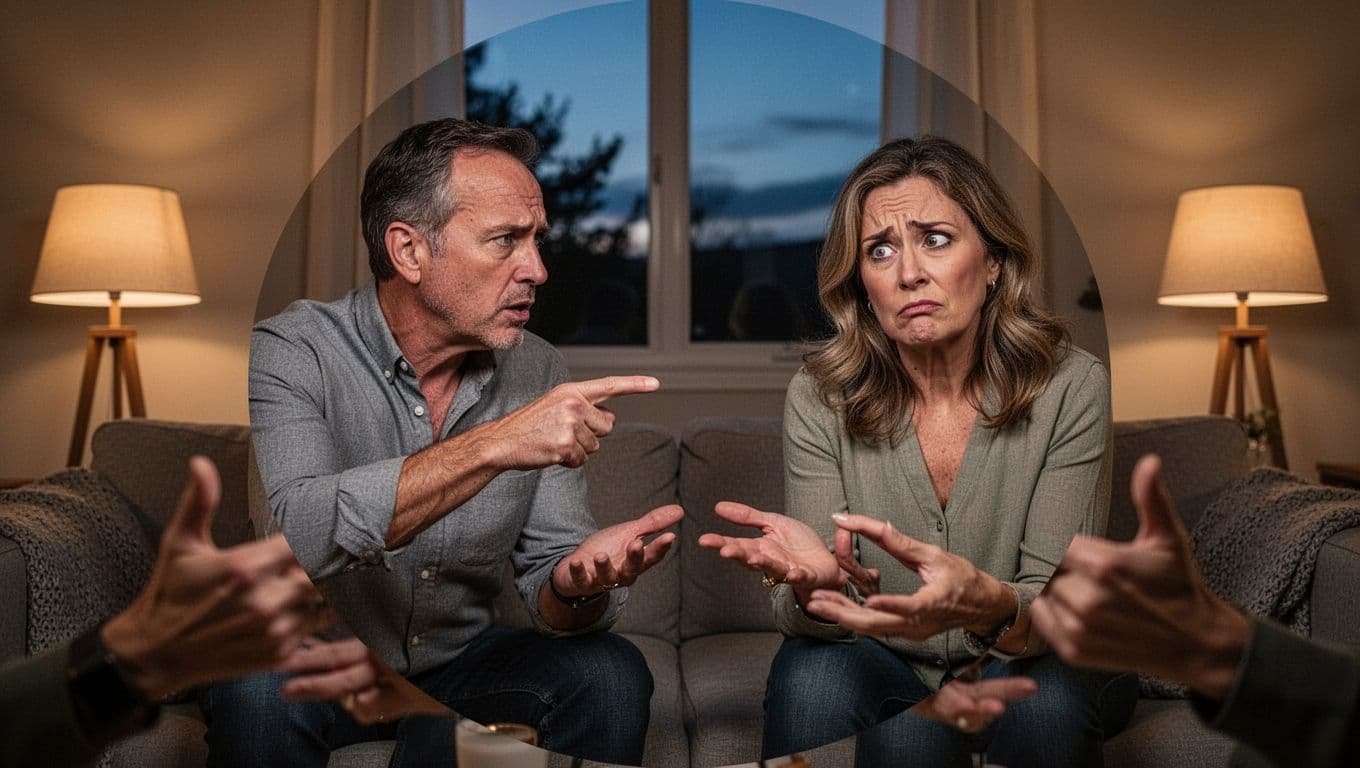
7. Small disagreements turn into sarcasm, eye rolling, or contempt
A minor spat starts over dinner plans. Then sarcasm slips out: “Oh, sure, because you’re the expert.” Eye rolls follow. Mockery builds. Contempt poisons the air, turning respect into disgust.
This hurts deepest. Contempt says, “I’m better than you.” It mocks dreams or flaws with meanness. Over time, it kills fondness. Gottman ranks it the top divorce predictor because it shreds emotional bonds.
Simple fix? Catch it quick. Pause and say, “I feel attacked.” Replace sneers with kindness. Healthy couples air gripes without venom.
8. You avoid hard conversations because they always go badly
Silence replaces words. You walk on eggshells, dodging topics like sex or finances. One glance warns: not now. Emotional shutdown feels like peace, but it’s fake.
No conflict seems calm. Yet it hides storms. Issues fester, breeding distance. You both shut down to survive talks gone wrong. Resentment grows in quiet.
True peace comes from safe talks. Start small. Pick calm moments. Use “I feel” statements. If patterns persist, explore how lack of communication affects relationships.
9. One person speaks up, the other checks out
You gather courage to share hurt. Your partner tunes out, stares at the phone, or leaves the room. Stonewalling shuts the door. They overwhelm and freeze.
This leaves you alone and unheard. Pleas bounce off walls. Frustration turns to despair. Gottman notes stonewalling as a key destroyer; it blocks repair.
The stonewaller needs a break, not escape. Agree on timeouts: 20 minutes max, then reconnect. Both feel valued again.

10. Trust, closeness, and intimacy start breaking down
Communication breakdowns often lead straight to fading trust and closeness. Marriages thrive on emotional safety and real connection. When those slip away, you start feeling lonely right next to your spouse. Small hurts pile up. Partners pull back to protect themselves. Over time, this erodes the bond that once felt solid. Spot these shifts early. Then rebuild before loneliness takes over.
11. You no longer feel emotionally safe with each other
You hesitate to share your real thoughts. Why? Because judgment, dismissal, or criticism awaits. One partner opens up about a tough day at work. The other snaps back with, “You always complain.” Honesty feels risky, so silence grows.
Emotional safety matters just as much as hugs or kisses. Without it, vulnerability dies. You hold back fears, joys, or doubts. Resentment brews instead. For example, you avoid admitting a mistake because past reactions stung. Your spouse does the same. Both of you build walls.
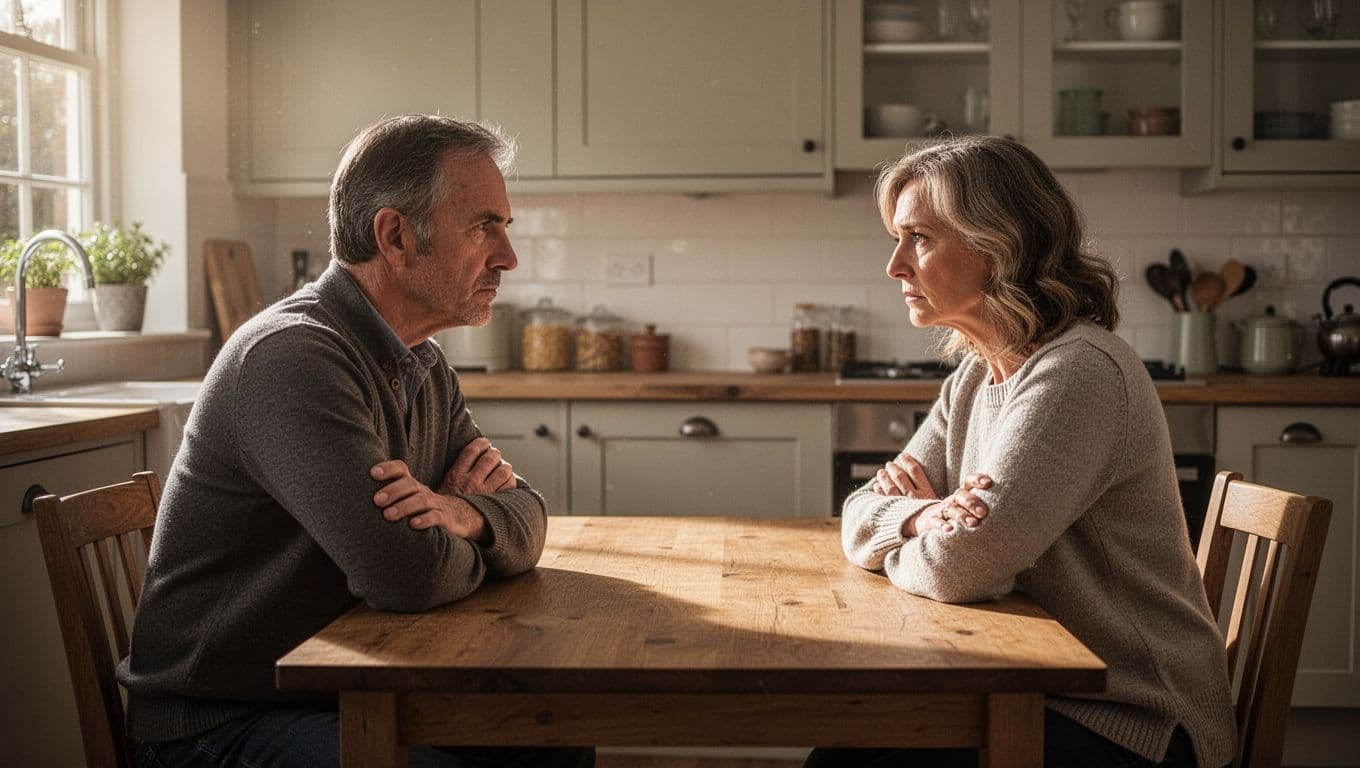
This pattern kills closeness. You feel exposed, not cherished. Healthy couples listen without attack. They validate feelings first. Ask yourself: Do I dread sharing raw emotions? If yes, safety has cracked.
12. Affection and physical intimacy have dropped off for a long time
Hugs vanish. Kisses turn into pecks, if that. Sex fades to rare events, or none at all. Even casual touches, like a hand on the back, stop. Every couple differs on needs. Some thrive with less. But a long drop-off signals deeper disconnection.
You sleep inches apart but miles away emotionally. One partner reaches out; the other turns away. Excuses pile up: too tired, too busy. Meanwhile, resentment simmers. Nonsexual touch builds trust. Without it, you both feel unwanted.

This lasts months or years in struggling marriages. It stems from unresolved hurts. Talk openly about desires. Small steps, like daily hugs, reignite sparks. Ignore the pattern, though, and distance widens.
13. Secrets, lies, or broken promises keep damaging trust
Hidden credit card charges appear. An emotional affair brews via texts. Porn habits stay secret. Full infidelity shatters everything. Repeated small lies, like “I was working late,” add up too. The real killer? No repair follows.
One breach happens. Then no full apology or change. Trust doesn’t bounce back. You question every word now. For instance, a forgotten promise to date night repeats. Excuses follow. Patterns like these match things that slowly destroy relationships.
Repair demands honesty and action. Admit the hurt. Make amends. Without that, secrets multiply. You both withdraw. Check honesty in a relationship for steps to rebuild. Act now, or cracks become chasms.
14. Resentment is growing, and hope is starting to fade
Resentment sneaks in after trust fades and talks go nowhere. It starts small but builds into a wall between you. Unresolved hurts turn everyday moments sour. Hope dims as you both pull away. These signs show your marriage needs urgent help. Spot them now, because resentment in marriage predicts bigger rifts ahead. For example, studies link constant arguing to 56-61% of divorces, often fueled by built-up anger.
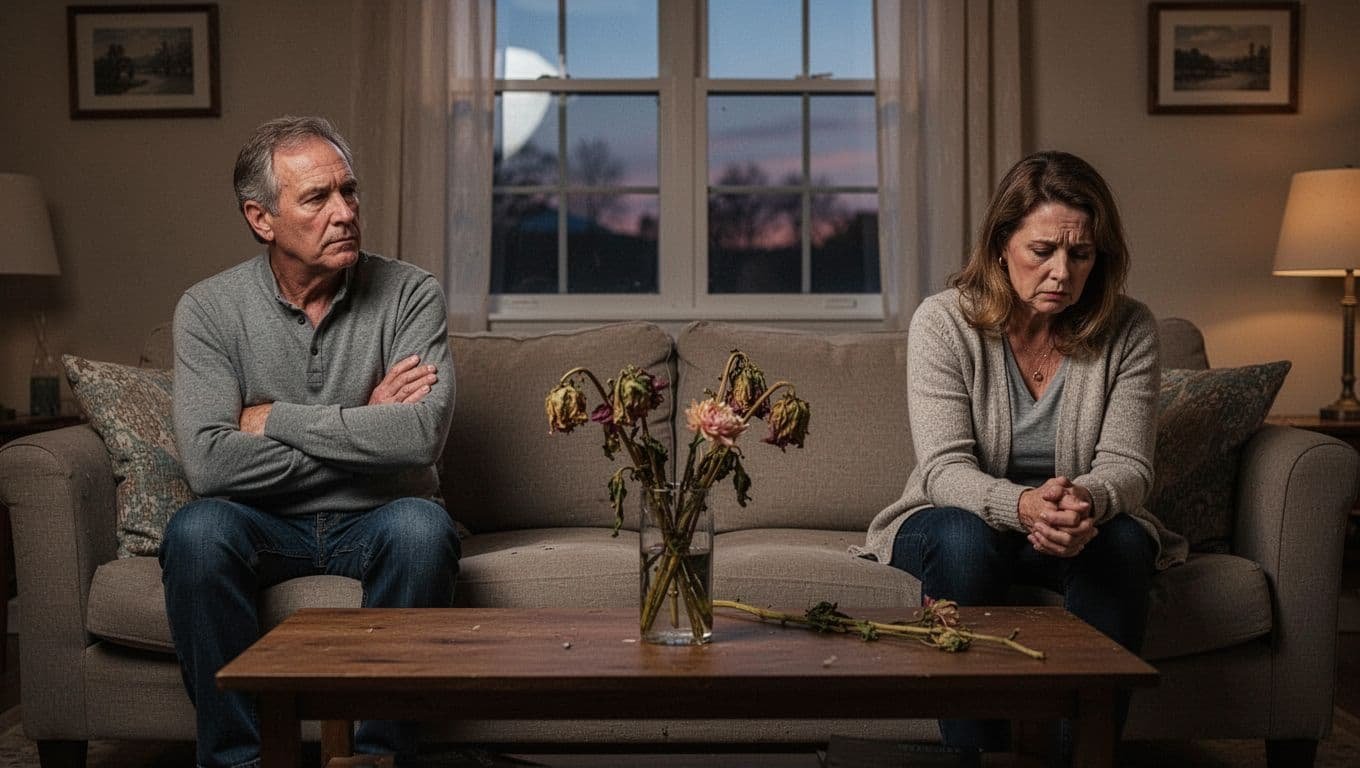
15. Old hurts keep coming back because they were never healed
Past betrayals linger like shadows. A forgotten promise or sharp words from years ago resurface in new fights. You didn’t heal them, so they shape every conflict now.
Your spouse forgets an anniversary once. You brush it off. But months later, a small delay triggers rage. “You always let me down,” you snap. Harsh words echo too. That argument where they called you selfish? It stings fresh each time you feel ignored. Disappointments pile up, from unmet dreams to broken trust.
As a result, fights repeat. You react from old pain, not the present. Meanwhile, your partner defends the same wounds. No one moves forward. This cycle breeds distance. Address it with honest talks or counseling. Ignore it, and resentment deepens.
16. You assume the worst about each other most of the time
Negative thoughts take over. You read bad intent into innocent acts. Your spouse arrives late? They don’t care. A text goes unanswered? They’re hiding something. Expecting disappointment becomes normal.
This mindset poisons bonds. You believe they will never change, so why try? For instance, they load the dishwasher wrong. Instead of asking, you think, “They do this on purpose to annoy me.” Small actions feel like attacks. Over time, you both withdraw, assuming failure.
In addition, it kills empathy. Healthy couples give grace. Here, doubt rules. Check signs you secretly hate being married for more clues. Break it by challenging thoughts. Ask, “What else could this mean?” Support comes next.
17. You think about leaving more often than fixing things
Thoughts of escape pop up more. You imagine life alone, free from tension. Fixing feels pointless, so mentally, you check out. This shift warns of deep danger, yet change stays possible.
Emotional withdrawal hits first. Weekends alone sound peaceful. Friends ask about plans; you daydream divorce. It’s not dramatic plots but quiet surrender. “Is this worth saving?” crosses your mind daily.
However, these are calls for help. Resentment has worn you down. Couples often recover with effort. See signs your marriage is over to gauge severity. Talk openly. Seek therapy soon. Hope returns when you both commit.
How to tell if it is a rough patch or time to get help now
You spot these signs in your marriage. Now you wonder: Is this just a tough spell, or something worse? Most couples face stress from time to time. Yet real danger hides in patterns that repeat and deepen. Learn to spot the difference. Then decide your next move.
A rough patch usually feels temporary, a harmful pattern keeps repeating
Life throws curveballs. A job loss hits hard. Illness drains energy. Parenting demands pull you apart. These stresses test any marriage. However, they often pass once the crisis eases. You hold hands through it. Communication stays open, even if strained. Trust holds steady.
In contrast, harmful patterns drag on for months. They show up in every season, not just bad times. Arguments loop without fixes. One partner shuts down during talks. Closeness fades, no matter the calendar. For example, resentment builds from old hurts that never heal. You feel like roommates year after year.

Check the timeline. Does distance lift after vacations or wins? Or does it persist? Rough patches end. Patterns warn of deeper breaks in communication, trust, or bond.
Getting help early can protect the marriage
Couples often delay action. Recent studies show most wait about 2.5 to 2.7 years after problems start before trying counseling. By then, contempt roots deep. Disconnection feels normal. Fixes take longer and hurt more.
Early steps change that. Counseling, pastoral care, or structured talks boost success rates to around 70%. You catch issues before they harden. Sessions build skills fast, often in 3 to 6 months. Resentment shrinks. Hope returns.
For instance, one study found couples improve quickest with early help. They learn to talk without blame. Trust rebuilds before walls rise too high. So start now. Protect what matters most.
Simple first steps couples can take this week
Don’t overhaul everything at once. Pick one or two actions. They build momentum without overwhelm.
- Set a calm talk tonight. Choose a quiet spot. Share one feeling with “I” statements, like “I feel lonely lately.”
- Name one issue without blame. Say “We argue about chores often” instead of “You never help.”
- Make 20 minutes together daily. No phones. Walk, cook, or sit close.
- Read your concerns aloud. Use a notebook. Agree to one small change.
- Discuss counseling openly. Search local options together.
These moves spark progress. For more ideas, try 5-minute habits to transform your marriage.

Act this week. Early support saves many marriages. You both deserve that chance.
Conclusion
That nagging sense from the start often points to real issues like emotional distance, poor communication, fading trust, and building resentment.
Spotting these early warning signs shows you value your marriage. It’s not a failure; it’s a brave first step.
If several signs linger over time, take them seriously and seek help now. Many couples rebuild stronger bonds with timely support and effort. Hope thrives when you act before cracks deepen.
Save the pin for later

- 60 Color Tattoos That Healed Beautifully - 25/09/2026
- 40 Most Painful Tattoo Spots - 24/09/2026
- 20 Tattoo Aftercare Mistakes That Ruin Fresh Ink - 23/09/2026

