Dating someone who practices nudism can be healthy and fulfilling, even if you’re not comfortable with nudity yourself. Nudism is generally understood as nonsexual social nudity, and each couple can decide what feels comfortable around clothing, touch, intimacy, privacy, and public settings.
The key is honest communication, ongoing consent, and respect for different comfort levels. Clear healthy relationship boundaries can help you discuss first experiences, photography, social events, personal privacy, and what happens when either partner wants to pause or leave. Next, we’ll look at practical ways to build trust while staying comfortable and legally safe.
Understand What Nudism Means Before You Judge the Lifestyle
Before you date a nudist partner, learn what nudism means to them. Nudism, also called naturism, is generally the practice of nonsexual social nudity. People may choose it for comfort, body acceptance, personal freedom, time in nature, or connection with a welcoming community.
Nudism Is Not a Sexual Agreement
For many people, nudity feels ordinary rather than erotic. A nudist may enjoy being unclothed at home, on a designated beach, at a private club, or during outdoor activities without seeking sexual attention.
However, personal reasons differ. Some people value freedom from clothing, while others appreciate body confidence or the chance to spend time outdoors without judgment. The label alone won’t tell you what your partner believes, so ask them directly.
Nudity also does not mean:
- Sexual availability or permission to touch.
- Consent to sex, flirting, or sexual comments.
- An open relationship or multiple partners.
- Permission to take, share, or post photographs.
- A requirement for you to undress.
A person can practice nudism and still want a committed, exclusive relationship. Likewise, you can support your partner’s lifestyle without joining them. Clear consent and privacy boundaries help both of you feel respected.
Respect Defines a Nudist Space
Well-run nudist spaces expect ordinary courtesy and strong personal boundaries. Visitors should avoid staring, unwanted touching, sexual remarks, intrusive questions, harassment, and advances. The International Naturist Federation’s etiquette guidelines also stress privacy and permission before photographing other people.
Many venues have additional rules. Some require towels on shared seating, limit photography, or make certain areas clothing-optional while requiring clothing elsewhere. Ask about the rules before attending, then follow them without treating the setting as an invitation to test limits.
Nudity changes the amount of clothing in a space, not the need for consent.
Ask What Nudism Means to Your Partner
A respectful conversation can prevent assumptions before they create conflict. Ask questions such as:
- Where do you practice nudism, and how often?
- Are your friends, clubs, or vacations connected to it?
- Do you expect a partner to participate?
- What would you want me to wear or do if I joined you?
- How do you handle privacy, photographs, and social media?
- Can I attend once, remain clothed, or leave without pressure?
Your partner should answer without mocking your concerns. You should also avoid treating their lifestyle as automatically healthy or harmful. Judge the relationship by honesty, respect, and how each of you responds when the other says no.
Have an Honest Conversation About Nudism
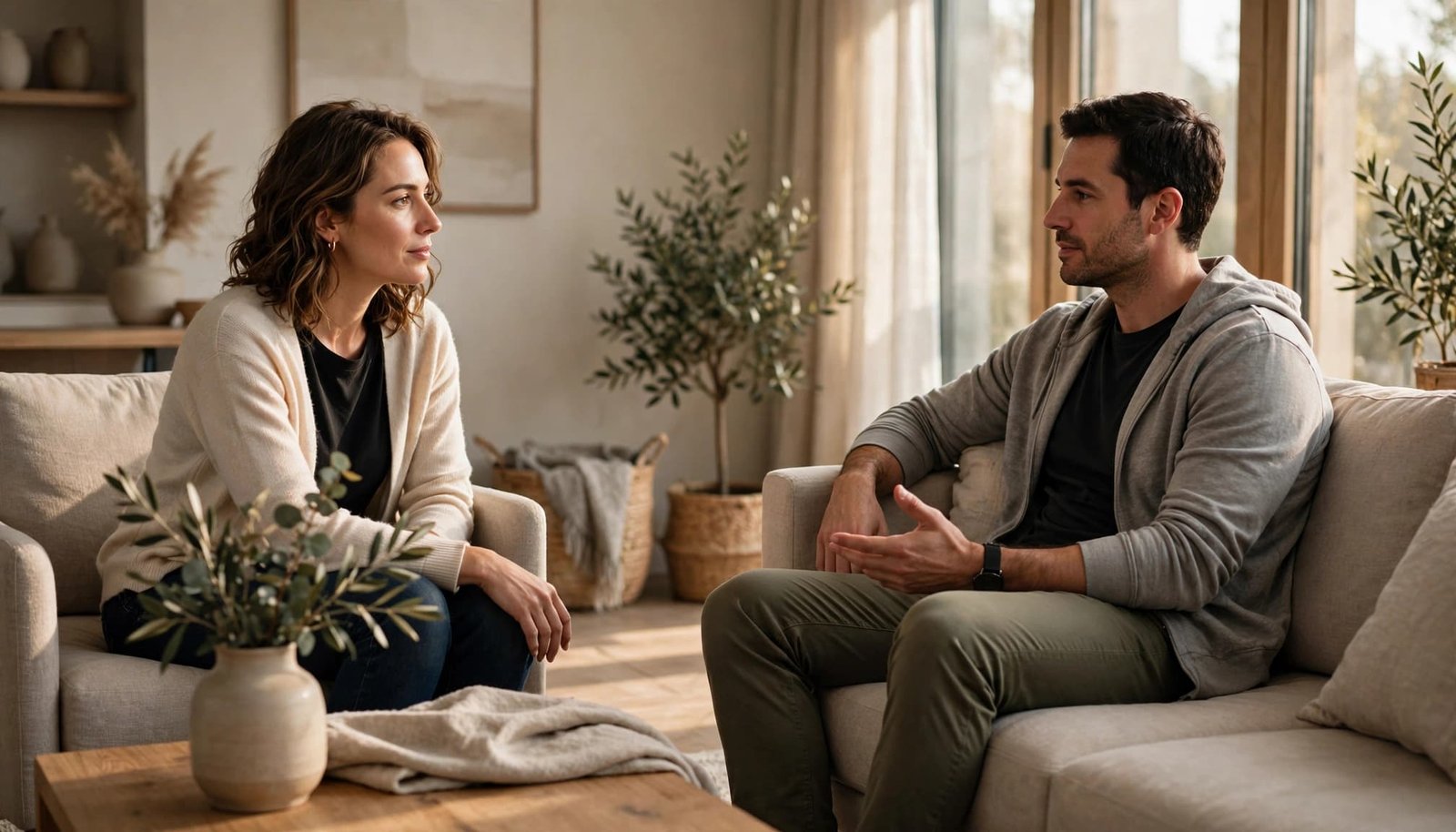
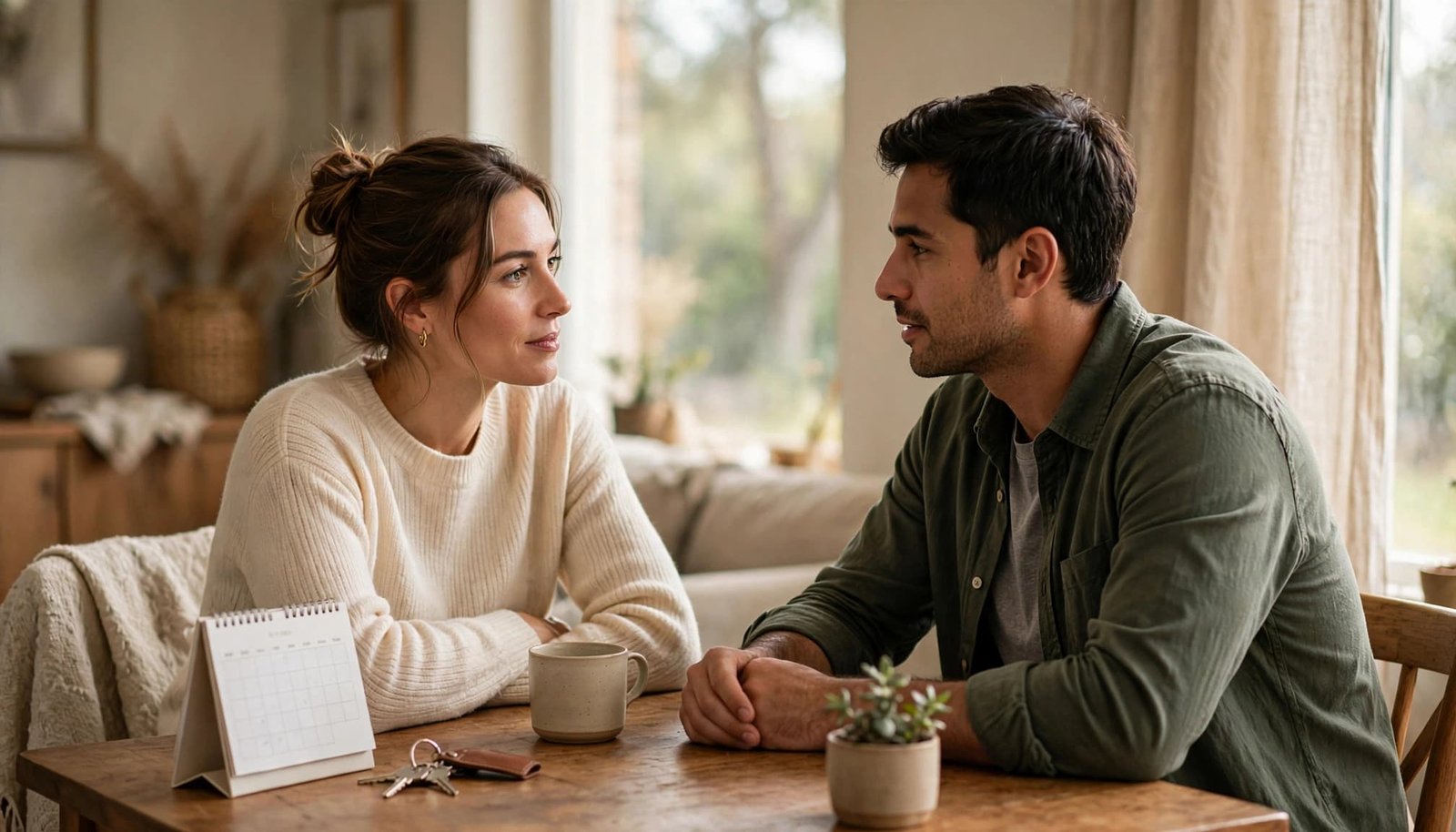
A serious conversation early in the relationship can prevent confusion later. Choose a calm, private setting where neither of you feels watched, rushed, or pressured to respond immediately. Speak without shame, teasing, or sexual jokes, and begin with a clear intention: “I want to understand what this means to you.”
Give Both Partners Room to Speak
The nudist partner should explain their lifestyle honestly, without pressuring the other person to participate. They can describe where they practice nudism, what they enjoy about it, and which expectations matter to them in a relationship. They should also explain how they protect privacy and respond when someone feels uncomfortable.
The non-nudist partner needs equal space to share personal concerns. Those concerns may include jealousy, body image, fear of being judged, religious or cultural values, or uncertainty about public nudity. You don’t need to present these feelings perfectly. Honest statements such as “I worry I won’t feel secure at a nudist event” give your partner something real to understand.
A respectful partner listens before defending their position. For additional conversation guidance, these healthy communication skills for couples can help both of you speak clearly without blame.
Supporting your partner’s nudism doesn’t require you to become nude yourself.
You can attend a social event fully clothed, decline an invitation, or decide that nudism isn’t right for you. Your partner can also decide how important participation is to their future relationship. Compatibility depends on whether you can discuss those differences honestly, not whether you share every preference.
Notice How Your Partner Responds
Give yourself time to think after the conversation. Consent and comfort can change, so revisit the topic as the relationship develops, especially before visiting a nudist club, beach, or gathering. You can use weekly relationship check-in questions to discuss jealousy, boundaries, and changing expectations.
Healthy responses include patience, curiosity, reassurance, and a willingness to negotiate. Your partner should accept “not yet,” “I need more information,” and “no” without punishment.
Warning signs include:
- Guilt, ridicule, anger, or threats after you set a limit.
- Pressure to undress, attend events, or accept touching.
- Secrecy about partners, venues, photographs, or sexual expectations.
- Claims that love requires you to prove your acceptance.
- Ignoring your discomfort or treating consent as permanent.
Love Is Respect explains that consent requires communication at every step, and pressure or guilt has no place in it. If these warning signs continue, pause the relationship and seek support from someone you trust.
Set Clear Relationship Boundaries Around Nudity, Intimacy, and Consent
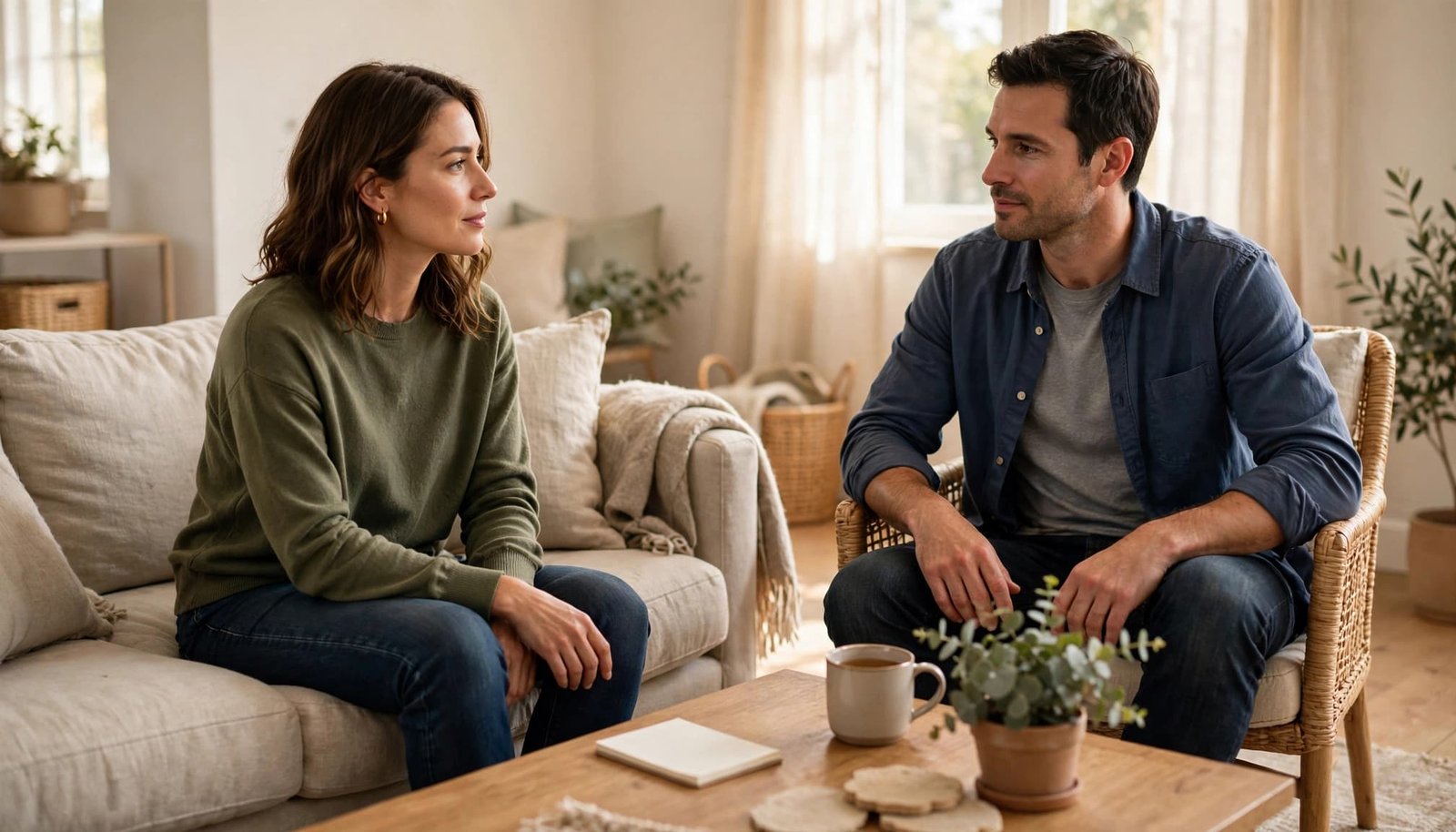
Boundaries work best when they are specific, mutual, and easy to change. Instead of saying, “I want to feel comfortable,” agree on what comfort means in real situations, then revisit the agreement as your relationship develops.
Discuss Nudity in Different Settings
Nudity at home may feel private and relaxed, while nudity around friends or strangers can raise different concerns. Discuss each setting separately rather than assuming one agreement covers everything.
Consider boundaries for:
- At home: Decide where nudity is comfortable, whether either partner should dress before visitors arrive, and which rooms remain private.
- Around friends: Agree on whether friends may see either of you nude and whether your partner can discuss your body or participation with others.
- Beaches and resorts: Talk about clothing expectations, photography rules, transportation, and whether you will stay together during your first visit.
- Shared changing areas: Decide whether you will use the same facilities, wait separately, or choose a private changing space.
- Online: Never photograph, livestream, or share intimate images without clear permission. Discuss tagging, group chats, cloud storage, and what happens if you withdraw consent later.
Reviewing boundaries around privacy and personal space can help you address limits that extend beyond nudist settings.
Separate Nudity From Touch and Sexual Intimacy
Being nude doesn’t give either partner permission to touch. Make “ask before touching” a shared rule, especially in public or social settings. A simple question such as, “Would you like a hug?” keeps affection separate from assumption.
You also need clear agreements about sexual intimacy. A partner may be comfortable being nude but not want sexual comments, kissing, touching, or sex at that moment. Consent is ongoing and freely given, and either person can change their mind without explaining why. The Office for Human Research Protections describes consent as an ongoing process, which reflects the same practical principle in relationships.
A previous yes applies to that moment and that activity. It never creates permanent permission.
Agree on a private signal for discomfort, such as a phrase or hand gesture. During a first outing, stay together, check in discreetly, and decide beforehand that either person can leave without an argument. Personal space also matters at home, so make room for separate time, private conversations, and clothing choices.
Your partner must accept “no,” “not now,” and “I want to leave” immediately. If either person feels pressured, stop the activity and review the agreement later, when both of you feel calm.
Take Your First Nudist Experience Slowly and Keep It Low Pressure
Your first nudist experience should feel like a shared experiment, not a test of your love or openness. Move in small steps, keep participation optional, and agree that either partner can pause or leave without an argument.
Start With Conversation and Small Steps
Begin by talking about what you both want from the experience. Ask what your partner enjoys, what makes you nervous, and which boundaries need extra attention. You can also read the venue’s rules together before deciding whether to go. Clear communication matters during any new couple experience, including ideas for trying new experiences as a couple.
If both people genuinely want to try optional nudity at home, keep the setting private and brief. You might spend a short period without clothing, then dress again whenever either person prefers. No one should undress to prove trust, match a partner’s comfort level, or avoid disappointing them.
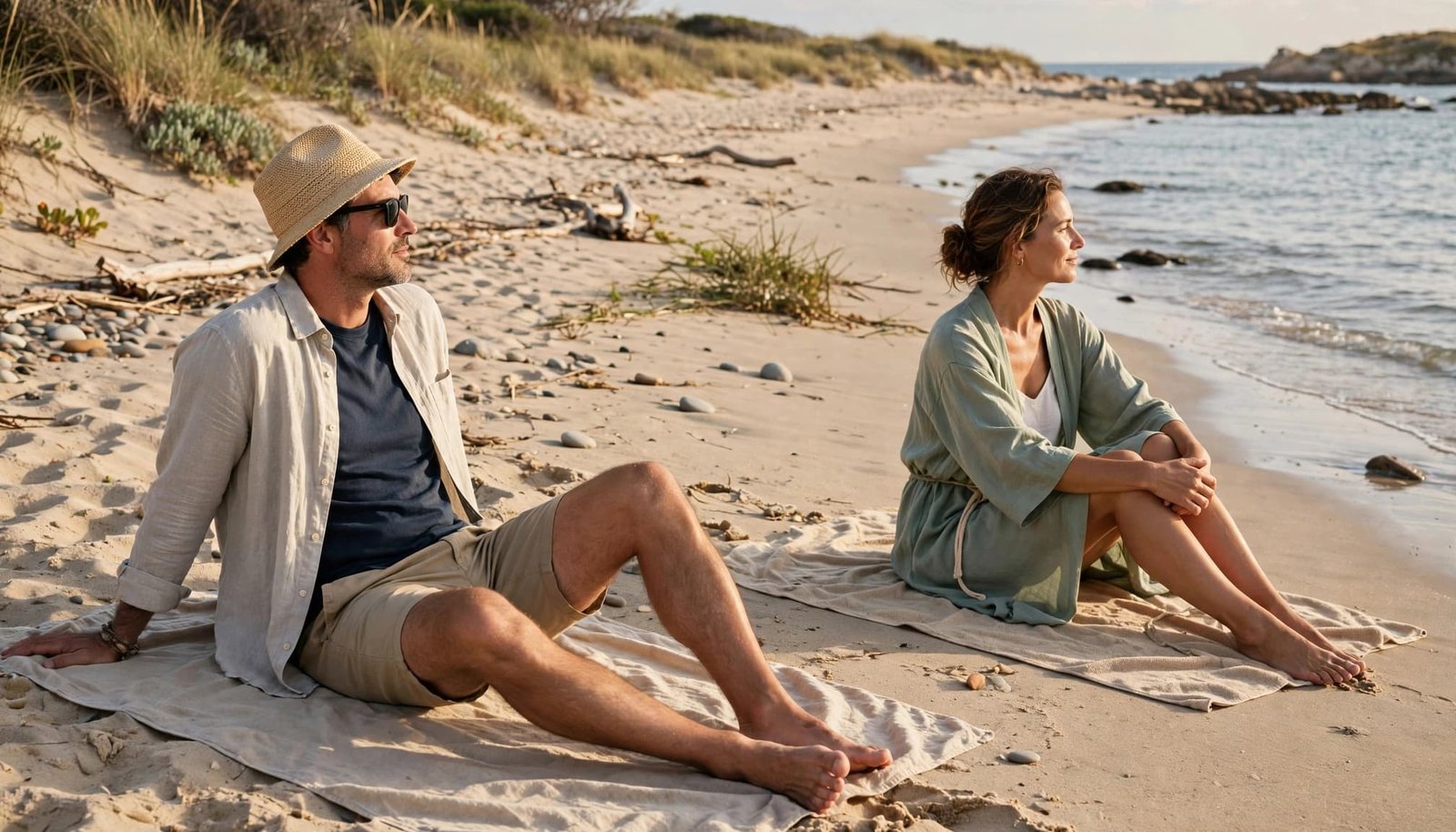
A clothing-optional beach may feel less intense than a private resort for some first-time visitors. You can remain dressed, use a cover-up, and leave easily if the setting feels uncomfortable. A resort may offer more amenities and structure, but it can also feel more enclosed or socially demanding.
Prepare for Comfort and Privacy
Check the venue’s current rules before you arrive. Clothing requirements, phone policies, designated nude areas, and visitor procedures can differ widely. Plan transportation carefully, and bring a way to get home independently rather than relying on your partner to stay.
Pack practical items that make leaving or covering up easy:
- A cover-up, shorts, or a sarong.
- At least one towel, with two per person useful for longer visits.
- Sunscreen, water, sunglasses, and comfortable footwear.
- Cash, identification, and independent transportation details.
Follow the basic etiquette once you arrive. Sit on a towel, obey clothing requirements, and ask before taking any photograph. Avoid staring, comments about bodies, sexual remarks, and unwanted touch. Treat the setting as a social space, not a sexual venue.
Agree on a time limit before you go, then check in during the visit with a simple question such as, “Do you still feel comfortable?” Talk afterward about what felt easy, awkward, or unexpected. One uncomfortable experience doesn’t require ending the relationship or trying again. It may simply show that you need different boundaries, more information, or no further participation.
Protect Privacy, Handle Jealousy, and Know the Legal Limits
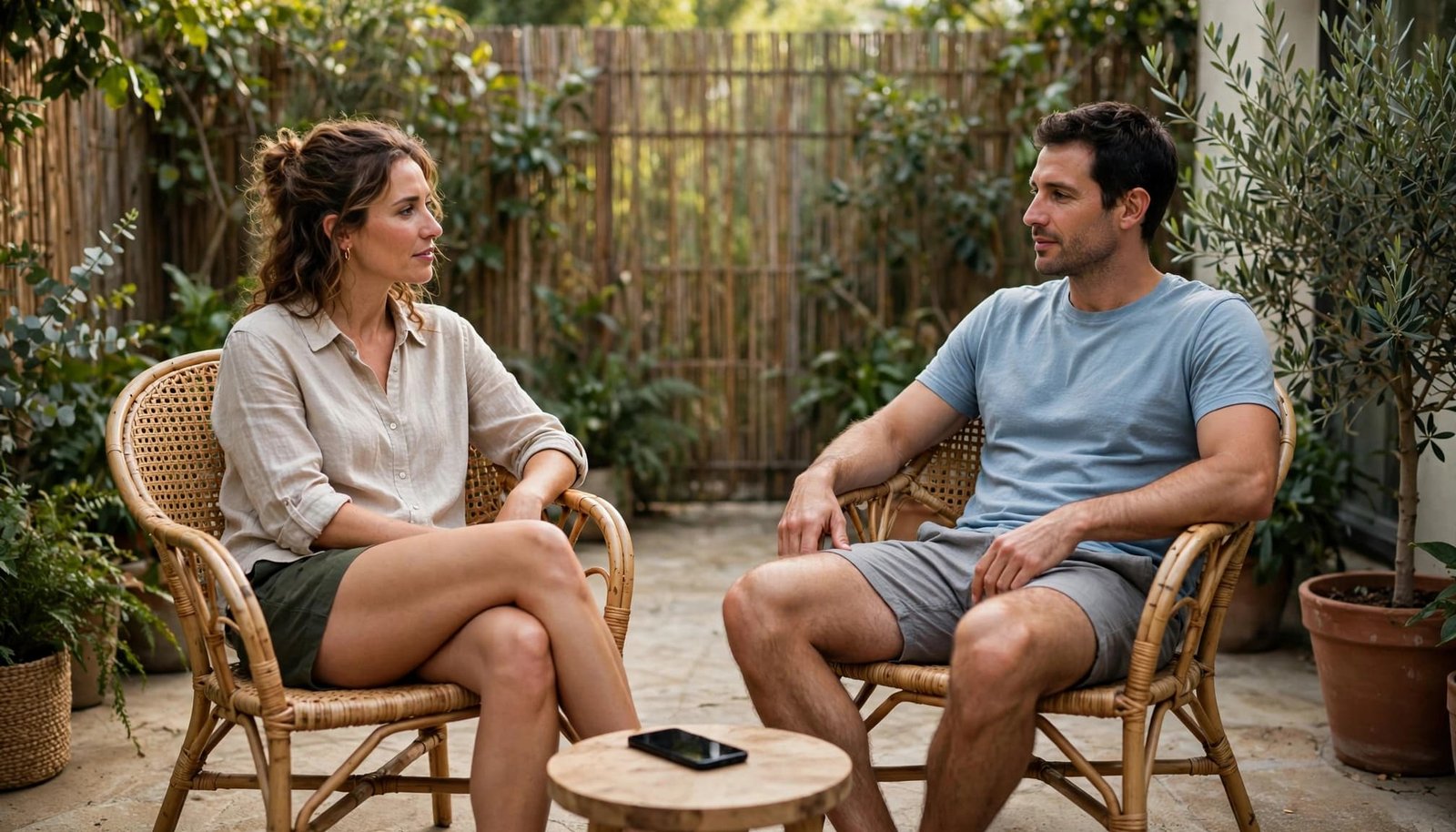
Once you understand each other’s comfort levels, discuss the practical issues that can create conflict later. Privacy agreements, jealousy, and local laws all deserve clear attention before nudity becomes part of your shared social life.
Agree on Photos, Guests, and Disclosure
Treat every photograph or recording as private information. No one should use a phone camera, take scenic shots, or record people at a naturist venue without clear permission. The safest approach is to leave the camera away unless the venue allows photography and everyone visible agrees.
Talk through these questions before they become arguments:
- Can either partner post a shared photo on social media?
- Are tags, stories, group chats, or private messages acceptable?
- What happens if one partner withdraws permission later?
- May friends or relatives visit your home while someone is nude?
- Who can know about the nudist partner’s lifestyle?
- Should dating profiles mention nudism, and if so, how much detail feels appropriate?
Privacy is different from secrecy. You can protect your partner’s identity, workplace, family relationships, or personal history without treating nudism as shameful. Share information that affects the relationship, but don’t disclose private details to friends, coworkers, or online followers without permission.
Address Jealousy Through Behavior and Trust
Nudity doesn’t determine commitment. Focus on what your partner does, whether they keep agreed limits, and how they respond when you feel uneasy. Jealousy may point to a genuine boundary problem, but it can also come from fear, comparison, or unfamiliarity with social nudity.
Use concrete agreements instead of accusations. You might agree that neither partner flirts with guests, accepts unwanted touching, exchanges sexual messages, or leaves the other person uninformed about social plans. If jealousy arises, describe the behavior and its effect: “I felt excluded when you made plans without telling me.” That gives both of you something specific to address.
Repeated demands for passwords, constant questioning, or attempts to control your partner’s clothing can damage trust. Reassurance helps, but neither person should have to surrender all privacy to prove commitment.
Check Public Nudity Laws Before You Go
Public nudity laws vary by country, state, county, city, beach, and venue. A clothing-optional area may have specific boundaries, hours, and conduct rules, while nudity nearby could still violate local law. Review the venue’s current policies and local ordinances before visiting a new location. Guidance on where nude beaches meet legal limits can provide general background, but it isn’t a substitute for local legal advice.
Use designated clothing-optional areas, follow posted rules, and avoid nudity where nonconsenting people, children, workplaces, schools, or public facilities may be affected. Sexual conduct creates separate legal concerns even where nonsexual nudity is allowed. When the rules are unclear, stay clothed and ask the venue directly.
Know When the Relationship Can Work and When Your Values Do Not Align
A relationship with a nudist partner can work when both people respect personal choice, communicate honestly, and accept different comfort levels. You don’t need identical preferences, but you do need compatible expectations about privacy, commitment, family life, and social activities.
Compare Your Long-Term Expectations
Early attraction can make lifestyle differences seem small. However, nudism may affect ordinary decisions as the relationship becomes more serious. Talk about these questions before moving in together, marrying, or having children:
- Will one partner attend nudist holidays or social events alone?
- Can the non-nudist partner remain clothed at home, clubs, beaches, or gatherings?
- How will you explain your choices to friends and relatives?
- Would either partner feel uncomfortable raising children around nonsexual nudity?
- What privacy rules will apply when children have friends or relatives visit?
- How do your religious, cultural, or personal values shape your views?
- Would future housing need private outdoor space or clothing-optional access?
A workable agreement might allow your partner to attend certain events alone while you join other activities. That arrangement must be mutual, specific, and safe, rather than a secret compromise that creates resentment. Use these questions to ask before getting married to discuss family plans, religion, housing, and other long-term concerns.
Different choices are acceptable when both partners make them freely. Problems arise when one person expects the other to change, hide discomfort, or treat nudism as proof of love.
Recognize When Your Values Do Not Align
You may have a basic values conflict if nudism is central to your partner’s identity, while you know you cannot accept it in your shared social or family life. Neither person is wrong for having that limit. Still, pretending the difference will disappear can lead to anger and withdrawal later.
Take repeated pressure seriously. Red flags include:
- Coercion, sexual pressure, or demands that you undress.
- Hidden photographs, secret recordings, or shared images without permission.
- Repeated boundary violations after you clearly say no.
- Contempt, ridicule, threats, or refusing to discuss your concerns.
- Using nudism to test your loyalty or control your clothing and friendships.
If the issue causes recurring conflict, consider couples therapy questions or counseling with a qualified therapist. However, joint counseling is not appropriate when fear, coercive control, threats, or abuse prevent either partner from speaking freely. In that situation, seek individual support and prioritize safety before relationship repair.
Conclusion
Dating a nudist partner doesn’t require immediate nudity. Nudism also doesn’t remove the need for consent, privacy, commitment, or respect. Talk honestly about expectations, use questions to ask while dating to clarify compatibility, and set clear boundaries around clothing, touch, intimacy, photographs, and social events.
Move at the slower partner’s pace, and accept that either person can pause or change their mind. Before visiting a naturist venue, follow its rules, protect personal information, and check local laws about public nudity and image sharing.
A strong relationship doesn’t require both partners to live in exactly the same way. Compatibility grows through respect and shared choices, not pressure to prove love by changing your comfort level.
Save the pin for later

- 25 Gothic Tattoo Ideas for a Bold, Dark Look - 21/09/2026
- 34 Black Fine Line Tattoo Ideas for a Delicate Look - 21/09/2026
- 23 Micro Tattoo Ideas for Women With Meaning - 21/09/2026

