Micro tattoos appeal to women who want personal, delicate body art without committing to a large design. A tiny birth flower, initial, favorite animal, or celestial symbol can carry deep meaning while staying subtle, and these unique tattoo ideas for women can help you find the right direction.
The best micro tattoo designs use simple shapes, clean lines, and enough open space to stay readable over time. Ahead, you’ll find 23 meaningful ideas, plus practical advice on placement, design limits, pain, healing, choosing an experienced artist, and caring for fresh ink. Start with the designs, then narrow down the idea that feels most personal to you.
23 Micro Tattoo Ideas for Women With Meaning
Micro tattoos work best when the design has one clear focal point. Flowers, stars, moons, hearts, initials, dates, and simple animals stay easier to read than crowded images with heavy shading. Before choosing a reference, ask your artist to adjust the size, line weight, orientation, and symbolism for your skin and preferred placement.

Nature-Inspired Micro Tattoos With Soft, Delicate Meaning
A tiny flower can symbolize growth, self-love, or a fresh start. One or two petals and a thin stem keep the shape readable, especially on the inner forearm, collarbone, or ankle. A birth flower adds a personal connection to a birth month, while a leafy branch can suggest family, healing, or steady progress. Try the upper arm or outer calf for either design.
A butterfly often expresses freedom and change. A bird may suggest travel, independence, or a new direction, while a seashell can hold memories of the ocean, protection, or a favorite place. A single wave offers a calm, simple image for someone drawn to water or balance. The ankle, collarbone, and outer calf suit these airy designs.
Reference images often contain too much detail for micro work. Your artist may simplify a flower, reduce a bird to its outline, or remove shell texture so the tattoo doesn’t become an unclear blur over time.
Celestial and Symbolic Designs That Say a Lot With Few Lines
A crescent moon can suggest change, intuition, or a private connection to the night. Add one small star for balance, or choose a star or constellation linked to a meaningful place. A sun can express warmth, hope, or renewed energy. These designs fit the wrist, behind the ear, collarbone, or upper arm.
A heart may honor love, healing, self-worth, or a special relationship. An infinity symbol can suggest continuity, while a meaningful date can record a birthday, anniversary, or life milestone. For faith-based designs, a tiny cross can carry personal spiritual meaning without assuming anything about the wearer.
An arrow may represent direction or forward movement. A small crown can celebrate confidence, achievement, or personal style. Pair symbols carefully, such as a moon with one star or an initial with a small heart. Packing several elements into one tiny tattoo can make every line compete for space. The inner ankle and upper arm give these symbols room to remain clean.
Personal Micro Tattoos Based on Loved Ones and Everyday Favorites
An initial can honor someone important without using a full name, while a single-word script can capture a value such as “hope” or “always.” Keep lettering large enough to remain legible, since a full quote usually needs more space than a micro tattoo allows. A date can also honor family, memory, or a major life change. See these meaningful tattoo ideas for women over 50 for more inspiration tied to family and milestones.
A paw print or minimalist cat or dog outline can celebrate a beloved pet. Use only the features that make the animal recognizable, such as pointed ears, a curled tail, or a familiar profile. A line-art face can honor a loved one, but simple contours usually age better than a miniature portrait.
Finally, a bow can work as a feminine style choice, a reminder of generosity, or a personal symbol. A geometric shape can bring balance and structure without needing a deeper story. Consider the wrist, inner ankle, collarbone, or upper arm, then let your artist refine the design for lasting clarity.
The Best Micro Tattoo Placements for Comfort, Visibility, and Aging
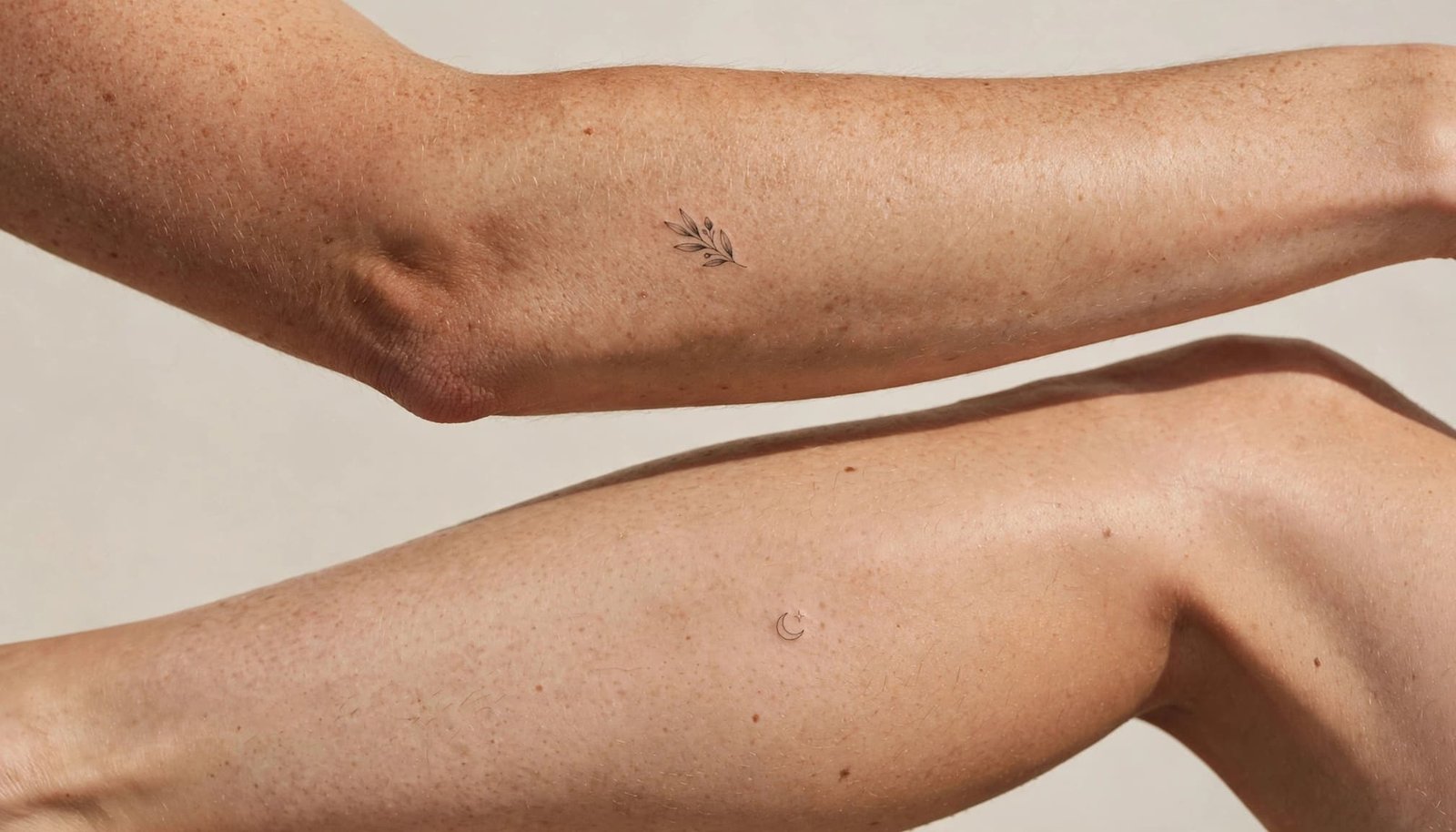
Placement affects a micro tattoo more than many people expect. The same tiny design may heal well on the forearm but fade quickly on a finger or feel much sharper over the ribs. Consider pain, visibility, skin movement, clothing friction, and sun exposure before choosing a spot.
Low-Pain Placements That Work Well for a First Tattoo
Tattoo pain depends more on body location than tattoo size. A micro tattoo takes less time, but even a short session can feel uncomfortable when the needle passes over thin skin, bone, or a sensitive area. Everyone also experiences pain differently.
For many first-timers, these placements offer a practical balance of comfort and design space:
- The outer forearm has a relatively flat surface, moderate padding, and enough room for flowers, initials, stars, or simple animals.
- The inner forearm is easy to monitor during healing and usually provides a smooth area for fine-line designs, although it may feel more sensitive than the outer side.
- The upper arm has cushioning and limited movement, making it a dependable choice for a discreet tattoo that can stay covered.
- The outer thigh offers generous padding and a broad, stable surface, so it often feels easier than bony areas.
- The outer calf gives a small tattoo a flat background while keeping it visible with shorts or dresses.
These lower-movement areas also tend to support cleaner long-term results. Still, ask your tattoo artist to assess your skin, muscle shape, and the exact design before booking.
Visible and Hidden Spots for Different Personal Styles
If you want to show your tattoo easily, the wrist, forearm, collarbone, ankle, and behind the ear are popular choices. An inner-wrist tattoo feels personal but remains easy to display, while an outer-forearm design gives the artist a flatter surface. The collarbone creates a delicate look, and behind the ear offers a small, noticeable detail when your hair is up.
Visibility comes with practical tradeoffs. Wrists, forearms, collarbones, and ankles receive regular sun exposure, so use clothing for protection while the tattoo heals. Once healed, the American Academy of Dermatology’s tattooed-skin guidance recommends broad-spectrum, water-resistant sunscreen because ultraviolet light can fade tattoo ink.
For more privacy, choose the upper arm, outer thigh, hip, or calf. These spots stay covered under many work outfits and give you more control over who sees the design. A small symbol can sit near the front or side hip, while a slightly larger piece can follow the curve toward the upper thigh. Browse these hip tattoo ideas for women if you want a placement that feels private but still allows more room.
Workplace rules, everyday clothing, bra straps, waistbands, socks, and your comfort with attention should guide the final decision. A beautiful placement still needs to fit your routine.
Placements That Fade or Hurt More Quickly
Fingers, hands, and feet face constant washing, movement, pressure, and friction. As a result, small tattoos in these areas may lose crispness faster than ink on protected, flat skin. Finger tattoos often need a touch-up within about one to two years, although sun exposure, ink color, skin type, and aftercare can change that timeline.
The ribs, sternum, spine, and kneecap can feel more painful because the skin sits close to bone or stretches over a sensitive structure. The inner bicep may also feel tender because the skin is softer and more reactive. High-friction areas, including the inner lip, can fade especially quickly because of constant moisture, movement, and contact.
These placements aren’t off-limits. They simply require realistic expectations. If you choose one, select a design with clean lines and limited detail, follow aftercare instructions, and expect that a future touch-up may be part of maintaining its shape.
How to Choose a Micro Tattoo That Will Age Well
A micro tattoo should be small enough to feel subtle, but large enough for each line to remain readable. As ink settles and skin changes, thin lines may soften, tiny gaps can close, and crowded details may blur together. Design quality matters more than choosing the smallest possible tattoo.
Why Simplicity and Negative Space Matter
Negative space is the skin left between lines, shapes, and details. It gives each part of a tattoo room to remain visible as the ink settles. Without enough space, separate elements can visually merge and turn a clean design into a dark patch.

For example, a simple leaf outline usually has a better chance of staying recognizable than a highly detailed botanical drawing with many veins, shaded petals, and overlapping stems. A single star may remain crisp longer than a crowded constellation with several tiny points and connecting lines.
Choose a silhouette that still makes sense without every small feature. Clear gaps, moderate line weight, and uncomplicated shapes give the tattoo more room to age gracefully. Very long quotes, miniature portraits, and complex scenes often need more space than a micro tattoo allows. Lettering can also become difficult to read when characters sit too close together.
Placement affects the result, too. Flat, lower-movement areas such as the outer forearm, upper arm, and outer thigh generally offer more stability than fingers, feet, or skin that bends constantly. If you prefer an exposed placement, protect the healed tattoo with broad-spectrum sunscreen. The Cleveland Clinic’s tattoo aftercare guidance also emphasizes sun protection and proper healing care.
Fine-Line Versus Minimalist Micro Tattoo Styles
Fine-line tattoos use delicate, precise lines to create an airy appearance. Minimalist tattoos use a small number of shapes or strokes to communicate an idea with less visual detail. These styles often overlap, but they describe different qualities. A tattoo can be fine-line and detailed, minimalist and slightly bolder, or both.
Neither style guarantees perfect longevity. Extremely thin lines have less visual room for softening, while minimalist designs usually age better when their main shapes have enough size and spacing. Your artist may need to enlarge a reference image, remove interior details, or increase the line weight for your chosen placement and skin.
Fresh tattoo photos can be misleading because new ink often looks darker and sharper than healed work. Before booking, ask to see healed examples photographed months or years after the appointment. Those images show whether the artist creates designs that remain balanced after redness fades and the ink settles.
What to Ask Before Booking an Artist
Look for an artist who regularly specializes in fine-line or micro tattoos, then review healed examples in their portfolio. During a consultation, ask how the design should be sized for your skin, placement, and preferred level of detail.
Discuss these practical points before paying a deposit:
- Ask what line weight and minimum size they recommend for your design.
- Confirm whether the placement has enough room for lettering or multiple symbols.
- Ask how the studio handles touch-ups and whether a follow-up appointment costs extra.
- Review sterilization practices, including sterile ink, sterile water, disposable gloves, and clean equipment.
- Confirm the deposit, cancellation policy, and minimum charge before booking.
A consultation is especially useful when your idea includes a face, lettering, or several symbols. An experienced artist can simplify the reference without removing its meaning, helping you choose a micro tattoo that stays personal and readable for years.
What to Expect From Pain, Healing, Cost, and Aftercare
A micro tattoo usually takes less time than a larger piece, but the experience still depends on placement, design detail, and your skin. Before booking, plan for the appointment, the healing period, the studio’s pricing structure, and the care your tattoo will need afterward.
Pain, Session Length, and the Healing Timeline
Many micro tattoo sessions take about 15 to 45 minutes once the design is finalized. Consultation, setup, stencil placement, payment, and last-minute design changes add time, so don’t schedule the appointment too tightly. A short session also doesn’t mean every placement will feel painless.
Thin skin and areas close to bone can feel sharper, even when the tattoo is tiny. The wrist, ankle, ribs, feet, and sternum often feel more sensitive than the outer forearm or upper arm. Your personal pain tolerance, the artist’s technique, and the tattoo’s line weight also affect the experience. For a closer look at common sensations and placement differences, review these common tattoo healing sensations.
During the first few days, mild redness, tenderness, slight swelling, peeling, and itching can be normal. These signs should gradually improve rather than become more intense. Surface healing often takes around two to four weeks, but deeper skin repair continues for longer. Don’t scratch, peel, or judge the final appearance while the tattoo is still settling.
Contact a qualified medical professional if pain worsens, redness spreads, swelling becomes severe, the skin feels increasingly hot, or you notice pus, fever, red streaks, or foul-smelling drainage.
How to Care for a Fresh Micro Tattoo
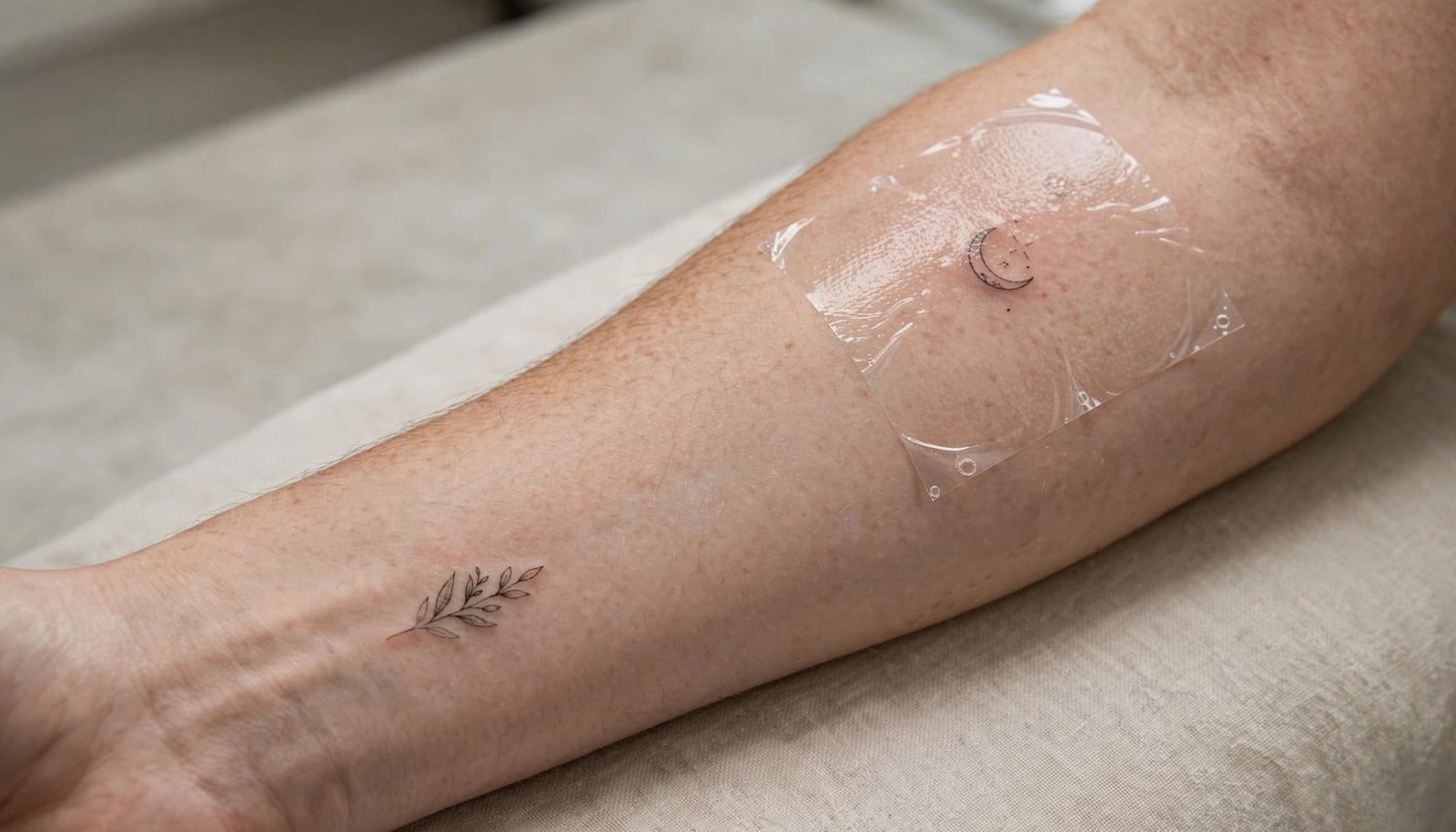
Your artist should give you instructions based on the bandage and technique they used. Follow those directions first, then keep the routine simple:
- Remove the covering only when your artist tells you to, since different bandages require different timing.
- Wash the tattoo gently with clean hands, lukewarm water, and the cleanser your artist recommends.
- Pat the area dry with a clean paper towel, then apply a light layer of the recommended moisturizer.
- Avoid touching, scratching, picking, or peeling flakes and scabs.
- Wear loose clothing when possible so fabric doesn’t rub against the tattoo.
- Keep the area away from direct sun and soaking water while it heals.
Swimming, hot tubs, saunas, baths, and long hot showers can interfere with healing. Avoid them until the skin has fully closed. Friction from tight socks, waistbands, shoes, or jewelry also deserves attention, especially when you choose an ankle, foot, wrist, or finger tattoo.
Why Sun Protection and Touch-Ups Matter
After the tattoo has fully healed, protect exposed ink with broad-spectrum, water-resistant SPF 30 or higher. Ultraviolet exposure can fade tattoo ink and make delicate lines look softer or less defined over time. Clothing and shade add protection when you’re outdoors for extended periods. The American Academy of Dermatology’s tattoo skin guidance also explains that tattooed skin can develop sun-related reactions.
Touch-ups are normal for some micro tattoos, especially on fingers, hands, feet, and other high-friction areas. Washing, movement, footwear, and regular sun exposure can affect these placements faster than protected areas. Discuss the studio’s touch-up policy before booking, and return to the original artist when possible because they already know the ink, technique, and design.
Pricing varies by artist, location, complexity, and studio minimum. In the US, established artists often charge about $150 to $250 per hour, while high-demand artists may charge $300 or more. Many studios use a minimum rather than a strict per-minute rate, so a tiny tattoo isn’t always inexpensive. Ask for the full price, deposit, and touch-up terms before confirming your appointment.
Conclusion
The strongest micro tattoo is more than small and pretty. It should carry personal meaning, remain readable as it heals, and suit the placement you choose. A simple flower, symbol, word, or outline gives the design room to stay clear instead of crowding delicate lines.
Before booking, consider pain, friction, sun exposure, and the chance of fading in your preferred spot. Review an artist’s healed fine-line work, discuss the right size and spacing, and explore these best tattoo placements for women before making a final decision. Then follow your artist’s aftercare instructions closely, especially during washing, moisturizing, sun protection, and healing.
With thoughtful planning, a tiny tattoo can become a lasting personal detail that feels meaningful every time you see it.
Save the pin for later


- 25 Gothic Tattoo Ideas for a Bold, Dark Look - 21/09/2026
- 34 Black Fine Line Tattoo Ideas for a Delicate Look - 21/09/2026
- 23 Micro Tattoo Ideas for Women With Meaning - 21/09/2026

