Some women find chest hair attractive, while others prefer a smooth chest. Many care less about the amount of hair and more about the person, overall confidence, hygiene, and whether the hair looks clean and well-groomed.
Attraction is personal, so there isn’t one rule that applies to all women. Research suggests preferences can vary by culture and age, with some women favoring light chest hair, others preferring less hair, and many choosing based on individual taste rather than a fixed standard. Your best approach is to maintain the style that makes you feel comfortable, whether that means keeping your natural hair, trimming it, or shaving it.
This guide looks at what the research says, how cultural differences shape preferences, and which grooming choices can help you feel more confident. For broader context, you can also review these grooming habits that boost male attractiveness before deciding what works for you.
Key Takeaways
- Women’s preferences vary, but research often favors a smooth chest or light-to-moderate hair over heavy growth.
- Cultural background, age, and personal experience can shape whether someone finds chest hair attractive.
- Studies have not found strong evidence that parasite concerns explain chest-hair preferences. See the chest-hair preference study.
- Grooming matters more than following one ideal. Trim, shave, or keep your natural hair based on comfort and cleanliness.
- Confidence, hygiene, and overall presentation often matter as much as body hair. These men’s grooming and confidence tips can help.
Do Women Find Chest Hair Attractive? What the Evidence Really Shows
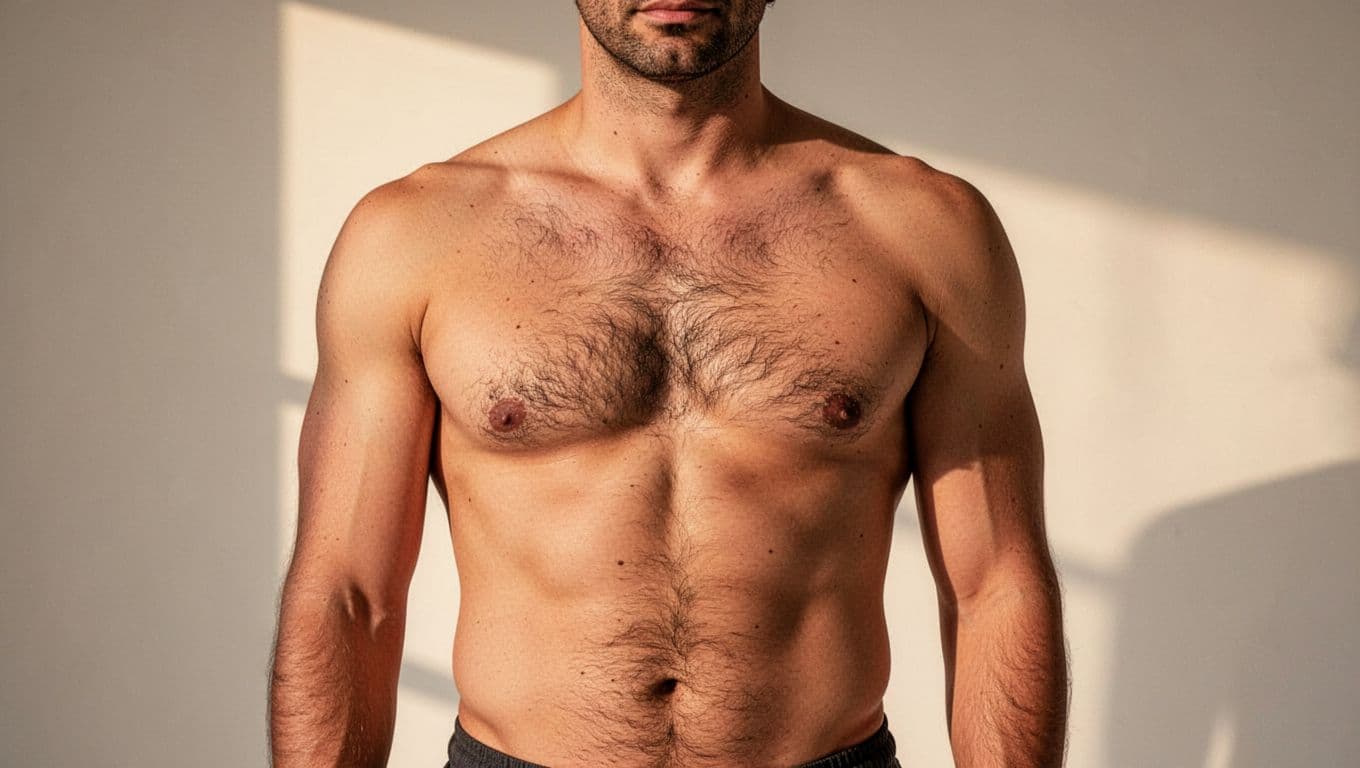
Women don’t share one universal preference for chest hair. Some prefer a smooth chest, while others like light, trimmed, or moderate growth. The broader appearance of a man, including grooming, confidence, body shape, and personal style, often matters more than hair alone.
Why There Is No Single Female Preference
Personal taste is the simplest explanation for much of the variation. Someone who grew up seeing chest hair as normal may find it attractive, while another person may associate a smooth chest with a cleaner or more polished appearance. Age, culture, past relationships, and media exposure can also shape what feels familiar or appealing.
Relationship context matters too. A person choosing a partner from a photo may focus on appearance, while someone in a long-term relationship may care more about comfort, affection, and compatibility. Even then, chest hair rarely works as an isolated feature. Its effect depends on how it fits the man’s overall appearance and grooming choices.
A preference for or against chest hair is not a judgment about anyone’s body. Body hair is a normal physical trait, and neither keeping it nor removing it makes someone more masculine, healthy, or sexually appealing by default. The most practical choice is the style that feels comfortable and looks intentionally maintained.
For related advice, these everyday grooming and style tips for men can help put body-hair decisions in context.
What Research Can and Cannot Prove About Attraction
Academic research offers useful clues, but it cannot prove that women everywhere prefer one chest-hair style. A 2013 study in Slovakia and Turkey asked women to choose between photos of the same men with and without chest hair. Secondary summaries report that about 21% preferred hairy chests, while the researchers found no meaningful support for the idea that parasite concerns explained the preference. The published study on chest-hair preference used a limited sample and a forced-choice photo task, not real-world dating behavior.
Online polls show different results. YouGov reported that 40% of British women thought men looked better with very or somewhat hairy chests. In the United States, its survey found women were more likely to choose somewhat hairy or not very hairy chests than either extreme. These figures measure survey answers, not lasting attraction, and wording, country, sample size, and study design can change the outcome.
Claims about menstrual phase, pathogen density, or a father’s hairiness may sound scientific, but they don’t explain an individual’s preference. Available evidence cannot prove that any of these factors caused one woman to prefer chest hair.
Light, Trimmed, or Natural: Which Chest Hair Looks Best to Many Women?
Many women seem to prefer a middle-ground look: some visible hair, but not growth that appears uneven or neglected. Still, preferences vary widely, so the most attractive choice is usually the one that fits your body and feels comfortable to maintain.
Why Grooming May Matter More Than Hair or No Hair
Clean, even, and maintained body hair often looks more intentional than hair that appears tangled, patchy, or overgrown. Trimming can create a balanced appearance without removing every strand, especially when the hair grows densely in some areas and lightly in others.
The goal isn’t to reach a universal length. Your chest may look best with natural growth, a light trim, or a completely smooth finish. Comfort and personal style should guide the decision. If shaving causes irritation, keeping some hair may suit you better. If a shorter style makes you feel more confident, that matters too.
Small details can affect the overall impression, including hair density, length, shape, and neatness. Hair that follows the natural contours of the chest often looks more polished than hair with abrupt lines or random shaved patches. For broader advice, these personal grooming tips for men can help you build a style that feels consistent.
How Smooth Chests, Moderate Hair, and Heavy Hair Compare
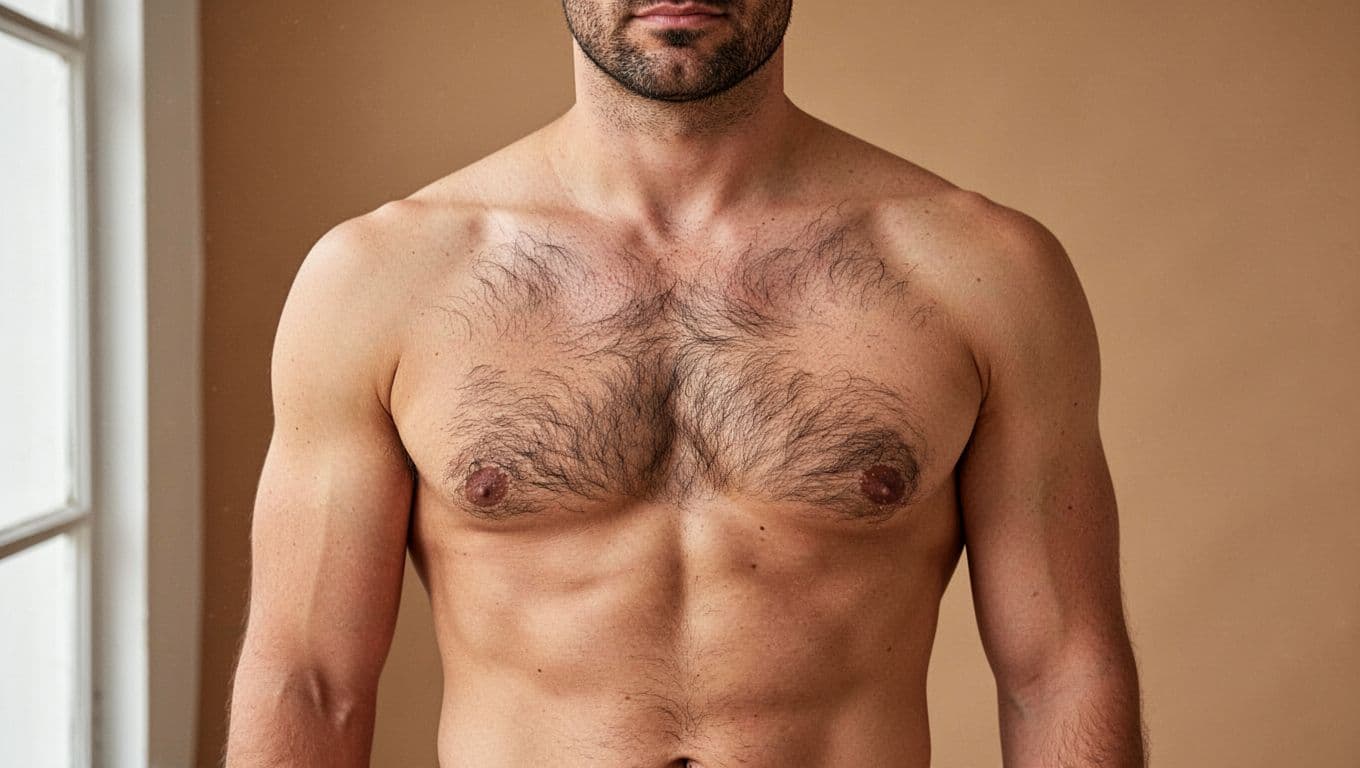
A smooth chest may appeal to women who like a clean, athletic, or polished appearance. It can also make muscle definition more visible. However, shaving may cause razor bumps, irritation, or ingrown hairs, and the stubble can become itchy during regrowth.
Moderate or light chest hair often offers a natural but tidy look. One study found that some hair around the areolae, pectoral region, and sternum rated higher than a completely clean-shaven chest, although the researchers did not establish one ideal style for everyone. A broader cross-cultural study of body-hair preferences also found a general preference for reduced rather than heavy chest hair across its participating countries.
An Australian finding often cited in grooming discussions places light body hair among the more appealing options. That result is a trend, not a rule for every woman. Heavy chest hair can look attractive to people who prefer a rugged, masculine appearance, but it may require regular trimming to prevent an untidy look. The best choice is the style you can maintain without discomfort or constant upkeep.
How Culture, Media, and Personal Style Shape Chest-Hair Preferences
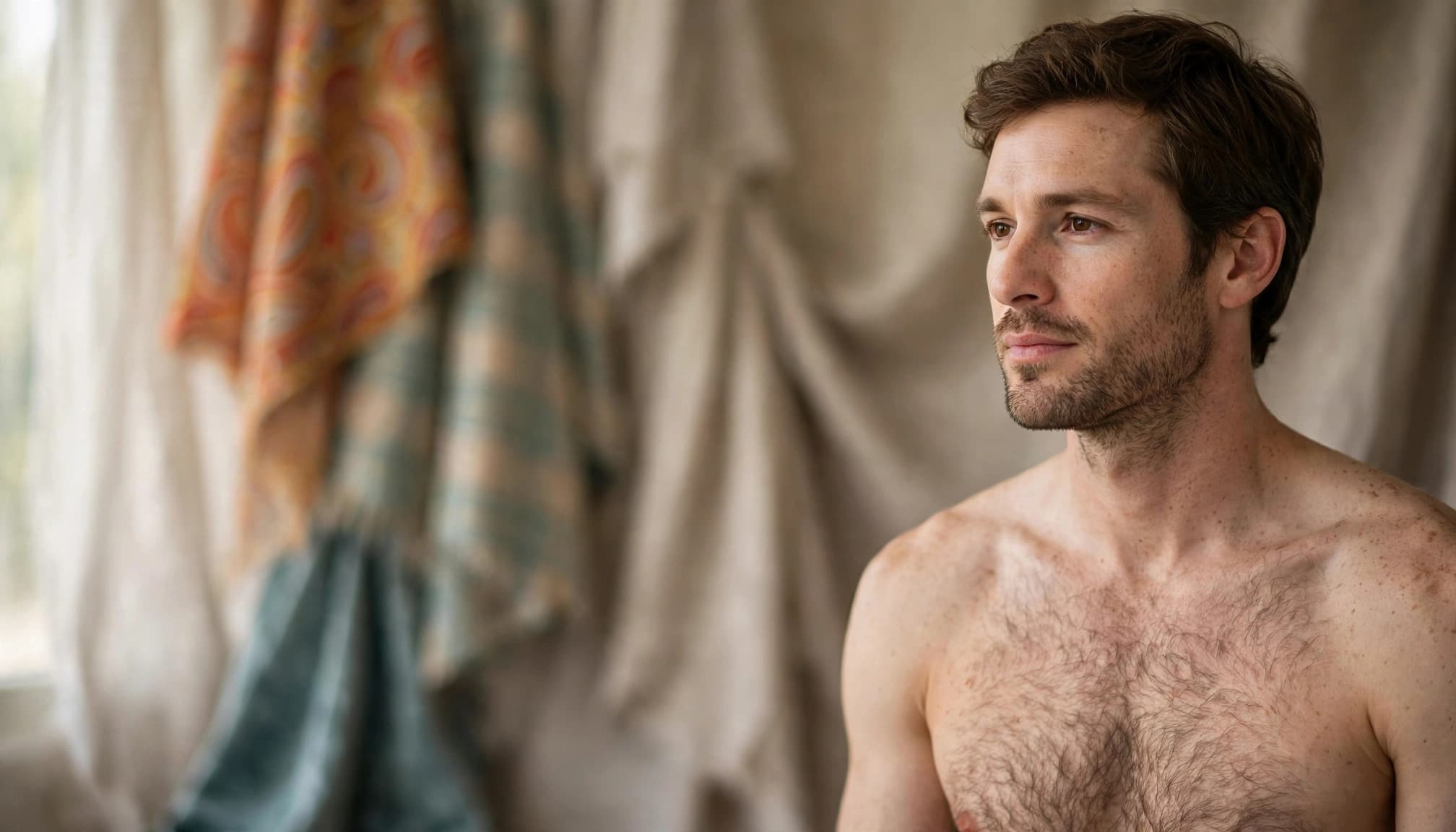
Chest-hair preferences can differ across countries, social groups, and generations because attraction develops within a social setting. Biology may influence hair growth, but culture, media exposure, family expectations, and personal identity also shape what looks familiar or appealing.
What Cross-Cultural Research Suggests
A commonly cited study compared women in Slovakia and Turkey after showing images of the same men with and without chest hair. The study summary reported similarly low preferences for hairy chests in both groups, at roughly 20% to 21%. That result matters because Turkey was treated as a higher-parasite environment, yet its participants did not show a clearly different preference from the Slovak participants.
The findings may suggest that chest-hair preferences aren’t explained by a simple culture-versus-biology argument. However, the study doesn’t prove that women in Slovakia and Turkey share the same preferences in general, or that the results apply worldwide. The sample was limited, and participants judged photographs in a controlled task rather than choosing real-life partners.
You can review the published chest-hair preference study for the original comparison and its limitations. Other factors, such as age, relationship experience, local grooming norms, and the way the images were presented, may also affect responses.
How Beauty Standards Change Over Time
The preferred look has shifted between natural, trimmed, and hairless styles. Older images of masculine actors and models often presented chest hair as a sign of ruggedness, while later advertising and fitness media made shaved or closely trimmed bodies more visible. Today, social media adds a constant stream of edited images and grooming tutorials.
Survey patterns show why broad claims can mislead. In the UK, women were more likely to prefer some chest hair than a completely hairless chest, while the US survey pattern favored somewhat hairy or not-very-hairy options over very heavy growth. These results describe those survey groups, not all British or American women.
Films, advertising, social media, fashion, and pornography can influence what people notice, but personal attraction doesn’t always follow the current trend. Family norms may shape what feels normal, while personal identity may lead someone to keep natural hair or choose a carefully trimmed style. Fashion changes faster than individual taste, so grooming trends shouldn’t be treated as permanent rules or moral standards.
For practical context, these grooming and style confidence tips can help you choose a look that fits your preferences.
Should You Shave or Trim Your Chest Hair? A Practical Guide
The best choice is the one that feels comfortable, suits your personal style, and fits the amount of maintenance you want. Women’s preferences vary, so changing your chest hair to match a general idea of what women like can leave you uncomfortable without improving your confidence.
When Trimming Is a Good Middle Ground
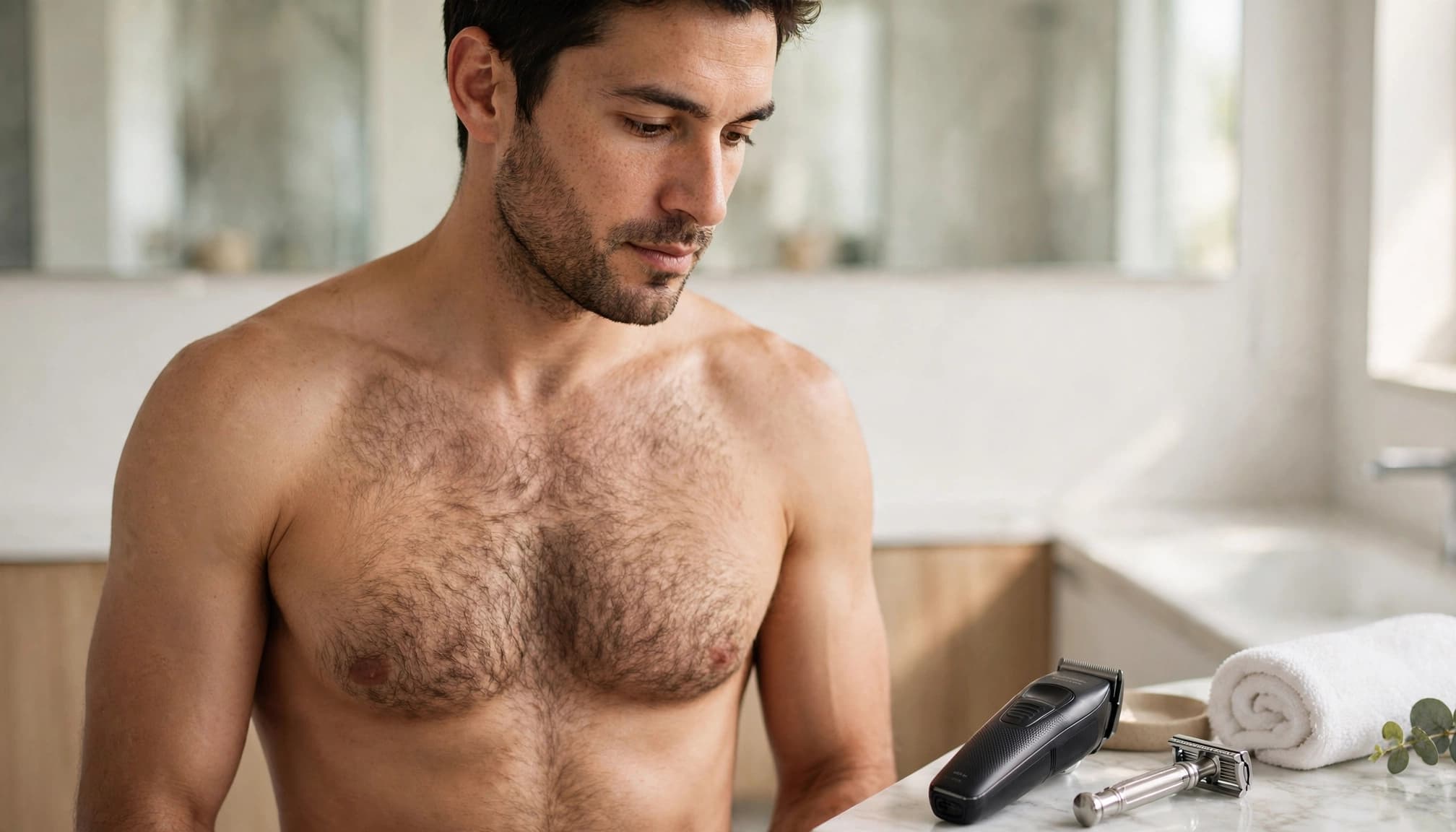
Trimming reduces bulk while keeping a natural appearance. It can make dense or uneven growth look more intentional without creating the sharp contrast that sometimes follows a full shave.
Use a clean body trimmer, attach a longer guard, and work slowly across dry skin. Starting longer gives you room to adjust, while rushing straight to a very short setting can leave patches you didn’t intend to remove. Check your chest in good lighting, including the area around your shoulders and stomach, before deciding whether you want to shorten it further.
There is no guard length that looks attractive on everyone. Hair thickness, chest shape, skin tone, and personal taste all affect the result. After trimming, clean the tool and moisturize your skin with a gentle, fragrance-free product.
How to Avoid Common Chest-Grooming Problems
Shaving can cause razor burn, small cuts, itchy regrowth, ingrown hairs, uneven patches, or general irritation. To lower the risk, soften the hair after a warm shower, use shaving cream or gel, and move the razor in the direction of hair growth. The American Academy of Dermatology’s shaving guidance also recommends using products made for sensitive skin when your skin reacts easily.
Don’t press hard or repeatedly shave the same area. Rinse the blade often, take your time around the nipples and collarbone, and avoid shaving over irritated skin. Afterward, rinse gently and apply a mild moisturizer. Stop if you develop a painful rash, spreading redness, pus, or irritation that doesn’t improve. Severe or persistent symptoms deserve medical advice.
How to Talk About Body-Hair Preferences With a Partner
Rather than guessing what women want, ask your partner what they like. Invite an honest answer, then listen without treating their preference as a criticism of your body. You can say, “Do you prefer my chest natural, trimmed, or smooth?” and discuss what feels comfortable for both of you.
Grooming should remain a shared preference, not a demand. You have control over your body, and your partner has control over their attraction. If you’re unsure, try trimming for a short period before shaving completely. Attraction also includes confidence, hygiene, affection, personality, and compatibility, so chest hair is only one small part of the picture.
The Best Choice Is the Chest-Hair Style That Fits You
No chest-hair style wins every woman’s approval. Survey results describe group trends, not what an individual partner will find attractive. Your choice should balance appearance, comfort, skin tolerance, and how much upkeep you’re willing to handle.
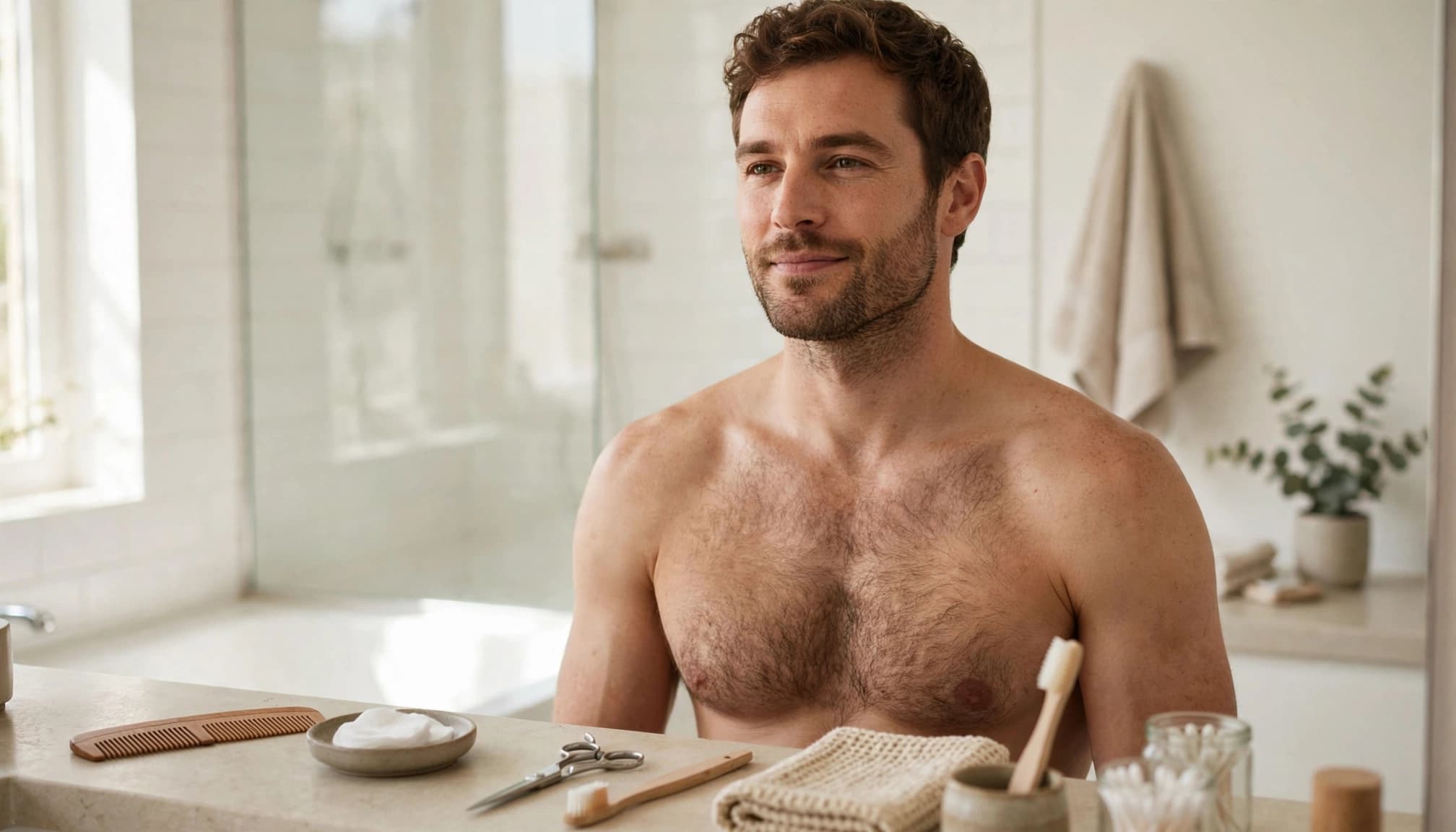
A Simple Decision Guide for Different Goals
Choose the style that matches your actual goal:
- Keep it natural if you like your chest hair and want the lowest-maintenance option. Wash the area regularly, check for irritation, and tidy only uneven or distracting sections.
- Trim it if you want less volume without losing all visible hair. A longer guard usually gives you more control and reduces the risk of creating an overly sharp contrast.
- Shave it if you prefer a smooth appearance or dislike the feel of chest hair. Prepare the skin, use shaving cream, and shave in the direction of growth. The American Academy of Dermatology’s shaving guidance can help you avoid common razor-related problems.
Every option requires some upkeep. Natural hair still benefits from regular washing, trimming requires occasional touch-ups, and shaving may lead to stubble, razor burn, ingrown hairs, or itchy regrowth. If your skin reacts easily, trimming may offer a better balance than shaving close.
Try a small change before committing to a major one. Shorten the hair slightly, live with the result for a few days, and pay attention to both your confidence and your skin.
What Usually Makes Any Look More Attractive
Clean skin and well-maintained hair usually create a better impression than a specific chest-hair length. Clothing that fits properly can also shape the overall look, while good posture and relaxed confidence help you feel more comfortable in your body.
Still, grooming cannot replace personality or emotional connection. Respectful behavior, kindness, communication, and compatibility matter far beyond whether your chest is hairy, trimmed, or smooth. These men’s grooming and personal style tips can help you improve the complete presentation rather than focusing on one feature.
Attraction remains individual. Choose the style that feels healthy and natural to you, then let your character and relationships carry more weight than any body-hair rule.
Conclusion
Some women find chest hair attractive, while others prefer a smooth or less hairy chest. Research shows that preferences vary by country, age, and personal taste. Some studies and surveys favor light or trimmed hair, but they do not establish one style that appeals to everyone.
Grooming often shapes the overall impression more than hair alone. Clean, comfortable, well-maintained chest hair may look more appealing than growth that seems neglected, while shaving can suit people who prefer a smoother appearance. Culture and personal experience also influence what someone considers attractive.
The strongest takeaway is that chest hair is only one small part of attraction. Choose a natural, trimmed, or smooth style based on your own comfort and confidence, rather than changing your body because a survey promises a certain reaction.
Save the pin for later

- 60 Color Tattoos That Healed Beautifully - 25/09/2026
- 40 Most Painful Tattoo Spots - 24/09/2026
- 20 Tattoo Aftercare Mistakes That Ruin Fresh Ink - 23/09/2026

