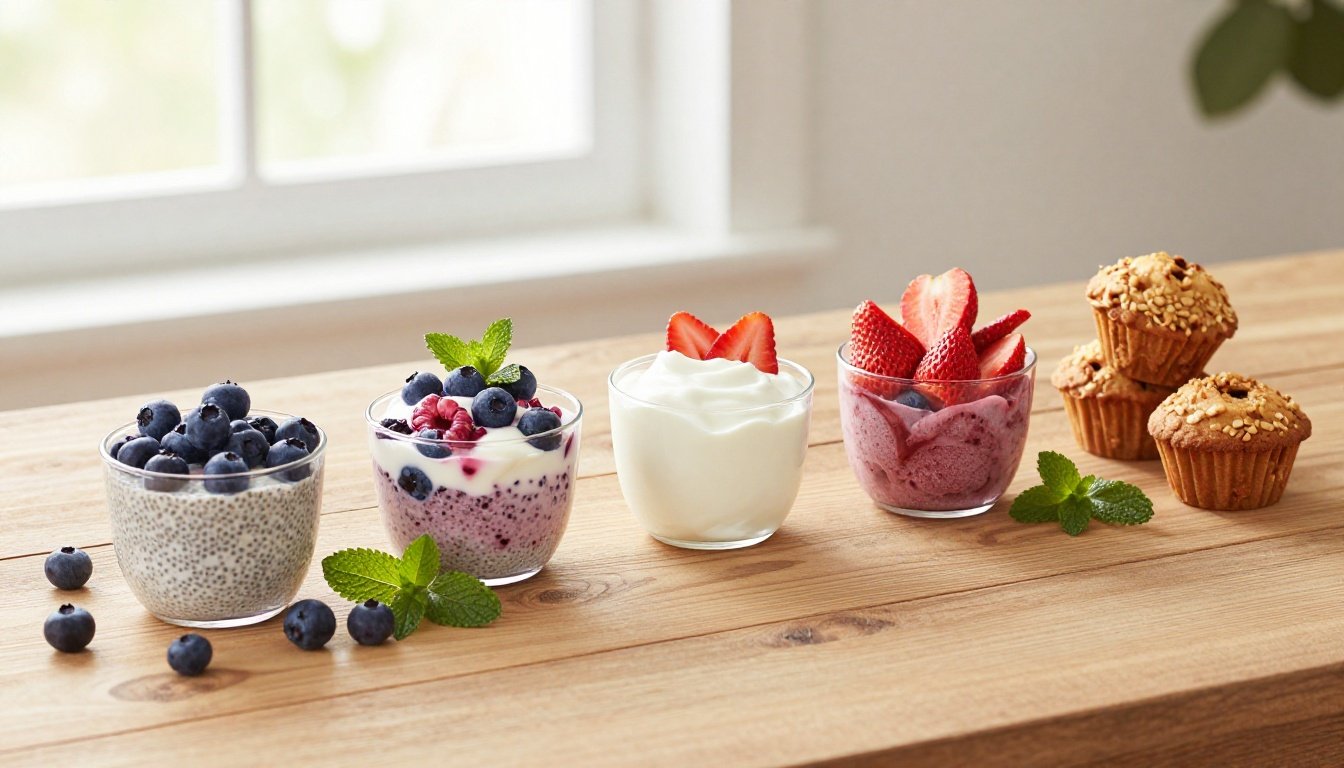
A healthy dessert can still feel satisfying without being loaded with added sugar. The goal isn’t to remove sweetness completely but to build rich flavor with fruit, dairy, warming spices, and sensible portions.
These low-sugar dessert recipes healthy eaters can enjoy include creamy yogurt treats, chia pudding, naturally sweet baked fruit, refreshing frozen desserts, and mini baked goods. Each option offers a practical way to satisfy a sweet craving while keeping added sugar in check, and you can find more ideas in these easy chia pudding recipes.
Your nutrition needs may differ based on your age, activity level, medications, or health goals. If you have diabetes or another health condition, follow your health professional’s advice and adjust ingredients or portions as recommended. Start with the first recipe category, then choose the treats that best fit your preferences and routine.
Low-Sugar Dessert Recipes Healthy Enough for Everyday Treats
The best low-sugar desserts rely on naturally sweet ingredients and satisfying textures. Fruit, plain yogurt, chia seeds, oats, and unsweetened cocoa can create treats that feel complete without a large amount of added sugar.
How to keep dessert low in added sugar
Check the Nutrition Facts label before choosing packaged ingredients. Total sugars include natural sugar from fruit and milk, along with added sugar. Added Sugars counts sweeteners added during processing, such as table sugar, syrups, honey, and concentrated fruit juice.
That difference matters. Plain Greek yogurt may contain total sugar from lactose but little or no added sugar, while flavored yogurt can contain much more sweetener. The FDA’s Daily Value for added sugar is 50 grams on a 2,000-calorie diet, and federal dietary guidance recommends keeping added sugar below 10% of daily calories. You can find more general nutrition information through MedlinePlus nutrition resources.
For better flavor without relying on sugar, use cinnamon, vanilla extract, citrus zest, toasted nuts, or unsweetened cocoa. A small amount of maple syrup or honey can work too, but remember that both count as added sugar.
Five simple treats for everyday cravings
These recipes take little preparation and use familiar ingredients:
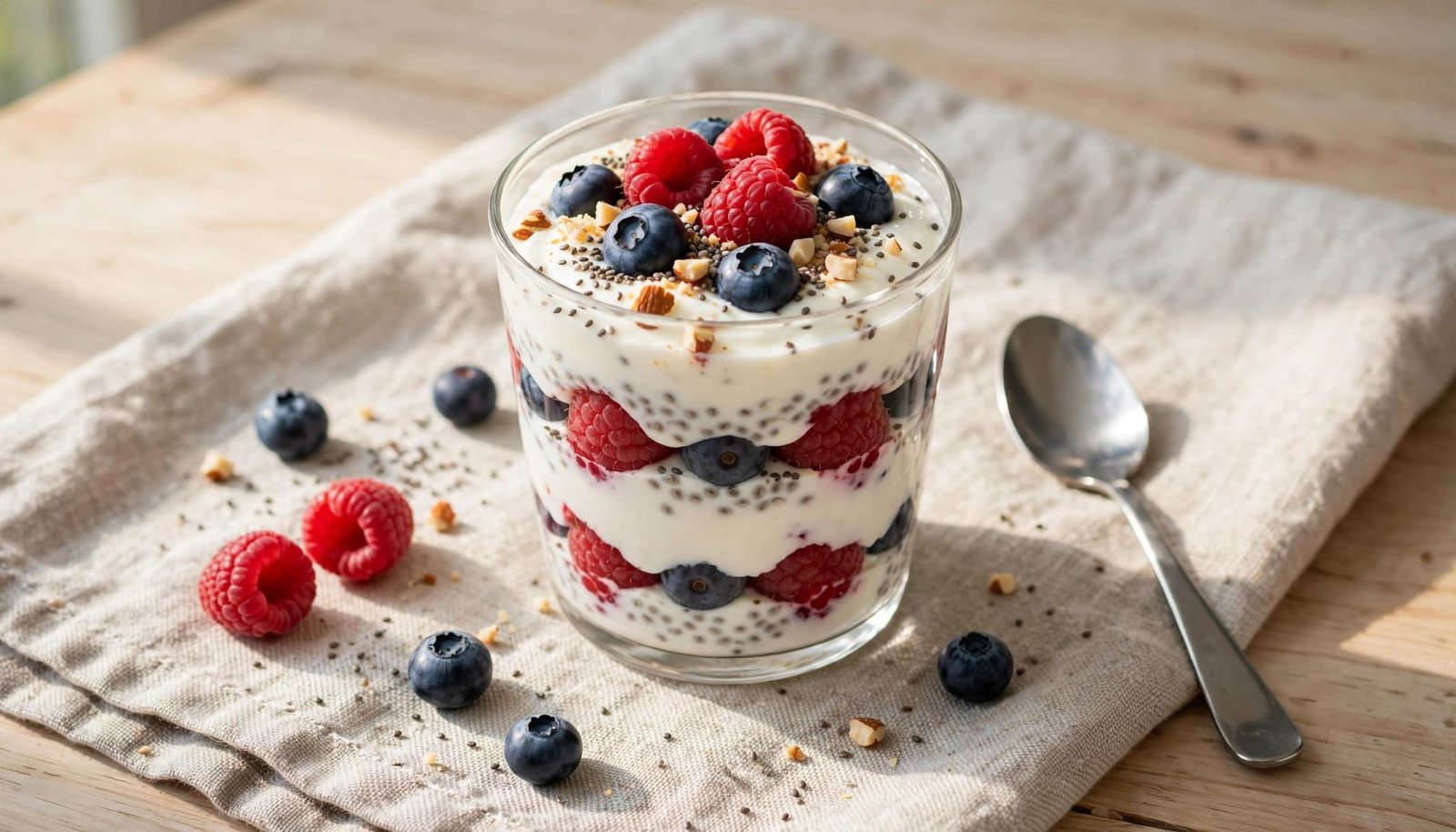
- Berry yogurt parfait: Layer plain Greek yogurt with fresh berries, chia seeds, and chopped walnuts. Add cinnamon or vanilla for extra flavor.
- Chocolate chia pudding: Stir chia seeds, unsweetened cocoa, and milk together. Chill until thick, then top with sliced strawberries or a few raspberries.
- Baked cinnamon apples: Slice an apple, sprinkle it with cinnamon, and bake until tender. Add a spoonful of plain yogurt for a creamy contrast.
- Frozen banana bites: Slice a ripe banana and freeze the pieces. Dip them lightly in melted dark chocolate, then return them to the freezer.
- Mini oat muffins: Combine mashed banana, oats, egg, cinnamon, and chopped nuts. Bake in a mini muffin pan for naturally sweet portions.
Serving size still matters, even when a dessert contains nutritious ingredients. For more ideas that combine fruit, yogurt, and filling ingredients, try these high-fiber snacks for sweet cravings.
The Best Ingredients for Naturally Sweet, Satisfying Desserts
Low-sugar desserts taste better when you build them around ingredients that provide natural sweetness, creamy texture, and lasting satisfaction. Whole fruit, plain dairy, oats, seeds, nuts, and spices can turn simple recipes into complete treats without depending on large amounts of added sugar.
Start with fruit for natural sweetness.
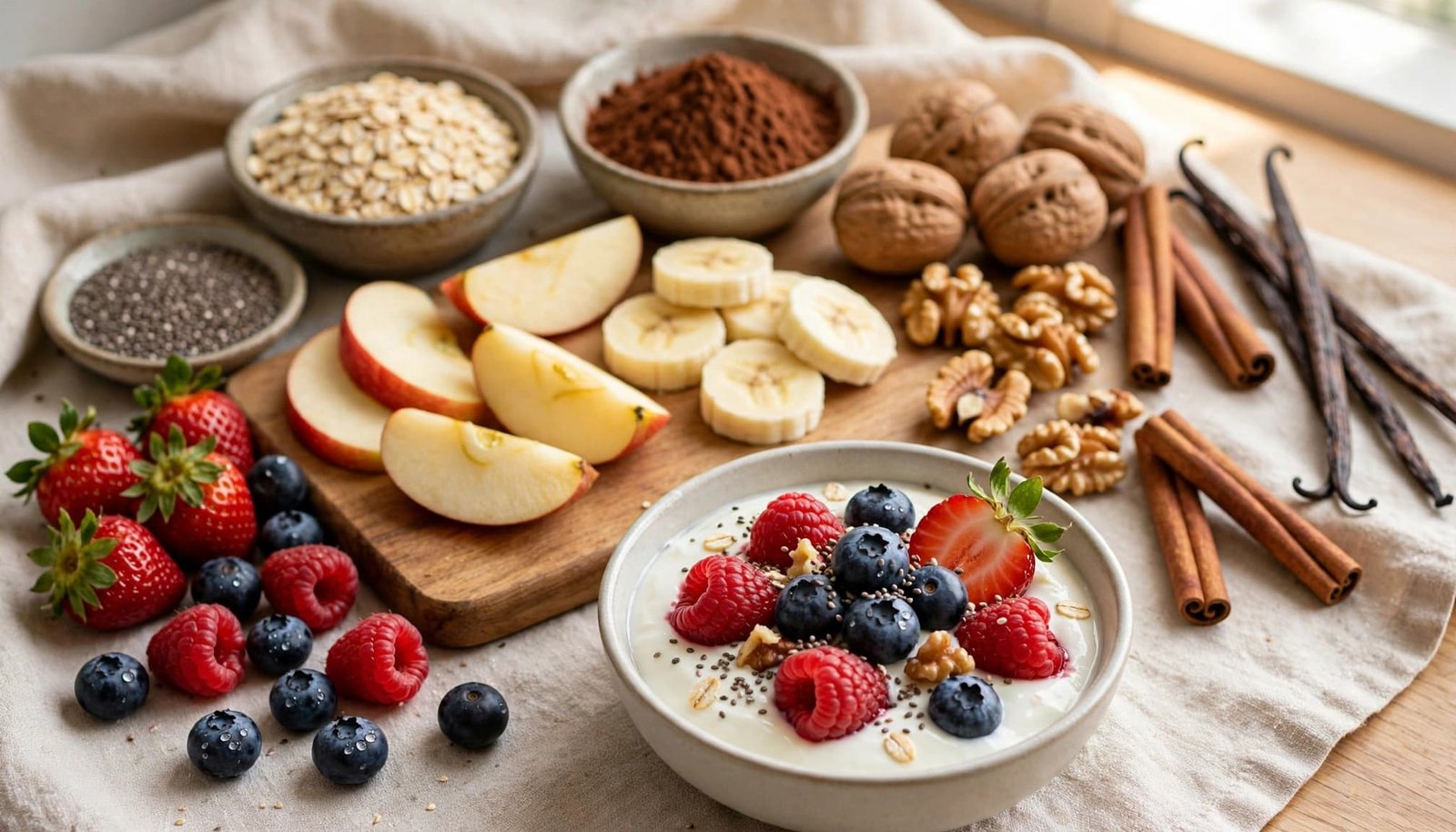
Ripe bananas, apples, pears, berries, peaches, and dates can sweeten desserts while adding flavor and texture. Bananas work well in muffins, frozen bites, and blended desserts because their soft texture helps bind ingredients. Apples and pears become sweeter when baked, especially with cinnamon and vanilla.
Berries add brightness without making a dessert feel heavy. Frozen berries are also useful because they work in smoothies, chia pudding, yogurt bowls, and quick sauces. Choose whole or sliced fruit when possible, since fruit juice can add sweetness without the same texture or fiber.
Add ingredients that make dessert satisfying.
Sweetness alone rarely keeps you satisfied. Pair fruit with ingredients that add protein, fiber, healthy fats, or a thicker texture.
- Plain Greek yogurt adds creaminess and protein without the added sugar found in many flavored varieties.
- Chia seeds and ground flaxseed thicken puddings while adding fiber and plant-based fats.
- Rolled oats give muffins, crisps, and snack bars a hearty texture.
- Walnuts, almonds, and peanut butter add richness, but check labels for added sugar and keep portions reasonable.
- Unsweetened cocoa powder creates a chocolate flavor without the sugar found in many chocolate mixes.
These combinations follow the same basic pattern as fruit and yogurt snack ideas, pairing a naturally sweet food with a more filling ingredient.
Use flavor boosters before extra sweetener.
Cinnamon, nutmeg, vanilla extract, orange zest, lemon zest, and a small pinch of salt can make desserts taste fuller. Toasting oats or nuts also brings out deeper flavor without adding sugar.
If you choose honey, maple syrup, coconut sugar, or another sweetener, measure it instead of pouring freely. These ingredients still count as added sugar, and they aren’t automatically healthier for everyone. Check the Nutrition Facts label on packaged ingredients, especially yogurt, nut butter, cocoa mixes, and dried fruit. The ingredient list can reveal added syrups or sugars that aren’t obvious from the front of the package.
Easy Low Sugar Dessert Recipes for Every Craving
These easy, low-sugar dessert recipes use fruit, plain dairy, seeds, and spices for sweetness and texture. Keep portions modest, and check labels for added sugar in yogurt, milk, cocoa mixes, and toppings.
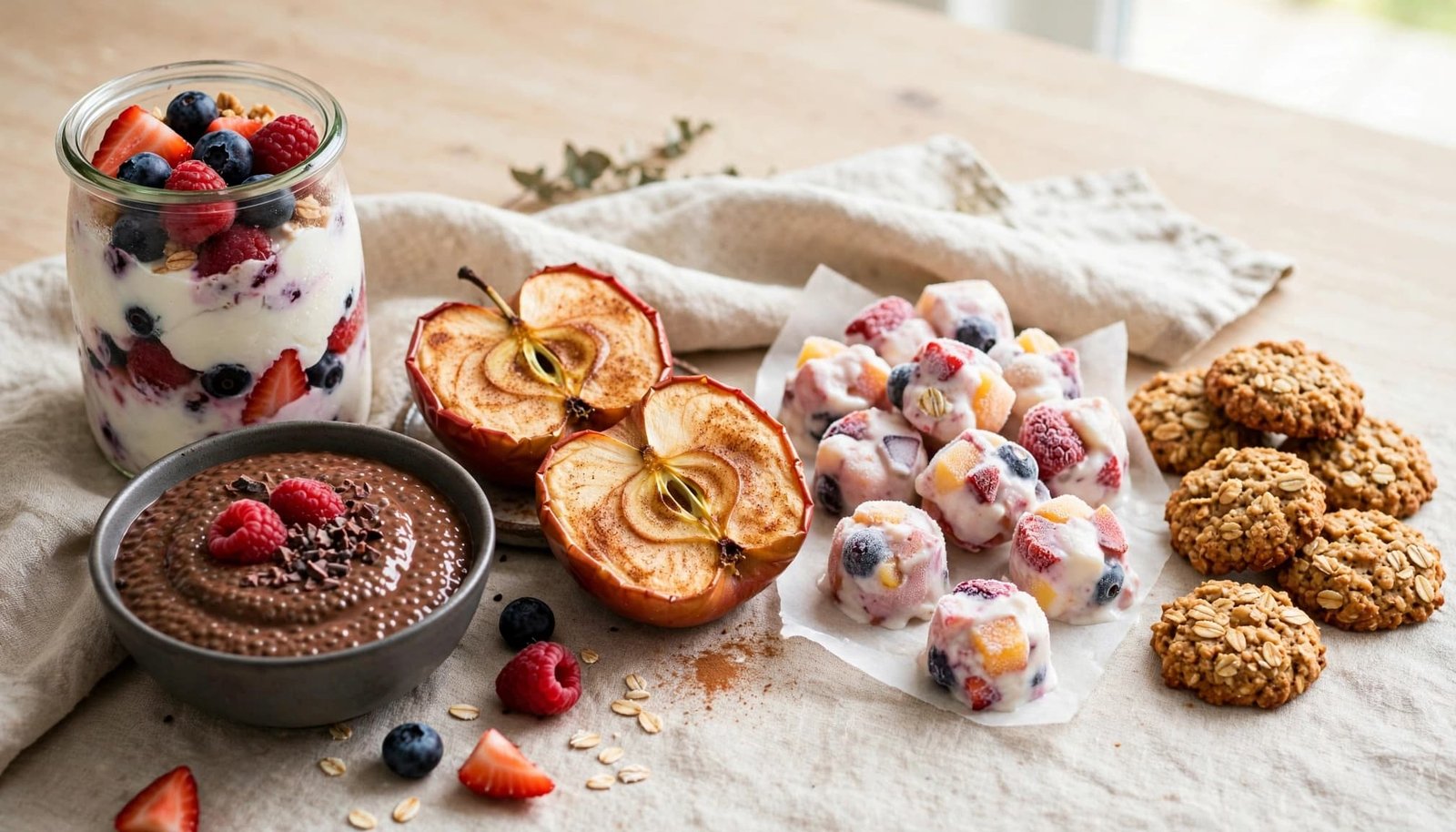
Berry and Greek Yogurt Parfaits
Layer plain Greek yogurt, fresh berries, vanilla, and chia seeds or chopped nuts in small jars. Add unsweetened coconut if you like. Greek yogurt supplies protein, while berries provide fiber and natural sweetness.
Frozen berries work well, but thaw them in the refrigerator and drain excess liquid before layering. Otherwise, the parfait can become watery. Prepare individual jars several hours ahead, keeping the berries between yogurt layers. If the berries taste tart, add a small amount of allulose, monk fruit, or honey. Cinnamon or a few dark chocolate shavings adds flavor without turning dessert into a sugar-heavy treat.
For more ideas that pair protein with fruit, try these low-sugar Greek yogurt ideas.
Chocolate Chia Pudding with Unsweetened Milk
Whisk 2 tablespoons of chia seeds with 1/2 cup unsweetened almond or soy milk, 1 tablespoon unsweetened cocoa powder, and vanilla. Add a small amount of optional sweetener only if needed. Whisk again after 10 minutes, then refrigerate for at least two hours.
The second whisk prevents clumps. Use more milk for a softer pudding or extra chia seeds for a firmer texture. Choose unsweetened cocoa powder and unsweetened plant milk, since sweetened versions can raise the sugar content quickly. Top with raspberries, toasted nuts, or a few dark chocolate shavings.
Warm Cinnamon Baked Apples or Pears
Slice apples or pears, then toss them with cinnamon, ginger, lemon juice, and a small amount of chopped walnuts or oats. Bake at 375°F until tender and lightly browned, usually 25 to 35 minutes. The fruit provides most of the sweetness, so skip added sugar or use only a teaspoon for the whole batch.
Serve warm with plain yogurt. Dried fruit and caramel sauce can raise sugar quickly, so use them sparingly. When peaches or plums are in season, bake halved fruit with the same spices and lemon.
Two-Ingredient Frozen Fruit Yogurt Bites
Mix berries or sliced ripe banana with thick plain Greek yogurt. Spoon small portions onto a lined tray and freeze until firm. Fully ripe fruit provides enough sweetness, while thick yogurt helps reduce an icy texture.
Add lemon zest, cocoa, or chopped pistachios for variety. Store the bites in a sealed container and keep portions small. Frozen fruit desserts stay refreshing without syrup or juice.
Mini Banana Oat Cookies or Almond Flour Muffins
Mash a ripe banana with oats or almond flour, cinnamon, and optional nuts or dark chocolate pieces. Let the batter rest briefly so the flour or oats absorb moisture, then bake small cookies or mini muffins until set.
Banana replaces only part of the sugar in a traditional recipe, and its moisture changes the batter. Use oat flour or whole wheat flour for a nut-free option. Cool completely before storing in a sealed container for several days, or freeze extras.
How to Keep Homemade Desserts Lower in Sugar Without Losing Flavor
Reducing sugar works best when you replace some of its flavor and texture, rather than removing it all at once. Ripe fruit, warm spices, tangy yogurt, toasted nuts, and citrus can make a dessert taste full and satisfying with less added sugar.
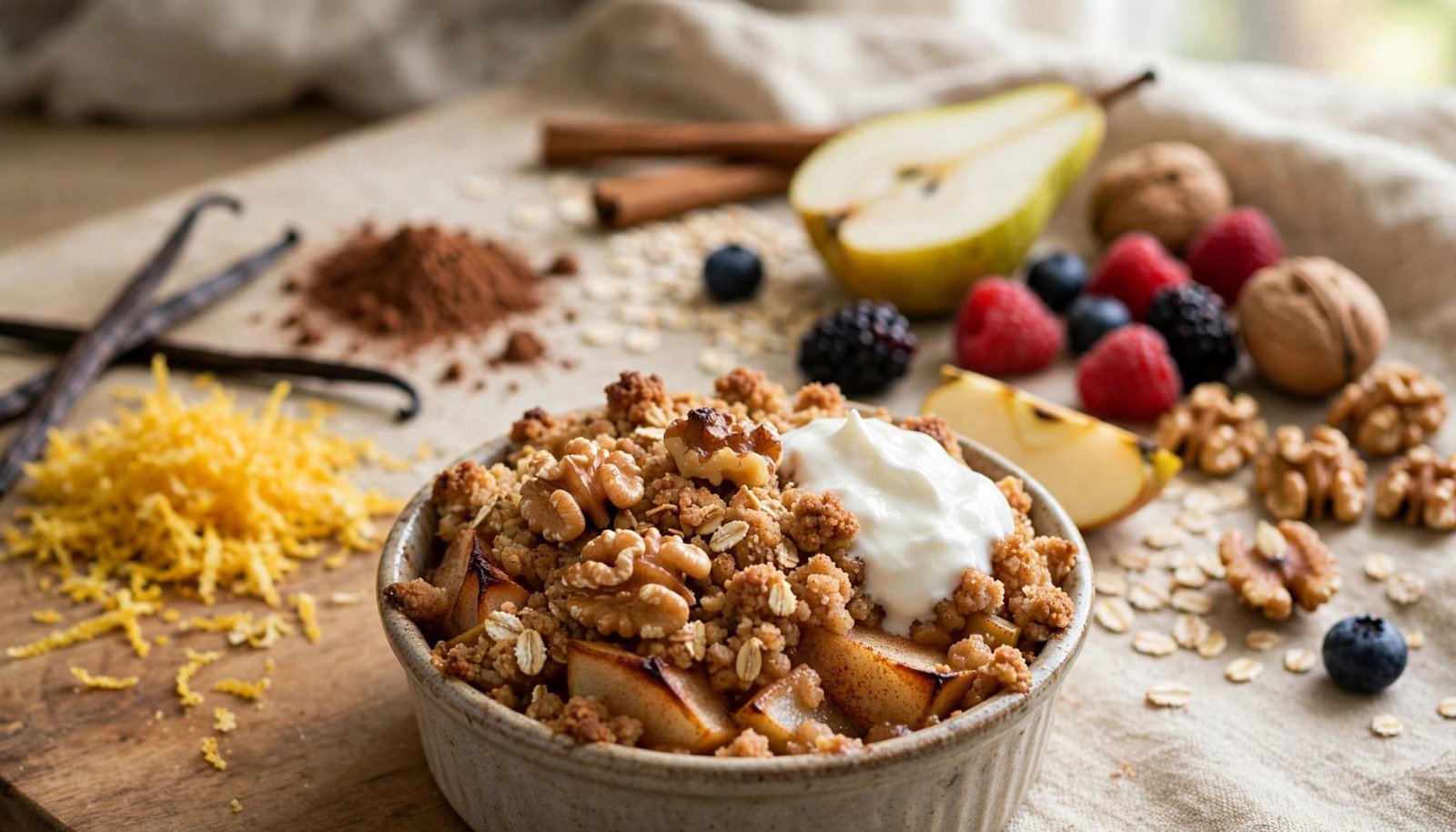
Reduce sugar in stages.
Start by cutting the sugar in a tested recipe by 10% to 25%. A larger reduction can affect browning, moisture, tenderness, and spread, especially in cookies, cakes, and muffins.
Use ripe bananas, applesauce, pears, or dates to replace part of the sweetness. These ingredients also add moisture, so adjust the flour or oats if the batter becomes loose. Sugar, honey, maple syrup, and concentrated fruit juice still count as added sugars. The FDA recommends keeping added sugar below 10% of daily calories, or about 50 grams on a 2,000-calorie diet. Read the FDA added sugar guidance when comparing packaged ingredients.
Build flavor with aroma and contrast.
Vanilla, cinnamon, nutmeg, cardamom, espresso powder, cocoa, and citrus zest can make a low-sugar dessert taste more intense. A small pinch of salt also sharpens sweetness, while lemon juice or plain yogurt adds a pleasant tang.
Toasted nuts and oats provide deeper flavor and a satisfying crunch. Roasting fruit concentrates its natural sweetness, so baked apples, pears, peaches, and plums often need little or no added sugar. Smaller portions, such as mini muffins or individual baked fruit cups, also create more browned edges and stronger aroma in every serving.
For a creamy option, use plain Greek yogurt and add fruit or spices instead of sweetened toppings. You can also adapt these ideas into a lighter banana pudding with Greek yogurt.
Fix common recipe problems
A few simple adjustments can rescue a dessert without adding much sugar:
- If the dessert tastes too sweet, serve it with plain yogurt, tart berries, or a squeeze of lemon. A pinch of salt can also balance the flavor.
- If baked goods turn too dry, add mashed banana, unsweetened applesauce, or a spoonful of yogurt next time. Avoid replacing all the sugar at once because sugar helps retain moisture.
- If pudding or batter becomes too wet, add chia seeds, oats, or a small amount of flour, then let it rest before changing the recipe again.
- If the result tastes bland, add vanilla, citrus zest, cinnamon, cocoa, toasted nuts, or a tiny pinch of salt before reaching for more sweetener.
These small changes preserve the pleasure of dessert while keeping added sugar under better control.
How to Choose the Right Healthy Dessert for Your Goals
The best healthy dessert depends on what you need from it. A light fruit-based option may suit you after dinner, while a dessert with yogurt, chia seeds, or nuts may keep you satisfied longer. Instead of labeling one recipe as universally healthy, match the ingredients and portion to your routine.
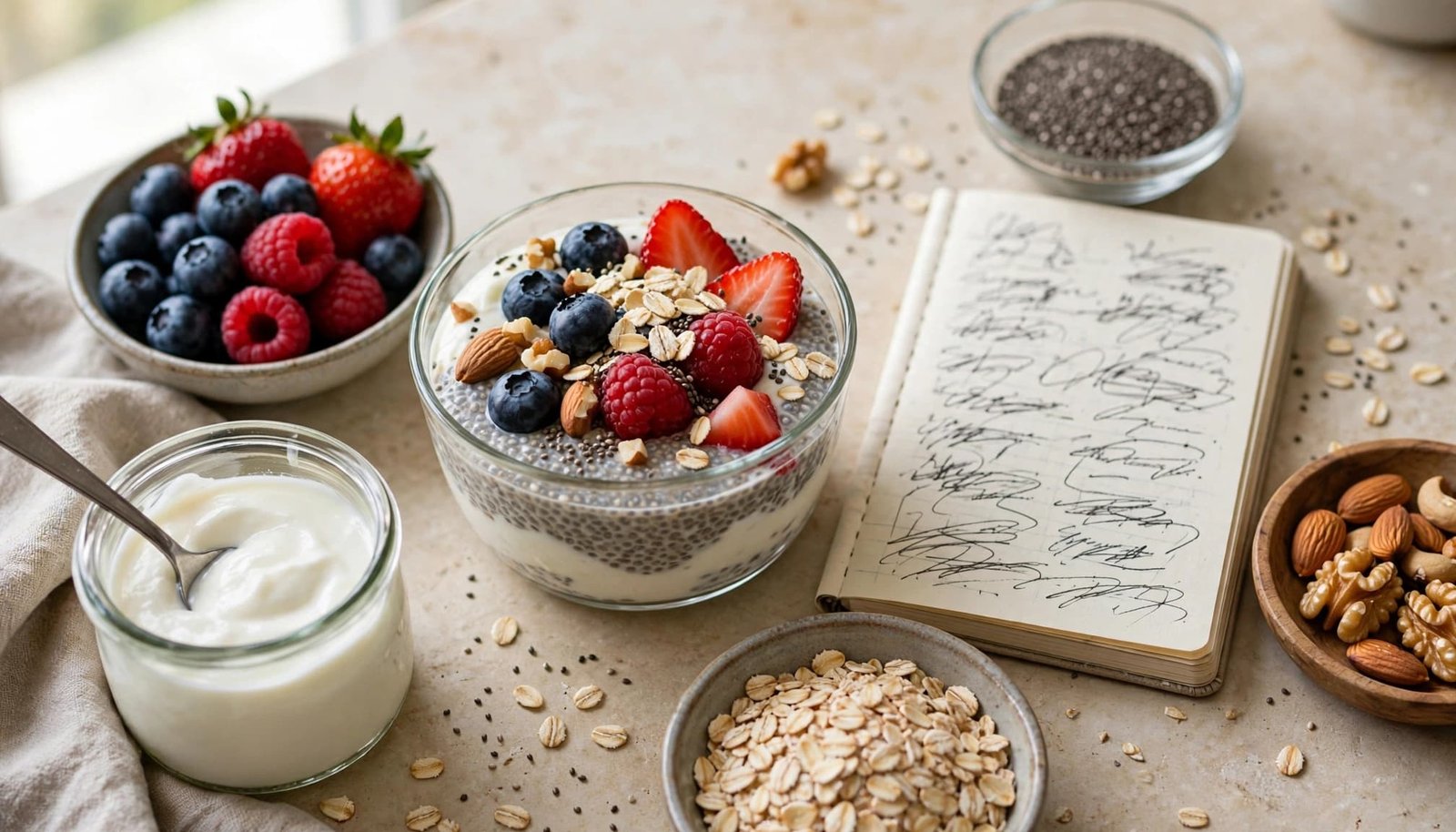
Choose lower-sugar ingredients when that is your priority
If you’re reducing added sugar, start with plain yogurt, whole fruit, unsweetened cocoa, oats, and spices. Read labels on yogurt, plant-based milk, granola, nut butter, and chocolate because these ingredients can add more sugar than expected.
Whole fruit contains naturally occurring sugar, while syrups, honey, table sugar, and sweetened concentrates count as added sugar. Federal dietary guidance recommends keeping added sugar below 10% of daily calories for people age 2 and older. You can also review these 30-day no-added-sugar results for practical ideas about reducing sweeteners without avoiding fruit.
Pick protein and fiber for longer-lasting satisfaction
A dessert with only sugar may taste good but leave you hungry soon afterward. Pairing fruit with plain Greek yogurt, chia seeds, nuts, or oats adds protein, fiber, or healthy fat. These ingredients also improve texture, which makes a small serving feel more complete.
For example, Greek yogurt with berries may work better for an afternoon snack than a few pieces of candy. Chia pudding can suit you when you want a make-ahead option with a thicker texture. Research published in The American Journal of Clinical Nutrition has examined protein’s relationship with satiety in this review on protein and appetite.
Match the dessert to your eating plan
Your choice should also fit your allergies, preferences, budget, and health needs. Use soy yogurt or fortified plant-based yogurt if you avoid dairy, oat flour instead of almond flour for a nut-free recipe, or berries and cinnamon when you prefer to skip alternative sweeteners.
Portion size matters when your goal involves weight management or blood glucose control. Serve dessert in a small bowl, measure calorie-dense toppings, and avoid treating a low-sugar label as permission to eat unlimited amounts. If you manage diabetes, follow your clinician’s guidance and consider the recipe’s total carbohydrate content, not added sugar alone.
Common Mistakes That Make Low Sugar Desserts Less Healthy
A dessert can be low in added sugar and still become heavy in calories, carbohydrates, or saturated fat. Small choices often make the difference, so focus on what you add, how much you serve, and what the label actually says.
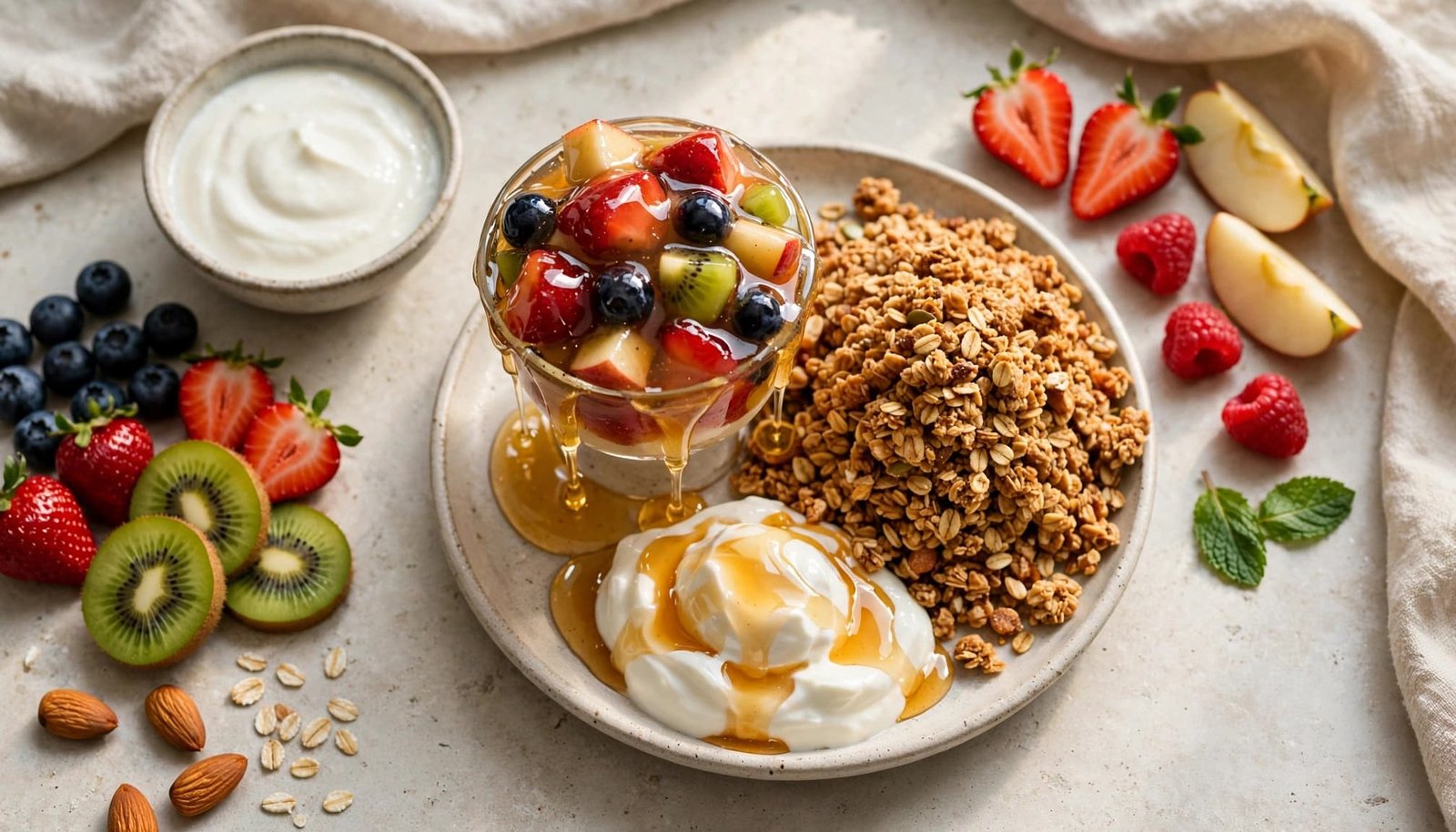
Assuming low sugar means healthy
A “low sugar” label doesn’t automatically make a dessert nutritious. Some products reduce sugar but replace it with refined starch, extra fat, or large amounts of sugar alcohols. A sugar-free cookie can still contain plenty of calories and total carbohydrates.
Read the Nutrition Facts label instead of relying on the front of the package. Check serving size, total carbohydrates, added sugars, calories, and saturated fat. If you eat two servings, you also consume twice the listed nutrients.
Sugar alcohols, such as erythritol, maltitol, and sorbitol, may reduce sugar content, but they still deserve attention. They can affect total carbohydrates and may cause digestive discomfort for some people. Compare sugar-free and regular versions before assuming the sugar-free option is better.
Replacing sugar with too many sweet ingredients
Honey, maple syrup, agave, dates, and fruit juice concentrate may sound more natural, but they still add sweetness and calories. Honey and maple syrup also count as added sugar. Using several of them in one recipe can quickly turn a modest dessert into a high-sugar treat.
Choose one main source of sweetness, then build flavor with cinnamon, vanilla, citrus zest, cocoa, or a pinch of salt. The CDC’s added sugar guidance can help you compare sweeteners and keep daily intake in perspective.
Overloading nutritious toppings
Nuts, nut butter, granola, coconut, dark chocolate, and dried fruit can improve texture, but portions matter. A small handful of several toppings may add more calories and sugar than the dessert itself.
Measure calorie-dense toppings with a spoon instead of pouring them freely. Use fresh berries, toasted spices, or citrus zest when you want more flavor without much extra sugar. The same portion issue applies to blended treats, so these portion-controlled smoothie ideas can offer useful guidance.
Finally, don’t treat a low-sugar dessert as an unlimited food. Serve one small portion, eat it slowly, and adjust the recipe next time based on how satisfying it felt.
Conclusion
Healthy low sugar desserts come down to smart ingredients, strong flavor, and realistic portions, not perfection or deprivation. Whole fruit, plain yogurt, chia seeds, unsweetened cocoa, and warming spices can create satisfying treats while helping you limit added sugar. Small-batch recipes also make portions easier to manage, whether you’re preparing baked apples, chia pudding, or low-sugar fruit smoothies.
Start with one recipe and taste it before adding sweetener. Then adjust the fruit, spices, texture, and portion to match your preferences, health goals, and dietary needs. Read labels on yogurt, plant-based milk, nut butter, chocolate, and toppings so added sugar doesn’t slip into an otherwise simple dessert.
A balanced eating pattern has room for dessert. When you choose ingredients thoughtfully and serve a portion that satisfies you, a sweet treat can feel both enjoyable and practical.
Save the pin for later


- Healthy Low Sugar Dessert Recipes - 13/11/2026
- 15 New Year’s Eve Party Ideas for Every Guest - 12/11/2026
- 15 Friendsgiving Party Food Ideas for a Festive Potluck - 12/11/2026
About the Author