A family bucket list is less about expensive travel and more about making time for shared memories. The best moments might come from a weekend road trip, a picnic at a nearby park, or an evening spent watching the stars together.
This collection includes 150 family bucket list ideas for toddlers, school-age children, teens, parents, and grandparents. You’ll find outdoor adventures, travel experiences, seasonal activities, creative projects, learning opportunities, service ideas, and low-cost ways to spend meaningful time together. Many options can also be adapted for different ages and abilities, so everyone can take part.
You don’t need to complete every idea or plan a costly vacation. Choose a few activities that match your budget, location, interests, and family schedule, then add them to the calendar before everyday commitments take over. Some ideas cost nothing, while others make memorable additions to a holiday or weekend away. Start with the suggestions below and find the experiences your family will want to remember.
Family Bucket List Ideas for Outdoor Fun and Nature
The best family bucket list ideas often start close to home. A nearby trail, park, beach, farm, or nature center can create a memorable day without flights, expensive lodging, or complicated planning. Choose activities that fit your children’s ages, energy levels, and comfort zones, then keep the schedule flexible enough for snacks, breaks, and unexpected discoveries.
Outdoor Adventures That Get Everyone Moving
Outdoor plans work best when everyone has a clear role and the activity matches the youngest child’s abilities. Bring water, weather-appropriate layers, snacks, a first-aid kit, and a charged phone. For longer outings, check trail conditions and tell someone where you’re going.
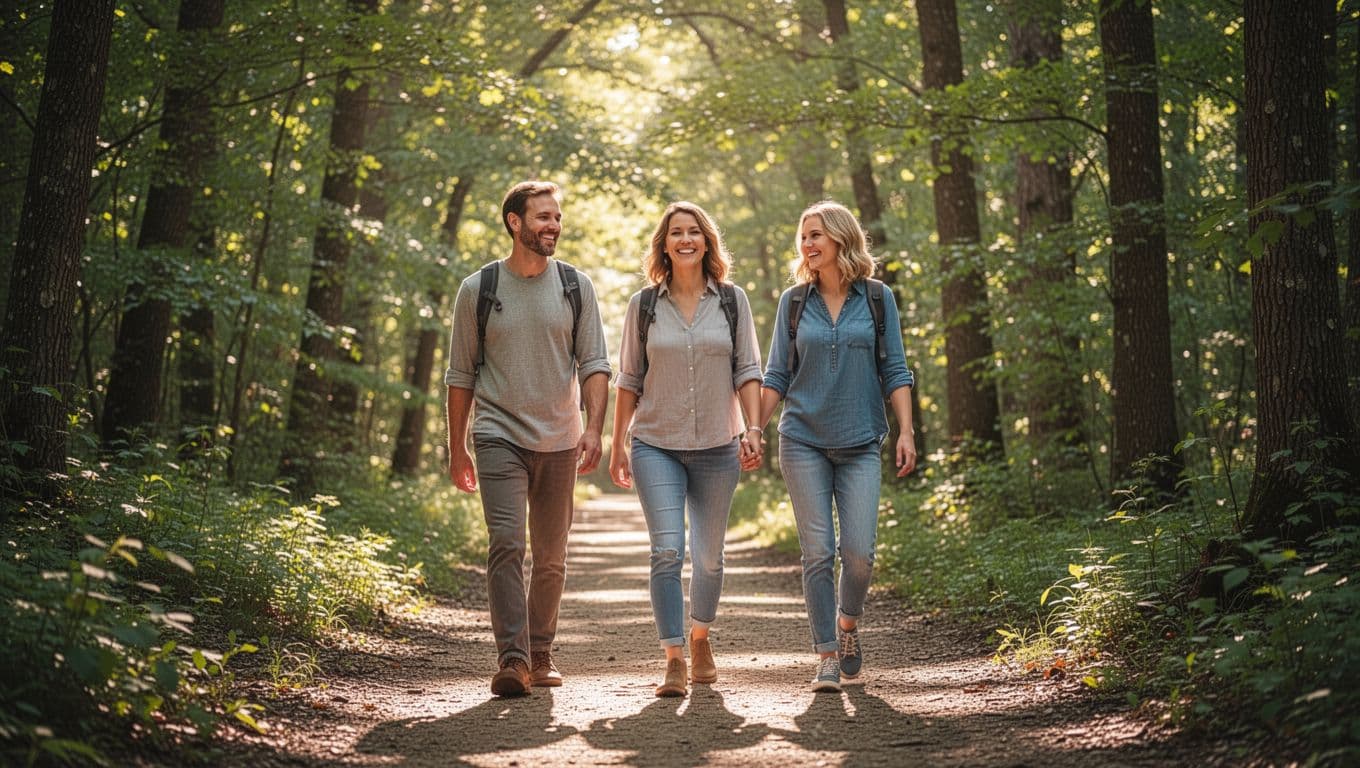
- Hike a new trail and let each family member take turns choosing the next rest stop. Young children may enjoy a short loop with bridges, streams, or signs of wildlife more than a difficult mountain route.
- Complete a nature scavenger hunt using pictures or simple clues for items such as a pinecone, smooth rock, yellow flower, or bird feather. Avoid picking living plants, and use a camera for anything you find.
- Camp in the backyard with sleeping bags, lanterns, and a simple dinner cooked outside. It gives young children a gentle first taste of camping, with a familiar bathroom only a few steps away.
- Sleep in a tent at a campground for one night and keep the first trip simple. Choose a site near restrooms, practice setting up the tent at home, and pack familiar comfort items for younger campers.
- Bike a rail trail or another mostly flat, separated path. Children can ride shorter distances, use a trailer, or take breaks at playgrounds and picnic areas while older kids continue farther.
- Climb at an outdoor adventure park that offers age-appropriate courses. Confirm height and weight rules before booking, and choose an easy route first so children can build confidence without feeling pressured.
- Try geocaching on a family-friendly route. GPS-based treasure hunts turn an ordinary walk into a search mission, but remind children to stay with an adult and replace each cache exactly as they found it.
- Walk a sunset trail close to home or at a local park. Pick a short, well-marked path, bring flashlights for the return walk, and check closing hours before you leave.
- Have a picnic in a new park and add one small challenge, such as finding the best shady tree or drawing the playground. A nearby green space can feel fresh when your family has never visited it.
- Build a family obstacle course with cones, pool noodles, cardboard boxes, and sidewalk chalk. Keep jumps low, leave plenty of space between stations, and offer walking or balancing options for toddlers.
Water, Beach, and Summer Day Trips
Water activities can suit a wide range of budgets, but preparation matters. Check the weather and water conditions before leaving, apply sunscreen regularly, and bring extra dry clothes. Use properly fitted life jackets for boating and paddling, even when a child feels confident in the water.
11. Swim at a Natural Beach
Swim at a lake, river beach, or ocean shore with a designated swimming area. Check for:
- Lifeguards
- Strong currents
- Water quality notices
- A gradual entry that suits nervous swimmers
12. Build a Giant Sandcastle
Build a giant sandcastle with:
- Moats
- Tunnels
- Shells
- Decorated towers
Give younger children buckets and molds, while older kids can plan the structure and manage the building challenge.
13. Go Kayaking or Canoeing
Go kayaking or canoeing on calm water with a family-friendly outfitter. Make the experience safer and easier by:
- Choosing a stable boat
- Keeping the route short
- Placing younger children in the middle
- Having an adult supervise them closely
14. Take a Family Boat Ride
Enjoy a boat ride on a lake, harbor, or quiet river. A short sightseeing cruise can be a great option for children who enjoy being on the water but don’t yet have the stamina for paddling.
15. Learn to Paddleboard
Take a beginner paddleboarding lesson in calm, shallow water. Children should:
- Wear life jackets when recommended
- Stay close to an adult
- Start by sitting or kneeling
- Try standing only when they feel comfortable
16. Try Beginner-Friendly Rafting
Go on a guided rafting trip designed specifically for families. Before booking, ask about:
- Minimum age requirements
- Water conditions
- Trip length
- Whether the experience is suitable for your child’s confidence level and attention span
17. Go Fishing Together
Go fishing from a dock, shoreline, or family-friendly pier. Keep the first outing short and bring easy snacks. Focus on the experience rather than just catching fish, such as:
- Learning how to cast
- Watching the water
- Spotting fish
- Enjoying time together
18. Watch a Sunrise by the Water
Watch the sunrise together while enjoying warm drinks and a simple breakfast. Choose an accessible viewpoint and bring:
- Blankets
- Warm drinks
- A simple breakfast
Also, confirm that the location opens early enough for your planned sunrise outing.
19. Visit a Splash Pad
Visit a splash pad on a hot afternoon. Splash pads are especially helpful for toddlers because they can cool off and play in the water without needing advanced swimming skills.
20. Organize a Beach Cleanup and Picnic
Organize a family beach cleanup followed by a picnic. Bring:
- Gloves
- Garbage bags
- Snacks
- Picnic supplies
Follow local disposal rules and keep children away from sharp or unknown objects. Adults should inspect anything potentially dangerous before children handle it.
Every child experiences water differently. Let cautious swimmers watch first, start in shallow areas, and choose a quieter activity when waves, crowds, or boat noise become overwhelming.
Wildlife and Nature Experiences
You don’t need to travel far to find memorable nature experiences. Search nearby parks, farms, botanical gardens, nature centers, libraries, and conservation programs before planning a long trip. Local organizations often offer guided walks, seasonal festivals, and wildlife programs at little or no cost.
21. Visit a Zoo or Wildlife Park
Visit a zoo or wildlife park and choose a few habitats to explore instead of trying to see every exhibit. Make the visit more engaging by:
- Letting children bring a sketchbook
- Observing animal behavior
- Talking about what the animals are doing
- Taking time to enjoy each habitat
22. Take a Safari-Style Animal Tour
Take a safari-style tour at a drive-through wildlife park or guided preserve. Before and during the tour:
- Follow all feeding and distance rules
- Keep windows closed when required
- Avoid disturbing the animals
- Choose a tour length that young children can comfortably handle
23. Watch Seals or Birds
Spot seals, birds, or other wildlife from a shoreline, boardwalk, or protected viewing area. Bring binoculars and teach children to:
- Move slowly and quietly
- Watch animals from a safe distance
- Avoid calling or chasing wildlife
- Never feed wild animals
24. Visit a Working Farm
Visit a working farm during an open-house day or scheduled tour. Children can:
- Learn where food comes from
- Meet farm animals
- See how crops are grown
- Learn how farm chores change with the seasons
25. Pick Fruit at a Local Orchard
Pick fruit at a local orchard or berry farm. Before going:
- Call ahead to check what is available
- Bring containers if the farm requires them
- Dress appropriately for outdoor conditions
- Plan to turn the harvest into a family dessert or breakfast at home
26. Tour a Botanical Garden
Explore a botanical garden and choose a themed route, such as:
- Desert plants
- Roses
- Native species
- Tropical greenery
Look for children’s trails or interactive activities that can make the visit more interesting for younger children.
27. Plant a Pollinator Garden
Plant a pollinator garden using native flowers in your yard, a school plot, or containers. Give each child a simple job, such as:
- Adding soil
- Planting seeds
- Watering the plants
- Recording which insects visit the garden
28. Watch a Meteor Shower
Watch a meteor shower from a dark backyard, campground, or approved park area. Make the experience comfortable by:
- Checking the weather forecast
- Finding the peak viewing time
- Bringing blankets
- Dressing younger children in warm layers
- Choosing a safe viewing location
29. Identify Local Trees
Turn a neighborhood walk into a family tree-identification challenge. Compare:
- Bark
- Leaves
- Seeds
- Branch shapes
Use a free field guide or library book to help identify the different trees you find.
30. Keep a Family Nature Journal
Keep a family nature journal throughout the year. Children can record:
- Weather changes
- Animal sightings
- Nature sketches
- Pressed fallen leaves
- Questions about things they observe
Use the journal as a starting point for family research and discussion during your next indoor afternoon.
Small discoveries often become the stories your family repeats for years. Pick one nearby nature experience this month, put it on the calendar, and let the children help decide what happens next.
Family Travel Bucket List Ideas That Turn Trips Into Stories
Travel memories grow when your family has something to do, notice, taste, and talk about together. A successful family trip doesn’t require a long flight or a large budget. Local day trips, weekend breaks, and carefully planned vacations can all become stories your children remember.
Before booking, check current opening hours, ticket rules, accessibility details, weather conditions, parking, and age requirements. Then leave room for unplanned discoveries. A quiet bakery, small playground, or scenic overlook may become the favorite stop of the entire trip.
Road Trips and Weekend Escapes
Road trips give families control over the pace, route, and budget. Choose a destination with one main activity, then add flexible stops rather than filling every hour.
31. Take a Scenic Road Trip
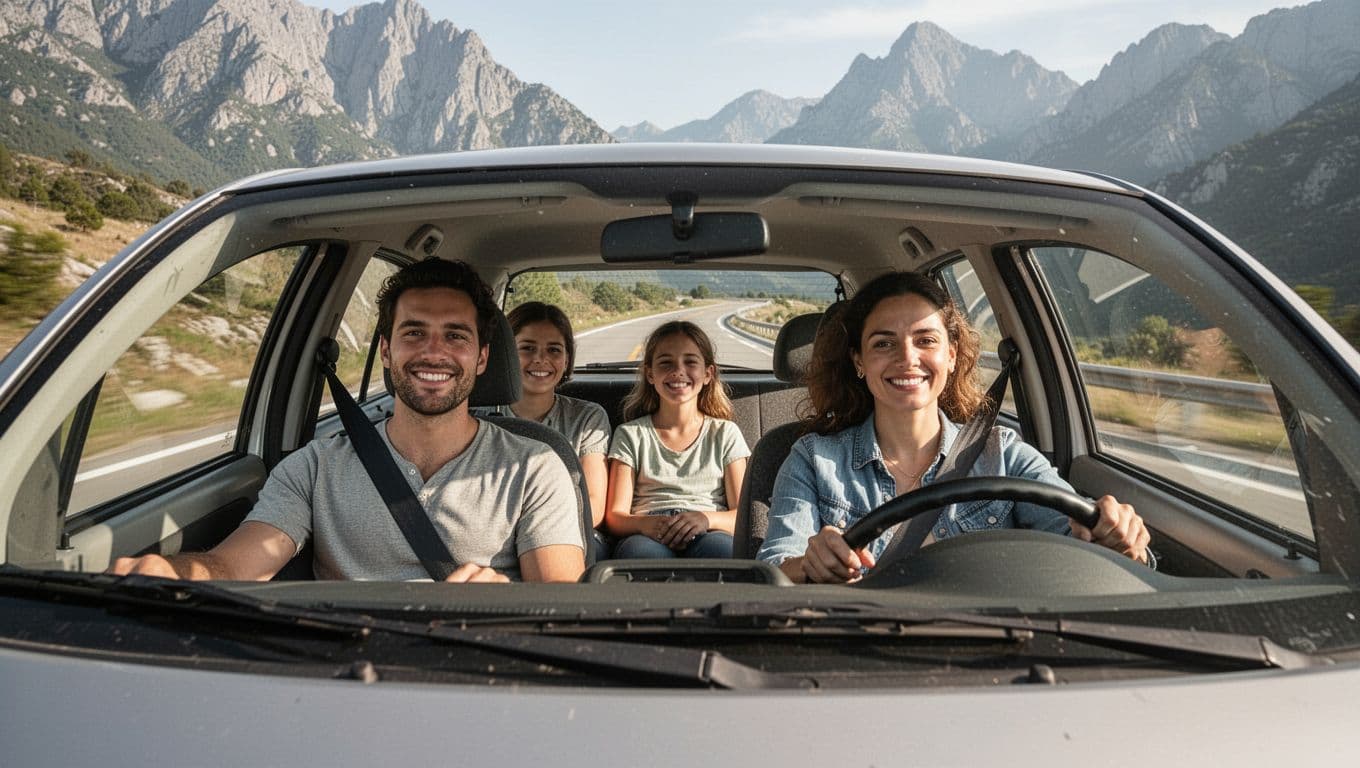
Take a scenic road trip along a coastal highway, mountain pass, forest route, or countryside lane. Make the trip enjoyable by:
- Choosing one memorable viewpoint
- Planning a stop before everyone gets tired
- Allowing enough time to enjoy the scenery
- Keeping the itinerary relaxed
32. Visit a Nearby Small Town
Visit a nearby small town and explore its:
- Main street
- Local bookstore
- Farmers market
- Family-owned cafe
Look for at least one activity that gives children a reason to explore and stay engaged.
33. Ride a Scenic Train
Take a scenic train through mountains, farmland, desert, or a historic rail corridor. Before booking, confirm:
- Stroller space
- Seating arrangements
- Trip length
- Whether children can safely view the scenery
34. Stay in a Cabin
Stay in a cabin near a forest, lake, or national park. Look for a property with:
- A kitchen
- Simple outdoor space
- Comfortable sleeping arrangements
- Easy access to nearby attractions
This allows your family to balance outdoor adventures with plenty of time to rest.
35. Book a Family-Friendly Campground
Book a family-friendly campground with:
- Clean facilities
- Short hiking trails
- Nearby attractions
- Safe areas for children to explore
If it is your family’s first camping trip, one or two nights may be enough to see how everyone enjoys the experience.
36. Follow a Covered Bridge or Lighthouse Route
Follow a covered bridge or lighthouse route and treat each stop as a short field trip. Children can:
- Take photographs
- Draw the structures
- Learn a little about their history
- Keep a simple travel log
37. Tour a Local Historic District
Explore a local historic district using a self-guided map or walking tour. Visit one historic building, then let the family choose:
- A snack
- A nearby park
- A small shop
- Another interesting local stop
38. Spend a Weekend at a Lake
Spend a weekend at a lake with time for:
- Swimming
- Paddling
- Fishing
- Shoreline walks
Build the schedule around water safety, comfortable activity levels, and regular breaks.
39. Take a Food-Focused Road Trip
Plan a road trip around local food experiences, such as:
- Bakeries
- Regional specialties
- Farm stands
- Food halls
- Family-friendly restaurants
Set a budget before leaving and let each child choose one tasting stop along the way.
40. Let Each Family Member Choose One Stop
Give each family member the opportunity to choose one stop along the route. For example:
- One person might choose a museum
- Another might choose a playground
- Someone else might choose a scenic overlook
- Another family member might pick an ice cream shop
Road Trip Tips for Families
Pack snacks that are easy to open and eat in the car, such as:
- Fruit
- Crackers
- Sandwiches
- Refillable water bottles
Download music, podcasts, maps, and entertainment before leaving because rural routes may have limited mobile service.
Offline games can also help pass the time. Try:
- Travel bingo
- Alphabet hunts
- License plate spotting
- Audio storytelling
- “Would you rather” questions
Schedule breaks every couple of hours, even when the destination is relatively close.
A road trip becomes easier when you plan fewer stops and give each one enough time to feel special.
Big Sights and Memorable Places to Visit
Iconic places can anchor a family bucket list, but popular attractions often come with crowds, timed tickets, and long lines. Balance a famous attraction with a quieter park, neighborhood, viewpoint, or local meal.
41. See a Famous Landmark
Visit a famous landmark such as a:
- Monument
- Temple
- Cathedral
- Archaeological site
- Historic square
Before arriving, give children a small detail to find or photograph so they have something specific to look for.
42. Visit a National Park
Visit a national park and choose one trail, visitor program, or scenic drive that matches your family’s interests and abilities.
The family national park guide can help you compare options before planning a larger trip.
43. Walk Across a Notable Bridge
Walk across a notable bridge in a city, historic area, or natural setting. Before going:
- Check pedestrian access
- Check weather and wind conditions
- Choose a safe viewing area
- Stop for family photographs
44. Ride to a City Viewpoint
Ride to a city viewpoint using a:
- Cable car
- Funicular
- Elevator
- Gondola
- Observation lift
Turn the experience into a learning activity by giving children a map and asking them to identify streets, rivers, buildings, or other landmarks below.
45. Explore a Castle or Fort
Explore a castle or fort and let children search for:
- Towers
- Gates
- Courtyards
- Defensive walls
- Hidden stairways
Choose a guided tour only if its length is appropriate for your children’s attention spans.
46. Visit a Famous Market
Visit a famous market and give each child a small amount of money to spend. Encourage them to:
- Ask questions about ingredients
- Learn about handmade goods
- Observe local customs
- Make a thoughtful purchase
Remind children to interact respectfully with vendors and other visitors.
47. Tour a Historic Home
Tour a historic home with a family guide, activity sheet, or hands-on demonstration. Children may connect more easily with:
- Rooms
- Clothing
- Tools
- Furniture
- Daily routines
Use these details to help them understand what everyday life was like in the past rather than focusing only on dates.
48. See a Waterfall
Visit a waterfall using a marked trail or accessible viewing platform. Check recent conditions before going because:
- Rain can make trails slippery
- Snow can affect access
- Heat can create additional risks
- Trail closures can occur unexpectedly
49. Visit an Island
Visit an island by ferry, bridge, or short flight. Keep the itinerary simple because:
- Transportation delays can occur
- Services may be limited
- Weather can affect travel
- An overpacked schedule can make the day stressful
50. Watch a Major Local Parade or Festival
Attend a major local parade or festival with a clear meeting point and an exit plan. Before attending:
- Check crowd policies
- Plan where to meet if separated
- Bring hearing protection for young children
- Identify an easy way to leave the event
- Prepare children for large crowds and noise
Whenever possible, choose attractions that invite participation. A child who steers a museum activity, follows a trail clue, samples a new food, or rings a historic bell is more engaged than one who only listens.
Reserve major attractions in advance when timed entry is required. Still, leave one quiet period each day. A shaded garden, small museum, neighborhood walk, or early dinner can give everyone enough space to enjoy the next big sight.
Culture, Food, and New Traditions Around the World
Cultural travel works best when families approach people, places, and traditions with curiosity and respect. Learn the basic etiquette before visiting, ask permission before taking photos, and describe traditions accurately rather than reducing them to costumes or stereotypes.
Invite children to ask thoughtful questions, but remind them that local people aren’t exhibits. The goal is to understand more, listen carefully, and appreciate the details that make each place distinct. Over time, these experiences can become family traditions that continue long after the trip ends.
Creative Family Bucket List Ideas for Home and the Holidays
Home-based family bucket list ideas can make ordinary weekends, rainy afternoons, and school breaks feel special. The secret is repetition. When children know a favorite activity returns each year, they begin to anticipate it and remember the small details.
Choose a season, invite everyone to help plan, and keep the supplies simple. A tradition doesn’t need perfect results, matching decorations, or a large budget. Photos, saved keepsakes, and familiar rituals give everyday moments a place in your family’s story.
Seasonal Traditions Worth Repeating Every Year
Seasonal traditions create a natural rhythm for family life. Put them on the calendar, give each child a role, and allow the activity to change as children grow.
61. Plant a Spring Garden
Plant a spring garden in a yard, raised bed, or collection of containers. Give everyone an age-appropriate role:
- Toddlers can add soil
- Younger children can help water plants
- Older children can choose plants
- Older kids can track growth and changes over time
62. Visit a Farmers Market
Visit a farmers market when local produce is in season. Give children a small budget and let them choose one:
- Fruit
- Vegetable
- Flower
Use their choice to plan a family meal, snack, or simple activity at home.
63. Make Fall Leaf Art
Make creative art using leaves collected from the ground. Younger children can make simple collages, while older children can create:
- Animals
- Wreaths
- Framed patterns
- Decorative designs
64. Take a Winter Lights Drive
Take a drive through neighborhoods decorated with holiday or winter lights. Make the outing more memorable with:
- Warm drinks
- A shared family playlist
- Comfortable blankets
- A vote for the most creative display
65. Build a Snow Fort
Build a snow fort when weather and snow conditions allow. Give children different responsibilities:
- Young children can fill small containers
- Older children can plan the walls
- Older kids can design windows
- Children can help create a safe entrance
66. Host a Summer Outdoor Movie Night
Host an outdoor movie night with:
- Blankets
- Lawn chairs
- A borrowed projector
- Homemade popcorn
Let the children take turns choosing the movie each year to create a family tradition.
67. Create a Seasonal Family Playlist
Create a family playlist for each season. Choose songs that match activities such as:
- Spring walks
- Summer drives
- Fall baking
- Winter gatherings
Let each family member add at least one favorite song to the playlist.
68. Decorate Holiday Cookies
Decorate holiday cookies using:
- Icing
- Sprinkles
- Simple candies
- Other edible decorations
Toddlers can help add toppings, while older children can create themed designs or participate in a friendly family decorating contest.
69. Take an annual family photo in the same place, such as a front porch, park bench, or favorite trail. The changing heights, hairstyles, and expressions become the keepsake. 70. Create a yearly memory box with ticket stubs, drawings, notes, photographs, and one small object from the year. Open older boxes during a holiday gathering.
A tradition works because your family repeats it, not because every detail goes smoothly. Muddy shoes, lopsided cookies, and imperfect photos often become the stories everyone tells later. For more inspiration, browse these budget-friendly holiday traditions and adapt one to your family’s schedule.
Food Projects Everyone Can Help Make
Food projects bring different ages into the same room with useful jobs for everyone. Set up toddler-safe tasks away from heat and sharp tools, then give older children more responsibility as their skills improve.
71. Make Homemade Pizza
Make homemade pizza using prepared dough, sauce, and a selection of toppings. Give children age-appropriate tasks:
- Toddlers can sprinkle cheese
- Younger children can add toppings
- Older children can stretch the dough
- Teens can help manage the oven with adult supervision
72. Bake Bread Together
Bake bread together using a simple loaf, rolls, or no-knead recipe. Younger children can:
- Measure pre-portioned ingredients
- Mix ingredients with supervision
- Shape simple rolls
Older children can knead the dough, shape loaves, and monitor rising time.
73. Prepare a Family Recipe
Prepare a family recipe handed down by a parent, grandparent, or close family friend. Make the experience more meaningful by:
- Recording who created the recipe
- Writing down its history
- Letting children add a drawing
- Adding a short family memory connected to the dish
74. Hold a Blind Taste Test
Hold a blind taste test using foods such as:
- Apples
- Crackers
- Juices
- Chocolate from different brands
Adults should check labels and ingredients first. Older children can record their guesses and compare the results afterward.
75. Make Homemade Ice Cream
Make homemade ice cream using a freezer-safe container or small ice cream machine. Children can:
- Choose the flavor
- Mix safe ingredients
- Help prepare the mixture
- Design a topping bar
76. Visit a Local Bakery or Cheese Farm
Visit a local bakery or cheese farm for a:
- Tour
- Tasting
- Demonstration
- Family activity
Call ahead to ask about family programs, food restrictions, and activities suitable for younger visitors.
77. Host a Backyard Cookout
Host a backyard cookout with simple foods such as:
- Corn
- Vegetables
- Burgers
- Vegetable skewers
Adults should handle the grill, while children can help:
- Set the table
- Arrange plates
- Mix drinks
- Prepare simple cold sides
78. Pack a Themed Picnic
Plan a picnic around a theme such as:
- A color
- A favorite book
- A movie
- A favorite destination
Let children participate by planning the menu, creating napkin art, or choosing the picnic location.
79. Grow Herbs for Dinner
Grow herbs in a windowsill planter or outdoor pot. Give children different responsibilities:
- Toddlers can help water with supervision
- Younger children can help care for the plants
- Older children can label the herbs
- Older kids can choose recipes that use the herbs
80. Create a Family Cookbook
Create a family cookbook filled with:
- Favorite breakfasts
- Holiday dishes
- Snacks
- Family recipes
- Cooking stories
Children can illustrate the pages, teens can type the recipes, and adults can check measurements and instructions.
Kitchen Roles for Different Ages
Keep kitchen roles clear and age-appropriate. Toddlers can:
- Wash produce
- Stir cold mixtures
- Tear lettuce
- Place napkins
Younger children can:
- Measure dry ingredients
- Use cookie cutters
- Mix simple ingredients
Older children can:
- Read recipes
- Use a peeler with supervision
- Prepare simple stovetop dishes
Teens can:
- Plan a meal
- Compare food prices
- Prepare one course for the family
- Help organize ingredients
Arts, Crafts, and Family Storytelling
Creative projects give children a way to show their personalities, preserve family history, and work together without worrying about creating a perfect result. Save the pieces that make you laugh, remind you of someone, or show how a child once saw the family.
81. Paint a Family Mural
Paint a family mural on a large paper roll, canvas, or removable wall covering. Let each person add something meaningful, such as:
- A symbol
- A favorite place
- A pet
- A special memory from the year
82. Make a Photo Book
Create a photo book using family pictures from a phone or computer. Younger children can:
- Choose favorite images
- Point out memorable moments
- Help arrange pictures
Older children can arrange the pages and write short captions.
83. Create a Time Capsule
Create a family time capsule containing:
- Current drawings
- Predictions about the future
- Favorite foods
- Small notes
- Memories from the present year
Choose an opening date and store the capsule somewhere dry and easy to find.
84. Record Interviews With Grandparents
Record interviews with grandparents about:
- Childhood games
- First jobs
- Family homes
- Holiday memories
- What life was like when they were young
Ask for permission before recording and save a backup that can be shared with relatives.
85. Hold a Living-Room Talent Show
Hold a family talent show in the living room. Children can perform:
- Songs
- Jokes
- Magic tricks
- Dances
- Dramatic readings
Children can perform alone, in pairs, or simply participate as part of the audience.
86. Learn a Simple Dance
Learn a simple dance from a video, cultural organization, or family member. Younger children can copy the basic steps, while older children can help teach the rest of the family.
87. Make Jewelry or Mosaics
Make jewelry or mosaics using materials such as:
- Beads
- Paper
- Buttons
- Broken tile pieces
Use larger materials for young children and supervise small pieces, sharp edges, and adhesives carefully.
88. Try a Beginner Photography Challenge
Start a simple photography challenge by assigning one subject each day, such as:
- Shadows
- Circles
- Favorite colors
- Family hands
- Interesting textures
Older children can experiment with lighting, framing, and composition.
89. Build a Cardboard Playhouse
Build a cardboard playhouse using delivery boxes, paper tubes, and washable paint. Children can work together by:
- Decorating the walls
- Designing doors
- Creating furniture
- Making a sign
Toddlers can help with simple decorating while older children handle more complicated designs.
90. Write a Family Story Together
Write a family story together about:
- A real trip
- An imaginary adventure
- A funny household event
- A memorable family experience
One per
Keep finished projects in a labeled folder, scrapbook, or storage box instead of discarding everything after the activity. A rough mural or uneven clay figure can matter more than a perfect craft because it shows who participated and what interested them at that age. Save the process with a quick photo, too, since the planning and laughter often become part of the memory.
Learning, Games, and Teamwork Ideas for All Ages
Learning becomes more memorable when your family can touch, test, question, and laugh together. Look for free or low-cost programs at local libraries, community centers, museums, parks, planetariums, and fire stations. Many seasonal events offer hands-on activities that feel more like an outing than extra schoolwork.
Science, History, and Skill-Building Adventures
Curiosity grows when children can investigate real objects and ask their own questions. Let younger children observe and imitate, while older kids explain ideas, handle materials, or guide the group.
91. Visit a science center and choose exhibits that invite your family to build, push, spin, or experiment. Toddlers can explore simple cause and effect, elementary-age children can make predictions, teens can read the deeper explanations, and grandparents can share how technology has changed.
92. Look Through a Telescope
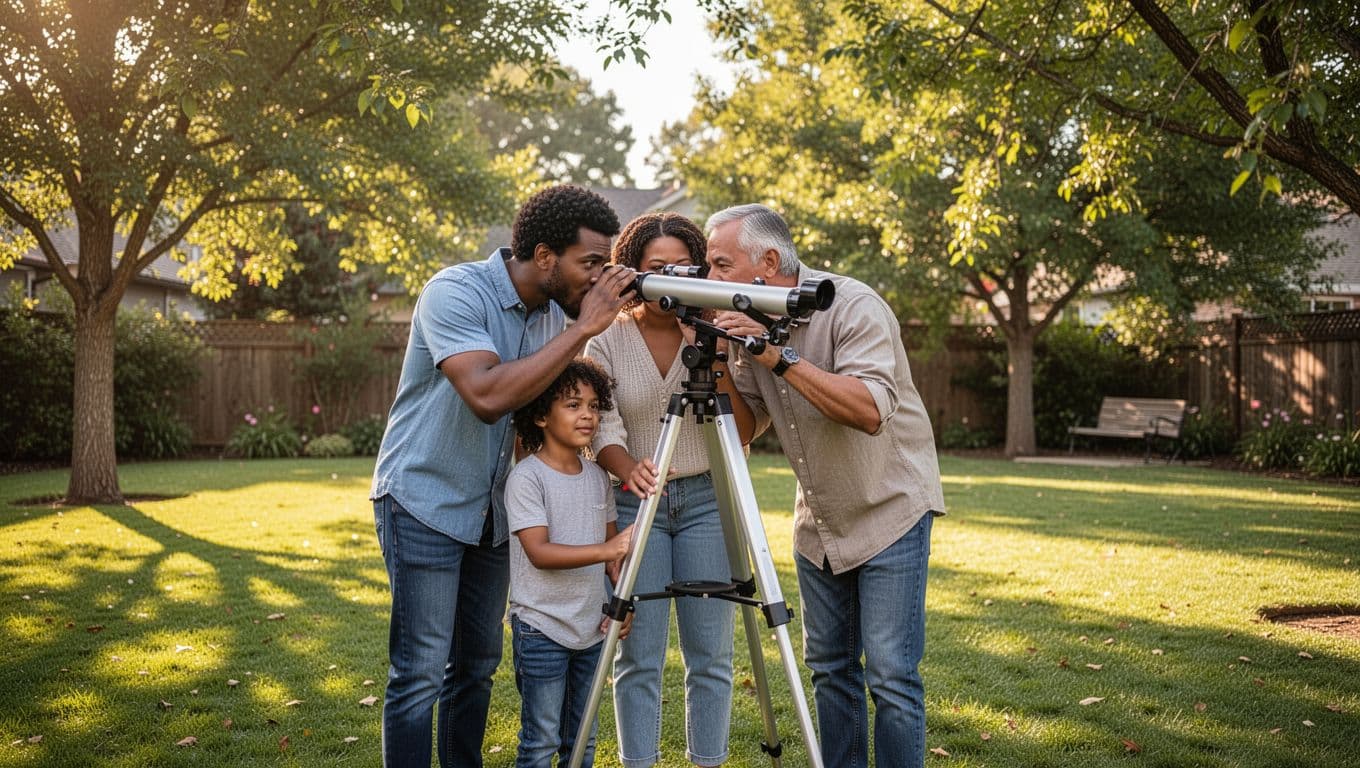
Look through a telescope at the moon, planets, or bright stars. Make the experience more engaging by:
- Attending a safe viewing event at a park or observatory
- Letting each person describe what they notice
- Learning about the objects you see
- Joining a local astronomy club’s free public viewing session when available
93. Tour a Historic Site
Tour a historic site such as a:
- Fort
- Historic home
- Battlefield
- Preserved neighborhood
Ask children what daily life might have looked like at the site. Teens and grandparents can compare what they see with stories or events from family history.
94. Attend a Planetarium Show
Attend a planetarium show and choose a program that matches your children’s ages. Younger children can:
- Look for shapes in the stars
- Identify familiar constellations
- Ask questions about the night sky
Older family members can discuss space travel, planets, and unanswered questions afterward.
Families visiting Amsterdam may enjoy adding NEMO Science Museum to a larger trip.
95. Build a Simple Volcano Model
Build a simple volcano model using household materials, then discuss what causes an eruption. Keep the activity safe by:
- Keeping the reaction small
- Protecting the work surface
- Using age-appropriate materials
- Supervising younger children
Toddlers can help decorate the volcano, while older children can measure ingredients and record what happens.
96. Design and Test a Bridge Model
Design and test a bridge model using:
- Craft sticks
- Paper
- Blocks
- Cardboard
Start with a short span for younger children. Older kids can test how much weight their design can hold and discuss what makes a bridge stronger.
Grandparents can also share stories about bridges, construction projects, or structures they remember.
97. Learn Basic First Aid
Learn basic first aid through a family class or age-appropriate practice session. Children can learn:
- When to call an adult
- How to recognize an emergency
- Basic safety steps
Teens and adults can practice bandaging and other emergency procedures. Use a qualified instructor for serious first-aid skills and follow local guidance.
98. Take a Family Class
Take a family class in an activity such as:
- Pottery
- Robotics
- Gardening
- Photography
- Dance
- Woodworking
Choose a lesson that provides different roles so everyone can participate. Toddlers might decorate, elementary-age children can follow directions, and older relatives can learn alongside them.
99. Attend a Public Library Event
Attend a public library event such as:
- A science demonstration
- Author visit
- Puzzle club
- Storytime
- Local history talk
Check the library’s calendar for free programs and let each child choose one question to ask before the event.
100. Tour a Fire Station
Tour a fire station when public visits are available and follow the station’s safety rules. Children can learn about:
- Emergency equipment
- Fire prevention
- Firefighter responsibilities
- Home fire safety
Adults can also ask about creating or improving a home escape plan. Call ahead because firefighters may have to leave unexpectedly for emergencies.
101. Complete a Citizen Science Project
Complete a citizen science project by:
- Counting birds
- Tracking weather
- Photographing plants
- Recording seasonal changes
Choose a project that accepts family observations, then let children compare their findings over several weeks. The activity becomes a shared investigation rather than simply another worksheet.
Choose one question before the outing, then let the family collect evidence instead of rushing toward a right answer.
Games and Challenges That Build Team Spirit
Friendly competition works best when the goal is shared fun. Divide the family into mixed-age teams, rotate leaders, celebrate creative solutions, and give younger children simpler rules or extra turns.
102. Play an Escape Room
Play an escape room designed for families. Different ages can contribute in different ways:
- Adults can read clues
- Teens can connect patterns
- Younger children can search for colors, shapes, or hidden objects
Choose a room with appropriate age guidance and ask whether hints are available.
103. Complete a GPS or Map Challenge
Complete a GPS or map challenge in a:
- Park
- Museum
- Neighborhood
Give everyone a role. One person can read the map, another can watch the route, and a child can mark discoveries. Stay on approved paths and keep the activity within a safe area.
104. Host a Family Trivia Night
Host a family trivia night with questions about:
- Animals
- Movies
- Food
- Geography
- Family memories
- Silly facts
Mix easy and challenging questions, allow teams to consult one another, and award prizes for funny answers or creative team names.
105. Try Mini Golf
Try mini golf and let players decide whether they want to keep score. Younger children can:
- Take extra strokes
- Get help lining up shots
- Practice without worrying about the score
Celebrate clever bounces, improvement, and kind encouragement as much as low scores.
106. Go Bowling
Go bowling using bumpers, ramps, or lighter balls when needed. Make the outing more interactive by:
- Rotating who chooses the team name
- Letting different family members choose the music
- Creating a family celebration move
Grandparents can play while seated if necessary, while toddlers can focus on cheering and rolling with help.
107. Play Laser Tag
Play laser tag using short rounds and clear safety instructions. Create mixed-age teams so experienced players can guide younger children.
Some venues may offer low-light alternatives or equipment adjustments for children who are uncomfortable with loud sounds.
108. Hold a Board Game Tournament
Hold a board game tournament featuring:
- Strategy games
- Card games
- Quick party games
Use simpler rules for younger players, rotate partners each round, and recognize good sportsmanship instead of focusing only on who becomes the champion.
109. Organize an Outdoor Relay
Organize an outdoor relay featuring activities such as:
- Walking
- Beanbag tossing
- Balancing
- Picture matching
- Water-cup carrying
Don’t make speed the only measure of success. Give teams points for cooperation, creativity, and completing tasks safely.
110. Run a Family Photo Challenge
Run a family photo challenge with prompts such as:
- Something round
- A funny shadow
- A favorite color
- The oldest object in the house
Younger children can pose or find subjects, while teens and grandparents can suggest compositions and share stories connected to the photographs.
111. Plan a No-Screen Game Weekend
Plan a weekend without screens and fill it with:
- Puzzles
- Charades
- Sidewalk games
- Scavenger hunts
- Card games
- A family tournament
Choose activities together before the weekend begins. Also allow quiet reading or drawing for anyone who needs a break.
Friendly rules keep the focus on connection. Give children permission to invent a bonus category, switch teams, or stop playing when the activity no longer feels fun.
Community Service and Meaningful Family Goals
Service activities teach responsibility through real action. Contact each organization before arriving, follow its rules, choose age-appropriate tasks, and focus on helping rather than taking photos for attention.
112. Volunteer at a Food Pantry
Volunteer at a food pantry by helping with approved tasks such as:
- Sorting donations
- Packing boxes
- Assisting with supervised distribution
Younger children can decorate bags, while teens and adults can handle heavier tasks when permitted by the organization.
113. Collect Books
Collect books for a school, shelter, classroom, or community center that accepts donations. Ask about current needs first, then let children:
- Sort books
- Clean them
- Label them according to instructions
- Organize the donations
114. Clean a Local Park
Participate in an approved local park cleanup. Give children gloves and safe areas to work in, while adults inspect and handle sharp or hazardous objects.
Finish by thanking park staff rather than treating the cleanup as a photo opportunity.
115. Make Care Packages
Make care packages for:
- A shelter
- Deployed service members
- College students
- Families in need
Follow the recipient organization’s exact list because some items, scents, or types of packaging may not be accepted.
116. Help an Elderly Neighbor
Help an elderly neighbor with a task they request, such as:
- Raking leaves
- Carrying groceries
- Setting up a device
- Completing another simple household task
Ask before visiting, respect their privacy, and let the neighbor decide what type of assistance would be useful.
117. Donate Gently Used Items
Donate gently used items after checking whether a charity accepts them. Children can help sort:
- Clothing
- Books
- Toys
- Household items
Use the opportunity to teach children why clean, complete, and useful items are more helpful than unwanted clutter.
118. Support an Animal Shelter
Support an animal shelter through an approved project such as:
- Collecting towels
- Making enrichment toys
- Donating food from the shelter’s wish list
Follow the shelter’s rules, especially regarding animal handling, allergies, and minimum volunteer ages.
119. Join a Charity Walk
Join a charity walk that suits your family’s pace and mobility needs. You can:
- Set a shared fundraising goal
- Decorate shirts if the event permits it
- Walk together at a comfortable pace
- Celebrate showing up for the cause
120. Write Thank-You Notes to Community Workers
Write thank-you notes to community workers such as:
- Teachers
- Crossing guards
- Sanitation crews
- Nurses
- Dispatchers
- Bus drivers
Children can draw pictures, teens can write specific messages, and adults can confirm where the notes may be delivered.
121. Set a Shared Kindness Goal
Set a shared kindness goal for one week or one month. Your family might:
- Leave helpful notes
- Include someone in a game
- Return stray shopping carts
- Complete one requested task each day
- Look for simple ways to help others
Keep a private record of your actions without turning kindness into a public contest.
A meaningful family goal should fit your time, energy, and community needs. When everyone has a suitable role, service becomes a habit your children can carry into future seasons.
How to Choose, Plan, and Finish Your Family Bucket List
A family bucket list works best when it reflects your actual time, budget, energy, and interests. Choose ideas that feel exciting but realistic, then make a simple plan for completing them. A short outing can matter just as much as a major trip when everyone has a role in making it happen.
Free and Low-Cost Ideas for Making Memories
Low-cost family activities can reduce pressure on both your calendar and your wallet. Before leaving home, confirm:
- Free-entry dates
- Reservation rules
- Transportation costs
- Parking fees
- Supplies you need to bring
122. Have a Living-Room Campout
Have a living-room campout with:
- Sleeping bags
- Pillows
- Flashlights
- A simple snack tray
Build a blanket tent if space allows, then tell stories together before bedtime.
123. Explore a Free Museum Day
Take advantage of a free museum day at a local:
- History museum
- Art museum
- Science museum
- Community museum
Check whether advance reservations are required because free admission may still involve timed entry.
124. Create a Neighborhood Scavenger Hunt
Create a neighborhood scavenger hunt with clues for things such as:
- A blue door
- A birdhouse
- An unusual tree
- A friendly mailbox
Keep the route safe, stay on public paths, and avoid entering private property.
125. Walk Through a New Part of Town
Explore a new part of town and pay attention to details your family normally misses. Choose a destination such as:
- A public garden
- Bookstore
- Mural
- Historic street
- Playground
126. Host a Potluck
Host a potluck with relatives, neighbors, or friends. Ask each guest to bring one dish and let children help by:
- Creating place cards
- Choosing music
- Setting the table
- Arranging simple decorations
127. Borrow Bikes or Games From a Library
Borrow bikes, games, or other equipment from a library when your local branch offers a lending program. Before making plans, check:
- Loan periods
- Equipment sizes
- Missing pieces
- Return requirements
- Any borrowing restrictions
128. Watch a Sunrise
Watch the sunrise from a nearby:
- Park
- Beach
- Hill
- Backyard
Bring blankets and breakfast, and check opening hours because some locations may not allow early access.
129. Make a DIY Outdoor Movie
Create an outdoor movie night using:
- A borrowed projector
- White sheet
- Lawn chairs
- Homemade popcorn
Test the equipment before dark and prepare an indoor backup plan in case of bad weather.
130. Visit a Free Community Concert
Attend a free community concert in a:
- Park
- Plaza
- Library
- Town square
Bring seating if permitted, check the event schedule, and consider hearing protection for children who are sensitive to loud sounds.
131. Exchange Homemade Coupons for Family Time
Create homemade coupons that can be exchanged for special family activities. Ideas include:
- A board game
- One-on-one walk
- Bedtime story
- Favorite meal
- Help with a chosen project
A free activity can still require planning. Confirm the true cost before inviting everyone, especially when transportation, parking, food, rentals, or craft supplies could affect your budget.
The free and low-cost outing ideas can also help you find options near home.
Milestones and First-Time Experiences to Remember
First experiences often become family stories, even when the day includes nerves, delays, or changed plans. Record the date, take a few photos, and write down each child’s reaction. Nobody needs to love every activity for it to belong on the list.
132. Take a First Family Flight
Take a first family flight using a short route and a simple destination. Prepare children by:
- Explaining airport procedures in advance
- Packing familiar snacks
- Allowing extra time for security
- Allowing extra time for boarding
133. Ride Public Transportation to a New Place
Use public transportation to visit a new:
- Museum
- Market
- Park
- Downtown neighborhood
Let children participate by reading the route, counting stops, or finding the correct platform.
134. Learn to Ski or Skate
Learn to ski or skate through a beginner lesson. For a more comfortable first experience:
- Rent equipment before buying it
- Choose a short session
- Follow the instructor’s guidance
- Let anyone stop if they become cold, tired, or uncomfortable
135. Try a New Sport
Try a new sport such as:
- Tennis
- Pickleball
- Soccer
- Climbing
- Archery
- Swimming
Focus on learning the basics rather than comparing everyone’s skill levels.
136. Perform in Front of Relatives
Perform in front of relatives with a:
- Song
- Poem
- Magic trick
- Dance
- Short play
Give children who do not want to perform another role, such as helping with music, announcing the performance, or being part of the audience.
137. Let Children Plan a Day
Let children plan a family day within clear limits for:
- Budget
- Travel distance
- Safety
- Available time
They can choose the meal, activity, route, and rest time while adults handle the final approval.
138. Take a Multigenerational Trip
Take a trip with:
- Grandparents
- Cousins
- Other relatives
Choose lodging that allows everyone some private downtime and plan one shared activity each day.
139. Celebrate a Graduation With a Special Outing
Celebrate a graduation with an outing that matches the graduate’s interests. Consider:
- Visiting a favorite restaurant
- Attending a game
- Touring a meaningful place
- Taking a day trip
- Visiting a favorite attraction
140. Create a Family Birthday Tradition
Create a birthday tradition that everyone can look forward to each year. Ideas include:
- Breakfast for dinner
- A birthday hike
- Taking a photo in the same location
- Choosing a new dessert each year
- Visiting a favorite family spot
141. Return to a Meaningful Place Years Later
Return to a meaningful place from your family’s past, such as:
- A first campsite
- Favorite beach
- Old neighborhood
- Family home
- Destination from a child’s early years
Keep the record simple. A shared note can include the date, location, who attended, what surprised everyone, and one sentence from each child. Those reactions may change over time, making the record more interesting than a polished summary.
Accessible and Flexible Ideas for Every Family
A flexible bucket list gives people choices instead of treating one schedule or ability level as the standard. Contact venues before visiting to ask about:
- Accessibility
- Dietary needs
- Sensory concerns
- Parking
- Seating
- Elevators
- Restroom access
142. Visit an Accessible Trail
Visit an accessible trail with:
- Firm surfaces
- Suitable grades
- Nearby rest areas
Check current trail conditions because construction, weather, or fallen trees can affect accessibility.
143. Plan a Sensory-Friendly Museum Trip
Plan a museum visit during a quiet hour or special sensory-friendly program. Ask about:
- Lighting
- Sound levels
- Crowd size
- Exit areas
- Whether comfort items are welcome
144. Have a Quiet Picnic
Have a quiet picnic in a:
- Shaded park
- Garden
- Backyard
Choose a low-noise location, bring familiar foods, and let family members leave the picnic area whenever they need some personal space.
145. Choose a Wheelchair-Friendly Attraction
Choose an attraction with:
- Accessible entrances
- Accessible routes
- Suitable seating
- Accessible restrooms
Call ahead to ask about elevator access, terrain, companion tickets, and rental equipment.
146. Take an Audio-Guided Tour
Take an audio-guided tour at a:
- Museum
- Historic site
- Botanical garden
- Neighborhood
Confirm whether the location provides or permits:
- Audio devices
- Headphones
- Captions
- Transcripts
- Seated listening areas
147. Create an Indoor Nature Experience
Create an indoor nature experience using:
- Houseplants
- Nature sounds
- Window birdwatching
- Collected leaves
- Nature documentaries
- A small container garden
This can be a useful option during extreme weather when outdoor activities are difficult.
148. Plan a Short Outing With Rest Stops
Plan a shorter outing instead of one long activity. Before leaving, identify:
- Benches
- Cafes
- Quiet rooms
- Accessible restrooms
- Easy exit points
This gives family members opportunities to rest without ending the entire outing.
149. Use Visual Schedules
Use visual schedules with:
- Photos
- Drawings
- Icons
- Simple written instructions
Show children the order of the outing, including:
- Transportation
- Meals
- Activities
- Breaks
- The return trip
150. Invite a Trusted Friend or Relative
Invite a trusted friend or relative who understands your family’s needs. An additional familiar adult can provide:
- Companionship
- Transportation help
- One-on-one support
- Assistance during activities
151. Design a Family Day Around One Person’s Interest
Design a family day around one person’s special interest. For example:
- Visit a model train exhibit for one child
- Explore a garden for a grandparent
- Visit a favorite sports venue for a teenager
Then add comfortable activities that allow everyone else to enjoy the day as well.
Accessible planning benefits the whole family. Clear information reduces surprises, while scheduled breaks help children and adults manage energy. If a venue cannot answer your questions, choose another option rather than hoping the details will work out.
Turn Your Family Bucket List Into Action
Start by sorting ideas according to time, cost, weather, travel distance, energy, and age. A free indoor museum may fit a rainy afternoon, while a long hike might need a full weekend and older children’s stamina. For more inspiration, family bucket list activities by age can help you match plans to current interests and abilities.
Next, choose three easy ideas. Pick one activity for this month, one seasonal plan, and one larger experience that needs more saving or preparation. A realistic yearly goal might include six small outings, three seasonal traditions, and one major trip.
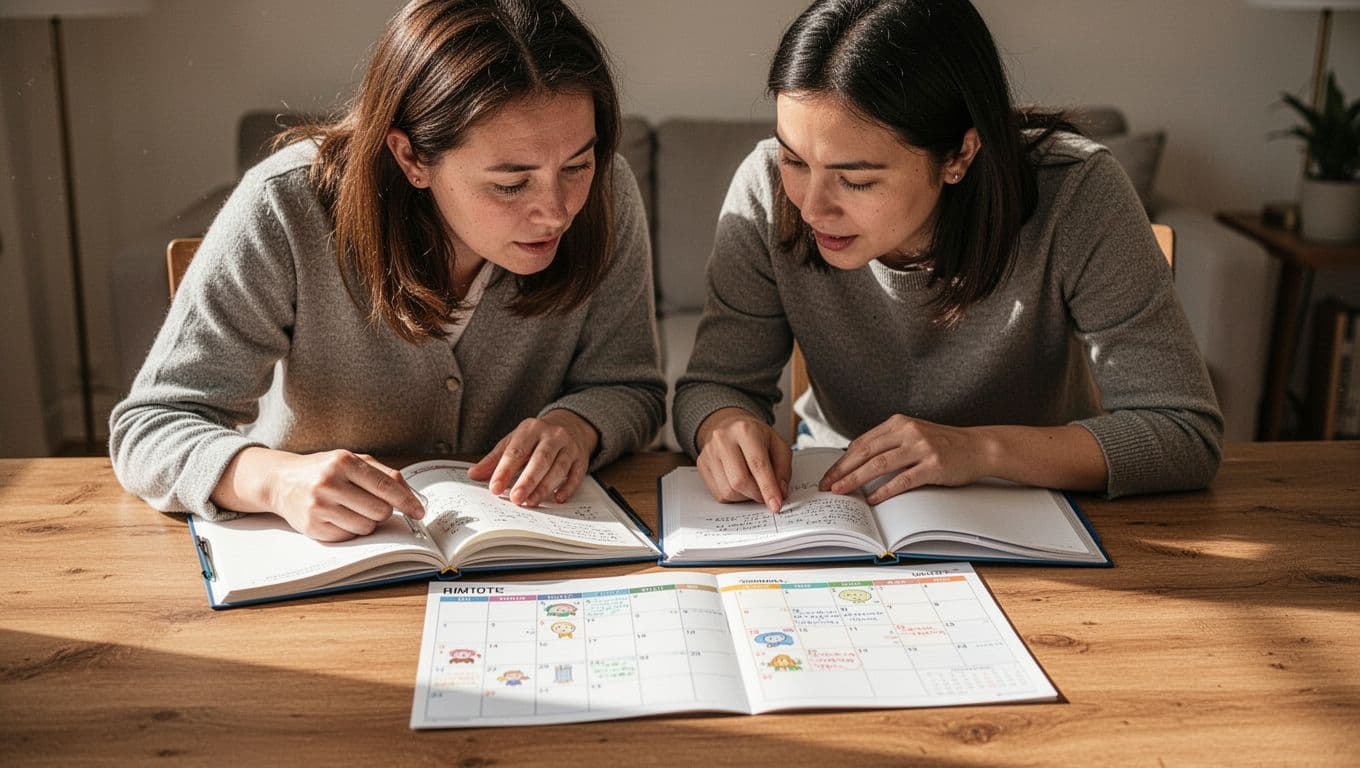
Use a shared checklist, family calendar, jar of activity cards, or digital note. Add the estimated cost, travel time, supplies, best season, and a backup plan beside each idea. When someone completes an activity, record the date and a favorite moment before choosing the next one.
Leave open space for spontaneous plans. A sudden sunny afternoon, free ticket, visiting relative, or child’s new interest may become the memory your family talks about most. The list should guide your choices, not turn family time into another set of obligations.
Conclusion
A meaningful family bucket list can include major adventures, simple traditions, free outings, creative afternoons, and acts of kindness. The best ideas are the ones that fit your family and give everyone a chance to share time, laughter, curiosity, or responsibility.
You don’t need to complete every activity quickly or treat the list like a race. Choose plans that match your budget, location, children’s ages, abilities, and energy levels. A short neighborhood outing may create a stronger memory than an expensive trip when everyone feels included and present.
Start with one easy idea for this month, one seasonal activity, and one bigger adventure to plan for later. Save this list, invite each family member to choose a favorite, and begin creating memories together.
Save the pin for later

- 60 Color Tattoos That Healed Beautifully - 25/09/2026
- 40 Most Painful Tattoo Spots - 24/09/2026
- 20 Tattoo Aftercare Mistakes That Ruin Fresh Ink - 23/09/2026

