You’ve tracked ovulation, cut stress, and visited the doctor, but months pass without that positive test. You’re not alone; many couples face this frustration despite doing everything “right.” What if some everyday foods to avoid when trying to get pregnant are quietly working against you?
A 2026 US study of over 2,500 women found those with infertility got 31% of their daily calories from ultra-processed foods, compared to 27% for fertile women. That difference linked to about 60% lower odds of conception, even after factoring in age and lifestyle. Men face similar risks; high intake hurts sperm quality too.
Poor choices mess with hormones, delay ovulation, and lower sperm count for both partners. For example, they spike blood sugar, add toxins, or block key nutrients like folate and zinc. Meanwhile, both of you need steady energy and balance to boost chances.
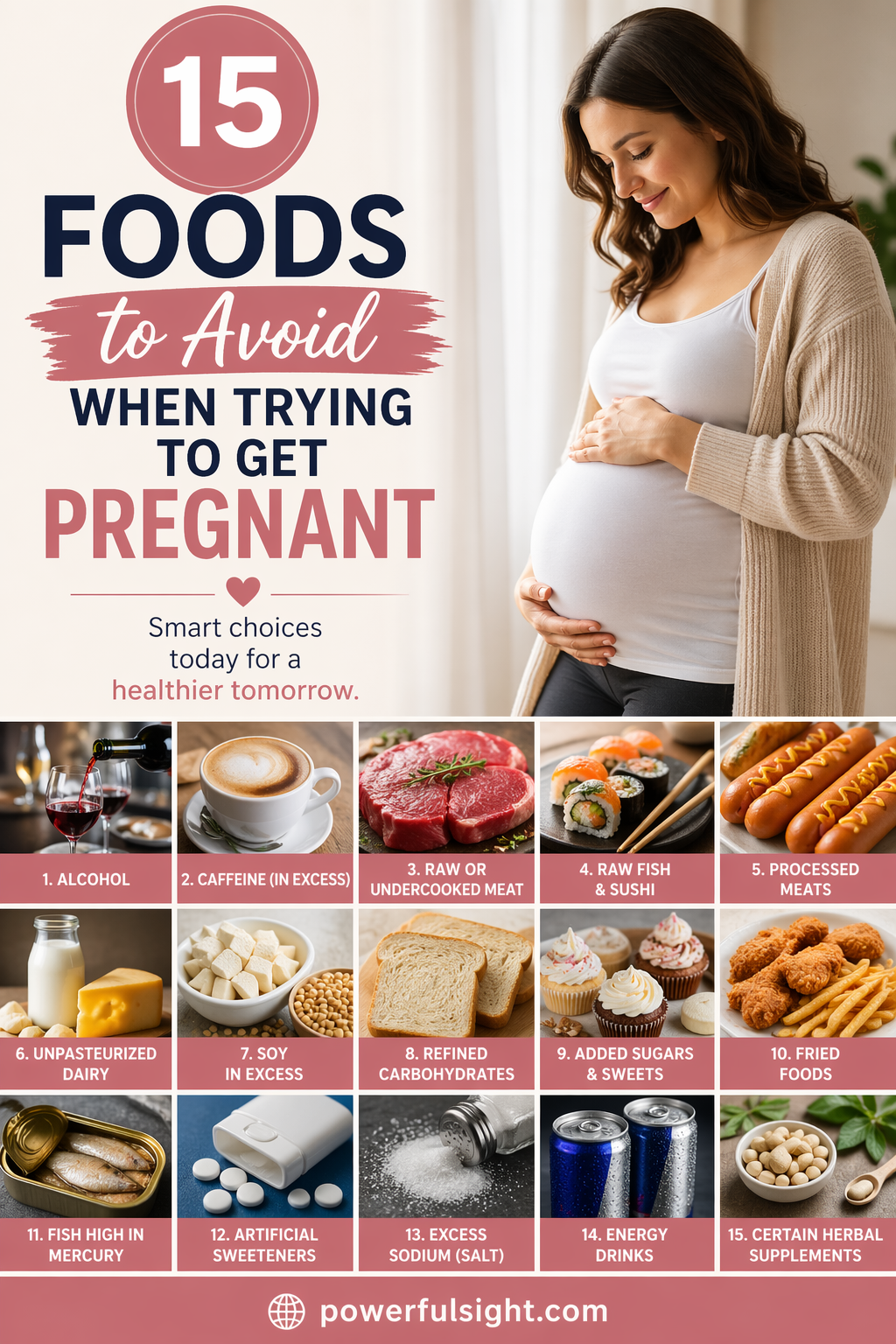
In this post, we break down 15 foods to avoid when trying to get pregnant, grouped into categories like processed junk, hidden sugars, and hormone disruptors. You’ll get evidence-based reasons why they harm fertility, plus simple swaps (like ideas from our pregnancy power foods by trimester).
Check this video for quick tips: AVOID THESE FOODS + EAT THESE 7 FERTILITY BOOSTING FOODS.
Stick with us, and you’ll have a clearer path to conception with small, doable changes. Let’s start with the worst offenders.
The Hidden Ways Your Diet Shapes Ovulation and Sperm Health
Your daily meals do more than fuel your body. They quietly influence ovulation cycles and sperm quality in ways you might not notice right away. Both partners play a role here, because poor choices harm fertility from multiple angles.
Recent studies confirm this. For instance, research in Human Reproduction tracked over 800 women and 650 men. Those eating more ultra-processed foods faced bigger hurdles to conception.
Trans fats top the troublemakers. They sneak into fried snacks and baked goods. These fats damage cell membranes, much like rust weakens metal over time. That disrupts egg quality and sperm structure. Sugars pile on next. They cause sharp insulin spikes, throwing hormones off balance. Think of it as revving your engine too hard; it stalls the smooth rhythm needed for ovulation release.
Refined carbs, like white bread or pasta, worsen the chaos. They swing blood sugar wildly, which stresses the endocrine system. Sperm motility drops as a result. Excessive red meat adds inflammation, slowing sperm movement further. Studies link high intake to lower counts and weaker swimmers. Risky dairy, especially unpasteurized types, brings bacteria threats. Listeria or other germs can infect the reproductive tract, raising miscarriage odds.
Meanwhile, a cleaner diet flips the script. Fresh produce and healthy fats support steady hormones and robust cells. Both of you should cut these foods to avoid when trying to get pregnant. Small shifts yield real gains. Curious how? The details follow.
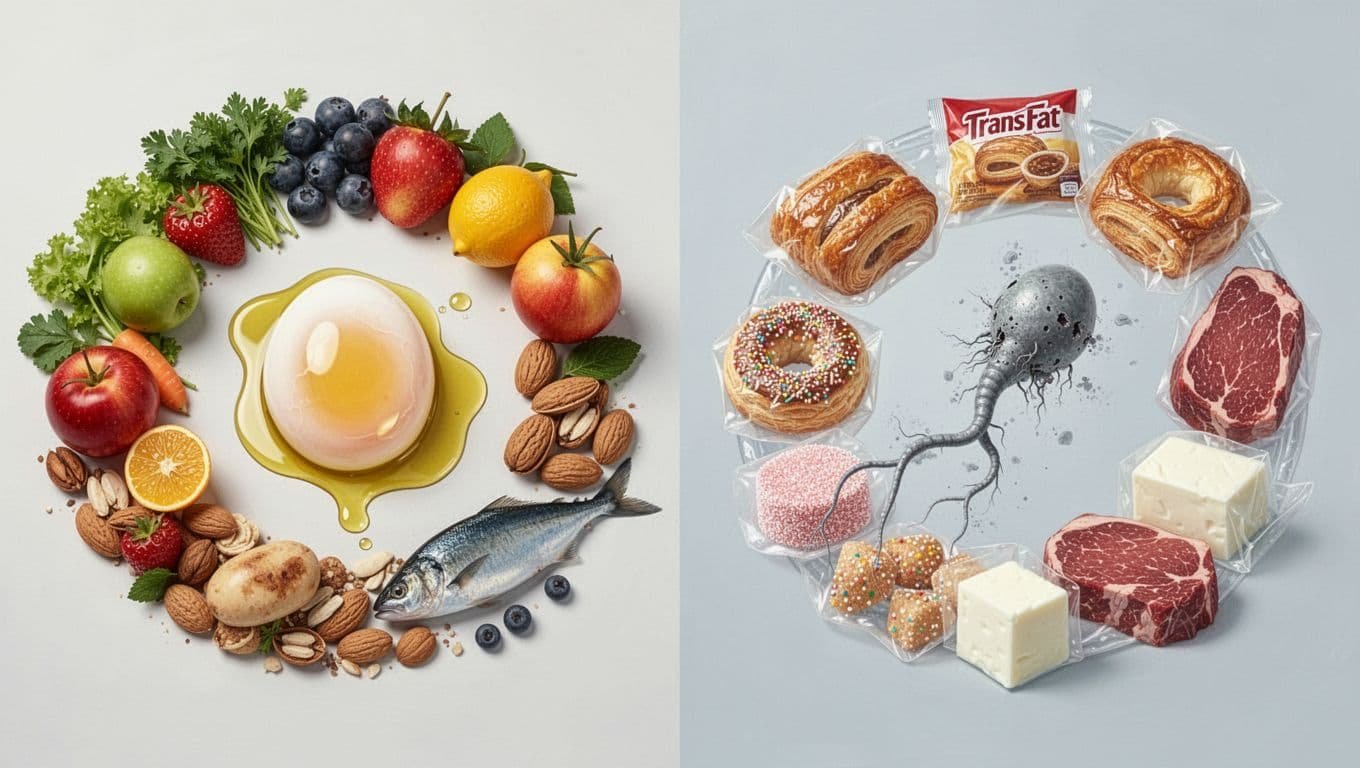
For deeper data, check this study on ultra-processed foods and sperm parameters.
Fried Foods and Snacks Packed with Ovulation-Busting Trans Fats
Trans fats lurk in your favorite fried treats and snacks. They act as sneaky fertility killers. Recent research shows these fats raise ovulatory infertility risk by up to 73%. They spark inflammation and throw hormones off balance. That harms egg development and sperm function. For men, higher trans fat levels link to lower sperm counts. Women face disrupted ovulation cycles as a result.
You find them in fast food fries, donuts, chips, and baked goods because companies use them for longer shelf life. One study from Harvard tracked diets closely. Women eating more trans fats struggled most with conception. Both partners benefit from ditching these foods to avoid when trying to get pregnant. Swap them for air-popped popcorn or nuts. Healthy fats like those in avocados support better outcomes instead.
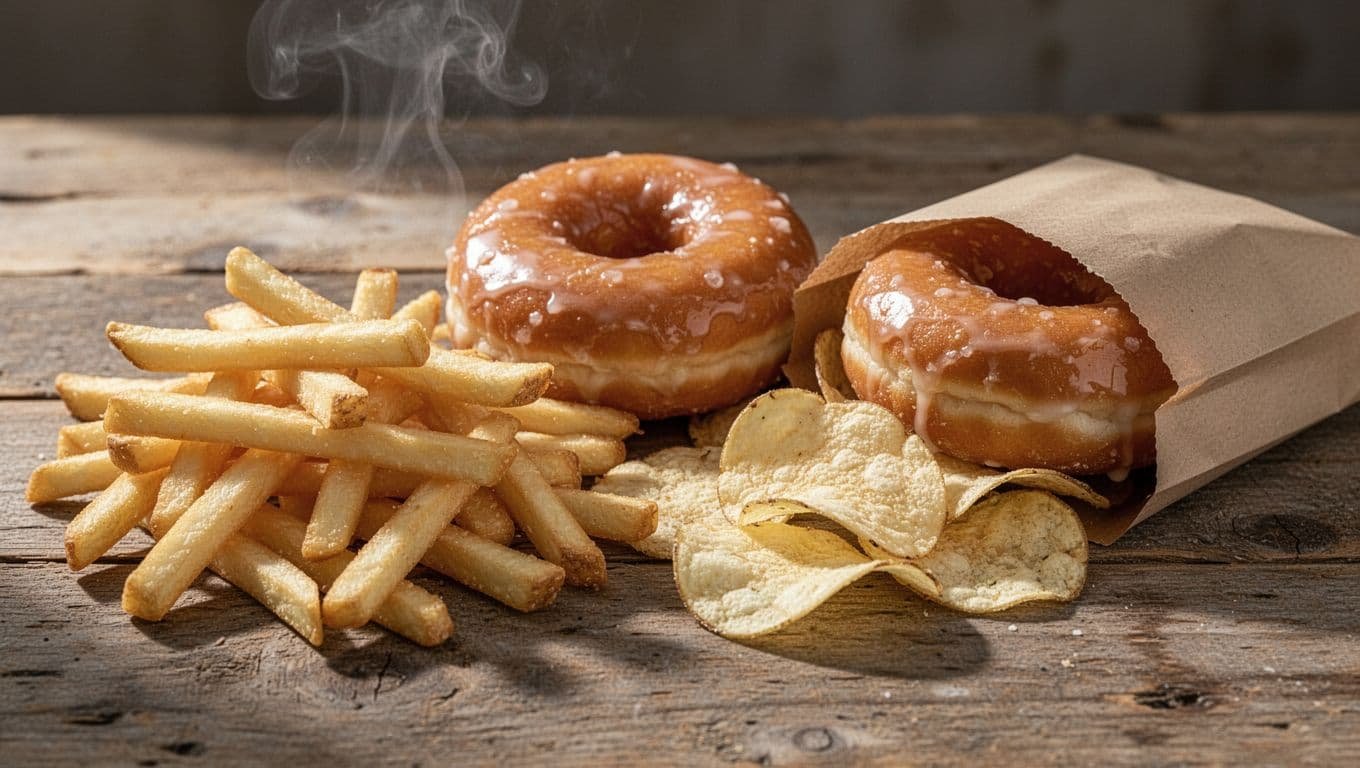
French Fries and Donuts That Derail Your Baby Plans
Fried foods pack trans fats that damage cells key to healthy eggs and sperm. Studies confirm this disruption to ovulation and sperm quality [1][4][5][7]. Inflammation from these fats weakens reproductive cells. Sperm motility drops, and eggs mature poorly.
Picture this: one serving of fast-food fries spikes trans fat intake enough to shift hormone levels. A Harvard analysis of fatty acids tied such intake directly to infertility odds. Donuts add the same punch. Skip them to protect your cells. Bake veggie fries with olive oil instead. You keep the crunch without the harm. Fertility improves as inflammation fades.
Chips and Crackers Draining Your Nutrient Reserves
Packaged snacks brim with trans fats and offer few nutrients. This combo causes hormone imbalance and cuts fertility [1][5]. Your body pulls from reserves to process them. That leaves less for reproductive health.
Guidelines from fertility experts highlight the drain. Trans fats promote estrogen swings, which delay ovulation. Sperm production suffers too because nutrients stay low. Readers who skip these see quicker cycles and stronger counts.
For example, a bag of chips daily adds empty calories and fats that block omega-3s. Ditch them for fresh veggies with hummus. The fiber and protein stabilize hormones. In addition, try nuts for sustained energy. Your chances rise when reserves rebuild.
Cakes and Cookies Spiking Blood Sugar Chaos
Baked goods mix trans fats with refined carbs. They trigger blood sugar swings that hurt egg and sperm health [1][6][7]. Insulin surges follow, stressing hormones needed for conception.
Research simplifies it: these foods lower egg quality and slow sperm as noted in sperm studies. One cookie serving can jolt levels enough to disrupt a cycle. Men notice weaker motility from the chaos.
However, you can swap easily. Choose fruit topped with yogurt. Natural sugars release steadily, so hormones stay even. This supports ovulation timing and sperm vigor. Better balance means higher odds each month.
Boozy Drinks and Sodas Slashing Your Conception Odds
Drinks seem harmless, but some slash your conception odds. Alcohol disrupts hormones even in small amounts. Caffeine over 200mg daily affects ovulation and sperm. Sugary sodas and energy drinks spike insulin, cutting motility by up to 33% in studies of thousands. These foods to avoid when trying to get pregnant include boozy cocktails, colas, and store juices. One daily soda drops women’s chances by 25%, men’s by more. Energy drinks hit hardest at 58% lower rates for heavy use. Both partners suffer because sperm quality falls and cycles irregular. Swap for herbal tea or water. Simple changes boost fertility fast.
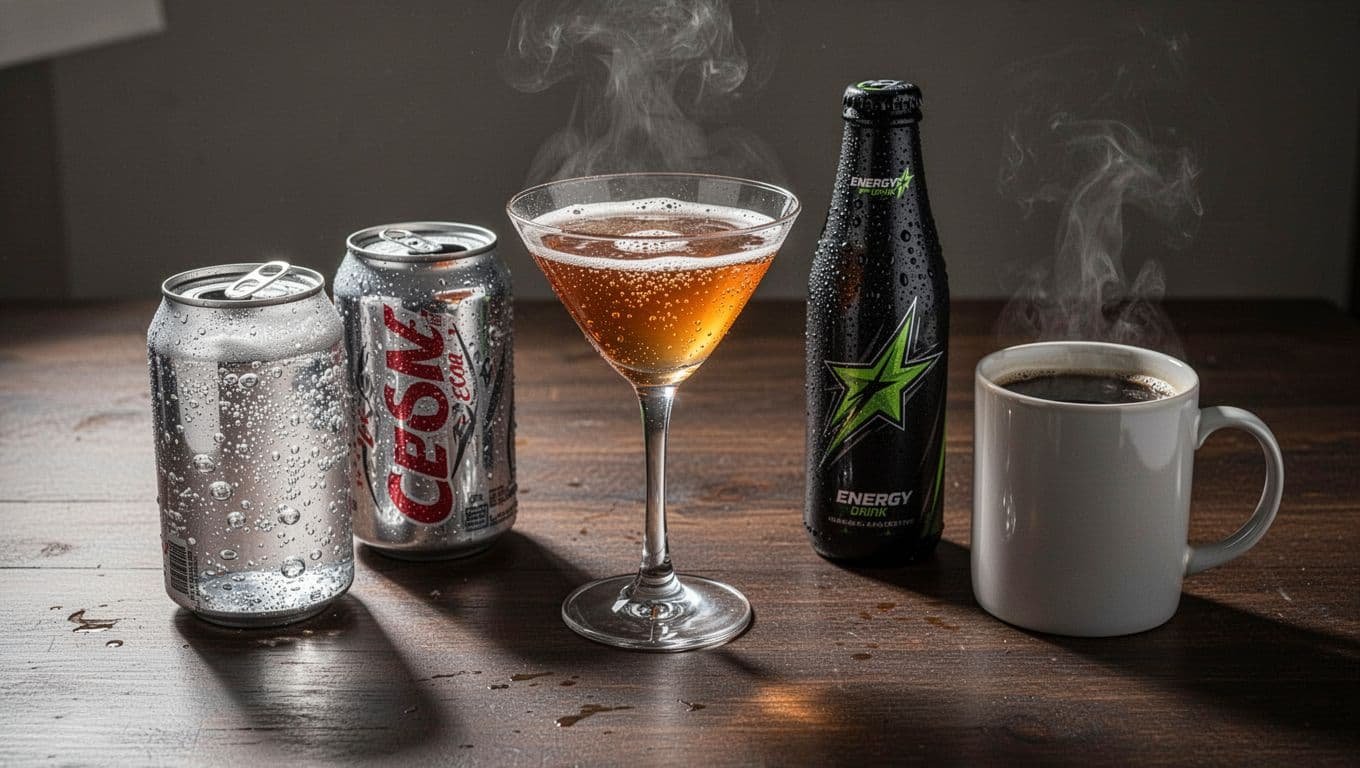
Alcohol in Any Form Messing with Your Hormones
Even 5+ drinks weekly harm ovulation in women and sperm in men. Studies show it lowers pregnancy odds by 7-9% during treatments [1][2][4][8]. Alcohol raises estrogen, delays cycles, and weakens swimmers. Men see count drops; women face anovulation. However, zero is best because effects build over time. You notice irregular periods or low energy first. Cut it now. Sparkling water with lemon mimics the fizz. Your hormones balance quicker, so conception improves. Both partners gain from this swap.
Too Much Coffee Slowing Down Conception
Over 200mg caffeine daily impacts hormones and slows conception [1][2][4][7]. That’s more than 1-2 cups. It stresses adrenals, disrupts estrogen, and cuts sperm motility. Women ovulate later; men produce fewer viable cells. Limit intake because moderation works. Decaf coffee keeps the ritual without harm. Add milk for creaminess. You feel steadier energy too. Studies confirm low doses stay safe, but excess hurts odds. Track your cups. Better balance means cycles align right.
Sodas and Energy Drinks Fueling Fertility Frustrations
Sugar-sweetened sodas link to 25-33% lower rates in big studies; energy drinks hurt motility most [5][6][7]. One daily serving drops chances. Sugar causes oxidative damage and insulin spikes. Sperm weakens; ovulation stalls. Energy drinks add caffeine overload. Thousands tracked showed clear ties, like this preconception cohort on sugary drinks. Ditch them because harm adds up fast. Infused water with cucumber refreshes instead. Flavor lasts, sugar crashes end. Fertility rebounds as inflammation fades.
Store-Bought Fruit Juices Tricking Your Insulin
Sweetened juices spike insulin, harming ovulation and sperm [5][6]. They pack hidden sugars like sodas. Blood sugar swings disrupt hormones needed for conception. Whole fruit releases slower with fiber. Juices lack that brake, so estrogen dips and testosterone falls in men. Stick to fresh pieces because processing strips benefits. Your body handles them better. Herbal tea adds variety without spikes. Insulin steadies, cycles normalize. Simple shift raises monthly odds.
Sugary Treats and Refined Carbs Throwing Off Your Hormones
Sugary treats and refined carbs count among the top foods to avoid when trying to get pregnant. They spike blood sugar fast. That triggers insulin surges, which build resistance over time. Insulin resistance disrupts ovulation in women and harms sperm quality in men.
Studies show high-glycemic diets cut conception odds by up to 60% compared to whole grains [2][3][4][6][7]. For example, a recent analysis of couples found higher glycemic loads slowed fertility for both partners. Meanwhile, steady blood sugar supports hormone balance. Swap these for low-glycemic options from our foods for blood sugar management. Simple changes make a difference.
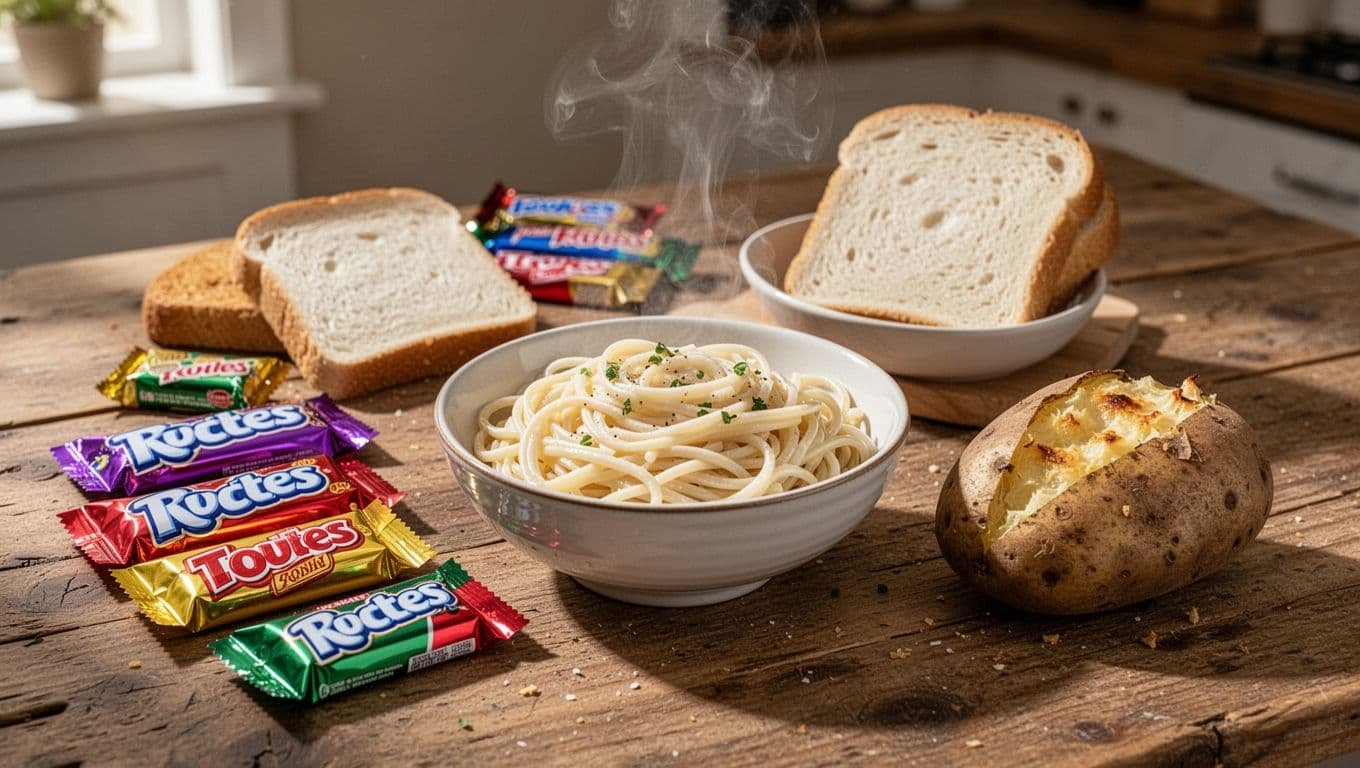
Candy and Desserts Leading to Ovulation Glitches
Candy and desserts pack pure sugar. They cause insulin resistance that hurts women and men alike [2][4][7]. Sharp spikes mess with estrogen and progesterone. Ovulation glitches follow, so eggs release late or not at all. Men face lower sperm counts because insulin throws off testosterone.
A Springer study on glycemic index links high intake to poorer fertility outcomes. You might crave that quick hit, but it backfires on conception. However, dark chocolate (70% cocoa or higher) swaps in nicely. It satisfies without the crash. Add berries for extra antioxidants. Hormones stabilize, and odds improve each cycle.
White Bread Swapping Fertility for Quick Energy
White bread digests fast. Refined carbs like it spike insulin and lower conception odds [3][6][7]. Blood sugar crashes leave hormones unbalanced. Women ovulate irregularly; men see weaker sperm motility. Whole grains release energy slowly, so they boost fertility instead.
Research confirms this shift raises success rates. For instance, swap a sandwich for quinoa salad. Fiber keeps insulin steady. In addition, pair with protein like eggs. You avoid the energy dip. Cycles normalize because resistance fades. Both partners benefit from this easy change.
White Pasta and Potatoes Overloading Your System
White pasta and potatoes load 40g+ carbs per serving. They unbalance hormones through constant spikes [3][6][7]. Insulin overload stresses the body, delaying ovulation and cutting sperm quality. Portion control helps; limit to half cups cooked.
Better yet, sweet potatoes swap in with more fiber and nutrients. Bake them whole for steady release. Studies back lower-glycemic choices for better fertility. Meanwhile, add veggies to plates. This curbs overload. Your system resets, so conception flows smoother. Track portions daily for quick wins.
Processed Meats, Red Meat, and Risky Cheeses Harming Sperm and Eggs
Processed meats, red meat, and certain cheeses top the list of foods to avoid when trying to get pregnant. They harm sperm count and motility more than fish does, according to studies [2][4][6][7]. Heavy intake adds inflammation and toxins that burden egg quality too.
Men see lower swimmers; women face hormone shifts. Meanwhile, soft cheeses bring listeria risks that threaten miscarriage [8]. Both partners should cut back because effects hit fertility hard. Swap for fish or plant proteins like lentils. Those choices support better counts and safer pregnancies. Simple changes make odds rise fast.
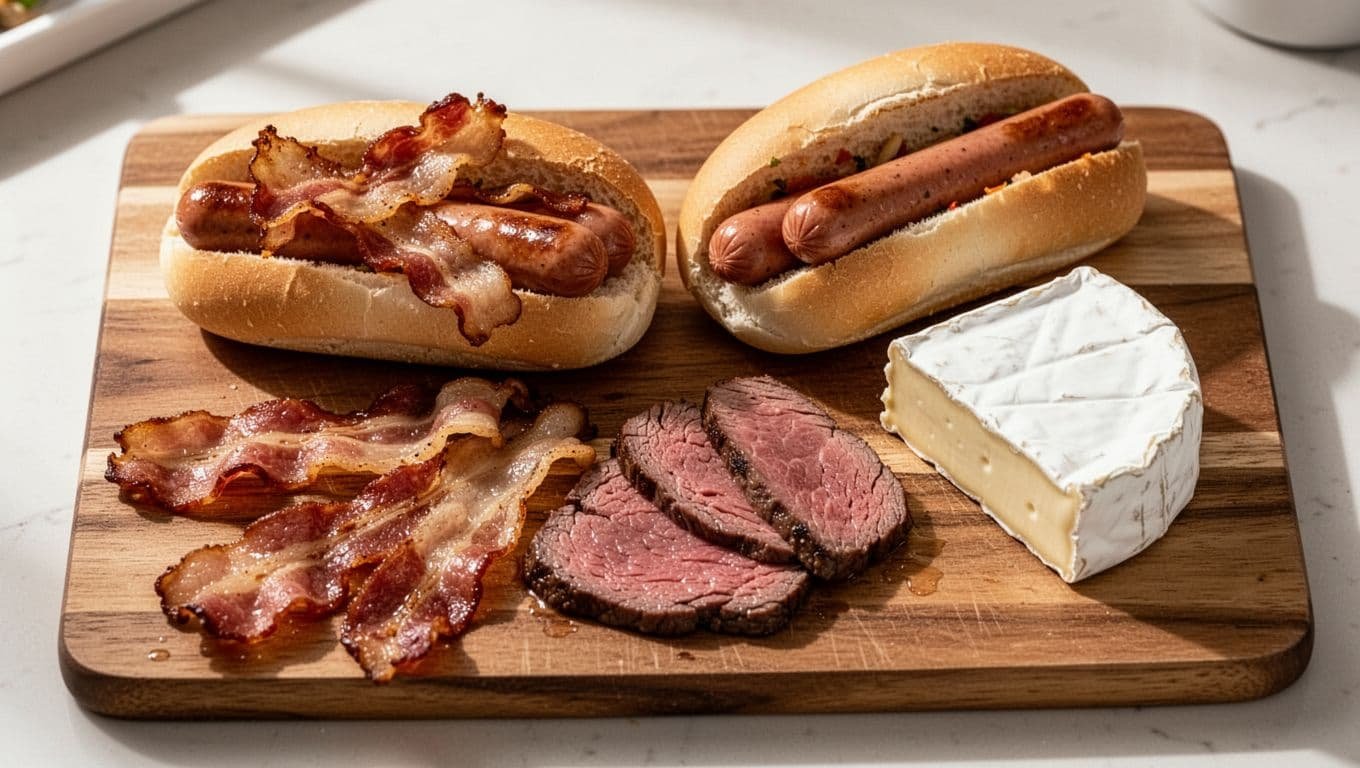
Bacon, Hot Dogs, and Sausages Cutting Sperm Quality
Bacon, hot dogs, and sausages lower sperm count and motility, studies confirm [2][4][6][7]. Men at fertility clinics ate more processed meats and showed worse semen indicators. Fish intake boosted quality instead. These meats pack nitrates and preservatives that spark oxidative stress. Sperm weakens as a result. For example, one study of 155 men linked higher portions to poorer results. Cut them out because harm builds quickly. Grill salmon or try anti-inflammatory lentil stews. You get protein without the damage. Motility improves, so conception chances grow.
Too Much Beef or Steak Burdening Fertility
Excess beef or steak harms eggs and sperm through inflammation [6][7]. Red meat overload stresses hormones and slows development. Moderation keeps risks low; aim for small servings weekly. Studies tie high intake to lower fertility rates in couples. Beef adds heme iron that promotes oxidation in reproductive cells. Women ovulate less smoothly; men produce fewer viable sperm. Balance plates with veggies instead. Choose turkey or beans for iron. Your body handles them better. Fertility rebounds as inflammation drops.
Soft Cheeses Like Brie Posing Miscarriage Threats
Soft cheeses like brie carry listeria if unpasteurized [8]. This bacteria thrives in fridge temps and hits pregnant women hard. It raises stillbirth odds to 25%. Symptoms mimic flu, but risks grow fast. FDA warns against them because germs cross the placenta. Pasteurized hard cheeses stay safe. Swap brie for cheddar or yogurt. Heat deli meats too if needed. You avoid threats while keeping dairy. Healthy swaps protect early pregnancy stages.
Conclusion
You started this journey facing stalled conception despite your best efforts. Now you know the 15 foods to avoid when trying to get pregnant, from fried snacks and sugary sodas to processed meats and refined carbs. Ditching them cuts ultra-processed intake that slashes odds by 60%, as recent studies confirm. Hormones balance, ovulation steadies, and sperm strengthens as a result.
Both partners win big here. Switch to whole foods like fresh veggies, nuts, low-mercury fish, and plant proteins such as lentils. These choices rebuild reserves and lower inflammation fast.
Track your diet for the next month. Chat with your doctor about next steps. Share this post with your partner or a friend trying too.
That positive test draws closer with every smart swap. Your family-building path just got brighter.
Save the pin for later

- Healthy Air Fryer Recipes for Beginners - 21/09/2026
- Healthy Snacks for Late Night Cravings - 21/09/2026
- High Protein Meal Prep Ideas for Easy Weekly Meals - 21/09/2026

