Dealing with intense menstrual cramps often feels like an impossible hurdle, turning your regular routine into a struggle. If you are tired of the recurring discomfort, you are not alone; many women experience this same monthly frustration.
This guide provides practical, evidence-based advice on how to manage period pain naturally, helping you reclaim your comfort and daily schedule. By integrating these simple adjustments into your life, you can significantly reduce the impact of cramps and better support your body.
Keep reading to learn exactly how to manage period pain naturally and regain control of your cycle.
What period pain is
Understanding the physical reality of your cycle is the first step toward effective relief. Medically known as dysmenorrhea, period pain is far more than just a passing annoyance. It is a physiological response triggered by your body as it prepares to shed the uterine lining.
The chemical triggers of cramps
When you experience those familiar aches, your body is producing hormone-like substances called prostaglandins. These chemicals cause the muscular wall of your uterus to contract, which helps push out the lining during your period. While these contractions are a normal part of the process, high levels of prostaglandins can lead to intense cramping. You can find detailed information on these mechanisms through Cleveland Clinic’s overview of dysmenorrhea.
Primary versus secondary pain
Not all discomfort originates from the same source, which is why identifying the nature of your pain matters. Medical professionals often categorize this experience into two distinct types:
- Primary dysmenorrhea: This is the most common form of period pain. It occurs without any underlying pelvic disease and is typically driven by the natural, prostaglandin-induced contractions of your uterus.
- Secondary dysmenorrhea: This type of pain stems from an underlying medical condition, such as endometriosis or uterine fibroids. Because these issues often require specific medical intervention, it is important to recognize when your symptoms might indicate something beyond standard menstrual cycles.
How your body reacts
Beyond the localized cramping, these hormonal shifts often create a ripple effect throughout your system. You might notice secondary symptoms like nausea, headaches, or digestive changes during the first few days of your cycle.
These reactions happen because prostaglandins don’t just stay in the uterus; they can circulate and affect other smooth muscles in your body.
Knowing that these symptoms are a recognized part of how to manage period pain naturally can provide some reassurance when you are navigating a difficult cycle. For further insight into these symptoms, you can read MedlinePlus details on menstrual cramps.
Common causes of period pain
While prostaglandins often take the blame for menstrual discomfort, your body’s reaction to your cycle is rarely tied to a single factor. Understanding the underlying influences can help you figure out how to manage period pain naturally by addressing the root of the problem rather than just the symptoms.
Structural influences on discomfort
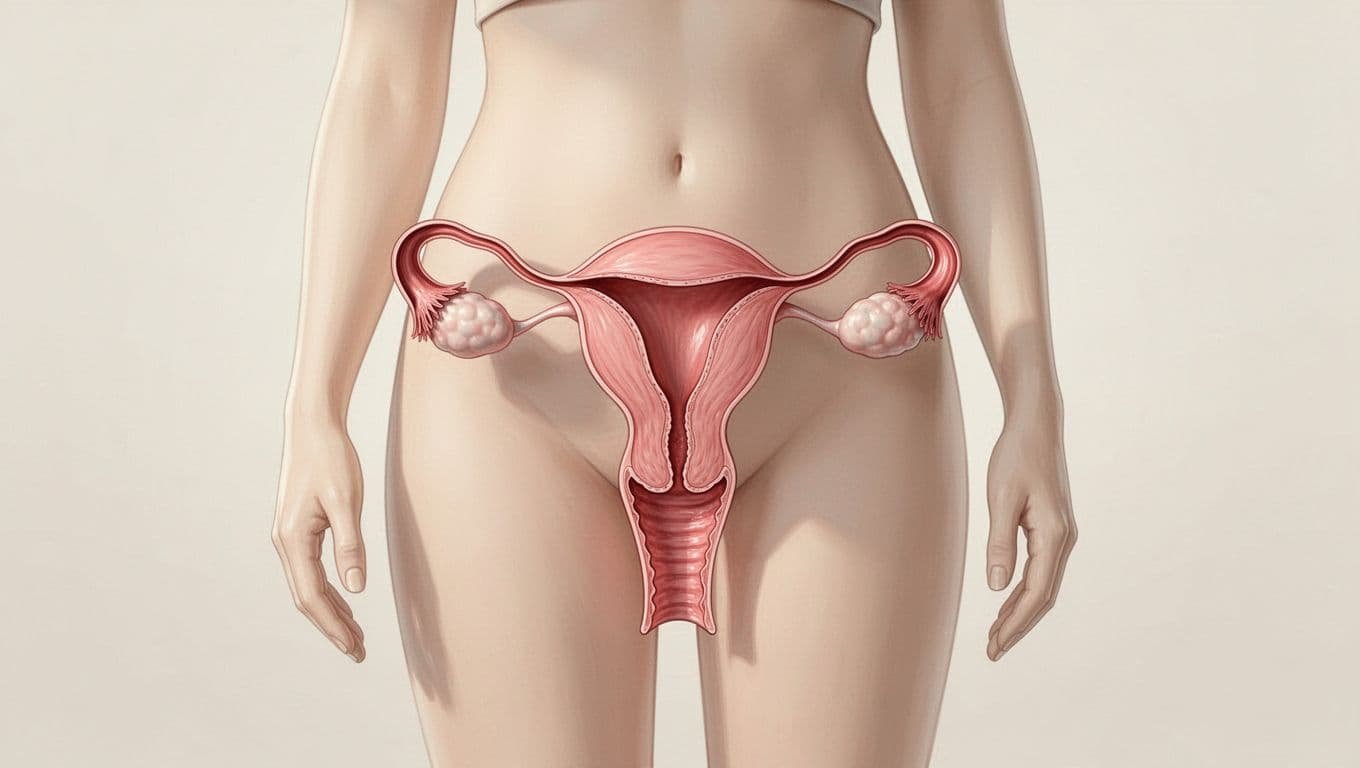
Sometimes, the source of pain lies in the physical structure of your reproductive system. Conditions like endometriosis or adenomyosis cause tissue to grow in places it shouldn’t, which often results in heightened sensitivity and chronic inflammation during your cycle. Similarly, uterine fibroids—non-cancerous growths on the uterine wall—can press against nerves or obstruct blood flow. If you suspect structural issues are contributing to your discomfort, it is helpful to start recognizing hormonal imbalances or other indicators that warrant a conversation with your healthcare provider.
The role of lifestyle and inflammation
Beyond anatomy, your daily habits significantly affect how you feel during your period. Inflammation is a major player in menstrual pain, and your diet can either calm or aggravate your system. Foods high in omega-6 fatty acids, often found in processed oils, can actually provide the building blocks your body uses to create pro-inflammatory compounds. By adjusting your eating habits to support your hormones, you can often reduce the baseline inflammation that makes cramps worse.
Several lifestyle factors commonly intensify menstrual pain:
- Chronic stress: High levels of cortisol can promote the production of inflammatory chemicals, keeping your system on high alert.
- Nutritional gaps: Anemia or low levels of specific nutrients can make your body more sensitive to physical stress during your cycle.
- Smoking: This habit is well-documented as a factor that can increase the intensity of primary dysmenorrhea.
- Age and onset: Having a cycle that began before age twelve or experiencing long, heavy periods can influence your sensitivity to pain.
When you look at your cycle through this lens, it becomes clear that managing discomfort is often about more than just a quick fix. By identifying whether your pain is driven by inflammatory habits or structural conditions, you gain the clarity needed to choose the most effective approach for your body.
Use a heating pad or warm compress
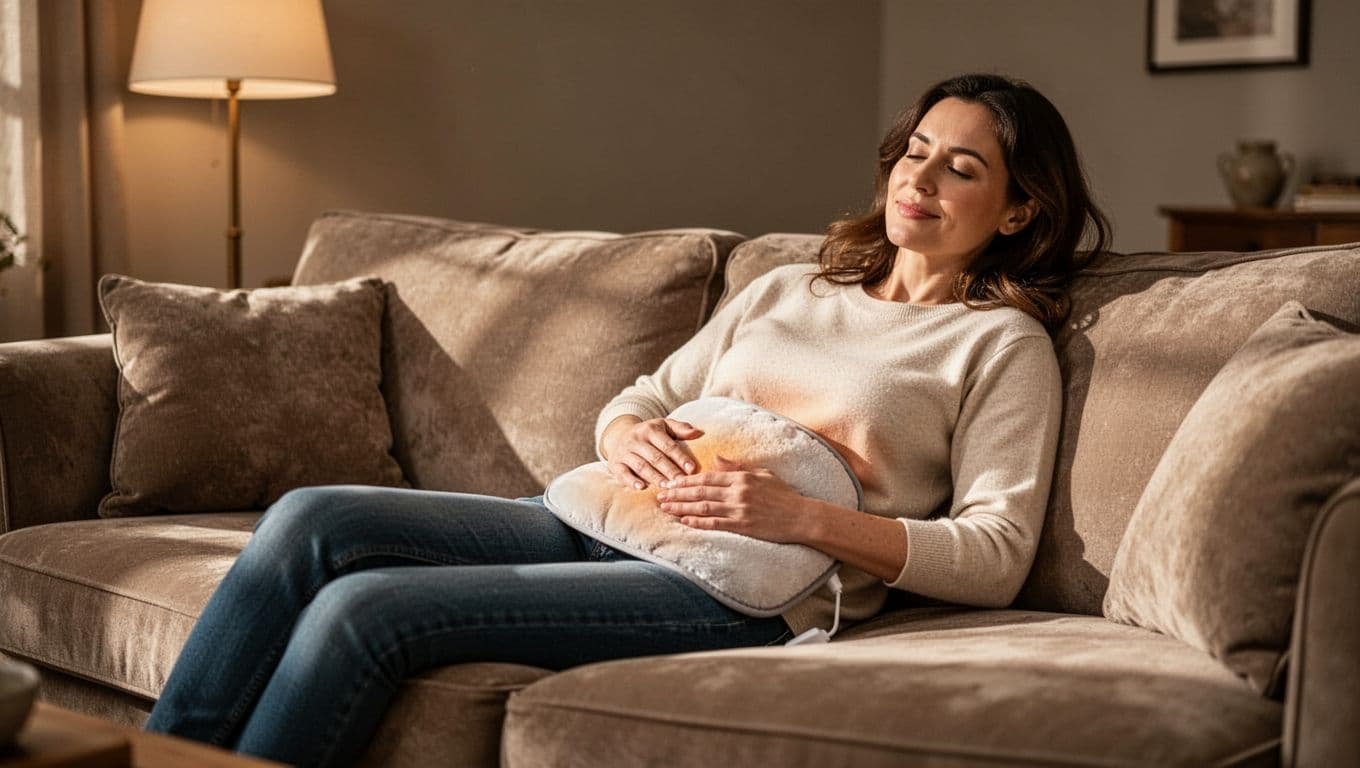
When you are looking for how to manage period pain naturally, heat therapy is often one of the most effective and accessible tools in your kit. Applying consistent warmth to your lower abdomen helps relax the contracting uterine muscles that cause those deep, aching cramps. By improving local circulation and soothing muscle tension, heat works to calm the physical distress often associated with your cycle.
Why heat works for relief
Heat therapy serves as a simple, non-drug intervention that many find comparable to over-the-counter medications for easing discomfort. Scientific reviews have shown that applying heat to the abdominal area can significantly reduce the intensity of pain during the first few days of your cycle.
Because it addresses the physical source of the ache by helping muscles release their tension, it is widely considered a first-line approach for primary dysmenorrhea. For those interested in the underlying research, you can explore a systematic review of heat therapy and its effects on menstrual discomfort.
How to apply heat effectively
Consistency is key when using warmth to manage your symptoms. You do not need expensive equipment to get these benefits, as a simple hot water bottle or an electric heating pad works perfectly. If you are at work or on the go, adhesive heat patches are a discreet option that stays warm for several hours.
Follow these simple guidelines for the best results:
- Maintain a comfortable temperature: Aim for a steady, gentle warmth between 40 and 45 degrees Celsius.
- Set a timer: Apply the heat for 15 to 20 minutes per session to allow your muscles to relax without irritating your skin.
- Protect your skin: If you use a hot water bottle, wrap it in a thin tea towel to ensure the heat remains comfortable and safe.
- Target the right areas: Focus on the lower abdomen where the cramping is most concentrated, though applying warmth to your lower back can also help if you experience radiating tension.
While heat is excellent for uterine cramps, you might find that other natural remedies complement this relief. For instance, incorporating specific foods that ease abdominal discomfort can help settle your digestive system, which often feels more sensitive during your period.
Remember that heat is a tool to support your body, so give yourself permission to rest while the warmth does its work. You can learn more about the specific benefits of this approach through expert insights on heat therapy to understand why it remains a standard recommendation for so many women.
Try gentle exercise
It often feels counterintuitive to move your body when you are dealing with painful cramps, but light activity is a powerful tool to help you find relief. Exercise increases blood flow to your pelvic area, which helps your muscles relax and eases the intensity of contractions.
By gently moving your body, you also stimulate the release of endorphins, your system’s natural pain-relieving chemicals. When you need to know how to manage period pain naturally, think of movement as a way to support your body rather than a rigorous workout session.
Choose the right movement
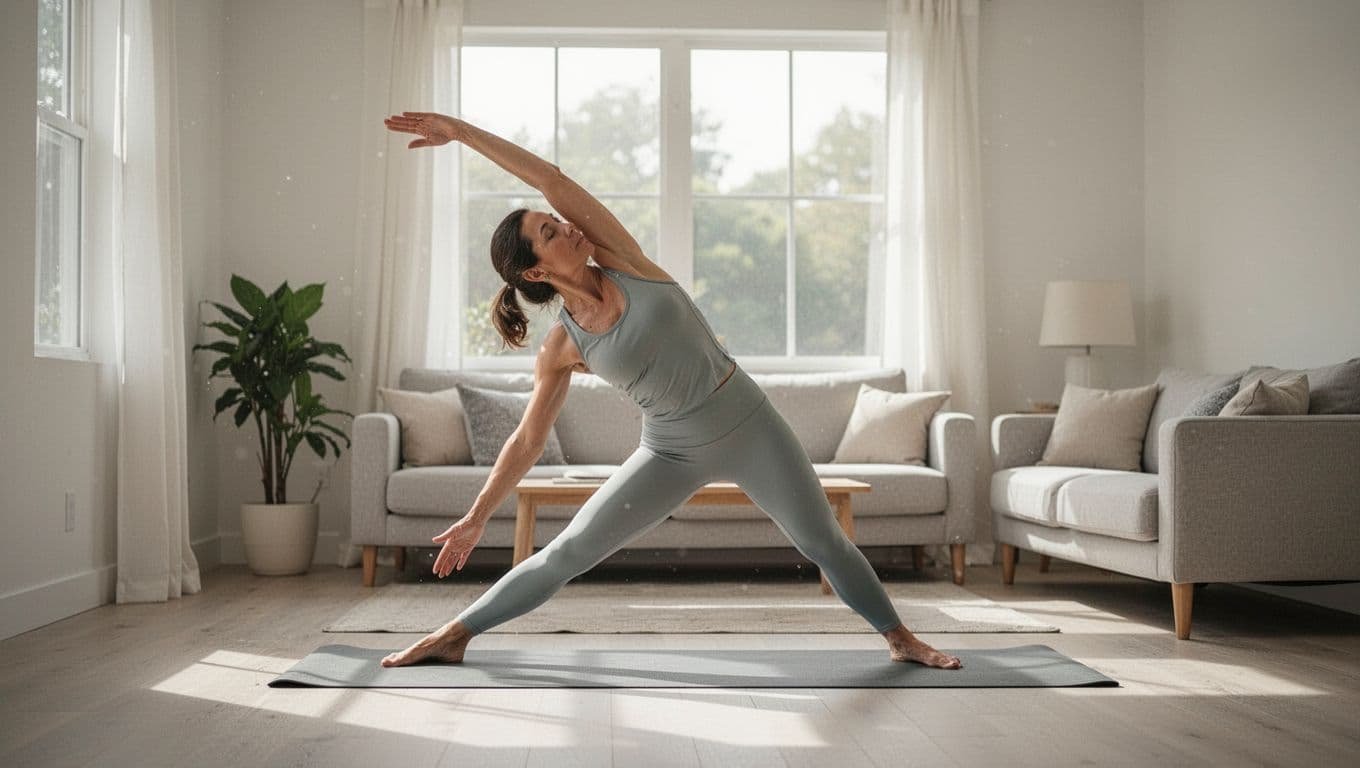
You do not need an intense session at the gym to see results. The goal is to encourage circulation without overtaxing your system. Simple, low-impact activities are often the best ways to reduce period pain. For example, a slow-paced walk through your neighborhood can provide enough motion to ease tension without leaving you drained.
If you are looking for specific movements, consider these gentle options:
- Yoga stretches: Poses like child’s pose or cat-cow help release tension in your lower back and abdomen.
- Walking: A steady, relaxed pace promotes blood flow and clears your head without increasing your cortisol levels.
- Swimming: If you have access to a pool, the buoyancy helps take the pressure off your muscles, providing a soothing environment for your body.
If you are curious about why this helps, research highlights the role of exercise in menstrual relief as a valid way to address your symptoms. Remember that your energy levels shift throughout your cycle, so you should focus on balancing exercise with your menstrual cycle rather than forcing yourself into a rigid routine.
Listen to your body
Respect your limits when you choose to move. If you feel tired or if your pain is particularly intense, opt for deep breathing or restorative stretching instead of aerobic exercise.
The point is to feel better, not to exhaust yourself. Avoid pushing through pain, as intense workouts can sometimes keep stress hormones elevated when you are already feeling run-down.
If you want to refine your approach, learn more about avoiding exercise burnout during menstruation to keep your cortisol steady while still getting the benefits of movement. Ultimately, finding the right balance of activity is a key part of learning how to manage period pain naturally.
Drink enough water
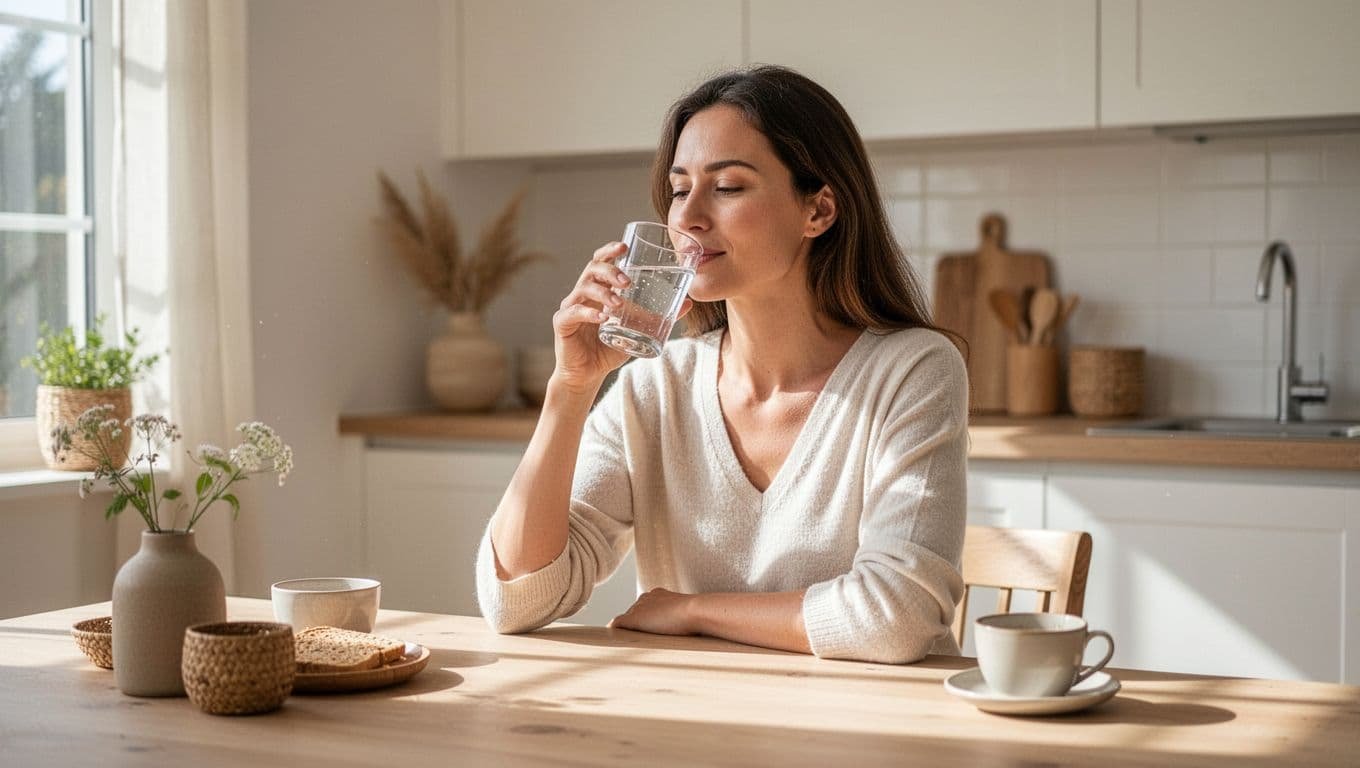
Staying properly hydrated is one of the simplest ways to support your body during your cycle. While water might seem too basic to make a difference, it plays a vital role in how you process physical discomfort. When you maintain consistent hydration, you help your body manage fluid retention and reduce the internal pressure that often intensifies monthly cramping.
hydration matters for cramps
When you do not drink enough water, your body holds onto existing fluids to compensate, leading to uncomfortable bloating. This swelling places extra pressure on your abdomen, which often makes your uterine contractions feel sharper and more painful.
Scientific research suggests that keeping your intake between 1.5 and 2 liters daily can actually decrease the duration of bleeding and lower the intensity of pain.
By keeping your system flushed and efficient, you provide your body with the resources it needs to handle hormonal fluctuations with less stress. For a deeper look at how this habit influences severity, you can review a study on the role of water intake.
Practical ways to increase your intake
Focusing on how to manage period pain naturally means looking at your daily habits with a fresh perspective. If you find plain water unexciting, try incorporating warm options like herbal teas, which provide both hydration and calming properties.
Swapping out caffeinated or sugary beverages for these healthier choices prevents the dehydration those drinks often cause. Since choosing healthy alternatives to sugary beverages supports overall wellness, this small shift pays off throughout your entire cycle.
Follow these simple tips to stay consistent:
- Keep a reusable bottle at your desk or in your bag as a visual reminder to take small sips throughout the day.
- Try drinking warm water, as it promotes better blood flow and helps relax your muscles more effectively than cold water.
- Track your progress if you often forget; even a simple app or a marked bottle helps you reach the goal of 1.5 to 2 liters.
- Limit high-sodium foods, as they work against your hydration efforts by forcing your body to retain even more fluid.
While water is not a complete cure for every symptom, it is a foundational habit that makes other strategies, like heat therapy or gentle movement, much more effective. When you keep your body hydrated, you are better equipped to deal with the physical demands of your period, allowing you to focus on your day rather than your discomfort.
Eat foods that may help ease pain
What you put on your plate significantly influences how your body responds during your cycle. Since inflammation often triggers more intense cramps, choosing the right ingredients can make a genuine difference in your comfort. By focusing on nutrient-dense options, you provide your system with the building blocks it needs to manage pain and reduce bloating naturally.
Prioritize anti-inflammatory nutrients
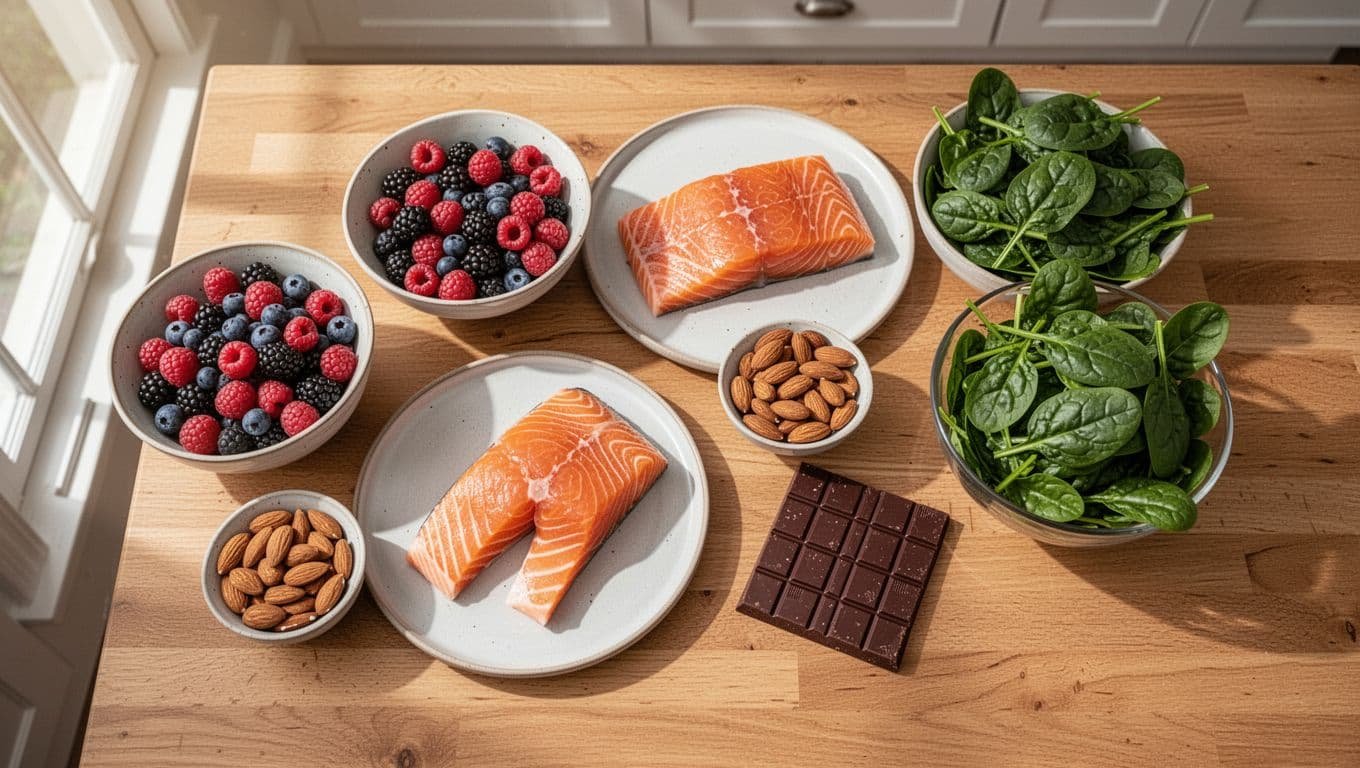
To understand how to manage period pain naturally, look for foods that help keep inflammation low. Omega-3 fatty acids, for instance, are stars for this purpose. You can easily add more to your week by incorporating fatty fish like salmon or mackerel into your meals.
If you prefer plant-based sources, reach for walnuts, chia seeds, or flaxseeds. These ingredients help lower the production of prostaglandins, which are the hormone-like compounds responsible for those painful uterine contractions.
Beyond healthy fats, minerals like magnesium and calcium play a quiet but vital role in keeping your muscles relaxed. Magnesium helps soothe the tension in your uterus, while calcium can curb that heavy, bloated feeling that often accompanies cramps.
Dark chocolate with a high cocoa content is a perfect treat that provides a boost of magnesium, while leafy greens like spinach or kale offer plenty of calcium. For more guidance on using diet to steady your system, you can explore nutritional support during perimenopause for similar principles that apply to general hormonal wellness.
Foods to focus on for relief
Building a supportive meal plan is simpler than you might think. Focus on filling your plate with whole, unprocessed foods that sustain your energy rather than spiking your blood sugar. High-sugar snacks and refined grains often cause inflammation to flare, which is the last thing you want when you are already in pain. Instead, lean into these options:
- Fresh fruits and vegetables: Berries are packed with antioxidants that combat oxidative stress, while vegetables provide essential vitamins.
- Legumes and nuts: These offer a steady source of fiber and magnesium, keeping your digestion smooth and your muscles calm.
- Healthy fats: Incorporating seeds or fish regularly helps your body maintain a balanced inflammatory response.
If you are curious about specific food combinations, you can see what to eat during your period to help minimize your symptoms. By prioritizing these nutrient-rich choices, you take a proactive step in helping your body navigate your cycle with less discomfort.
You might also find helpful, evidence-based details on using foods against menstrual pain to further refine your approach. Remember, the goal is not perfection, but rather consistent, gentle support for your body’s unique needs. For more ideas on effective dietary adjustments, 13 foods that help with period cramps offers additional insight into how specific items can directly impact your monthly experience.
Take over-the-counter pain relief if needed
When natural methods aren’t enough to curb the intensity of your cycle, over-the-counter options can provide the relief you need to function. Identifying the right medication allows you to address the discomfort at its source, helping you move past the pain and get back to your day.
Why anti-inflammatory medication is often the first choice
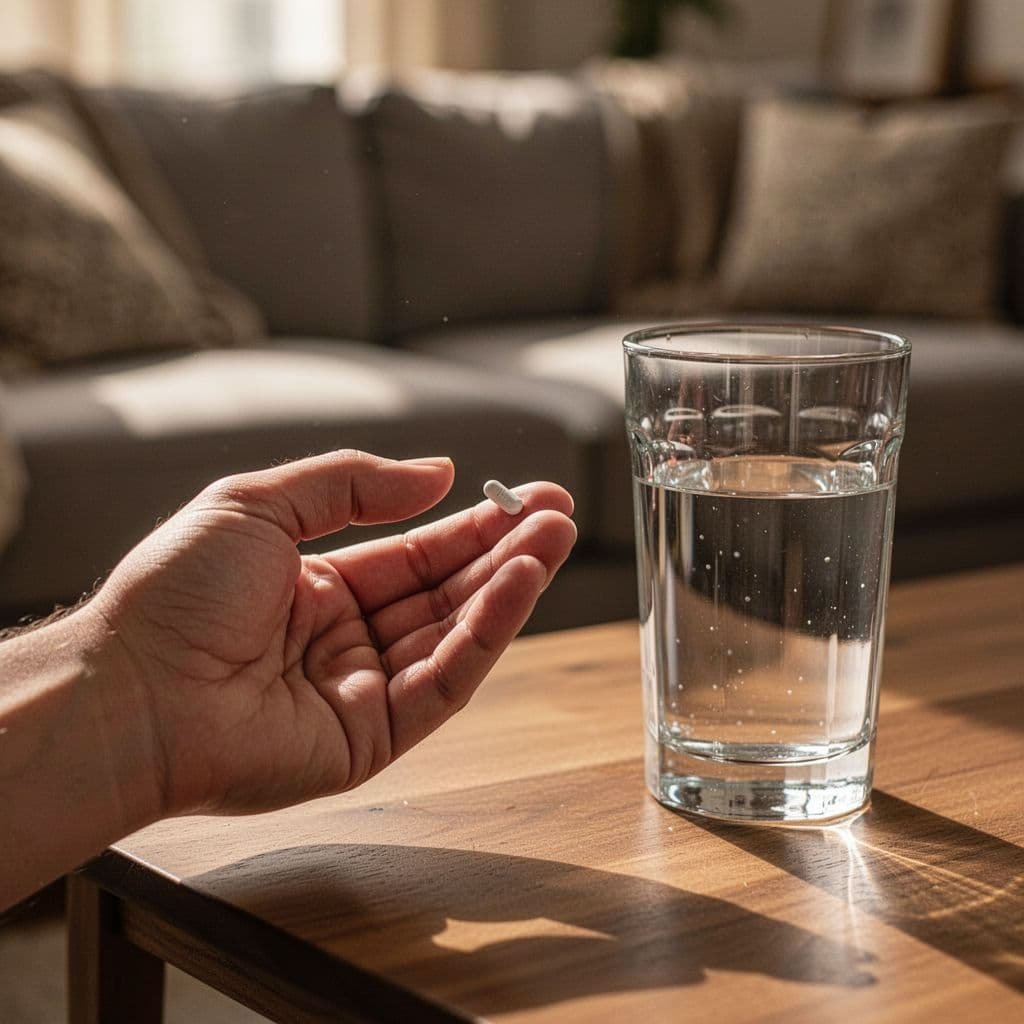
Because prostaglandins are the primary drivers of uterine contractions, targeting these chemicals directly is the most effective way to manage period pain. Non-steroidal anti-inflammatory drugs, commonly known as NSAIDs, work by blocking the production of these inflammatory compounds. Unlike pain relievers that only mask symptoms in the brain, NSAIDs address the actual cause of the cramping, which often leads to more complete relief.
Medical guidance suggests that NSAIDs, such as ibuprofen or naproxen sodium, are typically more effective than acetaminophen for menstrual discomfort. By reducing the overall level of prostaglandins, these medications help lower the intensity and duration of your cramps. You can find detailed breakdowns of these options in this comparison of OTC medicines to help you decide what suits your needs.
Using medication effectively
Timing is just as important as the medication itself. Many people find the best results by taking their first dose the day before their period begins, or as soon as they notice the earliest signs of cramping. This early intervention prevents a buildup of prostaglandins, keeping the pain from reaching an unmanageable level.
Consider these practical tips for safer, more effective use:
- Follow the label instructions: Always stick to the recommended dosage and frequency provided on the bottle or by your pharmacist.
- Take with food: To protect your stomach lining, take your NSAID with a small snack or a glass of milk.
- Know your alternatives: If you have allergies, asthma, or a sensitive stomach, acetaminophen remains a standard second-line option for menstrual pain management that avoids the risks associated with NSAIDs.
- Understand combination products: Some medications specifically formulated for periods include caffeine or diuretics to help with bloating and fatigue, which may offer more comprehensive symptom relief.
It is always smart to keep a record of what works best for your body, as everyone responds to different active ingredients in unique ways. If you are ever unsure about drug interactions or safety, especially regarding what pain relievers are safe to use when pregnant, always consult your healthcare provider before introducing a new medication to your routine. While medication is a helpful tool, using it alongside other lifestyle changes ensures you are taking a well-rounded approach to your health.
Rest and manage stress
Your body undergoes significant physiological changes during your cycle, and these shifts often leave you feeling more sensitive to external pressures. When you are chronically stressed, your system releases cortisol, which can amplify the inflammatory response that drives painful cramping.
Learning how to manage period pain naturally involves recognizing that your mental state is just as important as physical interventions. Prioritizing rest during these few days allows your body to dedicate its energy toward recovery instead of fighting constant tension.

The physical impact of stress
Stress keeps your body in a state of high alert, which keeps your muscles—including those in your uterus—tense and contracted. This persistent tightness often turns a standard, manageable period into a significantly more painful experience.
Because high stress levels lower your natural pain threshold, you may notice that even minor cramping feels sharper and more difficult to ignore. You can find more information on how these biological reactions function by looking at how stress affects your cycle.
Simple ways to calm your system
Taking small, intentional steps to lower your heart rate can provide meaningful relief. You do not need to overhaul your entire schedule to see results; simply integrating a few minutes of quiet into your day helps signal to your nervous system that it is time to shift out of “fight or flight” mode.
Consider these accessible strategies to help you relax:
- Practice deep breathing: Spend three to five minutes focusing on a rhythmic pattern, such as inhaling for five seconds and exhaling for five seconds.
- Try restorative movement: Gentle yoga poses help release physical tension in the back and pelvic region. Research into the role of yoga for anxiety and pain highlights how these practices support comfort during your cycle.
- Prioritize sleep: Your body repairs itself most effectively while you rest, so aim for an earlier bedtime when you are feeling the most drained.
- Create a peaceful environment: Use calming scents like lavender or simply turn off bright overhead lights to minimize sensory input.
Listen to your needs
Managing your period pain often requires giving yourself permission to slow down. If you notice that your stress levels spike during certain times of the month, plan for extra downtime during those days.
This approach is not a sign of weakness; it is a practical way to support your hormonal health. By choosing to step back when you need it most, you make it easier for your body to handle the natural fluctuations of your cycle. You might find it helpful to monitor these patterns and adjust your activity levels accordingly, as this proactive awareness is a foundational part of learning how to manage period pain naturally.
When to see a doctor
While most menstrual discomfort is a standard part of your cycle, there are times when your body sends signals that require professional attention. Learning how to manage period pain naturally is an empowering first step, but it is not a substitute for medical guidance when your symptoms change or become severe. Recognizing the signs that warrant a visit to your healthcare provider helps you stay in charge of your long-term health.
Recognizing warning signs
Your experience is the best indicator of what is normal for your body. If you notice a sudden shift in your cycle, it is helpful to document these changes and discuss them with a professional. You should reach out to your doctor if you experience any of the following:
- Pain severity: You feel sharp, intense pain that prevents you from completing your daily activities or keeps you from work or school.
- Progressive worsening: Your cramps become significantly more painful, heavier, or more irregular over the course of two or three months.
- Medication failure: You find that standard, over-the-counter pain relief no longer provides the support you need to function.
- New onset: You begin experiencing severe menstrual cramps for the first time after age 25.
- Non-menstrual discomfort: You feel pain during sex, while using the bathroom, or at times when you are not on your period.
For a clearer understanding of when your symptoms might point toward conditions like endometriosis or fibroids, you can check signs you need to see a doctor for more context.
Knowing when to seek urgent care
Some situations require immediate medical assessment rather than a routine appointment. If you experience heavy bleeding that forces you to change your sanitary protection every hour, or if you pass large blood clots, do not wait to seek help. Additionally, if your period pain is accompanied by fever, sudden chest pain, or trouble breathing, or if you feel faint, contact a healthcare professional right away.
Remember that taking care of your health includes knowing when to ask for help. If you have been trying to manage your symptoms through natural methods for several months without success, a doctor can help rule out underlying issues.
If you are also interested in tips for getting pregnant naturally or identifying structural concerns, a professional can provide the clarity and diagnostic support your body deserves. Your comfort is worth the effort, so always prioritize your long-term well-being over waiting for symptoms to resolve on their own.
Conclusion
Effectively managing your cycle involves finding the right rhythm between soothing physical habits and supportive daily choices. Whether you rely on targeted heat, gentle movement, or specific dietary shifts to calm inflammation, the most effective approach is the one that allows you to move through your day with comfort.
You don’t need to try every strategy at once. Start by picking one or two methods that feel most manageable and pay attention to how your body responds over the coming months. If you find yourself needing tips for a healthy pregnancy or other related hormonal guidance later, know that your baseline health is built on these small, consistent actions.
Finding your ideal combination of remedies is a journey toward better menstrual health. Trust your body, listen to what it needs during these days, and remember that you deserve to feel balanced throughout every phase of your cycle.
Save the pin for later

- Healthy Air Fryer Recipes for Beginners - 21/09/2026
- Healthy Snacks for Late Night Cravings - 21/09/2026
- High Protein Meal Prep Ideas for Easy Weekly Meals - 21/09/2026

