Disclosure: As an affiliate, I may earn a commission if you purchase through my links, at no extra cost to you.
Picture this: it’s 10 p.m., your exam is tomorrow, and panic hits because you haven’t touched your notes in weeks. Your heart races, coffee flows, and you pull an all-nighter cramming random pages. Sound familiar? That approach wrecked my grades until I switched to smarter tactics.
Now, you can turn it around too. Check out my Night Before Exam: What To Do e-book, your perfect companion for last-minute wins. It breaks down exactly what works, based on the latest 2026 research showing active recall and sleep boost scores more than endless grinding.
Recent studies confirm why this beats all-nighters: your brain needs rest to lock in info, plus short bursts with breaks keep focus sharp. You’ll cover how to study a day before the exam through smart planning, quizzing yourself, timed rests, brain-boosting meals, and solid shut-eye. For even deeper review tricks without burnout, grab my Review Before an Exam Without Cramming e-book.
Meanwhile, watch this quick video on how to cram the right way for extra tips. If stress or procrastination creeps in, my e-books on overcoming procrastination, stopping overthinking, and mastering stress have your back. Students love the study hacks and timetable templates too.
Ready for the full day’s blueprint? Let’s dive into step one: crafting your quick-win plan.
Figure Out Your Weak Spots and Build a Quick Study Plan
You start here because blind cramming wastes time. First, pinpoint your gaps fast. This lets you target weak spots and skip what you already know. Recent tips from 2026 highlight blurting and active recall to spot issues quickly. You’ll build a plan in under 30 minutes. For a full blueprint, grab my Night Before Exam: What To Do e-book. It includes templates to make this effortless.
Quick Ways to Spot What You Don’t Know
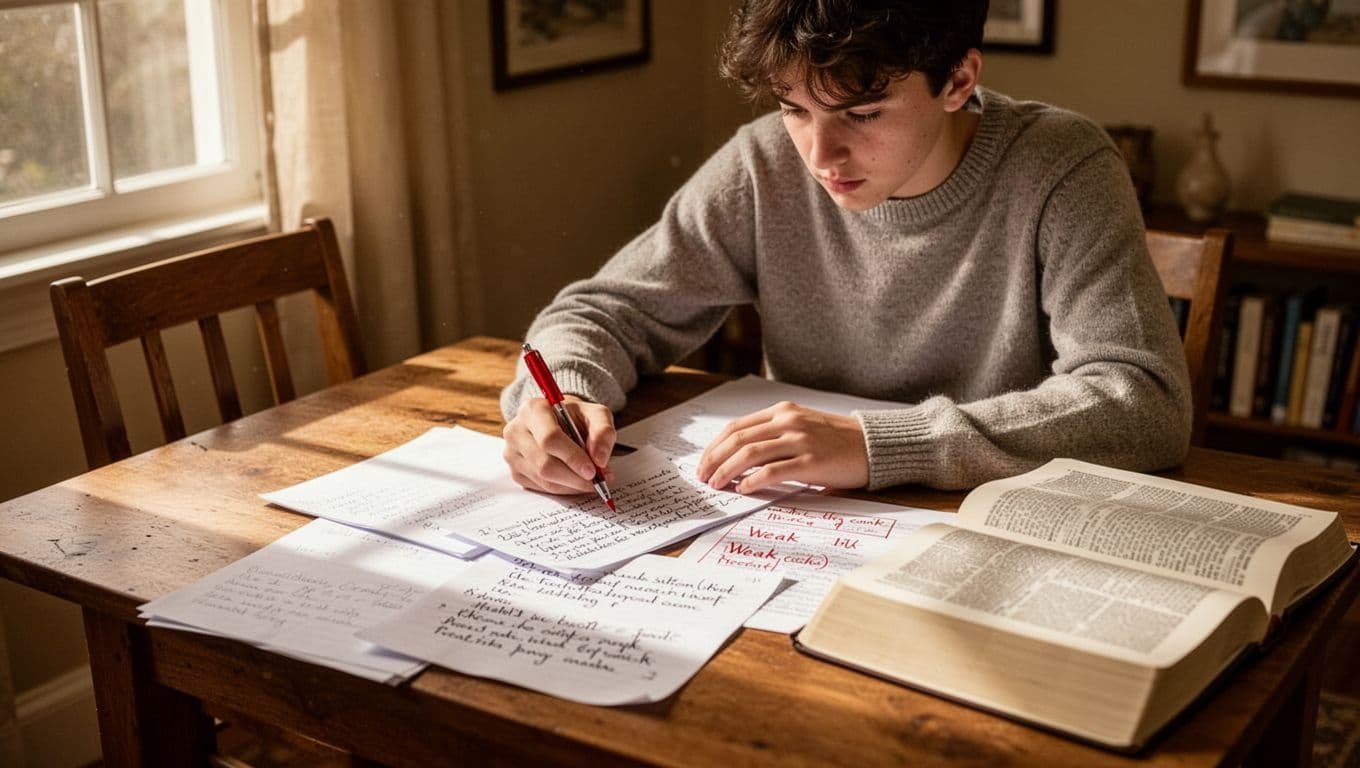
Skim your notes first. Flip through pages in 5 minutes. Note headings and key terms. What feels fuzzy?
Next, self-quiz without peeking. Cover notes and blurt everything you recall on paper. This active recall reveals true gaps better than re-reading. Check answers. Mark trouble spots in red.
If time allows, use Cornell notes. Divide pages into cues, notes, and summary. Or sketch quick mind maps to link ideas. These tools shine for last-minute clarity.
Students ace exams this way. See 25 smart tips for last-minute studying for proof.
Prioritize Like a Pro for Maximum Impact
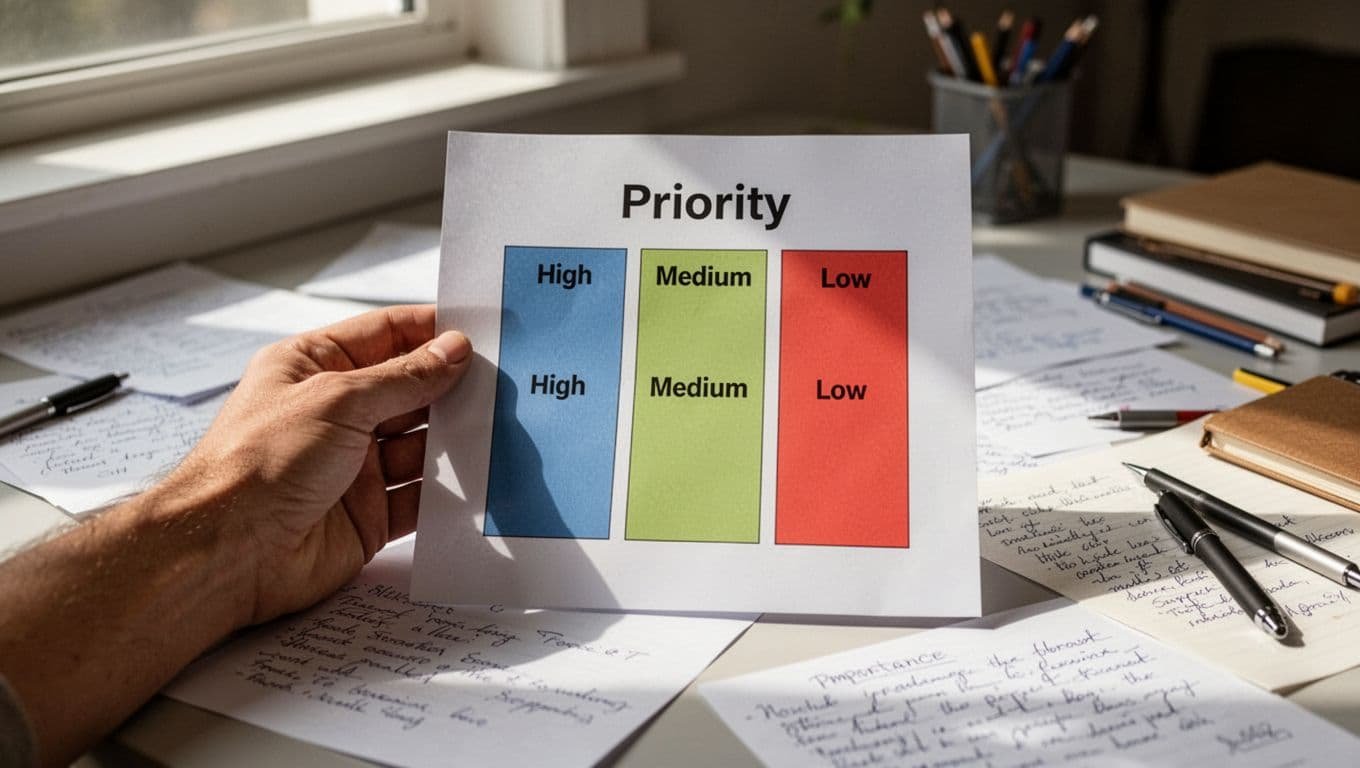
Now rank topics. Weigh exam importance against your gaps. Ignore strengths; they need no time. Focus 80% on high-stakes weak areas.
Check your syllabus for weights. Score each topic: exam percent times your gap level (1-10, where 10 is total blank).
Here’s a simple chart to guide you:
| Topic | Exam Weight | Your Gap (1-10) | Priority Score | Rank |
|---|---|---|---|---|
| Cell Biology | 30% | 8 | 24 | High |
| Physics Formulas | 25% | 3 | 7.5 | Low |
| History Dates | 20% | 9 | 18 | High |
| Vocab | 25% | 2 | 5 | Skip |
Hit high ranks first. This maximizes points. My Study Hacks and Exam Prep e-book expands on this with ready charts.
For deeper tactics, check 7 study hacks to ace your exams.
Kick Off Strong: Morning Strategies to Tackle Hard Topics
Mornings give you a fresh brain after sleep. Your mind works best then for tough topics. Hit your weak spots first with active methods. This beats late-night fog. Students score higher this way. For full morning routines, check my Night Before Exam: What To Do e-book. It packs templates for quick wins.
Active Recall Tricks That Make Info Stick
Active recall pulls facts from your brain. It builds strong memory paths. Re-reading feels good but fools you into false confidence. Tests show recall doubles retention over passive review.
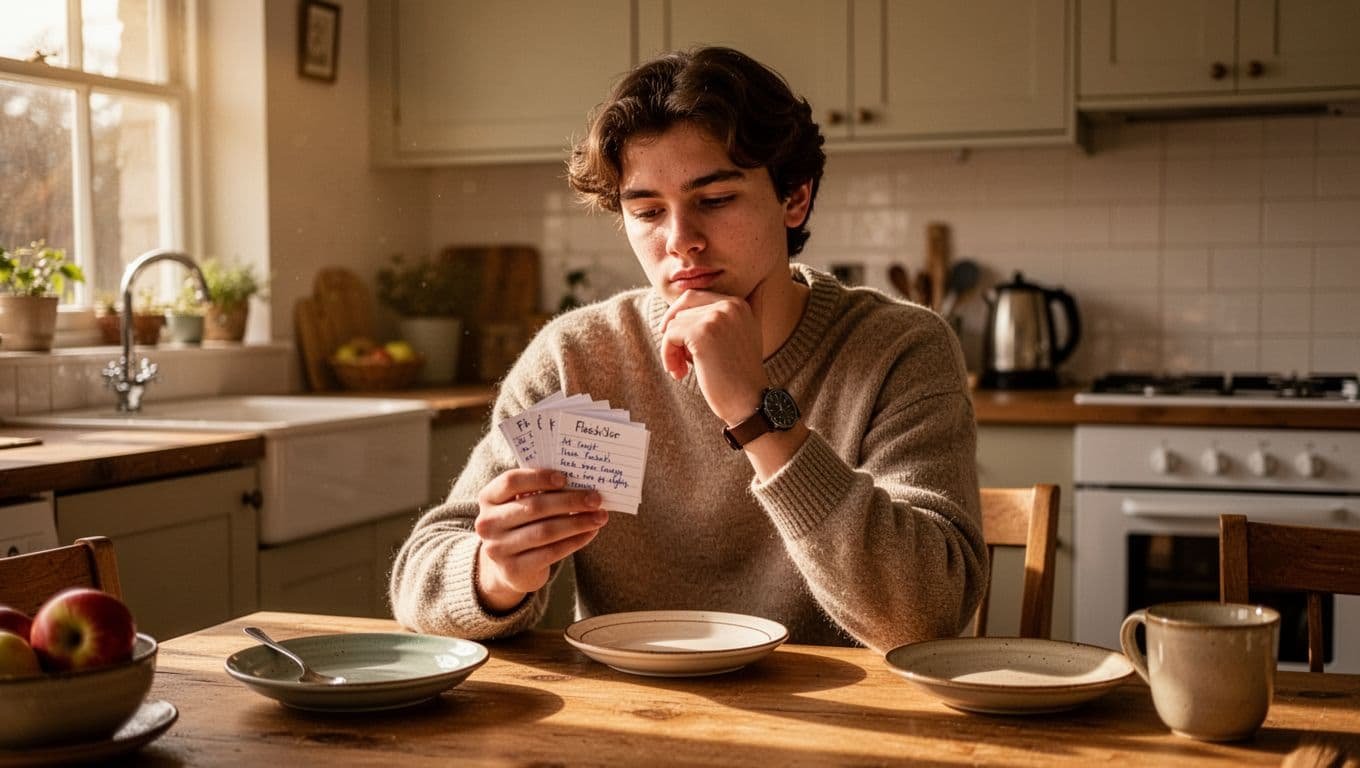
Start with flashcards. Write questions on one side, answers on back. Quiz yourself without peeking. Flip fast through your stack each morning.
Next, try self-testing. Cover notes. Write what you know on blank paper. Check gaps right after. Fix them next round.
Explain concepts out loud. Pretend you teach a friend. If you stumble, revisit that spot. This spots weak links fast.
Recent research backs this. Retrieval practice beats rereading for exams. Use it on priorities from your plan. You’ll remember more tomorrow. My Study Hacks and Exam Prep e-book adds ready flashcard sets.
Short Bursts and Breaks to Stay Sharp
Pomodoro keeps you sharp without burnout. Work 25 minutes straight. Then break 5 minutes. Repeat four times. Take 15-30 minutes after. This matches how your brain focuses.
Set a timer. Dive into one topic, like formulas. No phone checks. Bell rings? Stand up.
In breaks, walk around. Fresh air clears your head. Stretch arms. Step outside if you can.
Snack smart. Grab nuts or fruit. Skip sugar crashes. Water too. Hydrate to stay alert.
This method fights fatigue. Brains hold info better in bursts. Link it to Pomodoro technique for studying. After rest, tackle next hard bit. You’ll cover more ground. Boost it with my Setting Smart Study Goals e-book.

Keep the Momentum Going with Afternoon Reviews
Your morning work sets a solid base. Now afternoons test your staying power. Energy dips around 2 p.m., but smart reviews keep you sharp. Focus on quick checks of morning material. This reinforces what stuck and fixes slips. Students who review actively score 20% higher, per recent studies. Pair it with the right fuel to avoid crashes. My Night Before Exam: What To Do e-book shows full afternoon plans with timers.
Chunk It Up and Test Without Peeking
Afternoons suit fast reinforcement. Divide morning notes into 3-5 chunks now. Each chunk covers one key idea, like formulas or dates. Why? Brains handle small bits best; chunking boosts recall by 70%.
Grab blank paper. Read chunk one silently. Close notes. Write or say everything you remember. No peeking. Compare after. Redo weak spots three times. Next chunk follows the same steps. Spend 25 minutes per round, then break.
This active recall strengthens paths in your brain. It beats re-reading, which gives fake confidence. Tests prove 50% better retention. For example, chunk history events into battles, causes, results. Quiz gaps fast.
See last-minute exam prep strategies for more tweaks. My Study Hacks and Exam Prep e-book includes chunk templates.

Fuel Your Brain with Smart Snacks and Water
Snacks matter in afternoons. Sugar tempts but crashes energy fast. Pick protein and fats instead. They hold steady focus for hours.
Nuts top the list. Almonds or walnuts give healthy fats. A handful curbs hunger without fog. Add fruit like apples or berries. Fiber slows sugar release. Greek yogurt pairs well; its protein fights dips.
Avoid candy or soda. They spike blood sugar, then drop it. Result? Yawns and blanks. Cheese sticks or eggs work too. Boil eggs ahead. Hummus with carrots adds crunch.
Drink water constantly. Dehydration kills focus. Sip every 20 minutes. These choices sustain you through reviews. Check healthy lunch ideas to beat afternoon slump for meal twists. My Setting Smart Study Goals e-book covers snack timing.
Steady snacks mean no mid-review slumps. Fuel right, study strong.
Wind Down Smart in the Evening to Seal Your Memory
Evenings seal your day’s work. Your brain needs calm to sort facts into lasting memory. Recent 2026 research shows sleep consolidates what you studied, but only if you wind down right. Stress or screens block it. Instead, follow a simple ritual. This boosts recall by 50% or more. Students who do light reviews before bed score higher. For full evening plans, grab my Night Before Exam: What To Do e-book. It includes checklists that make this easy.
Your Must-Do Evening Checklist
Finish strong with these steps. They take 30 minutes and prime sleep for memory gains. Start right after dinner.
- Pack your bag now. Gather notes, pens, ID, and water. Lay out clothes too. No morning rush means less stress.
- Light scan your notes. Spend 10 minutes flipping pages. No quizzing. Just spot key points. This cues your brain what to replay overnight.
- Relax deep. Journal one win and one question from today. Then stretch or sip tea. Dim lights. Skip screens an hour early.
These habits clear your mind. Add breathing: inhale four counts, hold four, exhale four. Repeat five times. You’ll sleep faster and remember more. See effective night-before cramming techniques for extras. My What to do a Night before exam e-book details tweaks.

Prioritize Sleep Over Late-Night Cramming Every Time
You’ve powered through your day with smart bursts and reviews. Now comes the real secret to exam success. Stop the late-night grind. Choose sleep instead. Your brain needs it to lock in everything you studied. Recent 2026 research shows students with steady sleep schedules score higher GPAs than those pulling all-nighters. Inconsistent bedtimes hurt recall more than short sessions ever could. Grab my Night Before Exam: What To Do e-book for checklists that make rest easy. It fits right after your evening wind-down.

Why Your Brain Craves Sleep After Studying
Sleep sorts your day’s work. It moves facts from short-term to long-term storage. Without it, morning recall fades fast. A 2026 study found rested students retain 20-40% more than tired ones. Cramming overloads you, but rest strengthens those paths.
Think of sleep as your brain’s cleanup crew. It replays notes while you dream. Deep sleep handles basics. REM tackles tough concepts. Skip it, and you face foggy tests. Teens now average under 5 hours nightly, per recent polls. No wonder scores slip.
Adults hit 7 hours average. Match that tonight. Consistent times matter most. Bed at 10 p.m., up at 6 a.m. Your body thrives on routine. Check how sleep affects learning for the full science. My Morning V. Night, When Should You Study e-book compares times to boost your edge.
The Real Cost of Pulling an All-Nighter
All-nighters feel productive. They backfire hard. You gain fake confidence at 3 a.m. By exam time, basics blur. Sleep loss kills focus and mood. One study showed poor sleepers struggle with clear thinking.
Energy drinks crash you later. Headaches hit. Stress rises. Half of students try this and regret it. Instead, cap studying by 9 p.m. Let sleep do the heavy lift. See study tips emphasizing sleep for finals for proof it works.

Quick Steps for Restful Sleep Tonight
Wind down right. Dim lights after dinner. No screens past 8 p.m. Blue light blocks melatonin. Read paper notes lightly instead.
Sip chamomile tea. Stretch gently. Journal one key fact. This cues your brain to review overnight. Aim for 7-9 hours. Blackout curtains help. Cool room too, around 65 degrees.
If worries nag, breathe deep. Inhale four, hold four, out four. Repeat. You’ll drift off fast. My How to Stop Overthinking e-book quiets racing thoughts. Wake refreshed. Walk into that exam sharp.
Sleep seals your wins. Cram less, rest more, score big.
Glide into Exam Morning Calm and Confident
Your solid sleep pays off now. Wake up steady and sharp. Skip the rush that spikes nerves. Follow this simple morning flow instead. It keeps you calm and ready. Students who ease in score better because stress fades fast. Grab my Night Before Exam: What To Do e-book for a full checklist. It pairs perfect with your prep.
Wake Up Refreshed Without the Rush
Stick to your normal wake time. Around 6 or 7 a.m. works best. No snooze button fights. It messes your rhythm.
Put your phone across the room first. Group chats add panic you don’t need. Instead, do a quick body scan. Tense feet, then relax. Move up to your head. Breathe in for four counts, out for six. This drops nerves quick.
Next, stretch light. Raise arms overhead. Roll shoulders. Or step outside for fresh air. Your body wakes gentle. Energy flows even.
Check productive morning routines before big days for more tweaks. My How to Stop Overthinking e-book quiets morning worries too.

Fuel Up with Your Usual Breakfast
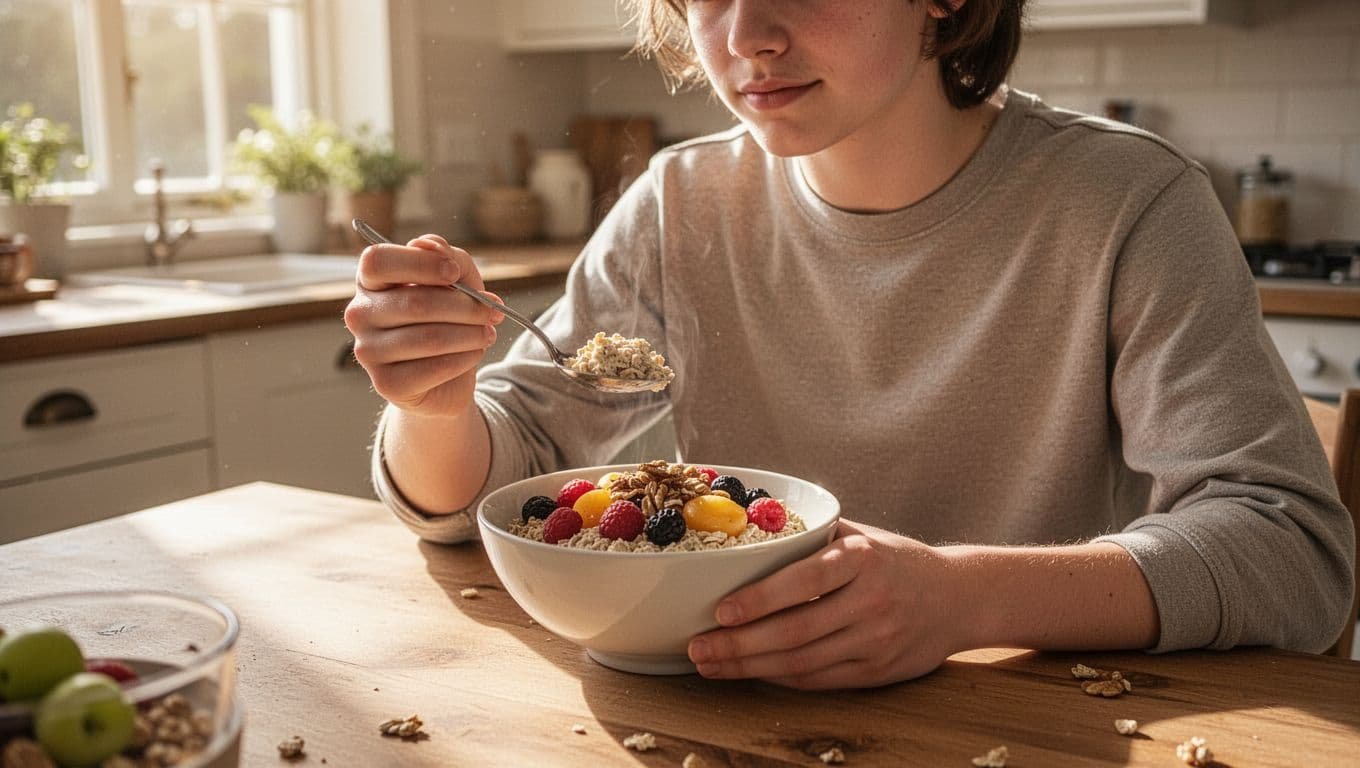
Eat what you know. Oats, eggs, or fruit hold energy steady. New foods risk tummy trouble. Protein and fiber beat sugar spikes.
Sip water first. Add lemon if you like. Follow with your coffee or tea. Just normal amounts. Too much jitters you up.
A handful of nuts adds crunch. These choices keep blood sugar even. You stay alert without crashes. Recent tips confirm this sustains focus through tests.
See how to walk into exams calm for extra meal ideas.
Boost Confidence with a Light Warm-Up
Spend 10 minutes max on notes. Skim key points. Do two easy questions. No deep dives. This primes without overload.
Say positives out loud. “I prepped hard. I handle this.” Recall a past win. Music helps too. Pick calm tracks.
Dress comfy in layers. Exam rooms vary cold. These steps build assurance. You feel set.
Boost it more with 13 ways to build self-confidence. My Oral Exams: Speak with Confidence e-book sharpens that edge.
Head Out Early and Stay Chill
Leave 45 minutes ahead. Traffic surprises nobody. On the way, breathe deep. Remind yourself of your work.
At the spot, skip stressed crowds. Find quiet. Do one last breath round. You’re primed.
This routine glides you in strong. No jitters hold you back. My Study Hacks and Exam Prep e-book adds quick mindset tools.
Calm mornings mean clear heads. You own that exam.
Conclusion
You started with panic and all-nighters that wrecked grades. Now you have a full plan: spot weak spots first, hit them hard in morning bursts, review smart in the afternoon, ease into evening checklists, prioritize sleep over cramming, and glide into exam day calm.
This structured flow works because 2026 research backs active recall and rest. They boost retention far more than endless grinding. Students score higher with short quizzes, Pomodoro breaks, and 7-9 hours of sleep.
Grab my Night Before Exam: What To Do e-book for templates that make it effortless. Pair it with Oral Exams: Speak with Confidence, How to Stop Overthinking, Overcoming Procrastination, and Study Hacks and Exam Prep for total edge.
Try this tomorrow. Share your wins in comments. You got this.
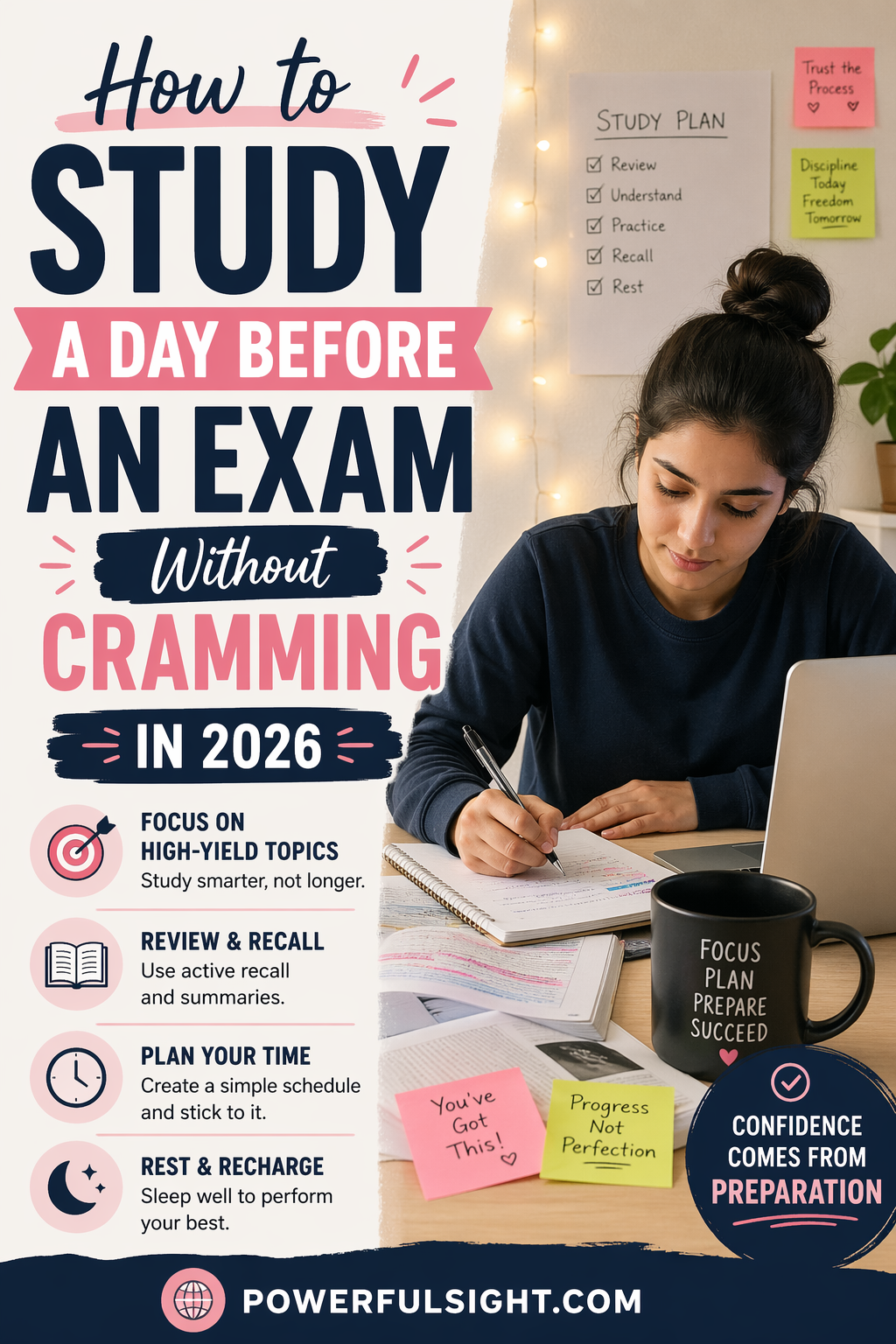
Save the pin for later

- 60 Color Tattoos That Healed Beautifully - 25/09/2026
- 40 Most Painful Tattoo Spots - 24/09/2026
- 20 Tattoo Aftercare Mistakes That Ruin Fresh Ink - 23/09/2026

