Food needs can shift through pregnancy, even when the basics of a balanced plate stay the same. Early on, you may need more folate and simple, nausea-friendly foods, while the second trimester often calls for more iron, protein, and calcium.
Later, steady energy, omega-3s, and choline matter even more as your baby grows fast. This guide keeps the focus on nutrient-dense foods, not perfection, and it can help you make simple choices that fit each trimester, although your OB-GYN or dietitian should guide personal needs.
What makes a food a pregnancy power food
A pregnancy power food is simply a food that gives you a lot of key nutrients in a normal serving. It does more than fill you up. It helps cover the nutrients your body needs more of during pregnancy, including folate, iron, protein, calcium, fiber, choline, vitamin D, omega-3 fats, vitamin C, and potassium.
That matters because pregnancy raises the demand for nutrition, not just calories. According to ACOG’s healthy eating guidance during pregnancy and MyPlate’s pregnancy nutrition page, foods that pack in these nutrients can help support your baby’s growth while also helping you keep up your energy, digestion, and blood supply. In other words, power foods give you more nutrition per bite.
The nutrients that matter most during pregnancy
Some nutrients do more heavy lifting than others during pregnancy. Folate supports early brain and spinal cord development, which is why it matters so much in the first trimester. Iron helps your body make extra blood for both you and your baby, while vitamin C helps your body absorb that iron better.
Calcium and vitamin D work together to support strong bones and teeth. Choline and omega-3 fats help with brain and nervous system growth. Protein helps build new tissue and supports growth and repair. Fiber can make a big difference too, especially when pregnancy slows digestion. Then there is potassium, which helps with fluid balance and normal muscle and nerve function. For a clear overview of these essentials, Mayo Clinic’s pregnancy nutrition guide is a useful reference.
A simple way to build a power food plate
A simple plate can make healthy eating feel much easier. Aim for half fruits and vegetables, one quarter protein, and one quarter whole grains or starches. Then add a calcium-rich food, such as yogurt or milk, and a healthy fat, like avocado, nuts, seeds, or olive oil, when it fits the meal.
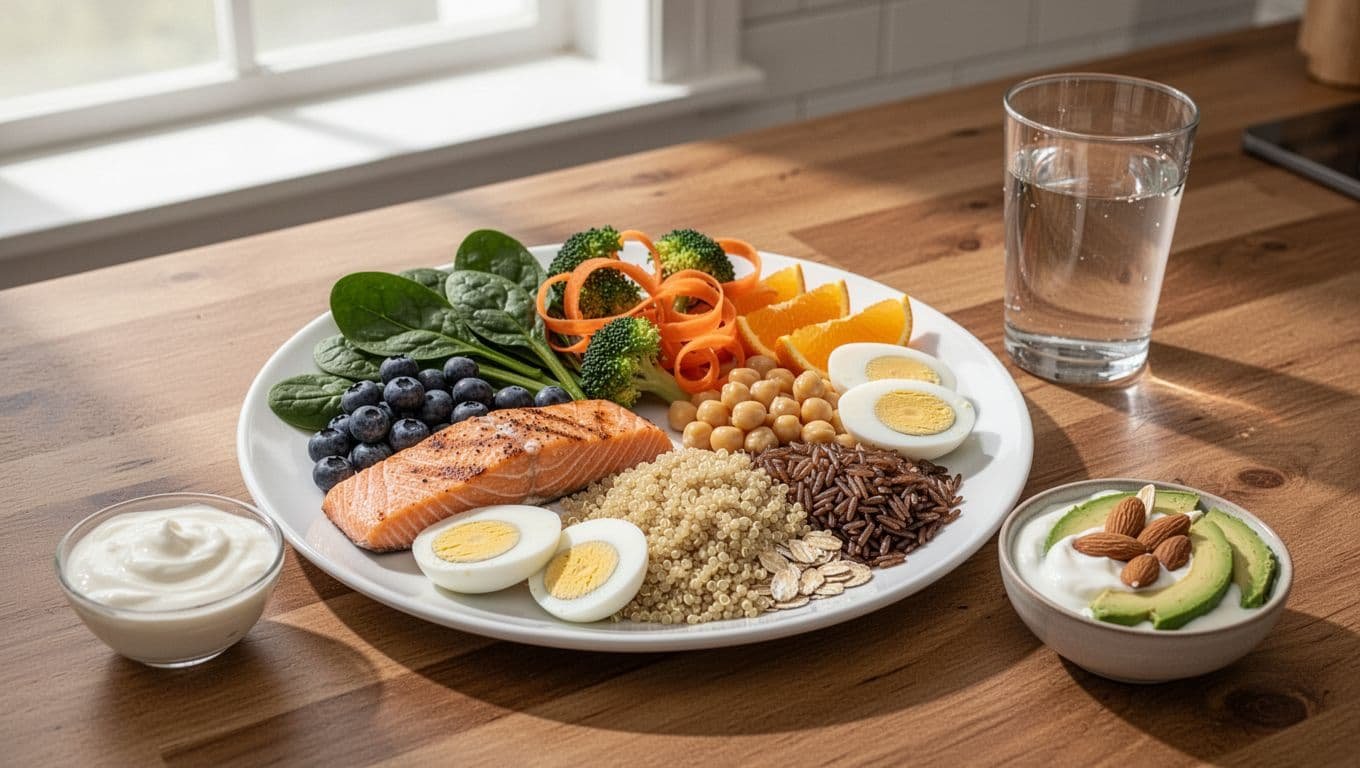
Variety helps you cover more nutrients across the week, so don’t rely on the same few foods every day. Also, drink water often, wash produce well, cook foods safely, and store leftovers properly. If you want meal ideas built around balanced bowls and simple combos, these easy lunches fueling prenatal health can help.
First trimester power foods that support a strong start
Weeks 1 to 12 can feel like a strange mix of hunger, nausea, and total exhaustion. This is also when your baby’s early brain and spinal cord development moves fast, so foods rich in folate, B vitamins, fluids, and easy-to-handle energy matter a lot. According to ACOG’s healthy eating guidance during pregnancy, food does not need to be fancy to help. Simple, steady choices usually work best.
Leafy greens, beans, and avocado for folate and fiber
Early in pregnancy, folate matters because it helps support the baby’s brain and spinal cord as they begin to form. A prenatal vitamin is still important, but food helps fill in the gaps. Spinach, kale, broccoli, lentils, chickpeas, black beans, and avocado all earn a spot here because they bring folate plus fiber, which can help when pregnancy slows digestion.
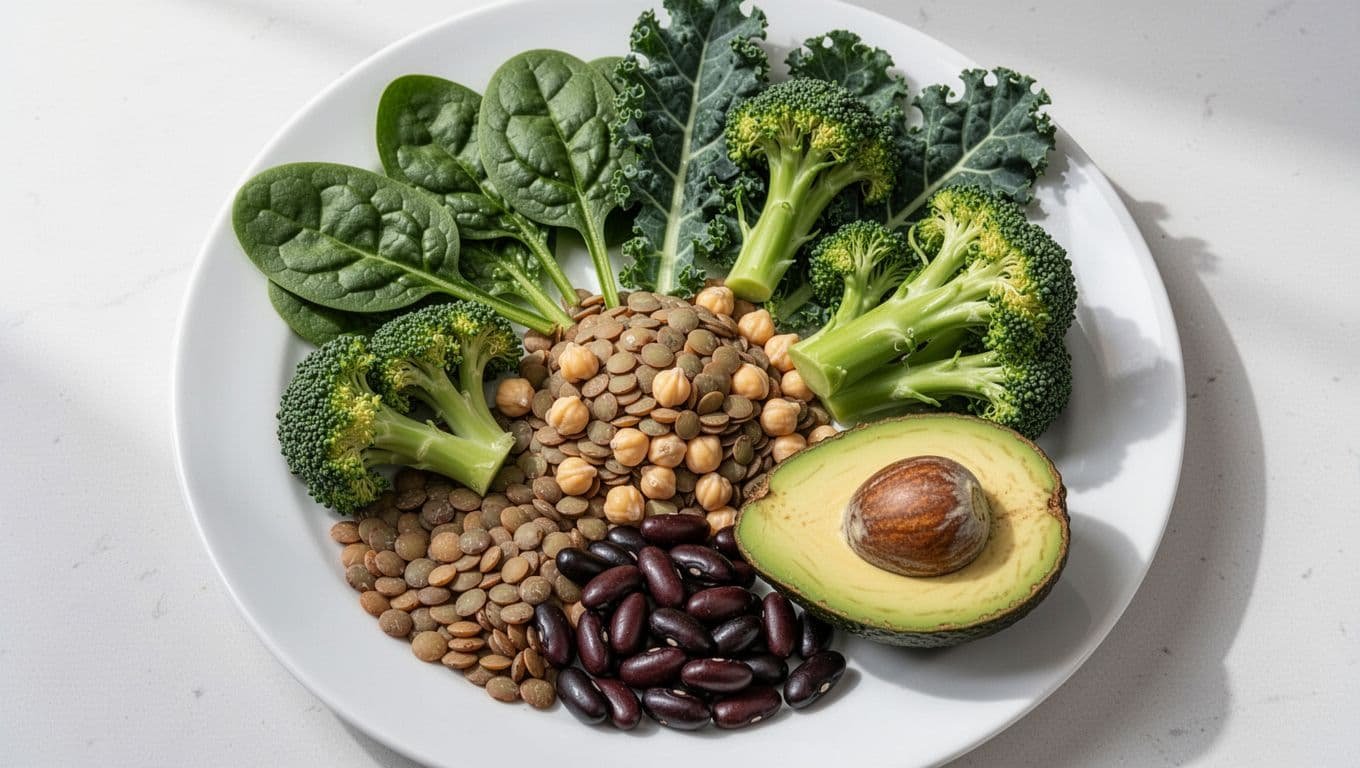
Fiber is especially helpful if constipation starts early. Beans and greens also give you a little staying power when energy dips hit hard. If salads sound awful, skip them. You can still work these foods into meals that feel gentle:
- Add spinach to scrambled eggs or an omelet.
- Blend kale or spinach into a fruit smoothie.
- Make lentil soup or a simple black bean bowl with rice.
- Spread avocado on toast, then top with egg or chickpeas.
- Stir chopped broccoli into soup, pasta, or mac and cheese.
If you want more simple meal inspiration, these 7 nourishing meals for better pregnancy health can give you a few easy ideas.
Eggs, citrus, and berries for brain support and easier eating
Eggs are one of the most useful first trimester foods because they contain choline, which helps support early brain and spinal cord development, plus vitamin D and protein. Citrus fruits bring vitamin C and extra fluid, which can help when dry foods are easier to manage but hydration slips. Berries add antioxidants, fiber, and a fresh taste that often feels lighter than heavier snacks.

These foods also fit real first trimester problems. Low energy may make cooking feel like too much, while morning sickness can make rich meals hard to face. In that case, keep it simple. A boiled egg with orange slices, plain yogurt topped with berries, or toast with egg on the side can be enough. You can also try a small smoothie with berries and citrus if chewing feels harder that day.
Cold or room-temperature foods often smell less intense, which can make them easier to eat.
Mayo Clinic also notes that nausea and fatigue are common in early pregnancy, and their first trimester overview explains why lighter, frequent meals often help.
Best first trimester food tips when nausea makes eating hard
When nausea is loud, your goal is not a perfect plate. Your goal is to get in something nourishing and keep fluids coming. Bland foods often go down more easily, so crackers, toast, oatmeal, rice, applesauce, plain pasta, yogurt, bananas, and baked potatoes can all help.
Try eating small amounts every few hours instead of waiting for a big meal. Also, pair carbs with a little protein when you can, because that may help you stay full longer and keep energy steadier. For example, have toast with peanut butter, crackers with cheese, rice with scrambled egg, or a banana with yogurt. If cooking smells turn your stomach, choose cold foods like fruit, overnight oats, smoothies, pasta salad, or a bean-and-avocado bowl.
Sipping fluids through the day can be easier than drinking a large glass at once. Water, broth, milk, or citrus-infused water may sit better than plain water for some people. If vomiting is severe, you cannot keep food or fluids down, or you feel dizzy and dehydrated, call your doctor right away.
Second trimester power foods that fuel growth and steady energy
Weeks 13 to 26 often feel more manageable. For many women, nausea eases, appetite picks up, and meals start sounding good again. That makes this a smart time to build your plate around protein, calcium, healthy fats, iron, and complex carbs, because your baby is growing fast and your body is doing more work too.
The goal is simple: eat foods that help support growth while keeping your energy more even through the day. According to ACOG’s healthy eating guidance during pregnancy, balanced meals with a mix of nutrient-rich foods can help cover rising needs without making eating feel complicated.
Greek yogurt, milk, and calcium-rich foods for bones and teeth
Calcium matters even more in the second trimester because your baby’s bones and teeth are building quickly. At the same time, vitamin D helps your body use calcium well, so both nutrients work as a team. If your diet falls short, your body may pull from your own stores, which is one reason calcium-rich foods deserve a regular place in your day.
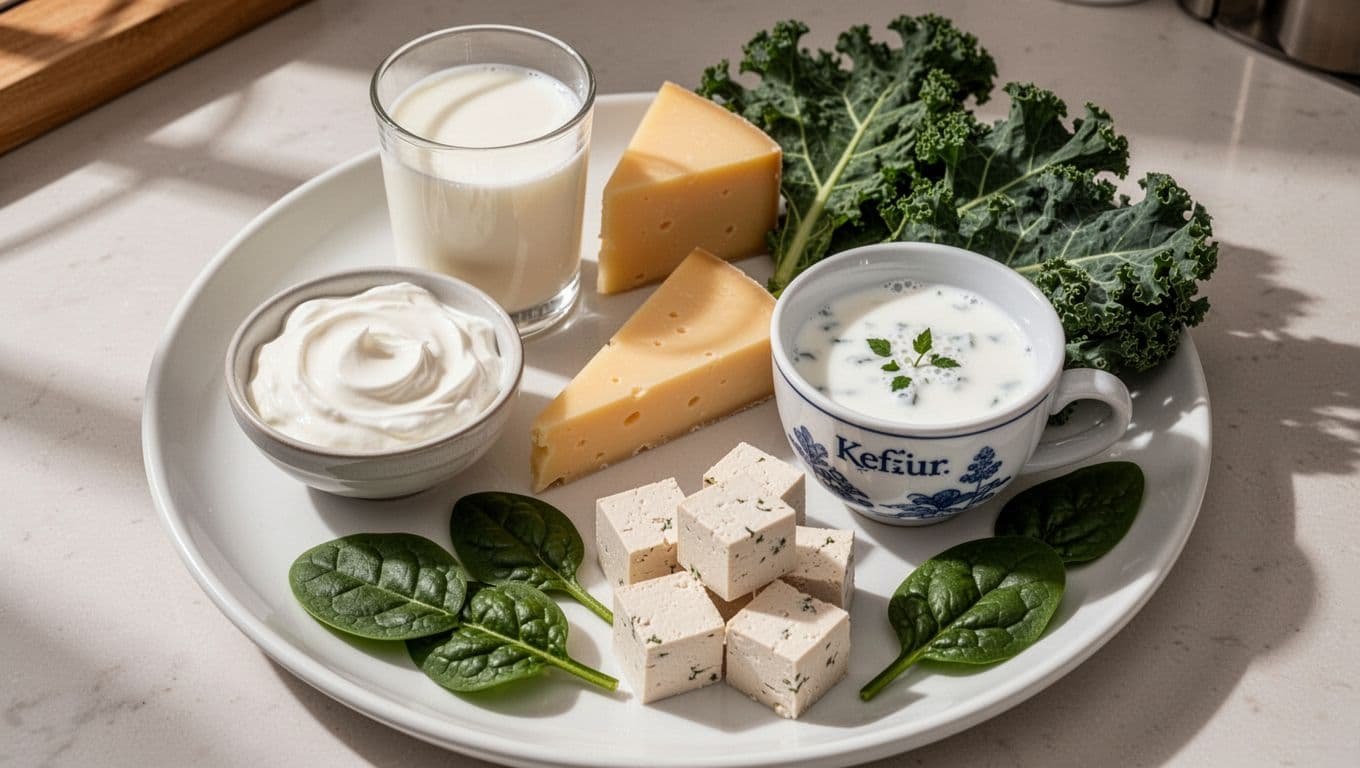
Greek yogurt is an easy winner because it gives you calcium and protein in one bowl. Milk, kefir, and fortified dairy alternatives can do the same, while cheese can fit in moderate amounts. You can also get calcium from tofu made with calcium sulfate, plus leafy greens like kale, collards, and bok choy. For a practical overview of pregnancy nutrition, Cleveland Clinic’s pregnancy food guide is a helpful reference.
Easy snack ideas make this much easier to stick with:
- Greek yogurt with berries and oats
- A glass of milk with whole grain toast
- Kefir with banana
- Apple slices with cheese
- Stir-fried tofu with greens
If you want more simple, filling meal ideas, these healthy lunch ideas for busy days can help you mix and match easy options.
Salmon, nuts, and nut butter for healthy fats and protein
By the second trimester, your baby is growing fast, so protein needs rise. Healthy fats matter too, especially DHA, a type of omega-3 fat that supports brain and eye development. You do not need a perfect meal plan here. You just need regular, solid choices.
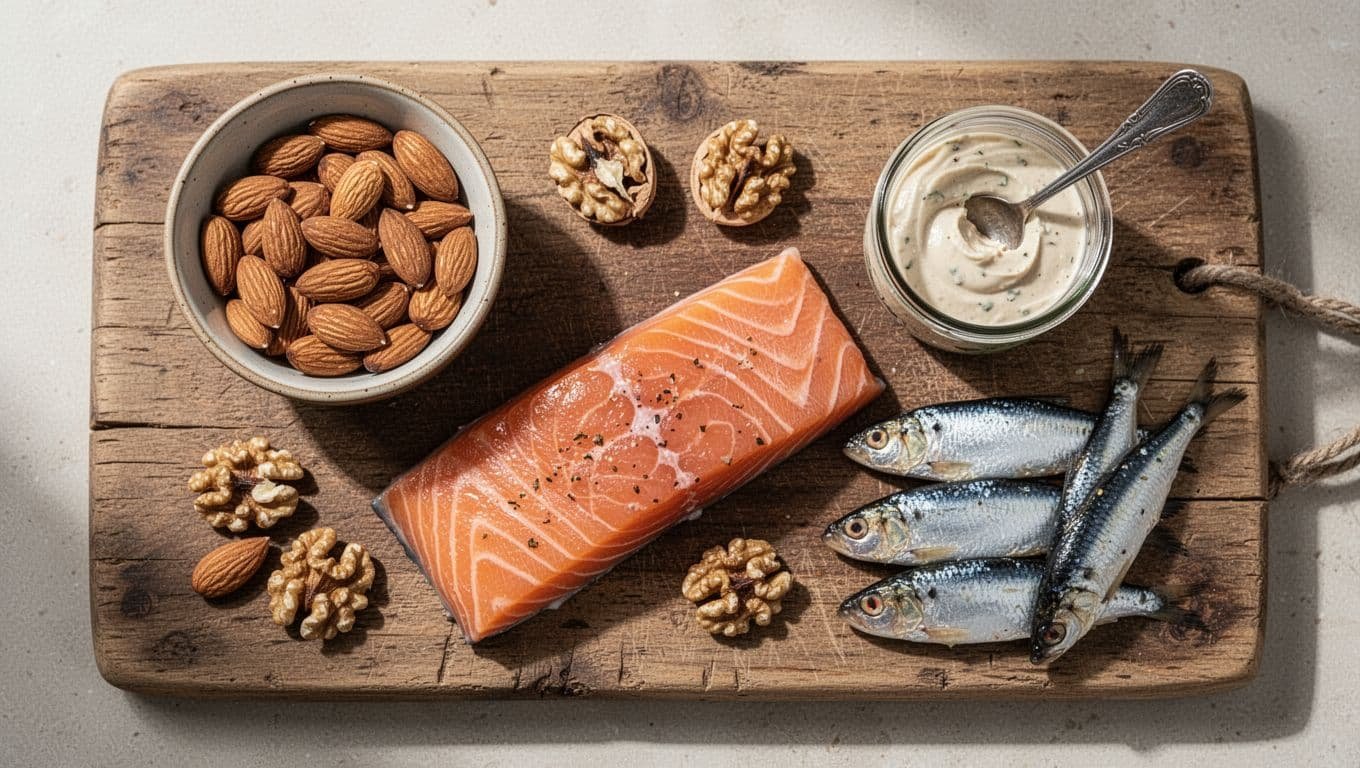
Cooked salmon is one of the best second trimester foods because it gives you both protein and DHA. Other low-mercury fatty fish, such as sardines and trout, also fit well. The usual advice is to choose cooked, low-mercury fish and avoid high-mercury fish like shark, swordfish, king mackerel, and tilefish. If you want a quick refresher on safe eating during pregnancy, this second trimester diet guide breaks it down clearly.
Nuts and nut butters are useful on busy days because they are easy to grab. Almonds offer calcium and protein, while walnuts add plant omega-3 fats. Peanut butter, almond butter, and similar spreads also pair well with simple carbs, which can help you stay full longer.
A few easy ways to use them:
- Add salmon to rice bowls or salads
- Spread peanut butter on toast or banana slices
- Toss walnuts into oatmeal or yogurt
- Pack almonds for an afternoon snack
Sweet potatoes, oats, quinoa, and bananas for lasting energy
The second trimester often brings a better appetite, but energy dips can still show up. That is where complex carbs help. They break down more slowly than sugary snacks, so they give you steadier fuel. Many of these foods also bring fiber, which can help when digestion still feels sluggish.
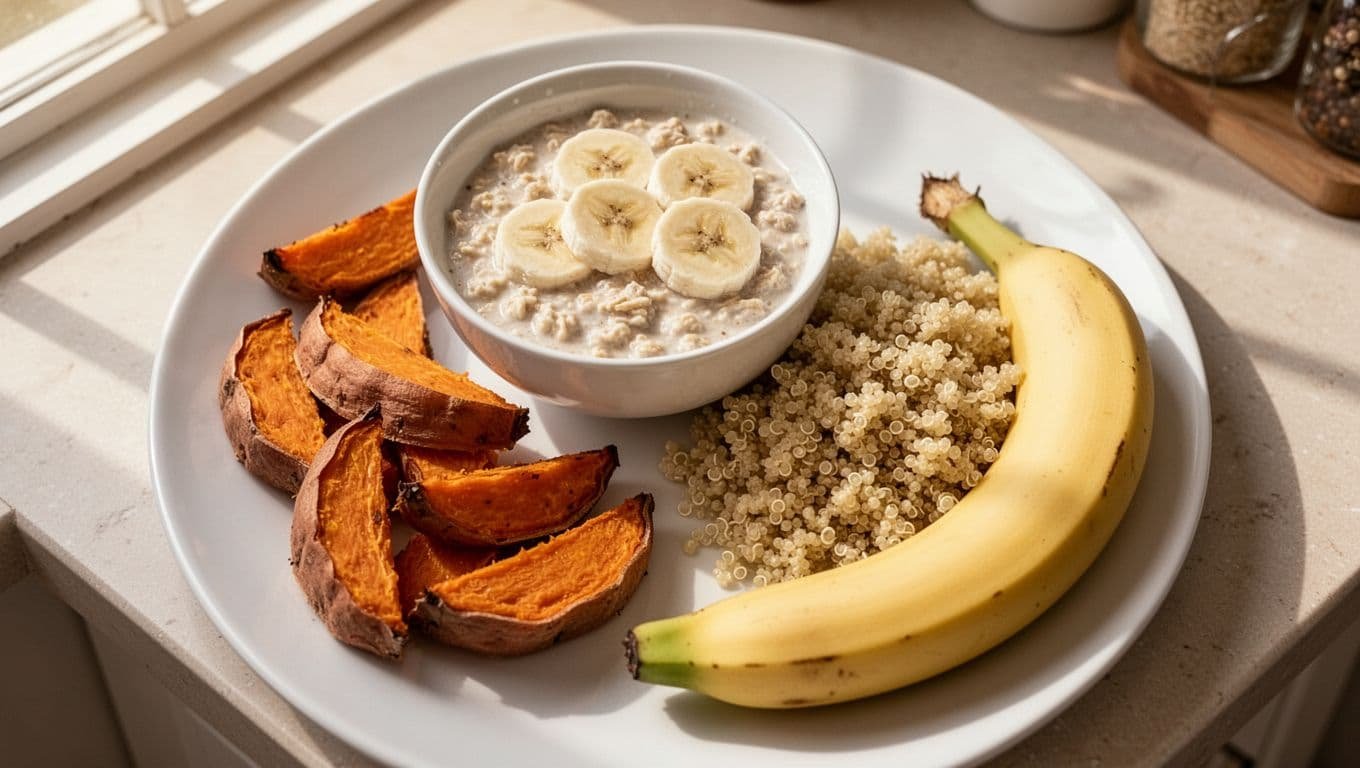
Sweet potatoes, oats, and quinoa are all smart picks because they offer slow, steady energy. Bananas add potassium, which may help with muscle cramps and fluid balance. They are also easy on the stomach, so they work well when you want something quick but useful. If constipation has lingered into this trimester, fiber-rich carbs can help keep things moving.
A few simple meal ideas can carry a lot of weight:
- Oatmeal with fruit and a spoonful of nut butter
- A quinoa bowl with beans, greens, and roasted vegetables
- Baked sweet potato with yogurt or cottage cheese
- Banana with peanut or almond butter
A steady second trimester plate often looks simple: one protein, one calcium-rich food, one healthy fat, and one high-fiber carb.
That kind of meal is not fancy, but it works.
Third trimester power foods that support brain growth and prepare your body
From week 27 to birth, your baby grows fast and your body works harder too. Brain growth picks up, tissues keep building, and everyday eating can feel trickier because your stomach has less room. That means late pregnancy meals often work best when they are nutrient-dense, simple, and smaller.
A good third trimester plate does not need to be big. It needs to be smart. Focus on foods that support brain growth, help with repair, and make common issues like fullness, constipation, cramps, and heartburn easier to manage. ACOG’s healthy eating guidance during pregnancy and Mayo Clinic’s pregnancy nutrition guide both point back to the same basics: protein, healthy fats, fiber, fluids, and steady meals.
Omega-3 rich foods for baby’s brain and eye development
The third trimester is a major time for brain growth. Your baby’s brain is building fast, so omega-3 fats, especially DHA, matter a lot right now. Fatty fish such as salmon, sardines, and trout are especially helpful because they provide DHA directly.
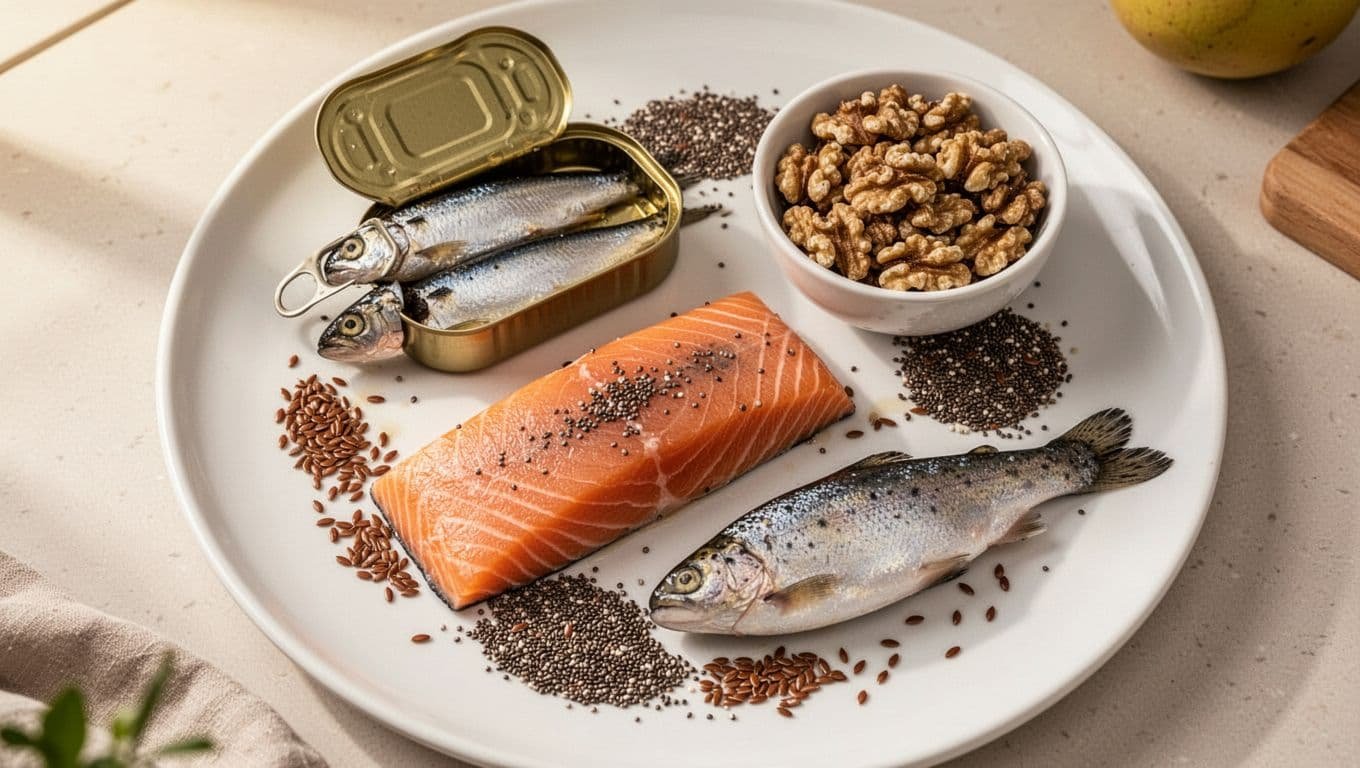
Walnuts, chia seeds, and flaxseeds also add omega-3s, so they are great foods to keep in rotation. Still, plant sources give ALA, which your body must convert, and that conversion is limited. Because of that, fatty fish usually gives you a more direct boost for DHA. If fish sounds hard to eat late in pregnancy, try smaller portions in easy meals, such as salmon with rice, sardines on toast, or trout flaked into a grain bowl.
If you already plan meals around steady energy, these foods for stable blood sugar pair well with omega-3 foods too. A simple combo like salmon, quinoa, and roasted vegetables can carry a lot of nutrition without feeling too heavy.
Eggs, legumes, and lean proteins for growth and repair
Protein still matters late in pregnancy because your baby is gaining weight, and your body is still building and repairing tissue. Choline matters too, especially for brain and nervous system support, and eggs are one of the best food sources. Beans, lentils, tofu, chicken, turkey, yogurt, and other lean proteins also help you meet your needs without requiring a huge meal.
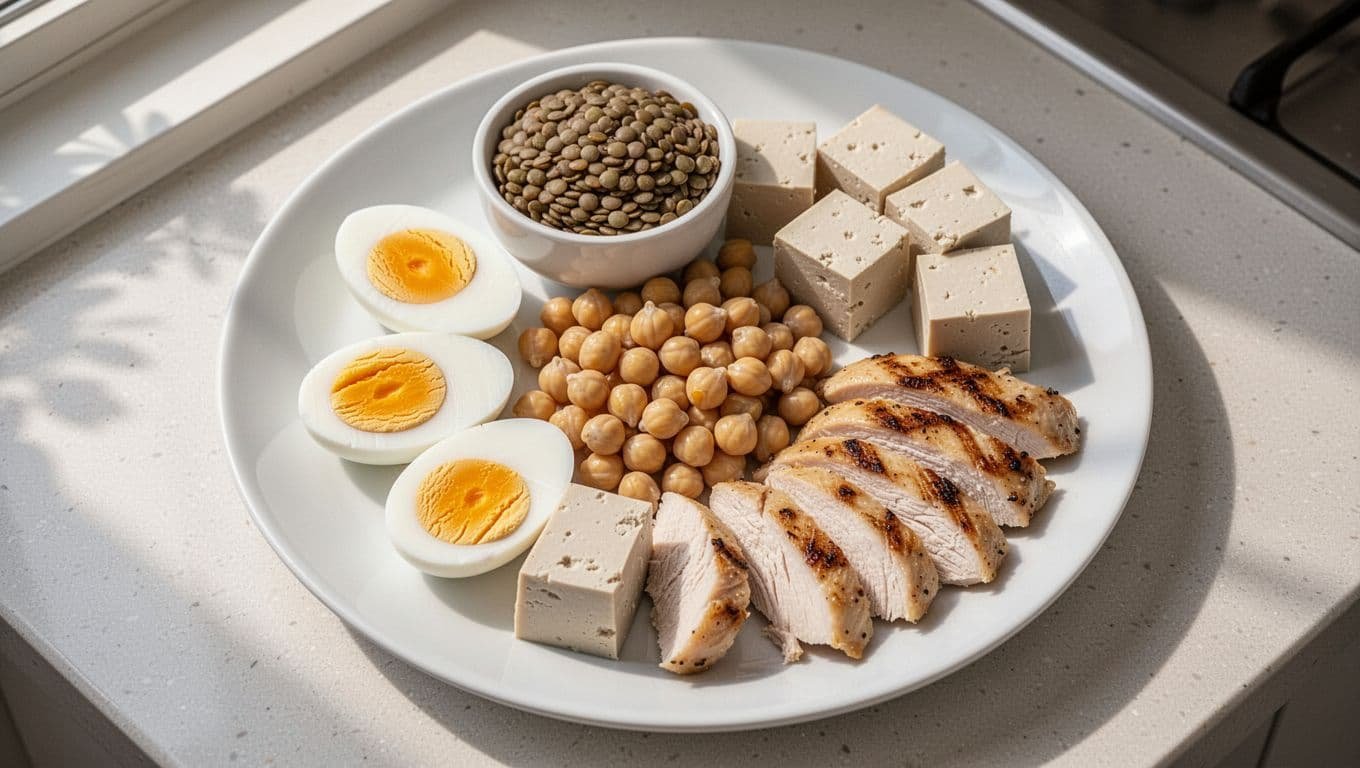
Late pregnancy often changes how much you can eat at once. So instead of pushing through large plates, build smaller, easier meals that still contain protein. For example, an egg bowl with rice and spinach, lentil soup with toast, a yogurt parfait with fruit and chia, or a chicken wrap can feel much more doable than a heavy dinner. If you want one easy dinner idea, this peanut butter chicken rice bowl recipe fits that smaller-but-filling approach well.
Small meals with protein tend to feel easier on a crowded stomach and can help keep energy steadier.
Foods that may help with constipation, cramps, and heartburn late in pregnancy
In the final stretch, comfort counts. Constipation, cramps, and heartburn are common, so choose foods that support digestion and sit well. Fiber-rich produce, whole grains, beans, prunes, and magnesium-rich foods like pumpkin seeds, spinach, and nuts can help keep things moving. Mayo Clinic also notes that pregnancy constipation guidance starts with fiber, fluids, and movement.
Yogurt and kefir may also be useful because they add protein and can fit into light snacks. Bananas are another easy pick since they are gentle, portable, and rich in potassium. For cramps, foods with potassium and magnesium may help support normal muscle function, although they are not a cure-all.
Heartburn usually calls for a few practical changes. Eat smaller meals, drink water through the day, and stay upright after eating. Oatmeal, toast, bananas, yogurt, and simple grain bowls often feel better than greasy or very spicy meals. When your stomach feels crowded, plain and steady usually wins.
Simple meal ideas and food safety tips for every trimester
Once you know which foods pull the most weight, the next step is simple: turn them into meals you will actually eat. During pregnancy, the best plan is usually a small set of easy meals you can repeat, tweak, and keep on hand for busy or low-energy days.
Easy power food meals and snacks you can rotate all week
A short meal rotation can take a lot of pressure off. Use the foods already in your routine, then swap one or two parts based on appetite, nausea, or what is in the fridge.
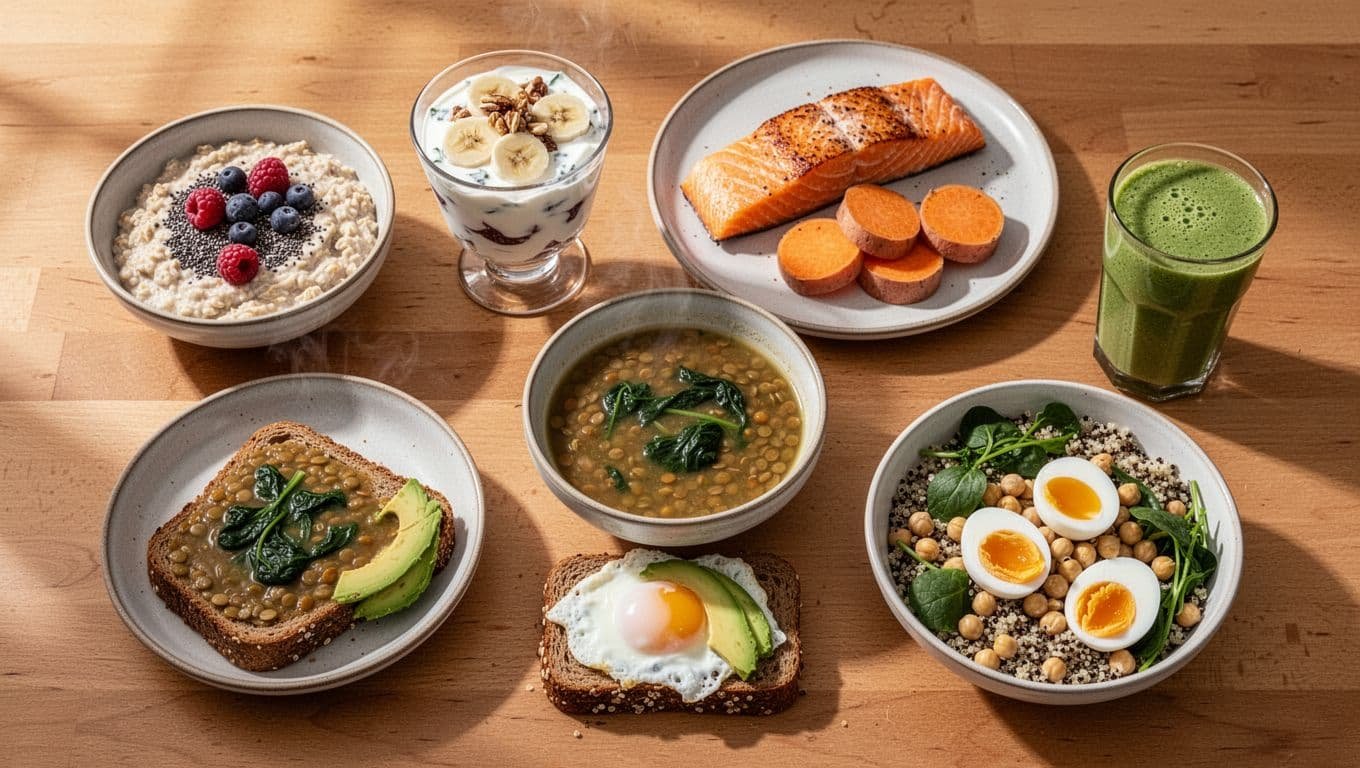
For breakfast, keep it filling but gentle. Good options include:
- Oatmeal with berries, chia seeds, and a spoonful of nut butter
- Greek yogurt with fruit, oats, and walnuts
- An egg sandwich on whole grain toast with avocado
- A smoothie with yogurt, banana, berries, spinach, and chia
Lunch can stay just as simple. A grain bowl with quinoa or brown rice, chickpeas or eggs, greens, and roasted vegetables works well. So does lentil soup with whole grain toast, or a baked sweet potato topped with yogurt, black beans, and spinach.
Dinner does not need to be complicated either. Try salmon with sweet potato and broccoli, a bean-and-rice bowl with avocado, or scrambled eggs with toast and sauteed greens. If a full dinner sounds too heavy, split it into two smaller meals a few hours apart.
Snacks help fill gaps, especially in the first and third trimesters. Keep a few easy pairings ready:
- Banana with peanut butter
- Cheese and apple slices
- Yogurt with berries
- Crackers with hummus
- Trail mix with nuts and dried fruit
Repeating simple meals is not boring. It is one of the easiest ways to eat well when energy and appetite change from day to day.
Pregnancy food safety basics worth remembering
Food safety matters in every trimester, but it does not need to feel stressful. A few steady habits go a long way.
First, wash fruits, vegetables, and leafy greens well before eating or cooking them. Also, cook eggs until the yolks and whites are firm, and cook fish fully rather than eating it raw. When choosing seafood, stick with lower-mercury options like salmon, sardines, and trout, and skip high-mercury fish such as shark, swordfish, king mackerel, and tilefish.
It also helps to choose pasteurized dairy and pasteurized juice. If you want deli meat or hot dogs, heat them until steaming. Leftovers should go into the fridge within two hours, or within one hour if the room is very hot, and then be reheated until hot all the way through.
For a quick refresher, the CDC’s safer food choices during pregnancy and the FDA’s food safety advice for pregnant women both keep the basics clear: clean, cook, chill, and choose lower-risk foods.
Conclusion
There is no single perfect pregnancy diet, because needs, appetite, and symptoms can change from one trimester to the next. What helps most is a steady mix of nourishing foods, with extra attention to the nutrients that matter most at each stage.
So, focus on variety, balance, and simple meals you can actually eat. Small food swaps, like adding eggs, beans, yogurt, salmon, greens, or oats, can make everyday meals more helpful without making eating feel hard.
If you have severe nausea, anemia, gestational diabetes, food allergies, or follow a special diet, personal care matters. Your OB-GYN or a registered dietitian can help you build a plan that fits your pregnancy and your body.
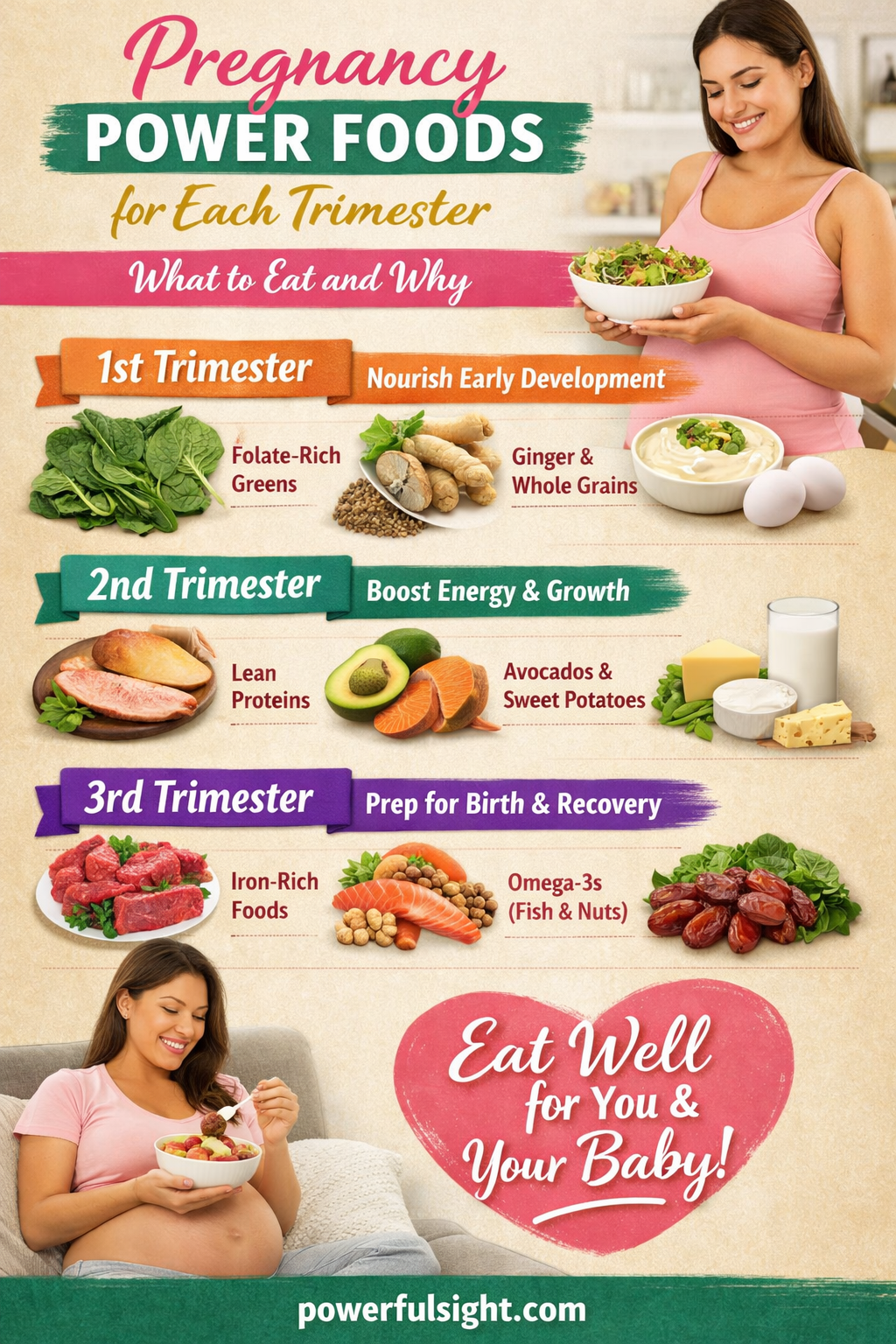
Save the pin for later

- Healthy Air Fryer Recipes for Beginners - 21/09/2026
- Healthy Snacks for Late Night Cravings - 21/09/2026
- High Protein Meal Prep Ideas for Easy Weekly Meals - 21/09/2026

