When you’re worried that your partner may be unfaithful, even small changes can feel impossible to ignore. A distant tone, guarded phone habits, or a new routine may leave you confused and afraid, but none of these behaviors proves cheating.
Asking about infidelity doesn’t have to become a fight or an interrogation. A calmer conversation focuses on specific observations, uses language such as “I’ve been feeling uneasy,” and gives your partner room to answer honestly. The goal is trust and clarity, not catching someone in a lie, and learning about healthy boundaries for couples can help you decide what you need from the relationship.
Before you begin, think about your safety, especially if your partner has threatened, controlled, or intimidated you before. Next, choose words that open a conversation instead of starting a battle.
Key Takeaways
- Ask about specific changes you noticed, using calm “I” statements instead of accusations or threats.
- Choose a private, emotionally steady moment, then give your partner time to answer without interrupting.
- Cheating suspicions require honest discussion, but unusual behavior alone doesn’t prove infidelity.
- Pay attention to accountability, consistency, and willingness to rebuild trust after cheating.
- If your partner threatens, controls, or intimidates you, prioritize safety and contact The National Domestic Violence Hotline for confidential guidance.
How to Ask Your Partner About Cheating Without Accusing Them
A difficult conversation goes better when you discuss what you know, name how you feel, and invite an honest response. You don’t need to hide your concern, but you do need to avoid turning uncertainty into a verdict.
Start With What You Observed and How You Feel
Begin with a clear behavior rather than a character judgment. Use first-person language to explain how the situation affects you:
“I noticed…, I’ve been feeling…, and I’d like to understand what’s happening.”
For example, you might say:
- “I noticed you’ve seemed less open about your plans lately. I’ve been feeling uneasy, and I’d like to understand if something has changed.”
- “I noticed we’ve canceled several plans recently. I’ve been feeling anxious and disconnected, so I want to talk about what may be going on.”
- “I noticed you turn your phone away when I come near. I feel worried when that happens, and I’d like us to discuss the trust between us.”
“I feel worried when…” describes your emotional response to a specific event. “You always lie” labels your partner and invites them to defend themselves. The first statement opens a door; the second often slams it shut.
Describe one concern at a time. Bringing up every old disagreement can make the conversation feel like a trial, and your main question may get lost. If the discussion reveals a larger pattern, you can address those issues later. For more ideas on keeping difficult conversations respectful, see these healthy communication strategies for couples.

Use Open-Ended Questions That Leave Room for Honesty
Questions that assume guilt can produce denial, anger, or a rushed answer. Instead of asking, “Are you cheating, yes or no?” try questions that encourage your partner to explain their experience:
- “Can you help me understand what has changed lately?”
- “Is there something about our relationship we need to talk about?”
- “Have your feelings or needs changed in a way you haven’t shared with me?”
- “How do you see the boundaries in your relationship with this person?”
- “Do you feel emotionally close to me right now?”
Open-ended questions often reveal more because they leave room for context. One Love’s communication guidance also recommends asking questions that invite more than a yes-or-no response.
Ask one question, then listen. Don’t fire off five more while your partner is still thinking. A pause can feel uncomfortable, but interrupting it may prevent an honest answer. Pay attention to whether your partner responds directly, acknowledges your feelings, and shows willingness to discuss honesty and boundaries without turning the concern back on you.
What to Say Before and During a Difficult Infidelity Conversation
The first words can shape the entire discussion. Speak from what you have noticed and felt, then invite your partner to respond without treating suspicion as proof. Adapt these scripts until they sound natural in your voice.
Gentle Conversation Starters That Still Ask the Hard Question
When your concern is vague, start with openness:
- “I have been feeling uneasy lately, and I want to ask whether something has changed between us.”
- “I am not trying to accuse you, but I need us to talk honestly about something that has been bothering me.”
- “I have felt more distance between us. Can you help me understand what is happening?”
If you have noticed specific changes, name them without adding conclusions:
- “You have been harder to reach in the evenings, and some plans have changed without much explanation. Is there something you haven’t told me?”
- “I noticed you seem more protective of your phone. I feel worried when that happens, and I want to talk about whether someone else is involved.”
- “We’ve spent less time together recently. Have your feelings, priorities, or connection with someone else changed?”
When trust has already been damaged, be direct about the history:
- “After what happened before, I still have questions about honesty between us. Are you involved with anyone now?”
- “I want to discuss our boundaries with this person because secrecy has affected my trust.”
- “I need a truthful answer, even if it hurts. Has there been any romantic or sexual contact that you haven’t told me about?”
These words cannot guarantee honesty. They can help you speak clearly without pretending to know facts you haven’t confirmed. Leave room for your partner’s answer, and remember that you can pause the conversation if you feel overwhelmed. If infidelity has already occurred, understanding how couples can rebuild trust after cheating may help you identify the questions and boundaries that matter next.

Listen for Information Without Trying to Control the Answer
Active listening means letting your partner finish, reflecting what you heard, and asking one clear follow-up question. You might say, “Let me make sure I understand. You’re saying the late nights were related to work, correct?” Then ask, “Can you tell me more about that?”
Avoid interrupting, threatening, displaying private messages to force a confession, or claiming you know facts you haven’t verified. Also, don’t demand an immediate emotional performance. Eye contact, nervousness, silence, or anger can reflect stress, but body language alone cannot prove cheating.
A calm question can still lead to a painful answer. Give yourself permission to pause, seek support, or leave the conversation if your partner becomes threatening. Your goal is honest information, not control over how the answer arrives.
How to Respond If Your Partner Denies, Admits, or Avoids the Question
Your partner’s response can bring relief, confusion, or a rush of painful emotions. Try to slow the moment down before deciding what it means or what you will do next. Focus on honesty, respect, and the larger pattern of trust between you.
If They Deny Cheating or Say You Are Overreacting
A denial doesn’t erase what you noticed or how the changes affected you. You can acknowledge your partner’s answer while standing by your feelings:
“I hear that you’re saying nothing is happening. I’m still feeling unsettled, and I need us to talk about the changes I’ve noticed.”
Keep the discussion centered on trust and communication instead of arguing over every detail. For example, you might say, “I understand your explanation, but secrecy around your phone has affected my trust. What can we do to make communication between us more open?”
Your partner may have a reasonable explanation, but a healthy conversation still allows you to ask questions without being mocked or dismissed. Pay attention to whether they listen, respond directly, and show interest in repairing the distance between you. Calling you “crazy,” refusing every conversation, or blaming you for their secrecy can create another relationship problem, even if cheating hasn’t occurred.
If either of you is shouting, crying uncontrollably, or unable to listen, pause the conversation. Say, “I want to continue this, but we’re too upset to have a productive conversation right now. Let’s talk tomorrow at 7 p.m.” A specific time prevents the issue from disappearing into silence. You can also review these honest communication strategies for couples if you need help returning to the subject calmly.
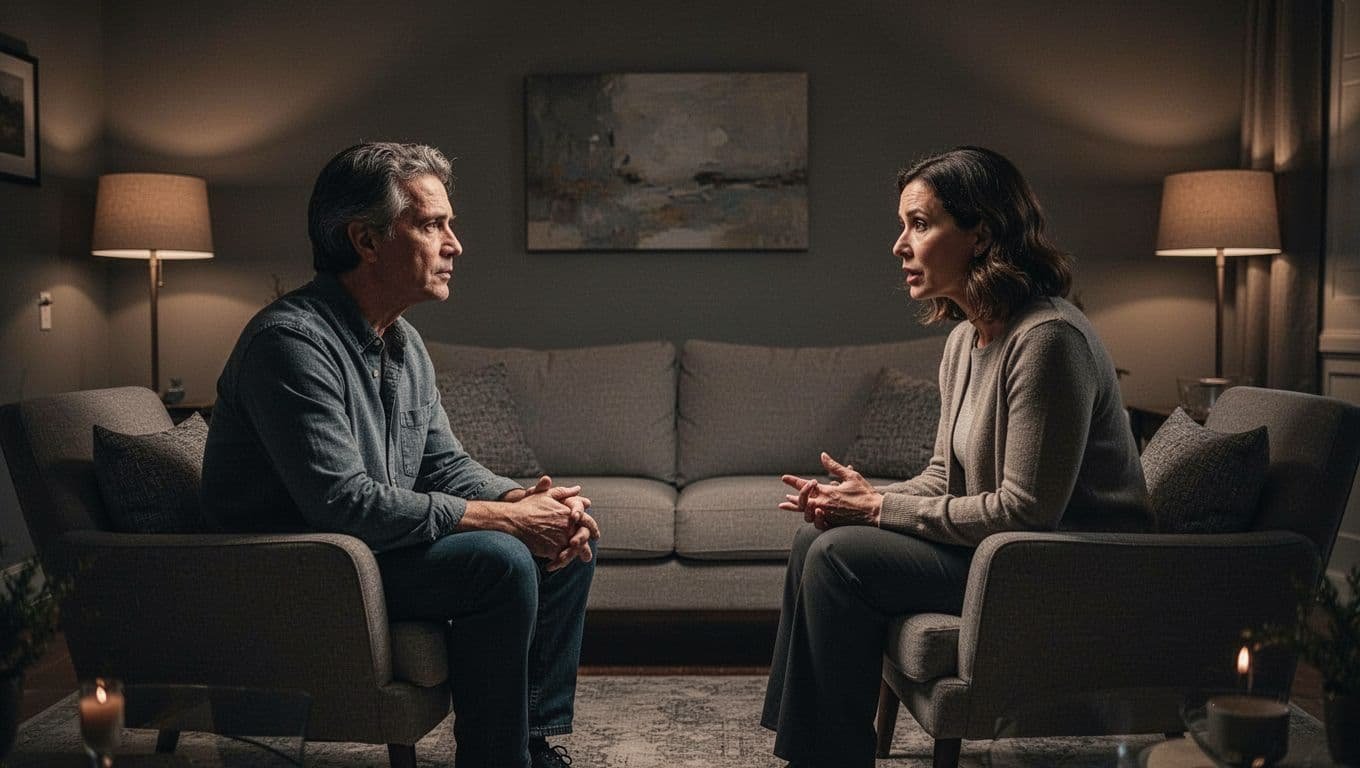
If They Admit It or Give an Unclear Answer
An admission can leave you stunned. You don’t have to decide whether to stay, separate, forgive, or end the relationship in the same minute.
Take time to breathe and contact someone trustworthy before making major decisions. Ask only the immediate questions you need answered, such as when the affair began, whether it has ended, and whether you may face a sexual health risk. If sexual contact occurred, consider STI testing and speak with a healthcare professional about the right tests for your situation. The CDC’s STI testing guidance explains why testing may depend on the type and location of exposure.
When the answer remains vague, name the problem plainly: “I still don’t understand what happened, and I need clearer answers.” Set a specific time for another conversation, then use the space to consider your boundaries and support system. Avoid revenge, public exposure, or permanent decisions made while you’re in shock. If rebuilding becomes possible, clear boundaries after emotional infidelity can help you judge whether future actions match the promises.
Protect Your Safety and Boundaries Before You Confront a Partner
Before asking about cheating, consider whether a direct conversation is safe for you. Trust matters, but you never owe anyone an in-person confrontation, an immediate answer, or access to your private thoughts.
Know When a Direct Conversation May Be Unsafe
Change your plan if your partner has ever:
- Hit, shoved, restrained, or physically harmed you.
- Threatened you, themselves, your children, pets, or loved ones after conflict or a breakup.
- Monitored your phone, location, messages, accounts, or social media.
- Controlled your money, transportation, medication, identification, or access to work.
- Isolated you from friends, family, neighbors, or other sources of support.
- Made you afraid of their reaction when you disagree or ask a difficult question.
These behaviors can make a private conversation risky, even if your partner has never hit you. If monitoring is possible, use a safer device that your partner has never accessed before. The National Domestic Violence Hotline can help you think through confidential safety options.

Speak with a trusted person or qualified advocate before you decide what to do. Together, you might plan where you could go, how you would leave, who you could call, and how to keep important documents available. If your partner controls money, financial safety planning guidance can help you consider safer options.
Avoid secretly collecting messages, recordings, or other evidence if discovery could increase the danger. Changing passwords, checking devices, or confronting someone about hidden information can sometimes trigger retaliation. Ask an advocate how to preserve information safely before making technology or account changes.
Set Boundaries That Focus on Your Choices
A boundary describes what you will do. It doesn’t control your partner’s behavior. For example, you might say, “If you continue yelling, I’ll end this conversation and leave the room.” You can also choose to take space after dishonesty, pause sexual contact until health concerns are addressed, or ask about couples counseling only when both people feel safe.
Boundaries differ from threats and ultimatums. A threat tries to frighten someone into obeying. A boundary gives you a clear response you can carry out:
- “I won’t continue this conversation while you’re insulting me.”
- “I need time apart before we discuss the relationship again.”
- “I’ll consider counseling if we can speak respectfully and both agree.”
- “I need STI testing and honest information before we resume sex.”
Your partner may refuse to cooperate, deny cheating, or mock your limits. You can still decide what access, contact, and emotional effort you will give. For more guidance, read about how to leave a toxic relationship safely when staying or confronting the person feels unsafe.
What to Do After Asking About Possible Cheating
Asking the question may bring relief, confusion, or more uncertainty. Give yourself time before deciding what the conversation means or what happens next. A single apology cannot repair broken trust, and one defensive response doesn’t tell the whole story.
Decide Whether Trust Can Be Rebuilt
Trust can return only when both partners take part in repairing it. Look beyond your partner’s words and watch what happens repeatedly over the following weeks and months.
Consider whether your partner:
- Takes responsibility without blaming you, alcohol, stress, or relationship problems for the betrayal.
- Answers reasonable questions honestly, even when the answers feel uncomfortable.
- Respects your boundaries instead of calling them controlling or demanding that you “get over it.”
- Changes the behavior that damaged trust and follows through on agreed expectations.
- Shows patience with your hurt rather than pressuring you to forgive quickly.
- Avoids manipulation, threats, intimidation, insults, and attempts to make you doubt your own memory.
A sincere apology matters, but consistent behavior carries more weight. Someone can promise complete honesty today and return to secrecy tomorrow. Pay attention to the pattern, not the emotional intensity of one conversation.

You may forgive your partner and still choose not to continue the relationship. Forgiveness is personal, and reconciliation is optional. If you need time to decide how long it takes to forgive cheating, you don’t have to follow anyone else’s timeline.
Trust is rebuilt through ordinary, reliable choices repeated over time, not through one dramatic promise.
Get Support Without Turning the Situation Into Gossip
Choose one or two people who can listen without feeding your anger or pushing you toward revenge. A trustworthy friend asks what you need, respects your privacy, and helps you think clearly. They don’t share private details, contact your partner, or pressure you into a rushed breakup.
Individual counseling can give you a private place to process anxiety, sort through conflicting feelings, and decide which boundaries fit your life. A licensed therapist may also help you notice manipulation and plan your next steps.
Couples counseling can support mutual relationship work when both partners feel safe and willing to participate. However, it shouldn’t be your first choice when your partner threatens, controls, intimidates, or abuses you. In those circumstances, speak privately with a therapist or a domestic violence advocate before attending sessions together. Your safety comes before relationship repair.
Conclusion
Asking your partner about possible cheating can be honest, direct, and respectful at the same time. Choose a safe moment, describe what you noticed, explain how it affects you, and ask an open question that gives your partner room to respond. Then listen carefully without treating unusual behavior as proof. Repeated secrecy and changes in the relationship may deserve attention, but only an honest conversation can provide more context.
You can’t control whether your partner tells the truth or takes responsibility. You can control how you enter the conversation, the boundaries you set, and what you do after hearing the answer. If dishonesty has damaged your relationship, learning about how to rebuild trust after lying may help you decide whether repair is possible.
Your need for honesty, safety, and peace matters. You don’t have to force a confession, ignore your feelings, or make an immediate decision. Speak clearly, protect yourself, and give yourself time to choose the next step that respects your well-being.
Save the pin for later


- 60 Color Tattoos That Healed Beautifully - 25/09/2026
- 40 Most Painful Tattoo Spots - 24/09/2026
- 20 Tattoo Aftercare Mistakes That Ruin Fresh Ink - 23/09/2026

