You may find yourself checking your phone before answering, changing your plans to avoid an argument, or apologizing for wanting time alone. When a partner monitors your messages, questions every friendship, controls your choices, or makes you feel guilty for needing privacy, the relationship can become exhausting and confusing.
Setting boundaries with a controlling partner isn’t about punishing them or starting a power struggle. It’s about protecting your personal choices, privacy, time, body, and safety while making clear what you will and won’t accept. You may also need to recognize emotional abuse warning signs before deciding how to respond.
This guide will cover warning signs, clear boundary scripts, follow-through, safety planning, and when to seek outside help. If your partner uses threats, violence, stalking, forced sex, or retaliation, your safety matters more than having one more boundary conversation. Start by identifying the behavior that needs to change and the support you can reach before you speak up.
Key Takeaways
- Safety comes first. If your partner threatens, stalks, harms, or retaliates against you, prioritize support over another boundary conversation.
- State boundaries clearly, such as, “I won’t discuss this while you’re yelling,” then leave the conversation when needed.
- Watch behavior, not promises. Repeated monitoring, isolation, guilt, and intimidation may reveal warning signs of a controlling husband.
- Create a private plan with trusted support using the National Domestic Violence Hotline’s personal safety planning tool.
- In the US, contact The National Domestic Violence Hotline by calling 1-800-799-SAFE, texting START to 88788, or using live chat.
Recognize the Difference Between Control and Normal Relationship Conflict
Every relationship has disagreements. You and your partner may want different plans, handle money differently, or need time to cool down. Healthy conflict can feel uncomfortable, but both people still have a voice, personal freedom, and the right to say no.
Control is different because it forms a repeated pattern. One partner uses pressure, fear, punishment, monitoring, or intimidation to limit the other person’s choices, privacy, relationships, money, or access to support. The U.S. Department of Justice describes domestic violence as abusive behavior used to gain or maintain power and control, and physical violence isn’t required for the pattern to cause harm.

What normal relationship conflict looks like
During a normal disagreement, both partners can express different opinions without fearing retaliation. You may feel hurt or frustrated, yet you can still make choices about your time, clothes, friendships, phone, and body.
A healthy partner might ask for reassurance, explain their feelings, or suggest a compromise. They don’t demand access to every message or punish you for seeing someone they dislike. After the argument, each person can reflect, apologize for their part, and change behavior.
The disagreement focuses on a problem, not on controlling one person’s entire life. Even when emotions rise, mutual respect remains possible.
Signs the conflict has become controlling
Pay attention to what happens when you disagree. Does your partner listen, or do they pressure you until you give in? Do they accept your boundary, or create consequences for setting it?
Control may look like:
- Checking your phone, demanding passwords, or tracking your location.
- Creating fights with your friends or family until you stop contacting them.
- Controlling money, transportation, medication, or everyday necessities.
- Using insults, guilt, threats, silent treatment, or breakup threats to force compliance.
- Pressuring you into sex or treating your refusal as betrayal.
- Making you feel responsible for their anger, choices, or harmful behavior.
You may start walking on eggshells, hiding ordinary decisions, or apologizing simply to restore peace. Those reactions matter. Learn more about recognizing emotional control in a relationship and write down patterns you notice, especially if fear affects your choices.
A disagreement asks for resolution. Coercive control demands obedience.
If your partner becomes threatening when you assert yourself, don’t treat another conversation as the only solution. Reach out privately to someone you trust and consider safety planning when leaving a toxic relationship.
How To Set Boundaries With a Controlling Partner
Setting boundaries with a controlling partner starts with one important truth: you don’t need permission to have a boundary. You decide what behavior you will accept and how you will respond when that behavior continues.
A boundary isn’t a rule that forces your partner to change. It is a plan for your own actions. A strong boundary names the behavior, states what you will do, and includes a consequence you can safely follow.
Start with one clear, specific boundary
Choose the behavior that affects your safety or well-being most. Avoid explaining every past argument at once, because a controlling partner may twist extra details into another debate.
Use this structure:
“When you check my phone without permission, I won’t hand it over. I’ll move to another room and contact someone I trust if you keep pressuring me.”
The first sentence names the behavior. The second explains your response. You aren’t demanding that your partner agree with your privacy needs. You are describing what you control: access to your phone, your location, and the conversation.
Other examples include:
- “I won’t stay in a conversation where you yell at me. I’ll leave the room and return only when I feel safe.”
- “I choose who I spend time with. If you insult my friend, I’ll end the call.”
- “I won’t have sex to stop an argument. If you pressure me, I’ll leave and seek support.”
- “I won’t share my passwords. If you threaten me over that choice, I’ll contact a trusted person.”
For more examples, review these boundaries that protect self-respect and safety, then adapt the language to your situation.

Choose consequences you can actually follow
A consequence should protect you, not punish your partner. Saying, “You’ll never do that again,” gives you no control. Saying, “I’ll end the conversation and call my sister,” gives you a next step.
Keep the consequence small enough to carry out. You might pause the conversation, leave for a trusted person’s home, use separate transportation, or communicate by text instead of meeting alone. If your partner monitors your phone or movements, plan privately before announcing anything.
Prepare before you speak up
Some controlling partners react to boundaries with guilt, anger, threats, or sudden affection. Watch what happens after you state your limit. Promises matter less than consistent behavior.
If you fear retaliation, don’t confront your partner alone. The National Network to End Domestic Violence recommends confidential support and safety planning, while WomensLaw’s safety-planning resources can help you consider practical options.
Write down dates and incidents only where your partner can’t find them. Tell one trusted person what is happening, create a code word for help, and identify a safe place to go. If your partner becomes violent or threatens immediate harm, call 911 when you can do so safely.
Protect Your Privacy, Time, and Support System
Control often grows when your partner takes over your schedule, isolates you from safe people, or expects access to every private detail. Rebuilding independence can start with small choices. You don’t have to change everything at once to regain a sense of control over your life.
Reclaim small parts of your time
Choose one regular activity that belongs to you. Take a walk, read in a public place, attend an appointment alone, or spend an hour with someone you trust. You can say, “I have plans this afternoon. I won’t argue about them.”
Start with steps that won’t put you at greater risk. If your partner tracks your movements, sudden changes may lead to retaliation. A safer approach could be extending a trusted errand, arranging transportation separately, or meeting a support person during a normal routine.
Your time is yours, even when your partner expects constant access. Keep a short list of activities that help you feel like yourself again. Small acts of independence still count, especially when fear has made ordinary choices feel dangerous.
Protect private information carefully
A controlling partner may inspect your phone, email, bank account, location history, or social media. Before changing passwords, deleting shared accounts, or turning off location services, consider how your partner might react. A sudden digital change can alert someone who monitors your devices.
Use a safer device for sensitive planning when possible, such as a library computer, workplace computer, shelter device, or trusted person’s phone. The National Domestic Violence Hotline explains how to reduce online risks in its personal safety planning guidance. NNEDV’s technology safety resources can also help you assess monitoring without making rushed changes.
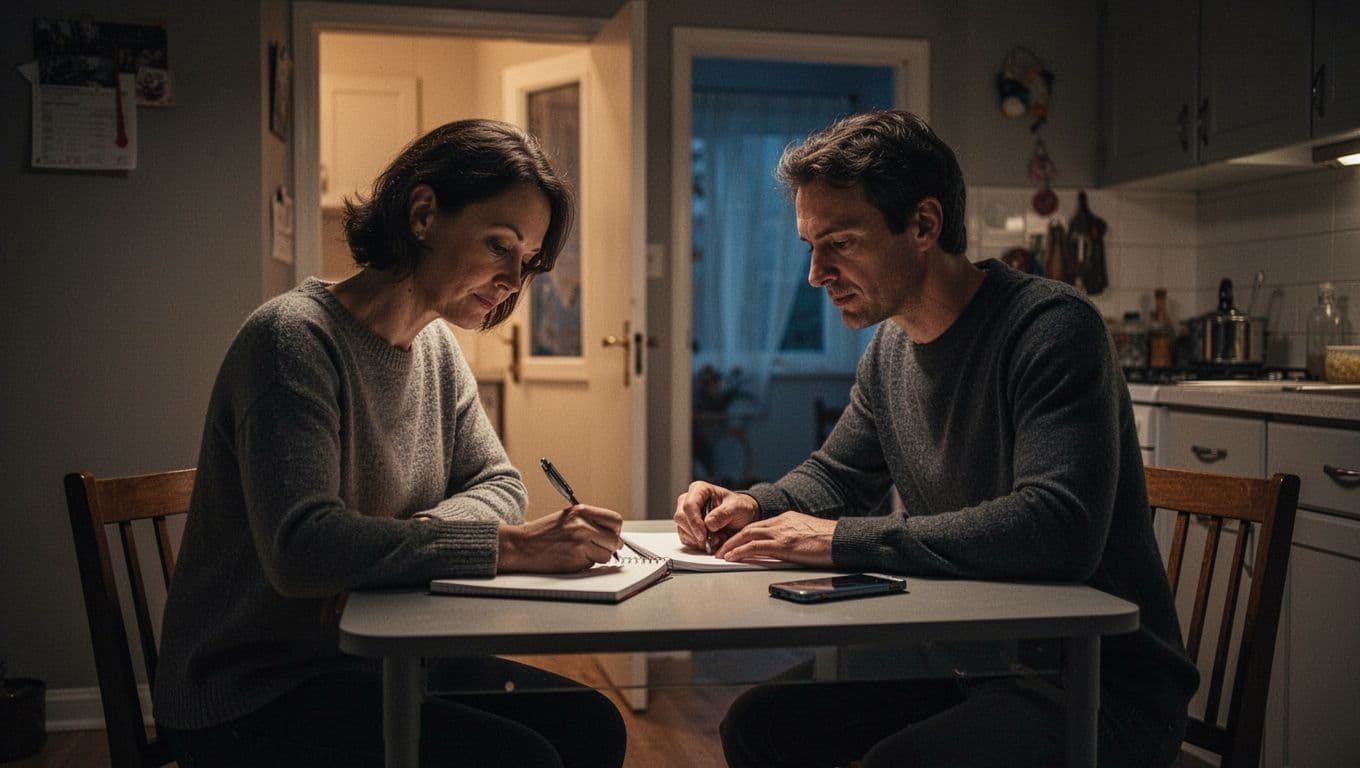
Avoid storing plans where your partner can find them. If paper notes are unsafe, speak with an advocate about options that fit your situation. Privacy should support your safety, not become another task that places you in danger.
Stay connected to safe people
Isolation makes control harder to recognize and harder to resist. Choose support based on safety and trust, rather than secrecy for its own sake. A reliable friend, relative, counselor, doctor, coworker, or domestic violence advocate may help you think clearly and plan your next step.
Tell one person what you need from them. You might ask them to check in at a set time, keep copies of important documents, provide transportation, or let you use a safer phone. If speaking openly feels unsafe, use an agreed code phrase that means you need help.
You can also strengthen your support system through these ways to protect your emotional independence. Support doesn’t require you to leave today. It gives you more choices when you’re ready to act.
Know When Boundary Setting Could Put You at Risk
Boundaries can protect your peace, but they can’t guarantee that an abusive partner will change. A controlling person may become more threatening when they feel their access, authority, or influence slipping away.
If your partner punishes you for saying no, focus on staying safe rather than winning the conversation. You don’t have to announce every boundary or confront someone who may retaliate.
Treat escalation as a safety warning
Intimidation, stalking, threats, physical violence, and forced sex require more than a calm boundary script. The same applies when your partner threatens your children, pets, home, car, phone, job, or important belongings.
Take threats seriously if your partner says they will:
- Hurt you, themselves, your children, or your pets.
- Follow you, track your location, or repeatedly contact you after you ask them to stop.
- Destroy property, take your children, or prevent you from leaving.
- Force sex, punish you for refusing, or refuse to respect condom use.
- Sabotage birth control, pressure you about pregnancy, or interfere with reproductive healthcare.
These actions are abuse, not ordinary relationship conflict. The CDC defines stalking as repeated, unwanted attention or contact that causes fear for your safety or someone close to you. Forced sexual contact also counts as sexual violence when you don’t consent or can’t consent.
A boundary may clarify your position, but it cannot control an unsafe person’s reaction.

Choose safety planning over private confrontation
When retaliation is possible, don’t meet your partner alone to discuss boundaries. Contact a trusted person or advocate from a safer device, and ask about options that fit your circumstances. The National Domestic Violence Hotline offers relationship abuse safety planning and confidential support.
You might arrange transportation, keep essential documents accessible, identify a safe place, or create a code word with someone you trust. Avoid sudden changes to passwords, location settings, or routines if your partner monitors your devices and may notice.
If you are in immediate danger, call 911 when you can do so safely. In the United States, you can also call the National Domestic Violence Hotline at 800-799-SAFE (7233), text START to 88788, or use its 24/7 chat. If speaking openly could put you at risk, clear your call history only when doing so won’t raise suspicion, and ask an advocate how to protect your privacy.
Get Support When Your Partner Refuses to Respect Boundaries
When your partner ignores a clear boundary, the next step isn’t finding better words. You need outside support, a safety plan, and time to observe whether their behavior changes. A partner who cares about your well-being may feel disappointed, but they won’t punish you for having limits.
Watch what happens after you speak up
Healthy change begins with listening. Your partner should allow you to explain your limit without interrupting, mocking, threatening, or turning the conversation against you. They should also respect a clear no, take responsibility for their behavior, and make changes without forcing you to manage their emotions.
Look for consistent actions over several weeks, not one emotional apology after an argument. For example, if you say you won’t discuss problems while they’re yelling, healthy progress means they lower their voice, pause the conversation, and return to it respectfully. They don’t follow you through the house, send repeated messages, or accuse you of abandoning them.
Warning signs include:
- Blaming you for their anger or claiming you caused their controlling behavior.
- Denying events you clearly remember or insisting you’re too sensitive.
- Apologizing warmly, then repeating the same behavior days later.
- Giving you the silent treatment, withholding money, or threatening to leave.
- Escalating to stalking, intimidation, property damage, physical harm, or sexual pressure.
Repeated punishment shows that the problem isn’t your boundary script. Your partner understands the limit and chooses to violate it.
A sincere apology includes changed behavior, not only regret after consequences appear.
Reach out before you feel ready
Tell someone trustworthy what has been happening, especially if you feel isolated or afraid. A friend, therapist, doctor, coworker, or domestic violence advocate can help you assess the pattern without pressuring you into a decision.
The National Network to End Domestic Violence’s conversation guidance can help you support someone safely. You can also read about protecting yourself from a threatening partner when emotional harm has become a repeated pattern.
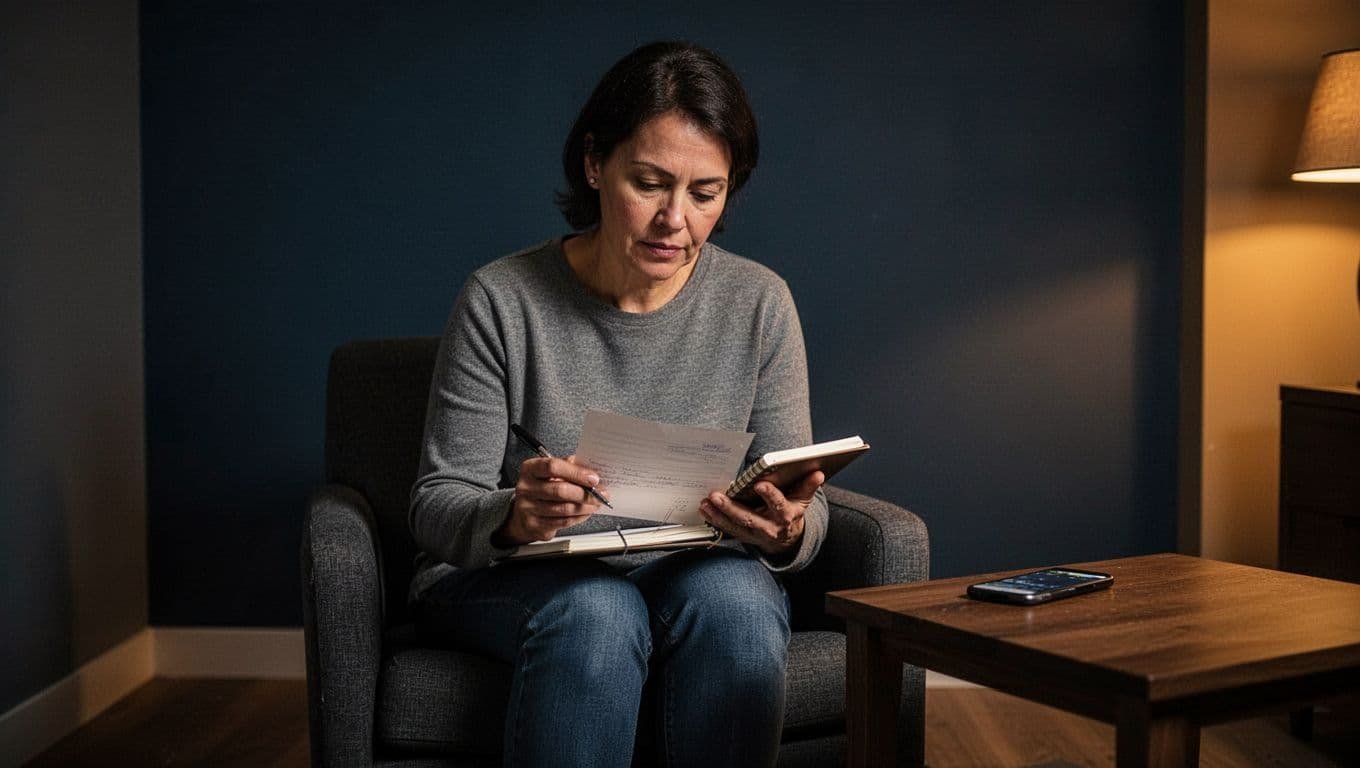
If your partner monitors your phone, use a safer device before seeking help. Call 911 during immediate danger, or contact a local advocate for confidential planning and referrals.
Conclusion
Setting boundaries with a controlling partner begins with naming the pattern instead of blaming yourself for reacting to it. Choose one clear limit, state what you will do if it is ignored, and watch your partner’s behavior rather than relying on promises. Healthy boundaries protect privacy, respect, and independence, as shown in these healthy relationship boundaries.
You cannot control how your partner responds, and you don’t have to prove your boundary through a dangerous confrontation. If they threaten, monitor, punish, or intimidate you, step back and protect your safety instead of trying to win the argument.
Wanting privacy, respect, freedom, and safety is not selfish. Take one small, safe step today, such as telling a trusted person what has been happening or contacting a domestic violence advocate. Your boundary is valid even when someone else refuses to honor it.
Save the pin for later

- 60 Color Tattoos That Healed Beautifully - 25/09/2026
- 40 Most Painful Tattoo Spots - 24/09/2026
- 20 Tattoo Aftercare Mistakes That Ruin Fresh Ink - 23/09/2026

