Unexplained charges keep appearing, money goes missing, and your husband becomes defensive whenever you ask where it went. That pattern can leave you feeling anxious and shut out, but one expensive purchase alone doesn’t prove your marriage is over.
The real warning signs are secrecy, repeated dishonesty, broken financial agreements, lost trust, and spending that harms your household. The seven patterns in this post include hidden purchases, money spent on another woman, reckless spending, secret debt, addictive behavior, and financial control. Together, they can reveal a serious problem that needs more than another argument about a credit card bill.
The goal isn’t to shame your husband or tell every reader to leave. Ask yourself whether you’re facing a money disagreement, or whether money is being used to hide betrayal, addiction, or control. Clear expectations and healthy financial boundaries in relationships can help when both partners are willing to be honest.
If he threatens you, controls access to money, prevents you from working, or punishes you for asking questions, focus on safety before confrontation. Start by noticing the pattern, protecting important documents and accounts, and learning what each spending habit may reveal.
Key Takeaways
- Hidden purchases, secret debt, and repeated lies can damage trust more than one expensive mistake.
- Reckless spending may place your family under financial stress and leave you carrying the consequences alone.
- Money spent on another woman can point to emotional or romantic betrayal, especially when he conceals it.
- Financial control includes restricting access to accounts, income, credit, or household information. Learn more about financial abuse and control.
- Set financial boundaries for couples, document serious concerns, and prioritize safety if money becomes a tool for control.
If Your Husband Is Spending Money on These Things, Your Marriage Is Already Over
A purchase alone doesn’t prove a marriage is finished. The deeper problem is what the spending reveals about honesty, shared priorities, consent, and responsibility. A disclosed personal allowance is different from money spent in secret, denied, or taken from shared accounts.
Watch for repeated clues such as changed passwords, missing statements, unexplained withdrawals, creditor calls, and sudden defensiveness. One charge may have an innocent explanation, but a pattern deserves a direct conversation.
Spending That May Reveal Betrayal
Secret gifts, hotel rooms, dinners, or trips for another woman can damage trust because shared money may be funding a hidden relationship. Dating apps, private messages, and paid sexual content create similar concerns when he hides them, deletes evidence, or lies about what happened.
Ask yourself:
- Does he explain the charge clearly, or does his story change?
- Did he use household money without your agreement?
- Is he willing to show statements and answer reasonable questions?
- Has the secrecy continued after you discussed its effect on you?
A single unfamiliar charge doesn’t prove infidelity. However, repeated purchases combined with hidden communication, emotional distance, or hostility may point to betrayal rather than ordinary poor judgment. These patterns also show why financial secrecy damages relationship trust.
Spending That Puts the Household at Risk
Gambling, betting apps, and casino spending can drain savings before a spouse understands what is happening. Alcohol, drugs, and other compulsive behaviors may create the same crisis through frequent purchases, missed work, unpaid bills, or money borrowed from relatives.
You can’t diagnose an addiction from a bank statement. Still, the situation becomes more serious when he hides transactions, chases losses, promises to stop, or uses rent and grocery money to continue.
Luxury watches, designer items, expensive electronics, and status purchases also become destructive when bills remain unpaid. The same applies to costly hobbies, trips, and entertainment that repeatedly exclude you or the children. Personal spending is reasonable when both spouses disclose it, agree on limits, and pay shared obligations first.
Hidden Debt and Financial Control
Secret credit cards, personal loans, cash withdrawals, and large balances can leave you responsible for consequences you never accepted. Ask whether accounts exist in your name, whether joint credit has changed, and whether any lender has contacted the household.
Financial control is more serious than poor budgeting when he forces you to take out loans, pressures you to sign documents, restricts your access to income, or keeps total control of accounts. The Consumer Financial Protection Bureau has addressed the financial consequences of domestic violence, including coerced debt and accounts opened secretly in a partner’s name.
Spending becomes a marriage-threatening pattern when secrecy matters more to him than repair.
If raising the issue leads to threats, punishment, or restricted access to money, protect important documents and seek confidential support before confronting him. Your first question isn’t whether one purchase ended the marriage. It’s whether he accepts accountability and respects your right to financial safety.
How to Tell Secret Spending From a Normal Money Disagreement
Different spending habits don’t automatically mean your marriage is failing. One partner may save every dollar while the other enjoys dinners, hobbies, or occasional splurges. The real concern appears when money disagreements involve secrecy, repetition, power, or a lack of consent.
A normal conflict leaves room for honesty and negotiation. Both partners can review the accounts, explain their priorities, and agree on reasonable limits. Even when one person makes a poor purchase, they usually admit it, discuss the effect on the household, and help repair the damage.
What a Healthy Money Conflict Looks Like
Couples can disagree about how much to spend on clothes, travel, entertainment, gifts, or personal hobbies. Those disagreements remain manageable when both people know what is happening.
For example, you might agree to pay household bills first, save a certain amount, and give each spouse a separate allowance. Within that agreement, a private purchase may be perfectly acceptable. You don’t need permission for every coffee or pair of shoes when the spending comes from money you both agreed was personal.
A shared budget can make these expectations clearer. Budgeting as a couple gives you a way to discuss income, debt, savings, and spending limits before resentment builds.
The disagreement may still feel uncomfortable, but both partners retain a voice. You can ask questions without fearing punishment, and neither person carries the entire financial burden alone.

When Spending Becomes Destructive
Secret spending looks different because one partner controls the information. He may delete alerts, hide statements, change account passwords, open undisclosed credit cards, or take cash without explaining where it went. When you ask about the missing money, he may lie, become threatening, or blame you for noticing.
Financial infidelity often includes hidden purchases, secret accounts, concealed debt, or money spent on another woman. The problem grows when those choices use shared funds or continue after you clearly explain the harm.
Ask yourself four simple questions:
- Who knows what is happening? Can both partners see the accounts, balances, debts, and major transactions?
- Who gets to decide? Did you both approve the spending, or does one person make financial choices for everyone?
- Who can access the money? Can you reach household funds, statements, and important financial records?
- Who carries the cost? Does one partner absorb the debt, missed bills, housing risk, anxiety, or emotional fallout?
These questions can reveal the difference between an ordinary clash and a serious pattern. A private purchase becomes more concerning when it threatens rent, utilities, food, childcare, medical care, or other basic needs.
Look for Control, Not Just Poor Judgment
Economic control may involve restricting your access to money, forcing you to take on debt, interfering with your job, demanding receipts for every purchase, or withholding funds for necessities. Financial abuse can be subtle or obvious, and the National Network to End Domestic Violence explains financial abuse as a way a partner gains power and control.
The exact legal terms vary by location, so focus first on the behavior and its effect on your safety. If you cannot access money, fear his reaction, or face debt he created without your agreement, document what you can and seek confidential help through Department of Justice victim resources. A disagreement can be repaired when both partners accept accountability. A pattern of control requires protection before another financial conversation.
The relationship damage goes far beyond the bank account
Repeated secret spending changes the emotional climate of a marriage. The problem is no longer only the missing money. You may start wondering what else he hides, whether your shared plans are real, and whether you can trust him with the family’s future.
Financial infidelity can carry an emotional cost similar to other forms of betrayal, especially when one spouse lies or uses shared money without consent. Research on financial infidelity in romantic relationships connects hidden financial behavior with secrecy, guilt, and relationship strain.
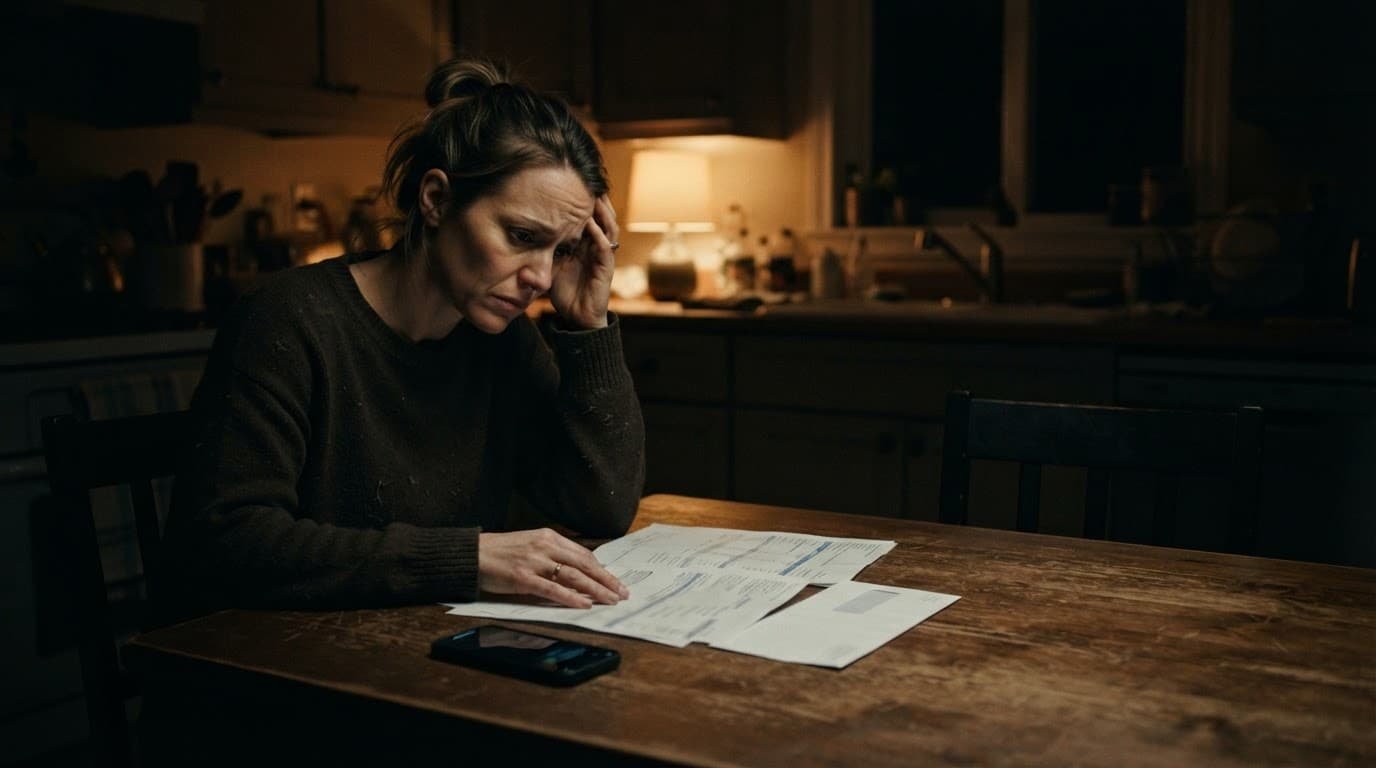
Secrecy creates anxiety and emotional distance
When surprise charges keep appearing, your body may stay on alert. You check bank statements before breakfast, watch his reactions, and wonder whether the next bill will threaten rent, groceries, or your children’s needs.
That anxiety can make ordinary life feel unsafe. Instead of relaxing beside your spouse, you become the person who monitors accounts, covers unpaid bills, makes excuses to relatives, and prepares for another financial emergency. Over time, resentment grows because one partner creates the problem while the other carries the cleanup.
Emotional and sexual closeness may fade as well. How can you feel open and connected when you are protecting yourself from another lie? You might stop sharing your feelings, avoid affection, or treat your spouse like a roommate whose decisions require investigation.
Secret spending forces the honest partner to live in two roles, spouse and financial detective.
Children often feel the pressure, even when adults avoid discussing money around them. They may notice canceled activities, tense conversations, unpaid necessities, or a parent who seems frightened whenever the phone rings. Household needs should never be sacrificed to protect a spending habit or preserve the appearance of peace.
Remorse is different from accountability
An apology can sound sincere and still change nothing. Genuine accountability requires more than saying, “I’m sorry.” It includes telling the truth, answering reasonable questions, stopping the harmful behavior, accepting agreed limits, and taking practical steps to repair the financial damage.
That repair might involve canceling secret accounts, creating a transparent budget, contacting creditors, attending counseling, or seeking treatment for gambling or another compulsive behavior. The exact step depends on the problem, but his actions should reduce risk rather than hide it.
Empty apologies follow a familiar pattern. He blames you for asking questions, calls you controlling for wanting account access, promises to change without a plan, or hides the evidence more carefully next time. In that situation, the issue is not only poor spending. He is refusing the honesty needed to rebuild trust.
A marriage isn’t automatically over because of debt or one serious mistake. However, continued dishonesty, intimidation, and financial control can make the relationship unsafe or unsustainable. You can discuss repair when both partners accept responsibility. If fear and control continue, protect your access to money and seek confidential support before another confrontation.
A weekly relationship check-in can support honest conversations, but it cannot repair a marriage alone. Trust returns through consistent behavior, not promises made after every discovery.
What to Do When Your Husband Hides Spending or Puts You in Debt
When your husband hides spending or creates debt, slow down before confronting him. Your first responsibility is protecting your access to housing, food, utilities, transportation, medication, and money for immediate needs. You need facts and a safety plan before trying to solve the marriage.
Protect your money and personal records
If you share accounts, check whether you can still access enough money for basic expenses. If doing so could trigger retaliation, contact a trusted person, bank representative, domestic violence advocate, or attorney before moving funds. Secretly draining a joint account may create legal problems, so check your local laws first.
Use a safe device that your husband can’t monitor. Change passwords for your email, banking, and credit accounts, then turn on account alerts and two-factor authentication. Choose new security questions that he can’t guess. Don’t save passwords on a shared phone or computer.
Gather copies of records you can lawfully access, including:
- Bank and credit card statements.
- Loan agreements, tax documents, and property records.
- Insurance policies and retirement account information.
- Recurring bills, account numbers, and creditor letters.
- Pay stubs, vehicle records, and evidence of unfamiliar charges.
Store the copies in a private email account, secure cloud folder, or with someone you trust. Keep a dated log of charges, conversations, threats, and missed payments. Never log into an account illegally or intercept his private communications.

Check for debt in your name
Review your credit reports through AnnualCreditReport.com, the official source for free federal credit reports. Look for unfamiliar credit cards, personal loans, auto loans, collection accounts, hard inquiries, addresses, or employers.
If someone used your personal information to open an account, contact the lender and the Federal Trade Commission’s identity theft service. For problems involving a bank, lender, credit reporting, or collection agency, the Consumer Financial Protection Bureau’s coerced debt guidance may help you understand available protections.
Don’t sign a new loan, refinance agreement, credit application, or guarantee until you understand your legal responsibility. A financial counselor or family-law attorney can explain which debts may affect you under your state’s laws.
Speak only when honesty and safety are possible
If you feel safe, use a direct statement instead of an accusation: “I found charges I did not agree to, and I need full financial information before we make another joint decision.”
Ask for complete statements, a list of debts, and a written plan. If both of you are willing to be honest, create a budget, set spending limits, agree on separate personal allowances, and schedule regular financial check-ins. A joint budgeting checklist for couples can help organize that conversation.
However, secretly draining shared accounts, forcing you to take on debt, blocking employment, or withholding money for basic needs may be financial abuse, not bad budgeting. If you fear his reaction, contact a therapist, attorney, bank, trusted support person, or the National Domestic Violence Hotline through a safe device. Your safety matters more than getting an immediate confession.
When Financial Abuse Makes Leaving a Marriage a Safety Issue
Leaving a marriage can increase danger when your husband uses money to monitor, punish, or isolate you. Financial control can exist without physical violence. A partner may watch every account, track your phone, threaten to leave you homeless, hide identity documents, or create debt that keeps you dependent on him.
The period before and after separation may bring more surveillance and retaliation. Therefore, don’t confront him, announce your plans, or open a new account in a way he could discover if that might put you at risk. A confidential plan is safer than a rushed financial move.
How money can increase the risk of leaving
A controlling spouse may monitor bank alerts, question small purchases, check your location, or demand access to your email and devices. He might cancel cards, stop contributing to household bills, hide passports or Social Security cards, or threaten to take the children and the home.
Debt can also become a barrier. Secret loans, coerced credit applications, unpaid joint bills, and accounts opened in your name may damage your credit and make housing harder to secure. These actions can leave you feeling trapped, even when you know the marriage is harming you.
Financial abuse doesn’t require physical violence. Fear, surveillance, debt, and blocked access to basic needs can still create an unsafe relationship.
If leaving feels dangerous, contact a domestic violence advocate before making visible changes. You can also read about safety planning when leaving a controlling partner without telling your spouse what you are considering.

Build a private safety plan
Choose a safe email address that your husband cannot access, and avoid creating it on a monitored device. Ask an advocate how to clear browsing history, protect location settings, and use a safer phone if needed.
When it is safe, store copies of important documents with a trusted person or in a secure location. Include identification, birth certificates, Social Security cards, immigration papers, medical records, insurance information, account details, and legal documents.
Your plan may also include:
- Emergency cash kept somewhere safe, if saving money will not expose you.
- A transportation plan, including keys, fuel, rides, or a trusted driver.
- Necessary medication, prescriptions, and basic medical supplies.
- A secure place to stay, such as a trusted friend, shelter, or family member.
- A code word that tells someone you need help without explaining why.
In the United States, contact the National Domestic Violence Hotline at 800-799-SAFE (7233), or text START to 88788. Advocates can help you create a personal safety plan based on your situation. Readers elsewhere should contact local emergency services or a domestic violence support organization. If you face immediate danger, call your local emergency number.
Can Trust Be Rebuilt After Destructive Spending?
Yes, trust can return after destructive spending, but forgiveness alone won’t rebuild it. Repair depends on what your husband does after the truth comes out, especially when the changes become inconvenient or uncomfortable.
A tearful apology may open the door, but consistent action keeps it open. You need evidence that he understands the harm, accepts responsibility, and will protect your family’s financial safety.
Conditions That Make Repair Possible
Trust has a better chance when both partners agree to clear, measurable changes. Your husband should be willing to:
- Provide complete financial disclosure, including bank accounts, credit cards, loans, investments, cash withdrawals, and outstanding debts.
- Close secret accounts and stop gambling, substance-related spending, or other harmful purchases.
- Seek treatment when addiction, compulsive spending, or substance use contributes to the financial damage.
- Create a realistic repayment plan, contact creditors, and take responsibility for rebuilding the household’s financial stability.
- Include you in major decisions and accept shared access to records, statements, alerts, and agreed account information.
- Follow the new plan steadily, even after the immediate crisis has passed.
A written agreement can make these promises easier to judge. It might include spending limits, separate personal allowances, weekly money meetings, automatic bill payments, and a rule that neither spouse opens new credit without discussing it first.

Couples counseling may help you discuss betrayal, money, and accountability with support. A therapist can help you set practical boundaries, while resources on rebuilding trust after emotional cheating may offer useful ideas about transparency and follow-through. However, joint counseling only makes sense when both partners feel safe enough to speak honestly. A couples counseling guide for rebuilding trust can help you understand what that process may involve.
If intimidation, coercion, threats, or financial abuse are present, seek individual support first. A domestic violence advocate, therapist, financial counselor, or attorney can help you make decisions without exposing you to more control.
Signs Reconciliation Is Unlikely
Repair becomes unlikely when the same pattern continues under a different explanation. Pay attention if he:
- Keeps lying, deleting records, or refusing to share statements.
- Retaliates when you ask reasonable financial questions.
- Opens new accounts, creates new debt, or continues harmful spending.
- Blames you for his choices or calls basic transparency controlling.
- Threatens you, withholds money, or uses access to finances as punishment.
- Changes briefly, then returns to the same behavior after a few days or weeks.
Judge the marriage by sustained actions, not tears, promises, or one good week. You don’t need to prove that the marriage is officially over before taking financial harm seriously or seeking help.
Conclusion
The most serious warning sign isn’t a particular brand, hobby, or dollar amount. It’s a repeated pattern of secrecy, betrayal, coercion, and refusal to protect the family from the consequences. A marriage with spending problems isn’t automatically finished, but trust becomes difficult to rebuild when he keeps lying, hides debt, spends shared money without consent, or uses finances to control you.
You are allowed to ask for clear records, shared decisions, honest answers, and access to money that affects your life. If you’re unsure what to do next, choose one safe step, such as reviewing your accounts, telling a trusted person, booking professional financial or legal advice, or contacting a support service. Learning the warning signs of a controlling husband can also help you name what you’re experiencing.
Love doesn’t require you to accept deception or financial control. Support is available whether you choose repair, separation, or simply need time to understand the truth.
Save the pin for later


- 60 Color Tattoos That Healed Beautifully - 25/09/2026
- 40 Most Painful Tattoo Spots - 24/09/2026
- 20 Tattoo Aftercare Mistakes That Ruin Fresh Ink - 23/09/2026

