By the time dinner is cleared, homework is checked, work messages are answered, and everyone else has what they need, you may realize you haven’t had a single moment to yourself. As a wife, mother, caregiver, employee, or homemaker, it’s easy to become so absorbed in your roles that your own needs fade into the background.
Doing things alone regularly isn’t selfish, and it doesn’t mean there’s trouble in your marriage. A quiet coffee, solo walk, personal appointment, or evening with a book can help you rest, hear your thoughts, and remember the woman you are outside your responsibilities. Research on stress and relationships also connects unmanaged pressure with poorer communication and less satisfying time together, so caring for yourself can support your marriage too.
You don’t need an expensive trip or an entire weekend away to begin. Even small, protected pockets of time can help you maintain your identity in a relationship, especially when you communicate your plans and make sure the arrangement feels fair and safe for both partners.
The ideas ahead include simple pleasures, personal growth, friendships, health, finances, and realistic ways to make regular solo time part of your life. Start with the first practice and choose one small thing you can do alone this week.
Key Takeaways
- Regular alone time helps you protect your identity, recharge emotionally, and enjoy marriage without losing yourself.
- Simple activities, such as walking, reading, journaling, or enjoying coffee, can support your mental health.
- Schedule solo time like any other important commitment, then communicate your plans clearly with your spouse.
- Set healthy boundaries around your time, energy, and privacy without guilt or secrecy.
- Self-care matters for your well-being, and research connects self-pampering with better emotional health in women (research on self-pampering and depression).
Why alone time in marriage helps you feel more like yourself
Marriage can give you companionship, shared purpose, and a steady place to land. Still, a healthy relationship doesn’t require you to spend every free moment together. Regular time alone helps you hear your own thoughts, recover from daily pressure, and stay connected to the woman you were before your roles filled the calendar.

Chosen solitude is different from emotional isolation
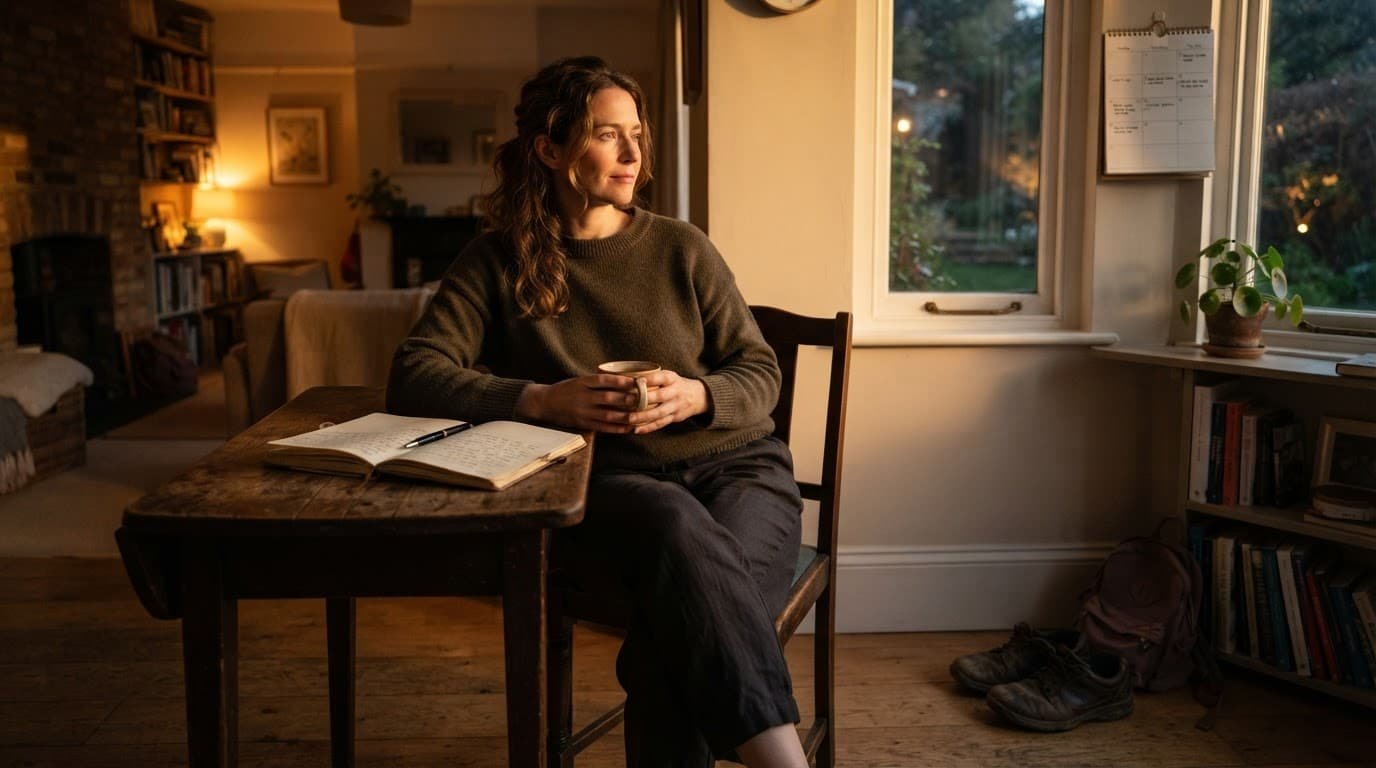
Chosen solitude is time you decide to spend by yourself. You may take a walk, sit in a coffee shop, read, pray, journal, or simply enjoy a quiet room. The experience usually leaves you feeling rested or clearer because you control the timing and purpose.
Emotional isolation feels different. You can feel lonely while sitting beside your spouse, especially when you don’t feel heard, supported, or emotionally safe. Isolation often creates disconnection, while chosen solitude can give you space to reconnect with yourself and return to the relationship with more patience.
Research published through the National Institutes of Health found that daily solitude may support self-connection and personal choice. The American Psychological Association also highlights the difference between solitude and loneliness, including how alone time can affect emotions and stress.
Alone time won’t automatically fix anxiety, repeated conflict, or a painful marriage. However, it can help you notice what you’re feeling before stress turns into irritability, withdrawal, or resentment.
Personal space supports emotional balance
When your day belongs to everyone else, your nervous system may stay switched on for hours. A short period without requests, noise, or decisions gives your mind room to settle. You may return from that pause with a better sense of what you need and how you want to respond.
Regular solitude can support:
- Self-awareness, because you have time to notice your thoughts, preferences, and emotional patterns.
- Stress relief, because quiet activities can interrupt the pressure of work, parenting, and household responsibilities.
- Emotional regulation, because a pause gives you time to calm down before starting a difficult conversation.
- Independence, because you continue building confidence in your own choices and abilities.
- A stronger identity, because you remain a whole person, not only a wife, mother, employee, or caregiver.
You might discover that you miss painting, want to take a class, or need an hour of uninterrupted rest. Those discoveries matter. They remind you that your inner life deserves attention too.
For more ideas about rediscovering yourself in a relationship, consider the interests and routines you had before marriage, along with new ones that fit your life now.
A strong marriage leaves room for two people
Shared goals and separate interests can exist in the same marriage. You and your spouse may plan finances together, raise children as a team, and still enjoy different hobbies, friendships, or ways of relaxing. That space can make time together feel more intentional instead of automatic.
The right amount of alone time depends on your personality, work schedule, parenting duties, health, living situation, and family needs. One wife may need a quiet hour each evening, while another may prefer a solo morning each weekend. Start with an honest conversation about what helps you feel restored.
Both partners deserve personal time. Agree on practical details, such as childcare, household tasks, timing, and how often each person gets a break. The goal is balance, not secrecy or avoidance. When you protect your own identity and respect your spouse’s need for space, marriage has more room for genuine closeness.
15 things every wife should do alone regularly
Alone time can be simple, inexpensive, and still meaningful. Choose small activities that help you rest, grow, stay healthy, and remember that your life includes more than your responsibilities in marriage.
Create quiet moments that help you reconnect with yourself
Start with a solo outing that feels manageable. Take yourself to a local café for coffee, enjoy a meal at a relaxed restaurant, or walk through a library, park, or museum. If sitting alone feels awkward at first, give yourself time to adjust. Practice makes solo outings feel natural.

A peaceful walk after work can clear your head without taking much time. You could also read somewhere enjoyable, such as a sunny park bench or a quiet corner of your favorite bookstore. Leave your phone in your bag, turn off social media notifications, and let your attention return to the moment.
Journaling gives your thoughts somewhere to land. Try asking yourself:
- What am I feeling today?
- Which needs have I been ignoring?
- What personal win deserves recognition?
- What do I want more or less of in my life?
Schedule 20 minutes of solitude once or twice a week, then plan a longer café visit or museum trip once a month. Use healthy personal boundaries when protecting that time.
Restful solitude should leave you calmer, clearer, or refreshed. Withdrawing from everyone while feeling severely depressed, unsafe, or overwhelmed is different. If distress continues, contact a trusted person or qualified mental health professional instead of handling it alone.
Make room for fun, creativity, and personal growth
Keep at least one hobby that belongs to you. Paint, garden, dance, cook, take photographs, or learn a language because you enjoy it. Your hobby doesn’t need to earn money, improve your résumé, or become something you share with your spouse.
A class can add structure and introduce you to people who share your interests. Try one pottery lesson, cooking workshop, dance class, or language session before committing to a longer course. Likewise, exercise in a way that feels pleasant, whether you choose yoga, swimming, hiking, or an evening walk.
Begin with one hour each week. That small appointment can become a steady source of energy and confidence. For more ideas, choose from these goals for personal growth and adapt them to your current season.
When you feel ready, plan a solo day trip or overnight stay in a nearby town. Check transportation, lodging reviews, emergency contacts, medication needs, and your comfort with the itinerary. Start close to home, keep someone informed, and leave room for rest.
Also, do something purely for fun. Visit a new bookstore, see a matinee, try a new restaurant, or browse a farmers market. Pleasure doesn’t need to be productive to deserve a place in your life.
Care for your health, relationships, and future
Schedule and attend your own appointments, including primary care, dental, vision, gynecological, therapy, and preventive visits. Recommendations depend on your age, health history, and risks, so follow guidance from qualified professionals. The women’s preventive care guidance can help you prepare for a conversation with your provider.
Protect friendships outside your marriage, too. Meet a trusted friend for lunch, call a sibling, or visit family once a week or month. Your spouse can be an important support, but one person shouldn’t carry every emotional need.
Set aside time to review your personal finances. Know your accounts, bills, insurance, savings, debts, beneficiaries, and emergency information, even when you share a household. A monthly review can reveal forgotten subscriptions, upcoming expenses, or goals that need attention.
Organize important documents in a secure place. Keep copies of identification, medical information, account details, insurance policies, legal records, and contact numbers where you can access them during an emergency. Review your goals each season and update anything that has changed.
Finally, create a self-care ritual that feels comforting rather than demanding. Take a bath, book a massage, use skincare, nap, schedule a haircut, or protect one uninterrupted hour. Small rituals count, especially when they happen regularly.
How to make regular solo time work in real married life
Alone time becomes easier when you treat it as a normal part of family life, not a reward you must earn. Start with a rhythm that matches your work hours, children, caregiving duties, budget, and energy. A 20-minute reset each day may be more realistic than requesting an entire afternoon.

Put your personal time on a shared calendar beside appointments, school events, and date nights. You might take a weekly solo outing, schedule one personal appointment each month, and plan a quarterly day trip. Childcare, meal preparation, shared chores, and low-cost activities at home can protect the plan without straining your household budget.
Ask for alone time without making your spouse feel rejected
Choose a calm moment to talk, rather than asking while one of you is rushing out the door. Explain what you need, name the time frame, and reassure your spouse that personal space is not a statement about the marriage.
Try saying:
- “I’ve felt overloaded this week, so I’d like 20 minutes alone after dinner tonight. I love you, and I want to return feeling more patient.”
- “I’d like to visit the bookstore Saturday from 10 to 11:30. Can you handle breakfast and the kids while I’m gone?”
- “I need a monthly afternoon for my appointment and some rest. Let’s choose a time that gives you personal time too.”
Before leaving, discuss practical details. Who handles childcare? Which car is available? How much can you spend? Do you need to check in, and when will you be home? If you share caregiving, household duties, or transportation, your solo time shouldn’t quietly transfer your responsibilities to your spouse without agreement.
A healthy request is clear and time-limited. Silence, disappearing, refusing to answer reasonable safety questions, or leaving to punish your spouse creates fear instead of restoration. Personal time should give both partners a fair chance to breathe.
Listen when your spouse describes their own needs. Maybe they want uninterrupted gaming, a gym visit, or an evening with friends. You can create a shared rhythm that protects both people, such as alternating Saturday mornings. Healthy relationship boundaries work best when they protect each partner’s time without turning marriage into a scorecard.
Protect your boundaries while staying connected
Personal time may include privacy, uninterrupted focus, a private journal, a separate hobby, or friendships that don’t require constant reporting. You can love your spouse and still ask them not to read your journal, take your phone, interrupt your appointment, or give advice you didn’t request.
Use kind, direct statements:
- “I’m going to write for 30 minutes, and I’ll talk with you afterward.”
- “I want to see my friend alone tonight. We can plan something together this weekend.”
- “Please ask before looking through my phone. I need personal privacy, not secrecy.”
- “I can listen later, but I don’t have the energy to solve this right now.”
Privacy means having an area of life that belongs to you. It doesn’t mean hiding dangerous behavior, an affair, major financial decisions, or information that affects shared safety and responsibilities. Trust grows through honesty, not total access to every thought or device.
Set expectations before your time begins. Silence notifications, choose a room where interruptions are less likely, and agree on what counts as urgent. Still, consent and respect apply on both sides. You remain responsible for agreed childcare, transportation, pets, bills, and household tasks while you take your break.
When a boundary causes tension, listen without abandoning it immediately. Explain the reason, ask what would make the arrangement workable, and adjust the details when needed. Guidance on setting healthy boundaries in relationships also emphasizes clear communication as needs change. A private hour can strengthen connection when both spouses know where they stand.
Solo time should feel safe, supportive, and emotionally healthy
Alone time should leave you feeling steadier, not frightened, guilty, or cut off from everyone you love. Healthy independence gives you room to make choices while keeping honest communication, practical safety, and mutual respect at the center of your marriage.

Take simple precautions when you’re alone
Use common-sense safety steps without turning every outing into a source of fear. Before a solo walk, night out, or trip, tell a trusted person where you’re going and when you expect to return. Keep your phone charged, bring identification and needed medication, and choose familiar transportation when possible.
For evening plans, stay in well-lit public areas and arrange your ride before leaving. During travel, share your itinerary with someone you trust, keep emergency contacts easy to reach, and listen to your instincts. If a place, person, or situation feels wrong, leave and call for help.
A basic safety plan may include:
- Sharing your destination and expected return time with a trusted person.
- Keeping enough money for transportation and carrying a charged phone.
- Using a familiar route, licensed transportation service, or reliable driver.
- Checking in after arriving and letting someone know when you get home.
- Choosing a public meeting place if you feel uneasy about an interaction.
These steps support independence without suggesting that you are responsible for another person’s harmful behavior. You deserve to enjoy your time alone without constant monitoring.
Know when a relationship problem is more serious
A spouse may ask reasonable questions about timing, childcare, or safety. However, control looks different. Your partner should not control every outing, isolate you from friends, monitor your devices, restrict access to money, or punish you for requesting time alone.
Coercive control, intimidation, threats, stalking, and financial control are serious concerns. If you feel afraid to leave the house, contact friends, or make ordinary choices, speak with someone you trust from a safe device. The National Domestic Violence Hotline offers confidential support by phone, chat, and text in the United States.
Healthy boundaries protect connection rather than create fear. Learn more about maintaining independence in a relationship while staying alert to patterns that make you feel smaller or less free.
Make sure solitude isn’t becoming avoidance
Solo time can calm you before a difficult conversation, but it shouldn’t become a permanent escape from every problem. If you repeatedly leave to avoid accountability, refuse all communication, or use isolation to punish your spouse, the break may increase conflict instead of relieving it.
Professional support can help when depression, anxiety, burnout, loneliness, or marital conflict keeps returning. A therapist, doctor, or qualified counselor can help you understand what you need and choose safer ways to respond. If you feel unsafe at home, prioritize a safety plan and outside support over relationship counseling. Your alone time should give you space to recover, think clearly, and return to life with greater freedom.
Build a personal routine that gives you energy instead of another task
A personal routine should support your life, not fill every empty space with obligations. Choose activities based on the kind of energy you need, then give each one a realistic place on your calendar. Regularity matters more than perfection, and one small thing you do alone still counts as progress.
Sort solo activities by the time and energy they require
Organize your ideas into three flexible categories. This prevents you from treating every form of self-care like a major event.
- Quick resets take 5 to 30 minutes. Try sitting with coffee, taking a short walk, stretching, journaling, or reading a few pages before bed.
- Meaningful weekly activities need more planning. Meet a friend for lunch, attend a fitness class, work on a hobby, visit the library, or review your personal finances.
- Occasional adventures give you something fresh to anticipate. Plan a solo museum visit, day trip, workshop, spa appointment, or overnight stay when your schedule and budget allow.
Attach quick resets to routines you already have, such as walking after lunch or writing after the children go to bed. Small daily habits for more energy are easier to maintain when they fit naturally into your existing day.
Track what actually restores you
For one month, record the activity and how you feel afterward. Use a notebook, calendar, or notes app and rate each experience from 1 to 5 for:
- Mood
- Energy
- Confidence
- Connection at home
Add one short observation, such as “I felt calmer after walking” or “The friend date lifted my mood, but the late night drained me.” Research on habits and routines suggests that simple, manageable behaviors are often easier to repeat than ambitious plans (research on creating habits and routines).
Your notes can reveal useful patterns. Perhaps exercise improves your energy, while quiet reading helps you sleep. Maybe financial check-ins reduce background worry, even though you don’t enjoy them in the moment.
Try this simple monthly plan
Adjust the timing to fit your household, but use this structure as a starting point:
- Take a 15-minute quiet break alone twice each week.
- Schedule one friendship date, such as coffee, lunch, or a phone call.
- Complete one health or finance check-in, including an appointment, account review, or prescription refill.
- Protect one hour for a hobby you enjoy.
- Plan one longer solo outing, such as a bookstore visit, hike, class, or nearby day trip.
During illness, a demanding work season, new parenthood, grief, or caregiving, reduce the plan without abandoning yourself. A ten-minute pause may replace a full outing. UNC Health also recommends that caregivers take breaks and ask for help when they need it.
Review your routine at the end of the month. Keep what gives you energy, change what feels burdensome, and remove anything you only do from guilt. A flexible routine leaves room for real life while still reminding you that your needs belong on the calendar.
Conclusion
Marriage should add to your identity, not erase it. Regular time alone helps you remember that you are a whole person with your own thoughts, interests, friendships, health needs, and hopes. It can also make your time together feel more honest because you aren’t relying on your spouse to meet every emotional or personal need.
Your solo time may be as simple as taking a walk, writing a journal entry, attending a medical appointment, talking with a friend, or reviewing your personal finances. Choose one manageable activity for this week, put it on the calendar, and explain the plan respectfully. Then offer your spouse the same freedom to rest, reflect, and enjoy something that belongs to them. Clear relationship boundaries around alone time can help both of you protect personal space without creating distance.
You don’t need to wait until you’re exhausted or resentful before caring for yourself. A woman who makes room for her own well-being can bring more honesty, steadiness, joy, and presence to her marriage. Your needs belong in the life you’re building together.
Save the pin for later

- 60 Color Tattoos That Healed Beautifully - 25/09/2026
- 40 Most Painful Tattoo Spots - 24/09/2026
- 20 Tattoo Aftercare Mistakes That Ruin Fresh Ink - 23/09/2026

