Feeling guilty, confused, or worried because you’re no longer attracted to your husband doesn’t make you cruel or ungrateful. Attraction can change during marriage, and a shift in desire doesn’t automatically mean your relationship is over.
Before making major decisions, slow down and notice what may have changed. Stress, resentment, emotional distance, health concerns, body changes, unresolved hurt, or relationship patterns can all affect physical desire. You also never owe your husband sex, affection, or access to your body, and if you feel pressured, afraid, controlled, or unsafe, protect yourself before trying to repair the marriage.
When the relationship is safe enough for an honest conversation, speak about your experience without criticizing his appearance or worth. Then consider small ways to rebuild trust and closeness, including habits that build emotional connection, while remembering that intimacy can’t be forced. Start by understanding what changed, checking your safety, and choosing the right support for what comes next.
Key Takeaways
- Losing attraction can reflect stress, resentment, emotional distance, health changes, or unresolved hurt, so pause before making major decisions.
- Your body belongs to you; you never owe sex or affection, especially when you feel pressured, afraid, or controlled.
- Discuss your feelings without insulting your husband’s appearance, and use these ways to communicate better with your spouse.
- Rebuilding attraction often starts with trust, kindness, honest conversation, and healthy relationship boundaries for couples.
- If abuse or coercion is present, prioritize safety and contact the National Domestic Violence Hotline for confidential support.
Not Attracted to Your Husband Anymore? What to Do First
A change in desire is information, not a moral failure or automatic sign of divorce. Before you make a major decision, pause and learn what your feelings may be telling you.
Start With Private Reflection
Choose a quiet moment to ask yourself when the change began. Did it follow childbirth, grief, repeated arguments, sleep loss, or a season of intense stress? Have you stopped wanting sex only, or do you also avoid kissing, touching, cuddling, and emotional closeness?
Notice whether attraction returns during peaceful, connected moments. You may feel differently after a kind conversation or a relaxed evening together than you do after resentment has filled the room. That difference can help you separate temporary low desire from a deeper loss of trust, respect, or interest.
Stress, anxiety, depression, medication changes, hormonal shifts, pain, and health concerns can also affect desire. Mayo Clinic lists these factors among common causes of low sex drive in women, so consider speaking with a qualified healthcare professional if the change appeared suddenly, continues, or causes distress. A doctor can review your symptoms, medications, sleep, mood, and reproductive health without reducing the issue to a relationship problem.

Protect Your Boundaries Before Repairing Closeness
You don’t need to force sex to test whether attraction will return. Pretending everything feels fine may create more resentment, while criticizing your husband’s body can cause lasting hurt without addressing the real issue. You can be honest about your experience without making him feel defective.
Your body remains yours inside marriage. Set clear limits around sex, affection, and conversations that leave you feeling pressured or unsafe. These healthy relationship boundaries can protect your well-being while you decide what support you need.
If the relationship feels safe, speak from your perspective: “I’ve noticed a change in my desire, and I want to understand what may be happening.” Focus first on honesty, emotional safety, and curiosity. If you find warmth returning, consider ways to reconnect with your spouse through low-pressure time together rather than treating intimacy as an obligation.
Why Physical Attraction Can Fade in a Marriage
Physical attraction can fade for reasons that have little to do with anyone being unattractive or unworthy. Desire responds to the emotional climate around it, so stress, resentment, exhaustion, and disconnection can change how you experience your husband.
Attraction Is More Than Appearance
Physical attraction is only one part of desire. Emotional attraction, trust, admiration, and feeling safe also shape whether closeness feels natural. When those parts weaken, your husband’s familiar face may stop creating the same spark, even if his appearance has not changed.
Unresolved resentment often sits beneath this shift. Repeated criticism, broken promises, or conflict that never gets repaired can make affection feel risky. Unequal household or parenting work can create another layer of anger, especially when one partner feels more like a caretaker than an equal.
Poor hygiene or a lack of self-care may affect physical interest, too. However, the issue may involve more than grooming. Emotional distance, little affection, and conversations limited to bills or schedules can turn spouses into people who share a home rather than a romantic bond. See these signs couples are turning into roommates if that pattern feels familiar.

Stress and Major Life Changes Can Shift Desire
Pregnancy, childbirth, breastfeeding, grief, illness, menopause, financial pressure, and poor sleep can all affect desire. Work stress and parenting demands may leave you physically present but mentally depleted. The Mayo Clinic’s explanation of low sex drive also identifies stress, relationship conflict, trust issues, and poor communication as common influences.
Routine matters as well. Familiarity can reduce excitement, especially when romance disappears beneath chores and responsibilities. Still, attraction may dip during a difficult season and return after emotional closeness, fairness, and warmth improve. Social media and romantic stories can distort expectations, so compare your current feelings with your real relationship, not an edited fantasy.
Use this self-check before assigning blame:
- Do I feel unseen or taken for granted?
- Am I angry about an unresolved issue?
- Do I feel pressured, exhausted, or unsafe?
- Have we become emotionally disconnected?
- Or have my feelings simply changed over time?
Your answer can reveal whether the strongest pattern involves the relationship, your circumstances, your health, or a genuine change in attraction.
How to Talk to Your Husband Without Making Him Feel Attacked
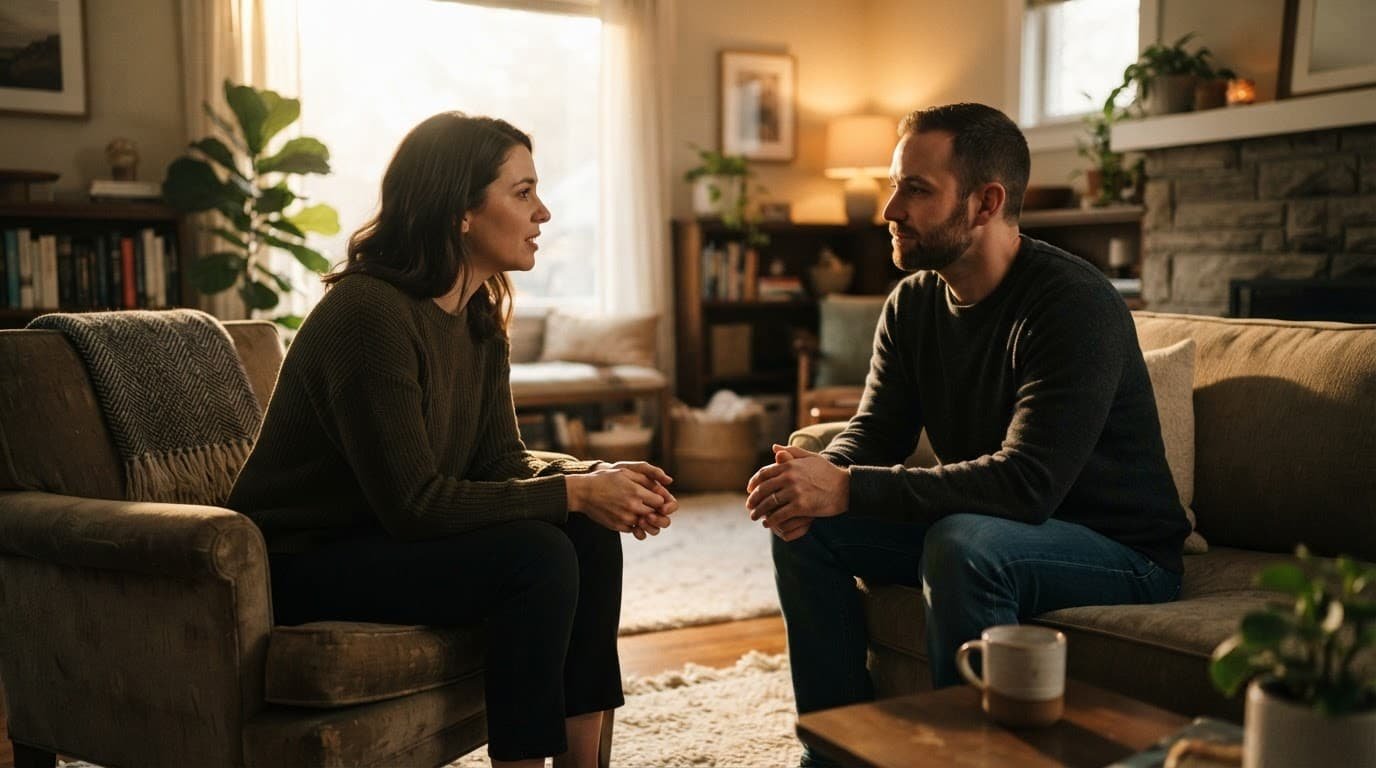
A conversation about lost attraction can feel like walking across thin ice. Choose your words carefully, but don’t hide your feelings. Your goal is to describe what you’re experiencing and invite teamwork, not deliver a verdict about his appearance or worth.
Choose a Safe, Private Moment
Talk when neither of you expects sex. Avoid bringing it up in bed, during an argument, while rushing out the door, or immediately after rejecting affection. Choose a calm time when you have privacy and enough space to finish the conversation without pressure.
You might begin with:
“I’ve noticed a change in my desire, and I want to understand what is happening.”
Then explain the pattern instead of judging his body. For example, say, “I miss feeling close to you, and I want us to find our way back to that closeness.” Avoid statements such as “I’m not attracted to you because you’ve let yourself go.” Appearance-based criticism can wound him without addressing resentment, stress, or emotional distance.
Use the simple structure recommended in effective communication guidance from Utah State University: describe the situation, name your feeling, explain why, and make a clear request. You can also practice with these couples therapy questions for better conversations.
Ask for Teamwork and Listen
After you share, give him room to respond. He may feel rejected, embarrassed, sad, or afraid that the marriage is ending. Listen without interrupting, then reflect what you heard: “You feel unwanted when I pull away. Did I understand you correctly?”
Ask questions that open the door instead of assigning blame:
- Have we had enough affection outside of sex?
- Are stress, sleep, parenting, or work affecting us?
- Is there resentment about chores, money, or responsibilities?
- When did you first notice distance between us?
- What would help each of us feel more connected?
- What small change could we try this week?
Avoid threats, comparisons, scorekeeping, and bringing up old failures to win the discussion. If either of you becomes flooded, defensive, insulting, or intimidating, pause. Say, “I want to continue, but we need a break so we don’t hurt each other.” A pause of at least 20 minutes can help, but agree on when you’ll return to the conversation. Gottman’s guidance on the criticism and defensiveness cycle can help you recognize this pattern before it takes over.
Ways to Rebuild Closeness Before Expecting Sexual Desire to Return
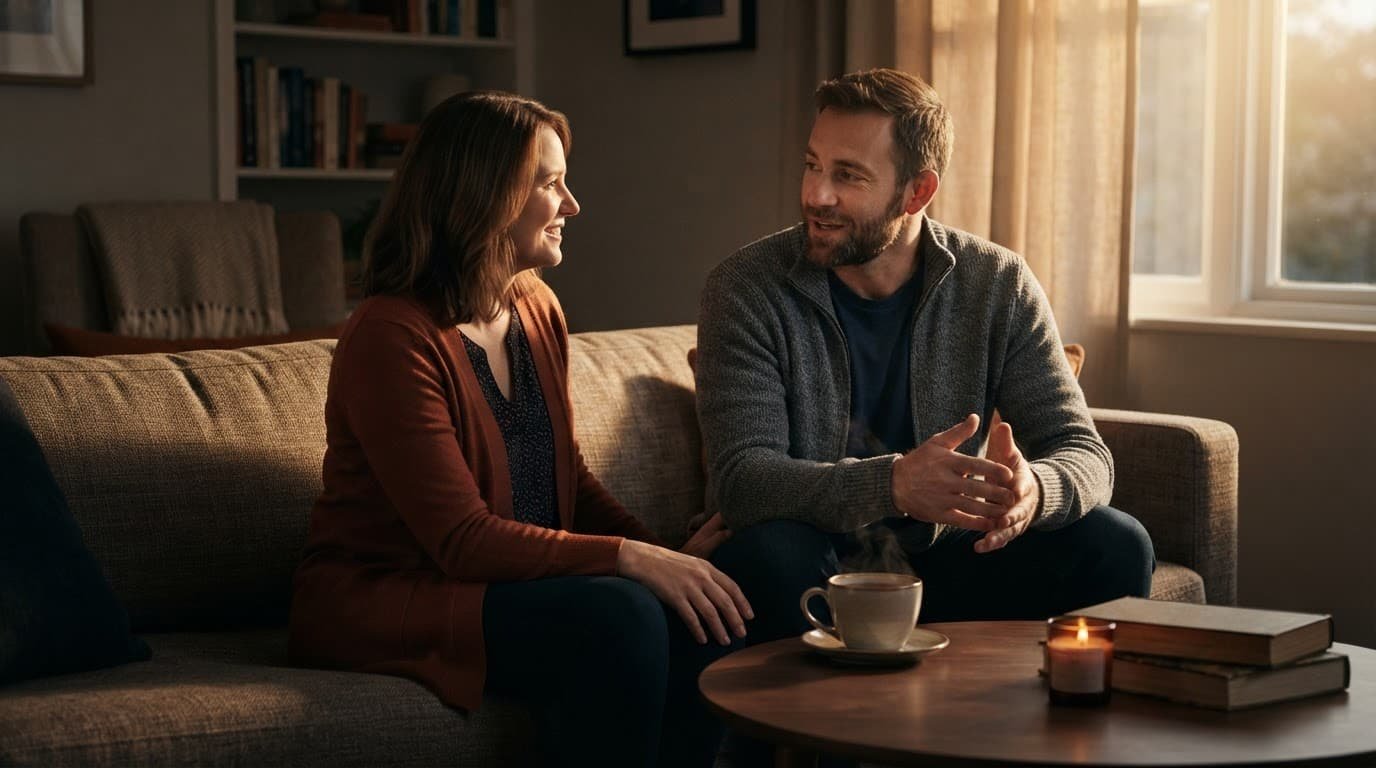
Attraction rarely responds well to pressure. Start by rebuilding friendship, warmth, and emotional safety without treating every kind gesture as a step toward sex. Mutual effort matters, but neither partner can demand desire or use intimacy exercises to push the other into sexual contact.
Choose Small, Consistent Connection
Begin with a phone-free 10-minute conversation each day. Ask how your husband is feeling, share one honest part of your own day, and listen without turning the exchange into a complaint session. You can also try an enjoyable activity once a week, such as cooking together, taking a walk, playing a game, or getting coffee.
Small moments often repair distance better than a grand romantic gesture. Offer genuine appreciation, notice helpful actions, and make time for a date without deciding in advance how the evening should end. These ways to reconnect with your husband can give you practical ideas when daily routines have taken over.
Let Affection Stay Optional
Touch can begin with holding hands, sitting close, or sharing a brief hug, but ask first and accept the answer without sulking. Either person can stop at any time. Silence, hesitation, or uncertainty isn’t consent, and marriage doesn’t create permanent access to someone’s body. Planned Parenthood explains that consent must be freely given, specific, reversible, and clearly communicated.
Try asking, “Can I hold your hand?” or “Would you like to cuddle?” If the answer is unclear, pause and check in. You might say, “It’s okay if you aren’t comfortable. We can do something else.” Keep affection separate from an expectation of sex, so both of you can relax.
Try a Two-Week Connection Experiment
For the next two weeks, agree to three simple practices:
- Have a daily 10-minute check-in without phones or television.
- Plan one activity each week that you both enjoy.
- Talk once a week about how the connection feels, what feels comfortable, and what still feels difficult.
Use questions to ask your husband when conversation feels awkward. Measure progress by honesty, kindness, and comfort, not by whether sex happens. Desire may return, but the immediate goal is a relationship where closeness feels safe and freely chosen.
When Individual or Couples Therapy Can Help, and When Safety Comes First
Therapy can help you understand whether lost attraction connects to resentment, grief, trauma, body-image concerns, depression, anxiety, medical issues, sexual pain, or relationship patterns that are difficult to discuss alone. The right format depends on your emotional safety, privacy, and your husband’s willingness to participate honestly.

When Individual Therapy May Be Better
Individual therapy gives you private space to speak freely. You can examine your feelings without managing your husband’s reaction or protecting him from discomfort. A licensed therapist can help you sort through questions such as:
- Am I grieving the relationship I hoped we would have?
- Has repeated hurt made physical closeness feel unsafe or unwanted?
- Do depression, anxiety, medication, hormonal changes, or pain affect my desire?
- Have body-image concerns changed how I experience intimacy?
- Am I responding to past trauma, or to something happening in this marriage?
Choose individual therapy first if you don’t feel safe sharing your honest thoughts with your husband. You can also begin alone if he dismisses your concerns, refuses accountability, or pressures you to attend counseling before you feel ready. These signs you need couples therapy may help you decide when professional support makes sense, although you don’t need your partner’s permission to seek individual care.
When Couples Therapy Can Help
Couples therapy may help when both partners can speak honestly, listen respectfully, and take responsibility for their part in the relationship. Look for a licensed therapist experienced in couples counseling and intimacy concerns, especially someone who understands desire changes, sexual pain, betrayal, trauma, and communication problems.
Therapy can provide a structured place to discuss resentment, unequal responsibilities, emotional distance, affection, and sexual expectations. However, the goal isn’t to pressure you into feeling attracted or having sex. It is to understand the relationship and decide what repair, boundaries, or next steps are healthy for both of you.
When Safety Comes Before Joint Counseling
A loss of attraction is different from abuse. Red flags include threats, humiliation, coercive control, stalking, isolation from loved ones, intimidation, forced sex, physical violence, or fear of saying no. If you monitor every word because you fear his reaction, treat that fear as important information.
Standard couples therapy is not the first step when abuse or active violence is present. Joint sessions can increase risk when one partner uses control or retaliation.
Contact a trusted person, healthcare professional, local domestic violence advocate, or emergency service from a safe device and location. In the U.S., call the National Domestic Violence Hotline at 800-799-SAFE (7233), or use its personal safety planning tool. If you face immediate danger, call 911 when it is safe. Readers outside the U.S. should contact their local equivalent.
How to Decide Whether to Keep Repairing the Marriage
A difficult week can make marriage feel heavier than it is. Judge the relationship by repeated patterns, not one painful conversation or a temporary drop in desire. Give yourself time to observe what happens after you speak honestly and set clear boundaries.
Signs Your Marriage May Be Repairable
Repair may be possible when both of you can treat the problem as something to understand, not a reason to attack each other. Your husband doesn’t need to respond perfectly, but he does need to show respect and take your concerns seriously.
Look for steady evidence such as:
- He accepts responsibility without blaming your appearance, mood, or lack of sex.
- He respects your boundaries and doesn’t pressure you for affection.
- You both make consistent changes, including fairer responsibilities and calmer communication.
- He follows through on promises after the conversation ends.
- You feel safer telling the truth, even when the truth is uncomfortable.
- Neither of you expects instant attraction as proof that repair is working.
Trust returns through repeated actions, not emotional speeches. If betrayal damaged the relationship, these steps for rebuilding trust after separation may offer a useful starting point.

Signs You May Need Separation or Exit Planning
Take your concerns more seriously when harmful patterns continue after you name them. Ongoing contempt, repeated betrayal, refusal to address damaging behavior, sexual pressure, threats, intimidation, or fear can make repair unsafe or unrealistic.
The U.S. Department of Justice describes domestic violence as a pattern used to gain or maintain power and control. Emotional manipulation and coercive control count, even when physical violence isn’t present. Read this research on intimate partner violence if you need help recognizing those patterns.
Write down dates, incidents, promises, and changes you observe. Speak with a trusted therapist, advocate, or legal professional before making plans. If you may leave an unsafe relationship, create a private safety plan first because separation can increase risk.
You can love your husband and still decide the marriage no longer works. The goal is not to manufacture desire. It is to create a relationship where honesty, consent, respect, and genuine choice are possible.
Conclusion
Losing attraction to your husband doesn’t make you shallow, disloyal, or broken. Attraction can change when stress, health concerns, resentment, emotional distance, or major life changes affect the marriage. Your feelings deserve attention without shame, but they don’t require an instant decision about divorce or staying together.
Start by pausing and reflecting on when the change began. Check your health, stress levels, and relationship patterns. Then speak honestly without blaming his appearance or worth. If the relationship feels safe, try low-pressure ways to reconnect and notice whether trust, warmth, and affection begin to return. Individual therapy, medical care, couples counseling, or support from a qualified sex therapist may help you understand what comes next.
Consent and safety are nonnegotiable. You never owe sex or affection, and you should seek private support if you face pressure, fear, control, or abuse. You don’t have to decide the future of your marriage in one day. Give yourself time to choose a path based on honesty, respect, and your well-being.
Save the pin for later


- 60 Color Tattoos That Healed Beautifully - 25/09/2026
- 40 Most Painful Tattoo Spots - 24/09/2026
- 20 Tattoo Aftercare Mistakes That Ruin Fresh Ink - 23/09/2026

