The silence after a fight can make your relationship feel more uncertain than the argument itself. You may want to reach out, but you might worry that the wrong words will restart the conflict. The right questions to ask your boyfriend after a fight can help turn blame into understanding and create room for an honest conversation.
Wait until you’re both calm enough to listen before you begin. Then use these questions to talk through what happened, understand each other’s feelings, repair the hurt, and make a better plan for the next disagreement. You don’t need to ask all 100 questions; choose the ones that fit your situation and let the conversation unfold naturally.
If the conflict involved threats, intimidation, controlling behavior, or physical harm, put your safety first instead of focusing on relationship repair. For ordinary disagreements, start with questions that lower tension and help you reconnect, then move toward responsibility, reassurance, and practical changes for next time.
Before You Ask Questions, Make Sure You Are Both Ready to Talk
The right questions to ask your boyfriend after a fight can open the door to honesty, but timing matters just as much as wording. If either of you is still angry, defensive, or overwhelmed, even a gentle question may sound like an accusation.
Give the conversation enough space to become productive. You are not avoiding the issue by waiting for a calmer moment. You are creating better conditions for both of you to listen, answer honestly, and understand what happened.
Check Whether You Are Calm Enough to Listen
Before starting, notice what is happening in your body. Are you clenching your jaw, speaking quickly, replaying his words, or planning your next argument? Those signs usually mean you need more time before talking.
Ask yourself:
- Can I hear his answer without interrupting?
- Do I want understanding, or do I want him to feel guilty?
- Can I admit my part in the disagreement?
- Am I ready to discuss one issue without bringing up every past mistake?
Your boyfriend should ask himself similar questions. A real conversation needs two people who are willing to participate, not one person questioning the other while he stays guarded.
You also do not need to feel perfectly happy before you talk. Calmness is the goal. You can still feel hurt and want answers, but your emotions should no longer control every word.
A pause helps when it has a purpose and an agreed return time. Silence used to punish or frighten your partner creates another problem.
Take a Time-Out Without Creating More Distance
Sometimes one or both partners need a break before they can speak respectfully. A short walk, a glass of water, slow breathing, or a quiet room can help your nervous system settle. Some relationship therapists recommend taking about 20 minutes before returning to a difficult conversation, although the right amount of time depends on how intense the argument became.
The important part is to explain the pause clearly. Try saying:
- “I want to talk about this, but I need 30 minutes to calm down.”
- “I’m too upset to listen well right now. Can we talk after dinner?”
- “I don’t want to leave this unresolved. I’ll come back to the conversation tonight.”
Avoid disappearing without explanation, turning off your phone to provoke worry, or using a break to build a case against him. The pause should lower the temperature, not keep the conflict burning in the background.
When you return, begin with a simple check-in: “Are you ready to talk?” If he says no, ask when he can be available. At the same time, he should respect your need for a reasonable pause instead of demanding immediate answers.
You can find more guidance on reconnecting after conflict in this relationship repair advice from the Gottman Institute.
Agree on the Purpose of the Conversation
A post-fight conversation should help you understand each other and decide what needs to change. It should not become a courtroom where one person tries to prove the other is completely wrong.
Before asking questions, agree to focus on a few basic rules:
- Speak about the current disagreement instead of listing old grievances.
- Let one person finish before the other responds.
- Describe feelings and specific actions rather than attacking character.
- Ask for clarification when an answer feels unclear.
- Take another pause if either person begins shouting, insulting, threatening, or refusing to listen.
You might open with, “I want us to understand what happened, not win the argument.” That sentence gives the conversation a clear direction.
Start with a low-pressure question, such as, “Is now a good time to talk about what happened?” Then notice his response. If he agrees but remains sarcastic or hostile, wait longer. If you feel yourself becoming defensive, say so before the discussion turns into another fight.
Once you are both ready, choose questions that match the situation. You may begin by asking what hurt him, what he needed in that moment, or how your words affected him. When you create room for an honest answer, the conversation can move beyond the original argument and toward a healthier way to handle the next one.
100 Questions to Ask Your Boyfriend After a Fight

The best questions to ask your boyfriend after a fight create space for honesty without turning the conversation into another argument. Ask slowly, listen fully, and choose only the questions that fit your situation. Neither of you needs to answer all 100 at once.
Start With Feelings, Safety, and What Happened
Begin with emotional safety and permission. A calm opening helps both of you discuss the event without assigning blame.
- Are you ready to talk about what happened?
- How are you feeling right now?
- Do you feel safe talking with me about this?
- Do you need a little more time before we talk?
- What part of the fight is still bothering you most?
- What were you feeling when the argument started?
- What did you think I meant in that moment?
- What was the exact moment you felt most hurt?
- Did you feel ignored, dismissed, or misunderstood?
- Did anything I said feel unfair or disrespectful?
- What do you remember happening first?
- Is there anything about the situation that I may have missed?
- What did you need from me at that moment?
- Did you feel like I was listening to you?
- What made you feel defensive?
- Was there a fear or worry underneath your anger?
- Did this fight remind you of something from your past?
- Were you trying to protect yourself in some way?
- What did you hope I would understand?
- Did I misunderstand something you said?
- What do you wish you had said differently?
- Is there anything you are still holding back?
- What would help you feel heard now?
- Can you tell me what you need me to understand first?
- What is the main issue we need to solve today?
Pause when either of you feels overwhelmed. The goal is clarity, not a perfect replay of every sentence.
Find the Hurt Beneath the Argument

A small disagreement can touch larger concerns about trust, attention, fairness, respect, or feeling valued. Ask with curiosity, not as a way to diagnose him or prove that you are right.
26. Did I hurt you, even if I did not mean to?
27. What did my words make you believe about how I see you?
28. Did you feel loved during the argument?
29. Did you feel respected by me?
30. What need of yours went unmet?
31. What were you hoping I would do?
32. Did you feel blamed or attacked?
33. Did I make the problem about your character instead of the situation?
34. Was I trying to be understood before I tried to understand you?
35. What part of my behavior felt hardest to accept?
36. Is there a deeper problem this fight brought to the surface?
37. Have we argued about this same pattern before?
38. What usually triggers this kind of fight for you?
39. What do I do that makes you shut down?
40. What do you do when you feel overwhelmed?
41. Did either of us make assumptions?
42. Did either of us use old mistakes as weapons?
43. Did we stay focused on the real issue?
44. What did you need to hear from me?
45. What would genuine support have looked like?
46. Is there something you have been afraid to tell me?
47. Do you feel appreciated in this relationship?
48. Is trust part of what was damaged?
49. What would help rebuild that trust?
50. What do you think this fight was really about?
Let his answer guide the next question. You can acknowledge his pain without agreeing with every detail of his interpretation. For additional guidance, review these conflict management skills.
Take Responsibility and Repair the Damage
Repair requires more than saying, “Sorry you feel that way.” Name the action, recognize its effect, and explain what you will change. Also practice mutual accountability without creating false balance. You can own your mistake while still naming harmful behavior from him.
51. What part of this fight do you think I handled poorly?
52. What part do I need to own?
53. Did I interrupt, raise my voice, or stop listening?
54. Did I cross a boundary with my words or actions?
55. What would a sincere apology sound like to you?
56. Do you feel that I understand why you were hurt?
57. Is there anything you need me to apologize for clearly?
58. What would help you believe that I mean my apology?
59. Do you need comfort, space, or a practical solution right now?
60. Would you like me to listen without responding for a few minutes?
61. What can I do today to help repair this?
62. Is there a small action that would make you feel cared for?
63. What should I avoid while you are healing from this?
64. What would make it easier for you to be honest with me?
65. Do you feel ready to accept my apology?
66. If not, what do you still need from me?
67. What would forgiveness look like for you?
68. Is there a boundary we need to set after this fight?
69. What boundary did we fail to respect?
70. How can I show you I will respect it?
71. What do you need from me when you are upset?
72. How can I support you without trying to fix everything?
73. Is there anything you want to ask me about my side of the fight?
74. What can we both do to make this conversation feel fair?
75. Do you feel closer to resolving this now?
A sincere apology may need time before it feels believable. Follow it with a visible change, such as lowering your voice, stopping interruptions, or honoring an agreed boundary.
Create a Better Plan for the Next Argument
Use the final questions to turn insight into a shared plan. Specific agreements work better than promises to “communicate better.”
76. How can we handle this issue differently next time?
77. What should we do when one of us needs a break?
78. How will we know when a break has become avoidance?
79. How long should a cooling-off period last?
80. What words or signals can we use when the conversation gets too heated?
81. Where should we continue the conversation after taking a break?
82. What topics tend to start this pattern between us?
83. What can we do before a small problem becomes a big fight?
84. How can we bring up concerns without sounding accusing?
85. What does active listening look like for each of us?
86. Should we repeat back what we heard before answering?
87. What topics should never be discussed through text?
88. What kind of tone helps you stay open?
89. What kind of tone makes you shut down?
90. How can we disagree without insulting each other?
91. What are our rules for arguing respectfully?
92. What behavior will end a conversation immediately?
93. How will we return to an issue we paused?
94. What can we do to rebuild closeness after conflict?
95. How often should we check in about problems before they build up?
96. Is there a relationship habit we both need to change?
97. What can I do to make you feel more secure with me?
98. What can you do to help me feel heard and respected?
99. Would talking with a couples counselor help us break this pattern?
100. What is one promise we can both keep after this fight?
For example, agree to take a 30-minute break, return at a set time, ban name-calling, and check in about unresolved concerns once a week. If the same conflict keeps repeating or safety becomes a concern, professional support may offer a clearer path forward.
How to Use These Relationship Questions Without Starting Another Fight
The questions to ask your boyfriend after a fight should open a door, not push him into a corner. Your tone, timing, and willingness to listen matter as much as the question itself.
Choose one or two questions that match the situation. Ask them slowly, then give him enough space to answer without interruption. A productive conversation feels less like an interrogation and more like setting down the weapons you both carried into the room.
Start With Connection, Not Accusation
Begin by reminding him that you want understanding, not another victory. A simple statement can lower his defenses before you ask anything difficult.
Try saying:
- “I care about us, and I want to understand what happened.”
- “I’m still hurt, but I don’t want to keep fighting.”
- “Can we talk about this without trying to prove who is right?”
- “I want to hear your side before I explain mine.”
Then ask a question that invites honesty, such as, “What part of the argument hurt you the most?” Avoid opening with, “Why did you act like that?” The first question explores his experience. The second can sound like a verdict.
Use “I” statements when you share your perspective. Say, “I felt ignored when you looked at your phone,” rather than, “You never listen to me.” The first describes one moment. The second attacks his character and invites him to defend himself.
A calm opening doesn’t erase the original problem. It gives both of you a better chance to discuss it without adding fresh damage.
Ask One Question, Then Listen Fully
Many conversations fail because one partner asks a question while preparing a rebuttal. If you interrupt, correct every detail, or explain your intentions immediately, he may stop sharing what he really feels.
After he answers, pause for a moment. You can show that you heard him by saying, “So you felt dismissed when I walked away. Did I understand that correctly?” This doesn’t mean you agree with every conclusion. It means you are checking the meaning before responding.
If his answer surprises you, ask for clarity instead of assuming the worst:
- “What did you need from me then?”
- “What did you hear me saying?”
- “Can you help me understand that part?”
- “What would have felt more supportive?”
Keep the conversation focused on one disagreement. Bringing up five older fights may give you more evidence, but it rarely produces a solution. Guidance from The Gottman Institute on repairing arguments also emphasizes reconnecting instead of relying only on more words.
Turn Answers Into Repair

Questions matter most when they lead to a clear change. Once you understand his feelings, explain your own without dismissing his experience. You might say, “I see why that sounded disrespectful. I was frustrated, but raising my voice made the conversation worse.”
A strong apology names the behavior and its effect. “I’m sorry you felt hurt” can sound distant because it avoids responsibility. Instead, try, “I’m sorry I interrupted you and called you selfish. That was unfair, and I will pause before responding next time.”
You can also ask:
- “What would help you feel repaired after this?”
- “What should we do differently next time?”
- “What boundary do we need to respect?”
- “How should we take a break if we become too angry?”
- “When should we return to the conversation?”
Make the agreement concrete. For example, decide that either person can request a 30-minute pause, but both of you will name a time to resume the discussion. Agreeing to “communicate better” sounds positive but gives you no action to follow.
If the conversation becomes hostile again, stop. Name what is happening and take another break. Respectful conflict requires accountability from both partners, and repeated insults, threats, or intimidation need a different response than an ordinary disagreement. You can also review these practical communication strategies after an argument for more ways to keep the discussion focused.
When an Apology Is Not Enough: Notice Patterns That Need More Help
An apology can repair one painful moment, but it cannot fix a pattern that keeps repeating. If your boyfriend apologizes after every fight yet continues insulting you, ignoring boundaries, or frightening you, focus on his behavior over time.
Repeated conflict may point to a deeper communication problem. However, threats, coercion, physical aggression, and controlling behavior require more than better questions to ask your boyfriend after a fight. Your safety and support should come first.
Look for Patterns, Not Promises
A sincere apology includes responsibility and a clear change in behavior. It doesn’t shift blame, demand instant forgiveness, or make you comfort the person who hurt you.
Pay attention to what happens after the apology:
- Does he name what he did without saying you caused it?
- Does he respect your need for space?
- Does he change the behavior during the next disagreement?
- Does he accept consequences when trust has been damaged?
- Can he discuss the issue without mocking, threatening, or punishing you?
A repeated cycle may look like this: tension builds, an argument erupts, hurtful behavior follows, and an apology brings temporary calm. Then the same conduct returns during the next conflict. At that point, the apology may be easing the moment without repairing the relationship.
The Gottman Institute describes criticism, contempt, defensiveness, and stonewalling as destructive conflict patterns. Its relationship research overview also examines how stable couples’ interaction patterns can remain over time. That matters because one apology rarely changes a well-established response.
### Recognize Behaviors That Need More Support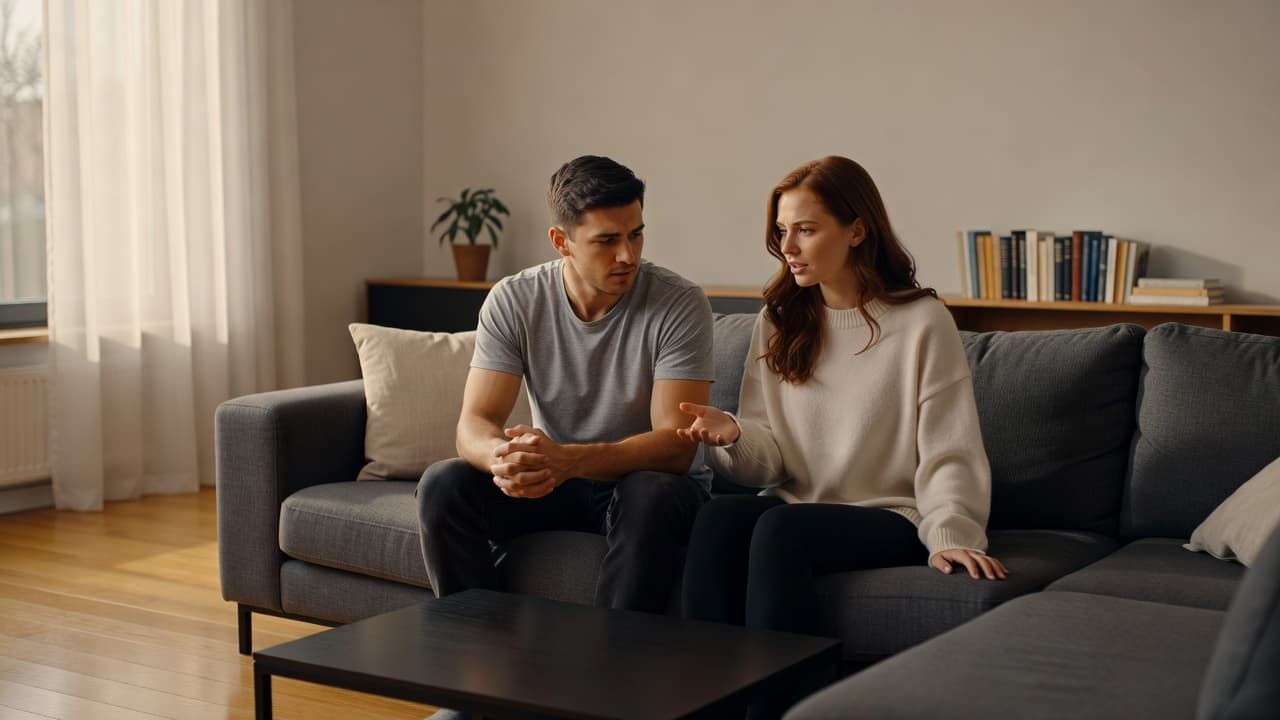
Some problems call for counseling, structured support, or a serious decision about whether the relationship is healthy enough to continue. Consider seeking help when you notice:
- The same fight returns even after several calm discussions.
- One of you regularly insults, humiliates, or threatens the other.
- He denies obvious events and insists that your feelings are irrational.
- You feel afraid to raise ordinary concerns.
- He controls your phone, money, clothing, friendships, transportation, or location.
- He uses breaking up, self-harm threats, or retaliation to control your choices.
- He pressures you to forgive before you feel safe or ready.
- You keep accepting apologies because you fear what will happen if you don’t.
- Arguments involve blocking doorways, destroying property, grabbing, pushing, or hitting.
These behaviors are not ordinary relationship misunderstandings. Physical harm, intimidation, and coercive control can worsen over time, so couples counseling may not be the safest first step when abuse is present. Consider speaking privately with a domestic violence advocate, trusted person, or local crisis service.
A partner’s regret matters, but your safety depends on consistent behavior, not emotional promises made after harm occurs.
If you are in immediate danger, call 911 in the United States. The National Domestic Violence Hotline offers confidential support, safety planning, and information about local resources. Use a device your partner cannot monitor if you believe your online activity could put you at risk.
Decide What Help Should Look Like
For recurring but non-abusive conflict, professional support can help you identify triggers, slow the argument cycle, and practice healthier repairs. A licensed couples therapist can help both partners take responsibility, especially when you keep discussing the same issue without reaching a workable agreement.
Before suggesting counseling, ask yourself whether your boyfriend shows genuine willingness to participate. He doesn’t need to agree with every detail of your experience, but he should be willing to listen, follow the process, and change harmful habits. If he refuses all accountability, therapy cannot carry the relationship alone.
You can ask:
- “What pattern keeps bringing us back to the same fight?”
- “What do you think happens right before we lose control?”
- “Would you attend counseling and practice new communication skills?”
- “What behavior must change before I feel safe continuing this conversation?”
- “What will we do if the pattern happens again?”
- “How will I know your apology has become lasting change?”
Set a boundary with a clear action. For example, you might say, “If you call me names, I will end the conversation and leave the room. We can try again tomorrow if we can speak respectfully.” A boundary describes what you will do, not a rule that gives you control over his choices.
Questions can reveal whether repair is possible, but answers are only the beginning. Watch what happens in the days and weeks afterward. Consistent respect, accountability, and changed behavior show more than any apology said in the heat of regret.
Turn One Difficult Conversation Into a Stronger Relationship
A difficult conversation can leave your relationship stronger when both of you stay honest, respectful, and willing to listen. The goal is not to prove who was right. It is to understand what happened, repair the emotional damage, and create a better response for the next conflict.
The best questions to ask your boyfriend after a fight help you move past the surface argument. A disagreement about texting, plans, or household responsibilities may hide a larger need for reassurance, respect, attention, or trust. When you find that deeper concern, you can address the real problem instead of arguing about the same details again.
Replace Defensiveness With Curiosity
After a fight, your first instinct may be to explain yourself. You might want him to understand why you reacted, especially if you felt ignored or unfairly blamed. However, explaining too soon can sound like a defense rather than an attempt to understand.
Start with curiosity. Ask, “What did that moment feel like for you?” or “What did you need from me that you didn’t receive?” Then allow him to answer without interrupting or correcting every detail.
You can also reflect his answer before sharing your own view. Say, “I understand that you felt dismissed when I walked away. Did I get that right?” This response shows that you are listening without requiring you to agree with every part of his interpretation.
Open emotional communication can support relationship health because it gives partners a clearer view of each other’s inner experience. Research on disclosure in relationships also connects personal sharing with trust and intimacy. If you speak honestly while still respecting each other’s boundaries, vulnerability becomes a bridge instead of a weapon.
Name the Need Beneath the Argument

Many arguments continue because couples debate behavior without discussing the need beneath it. For example, you may argue about his late reply, while the deeper issue is that you felt unimportant. He may criticize your reaction, while he actually felt mistrusted or pressured.
Use clear, personal language to identify what was happening inside you:
- “I felt anxious when I didn’t know when you would come home.”
- “I felt unimportant when our plans changed without a conversation.”
- “I needed reassurance, but I asked for it through criticism.”
- “I wanted your attention, and my frustration came out as blame.”
Then invite him to do the same. Ask, “What were you really needing from me?” or “What would have helped you feel respected in that moment?” These questions shift the conversation away from character attacks and toward needs that both partners can address.
A useful structure is observation, feeling, need, and request. You might say, “When you checked your phone while I was talking, I felt dismissed because I needed your attention. Could you put it away while we finish this conversation?” The request gives him something clear to do instead of leaving him to guess how to repair the situation.
Turn Understanding Into a Shared Agreement
Understanding matters, but the conversation should lead to a practical change. Otherwise, you may feel close for one evening and return to the same pattern during the next disagreement.
Choose one agreement that you can both follow. For example, you might decide to:
- Take a 30-minute break when either person feels overwhelmed.
- Set a specific time to resume the conversation.
- Avoid serious accusations through text.
- Repeat what you heard before defending your position.
- End the discussion if either person begins using insults or threats.
Keep the agreement realistic. “We will never fight again” creates pressure and cannot guide your behavior. “We will pause before raising our voices and return to the issue before bedtime when possible” gives you a clear response to practice.
Repair also requires follow-through. A warm apology may reopen the door, but consistent behavior builds trust on the other side. The Gottman Institute describes repair attempts as ways couples interrupt tension and reconnect during conflict. You can read more about repair after an argument to find language that fits your relationship.
Before ending the conversation, ask, “What is one thing we can do differently next time?” Then answer it yourself. A difficult conversation becomes meaningful when both of you leave with greater understanding and one specific change you are prepared to make.
Conclusion
The best questions to ask your boyfriend after a fight are meant to create understanding, not pressure. Wait until you are both calm enough to listen, then choose a few questions that match the moment instead of treating the conversation like an interview. A gentle question can help reveal what hurt, what each of you needed, and which part of the conflict deserves attention.
Let the conversation move toward responsibility and repair. Listen without interrupting, acknowledge your own actions, and discuss clear boundaries for the next disagreement. You might agree on how to request a break, when to return to the conversation, and which behaviors should never enter an argument. Those details give your relationship something practical to follow when emotions rise again.
One honest conversation can open the door to better habits, but lasting change comes from what both people do afterward. Watch for consistent respect, accountability, and follow-through rather than relying on apologies alone. If the conflict includes threats, intimidation, controlling behavior, or physical harm, emotional and physical safety must come before reconciliation.
Save the pin for later


- 60 Color Tattoos That Healed Beautifully - 25/09/2026
- 40 Most Painful Tattoo Spots - 24/09/2026
- 20 Tattoo Aftercare Mistakes That Ruin Fresh Ink - 23/09/2026

