Cheating doesn’t always lead to divorce. Some wives stay married because the marriage still holds pieces of stability, history, money, children, guilt, fear, habit, or even a quiet hope that things can still be repaired.
When an affair happens, the reasons a woman stays can be messy and human, not neat or easy to judge. In many cases, she’s protecting the home her children know, relying on the life the marriage provides, or weighing whether the relationship can survive with honest work and real change, as in these early warning signs your marriage needs help.
This post looks at the most common reasons a cheating wife may choose to remain married, so you can understand the motives beneath the surface and see the situation more clearly.
Why some cheating wives stay married instead of leaving
An affair does not always mean a woman wants to replace her husband or walk away from the marriage. In many cases, the bond is damaged in one place but still useful in others. The home may still pay the bills, keep the children settled, or give her a sense of order when life feels unsteady.
That is why staying often comes from a mix of satisfaction and constraint. She may want distance from the betrayal, yet still depend on the structure the marriage provides. If you want a fuller picture of repair, signs your marriage can be saved can help you spot whether the relationship still has room to heal.

The marriage may still provide stability
A woman can be unhappy in one part of her marriage and still depend on it for everything else. The routine, the shared home, the familiar bills, and the daily structure may all feel like solid ground under her feet. Even when trust is broken, that stability can feel like a life raft in rough water.
This matters more when the rest of life feels shaky. Children, work stress, family pressure, and money problems can make divorce feel like jumping into cold water without knowing how deep it is. For some wives, staying is less about excitement and more about keeping life from falling apart.
Stability can also feel safer than uncertainty. A marriage that is imperfect but familiar may seem easier to live with than starting over, especially if she fears conflict, loneliness, or a sudden loss of control. In that setting, the marriage becomes a shelter, even if the roof has cracks.
An affair does not always mean she wants a divorce
Some women separate the affair from the marriage in their own minds. They may want attention, comfort, validation, or excitement elsewhere, while still seeing their husband as the main partner in their real life. The affair becomes a hidden escape, not always a plan to end the marriage.
That split can be hard to understand, but it happens. She may believe the marriage still has value, even if her behavior has damaged it. In some cases, the affair is a pressure valve, not a declaration that she wants a new husband or a new home.
An affair can show need, escape, or poor judgment, while the marriage itself still feels too important to abandon.
Sometimes the cheating wife stays because leaving would create more pain than staying. She may worry about custody, finances, family reaction, or the embarrassment of starting over after a public failure. According to Mayo Clinic’s guidance on infidelity, couples often need time, honesty, and accountability before they can decide what comes next, because rushed decisions usually make a hard situation worse.
In other words, the marriage may still be the container for her life, even when the relationship inside it is cracked. That is why a cheating wife can remain married without being fully committed, fully honest, or fully at peace.
Children often keep a marriage together
Children change the math inside a marriage. Even when trust is broken, many wives stay because they keep thinking about school mornings, packed lunches, bedtime routines, and the way a child clings to familiar walls. The marriage may feel fragile, but the home still feels like the safest place to hold everything together.
That choice often comes from love, not denial. A woman may believe that a child does better with two parents under one roof, especially when the alternative feels messy, loud, or uncertain. She may also worry that a split would turn the children into little diplomats, trying to please both parents while carrying feelings too heavy for their age.
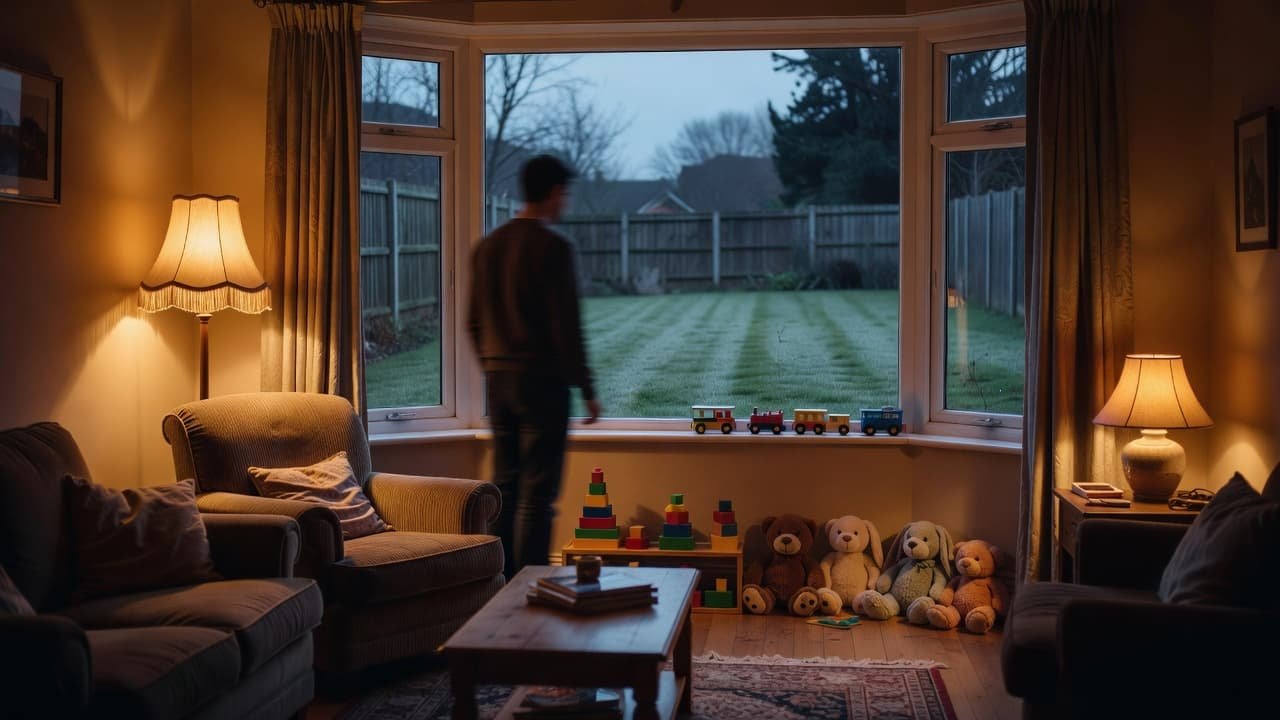
They want their children to have a steady home
For many wives, a steady home feels like a shield. They want their children to wake up in the same bed, eat breakfast at the same table, and move through the week without constant change. Even if the marriage feels strained, the daily rhythm can still give children a sense of safety.
That steady life matters more when the outside world already feels unstable. Money problems, new jobs, family pressure, or a difficult affair can make divorce seem like one more storm. In that moment, staying married can look like the only way to keep the children from losing the ground under their feet.
A two-parent household can also feel more predictable. Children know who is driving them to practice, who helps with homework, and who is there after school. When the house is orderly, some mothers hold on because they believe routine is its own kind of comfort.
Research on child well-being also shows why parents worry so much. In Michigan’s overview of divorce and children, the risk of emotional trouble rises after separation, especially when conflict stays high. That fear alone can make a wife stay longer than she planned.
They fear the damage of divorce on the kids
Divorce can bring more than a new address. It can bring tears in the car, questions at night, and a child asking, “Did I do something wrong?” Many wives stay because they dread that kind of pain and want to protect their children from it.
They may also worry about loyalty conflicts. A child can end up feeling torn between parents, careful with every word, afraid to love one parent too openly. That pressure can sit on a child like a backpack full of rocks.
Changes in home life add another layer. New schedules, different houses, split holidays, and shifting school routines can leave children feeling unmoored. Even when divorce is the healthier long-term choice, the short-term disruption feels real, and some wives are not ready to bring that into their children’s lives.
When a child already has enough to carry, even a small change can feel huge.
There is also guilt. Some women stay because they do not want their children to remember their family as something that broke apart on their watch. They hope that if they can keep the marriage intact, they can also keep the children from carrying the scars of adult choices.
Co-parenting can feel harder than staying
Even unhappy marriages can feel simpler than split-up lives. Staying means one roof, one calendar, one set of rules, and fewer handoffs. Leaving means holidays must be divided, weekends must be negotiated, and every school event becomes a careful arrangement.
That is a lot to manage when emotions are already raw. A mother may picture two homes, two Christmas mornings, two permission slips, and two sets of boundaries, then decide that the stress is worse than the marriage itself. So she stays, not because things are good, but because they feel easier to hold together.
Co-parenting after divorce can work well, but it demands maturity, consistency, and a lot of emotional control. If the couple already struggles to communicate, the thought of trading one daily battle for a lifelong scheduling battle can be exhausting. In that sense, staying married can feel like choosing the lesser disruption, even if it comes at a personal cost.
The real issue is often not just the marriage. It is the fear of what happens to the children when the family splits into pieces and has to be rebuilt around a shared custody plan.
Money, housing, and real-life dependence can make leaving hard
When a marriage has already been damaged by cheating, money can still hold it together. Rent does not pause. Grocery bills keep coming. Children still need clothes, rides, and care. For many wives, leaving means facing all of that on one income, and that can feel impossible when the household has been built around two adults.
That pressure is even heavier when one spouse has been out of the workforce, earns less, or depends on shared benefits. A wife may know the marriage is broken, yet still feel stuck inside the practical side of adult life. The betrayal hurts, but the bills are real.
They may not be able to support themselves right away
Walking out of a marriage means more than packing a bag. It usually means finding rent, paying utilities, buying food, covering transportation, and managing child care without the other spouse’s income. If she has been relying on the marriage to keep the lights on, the first months alone can look frightening.
This is why some wives stay after cheating. They may not be choosing comfort as much as they are avoiding a financial crash. A financial stress in marriage can make every decision feel heavier, especially when the budget already runs tight.
Stay-at-home wives often feel this most. So do women with limited work experience, low savings, or jobs that won’t cover a separate household. Even if she wants out, she may not see a safe landing spot yet.
A separation guide like how to prepare for divorce financially can help explain the kind of planning people need before they can leave with confidence. Until that plan exists, staying can feel like the only workable choice.
Shared assets can tie a couple together
A marriage often builds a web of shared property and shared obligations. There may be a house, a joint bank account, retirement savings, a family business, or debt that still needs to be paid. Untangling all of that can feel like trying to pull one thread out of a knot without tightening the whole thing.
The home is often the hardest piece. Selling it means uprooting children and changing daily life. Keeping it may mean one spouse must qualify for the mortgage alone, cover repairs, and carry the other costs that come with ownership. If debt is mixed in, the stress grows fast.
Many wives also worry about retirement accounts and long-term assets. Years of shared labor can be tied up in things that are hard to divide cleanly. That makes leaving feel less like a simple exit and more like a long legal and financial fight.
For some women, the idea of rebuilding from zero is exhausting before it even starts. They may stay because splitting a life built over years feels bigger than the affair itself.
Fear of losing security can outweigh guilt
Guilt can be strong, but fear is often stronger. A wife may know she crossed a line, yet still choose the life she knows over the uncertainty of starting over. Familiar bills, familiar routines, and familiar stress can feel safer than a blank page.
That choice is often practical, not proud. If she leaves, she may lose health insurance, steady housing, predictable childcare, or the cushion of a partner’s income. She may also worry about making a mistake that leaves her worse off than before.
Many women stay in damaged marriages because the known life feels safer than the unknown one.
This is especially true when the marriage still provides basic stability, even if it no longer provides peace. The roof stays up. The children stay in school. The household keeps moving. That kind of security can be hard to walk away from when the future feels thin and uncertain.
For some wives, the fear is not only about money. It is also about whether they can handle the shock of rebuilding everything at once. In that moment, staying can look like survival.
Guilt, shame, and fear can keep a wife from walking away
An affair can shake a marriage, but it can also trap the person who caused the damage. Guilt can make her want to hide, shame can make her feel unworthy, and fear can make every next step feel too costly. When those feelings pile up, staying can seem easier than facing the full truth of what happened.
That inner wall is strong. It can keep her quiet at home, frozen in place, and afraid to let anyone see how broken things have become. Sometimes the marriage remains partly because leaving would expose the affair, the conflict, and the fallout all at once.

She may feel ashamed of what she has done
Shame can make a wife cling to the marriage because walking away would make the affair feel more real, more public, and more final. As long as she stays, she can keep part of the damage out of sight. Leaving can feel like signing her name to the worst choice she ever made.
Shame also turns inward fast. Instead of seeing one bad decision, she may start seeing herself as the problem. That kind of self-talk can keep her stuck, because it whispers that she does not deserve a clean break or a better future.
A wife in this position may hold on to the marriage as a kind of cover. The home, the routines, and the shared life can still hide the wound, even if they cannot heal it. She may hope time will soften the story before anyone has to look at it too closely.
Shame often makes people hide what they most need to face.
The trouble is that secrecy usually keeps pain alive. The affair stays buried, but the fear of exposure keeps her tied to the marriage long after the relationship has lost its trust. Research on infidelity and shame also points out that many people avoid disclosure because they fear humiliation and judgment, not just from a spouse but from themselves as well. For a useful overview of how shame and infidelity connect, see this discussion of shame after cheating.
Fear of being judged can be powerful
Fear of judgment can keep a wife married even when she feels done on the inside. She may worry about what family members will say, how friends will look at her, or whether her community will reduce her to one mistake. When people know the affair, she may feel like every conversation carries a label.
That fear gets worse when the marriage sits inside a close-knit family or religious circle. Some women worry about disappointing parents, angering siblings, or losing their place in a church community. Others fear being judged for leaving, for staying, or for not handling the situation the way others think they should. Either way, the pressure is heavy.
A woman can start to live like she is under a bright light that never turns off. She may keep the marriage intact because it feels easier than standing in front of people who already seem ready to decide who she is. In that setting, the marriage becomes a shield against public shame.
Common fears often sound like this:
- “My family will never let me forget this.”
- “My friends will only see the affair.”
- “People will think I ruined everything.”
- “If I leave, I will be the one blamed.”
That kind of pressure can be paralyzing. She may stay married not because the relationship is safe, but because she fears the social cost of being seen clearly. Some people also stay quiet because they do not want the affair discussed outside the marriage at all, especially when they fear gossip or loss of respect.
Fear of change can feel bigger than the marriage itself
Even a broken marriage can feel familiar. Divorce is different. It brings paperwork, hard choices, new routines, legal questions, and the stress of rebuilding daily life from the ground up. For someone already overwhelmed by guilt and shame, that kind of change can feel like stepping into a storm without an umbrella.
The known pain of marriage can seem easier to manage than the unknown pain of leaving. She already knows the house, the schedule, the bills, and the emotional pattern. Divorce asks her to face a future she has not tested yet, and that uncertainty can feel louder than the marriage itself.
This is where fear often wins by default. She may not believe the marriage is healthy, but she may still believe it is manageable. Starting over means learning a new normal, and that can feel exhausting before it even begins.
The fear may also be tied to family conflict, especially if separation would trigger blame, pressure, or a long round of explanations. Religious expectations can add another layer, because some women fear being seen as selfish, rebellious, or spiritually disobedient. When those voices are in the room, change can feel less like freedom and more like a trial.
A marriage therapist may talk about fear of uncertainty as one of the strongest barriers after infidelity, because people often dread a worse future more than they hate the present. That fear is understandable, but it can also keep someone frozen in a life that no longer fits.
Some wives stay because the marriage still has emotional value
A cheating wife does not always feel detached from her husband. In some cases, she still cares about him, the life they built, and the role he plays in her world. That does not excuse the betrayal, but it does explain why leaving is not always the next step.
Emotion and bad judgment can live in the same house. A woman can love her husband, feel guilty about hurting him, and still make selfish choices that damage the marriage. Human behavior is often that messy.
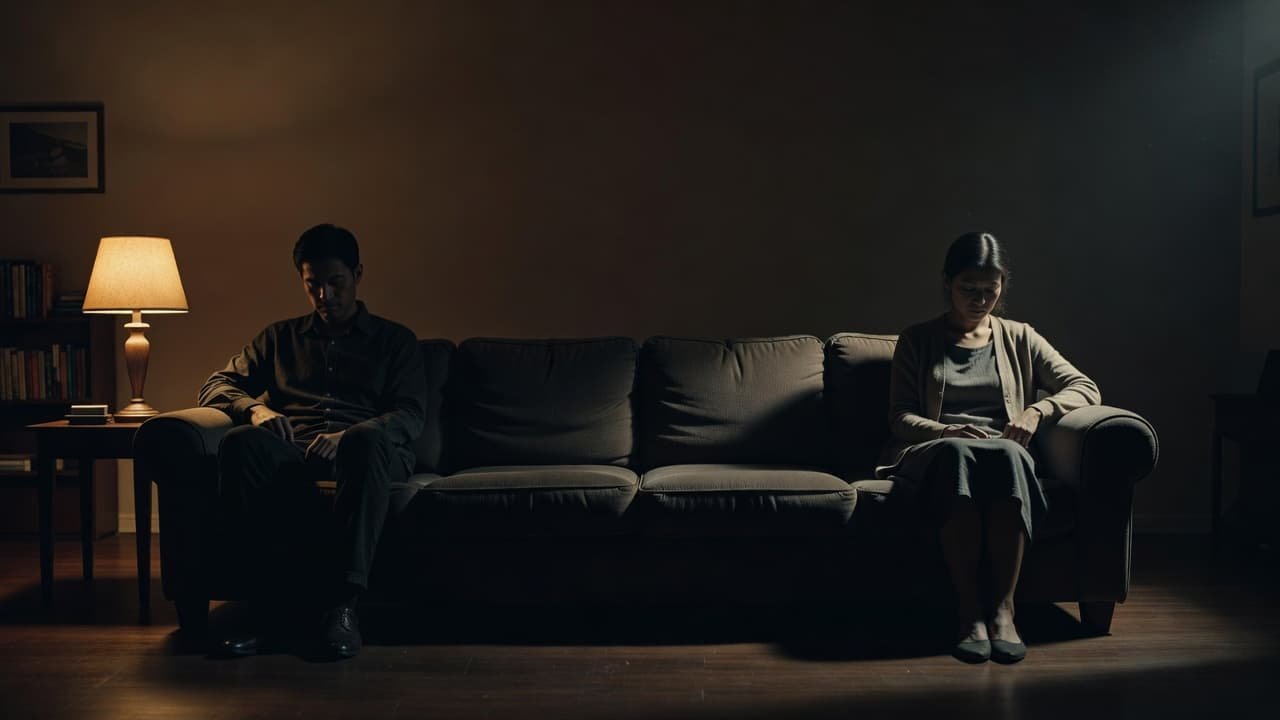
She may still love her husband in some real way
Love does not disappear just because someone cheats. A wife may still feel attached to her husband, still miss his voice, and still care what happens to him. At the same time, she may also be acting out of selfishness, loneliness, ego, or poor boundaries.
That split is hard to accept, because people want clean categories. They want her to either love him or betray him. Real life is less tidy. A person can hold affection and entitlement in the same breath, then make a choice that hurts the very person she still cares about.
Sometimes the affair is about escape, not replacement. She may be reaching for attention or comfort without wanting to erase the marriage itself. In that case, her feelings for her husband remain real, even if her behavior is not faithful.
The Psychology Today overview of infidelity notes that affairs often grow from unmet emotional needs, conflict, and dissatisfaction rather than a total absence of feeling. That is why some wives stay. They are not emotionally empty. They are divided, conflicted, and often ashamed of what they did.
History can be hard to throw away
Years of shared life leave marks that are hard to erase. A marriage is not just a legal bond, it is a record of birthdays, losses, jokes, routines, and private memories no one else shares. Even after betrayal, that history can still feel heavy in the heart.
A wife may look at the house and remember where the children took their first steps. She may hear a song and think of an old road trip, a hospital visit, or a season when things were good. Those memories do not vanish because trust breaks.
Long relationships also create emotional muscle memory. The couple may know each other’s habits, moods, and fears better than anyone else. That familiarity can feel like a worn-in coat, frayed at the seams but still warm enough to keep on.
History often shows up in small things:
- family holidays that have been repeated for years
- inside jokes that only the two of them understand
- shared milestones like births, moves, and career changes
- traditions that still shape the home
The emotional weight of that shared past can keep a wife attached, even when the present is painful. She may not want to throw away a life that took years to build, especially if parts of it still feel meaningful.
She may hope the marriage can be repaired
Some wives stay because they still believe the marriage can recover. They may see the affair as a symptom of deeper problems, not the final chapter. In their minds, the betrayal exposed cracks that were already there, and those cracks might still be fixed with honesty and work.
That hope can be stubborn. A wife may want a second chance, or she may want to see whether her husband can forgive and rebuild with her. She may think, “We have been through too much to end it here.” When a marriage has real history, that belief can hold strong.
Repair is easier to imagine when the marriage still has emotional value. If she still feels connected to her husband, even in a damaged way, she may want to preserve the bond rather than walk away from it. She may also fear regret later, especially if she believes the affair was tied to stress, disconnection, or unmet needs that can be addressed.
Rebuilding after betrayal is hard, and it takes truth, patience, and consistent change. Without that, hope turns into delay. Still, hope explains why some wives stay long enough to see whether the marriage can survive the damage.
A wife may remain because she wants to save what still feels worth saving, even while carrying the shame of what she broke.
In many cases, staying is a mix of love, memory, and unfinished grief. She may not be ready to discard the relationship because the marriage still holds pieces of her life that matter. That does not make the affair smaller, but it does make the decision to leave far more complicated than outsiders often assume.
Fear of being alone can keep the marriage intact
Loneliness has a strong pull. When a marriage is strained, the idea of empty evenings, quiet rooms, and doing life alone can feel heavier than the marriage itself. For some wives, staying looks easier than facing the silence that follows leaving.
That fear often has little to do with love and everything to do with what comes next. Single life can feel like a long hallway with no lights on, especially when the marriage has shaped daily habits for years. Even a broken partnership can still feel like company.
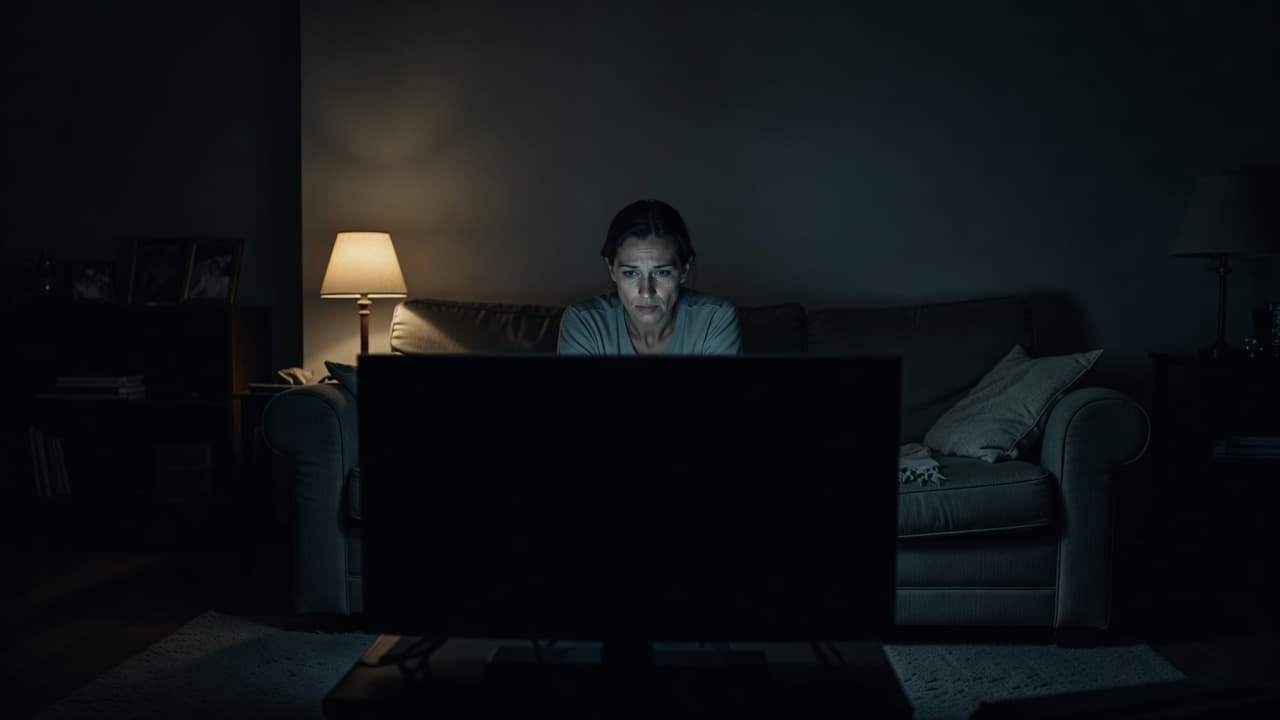
Loneliness can push people to hold on
A strained marriage can still feel better than a lonely night. Some women stay because they do not want to come home to a silent house, eat dinner alone, or wake up beside an empty pillow. The presence of a partner, even an emotionally distant one, can feel like a kind of comfort.
That comfort can be misleading, but it is real. People often hold on to familiar company because it softens the fear of being by themselves. Research on divorce and attachment also shows that many people struggle most with the idea of isolation, not just the end of the relationship itself. For a closer look at that emotional weight, see how to cope with divorce.
A wife may tell herself that staying avoids the ache of lonely weekends, unanswered texts, and holidays that feel too quiet. In that mindset, the marriage becomes a buffer against emptiness, even if it no longer feels warm. The bond may be damaged, but the fear of being alone can make the damage easier to tolerate.
Starting over can feel exhausting
Leaving a marriage means more than ending a relationship. It means rebuilding routines, making new plans, and learning how to move through life without the habits that once held everything in place. For someone already tired, that can feel overwhelming.
A new start asks for energy she may not have. She would need to set up a new home, manage new schedules, trust new people, and slowly create a life that does not revolve around the marriage. If she already feels worn down, the work of starting over can seem bigger than the pain of staying.
That is why some women stay married even after cheating. They may not be choosing the marriage because it feels good. They may be choosing it because rebuilding feels harder.
Sometimes the fear of beginning again is stronger than the pain of what already exists.
The thought of dating again can add even more pressure. Many women do not want to re-enter a world of first dates, mixed signals, and emotional risk. They may also fear that starting over means admitting failure, when all they really want is to keep moving without falling apart. In a close marriage, even a troubled one, the familiar partner can feel like a known map in a confusing year.
Familiar pain can seem safer than unknown peace
People often choose what they know, even when what they know hurts. A marriage with problems can still feel predictable, and predictability has a strange pull when life feels unstable. The future may promise peace, but if she cannot picture it clearly, it can feel more frightening than the marriage she already understands.
That is the heart of this fear. Known pain has shape. Unknown peace does not. A wife may know exactly how an argument will go, where the silence will settle, and how the morning will look after a hard night. That familiarity can feel safer than stepping into a life she has never lived before.
The same idea shows up in many marriages that stay stuck. People stay with the house they know, the routines they know, and the emotional patterns they know, because change demands more courage than they have on hand. The emotional stages of a dying marriage can help explain why that familiar hurt often lasts longer than people expect.
A familiar partner can also feel safer than an empty future. Even when trust is damaged, there is history, shared language, and a daily rhythm that does not need to be explained. That kind of attachment can keep a woman tied to the marriage long after the emotional closeness has faded.
The truth is simple. Fear of being alone can keep a marriage intact long after the heart has started to pull away.
The marriage may still offer comfort, status, or control
Some wives stay married because the marriage still gives them something useful, even after trust is broken. That something may be comfort, a public identity, financial protection, or the ability to shape the story on their own terms. The relationship may be damaged, but the structure around it still feels valuable.
That is why leaving is not always the next move. A woman can be unhappy, guilty, and conflicted, yet still see the marriage as a source of order in a messy season. For some, the title of wife still carries weight, even when the private bond has gone cold.

Keeping up appearances can matter a lot
Some women stay because they do not want to lose face in their circle, church, family, or community. A marriage can function like a public badge, and once that badge is gone, they may fear the questions, whispers, and sideways looks that follow. In tight social spaces, people often notice the break before they ever ask what caused it.
That pressure can be exhausting. A wife may worry that divorce will make her look reckless, ashamed, or unstable, even if the marriage has already been suffering behind closed doors. So she keeps the picture intact because the picture still earns respect.
This is especially true in communities where marriage is tied to reputation. The role of “wife” can feel safer than explaining why the relationship fell apart. In that setting, staying married protects more than a household; it protects a public image.
Sometimes the marriage also gives her a sense of legitimacy that feels hard to replace. Research and interview data show that many women still see marriage as the more secure and socially recognized form of partnership, especially when children, money, and family expectations are involved. That can make the title matter even when the love does not.
Religious or cultural pressure can be strong
Faith and culture can make leaving feel wrong, even when the marriage is clearly strained. Some women have been taught that vows should be honored at almost any cost, so separation can feel like failure, disobedience, or moral weakness. If divorce carries heavy judgment in her community, she may stay simply to avoid that burden.
Family expectations can tighten that grip. Parents, elders, and in-laws may urge her to endure, pray, forgive, or stay quiet for the sake of the home. In some families, the marriage is treated as something larger than the couple themselves, so ending it feels like breaking a line that others have tried to protect.
When vows carry sacred or cultural weight, walking away can feel like crossing a line that can never be uncrossed.
That pressure does not always mean she believes the marriage is healthy. It may only mean she feels trapped between what she knows is wrong and what others insist is right. If you want a clearer path for repair, how to save your marriage from divorce offers a practical starting point for couples still trying to decide what to do next.
For some women, staying is also tied to identity. They were raised to see marriage as permanence, duty, and proof of stability. Even when the relationship is hurting, the outside rules can feel louder than the inside pain.
Some women stay to keep control of the story
Remaining married can also feel like holding the upper hand, especially if a wife wants to protect her image or avoid public fallout. If she leaves first, the affair may become the headline. If she stays, she can sometimes slow the damage, control what others know, and decide how much of the truth reaches the outside world.
That matters when shame is part of the picture. Staying may give her time to prepare, time to manage rumors, and time to keep the affair from defining her entire life. In a rough situation, control can feel like the last piece of dignity.
A wife may also stay because she does not want the affair to look bigger than it was. Leaving can make the betrayal feel final and dramatic. Staying can make it seem like the marriage is still the main story, not the mistake.
This is where power enters the picture. Some women stay because they know the marriage still gives them access to money, status, family standing, or a stable home base. That kind of security can matter more than emotional honesty in the short term. It gives her room to think, plan, and decide what comes next without handing the whole narrative to anyone else.
The arrangement can be messy, but it is not uncommon. A woman may remain married while emotionally detached, because the marriage still gives her cover, leverage, or breathing room. That does not mean the situation is healthy. It means the marriage still has a function, even if love no longer does.
In many cases, comfort, status, and control are the last threads keeping the bond together. Until those threads are cut, a wife may stay married long after the affair has changed everything.
What usually keeps a cheating wife from leaving for good
The reason a cheating wife stays married is rarely simple. More often, she is standing in the middle of a tight knot of children, money, fear, guilt, love, and habit, and every strand pulls in a different direction. That is why the choice to stay can look confusing from the outside, yet feel painfully practical from the inside.

A marriage after infidelity often survives because it still holds something important, even if trust has been badly damaged. The home may still feel stable, the children may still need a steady routine, and the future may look too expensive to rebuild right now. In that space, staying can feel less like a choice of the heart and more like the weight of real life.
It is often a mix of needs, not one reason
Most women do not stay for a single clean reason. They stay because several needs overlap, and each one makes the next step harder.
A wife may want to protect her children, keep financial security, avoid social fallout, and preserve some emotional attachment at the same time. One reason alone might not be enough to keep her in the marriage, but a stack of reasons can. Children anchor her. Money narrows her options. Fear slows her down. Habit makes the current life feel easier than the unknown one.
That is why the decision can look messy. A woman might feel unhappy, ashamed, and tired, yet still believe the marriage gives her something she cannot replace overnight. She may also know that divorce means more than ending a relationship; it can mean splitting a home, a budget, a routine, and a public identity.
The strongest pattern is usually this: the marriage still offers something valuable, and leaving feels too costly. If you want to understand that push and pull in relationship terms, how to rebuild trust after cheating shows why repair only works when both people are willing to face what broke.
Staying can be a sign of conflict, not comfort
People often assume that staying means a wife is at peace with what happened. More often, it means she is torn. Part of her may regret the affair. Part of her may still care about the marriage. Another part may be scared to lose the life she knows.
That inner split can last a long time. She may want out emotionally but not feel ready financially. She may want freedom but dread being alone. She may know the marriage is damaged yet still hope it can be repaired without blowing up the whole family structure.
In that sense, staying is not always a sign that things are fine. It can be a sign that she is trying to survive a situation she does not fully trust or fully want to leave. The choice becomes a kind of holding pattern, where regret, fear, and hope sit at the same table.
A woman can stay married while feeling trapped, ashamed, and unsure, all at once.
That conflict matters because it explains why some wives do not walk away even after betrayal. They are not necessarily settled. They are often suspended between two hard realities, and neither one feels easy enough to choose. When the affair has already shaken the ground, staying can feel like the safer form of pain.
Reconciliation is possible, but only with truth
A marriage can survive infidelity, but it cannot survive on silence. Real repair needs honesty, clear boundaries, and steady effort from both people. Without that, staying married only delays the next break.
The point is not to pretend nothing happened. The affair changed the relationship, and both partners have to deal with that honestly if the marriage is going to hold. A wife may stay because she wants another chance, but that chance only matters if the truth stays on the table.
In practical terms, that means the marriage is not being saved by the title alone. It is being tested by what happens next. If the affair is hidden, minimized, or repeated, the marriage keeps bleeding. If both people face the damage and take responsibility, there may still be a path forward.
The reasons people stay together after infidelity often sound emotional and practical at the same time, and that is exactly the point. Staying is usually about more than love, but it should never become an excuse for denial.
A wife who remains married after cheating may be hoping for repair, protecting her children, avoiding financial collapse, or trying to outrun shame. Most of the time, it is all of these at once.
Conclusion
A cheating wife may stay married for reasons that overlap and tug in different directions at once. Children, money, fear, shame, love, social pressure, and the hope of repair can all sit inside the same decision, which is why the choice rarely looks clean from the outside.
That is the heart of it. Staying married after cheating is often less about one bold decision and more about a tangled web of consequences, attachment, and unfinished hope. Betrayal still matters, but so do the real-life pressures that keep two people under the same roof while trust tries to find its footing again.
Save the pin for later


- 60 Color Tattoos That Healed Beautifully - 25/09/2026
- 40 Most Painful Tattoo Spots - 24/09/2026
- 20 Tattoo Aftercare Mistakes That Ruin Fresh Ink - 23/09/2026

