A husband can be sitting on the couch, answering emails, scrolling through his phone, or planning his next escape while his mind is somewhere else entirely. When a man spends most of his free time staying busy, avoiding home conversations, or retreating into private activities, it may point to unhappiness in his marriage, but it doesn’t prove that his relationship is failing.
The same pattern can come from emotional withdrawal, ongoing stress, burnout, depression, addiction, unresolved conflict, or a healthy need for personal space. One behavior also isn’t evidence of infidelity. The concern is the repeated pattern, especially when his activities replace communication, affection, shared responsibilities, intimacy, and meaningful time together.
These signs can be painful to notice, so try to look for patterns rather than spy on or accuse your partner. A calm conversation about how distant the relationship feels may reveal a problem that needs support, or it may uncover pressure he’s struggling to explain. Learning about emotional withdrawal and resentment in marriage can offer helpful context, but every couple’s situation is different.
Below are 10 things a man may spend time doing when he’s unhappy in his marriage, along with what each behavior could mean and how to respond with compassion and clear boundaries.
Key Takeaways
- Repeated withdrawal, irritability, excessive work, or private distractions may point to marital unhappiness, but one behavior proves nothing.
- Stress, depression, addiction, unresolved conflict, or emotional disconnection can also explain changes in his behavior.
- Look for patterns that replace affection, communication, shared responsibilities, intimacy, and time together.
- A calm conversation and small actions that improve marital communication can reveal what needs attention.
- If fear, control, threats, or emotional abuse appear, prioritize safety and review emotional and verbal abuse warning signs.
If a Man Spends Time on These Things, He Is Unhappy in His Marriage: Read the Pattern Carefully
A man who spends more time at work, on his phone, with friends, on hobbies, or using substances may be coping with unhappiness. However, these behaviors are clues, not a diagnosis. People use distractions to manage many kinds of pain, including work stress, depression, anxiety, loneliness, and unresolved personal problems.
Look for a change from his normal habits. How often does he do it? Does the activity replace affection, conversation, intimacy, shared responsibilities, or family time? Also notice what happens when you raise the subject. Does he listen and explain, or does he become defensive, hostile, secretive, or dismissive?
Healthy alone time versus escaping the relationship
Every spouse needs private time. Reading after dinner, playing a game, exercising, or meeting a friend can support a healthy marriage when both partners still make room for connection. Alone time becomes more concerning when it feels like a locked door between you.
A useful distinction is rest versus avoidance. Rest usually leaves a person refreshed and available. Avoidance keeps him away from conversations, chores, affection, and problems that need attention. If he spends hours alone but becomes irritated when you ask for a simple discussion, the activity may be doing more than providing relaxation.
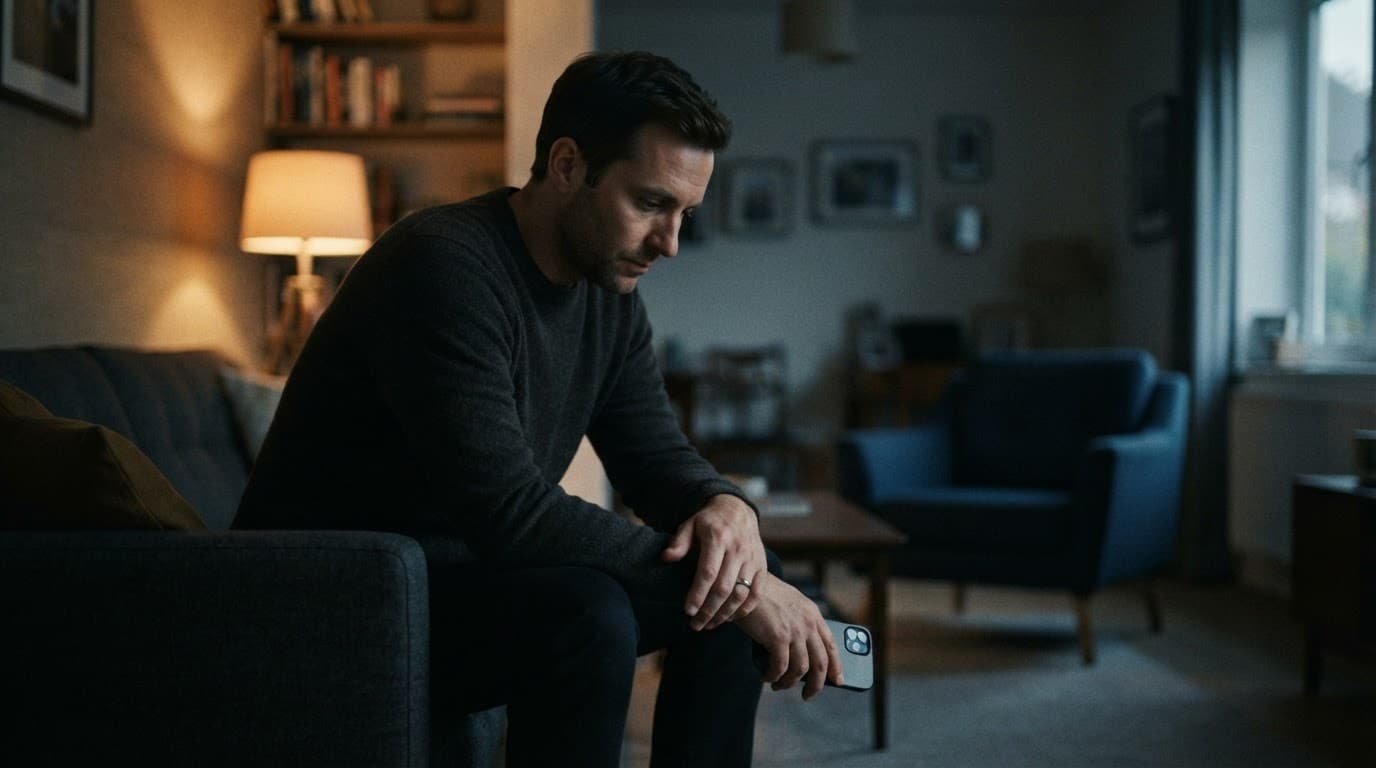
The pattern may also work both ways. One partner pushes for answers while the other withdraws, creating a cycle that leaves both people feeling rejected. Learning about how emotional unavailability affects relationships can help you recognize that cycle without immediately assigning blame.
Watch for repeated signs of marital dissatisfaction
Marital unhappiness often appears through repeated conflict, criticism, withdrawal, low affection, or avoidance. A couple may argue about small matters because larger disappointments remain unspoken. Over time, even ordinary conversations can feel tense, rushed, or emotionally empty.
Pay attention to the combination of behaviors rather than one evening or one difficult week. For example, working late once may reflect a real deadline. Working late every night, refusing shared plans, and showing no interest in repairing the distance create a different picture.
Common pressure points include:
- Money problems and disagreements about spending can create fear and resentment.
- Unequal chores may leave one partner feeling used or unseen.
- Parenting stress can drain patience and reduce time for the relationship.
- Conflict with in-laws may make home feel tense or divided.
- Sexual disconnection can increase shame, rejection, and emotional distance.
These disagreements don’t mean the marriage is failing. Healthy couples can disagree and still show respect, affection, accountability, and a willingness to repair the damage. Daily habits that create relationship distance matter because small acts of neglect can gradually replace warmth with indifference.
When the behavior may point to something else
Withdrawal can come from depression, burnout, grief, financial pressure, or substance use. Depression may also bring fatigue, irritability, lower desire, social withdrawal, and difficulty engaging in conversations. If his mood and loss of interest affect work, friendships, parenting, and daily life, the issue may extend beyond the marriage.
Still, distance paired with intimidation, threats, isolation, monitoring, or financial control requires a safety-focused response. Abuse is about power and control, not ordinary marital conflict, and research on intimate partner abuse offers important context. You don’t need to prove his unhappiness before taking fear or controlling behavior seriously.
Four Places He May Hide When He Feels Disconnected at Home
When a man feels lonely, criticized, misunderstood, or unable to discuss problems at home, he may look for places where he doesn’t have to explain himself. These escapes can provide temporary relief, but they also reduce the time and energy available for closeness.
The behavior matters most when it becomes a repeated way to avoid affection, shared responsibilities, or difficult conversations. These four places may reveal emotional distance without proving that he no longer loves his wife.
1. At work long after the workday ends
He may start arriving home late, volunteering for extra shifts, or bringing unfinished projects to the kitchen table every evening. Sometimes work genuinely becomes demanding. However, if he seems relaxed around coworkers but tense the moment he walks through the front door, work may have become a convenient place to stay away.
A job can offer structure, praise, and clear expectations. Home may feel harder when unresolved resentment, criticism, or silence waits there. By staying busy, he avoids facing the question of why the marriage feels empty.
Look for a pattern rather than one stressful month. Does he regularly miss dinner, cancel plans, or become irritated when you ask for time together? If so, his workload may be doing more than filling his calendar. It may be helping him avoid emotional closeness.
2. Behind his phone and private screens
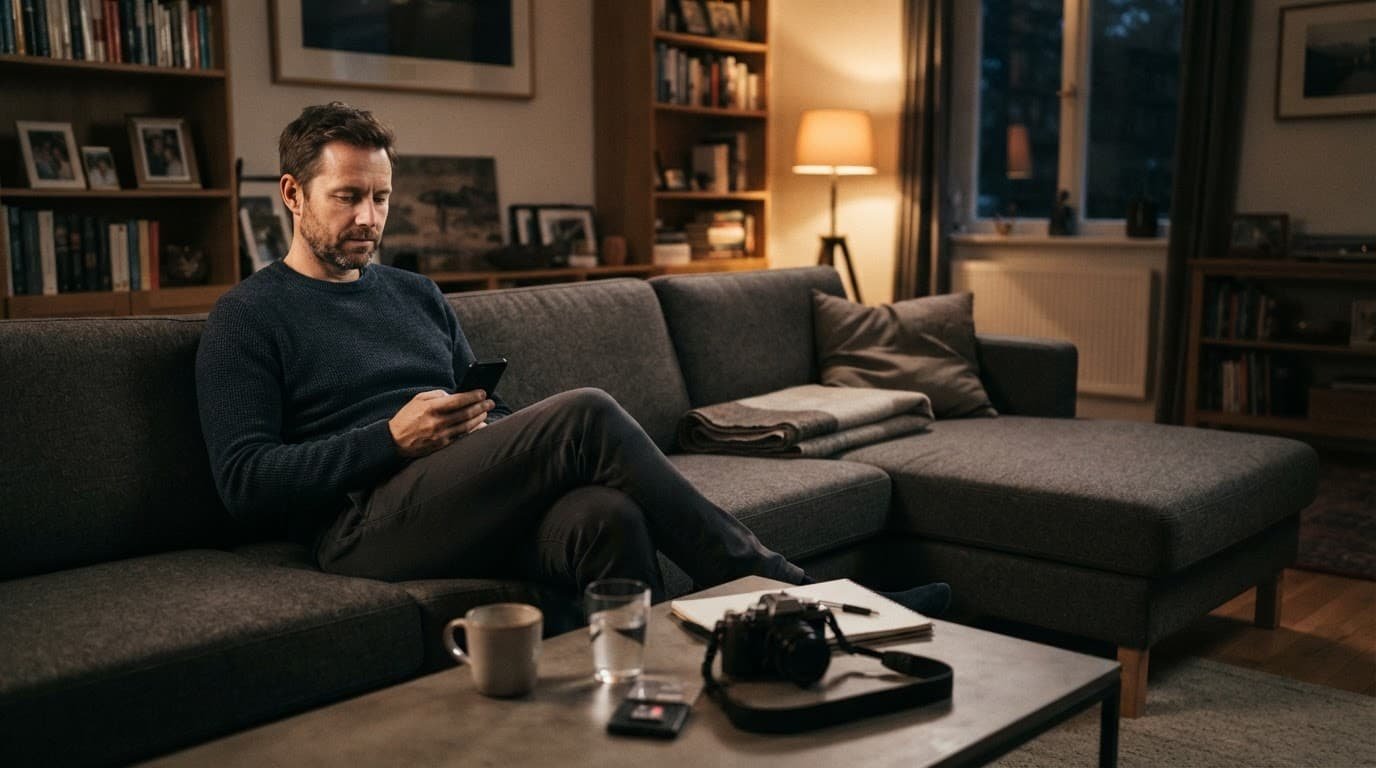
A phone can become a small door he closes whenever conversation begins. He may scroll through social media during dinner, watch videos in bed, answer messages late at night, or turn his screen away when you enter the room.
Private screen time isn’t automatically suspicious. Everyone needs entertainment and personal space. The concern grows when the phone consistently replaces eye contact, conversation, intimacy, or participation in family life.
For example, you may ask how his day went, and he may answer with one word before returning to his screen. When you mention the growing distance, he might say you’re overreacting or claim he is too tired to talk. That response can leave you feeling alone while sitting beside him.
You can read more about how to tell if your husband is emotionally disconnected when these changes continue over time.
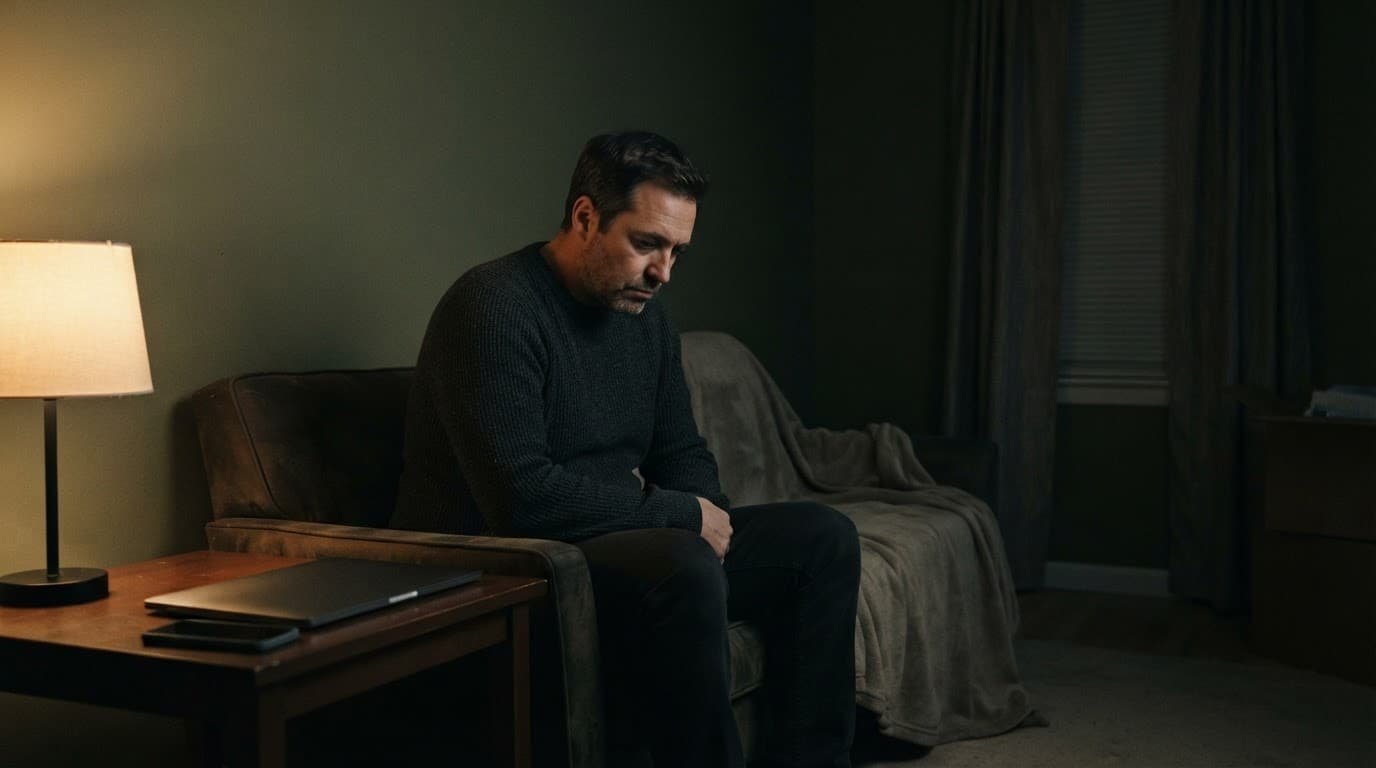
3. In hobbies, games, or the garage
He may spend every free evening gaming, exercising, fixing a car, watching sports, or working on projects in the garage. A hobby can protect his mental health and give him a sense of identity outside the marriage. It becomes concerning when it takes nearly every hour he could spend connecting with you.
You might notice that he has energy for a weekend project but not for a conversation about your relationship. He may also become defensive when you ask for one evening together, as though your request threatens the only place where he feels calm.
This pattern may communicate, “I need somewhere I can feel competent and unpressured.” It doesn’t explain the whole problem, but it can show that he is choosing distraction over repair.
4. In bed, behind closed doors, or asleep
Some men hide in sleep. He may go to bed unusually early, sleep on the couch, keep the bedroom door closed, or spend long periods alone after everyone else has settled down.
Fatigue, depression, illness, and demanding schedules can cause these changes, so don’t treat sleep as proof of marital unhappiness. Still, repeated withdrawal at night can remove one of the few natural opportunities for affection and honest conversation.
If he stays awake until you fall asleep, avoids physical touch, and leaves the room whenever emotions surface, the bedroom may have become another place to escape the relationship. When fear, insults, control, or threats appear alongside withdrawal, review the subtle signs of domestic abuse and prioritize your safety.
Three Relationship Areas He May Avoid When the Marriage Feels Unhappy
A man who feels unhappy in his marriage may avoid more than the room, the phone, or the garage. He may also pull away from the parts of the relationship that require honesty, vulnerability, and shared effort. Over time, avoidance leaves important problems untouched, and the marriage can feel colder even when both partners still live under the same roof.
1. He avoids conversations about the marriage
He may change the subject whenever you ask how he feels about the relationship. He might say he is too tired, promise to talk later, or respond with irritation when you mention the growing distance. After enough unanswered attempts, you may stop bringing up your concerns because every conversation feels like a dead end.
A short pause during an argument can be healthy. If both partners agree to take a break, name a time to return, and actually continue the conversation, the pause can prevent hurtful words. Guidance on taking a healthy timeout in a relationship emphasizes that a break should create space for calmer communication, not erase the problem.
Chronic silence is different. Refusing to speak for days, ignoring reasonable questions, or using silence to punish a spouse allows resentment to grow behind closed doors. The original disagreement may involve money or chores, but the deeper wound becomes, “My feelings don’t matter enough to discuss.”
You can make one clear request: “I want us to talk about what has been happening. If now isn’t a good time, please tell me when you can talk.” His response may reveal whether he needs a brief pause or intends to avoid repair altogether.
2. He avoids emotional and physical closeness
Emotional closeness requires more than sharing a home. It includes asking about your day, showing affection, listening without rushing, and allowing you to see what he feels. When a man feels disconnected, he may keep conversations practical and avoid anything personal.
Physical intimacy may also decline. He might stop initiating affection, pull away from hugs, avoid eye contact, or treat sex as an obligation rather than a mutual connection. Stress, depression, medication, health concerns, and unresolved conflict can all affect desire, so this change doesn’t prove that he no longer loves you.
Still, repeated rejection without any honest conversation can make a spouse feel lonely and unwanted. Read about signs of emotional neglect in marriage if you notice yourself seeking less comfort, sharing fewer thoughts, or giving up on asking for closeness.
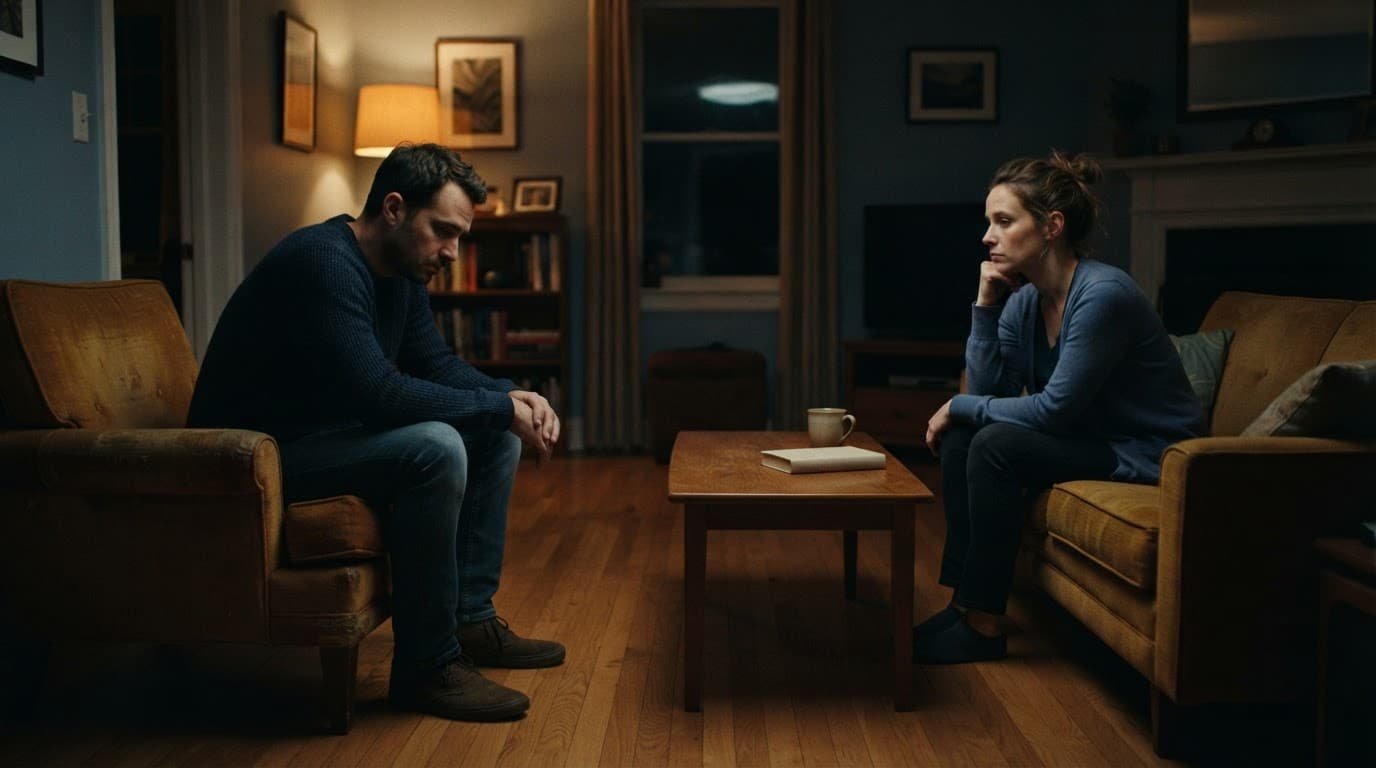
3. He avoids shared responsibilities and future plans
A dissatisfied husband may stop participating in the work that keeps the marriage running. He may leave chores, parenting tasks, financial decisions, or family planning to his wife while claiming he is too busy to help. This creates more than inconvenience. It can make her feel like a roommate, manager, or caretaker instead of a partner.
He may also avoid discussing vacations, savings, home projects, or long-term goals. Planning a future together requires emotional investment, so silence around those subjects can make the relationship feel suspended in place.
Pay attention to whether he shows willingness to change. A difficult marriage can improve when both people accept responsibility and take small steps toward reconnection. If he repeatedly refuses every conversation, shared task, or repair attempt, the distance may continue to widen unless the pattern is addressed.
Three Coping Habits That Can Point to Deeper Marital Distress
Coping habits can reveal that a man is struggling, but they don’t automatically prove he is unhappy with his marriage. He may be dealing with depression, burnout, grief, addiction, financial pressure, or a personal crisis that affects how he behaves at home.
The pattern deserves closer attention when it is new, escalating, secretive, or damaging his work, health, money, parenting, or safety. Look for changes that continue over time instead of judging one difficult night.
1. He relies on alcohol, drugs, or other substances to get through the day
A man may begin drinking more often after work, hiding bottles, using substances alone, or needing alcohol before social events and difficult conversations. At first, he may describe it as a way to relax. Later, it can affect his sleep, judgment, spending, work attendance, intimacy, and ability to care for his children.
Substance use can grow beside marital distress, but the marriage may not be the original cause. Anxiety, depression, trauma, chronic pain, and social pressure can also lead someone to self-medicate. Research on the connection between mood disorders and substance use shows that these problems often occur together, so treating the behavior as simple stubbornness can miss the real concern.
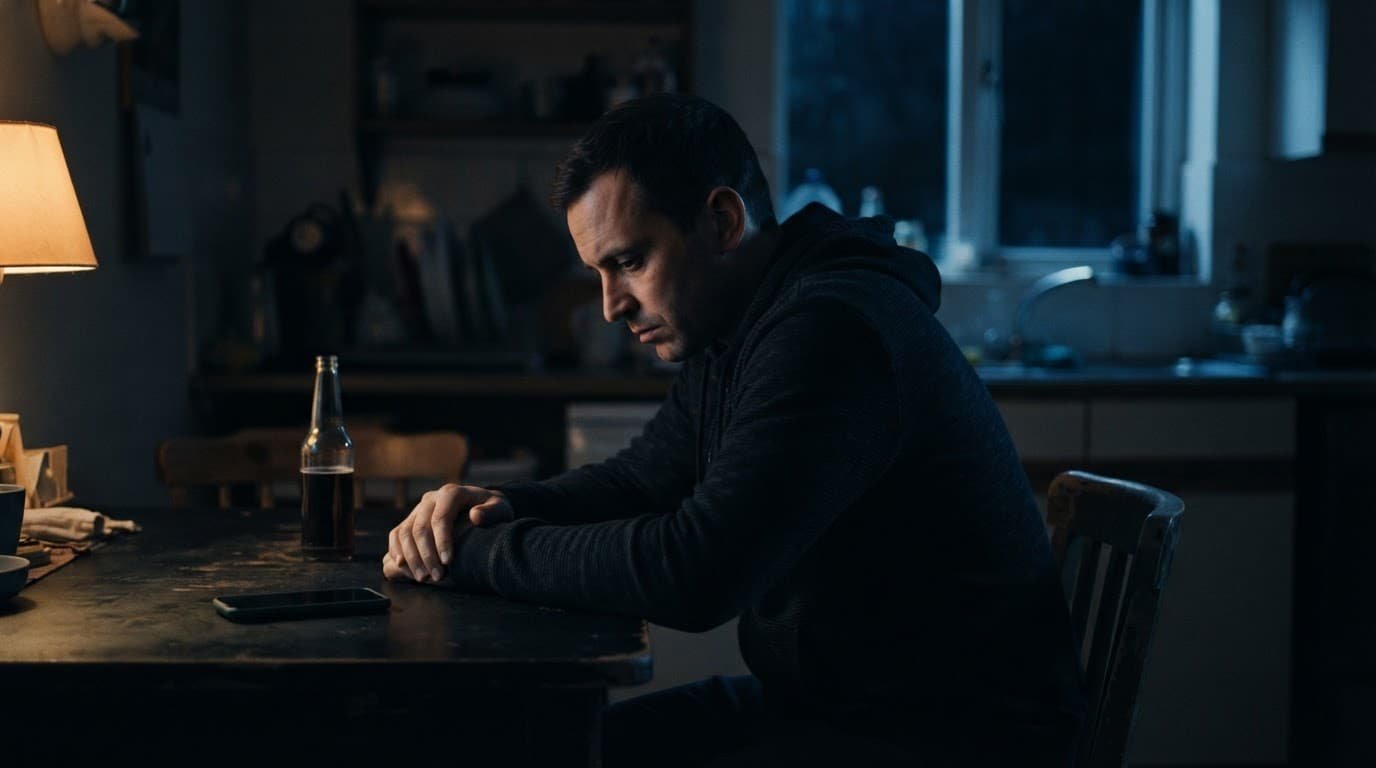
Focus on what has changed. Is he drinking earlier, spending money the family needs, driving while impaired, or becoming aggressive when questioned? Those signs call for a direct conversation and professional support, not secret monitoring or confrontation while he is intoxicated.
2. He disappears into work, screens, or constant activity
Work, gaming, exercise, social media, and endless projects can provide relief when home feels tense. A man may keep his schedule packed because activity gives him fewer chances to think about loneliness, resentment, or conflict.
Healthy interests still leave room for partnership. A coping habit becomes more concerning when he hides it, lies about how much time it takes, or abandons chores, parenting, sleep, and shared plans. His behavior may point to reasons men withdraw emotionally in marriage, but it can also reflect exhaustion or mental health symptoms.
Depression in men may appear as irritability, anger, relationship problems, or substance use rather than obvious sadness. The Mayo Clinic’s guidance on male depression describes these changes as possible signs that deserve attention.
3. He sleeps, isolates, or shuts down whenever emotions surface
Some men cope by sleeping for long stretches, staying in another room, avoiding friends, or ending every serious conversation with “I don’t want to talk about it.” Temporary space can help someone calm down. Repeated isolation leaves the marriage carrying the full weight of an unspoken problem.
Watch what happens after he withdraws. Does he return ready to talk, or does the silence continue while responsibilities and affection disappear? A pattern of emotional shutdown can leave both spouses feeling abandoned, especially when attempts at connection receive anger or indifference.
Try one calm, specific request: “I’ve noticed you’ve been pulling away, and I’m concerned about you. Can we talk tonight, or choose a time tomorrow?” If he refuses every reasonable effort, suggest individual counseling, couples therapy, or a medical evaluation. If threats, intimidation, impaired driving, violence, or fear are present, prioritize safety and seek immediate help rather than forcing a private conversation.
What to Do When His Free Time Is Replacing the Marriage
Personal time can keep a relationship healthy, but it becomes a problem when his hobbies, phone, work, or friends receive the attention your marriage no longer gets. Before assuming he has stopped loving you, look at the pattern and respond to what you can actually observe.
Start with the pattern, not an accusation
Track the changes privately for a short period. Note when he withdraws, what activity replaces shared time, how often it happens, and what follows when you raise the subject. This record isn’t meant to build a case against him. It can help you separate a lasting pattern from one stressful week.
Choose a neutral moment when neither of you is rushing, tired, or under the influence of alcohol. Describe the behavior without guessing at his motives. Then explain how the distance affects you and make one clear request.
You might say:
“When I notice you spending most evenings gaming and turning down time together, I feel lonely and unimportant. I need regular time with you, so would you be willing to have one screen-free meal with me three nights this week?”
A specific request gives him something practical to answer. “You never make time for me” may express real pain, but it can push the conversation toward defensiveness instead of change.
Listen for the problem beneath the withdrawal
After you speak, give him room to respond. Ask open questions such as, “What makes home feel difficult lately?” or “What do you need when you come home?” Then listen without interrupting long enough to understand his answer.
Validation doesn’t mean agreeing with every complaint. You can say, “I understand that you feel criticized when we talk about chores, even though I still need you to share the work.” This approach acknowledges his experience while keeping your own needs visible.
If emotions rise, agree to a short break rather than allowing the conversation to disappear. A useful pause includes a return time: “Let’s take 30 minutes to calm down, then talk again at 8:00.” Leaving without saying when you’ll resume can turn a timeout into avoidance. For more guidance, review these questions for better couple communication.
Ask for small changes you can measure
One large promise rarely repairs months of distance. Instead, suggest a change that both of you can recognize:
- Share one screen-free meal each weeknight.
- Hold a 20-minute weekly relationship check-in.
- Create a fair chore plan and review it after two weeks.
- Set aside time for a shared activity he also enjoys.
- Schedule a budget conversation without phones or television.
- Discuss whether couples counseling could help.
These steps won’t fix a marriage if only one person participates. Still, his response gives you useful information. A willing partner may need reminders, structure, or help changing habits. A partner who mocks your needs, refuses every reasonable request, or punishes you for speaking deserves firm boundaries.
Know when to choose individual or couples therapy
Couples therapy can help when the main issue is the relationship pattern, such as repeated conflict, emotional disconnection, or poor communication. Research describes couple therapy as an established treatment for relationship distress, while Behavioral Couples Therapy for addiction combines relationship work with support for recovery when both partners can participate safely.
Individual therapy may be a better first step when he refuses couples counseling, struggles with depression, unresolved trauma, or addiction, or needs help before he can engage honestly. You can also seek individual support for yourself, especially when you feel confused, depleted, or alone in carrying the marriage.
Couples counseling is not appropriate where threats, coercive control, or violence make honest participation unsafe. In that situation, focus on safety, personal support, and specialized domestic violence services before trying to repair the relationship together.
Know When Unhappiness Has Become a Safety Problem
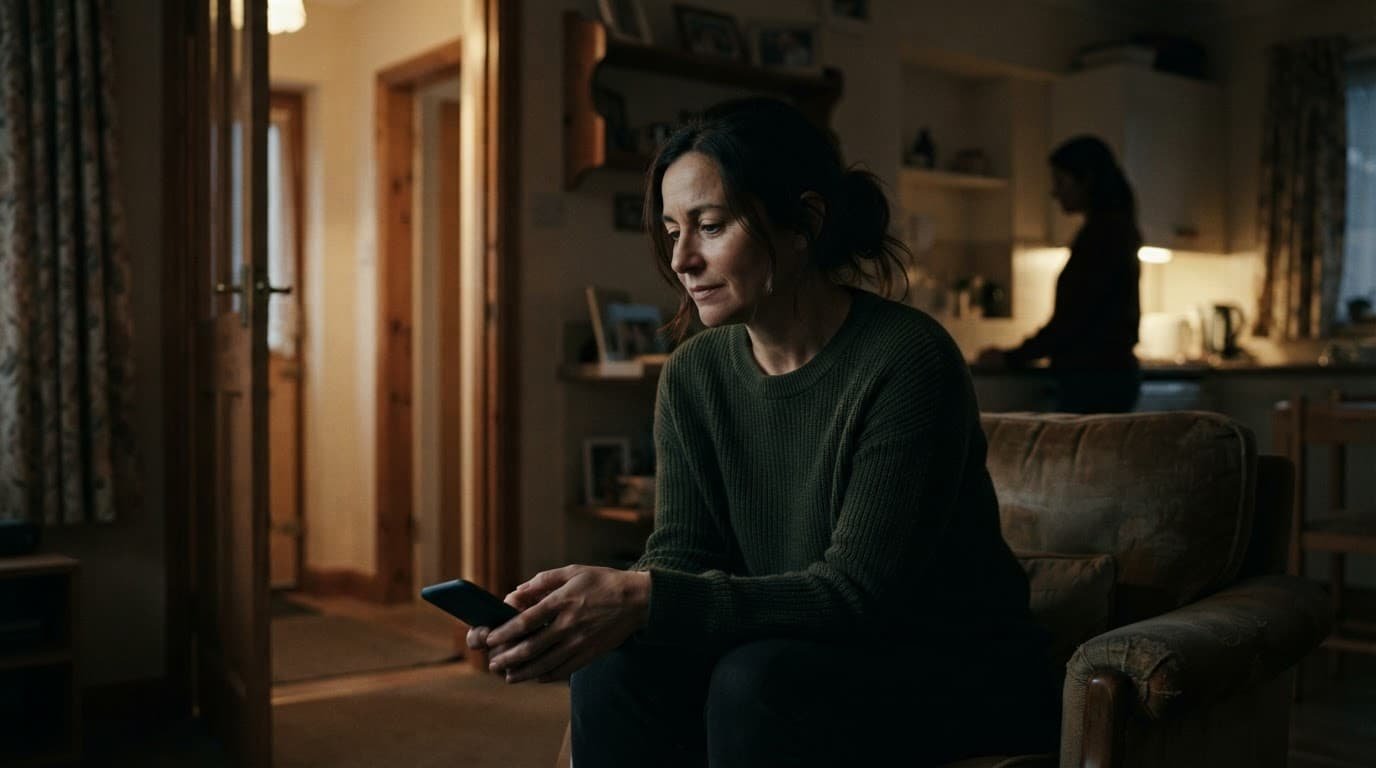
Marital unhappiness can involve distance, frustration, less affection, or a reluctance to communicate. Abuse is different. Insults, intimidation, threats, coercive control, isolation, financial control, sexual pressure, physical harm, property destruction, and unpredictable violence are serious safety concerns, not ordinary signs that a man feels unhappy.
Separate marital conflict from abuse
Healthy couples can disagree without making one partner feel afraid. They can pause a difficult conversation, express their needs, and return to the problem without punishment or threats. Abuse creates a pattern of control in which one person changes their behavior to avoid the other’s reaction.
Pay attention if he:
- Calls you names, humiliates you, or repeatedly attacks your appearance, intelligence, or worth.
- Threatens to hurt you, himself, your children, pets, or someone you love.
- Controls your money, transportation, phone, work, friendships, or access to important documents.
- Pressures or forces sexual contact after you say no, withdraw consent, or show discomfort.
- Blocks doorways, follows you, tracks your location, destroys belongings, or punches walls.
- Becomes unpredictable enough that you constantly monitor your words and movements.
These behaviors can appear alongside emotional withdrawal, drinking, anger, or marital complaints. However, his unhappiness never excuses harming or controlling you. You don’t need to wait for physical violence before seeking help. Recognizing controlling behavior can help you name patterns that are easy to dismiss when they happen gradually.
Put safety before a private confrontation
If you fear retaliation, don’t corner him, announce your plans, or insist on a private relationship talk. A confrontation can increase danger when a partner uses threats, surveillance, or violence to maintain control.
Instead, contact someone you trust and consider making a personal safety plan. You might arrange a code word, keep essential documents accessible, identify a safe place, or store emergency items where he can’t find them. The National Domestic Violence Hotline safety planning tool can help you think through these choices privately.
If you face immediate danger, call 911. For confidential support in the United States, contact the National Domestic Violence Hotline at 1-800-799-SAFE (7233), use its online chat, or text START to 88788. A trusted friend, domestic violence advocate, local crisis resource, or emergency service can help you decide what to do next.
Couples counseling may help with ordinary relationship distress, but it can be unsafe when abuse or coercive control is present. Individual support and specialized safety planning should come first. Your safety matters more than protecting the appearance of the marriage.
Conclusion
Work, screens, hobbies, isolation, conflict, low intimacy, substance use, secrecy, and other numbing behaviors can point to distress, but none of them explains a marriage by itself. Stress, depression, burnout, addiction, and unresolved personal pain can shape the same habits, so one behavior should never become proof of a failing relationship or an affair.
The clearest evidence is the repeated pattern. Does his free time continually replace affection, shared responsibilities, honest conversation, and plans for the future? Does he respond to your concerns with openness and effort, or does he dismiss, punish, or avoid you? Learning about healthy ways to respond when a spouse shuts down may help you recognize when a pause has become harmful silence.
A healthy response is to ask what is happening rather than diagnose or accuse. Speak about what you observe, explain how it affects you, and decide what boundaries and support you need. Marriage repair requires mutual effort, and counseling may help when both partners can participate safely.
Marriages can improve when two people are willing to be honest, take responsibility, and seek help. However, no one is required to remain in a relationship marked by fear, control, threats, or abuse.

- 60 Color Tattoos That Healed Beautifully - 25/09/2026
- 40 Most Painful Tattoo Spots - 24/09/2026
- 20 Tattoo Aftercare Mistakes That Ruin Fresh Ink - 23/09/2026

