Emotional neglect in marriage is what happens when a wife keeps reaching for connection and keeps getting silence, distance, or indifference back. Over time, that kind of hurt changes how she shows up at home, and the changes are often quiet signs of pain, not a lack of love. In many marriages, the first thing to disappear is not affection, but hope.
When a woman feels unheard for too long, she may stop sharing what’s on her mind, stop asking for comfort, and stop bringing up problems that once mattered to her. She may also pull back from closeness, trust her own feelings less, and carry more of the emotional weight alone. These shifts can look small from the outside, but they tell a clear story about emotional neglect.
If you’ve noticed these patterns in your own marriage, you’re not overreacting. The seven signs below show what emotionally neglected wives often stop doing, and why those changes matter.
1. They stop sharing what they really feel
When a wife feels dismissed often enough, she starts editing herself. The first thing she loses is usually honesty, because opening up no longer feels safe or useful.
That shift does not happen all at once. It builds through small moments that teach her to stay quiet, keep things light, and protect herself from another letdown.
Why emotional shut down starts
Emotional shut down usually begins with repetition, not one huge fight. She brings up a concern, and it gets brushed off. She shares a hurt feeling, and the topic changes. She asks for more attention, and the answer is irritation, silence, or a quick fix that misses the point.
After enough of those moments, she learns a hard lesson: speaking up leads nowhere. So she stops reaching for the kind of talk that once made her feel close to her husband.
A wife may also start to doubt her own reactions. If she has been told she is “too sensitive” or “making a big deal out of nothing,” she may decide that staying quiet is safer than being corrected again. Over time, emotional self-protection looks like distance.
This pattern is common in emotionally neglected marriages. Emotional neglect in marriage often starts with a lack of listening, empathy, and follow-through, which makes honest conversation feel risky instead of relieving.
Silence is often a shield. She uses it to avoid being dismissed again.
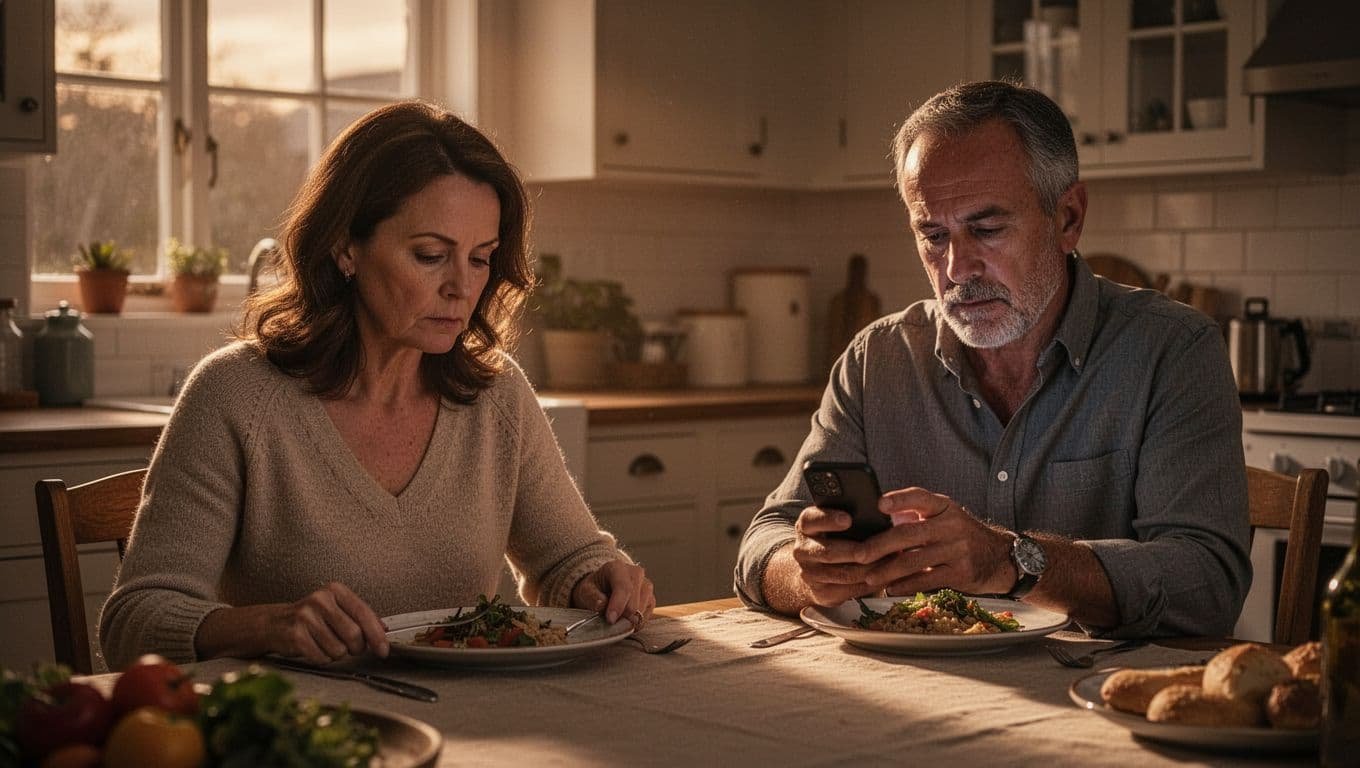
What silence can look like day to day
In daily life, this kind of silence can be easy to miss. She may give short answers, keep conversations practical, or act calm when she feels overwhelmed inside.
You might notice her saying she is fine when she is not. She may stop talking about stress at work, family tension, or things that used to matter to her. Instead of asking for comfort, she handles it alone.
A few common signs show up in ordinary routines:
- Short, careful replies because she does not want a long discussion.
- Hiding stress so no one can tell how much she is carrying.
- Saying “I’m fine” when she feels hurt, tired, or lonely.
- Avoiding emotional topics because she expects them to go nowhere.
This kind of withdrawal can also affect health and well-being. Emotional suppression is tied to more distress and lower well-being, especially when a partner keeps shutting the door on honest talk. For a broader look at how distance builds in marriage, see signs of lack of intimacy in marriage.
The quiet can look peaceful from the outside. Inside, it often means she has stopped believing her feelings will be received with care.
2. They stop asking their husband for comfort
When emotional neglect goes on for a while, a wife often stops reaching for comfort at the source. She may still feel hurt, stressed, or overwhelmed, but she no longer expects her husband to be the person who soothes that pain.
That shift matters. Comfort is one of the clearest signs of emotional safety in marriage, and when it disappears, many wives begin to carry their feelings alone. Over time, the home can feel less like a safe place and more like a place where she has to stay guarded.
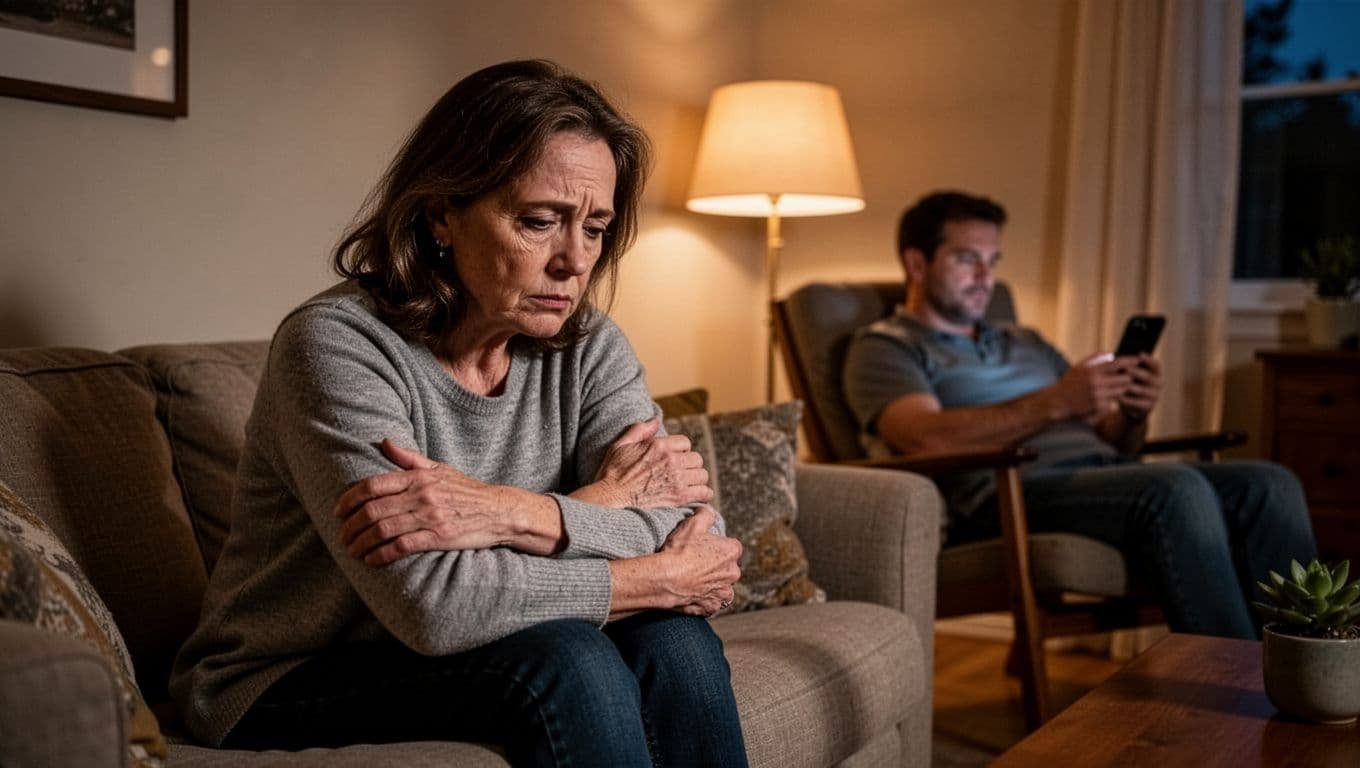
How unmet needs change where support comes from
At first, she may still try. She reaches out after a hard day, brings up a worry, or hopes for a hug that calms her nerves. If those moments keep ending in indifference, criticism, or emotional distance, she learns to stop asking.
Her husband no longer feels like a safe place to land. Instead, he may feel unavailable, distracted, or uncomfortable with emotion, so she looks elsewhere for steadiness. A friend, sister, therapist, or even silence itself can start to feel safer than turning to her spouse.
When comfort is missing too often, a wife often stops expecting it from the person who should give it first.
That change is part of emotional abandonment. What emotional abandonment in marriage looks like often includes the slow loss of reassurance, empathy, and response, until one partner gives up asking for care.
Signs she no longer reaches out
The signs are usually easy to miss because they look calm on the surface. Underneath, they show a wife who has stopped hoping her husband will meet her emotionally.
You may notice her doing things like:
- Handling bad news alone because she assumes he will not respond in a caring way.
- Avoiding vulnerable talks since past attempts led to disappointment or conflict.
- Not bringing problems to him anymore because she does not want to feel dismissed twice.
- Turning to other people first when she needs comfort, advice, or reassurance.
- Staying composed around him even when she feels hurt inside.
This pattern often grows alongside emotional distance. When a wife feels disconnected for long enough, she may stop expecting warmth from her spouse and start protecting herself instead. That kind of withdrawal is common in marriages where support has gone missing, and feeling emotionally disconnected from your husband can make even small problems feel too risky to share.
The result is a lonely kind of independence. She may look strong, but often she has just learned that asking him for comfort hurts more than carrying the burden alone.
3. They stop bringing up problems that need to be fixed
When a wife keeps raising the same issue and nothing changes, she often stops bringing it up at all. That silence usually has a clear cause, repeated disappointment. She has learned that speaking up brings tension, not repair.
The problem is not that she no longer cares. It’s that she no longer expects her words to lead anywhere useful. Over time, that change can reshape the whole marriage, because unresolved issues do not disappear, they pile up.
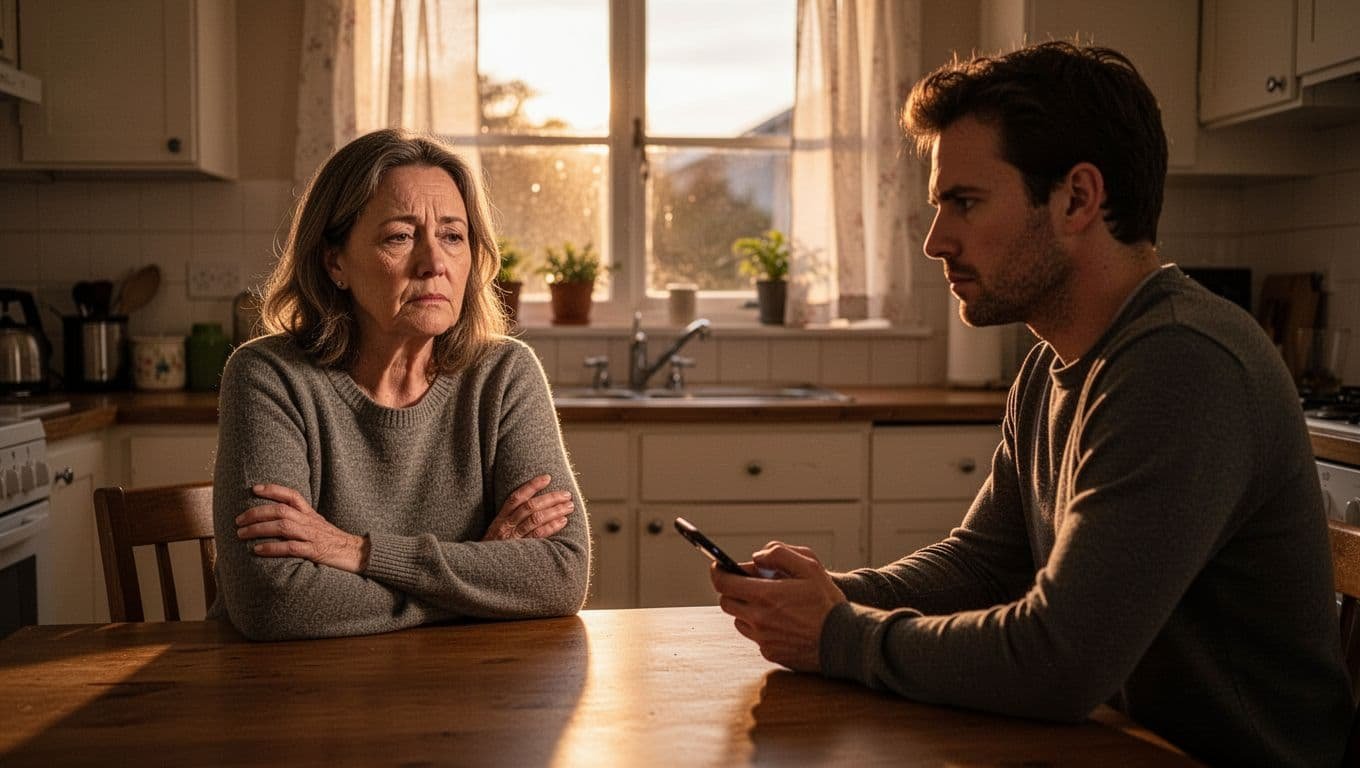
When trying feels pointless
A woman usually does not stop mentioning problems after one bad conversation. She stops after several talks that end in the same place. Maybe her husband shrugs, gets defensive, changes the subject, or promises to fix it later and never does.
That pattern teaches her something painful. Her concern does not seem to matter enough to trigger change. So she saves her energy and keeps the issue to herself, even when it still hurts.
Repeated dismissal can make silence feel safer than honesty.
This is why emotional neglect often shows up as a lack of follow-through, not a lack of conflict. If you want a wider look at that pattern, these signs your marriage needs help can help you spot the early cracks before they spread.
The quiet cost of not speaking
At first, keeping the peace may feel easier. She avoids another argument, another letdown, another reminder that she is not being heard. Still, the unspoken issue does not stay small.
It turns into resentment. Then distance. Then exhaustion.
You may notice her stop correcting small problems, stop asking for changes, or stop naming what bothers her because she feels worn down. That kind of shutdown can make a marriage look calm on the outside while the bond grows thinner on the inside. As lack of communication in relationships shows, silence often creates more misunderstanding, not less.
A wife in this stage may also:
- Keep complaints to herself because she expects the same dead end.
- Act less affected so she does not have to explain her hurt again.
- Feel emotionally tired from carrying problems alone.
- Pull back from teamwork because she no longer believes her voice shapes the marriage.
In time, the silence becomes its own warning sign. Problems stay untouched, and the distance between two people grows wider.
4. They stop making future plans together
When a wife stops talking about next month, next year, or the life she once pictured, that change matters. Future plans need trust, warmth, and a sense that the relationship is still moving somewhere good.
In emotionally neglected marriages, that hope starts to thin out. She may still handle daily life, but she no longer feels pulled toward a shared future. The marriage begins to feel like a present she has to manage, not a future she wants to build.
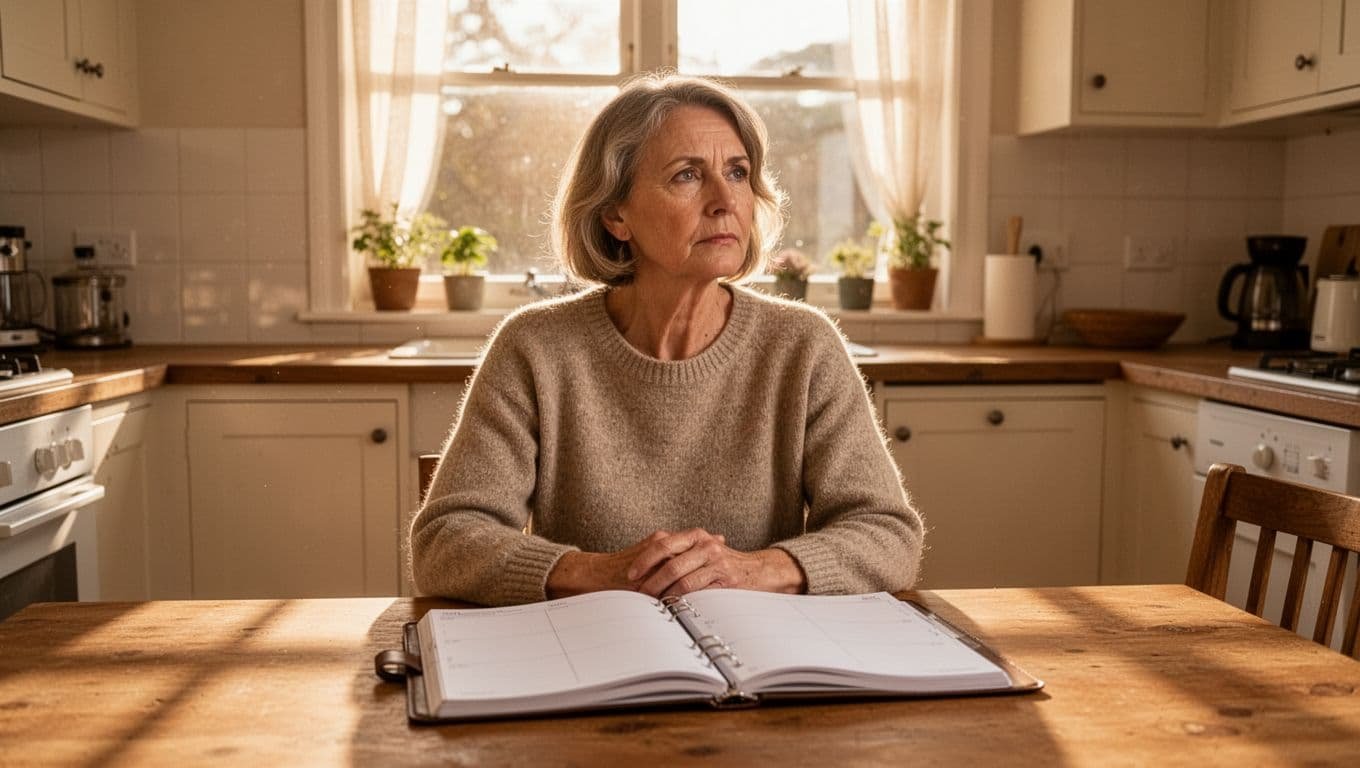
What this change says about hope
Avoiding future talk often means she is unsure the relationship will stay connected or improve. If every serious conversation ends in disappointment, why would she keep dreaming out loud?
That hesitation can show up in small ways. She may stop talking about vacations, family goals, home projects, or where the marriage is headed. She may still make plans for work or the kids, but not for the two of them.
This is often more than caution. It can be a quiet sign that she no longer trusts the marriage to hold her hopes safely. When future planning disappears, so does part of the emotional bond. That pattern also fits signs of a loveless marriage, where shared vision starts to fade long before the relationship fully falls apart.
A wife who stops making future plans is often protecting herself from disappointment.
How independence starts to take over
Once she stops expecting shared dreams, she starts building around her own life. Her schedule, goals, and support system become more important because they feel more stable.
You may see her thinking in terms of:
- Her own calendar because she no longer waits to see if he will engage.
- Her own goals since she cannot count on shared follow-through.
- Her own support system because friends or family feel more dependable.
- Her own decisions when she gets tired of planning around someone who stays detached.
This shift can look strong on the surface. In reality, it often comes from self-protection. She learns to make room for herself where the marriage no longer makes room for her.
That does not always mean she wants out right away. It does mean she has stopped imagining a future where both partners show up with equal care. When shared planning disappears, emotional distance has already done real damage, and emotional neglect in marriage often shows up there first.
A wife in this stage may still function well, but her heart is no longer making joint plans.
5. They stop reaching for closeness and quality time
When emotional neglect sets in, a wife often stops reaching for togetherness because it starts to feel one-sided. She may still want connection, but after enough disappointment, closeness feels like effort without reward.
That change can be hard to spot at first. It shows up in small choices, like skipping shared moments or keeping her own routine separate. Still, those choices matter because quality time is where many couples keep their bond alive.
Why affection can start to feel hard
Affection gets harder when it no longer feels safe. Hurt feelings build up, resentment grows, and simple gestures start to feel loaded with risk.
A wife may stop seeking hugs, conversation, or shared time because each attempt reminds her of what she is missing. Instead of feeling comforted, she feels exposed. Over time, emotional closeness can feel draining, almost like carrying a bag that keeps getting heavier.
That is often why distance grows in quiet ways. She may still care, but care alone does not erase the ache of feeling unseen. When warmth is missing for too long, the heart often backs away to protect itself.
This pattern fits what many women describe in emotional neglect in marriage, where connection fades and the effort to reach out starts to feel pointless.
When affection stops feeling safe, distance can look easier than disappointment.
What distance can look like in real life
The shift usually shows up in ordinary routines. She may stop planning date nights, avoid touch, or choose separate evenings because staying connected feels like work.
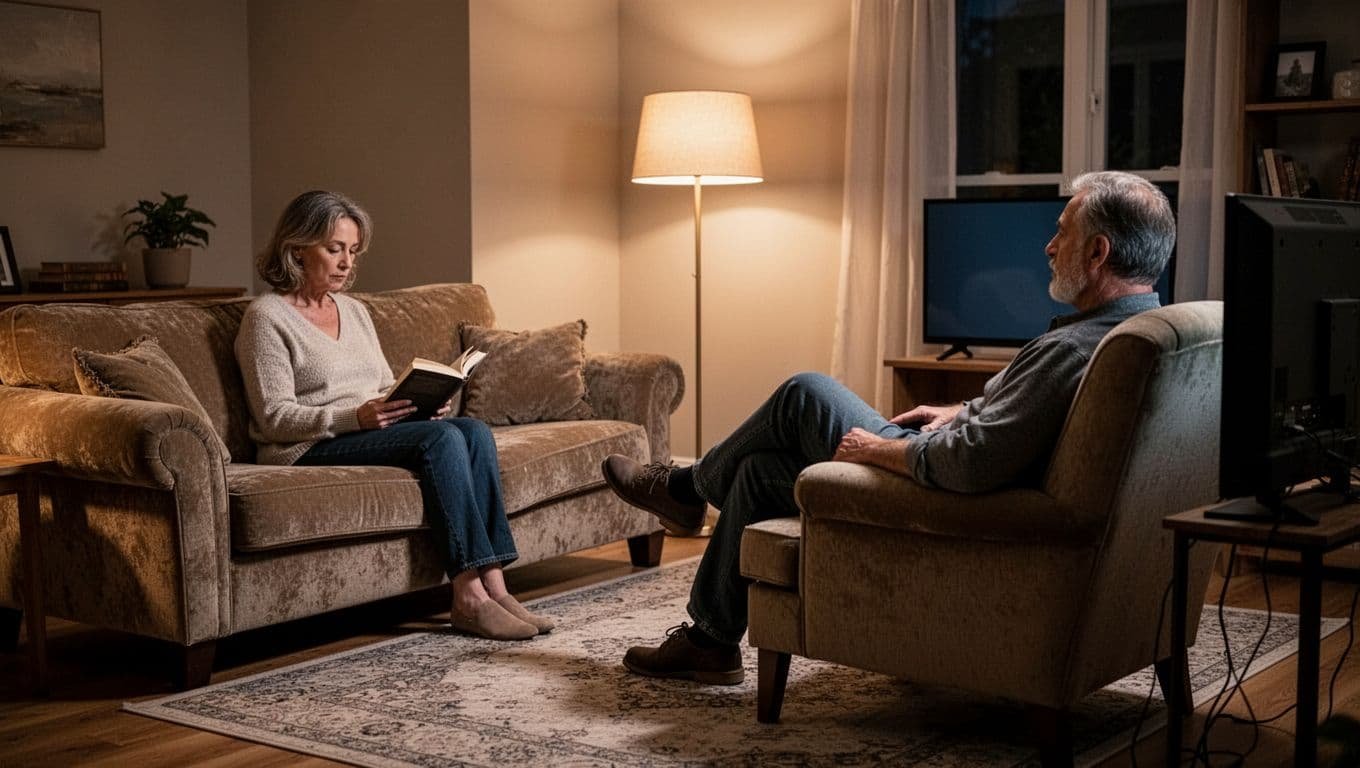
You might notice changes like these:
- Skipping date nights because they feel forced or disappointing.
- Pulling away from touch since hugs, hand-holding, or casual affection feel unfamiliar.
- Keeping separate routines so each person lives on a different track.
- Choosing silence over time together because conversation feels flat or tense.
- Spending more energy elsewhere where she feels more noticed and at ease.
A wife in this stage may not be trying to punish her husband. More often, she is guarding her energy. That can look like she no longer wants closeness, but the real issue is that closeness has stopped feeling mutual.
When quality time disappears, so does one of the easiest paths back to connection. And when that loss lasts long enough, the marriage can start to feel more like two parallel lives than a shared one.
6. They stop having deep conversations
When emotional neglect lingers, conversation often shrinks to chores, schedules, and basic updates. The wife may still talk, but the talk loses warmth, curiosity, and depth.
That change matters because deep conversations are where couples stay emotionally close. Without them, marriage can start to feel like a shared calendar instead of a shared life.
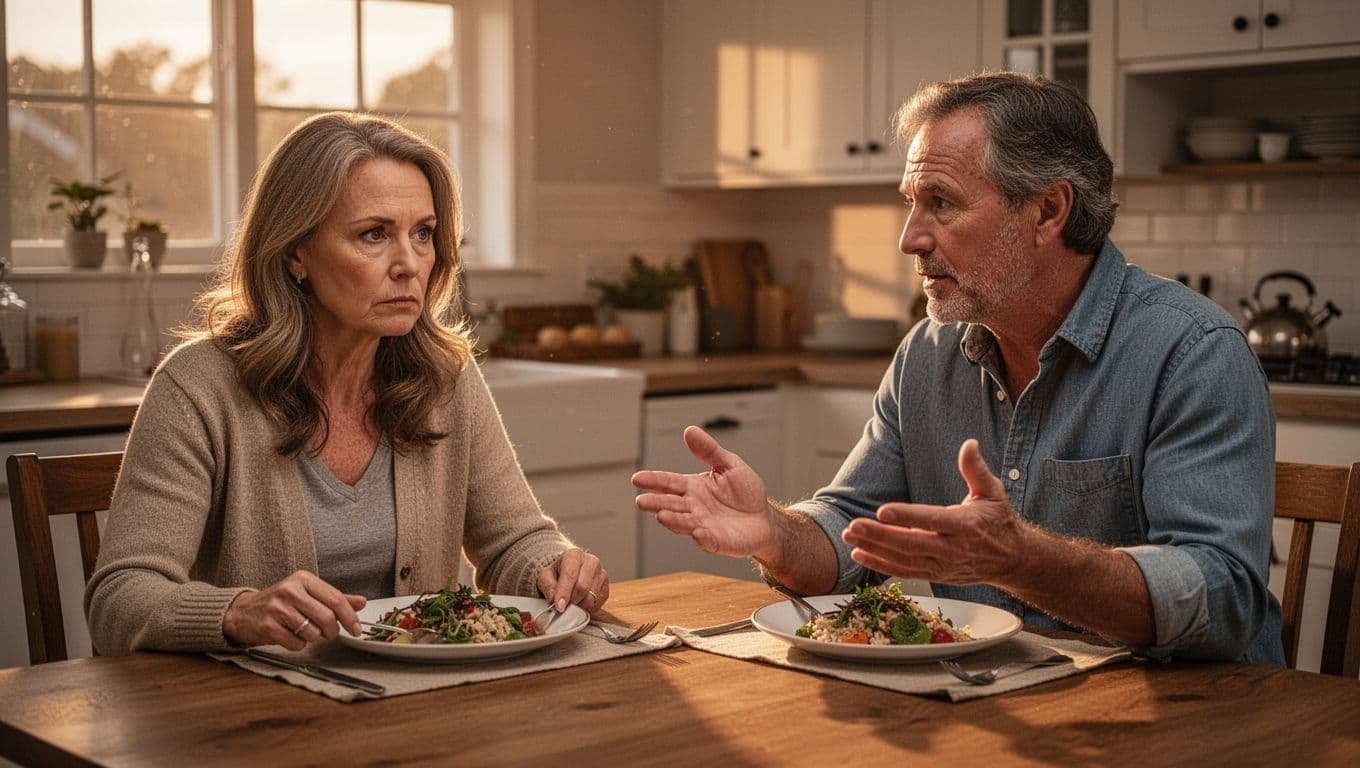
From real talks to surface-level talk
Real talks go beyond logistics. They sound like, “What are you feeling?” “What has been weighing on you?” or “What do you want for us?” Those conversations build trust because both people feel seen.
Surface-level talk stays practical. It covers bills, groceries, kids, work, and plans for the week, but it leaves emotions out. A wife who once shared her fears and hopes may now keep everything short and safe.
That shift can look small at first. She may answer with one sentence, avoid follow-up questions, or change the subject when things get personal. Still, the message is clear, she no longer believes deeper sharing will lead to comfort or care.
When the only safe topics are chores and schedules, intimacy starts to thin out.
This is a common sign of emotional neglect in marriage, because emotional distance often shows up first in the way couples talk to each other.
Why shallow talk can feel safer
A wife may pull back from deep conversation because it protects her from another painful outcome. If she has been ignored, corrected, or dismissed before, she knows what can happen when she opens up.
Shallow talk lowers the risk of rejection. It keeps her from hearing, “You’re overreacting,” or watching her husband shut down halfway through the conversation. It also helps her avoid the heavy silence that follows when a serious topic goes nowhere.
In that way, small talk becomes emotional armor. She may use it to stay calm, avoid conflict, or prevent another letdown that leaves her feeling foolish for trying.
Common signs include:
- Talking only about daily tasks instead of feelings or hopes
- Avoiding vulnerable topics because they have not gone well before
- Keeping conversations brief so nothing can turn into an argument
- Feeling drained after talking because deep sharing has stopped feeling safe
If this pattern feels familiar, partners dodging deep conversations often need more than better timing. They need real emotional safety, patience, and a willingness to listen without shutting the door.
7. They stop carrying the emotional load alone
When a wife has been the one holding the marriage together emotionally, she eventually reaches a limit. She stops being the family thermostat, the peacekeeper, and the person who tracks everyone else’s feelings before her own.
That change often looks like distance, but it usually starts as exhaustion. If she has carried the stress, the planning, and the smoothing over for too long, stepping back becomes a form of self-protection.
The hidden work many wives do
A lot of emotional labor never gets named. It shows up in the small, repeated tasks that keep a home feeling steady, even when nobody notices the effort behind them.
That work can include:
- Managing moods so tension does not grow into conflict.
- Planning dates and family time so connection does not disappear.
- Remembering birthdays, appointments, and follow-ups without being asked.
- Checking in on everyone else while putting her own needs aside.
- Keeping the house emotionally balanced after hard days, arguments, or stress.
This is more than being organized. It is mental and emotional work, and it often falls on women by default. Recent reporting on household labor shows that wives, especially mothers, still carry a heavy share of this burden, and that load can feed burnout and resentment. Recent reporting on household labor and burnout makes that pattern hard to ignore.
When this work goes unshared, it starts to feel like she is managing two lives at once, her own and everyone else’s. Over time, that kind of pressure can make love feel like another job. A lot of women describe that same weight in emotional labor in marriage, where the relationship becomes one more thing to carry instead of a place to rest.
She may not say it out loud, but the message is clear. She is tired of being the only one who notices what needs fixing.
What happens when she finally steps back
When she stops carrying the emotional load alone, it can look like coldness. In reality, it is often burnout, hurt, and a need for change.

She may stop reminding, stop soothing, and stop rescuing the marriage from every awkward silence. She may let her husband sit with his own discomfort instead of fixing it for him.
That withdrawal is not the same as indifference. Often, it means she has been carrying too much for too long. A wife can only absorb so many missed cues before she starts protecting her own energy.
You may see this in a few clear ways:
- She stops overexplaining because she is tired of not being heard.
- She lets others handle their own feelings instead of managing them for them.
- She pulls back from fixing tension since peacekeeping has become draining.
- She speaks more directly because subtle hints no longer feel worth it.
When a wife stops doing the emotional heavy lifting, it often means she has run out of room, not love.
This kind of shift is common in marriages where one partner has carried the whole emotional climate for too long. When a wife feels emotionally distant often starts here, with burnout that has been mistaken for detachment.
The hard truth is simple. A marriage cannot stay healthy when one person keeps acting like the manager of everyone else’s feelings. If that sounds familiar, the next step is not to push her to carry more, but to finally share the load.
Conclusion
These seven changes, quiet speech, less comfort-seeking, no more problem-raising, fewer future plans, less closeness, shallow talk, and a lighter emotional load, all point to the same issue. They are warning signs that a wife feels unseen, unheard, and alone in the marriage. That kind of distance often shows up long before the relationship falls apart, and it can be easy to miss if you only look for open conflict.
When emotional neglect becomes part of daily life, the bond starts to weaken in plain view. A wife may look calm, but the silence often means she has stopped expecting care. If that pattern feels familiar, these signs of emotional indifference from your spouse can help you spot the bigger picture sooner.
The earlier these shifts are noticed, the better the chance for honest conversation and real support before the gap grows wider.
Save the pin for later

- 60 Color Tattoos That Healed Beautifully - 25/09/2026
- 40 Most Painful Tattoo Spots - 24/09/2026
- 20 Tattoo Aftercare Mistakes That Ruin Fresh Ink - 23/09/2026

