Two friends can cross the line into something more without a big confession or a dramatic moment. More often, the shift shows up in small ways, like longer eye contact, extra texting, a little flirting, and a pull toward one-on-one time that feels different from a normal hangout.
You might also notice you’re opening up more, thinking about them differently, or getting a little jealous when someone else enters the picture.
Friends may even start treating you like a couple before you’ve said a word, which can make the whole thing feel obvious and confusing at the same time. If you’ve been wondering whether the connection is turning romantic, these are the clearest signs to look for, and how to stop being just friends is where the shift starts to make sense.
The first signs your friendship is turning into attraction
The earliest clues are usually small, and that is why they get missed. People start looking at each other differently, thinking about each other more often, and caring a little more about being noticed. The friendship still feels normal on the surface, but the mood changes before either person says anything out loud.

Eye contact lasts longer than it used to
One of the clearest early signs is eye contact that lingers. A friend who used to glance away quickly may now hold your gaze a little longer, then look back again a few seconds later. Their expression may also soften, which makes the whole moment feel more personal than casual.
You may catch them looking at you across the room, then pretending they were staring at something else. That pattern matters more than one long look. On its own, eye contact can mean a lot of things, but when it keeps happening along with warmer facial expressions and more frequent glances, attraction may be building.
A single moment can be easy to shrug off. A pattern usually tells the real story.
If you notice this kind of change often, pay attention to the rest of the connection too. A friend who is becoming attracted usually looks at you like they are trying to read more than your words.
You start noticing little details about each other
When friendship starts turning romantic, attention gets sharper. They remember your favorite coffee order, how you take your tea, the story you mentioned once in passing, or the small habit that usually goes unnoticed by everyone else.
That kind of memory is a strong clue because it shows care, not just familiarity. Anyone can know your birthday, but remembering the random detail you only mentioned once means they are paying close attention.
You may also start doing the same thing for them. Maybe you notice when they seem tired, or you remember the exact way they like something done. That shift is often subtle, but it shows the relationship is moving past surface-level friendship.
A friend who notices small things is often trying to understand you better, and that usually comes before they admit how they feel. If you want a deeper look at how close friendships can shift into romance, tips for dating a close friend can help connect the dots.
There is a new sense of nervous excitement
Attraction often brings a little nervous energy with it. You might feel butterflies before seeing them, get shy in moments that used to feel easy, or care more about your appearance before you meet up. That extra effort can show up in small ways, like fixing your hair twice or changing clothes before a hangout.
The interesting part is that everything can still look normal to other people. You may still joke the same way, talk the same way, and hang out like usual, but inside, the vibe feels different. There is a little more tension and a little more hope.
Sometimes the person on the other side feels it too. They may seem a bit flustered, talk faster, or smile more than usual. That nervous excitement often means the friendship is no longer just comfortable, it has started to feel personal in a new way.
If both people are feeling that spark, the connection can shift quickly. A friendship that once felt effortless now has a charge to it, like a conversation with an extra beat underneath.
When texting and talking start to feel more personal
Once a friendship starts turning into something more, the conversation usually changes before anything is said out loud. Messages come faster, topics get more personal, and the back-and-forth feels less casual. You stop chatting just to fill space and start reaching for each other on purpose.

Good morning and good night texts become a habit
Daily check-ins are one of the clearest signs that a friendship is getting more personal. A simple “good morning” or “good night” can turn into a steady routine, and once that happens, it usually means the person wants to be part of your day and not just hear from you once in a while.
Fast replies matter too. When someone keeps answering quickly, sends random updates, or texts just to share something small, they are making room for constant contact. A single flirty message can be fun, but the pattern tells you much more than one one-off line ever will.
You may notice the conversation doesn’t need a reason anymore. They text after lunch, send a meme at work, or check in before bed, almost like they’re creating a small thread that runs through the day. That kind of rhythm often shows comfort, interest, and a growing need to stay connected.
You talk about personal topics, not just casual stuff
At some point, the small talk starts to fade. Instead of only trading jokes or weekend plans, you begin talking about family, fears, dating history, goals, and private thoughts that usually stay tucked away.
That kind of sharing changes the tone fast. It builds trust because both people are showing more than the polished version of themselves, and that usually happens when the friendship is becoming emotionally stronger. If they ask follow-up questions and actually remember your answers, they’re not just passing time; they’re paying attention.
Personal conversation also creates a different kind of closeness. A talk about stress at home or a dream for the future can feel more revealing than a long hangout, because it shows where someone really is in life. In many cases, this is the point where the friendship starts feeling like a safe place, not just a fun one.
The conversation gets a little flirty
Once feelings are in the mix, the tone often gets lighter and a little more playful. Teasing shows up more often, compliments sound more pointed, and inside jokes start carrying a second meaning that wasn’t there before.
This doesn’t have to sound dramatic. It can be as simple as a joke that lingers, a comment about how good they looked the other night, or a text that feels just a little more personal than usual. Even a small line like “you always do that” can carry more weight when it comes with a smile, a wink, or a late-night reply.
Late-night chats are especially telling because people tend to be less guarded when they’re tired and relaxed. The conversation may drift into “what if” territory, or it may just keep going because neither person wants it to end. If you’re noticing that the flirting feels natural instead of forced, the friendship is probably shifting into a new kind of connection.
Body language often says what words do not
People rarely announce attraction in a neat, direct way. More often, it shows up in posture, distance, touch, and the way they move around you without even thinking about it.
That matters because body language can tell you what a person is feeling before their words catch up. If the vibe feels different, look at how close they get, how often they touch, and whether their whole body seems tuned in to you.

They find reasons to sit or stand closer
When two friends start becoming more than friends, space starts to disappear. They may slide closer on a couch, choose the seat beside you instead of across from you, or angle their body so it points straight toward you.
That kind of movement is rarely random. Sitting close, leaning in, or turning their knees and shoulders your way often shows comfort, focus, and interest. In a crowded room, they may still drift toward your side, like they are being pulled there without noticing it.
You may also see them pick spots that keep the conversation private. A bench, the corner of a table, or the seat next to you in a group setting can feel like a small choice, but it often says a lot. If you want more signs that a friendship is changing, how to stay friends with someone you love can help put those mixed feelings in context.
Small touches start to happen more often
Touch is one of the easiest signs to miss because it can look casual on the surface. A brush against the arm, a hand on the back, a hug that lasts a second longer, or a light touch on the shoulder can all point to growing attraction.
The key is that the contact feels natural and respectful, not forced. People who are interested usually find harmless reasons to connect physically, like laughing and touching your arm at the same time or greeting you with a warm hug that doesn’t rush away.
A pattern of gentle touch matters more than one isolated moment.
You can often tell a lot by comparing how they touch you versus how they touch everyone else. If the contact feels more frequent, more careful, or more personal with you, that difference usually means something.
They mirror each other without thinking about it
When people feel close, they start syncing up. One person leans in, and the other follows. One crosses a leg, changes their tone, or laughs a certain way, and the other begins to match it without trying.
This kind of mirroring can show up in posture, gestures, speech patterns, and even energy. It is subtle, but it creates a strong sense of connection because both people start moving through the moment in the same rhythm.
Sometimes the clearest clue is how they sit or stand during conversation. Open posture, feet pointed toward you, and a body that stays oriented in your direction all suggest attention. Research on nonverbal signs of attraction shows that open, expansive body language is often linked with stronger romantic interest.
When words stay friendly but the body keeps leaning in, copying, and closing the gap, the message is hard to ignore.
The friendship starts to feel more intense emotionally
When a friendship turns into something more, the biggest shift often happens on the inside. You may feel safer with them, but also more exposed. Small things start to carry extra weight, because the connection is no longer casual in your mind.
That emotional pull can feel exciting and confusing at the same time. You trust them more, think about them more, and notice their moods more quickly. The friendship starts to feel personal in a way that is hard to ignore.

You care more about how they see you
As feelings grow, you want to be seen in the best light. You think more about what you wear, what you say, and whether you came across well after the hangout ends.
That can make even simple plans feel important. A coffee run, a walk, or a casual dinner starts to feel like an audition you didn’t agree to take. You may replay little moments later, wondering if you sounded smart, funny, or awkward.
People often try harder around someone they like, because they want the other person to notice them in a different way. A friendship with romantic tension can make that happen fast. If you want a deeper look at that shift, when friendship turns into romance is a useful next step.
Jealousy can show up in small ways
Jealousy doesn’t always arrive as a big scene. Sometimes it shows up as a quiet knot in your stomach when they mention dating someone else, give attention to another person, or become harder to reach.
A little jealousy can mean your feelings are real. It shows that the bond matters more than it used to. Still, it becomes a problem if it turns into pressure, possessiveness, or constant checking in. Healthy feelings leave room for choice.
If you notice mild jealousy, that can be a clue, not a command. It says your attachment is growing, but it doesn’t give you permission to control their life.
You miss each other more when you are apart
Distance can feel heavier once the connection gets emotional. You may want to text first, wonder what they are doing, or reread old messages just to feel close again.
That same pull can make a quiet day feel off if you haven’t talked in a while. The conversation starts replaying in your head, and you catch yourself smiling at random moments because of something they said. According to Marriage.com’s friendship-to-love signs, growing communication and shared vulnerability often show up when a friendship starts shifting.
A friend who used to be easy to go a day without now feels like part of your routine. When that happens, the bond has stopped sitting in the background. It has moved into the center of your attention.
Other people often notice the change before you do
When two friends start acting like more than friends, the people around them often spot it first. That is usually because they are watching the whole picture, while the two of you are still busy explaining everything away as “just how we are.”
Outside reactions can be blunt, funny, or a little too accurate. A roommate, sibling, or friend may catch the shift long before either person says it out loud, because the chemistry shows up in the room whether you name it or not.

Friends start making jokes about you two
Once the tension is visible, the comments usually start. Friends may tease you with lines like “you two are cute together,” ask if you are dating, or keep joking that something is going on between you.
Those jokes are often more than random humor. They usually happen because everyone else can see the shift in your tone, body language, and attention. If the teasing keeps coming from different people, they are probably picking up on a real connection, not making things up.
You might hear:
- “So, are we admitting this yet?”
- “You would be cute together.”
- “Why do you act like an old married couple?”
That kind of joking can feel embarrassing, but it also tells you a lot. People rarely keep pushing that topic unless they sense chemistry that is hard to miss.
Family members ask pointed questions
Family tends to notice patterns fast, especially when you and this person spend a lot of time together. A parent may ask why you are always on the phone with them, or a sibling may casually wonder if you are “still just friends.”
These questions are usually light, but they can land with surprising accuracy. Parents often notice when someone comes up in conversation too often, and siblings can spot the extra effort you put into seeing them or talking about them.
The remarks may sound like the following:
- “You two seem close lately.”
- “Do we need to meet this person more often?”
- “You spend a lot of time together for ‘just friends.'”
If the same question keeps coming up, pay attention. Loved ones often catch the emotional shift before you are ready to admit it to yourself.
Group settings feel a little different
In a group, more than friends tend to drift toward each other without trying. You sit next to them instead of across the table, laugh at each other’s jokes first, and keep checking in even when others are talking.
That can make the rest of the group feel like outsiders. People may start joking about being the third wheel, or they may notice that the conversation keeps circling back to the two of you.
The difference shows up in small ways:
- You split off from the group for one-on-one talks.
- You keep matching each other’s timing and energy.
- The rest of the room starts feeling like background noise.
When the group notices before you do, the connection is probably already obvious.
In many cases, the change is visible because it keeps repeating. The chemistry shows up in your posture, your attention, and the way you keep finding each other in a crowd. Research on signs of mutual attraction points to those same patterns, especially eye contact, touch, and a shared rhythm that other people can read fast.
If your friends are joking, your family is asking questions, and social events keep pulling you together, the relationship has already shifted in plain sight. You may still call it friendship, but everyone else can tell it now has a different shape.
How to tell if it is real feelings or just a close bond
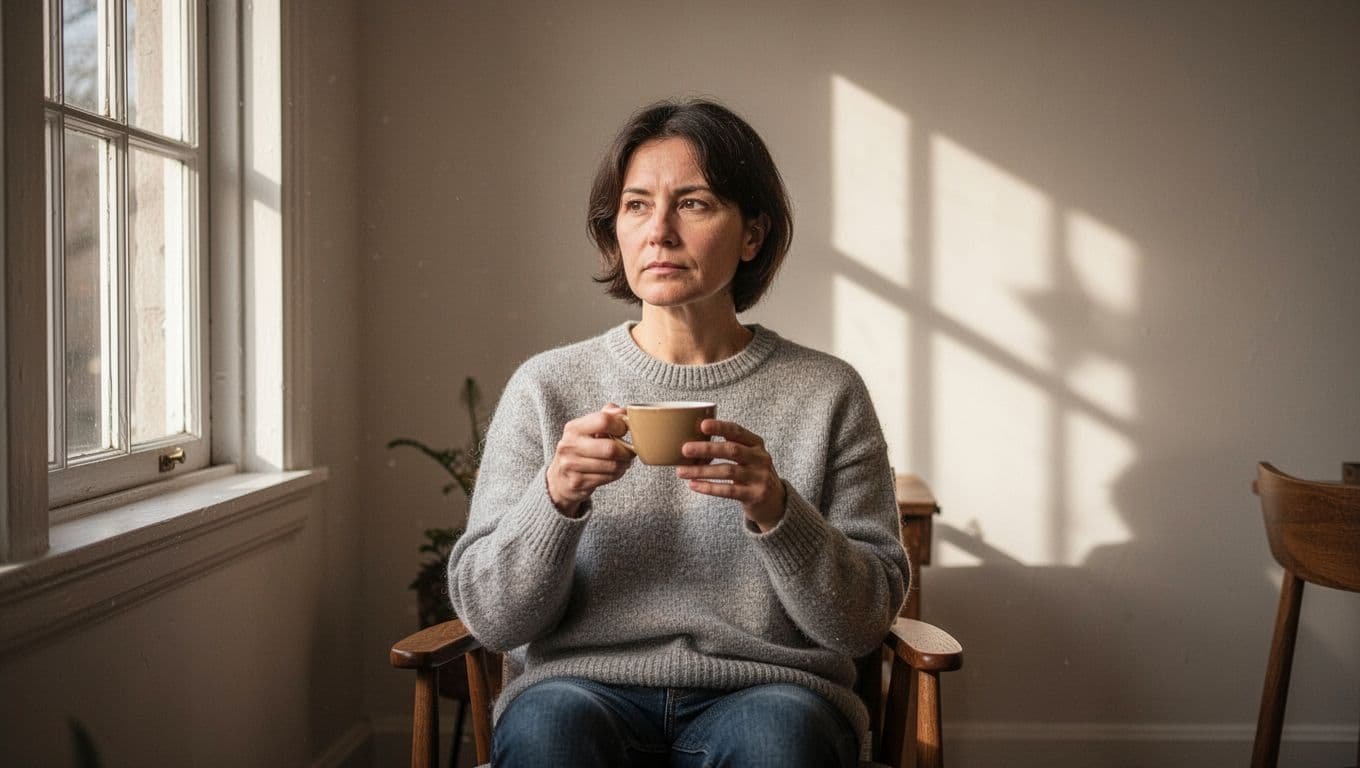
A strong friendship can feel intense, and that intensity can fool you. The difference usually shows up in the pattern, not in one sweet moment.
If you keep wondering whether this is romance or just a deep connection, slow down and look at how the bond behaves over time. Real attraction usually brings a mix of attention, effort, and emotional pull that goes beyond comfort and loyalty.
Look for a pattern, not just one sign
One compliment, one long hug, or one late-night text does not automatically mean romance. A close bond can include all of those things, especially when two people trust each other and spend a lot of time together.
What matters is what keeps happening. If the tone gets softer, the contact gets more personal, and the effort keeps building over time, that is a different story than one isolated moment. Attraction tends to repeat itself.
A good way to check yourself is to ask whether you see several signs at once:
- Longer eye contact
- More one-on-one time
- Flirty or personal texting
- Gentle touch that feels intentional
- Extra curiosity about your life
When those signs show up together, the connection is probably moving beyond ordinary friendship. A single gesture can be friendly. A repeating pattern usually means more.
Notice whether the effort goes both ways
Real attraction usually creates a kind of mirror effect. If you reach out, they reach back. If you make time, they make time too. Both people keep showing up with the same level of interest.
That balance matters because one-sided effort often points to friendship, habit, or emotional dependence rather than romance. Maybe you are the one sending the first text every day, planning every hangout, and carrying the whole conversation. In that case, the bond may feel close, but it is not necessarily mutual attraction.
Mutual interest tends to look more even. They remember details, ask follow-up questions, and look for ways to stay connected without being pushed. You should feel wanted, not just available.
If the effort is lopsided for a long time, take that seriously. Romance usually does not hide behind constant silence on one side.
Pay attention to how safe and natural it feels
A strong friendship can feel safe, but romantic chemistry often adds a little spark to that safety. The best sign is when being with them feels easy and exciting at the same time.
You may feel relaxed enough to be yourself, yet still catch yourself smiling more, thinking more, or feeling a little nervous before seeing them. That mix matters. It often shows real attraction rather than simple closeness.
According to Asexuality.org’s discussion of romantic attraction vs. friendship, romantic feelings usually include a desire for a deeper emotional and physical connection, while friendship centers more on care and shared time. That distinction can help if your feelings feel blurry.
A close bond feels warm and steady. Romantic interest usually adds a pull, a charge, or a sense that the relationship could become something more. If you keep feeling both comfort and anticipation, you may be looking at real feelings instead of friendship alone.
Conclusion
The shift from friends to something more usually shows up in a cluster of small changes, not one dramatic moment. Deeper texting, longer eye contact, closer body language, and a little emotional tension all point in the same direction when they keep repeating.
That is why outside reactions matter too. When friends start teasing, family starts asking questions, and group settings feel different, the connection is probably already sending clear signals.
Pay attention to the pattern, be honest with yourself, and look for mutual feelings before you make a move. When both people are leaning in, the signs are hard to miss.

- 60 Color Tattoos That Healed Beautifully - 25/09/2026
- 40 Most Painful Tattoo Spots - 24/09/2026
- 20 Tattoo Aftercare Mistakes That Ruin Fresh Ink - 23/09/2026

