This post may contain affiliate links. That means I will earn a commission at no extra cost to you if you buy anything using my link.
One in eight women faces infertility challenges at some point. If you’ve been trying to conceive without success, you’re not alone. Simple lifestyle changes can boost your odds before jumping to IVF or medications.
That’s why these things to do to help you get pregnant matter so much. Recent data shows about 13% of women aged 15-49 struggle, yet tweaks like better nutrition and habits make a real difference. Always consult your doctor first to rule out issues and get personalized advice.
Both you and your partner should team up on them. In this post, we’ll cover nine evidence-based steps: tracking ovulation, eating antioxidants, cutting refined carbs, moderate exercise, healthy weight, prenatals, less caffeine and alcohol, plant proteins with healthy fats, and stress management.
Watch this fertility doctor share natural tips. Ready to start? Let’s dive in.
For first-time pregnancy tips once you succeed.
Track Ovulation to Time Sex Perfectly
Timing sex with your ovulation tops the list of things to do to help you get pregnant. Your fertile window lasts about six days each cycle. Sex every other day during that time raises odds by up to 30%, based on Mayo Clinic guidance and ASRM’s 2021 fertility report. Apps, basal body temperature, and kits make it simple. Start tracking on day one of your period. Fertile days usually hit between 10 and 20 for 28-day cycles. Adjust for your pattern, because everyone differs.
Pick the Right Tracking Tools
Several methods work well together. Apps predict based on your data. Basal body temperature (BBT) confirms after ovulation. Ovulation predictor kits (OPKs) spot the hormone surge before.
Here are practical options:
- Apps like Natural Cycles: Log your period and symptoms daily. Algorithms flag fertile days. A 2025 study found wearables with AI detect ovulation accurately within three days.
- BBT thermometer: Take your temperature first thing each morning. It rises 0.5°F post-ovulation. Chart it for patterns over months.
- OPKs: Pee on a stick daily from cycle day 10. A dark line means ovulate soon. Use them if apps alone miss the mark.

Time Sex for Best Results
Have intercourse every one to two days from cycle day 10 through 20. Sperm lives up to five days, so early timing counts. Continue a day after positive OPK or BBT shift. Your partner helps too: he should skip tight underwear, hot tubs, or saunas. Those hurt sperm quality. Fresh ejaculation every other day keeps counts optimal.
Watch for Common Pitfalls
Irregular cycles trip up many. Stress or travel shifts them, so combine methods. Apps help predict, but add BBT or OPKs for proof. Do not rely on calendar math alone. Track three cycles minimum before expecting precision. If nothing after six months, see your doctor. Consistency pays off fast.
Load Up on Antioxidant-Rich Foods for Healthier Eggs and Sperm
Antioxidants protect your eggs and sperm from damage. They fight oxidative stress, which harms reproductive cells. So, loading up on these foods counts as one of the things to do to help you get pregnant. Both partners benefit, because studies show better egg quality and sperm motility.
Recent research backs this up. For example, a systematic review on antioxidants for male fertility found they improve sperm parameters. Women see gains too: vitamin C, E, and folate from food boost ovulation and egg health, per 2025 data.
Key Foods to Prioritize
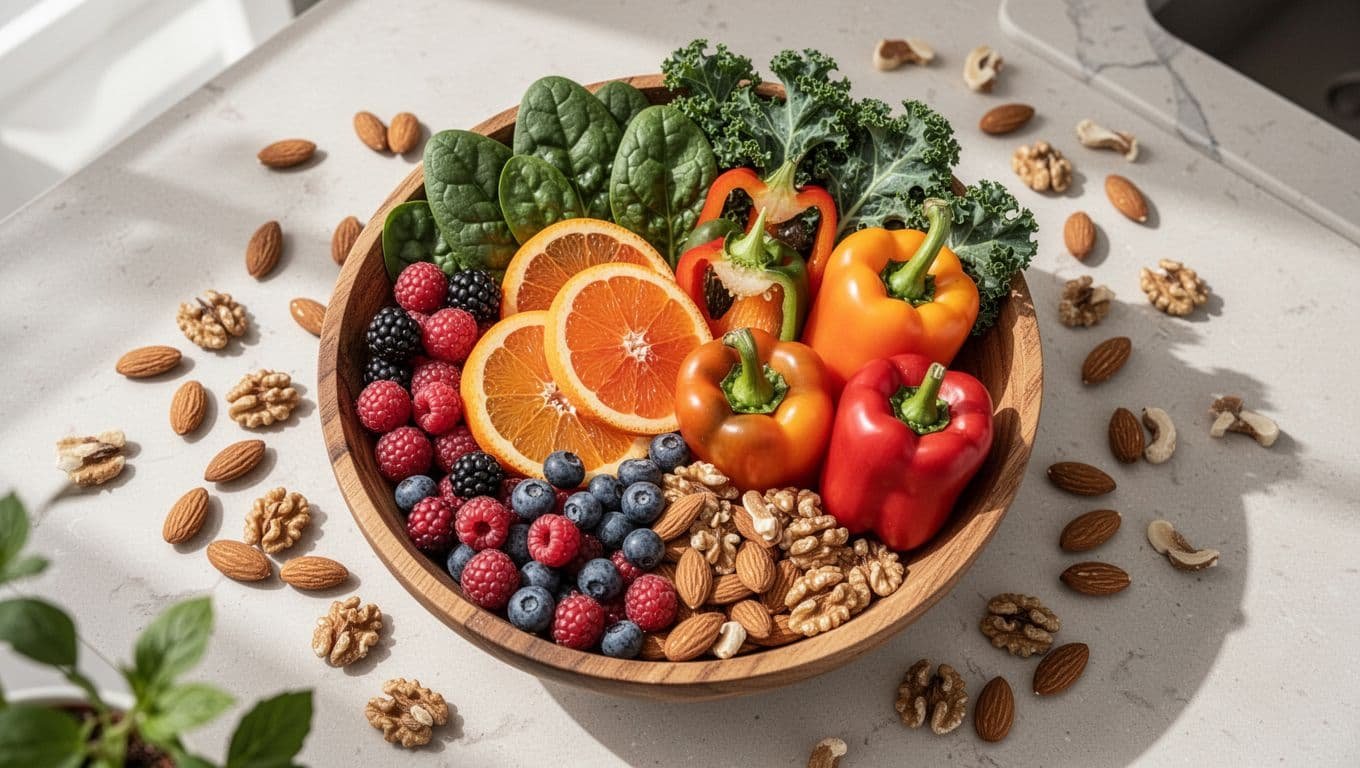
Start with these powerhouses. Berries like blueberries and strawberries pack vitamin C to cut DNA damage in eggs. Citrus fruits and bell peppers add more C for sperm protection. Leafy greens such as spinach deliver folate, which raises ovulation odds by 20%. Nuts like almonds and walnuts provide vitamin E and zinc for hormone balance.
Quick Meal Ideas for Both of You
Add them daily without overhauling your diet. Blend berries into a morning smoothie with spinach and nuts. Toss peppers and greens into a salad with grilled chicken. Your partner can snack on a handful of almonds or walnuts mid-afternoon. For dinner, try anti-inflammatory meals packed with antioxidants, like berry chia bowls or salmon with quinoa.
Balance matters, so pair with proteins and fats. Results build over months, yet consistency pays off. You both feel the fertility lift.
Swap Refined Carbs for Fiber to Balance Hormones
Refined carbs spike your blood sugar fast. That messes with insulin and other hormones key to ovulation. So, swapping them for fiber-rich foods counts as one of the things to do to help you get pregnant. Recent studies confirm high-fiber diets stabilize glucose, cut inflammation, and support regular cycles. Fiber slows sugar absorption, so your energy stays even. In turn, this helps balance estrogen and insulin for better fertility.
Ditch These and See Why It Helps
Cut white bread and sugary snacks first. They cause quick blood sugar rises, then crashes. That triggers inflammation and hormone shifts, which disrupt ovulation. Research from Bastyr University links low-fiber diets to insulin resistance in PCOS, hurting conception odds. Your body needs steady fuel instead.
Build Your Grocery List for Fiber Wins
Stock up on these swaps next time you shop. They deliver soluble fiber to bind excess estrogen and steady blood sugar.
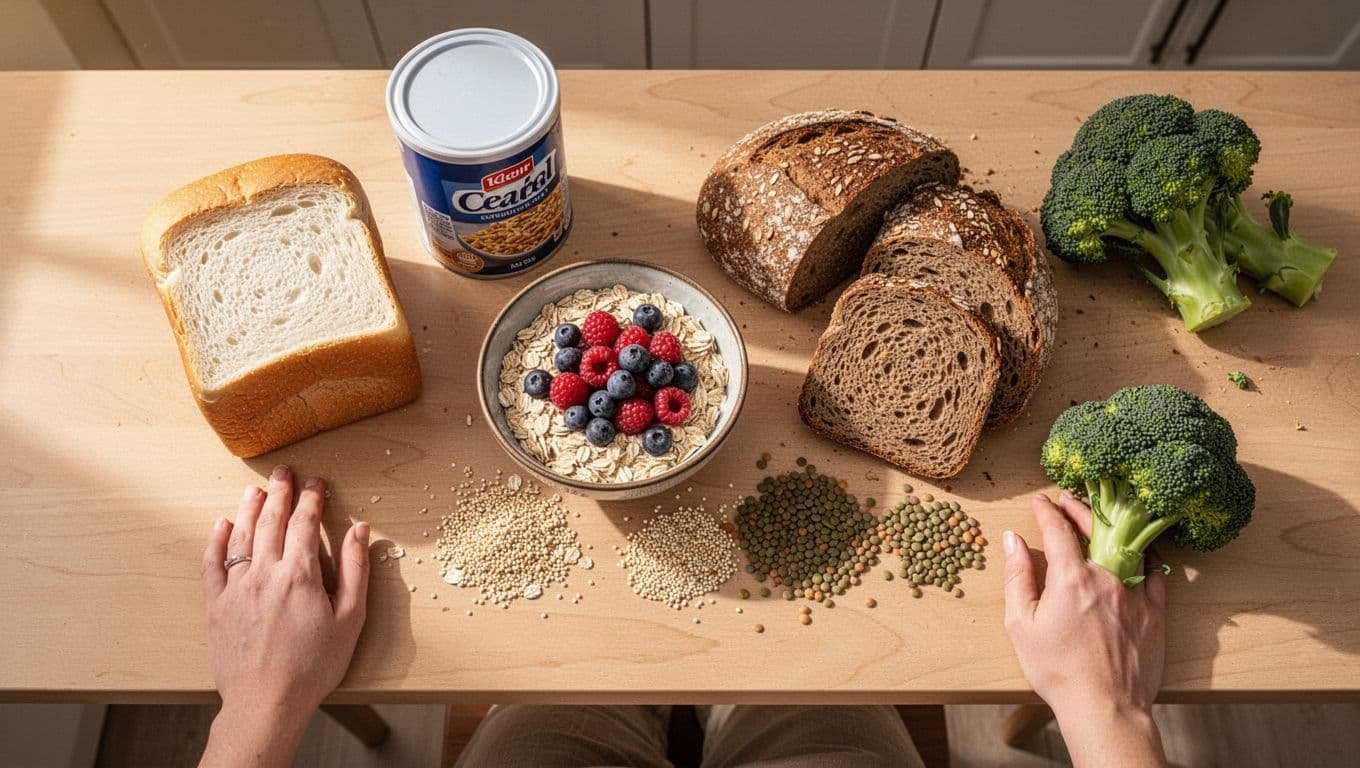
- Oats for breakfast bowls; they lower insulin resistance per 2025 data.
- Whole grains like quinoa or barley; great for sustained energy.
- Rye bread slices; denser fiber than white, with less glycemic impact.
- Lentils and beans; pair with meals for protein plus fiber punch.
Add broccoli too. It aids detox and fights inflammation.
Try These Simple Daily Swaps
Make changes easy. Use oats in place of cereal. Spread rye bread with avocado instead of toast. Toss lentils into salads over pasta. For dinner, swap white rice for quinoa. Check foods that help blood sugar management for more ideas. Over months, you notice less bloating, steadier moods, and improved cycles. Both partners win, because stable hormones boost egg and sperm quality. Start small today.
Exercise Moderately to Boost Blood Flow and Hormones
Moderate exercise ranks high among things to do to help you get pregnant. It ramps up blood flow to your reproductive organs and balances hormones like insulin and cortisol. Studies show women who add 150 minutes weekly see 15% higher pregnancy odds, while men gain better sperm count and motility. Both partners benefit, so team up. However, stick to moderate levels; excess can backfire.
Hit 30 Minutes, 3-4 Times a Week
Start simple. Aim for 30 minutes, three to four days weekly. Brisk walking gets your heart rate up without strain. Yoga builds flexibility and cuts stress. Light weights strengthen muscles for hormone support. This routine matches expert advice and fits busy schedules. In addition, it improves circulation, so eggs and sperm thrive.

Try This Sample Couple’s Routine
Make it fun together. Monday: 30-minute walk in the park. Wednesday: yoga flow with deep breaths. Friday: bodyweight squats and light dumbbells. Saturday: gentle hike. Rest other days. Your partner joins for accountability. As a result, you both build stamina and bond.
Why It Works and Overtraining Warnings
Better blood flow nourishes ovaries and testes. Hormones stabilize for regular ovulation. Yet, overtraining raises risks; vigorous sessions link to lower fertility rates, especially without enough calories. Per fertility experts on moderate activity, avoid daily intense cardio. Listen to your body. If cycles shift or fatigue hits, dial back. Consistency here pays off big.
Hit a Healthy Weight for Optimal Fertility
Your weight plays a big role in fertility, so hitting a healthy range counts as one of the key things to do to help you get pregnant. Both partners need to focus here. Extremes like low BMI under 18.5 or high BMI over 30 disrupt hormones, ovulation, and sperm. Women often face irregular cycles or no ovulation. Men see drops in sperm count, motility, and shape. A 2025 meta-analysis of over 8,000 men confirms high BMI lowers testosterone and harms sperm parameters. Underweight issues cut testosterone too and mess with sperm production.
Why BMI Extremes Hurt Ovulation and Sperm
Too low a BMI stops periods in women because fat stores drop, starving estrogen production. Gaining to 18.5-24.9 often restarts ovulation in months. High BMI floods the body with extra estrogen from fat cells, leading to PCOS-like issues and poor egg quality. For men, excess weight heats the scrotum, turns testosterone to estrogen, and sparks inflammation that damages sperm DNA. Low BMI reduces signals from the brain to testes. Normal BMI balances everything for better odds.
Make Gradual Changes with Diet and Exercise
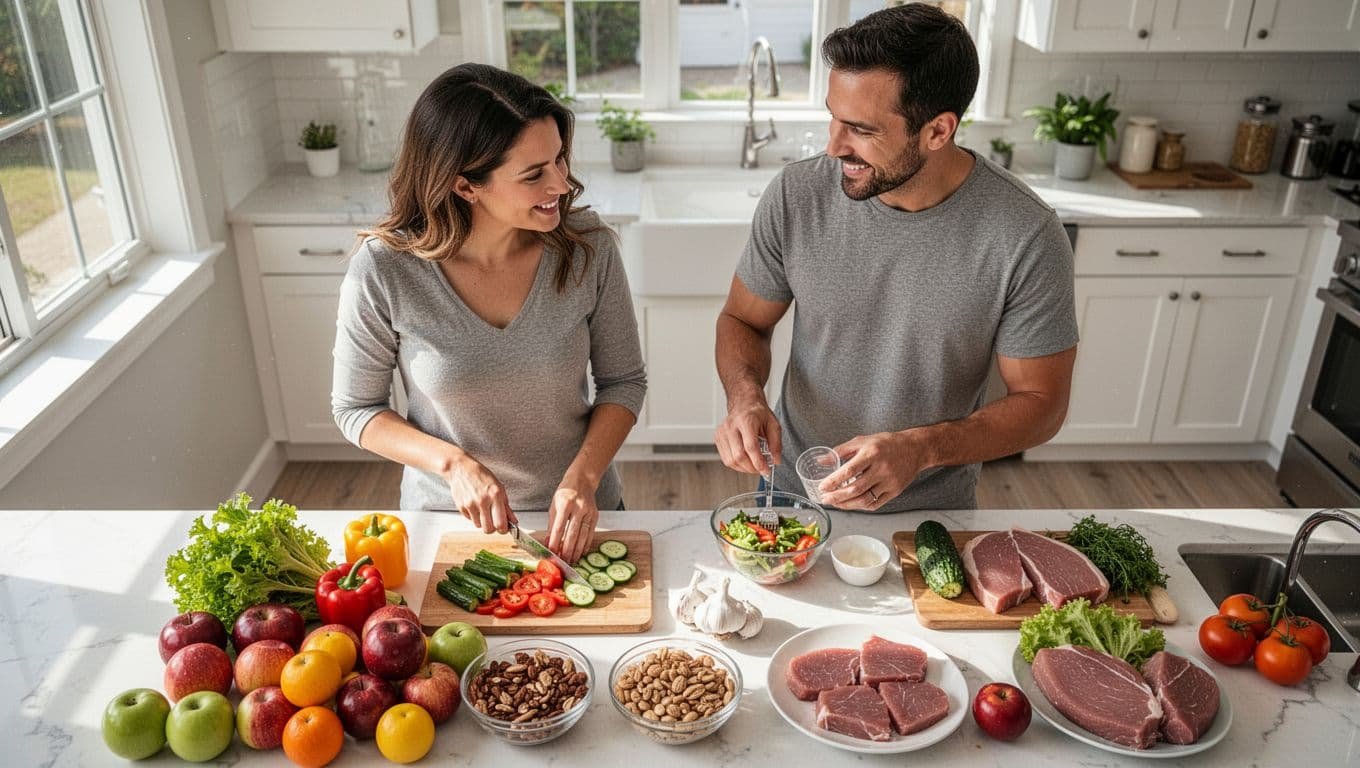
Skip crash diets; they spike stress hormones and backfire. Instead, combine moderate exercise like brisk walks with balanced meals. Aim to lose or gain 5-10% body weight slowly. Your partner joins for support. Try effective workout routines that stick paired with fiber-rich foods from earlier tips.
Track Progress Safely with BMI Tools
Calculate BMI online via CDC’s tool or apps. Measure waist too; over 35 inches in women or 40 in men signals risks. Weigh weekly, not daily. Consult a doctor before big shifts, especially if PCOS or low weight. Track cycles and energy. Results show in 3-6 months, boosting fertility for both.
Start Prenatal Vitamins Early for Essential Nutrient Support
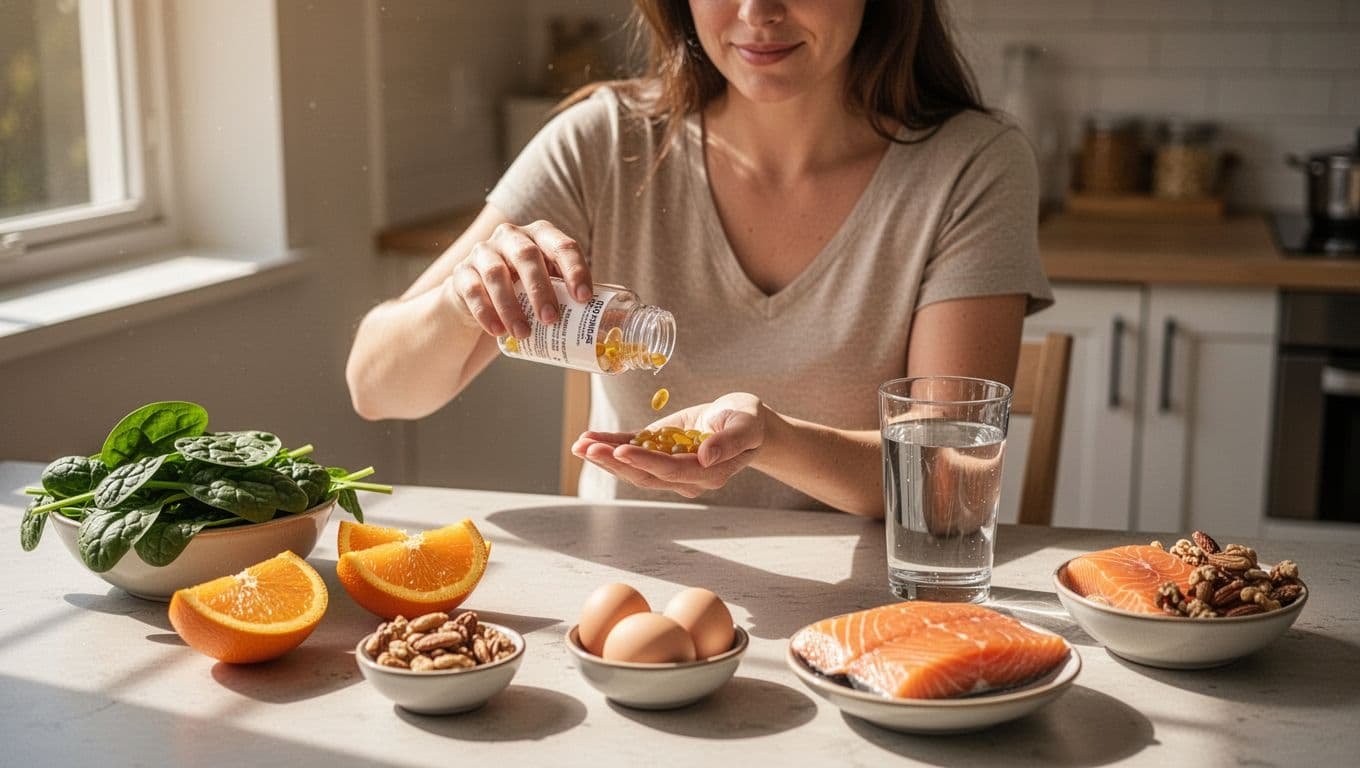
Starting prenatal vitamins early ranks among the top things to do to help you get pregnant. These supplements fill nutrient gaps that support egg quality, hormone balance, and early fetal health. Begin at least three months before conception, because your body needs time to build reserves. Doctors recommend this step for all women trying to conceive. Always check with your provider first; they can suggest brands like Nature Made or Garden of Life based on your needs.
Why Timing and Key Nutrients Matter
Folic acid tops the list at 400-800 mcg daily. It prevents neural tube defects and may aid ovulation. Vitamin D (600 IU) helps hormones and egg development. B12 (2.6 mcg) supports cell growth, while iron (27 mg) fights anemia for better fertility. NICHD guidelines stress starting now, since half of pregnancies surprise us.
Here’s a quick dosage guide:
| Nutrient | Daily Dose | Main Benefit |
|---|---|---|
| Folic acid | 400-800 mcg | Prevents defects, aids eggs |
| Vitamin D | 600 IU | Balances hormones |
| Vitamin B12 | 2.6 mcg | Boosts cell health |
| Iron | 27 mg | Prevents anemia |
Take with food to avoid upset stomach.
Pair Supplements with Food Sources
Food boosts absorption. Eat spinach and oranges for folate. Salmon provides vitamin D and B12. Nuts and eggs add iron. For example, blend a smoothie with spinach, berries, and yogurt. Your partner benefits too; these nutrients improve sperm health. In short, combine pills and meals for real results over months.
Cut Caffeine, Alcohol, and Smoking to Protect Reproductive Health
Cutting caffeine, alcohol, and smoking ranks high among things to do to help you get pregnant. These habits harm eggs and sperm directly. For example, smokers face 13% higher infertility risk and 60% lower IVF success. Heavy alcohol cuts men’s conception odds by 50%, while excess caffeine over 200mg disrupts hormones for both. Guidelines from ASRM stress quitting now, because new sperm forms in three months. Your partner matters too; his changes boost results fast.
Why They Damage Fertility
Smoking poisons eggs and slashes sperm count and motility. Alcohol messes with ovulation, raises miscarriage risk, and shrinks testes. Caffeine above limits ties to lower implantation rates, per a systematic review on IVF outcomes. Women see irregular cycles; men get poor sperm quality. No safe levels exist for alcohol when trying. So, act before cycles suffer.
Stick to Safe Limits and Quit Fully
Cap caffeine at under 200mg daily, about one coffee. Skip alcohol entirely for best odds. Quit smoking and drugs cold. Track intake with apps. Results show in months: fertility rises 20-30% after quitting.
Easy Quitting Tips and Swaps
Start small. Replace coffee with herbal tea. Swap drinks for sparkling water with lemon. Chew gum or walk for smoke urges. Your partner joins; hold each other accountable. Try nicotine patches if needed, but check with your doctor first.

Team Up for Quicker Wins
Both cut back together. Men who quit see sperm improve fastest. Women notice regular cycles sooner. In short, cleaner habits lift odds big time. Consult your doctor for tailored plans.
Choose Plant Proteins and Healthy Fats for Better Ovulation
Swapping to plant proteins and healthy fats counts as one of the top things to do to help you get pregnant. These choices boost ovulation rates and sperm motility. Studies show women who eat more beans and nuts ovulate regularly. Men gain better sperm movement from omega-3s in fish and avocados. So, both partners win. In addition, they cut inflammation that harms fertility. Start now for results in months.
Focus on These Fertility-Boosting Foods
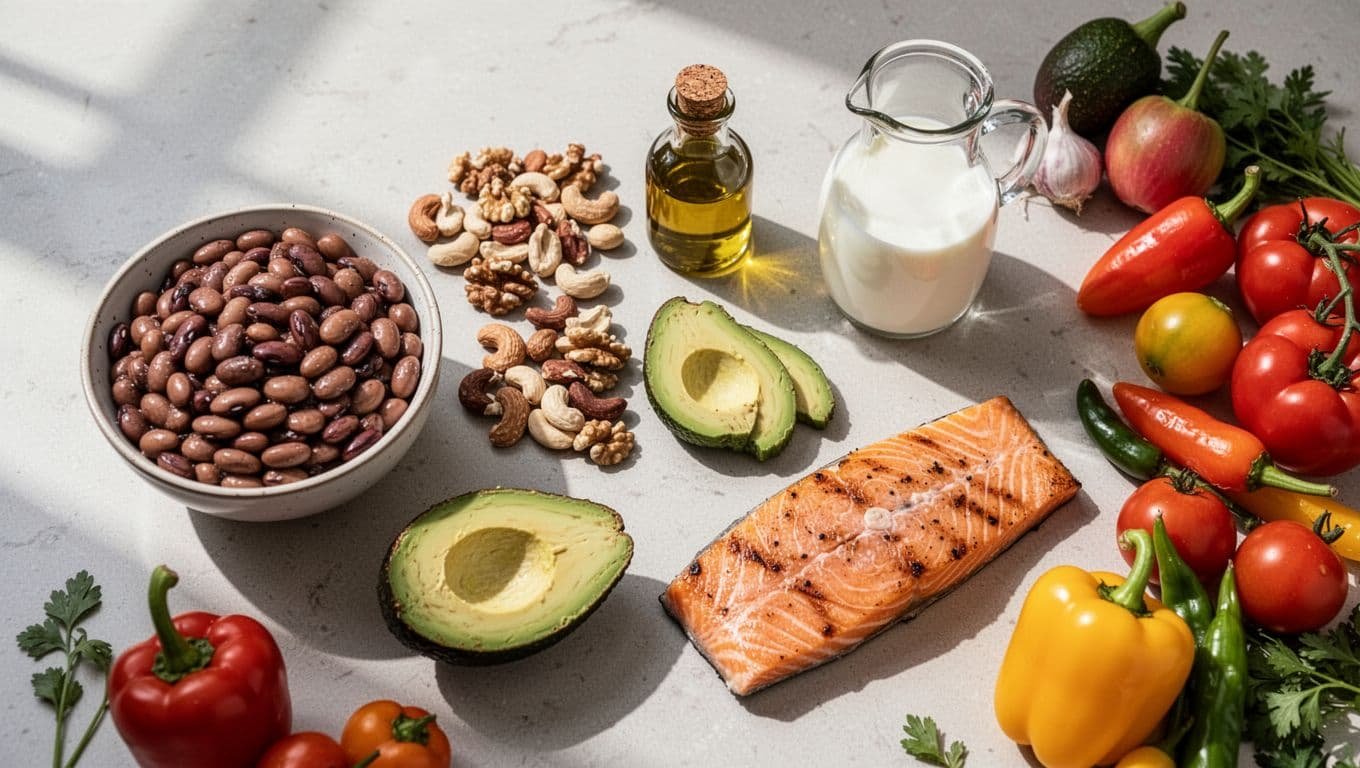
Beans provide plant protein and zinc. Nuts deliver omega-3s and vitamin B6. Avocados add healthy fats; olive oil does too. Whole milk offers fats for hormone balance. Fish like salmon packs omega-3s that improve sperm quality, per recent research. For example, walnuts alone raised sperm motility in one study.
Reduce red meat because it spikes inflammation and lowers fertility odds. Instead, pick these daily:
- A handful of almonds or walnuts as snacks.
- Lentils or chickpeas in soups.
- Salmon twice weekly.
- Avocado on toast with olive oil drizzle.
Why Zinc, B6, and Omega-3s Matter
Zinc from beans and nuts builds sperm and supports ovulation. B6 in nuts balances hormones. Omega-3s from fish and avocados make sperm swim better. A USU guide on preconception nutrition backs this for both partners. Therefore, aim for variety.
Quick Meal Plans for Busy Days
Breakfast: Oatmeal with nuts and whole milk. Lunch: Bean salad with avocado and olive oil. Dinner: Grilled salmon, lentils, veggies. Snacks: Nuts or yogurt. Your partner eats the same. In short, these swaps steady hormones and lift odds fast.
Ease Stress with Yoga or Acupuncture to Balance Hormones
Stress spikes cortisol and throws hormones off balance. That disrupts ovulation and lowers fertility odds. So, easing it with yoga or acupuncture counts as one of the things to do to help you get pregnant. Both lower cortisol fast. They also aid conditions like endometriosis and PCOS, per recent studies. You and your partner both gain from calmer nerves and steadier cycles.
Start with Hatha or Restorative Yoga
Hatha builds strength gently; restorative uses props for deep relaxation. Practice 20-30 minutes, three times weekly. Poses like child’s pose or legs-up-the-wall cut stress and boost blood flow to ovaries. A pilot study showed “endometriosis yoga” eased pain and raised quality of life by dropping cortisol (PubMed research). Apps like Down Dog guide beginners with short flows. Pair it with walks from our exercise tips for better results.

Add Weekly Acupuncture for Hormone Support
Book sessions once a week for three months. Needles target points to balance FSH, LH, and estrogen. Research shows it improves IVF outcomes and ovarian function in endometriosis (Frontiers study). For PCOS, it cuts insulin resistance too. Combine with cortisol-reducing foods like avocados. Notice regular cycles sooner. Always check with your doctor first. In short, these steps steady your body for conception.
Conclusion
These things to do to help you get pregnant add up fast. Here’s a quick checklist to guide you:
- Track ovulation with apps, BBT, or kits.
- Eat antioxidant-rich foods like berries and nuts.
- Swap refined carbs for fiber sources.
- Exercise moderately, like brisk walks.
- Aim for a healthy weight.
- Start prenatal vitamins now.
- Cut caffeine, alcohol, and smoking.
- Choose plant proteins and healthy fats.
- Ease stress with yoga or acupuncture.
Stick with them daily. Most couples conceive naturally within one year; recent data shows 78-86% success for those under 35, and 52% for ages 35-39. Patience pays off, because results build over months.
See your doctor if you’re over 35 or trying six months without luck. Or if issues like irregular cycles pop up. Many succeed naturally, so stay hopeful.
Pick one tip to start today. Share your story in the comments below. You’ve got this.
Save the pin for later

- Healthy Air Fryer Recipes for Beginners - 21/09/2026
- Healthy Snacks for Late Night Cravings - 21/09/2026
- High Protein Meal Prep Ideas for Easy Weekly Meals - 21/09/2026

