Early pregnancy can turn food into a daily source of stress. Nausea, food aversions, sudden cravings, and worry about every meal may leave you wondering whether you’re eating enough or choosing the right foods.
You don’t need a perfect diet or extra calories right away. Focus on safe foods most of the time, build balanced meals when you can, and pay attention to key nutrients such as folic acid, iron, calcium, iodine, and vitamin D. If nausea makes a full meal impossible, small portions, bland foods, and regular sips of fluid can help you stay nourished without forcing foods that make you feel worse.
The sections ahead cover safe foods, foods to limit or avoid, supplements, caffeine, fish, morning sickness, and simple meal planning for busy or low-energy days. Personal medical conditions, medications, allergies, and local recommendations can change what applies to you, so check with your prenatal care provider whenever you’re unsure. First, start with the foods that are generally safe and useful during early pregnancy.
Key Takeaways
- Build meals around safe, balanced foods such as vegetables, fruit, whole grains, beans, eggs, dairy, nuts, and well-cooked protein.
- Take prenatal supplements as directed, with special attention to folic acid, iron, iodine, calcium, and vitamin D.
- Avoid alcohol and raw or undercooked meat, fish, eggs, and unpasteurized dairy. Follow the CDC’s pregnancy food safety guidance.
- Limit caffeine, choose lower-mercury fish, and ask your prenatal provider about supplements or foods that concern you.
- When nausea strikes, try small meals, bland options, and frequent sips of fluid instead of forcing large portions.
How to Navigate Food Choices in Early Pregnancy Without Feeling Overwhelmed
A simple order can make food decisions easier: check safety first, add balance second, and allow flexibility third. Early pregnancy nutrition depends on your overall pattern, not one perfect meal or one day when nausea limits your choices.
Build a balanced plate from foods you can tolerate
Start with one protein source, one fiber-rich carbohydrate, and a fruit or vegetable. Add a healthy fat when it sounds appealing, then include water or another pregnancy-safe drink. This structure supports nutrients such as iron, calcium, iodine, folate, fiber, and healthy fats without turning every meal into a calculation.
For example, whole-grain toast with fully cooked eggs and avocado gives you protein, iron, fiber, and unsaturated fat. Oatmeal with nut butter and fruit offers fiber, healthy fat, and steady energy. If cold foods feel easier, try pasteurized yogurt with berries, chia seeds, or chopped nuts.
Other flexible combinations include:
- Beans with rice, cooked vegetables, and a little olive oil or avocado.
- A baked potato with pasteurized cheese and cooked chicken, tofu, or beans.
- Whole-grain crackers with hummus and washed fruit.
- A smoothie made with pasteurized milk or fortified dairy-free milk, nut butter, fruit, and spinach.
Vegetarian meals can meet your needs with eggs, beans, lentils, tofu, tempeh, nuts, seeds, and fortified foods. For dairy-free choices, use calcium- and vitamin D-fortified plant milk or yogurt.
Check labels for iodine, since many dairy-free products don’t contain as much iodine as cow’s milk. Your prenatal vitamin may also provide some folic acid, iron, iodine, and vitamin D, but follow your provider’s advice rather than adding separate supplements on your own.
A small meal still counts. When your appetite is low, two crackers with cheese or half a bowl of oatmeal is a useful step, not a failed meal.
Appetite can change from one day to the next. On a nausea-heavy morning, you might manage dry toast, fruit, or a few bites of egg. Later, you may tolerate a fuller meal. Keep several acceptable options available, and focus on adding variety across the week rather than forcing foods that trigger nausea.
Use food safety as your first filter
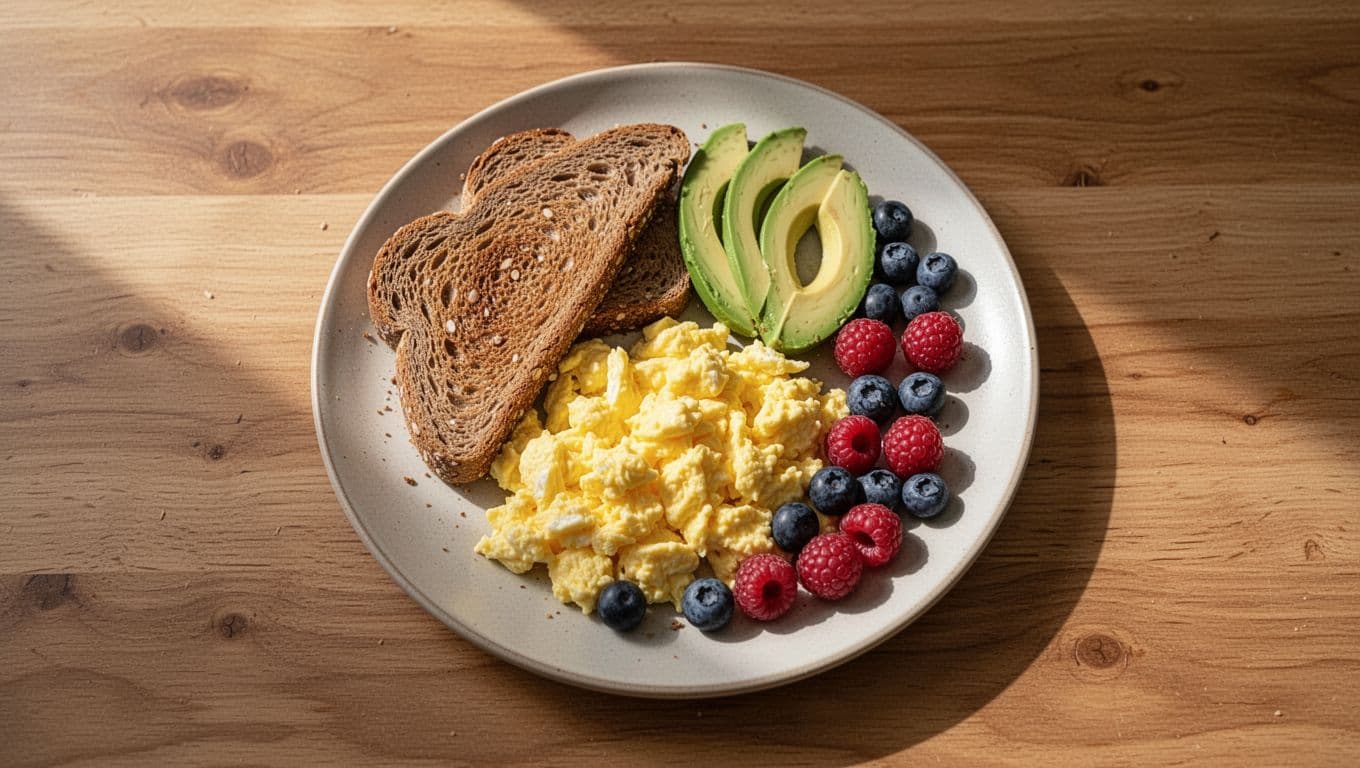
Before considering nutrients or cravings, ask four questions: Is it pasteurized, fully cooked, properly chilled, and handled safely? Choose pasteurized milk, yogurt, and cheese. Cook meat, seafood, and eggs thoroughly, and reheat leftovers until steaming hot.
Good kitchen habits lower the risk of foodborne illness:
- Wash your hands before preparing food and after handling raw meat, poultry, seafood, or eggs.
- Rinse produce under running water, even when you plan to peel it.
- Keep raw meat separate from ready-to-eat foods, and use separate cutting boards when possible.
- Wash knives, counters, and cutting boards with hot, soapy water after raw-food preparation.
- Refrigerate perishable foods and leftovers promptly, rather than leaving them at room temperature.
- Follow package use-by dates and discard food that looks or smells questionable.
These steps matter because Listeria can grow in some refrigerated ready-to-eat foods, while Toxoplasma gondii can spread through undercooked meat, contaminated produce, and soil. Infection may harm a developing baby even when the pregnant person feels well. The FDA’s pregnancy food safety booklet and CDC information on toxoplasmosis provide detailed guidance for safer choices.
The Safest Foods to Choose During the First Trimester
During the first trimester, safe eating starts with three checks: choose pasteurized foods, cook animal products thoroughly, and store perishable foods carefully. Then build meals with familiar ingredients that supply protein, iron, folate, calcium, iodine, and healthy fats.
Choose fish for omega-3s while limiting mercury
Fish can provide omega-3 fats, including DHA, which support fetal brain and eye development. Pregnancy guidance encourages seafood rather than asking you to avoid it altogether because the benefits of lower-mercury fish can outweigh the risks when you choose suitable species and portions.
Good lower-mercury options include:
- Salmon, sardines, trout, shrimp, and pollock.
- Canned light tuna, which generally contains less mercury than albacore tuna.
- Other species listed as safe choices in current guidance for your area.
Follow current local recommendations for serving amounts and species. In the United States, the FDA and EPA advise people who are pregnant to eat 8 to 12 ounces of lower-mercury seafood per week, choosing a variety of options. See the FDA’s current fish advice for serving guidance and species categories.
Albacore, or white tuna, needs more caution because it typically contains more mercury than canned light tuna. Avoid large predatory fish such as shark, swordfish, king mackerel, and tilefish. Mercury can affect a developing baby’s nervous system, so species choice matters more than simply cutting out all seafood.
Cook fish until it reaches 145°F, looks opaque, and flakes easily with a fork. Avoid raw fish, sushi, ceviche, raw shellfish, and refrigerated smoked seafood unless you heat it thoroughly in a cooked dish. Raw or undercooked seafood can carry harmful germs, while refrigerated smoked fish can carry Listeria.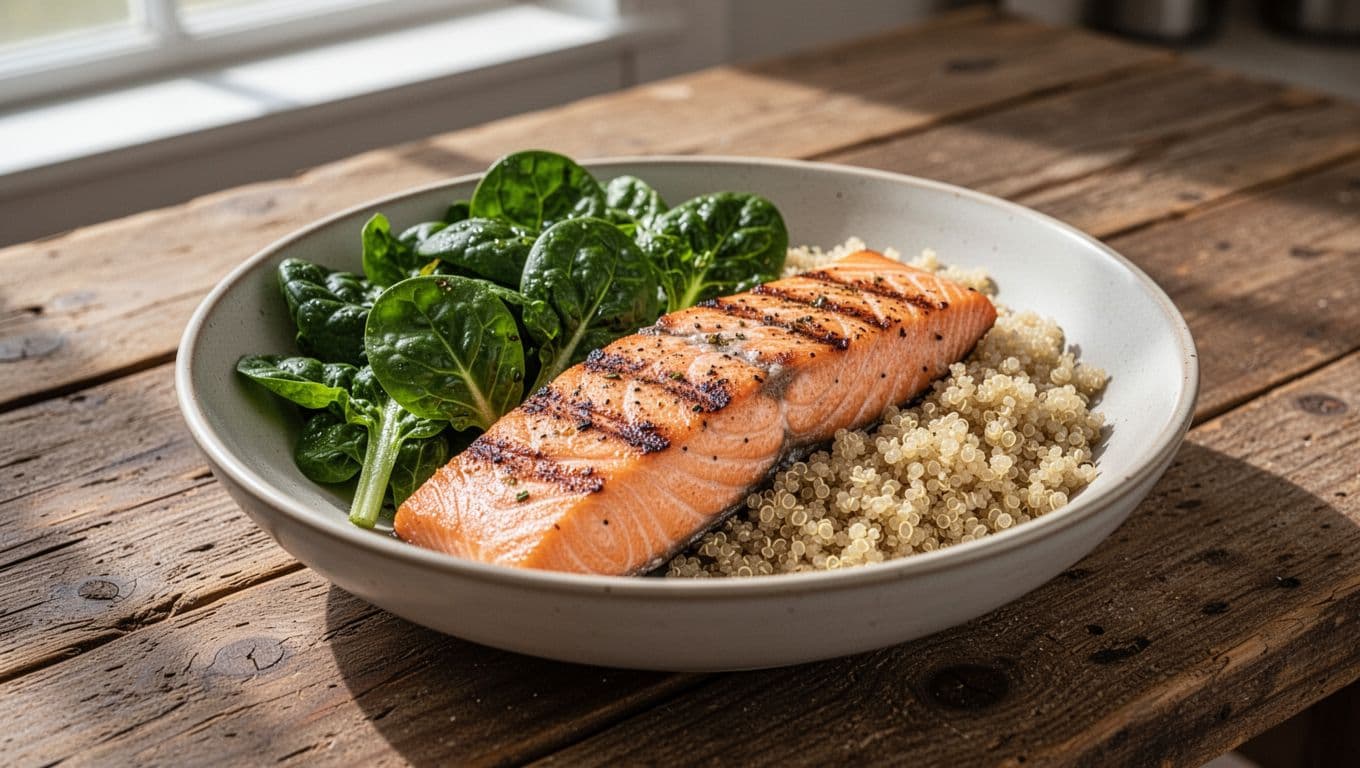
Make produce, grains, and protein work harder
You don’t need expensive powders or specialty foods to support early pregnancy nutrition. Combine everyday ingredients so one meal covers several needs. For example, add strawberries, bell peppers, oranges, or tomatoes to beans, lean meat, poultry, spinach, or iron-fortified cereal. Vitamin C helps your body absorb iron from plant foods.
Folate-rich choices include leafy greens, beans, citrus fruit, and fortified grains. Calcium can come from pasteurized milk, yogurt, cheese, calcium-set tofu, or fortified plant milk. Iodine sources may include iodized salt, dairy, eggs, seafood, and some fortified products. Check labels because plant-based milks and prenatal foods don’t always contain iodine.
Choose pasteurized products by looking for the word “pasteurized” on milk, yogurt, cheese, and juice labels. Cook eggs until both the whites and yolks are firm, and prepare poultry and meat until fully cooked. Rinse produce under running water, refrigerate leftovers promptly, and keep raw meat separate from ready-to-eat foods.
Fortified foods can fill nutritional gaps, but they may not provide everything you need. Discuss a prenatal supplement with your clinician, especially the amounts of folic acid, iron, iodine, calcium, and vitamin D that fit your health history and diet.
Foods and drinks to avoid or limit during pregnancy
Pregnancy food safety is mainly about preventing infections, mercury exposure, and alcohol-related harm. Some foods should be avoided unless prepared differently, while others can stay on your menu with safer portions or cooking methods.
Know which labels and cooking methods matter
Start with the label. Choose milk, cheese, yogurt, and juice marked “pasteurized.” Avoid products labeled “raw milk” or “made with unpasteurized milk.” This includes soft cheeses such as Brie, Camembert, queso fresco, and feta unless the package confirms they use pasteurized milk. Unpasteurized products can carry bacteria such as Listeria, which can cause serious complications during pregnancy.
Raw or undercooked animal foods also need special care. Cook meat and poultry thoroughly, and prepare eggs until both the whites and yolks are firm. Avoid raw shellfish, sushi made with raw seafood, ceviche, and lightly cooked seafood. Raw sprouts can also carry bacteria, so eat them only when cooked until steaming hot.
Refrigerated pâté, meat spreads, and refrigerated smoked seafood should be avoided unless the smoked seafood is part of a cooked dish. Deli meats, luncheon meats, and hot dogs are safer when reheated until steaming hot, or to 165°F. The CDC’s pregnancy food safety guidance provides temperature recommendations for common foods.
Leftovers should be refrigerated promptly and reheated until hot throughout. Don’t leave perishable food at room temperature for long periods, especially at parties, picnics, buffets, or warm restaurants. Wash produce under running water, keep raw meat separate, and ask how food was prepared when you’re eating away from home.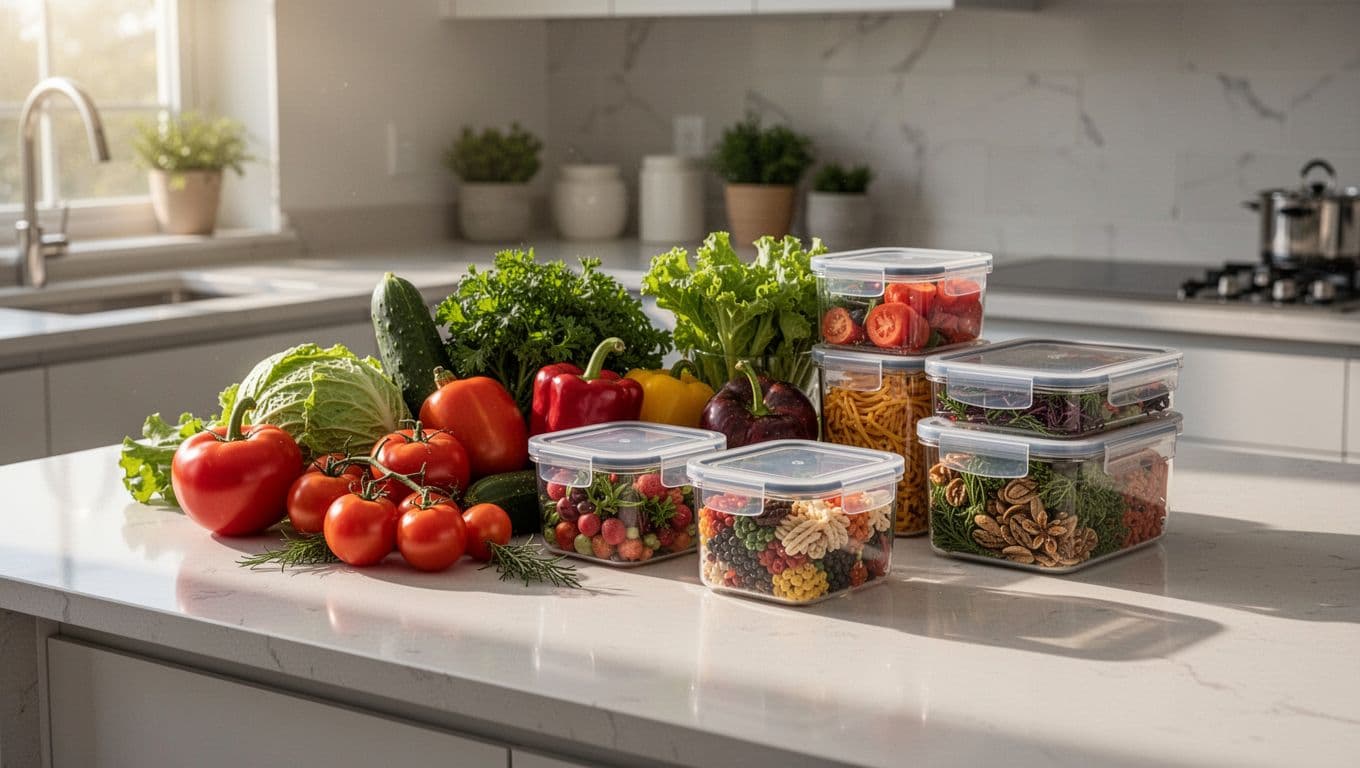
Useful restaurant questions include:
- “Are the eggs fully cooked, including the yolks?”
- “Is the seafood raw, smoked, or fully cooked?”
- “Is this cheese made with pasteurized milk?”
- “Can you heat the deli meat until steaming hot?”
If the server can’t answer clearly, choose another option. Also avoid high-mercury fish, including shark, swordfish, king mackerel, and tilefish. Lower-mercury seafood can remain part of a healthy pregnancy diet when you follow current FDA serving advice.
Limit alcohol, caffeine, and supplements with hidden risks
There is no known safe amount of alcohol during pregnancy. Beer, wine, liquor, and cocktails can all expose a developing baby to alcohol, so avoid them throughout pregnancy.
Caffeine can add up faster than expected. Count coffee, tea, soda, energy drinks, chocolate, pre-workout products, and some medicines. A commonly used US limit is no more than 200 milligrams per day, unless your clinician recommends a different amount. Check serving sizes because one large coffee or energy drink may contain much of that daily limit.
Use caution with herbal products, weight-loss supplements, high-dose vitamins, and liver or liver-based products. Ingredients can vary between brands, and liver contains large amounts of vitamin A. Ask your prenatal provider before adding any supplement beyond the prenatal vitamin prescribed or recommended for you.
How to eat when nausea, cravings, and food aversions take over
Early pregnancy meals may look very different from your usual diet. When nausea is strong, keeping food down and staying hydrated come first. You can work on variety and balanced meals as your appetite returns.
Keep fluids and simple nutrition within reach
An empty stomach can make nausea worse, so try eating small amounts every one to two hours. Keep crackers, toast, rice cakes, bananas, applesauce, or a plain granola bar beside your bed and workspace. Eating a cracker before getting up may help settle your stomach before morning movement and smells begin.
Bland foods are useful because they have mild flavors and little odor. Try rice, potatoes, toast, bananas, applesauce, plain pasta, or a small bowl of cereal. If hot food smells trigger vomiting, choose cold options such as chilled fruit, yogurt, a sandwich, or a smoothie. A cold meal often produces less aroma than a steaming one.
Add protein in small portions when you can tolerate it. A spoonful of peanut butter on toast, pasteurized yogurt with fruit, a hard-boiled egg, cheese with crackers, beans with rice, or tofu blended into a smoothie can add staying power without requiring a large meal. For smoothies, use pasteurized dairy or a fortified dairy-free alternative, and wash fresh produce before blending.
Sip fluids between meals instead of drinking a large amount with food. Water, ice chips, milk, broth-based soups, and chilled drinks may be easier to manage. If plain water feels unpleasant, try ice-cold water, diluted juice, or a flavored drink you tolerate. Ask your prenatal provider whether an oral rehydration solution is appropriate if vomiting or diarrhea makes fluid replacement difficult.
Watch for signs that dehydration is developing, including: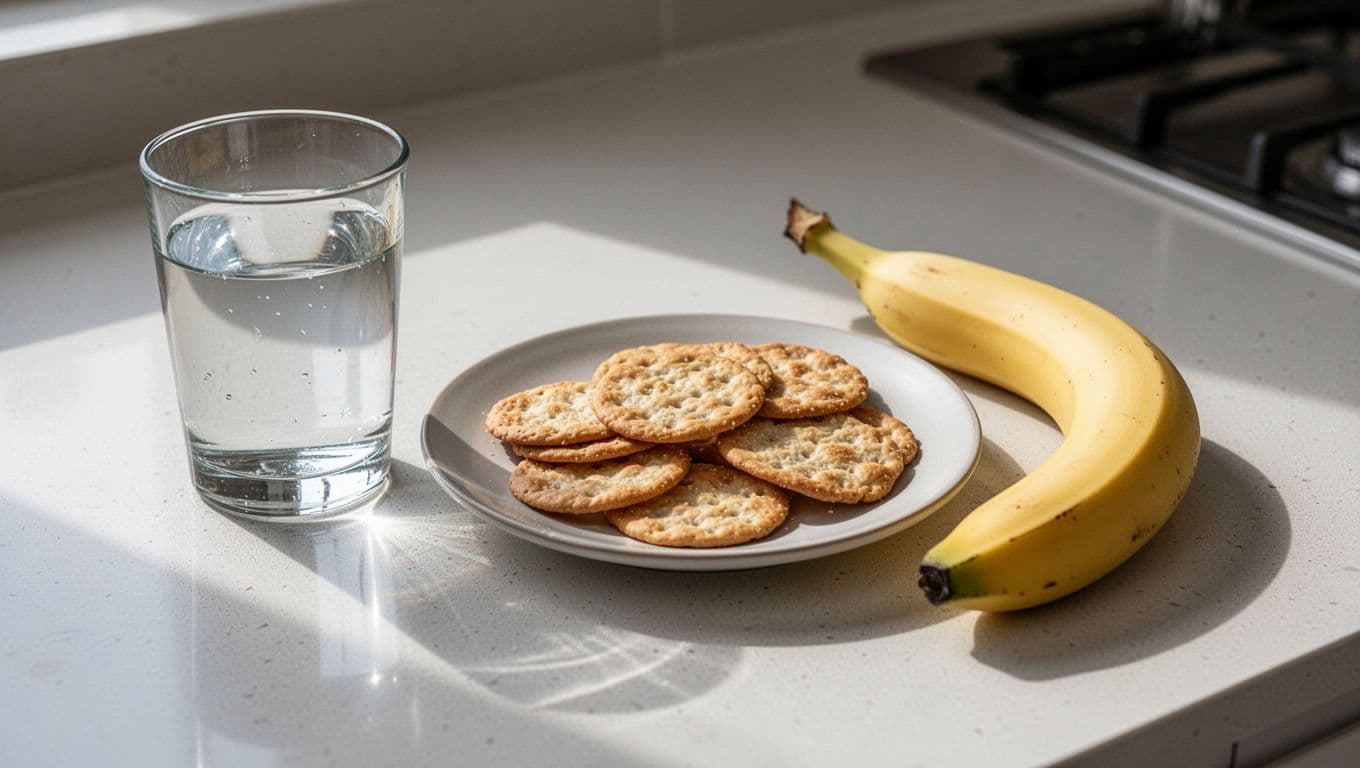
- Very dark urine or urinating much less often than usual.
- Dizziness, weakness, lightheadedness, or fainting.
- An inability to keep fluids down.
- Vomiting that continues or makes normal activities difficult.
Contact your prenatal care provider if you have ongoing vomiting, weight loss, fainting, blood in vomit, fever, or symptoms that interfere with daily life. Severe pregnancy vomiting may need prescription treatment or fluids through a vein. The CDC’s pregnancy nutrition guidance also reinforces the importance of folic acid and avoiding alcohol, even when nausea limits your food choices.
Handle cravings without turning food into a source of guilt
Cravings are common, and eating a preferred food does not mean you have failed at pregnancy nutrition. Instead of labeling foods as “good” or “bad,” look for simple ways to add nutrients when they feel manageable.
If you want something sweet, add fruit to the choice you already want. Try berries with yogurt, a banana with peanut butter, or applesauce alongside toast. For a salty craving, have a smaller serving of chips with hummus, bean dip, cheese, or another protein-rich option. You can also enjoy the craving with a meal, such as adding a few fries beside a grilled cheese sandwich and fruit.
Some days, the food you can tolerate may be crackers or plain noodles. That is okay. Keep portions small, eat when you can, and return to more balanced combinations as nausea improves.
Unusual cravings deserve a conversation with your prenatal provider. Wanting to eat nonfood items such as ice, clay, starch, dirt, soap, or chalk can be a sign of pica, which sometimes occurs with iron deficiency or another health concern. Don’t eat these substances, even if the craving feels strong. Your provider can check for anemia and recommend safe next steps.
The early pregnancy nutrients that deserve special attention
Early pregnancy increases the importance of a few nutrients, but no single food has to carry the whole plan. Use a prenatal vitamin as a safety net, then build meals around foods you can tolerate. Because prenatal formulas vary, your clinician should review the label with you rather than relying on a one-size-fits-all supplement routine.
Start folic acid early and review your prenatal vitamin
Folic acid matters before conception and during the first weeks of pregnancy because the neural tube develops very early, often before you know you’re pregnant. In the United States, many clinicians recommend 400 micrograms of folic acid daily for people who could become pregnant, but your own provider may recommend a different dose.
Ask whether you need a higher dose if you have a history of neural tube defects, certain health conditions, or take medications that affect folate. Don’t increase the amount on your own. High doses can be inappropriate, and some medications require a carefully planned supplement schedule. The National Academies’ pregnancy nutrition guidance also distinguishes folic acid supplementation from the broader nutrients supplied by food.
A prenatal vitamin can help cover gaps in folic acid, iron, iodine, vitamin D, and other nutrients. However, it supplements meals rather than replacing them. Choose varied foods when possible, including fortified grains, beans, leafy greens, eggs, fruit, vegetables, and well-cooked protein.
Support iron, iodine, calcium, vitamin D, and choline
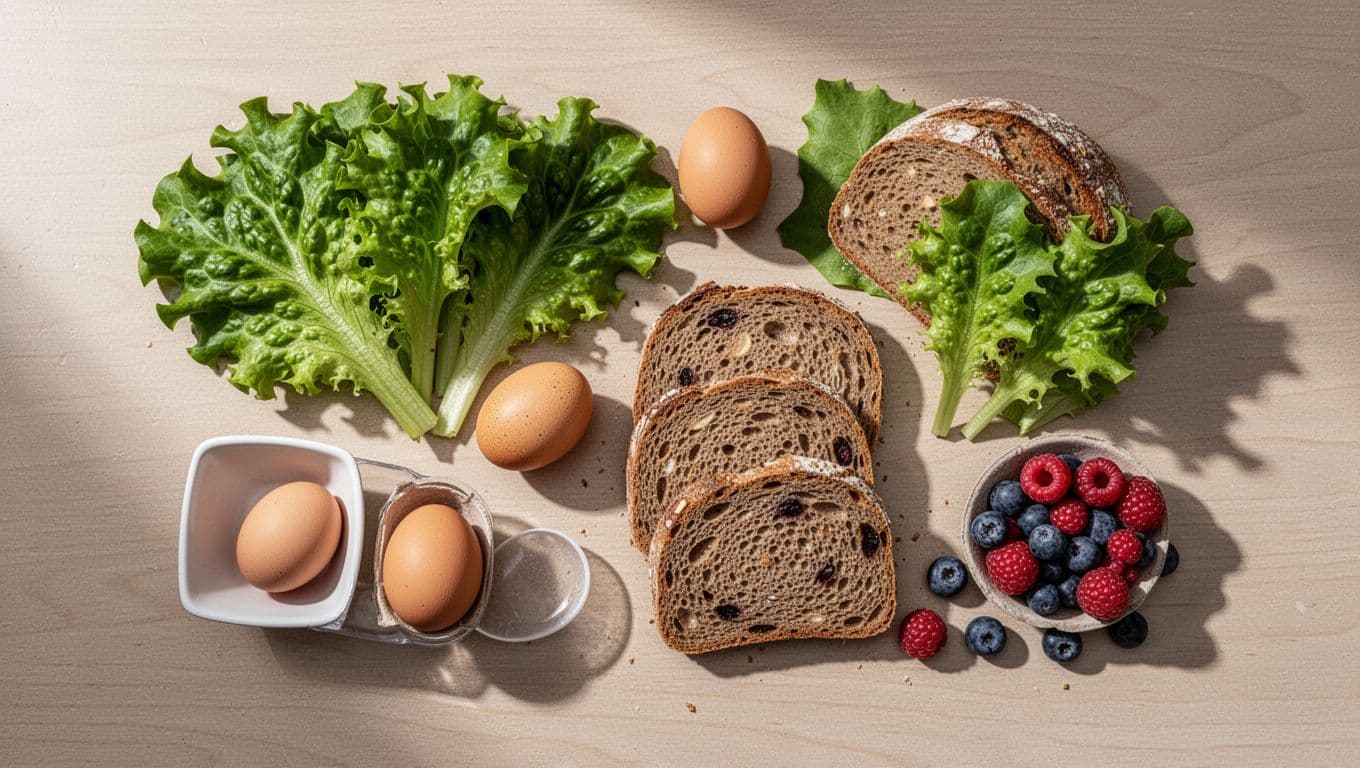
Iron helps make hemoglobin, which carries oxygen through your body. Lean meat, poultry, beans, lentils, tofu, and iron-fortified cereal can help. Pair plant sources with vitamin C-rich foods, such as oranges, strawberries, tomatoes, or bell peppers, to improve iron absorption. If you have anemia, your clinician may recommend testing and a separate iron dose.
Iodine supports thyroid hormones and fetal brain development. Use iodized salt at home, and include dairy, eggs, seafood, or fortified foods if they fit your diet. Calcium supports bones and teeth, while vitamin D helps your body use calcium. Pasteurized milk, yogurt, cheese, calcium-fortified plant beverages, and fortified foods can provide both, although vitamin D amounts vary by product.
Choline supports fetal brain and nervous system development. Eggs are a practical source, while soy, beans, lean meat, and fish can add more. People who follow vegan, vegetarian, dairy-free, or allergy-sensitive diets may need a more detailed plan. Those who eat little or no animal food should also ask about vitamin B12, which is found mainly in animal foods and fortified products.
Low-mercury fish, including salmon, trout, sardines, shrimp, and pollock, supplies omega-3 fats such as DHA. Choose suitable species according to current FDA guidance, and cook seafood thoroughly.
Before adding anything, compare every label. Separate supplements can cause overlapping amounts of iron, iodine, vitamin D, or vitamin A. Review your prenatal vitamin with a clinician, especially if you have anemia, thyroid disease, diabetes, gastrointestinal disease, take medication, or follow a vegan diet.
A simple food plan for safer, easier pregnancy meals
A repeatable food plan can reduce daily decisions when nausea, fatigue, or food worries make shopping difficult. Choose a few reliable foods from each group, prepare small snacks ahead of time, and keep backup options for days when your usual meals are unappealing.
Keep a short safe-food shopping list
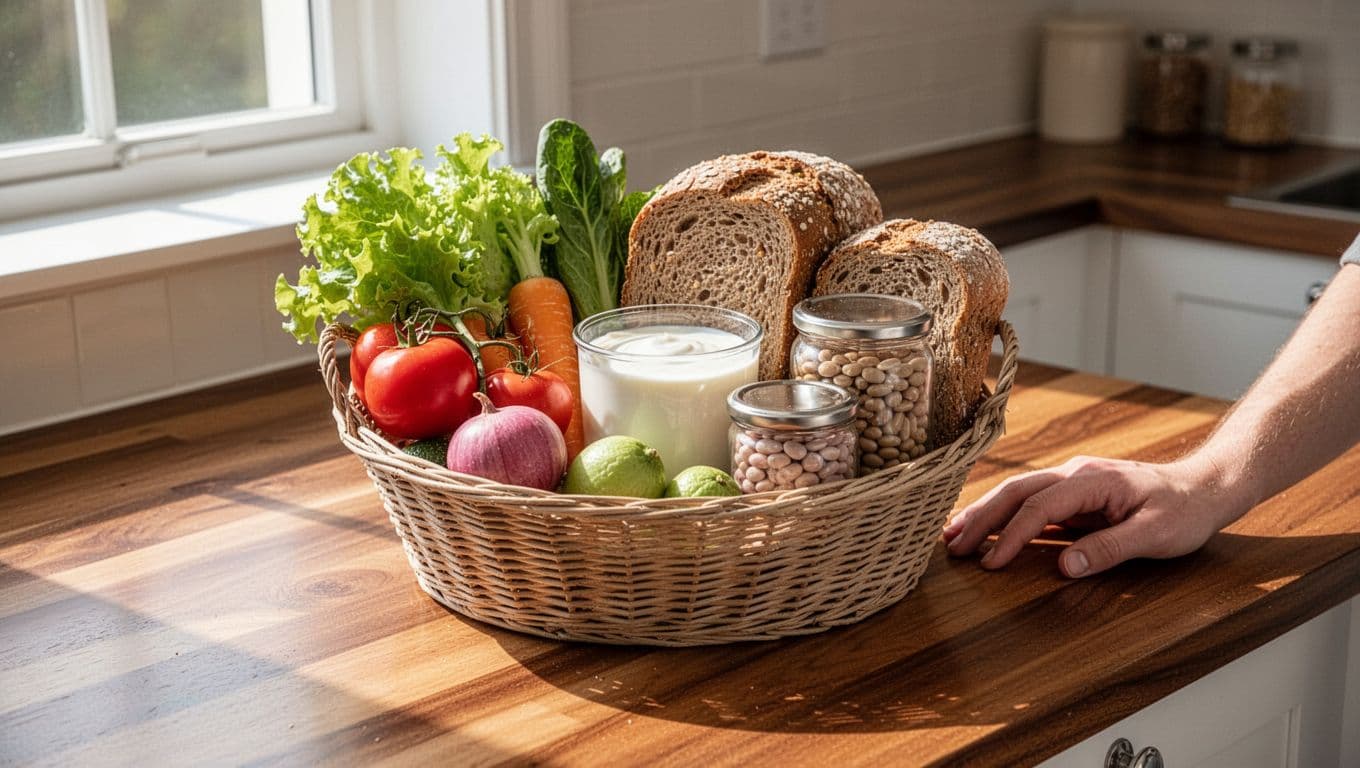
Build your grocery list around foods you can actually tolerate and enjoy. A practical basket might include:
- Pasteurized yogurt, fortified plant milk, eggs, and nut butter.
- Oatmeal, whole-grain bread, whole-grain crackers, rice, or fortified cereal.
- Bananas, apples, berries, oranges, applesauce, and other easy-to-wash fruit.
- Frozen vegetables, leafy greens, potatoes, or pre-cut vegetables that you can wash and cook safely.
- Canned beans, lentils, tofu, fully cooked chicken, and low-mercury canned fish such as canned light tuna or salmon.
- Ingredients for simple soups, including low-sodium broth, beans, noodles, rice, frozen vegetables, and cooked chicken.
Keep a few foods ready to eat. Portion crackers, nuts, dry cereal, or pretzels into small containers. Wash and dry produce before storing it, then keep cut fruit and vegetables in sealed containers in the refrigerator. Hard-cook eggs, prepare oatmeal, or make a pot of soup when you have enough energy. You can also use flexible weekly meal-prep ideas to prepare building blocks without eating the same meal every day.
A one-day pattern could look like this:
- Breakfast: Oatmeal with nut butter and berries, plus fortified milk or plant milk.
- Snack: Pasteurized yogurt with fruit, or whole-grain crackers with cheese.
- Lunch: Bean and rice bowl with cooked vegetables and avocado.
- Snack: A banana, applesauce, or toast with nut butter.
- Dinner: Simple chicken, tofu, or bean soup with whole-grain bread.
- Fluids: Water, milk, broth, or another drink you can keep down, taken regularly throughout the day.
This is an example, not a prescription. Swap foods based on your appetite, culture, budget, allergies, and dietary pattern. Vegetarian meals can use eggs, beans, lentils, tofu, and dairy. Vegan meals may need fortified plant milk, fortified foods, and a prenatal supplement reviewed by a clinician.
Choose certified gluten-free oats, bread, and crackers if you avoid gluten. Lactose-free milk and yogurt can replace regular dairy. Frozen vegetables, canned beans, oats, and seasonal produce often cost less than specialty products. Familiar foods, such as rice dishes, soups, tortillas, lentil meals, or cooked noodles, can fit the same basic structure.
Store leftovers in shallow, covered containers and refrigerate them promptly. Date opened packages, including yogurt, deli foods, canned foods transferred to containers, and refrigerated dips. Follow package instructions, use foods within the recommended time, and discard anything that looks or smells questionable. Deli meat and hot dogs should be reheated until steaming hot before eating.
Know when food concerns need medical help
Contact your prenatal provider or urgent care team if you vomit repeatedly, cannot keep liquids down, urinate very little, feel faint, or notice very dark urine. Significant weight loss, fever, severe abdominal pain, bloody diarrhea, or suspected food poisoning also needs prompt advice.
If you accidentally eat a risky food, one meal or one exposure does not automatically mean something is wrong. Write down what you ate and when, then contact your prenatal provider for clear next steps, especially if symptoms develop.
You may need more individualized guidance if you have diabetes, an eating disorder, severe food allergies, anemia, or another condition that affects nutrition. A flexible plan should support your health, not create more fear. When food safety or symptoms leave you uncertain, asking early is the safest practical choice.
Conclusion
Food choices in early pregnancy become easier when you use a few steady priorities: check that food is safe, choose nutrient-rich options when you can, and take recommended supplements as directed. Focus on folic acid, iron, calcium, iodine, vitamin D, and lower-mercury fish, while avoiding alcohol and raw, undercooked, or unpasteurized foods. Limit caffeine and ask about supplements or products that may carry extra risks.
Nausea and changing appetite can make meals unpredictable, so adjust without guilt. Small portions, bland foods, regular fluids, and simple prepared ingredients can help you keep eating when a full meal feels impossible. Easy meal prep for steady energy can also reduce the effort of putting together safe, balanced foods on low-energy days.
Early pregnancy doesn’t require perfection. Small, consistent choices support your health and your developing baby, even when some days include only the foods you can tolerate. Ask your prenatal care provider or a registered dietitian for personalized advice, especially if symptoms, dietary restrictions, allergies, or medical conditions affect how you eat.
Save the pin for later

- Healthy Air Fryer Recipes for Beginners - 21/09/2026
- Healthy Snacks for Late Night Cravings - 21/09/2026
- High Protein Meal Prep Ideas for Easy Weekly Meals - 21/09/2026

