Finding out you’re pregnant for the first time can feel exciting, sweet, and a little scary all at once. Your body starts changing fast, and even small things, like feeling tired all day or noticing new aches, can leave you wondering what’s normal.
The good news is that most first-time pregnancy changes are easier to handle when you know what to expect. In 2026, common guidance still centers on simple basics, prenatal care, daily folic acid, rest, good food, and knowing the warning signs that need quick medical care, such as heavy bleeding, severe pain, high fever, vision changes, or sudden swelling. Since every pregnancy is different, this guide will help you sort through what’s common, what needs a doctor’s attention, and how to prepare step by step without adding more stress.
To make things easier, this practical guide breaks down first-time pregnancy into 25 important things to know, grouped in a simple way so you don’t feel overwhelmed. Keep reading, and you’ll have a clearer sense of what to expect, what to watch for, and how to move through each stage with more confidence.
Start with the health basics that protect you and your baby
After a positive pregnancy test, the first few steps matter most. This is the foundation stage, when small choices can support your health, lower risks, and help you feel more in control. Start with medical care, daily nutrients, a safety check on what you take, and a clear plan for routine tests.
Book your first prenatal visit as early as you can
Set up your first prenatal visit as soon as you know you’re pregnant. Early care helps confirm the pregnancy, estimate your due date, and catch issues that need attention before they grow. It also gives your doctor a full picture of your health, which shapes the care you get for the rest of pregnancy.

At that first visit, expect questions about your periods, past health issues, surgeries, and any problems like high blood pressure, diabetes, or thyroid disease. Your doctor will also review your current medicines, ask about your family’s health history, and talk through routine screenings that may come later. Strong prenatal care is still a key part of healthy pregnancy support, as reflected in recent ACOG guidance on U.S. prenatal care.
Before you go, write down your questions in your phone or on paper. That simple habit helps a lot, because it is easy to forget things once the appointment starts.
Start a prenatal vitamin and know why folic acid, iron, and DHA matter
A prenatal vitamin helps cover common nutrition gaps while your body works overtime. Food still matters, of course, but a prenatal adds backup support during a time when your needs change quickly.
Three nutrients deserve special attention:
- Folic acid helps lower the risk of neural tube defects, including problems that affect the brain and spine. Current U.S. guidance continues to recommend at least 400 mcg of folic acid daily.
- Iron helps your body make more blood, which you need to support the placenta and your growing baby.
- DHA supports brain and eye development, and some prenatals do not include enough of it.
If your vitamin makes you nauseated, don’t just stop taking it. Ask your doctor if you should switch brands, take it at night, or use a different form. That matters even more if you have food allergies, follow a vegetarian diet, or have other food restrictions. For a broader review of key nutrients, this evidence-based prenatal supplement article is a useful reference.
Review your medicines, supplements, and habits right away
Don’t assume everything sold over the counter is safe in pregnancy. That includes pain relievers, cold medicine, herbal products, sleep aids, vaping products, and even some beauty or skin care items. “Natural” does not always mean safe for a developing baby.
As soon as possible, go through what you take and use each week. Include prescription drugs, vitamins, teas, gummies, protein powders, nicotine products, and anything for headaches or allergies. Also stop alcohol, smoking, and recreational drugs right away, and call your doctor if you need help quitting. If you get sick, check before taking medicine instead of guessing.
A quick safety review now can prevent stress later.
Stay up to date on vaccines and routine checks
Pregnancy visits usually include more than a quick weight check. Your doctor may talk with you about blood work, urine tests, and screening plans for the weeks ahead. These checks help spot issues early, such as anemia, blood type concerns, infection, or changes that need follow-up.
Vaccines are part of that routine care too. During pregnancy, providers often review what you need now and what is timed for later, such as Tdap between weeks 27 and 36, plus seasonal flu and COVID-19 vaccines when due. ACOG’s latest maternal immunization guidance and the CDC’s pregnancy vaccination recommendations both support staying current to protect you and your baby.
At each visit, ask two simple questions: what is due now, and what should I expect next? That keeps your care plan clear and helps you feel less overwhelmed.
Learn what your changing body is trying to tell you
Pregnancy can make your body feel unfamiliar fast. One week you are fine, and the next you are tired, bloated, weepy, hungry, or put off by food you used to love. A lot of these shifts are common, and many happen because pregnancy hormones rise quickly and affect nearly every system in your body.
That said, common does not mean easy. It helps to know which changes usually come with the territory, and which ones need a call to your provider. For a general overview of early signs, Mayo Clinic’s pregnancy symptoms guide is a helpful reference.
Some symptoms are common, even when they feel strange
Nausea is one of the best-known symptoms, but it does not always show up only in the morning. You may feel queasy all day, dislike certain smells, or suddenly hate foods you normally enjoy. At the same time, fatigue can hit hard because your body is building the placenta, increasing blood volume, and adjusting to major hormone shifts.

Sore breasts, bloating, constipation, headaches, mood swings, and frequent urination can also show up early. Later on, mild swelling in your feet or ankles may happen too, especially after a long day. These changes can feel odd, but they often trace back to hormones, fluid changes, and your growing uterus putting pressure on nearby organs.
If you feel like your body has changed its rules overnight, you are not imagining it. Pregnancy often feels that way. The Cleveland Clinic’s early pregnancy symptom guide explains how much these symptoms can vary from person to person.
Your body, weight, skin, and hair may change in ways you did not expect
Weight gain can feel emotional, especially if your body changes faster than you thought it would. Your belly grows on its own timeline, and your breasts may feel fuller, heavier, or more tender before you are ready for it. Some people also notice their nipples darken or see darker patches of skin on the face or abdomen.
Stretch marks may appear on the belly, hips, thighs, or breasts. Hair can get thicker during pregnancy because more hairs stay in the growth phase longer. Meanwhile, ankle swelling may come and go, especially later in the day or in warm weather.
Try not to measure your pregnancy against someone else’s photos, bump size, or weight gain story. Bodies carry babies in different ways. What matters most is how you and your baby are doing at your prenatal visits, not whether your body matches anyone else’s version of pregnancy.
Rest matters more than you think
Pregnancy tiredness is real, and it is not a sign that you are weak or lazy. Your body is doing nonstop work, even when you are sitting still. Later in pregnancy, sleep may get harder because of heartburn, back pain, leg cramps, a busy bladder, or simply trying to get comfortable.
Small changes can help. Short naps count. Extra pillows can support your back, belly, and knees. If your provider recommends side sleeping, especially later in pregnancy, that position may help you rest more comfortably.

A simple bedtime routine can also make nights easier. Dim the lights, put your phone away, and keep snacks or water nearby if nausea wakes you up. If exhaustion starts piling up, ask for help with errands, meals, or housework. Growing a baby takes energy, and rest is part of the job.
Know the warning signs that should never be ignored
Most symptoms are normal, but some are not. Call your provider right away if you have heavy bleeding, severe pain, fainting, fever, painful urination, signs of dehydration, or severe swelling, especially in your face or hands.
Also call if you get a severe headache that will not go away, notice vision changes, or later in pregnancy feel reduced baby movement. The CDC’s urgent maternal warning signs offer a clear list of symptoms that need prompt care.
If something feels off, call your provider. Waiting and worrying usually feels worse than asking.
You do not need to sort it all out alone. Even when it turns out to be nothing serious, peace of mind matters.
Eat, drink, and move in ways that support a healthy pregnancy
Daily pregnancy habits do not need to be perfect to be helpful. What matters most is staying steady. When you eat often enough, drink enough water, and keep your body moving in safe ways, you give yourself a stronger base for each trimester.
That also means keeping things realistic. Some days you will want full meals, and some days toast sounds like a win. Both can fit into a healthy pregnancy when you keep coming back to simple habits.
You do not need to eat for two, but you do need steady nourishment
Pregnancy is not a free pass to double every meal. Your calorie needs usually rise gradually, not all at once, and your body does best with regular fuel instead of long gaps without food. A simple goal is to build meals that keep you full, steady, and less likely to crash later.
A balanced plate can be very plain. Try to include protein, fiber-rich carbs, colorful produce, and healthy fat most of the time. That might look like eggs and whole-grain toast with fruit, a turkey sandwich with yogurt, or rice with beans, chicken, and avocado. For a fuller guide to healthy eating during pregnancy, ACOG breaks down the basics in a practical way.
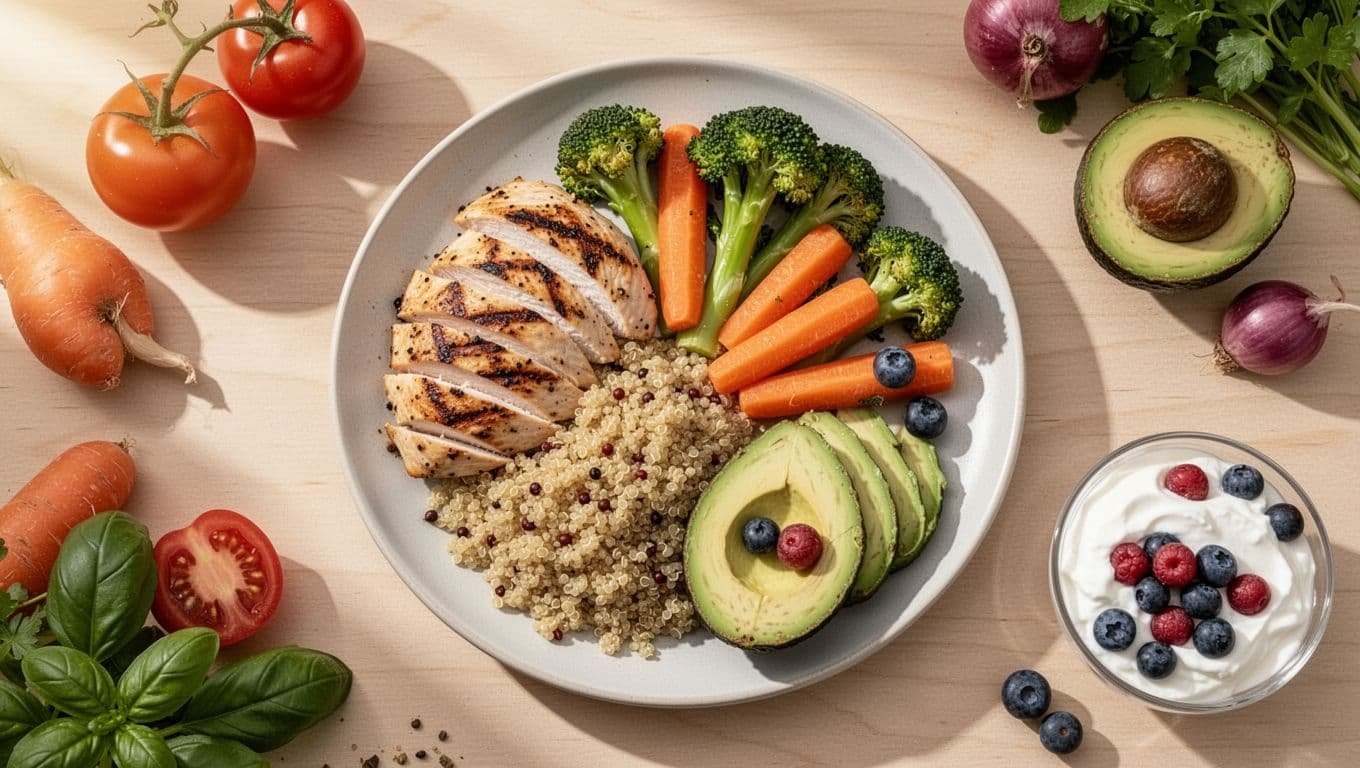
If you are busy, keep it simple and repeat what works. Good options include:
- Rotisserie chicken, frozen vegetables, and brown rice
- Greek yogurt with berries, nuts, and oats
- Peanut butter toast with banana and a glass of milk
- Cheese, crackers, fruit, and a boiled egg
- Bean burritos with salsa and avocado
Try to cover these basics across your day: protein, fruits, vegetables, whole grains, dairy or other calcium-rich foods, and healthy fats such as nuts, seeds, olive oil, or avocado. If lunch is the hardest meal to figure out, these quick balanced lunches for busy days can help you keep meals easy and filling.
Know which foods and drinks are best limited or avoided
Food safety matters more in pregnancy because some infections can be harder on you and your baby. The easiest rule is this: choose foods that are fully cooked, pasteurized, and kept at safe temperatures.
Keep this short list in mind:
- Skip raw fish and sushi made with raw seafood.
- Avoid undercooked meat and poultry.
- Do not eat foods made with raw eggs, such as some homemade dressings or batter.
- Avoid unpasteurized milk, cheese, or juice.
- Be careful with deli meats and hot dogs unless they are heated until steaming, if your doctor advises that approach.
- Limit caffeine to under 200 mg a day, which is about one 12-ounce coffee for many brews.
- Avoid alcohol completely.
- Choose fish carefully and limit high-mercury fish.
For a government-backed overview, NICHD’s advice on how to promote a healthy pregnancy is a useful place to check when you are unsure.
When in doubt, go with fully cooked, pasteurized, and fresh.
You do not need to fear food. You just need a few guardrails and a quick habit of checking labels.
Hydration can help with headaches, constipation, and even nausea
Water does more than quench thirst in pregnancy. It helps digestion, supports blood volume, moves nutrients, and helps your body make amniotic fluid. It can also ease some very common complaints, including headaches, constipation, and dizziness.
A good target for many pregnant women is 8 to 12 cups of water a day, though your needs can vary. ACOG’s guidance on how much water to drink during pregnancy gives a helpful benchmark.
Small tricks make this easier. Keep a bottle near you, sip throughout the day, and drink a little each time you eat. If mornings are rough, start with bland foods like crackers or dry toast before you get out of bed, then take small sips once your stomach settles.
If you are vomiting often, call your provider sooner rather than later. You may need help preventing dehydration, and your doctor can tell you whether an electrolyte drink makes sense for you.
Safe movement can improve mood, sleep, and body aches
If your provider says exercise is okay, gentle movement can help more than many first-time moms expect. It can lift your mood, improve sleep, support circulation, and ease some of the back and hip aches that show up as pregnancy moves along. In many cases, regular movement also helps lower stress, which matters when your body already has a lot going on.
Walking is one of the easiest places to start. Light stretching, prenatal yoga, and prenatal fitness classes can also be good options. ACOG’s page on exercise during pregnancy supports regular activity for most healthy pregnancies.

Keep your routine gentle and repeatable. Ten or fifteen minutes still counts. If you want help sticking with small routines, these tips on making new habits stick fit pregnancy well too.
Stop exercising and call your doctor if you have pain, bleeding, dizziness, chest symptoms, or shortness of breath that feels wrong for the activity. Your body gives useful signals. During pregnancy, it is smart to listen early, not late.
Get ready for the emotional side of being pregnant for the first time
First-time pregnancy is not only a physical change. It’s an emotional shift too, and sometimes it hits harder than expected. You may feel thrilled in the morning, tearful by lunch, and nervous before bed. That swing can feel confusing, but it’s common, and it doesn’t mean you’re doing anything wrong.
It is normal to feel happy, worried, and overwhelmed all in the same day
Pregnancy hormones can affect mood fast. Your body is adjusting, your future feels closer than ever, and your mind may keep jumping ahead. One minute you’re picturing your baby, and the next you’re worrying about labor, money, work, or whether you’re prepared enough.

Fear of the unknown plays a big part too. If you’ve never done this before, almost everything feels new. Even good news can carry stress when you feel pressure to eat perfectly, make every right choice, and somehow enjoy every second.
Mixed emotions do not make you ungrateful or a bad mother. They make you human. Pregnancy can bring joy and worry at the same time, and both feelings can be real.
You do not need perfect feelings to be a loving mother.
Support makes pregnancy easier, so do not try to carry everything alone
Pregnancy gets lighter when you let other people help. That support might come from your partner, a close friend, a parent, your doctor, a doula, or a local support group. Different people can help in different ways, and that matters more than trying to be strong all by yourself.
Practical help often makes the biggest difference. A ride to an appointment, a meal, help with chores, or someone who listens without trying to fix everything can give you room to breathe. Emotional support matters just as much, especially on days when your thoughts feel heavy.
It also helps to talk to other moms who remember what this stage felt like. Hearing “I felt that too” can calm a lot of fear. Current U.S. guidance still supports screening for anxiety and depression during pregnancy, and that works best when you speak up early and stay connected to care. The HRSA maternal mental health page also points expecting moms to support options when emotions start to feel too heavy.
Protect your mental health as carefully as your physical health
It’s easy to focus on blood pressure, vitamins, and ultrasounds while brushing off emotional pain. Yet your mental health deserves the same attention. If sadness, anxiety, or panic starts to feel constant, don’t wait for it to pass on its own.
Speak up if you notice signs like these:
- Ongoing sadness that doesn’t lift
- Panic, dread, or racing thoughts most days
- Feeling hopeless, numb, or unable to cope
- Trouble sleeping even when you’re exhausted
- Struggling to get through basic daily tasks
Perinatal depression and anxiety can happen during pregnancy, not only after birth. The National Institute of Mental Health’s guide to perinatal depression explains the symptoms and treatment options clearly. If you ever feel unsafe at home, reach out for immediate help through your doctor, a trusted person, or emergency services.
Writing things down can help you feel more in control
When your mind feels crowded, putting things on paper can lower the noise. A simple journal, note in your phone, or small notebook can help you sort feelings, remember questions, and notice patterns. This should ease stress, not add another job to your day.

You don’t need a fancy system. Start with whatever feels simple:
- A pregnancy journal for thoughts and feelings
- A short question list for prenatal visits
- A symptom tracker for sleep, nausea, or mood
- A weekly checklist for small tasks
Some moms like structure, while others just need a place to unload their thoughts. If journaling is new to you, this guide on how to start a journal for beginners can help you keep it easy. On especially anxious days, these journal prompts to stop overthinking may help you clear your head without spiraling.
Plan ahead now so later pregnancy feels less stressful
A little planning early can take a lot of pressure off later. You do not need to map out every week of pregnancy, but it helps to look ahead at the basics now. When you know what may be coming, paperwork, costs, appointments, and baby prep feel less like a pileup and more like small steps.
Learn the tests, screenings, and milestones that may come next
Prenatal visits usually follow a rhythm, and that rhythm changes by trimester. Early visits often focus on confirming the pregnancy, checking your health, and setting up routine labs. Later on, your provider may talk through growth checks, anatomy scans, glucose testing, and other standard milestones.
Some first-time moms are also offered genetic screening, depending on timing, age, history, or provider practice. ACOG’s patient page on routine tests during pregnancy and its update on screening for fetal chromosomal abnormalities can help you get a simple overview without getting lost in medical terms.
The main goal is not to memorize every test. It is to know what to ask at each visit, such as:
- What is this test for?
- Is it routine, optional, or based on my history?
- When will I get results?
- What happens if something needs follow-up?
That short list can keep you calm and clear, especially when appointments start moving fast.
Check your insurance, costs, and where you may give birth
This part feels boring, but it can save you stress later. Call your insurance company early and ask what prenatal visits, labs, ultrasounds, hospital care, and postpartum visits are covered. Also ask about your deductible, co-pays, out-of-pocket maximum, and whether your doctor and hospital are in-network.
Birth plans are not only about labor preferences. They also include where you may give birth and who will care for you. Some moms prefer a hospital, while others want to look into a birth center. It also helps to know whether you want an OB-GYN, family doctor, or midwife, if those options are available in your area.
Recent reporting that cited Peterson-KFF data noted that pregnancy, birth, and postpartum care in the US can still bring high out-of-pocket costs even with insurance. That is why a quick review now matters.
If you like having things on paper, make one simple page with your provider’s number, insurance details, and estimated costs. It is dull work, yes, but it removes a lot of fog.
Think about baby gear, childcare, and time off before the last minute
You do not need a house full of baby stuff right away. Start with the true basics, a safe sleep space, a properly installed car seat, a few comfortable maternity clothes, and postpartum supplies for your own recovery. Many other items can wait until you know what you actually use.

If you are feeling overwhelmed, keep your first planning list short:
- Set up a crib, bassinet, or other safe sleep space.
- Choose and install a rear-facing infant car seat.
- Buy a few maternity basics and postpartum care items.
- Check childcare options early, if you may need them.
- Review leave from work, pay, and paperwork deadlines.
Childcare is one area where waiting can backfire. In some places, waitlists start much earlier than first-time parents expect. At work, ask about maternity leave, short-term disability, paid time off, and any forms you will need. You can also keep your prep simple by creating a roadmap for your future and adjusting it as pregnancy moves along.
Decide when and how you want to share the news
Sharing pregnancy news is personal. Some people tell a partner or close family right away because they want support from day one. Others wait until after the first trimester, after an early scan, or until they feel more ready. Both choices are okay.
Guides on when to tell people you are pregnant often note that many parents wait until around 13 weeks, but that is not a rule. Your comfort, privacy, health history, and support needs matter more than anyone else’s timeline.
It may help to decide in layers. For example, you might tell your partner and one trusted friend first, then family, then work later. If you plan to tell your employer after a few appointments, use that time to gather facts about leave and coverage so the talk feels easier.
You do not owe a public announcement on anyone else’s schedule.
Take the pressure off yourself. Share when it feels right, and in the way that gives you the most peace.
Keep these 25 first-time pregnancy reminders in mind as the months go on
By this point, you have covered a lot, and that is exactly why a simple recap helps. Pregnancy advice can pile up fast, so this quick list pulls the main lessons into one place you can scan, save, and come back to later.

A quick pregnancy checklist you can keep in mind
- Book your prenatal visits early, and keep up with them.
- Take your prenatal vitamin every day, especially one with folic acid.
- Ask your provider to review all medicines, supplements, and herbs.
- Stay current on vaccines your doctor recommends during pregnancy.
- Learn what tests may come next, so fewer appointments feel confusing.
- Expect body changes, because many symptoms are common and normal.
- Treat strong fatigue as a real need for rest, not a weakness.
- Keep snacks nearby if nausea makes full meals hard.
- Drink water through the day, not only when you feel thirsty.
- Eat steady, balanced meals when you can, even if they are simple.
- Skip alcohol, smoking, and drugs, and ask for help if quitting is hard.
- Be careful with raw, undercooked, or unpasteurized foods.
- Watch your caffeine, and keep it within pregnancy-safe limits.
- Move your body in safe ways, if your provider says it is okay.
- Start small with exercise, because a short walk still counts.
- Use pillows, naps, and a simple bedtime routine to sleep better.
- Do not compare your bump, weight gain, or symptoms to someone else’s.
- Pay attention to heavy bleeding, severe pain, fever, or vision changes.
- Call your provider when something feels off, even if you are unsure.
- Make space for mixed emotions, because joy and worry can show up together.
- Protect your mental health, and speak up about anxiety or sadness early.
- Let people help you with meals, rides, chores, or support.
- Write down questions, symptoms, and reminders before appointments.
- Check insurance, costs, leave, and childcare before the last minute.
- Prepare for baby step by step, not all at once.
Keep the list handy as your pregnancy moves forward
A short checklist like this can keep your head clear on busy days. If you want another month-by-month view, U.S. News’ pregnancy checklist is a helpful extra reference. You can also compare your early planning with BabyCenter’s first-trimester guide if you want a second source.
Conclusion
First-time pregnancy comes with a lot to learn, and that is normal. You do not need to do everything perfectly. What matters most is staying in touch with your provider, paying attention to your body, and taking each change one step at a time.
Some days will feel easy, and others may feel heavy. Still, progress in pregnancy often looks simple, keeping your appointments, eating and drinking as well as you can, resting when you need it, and speaking up when something feels off.
Also, let yourself accept help. Support, rest, and steady care can make this season feel more manageable, and over time, they help build real confidence. Pregnancy is a learning process, and you can grow into it one healthy step at a time.
Save the pin for later

- Healthy Air Fryer Recipes for Beginners - 21/09/2026
- Healthy Snacks for Late Night Cravings - 21/09/2026
- High Protein Meal Prep Ideas for Easy Weekly Meals - 21/09/2026

