Your kidneys filter waste, balance fluids, and help regulate blood pressure, often without drawing attention to themselves. Protecting them matters even when you feel well, because early kidney disease often causes no clear symptoms.
The good news is that daily habits can lower your risk. This guide covers practical steps such as managing blood pressure and blood sugar, eating less sodium, staying active, using medicines safely, avoiding tobacco, and getting kidney tests when you have risk factors. You’ll also see why healthy hydration and a balanced diet matter, while avoiding one-size-fits-all advice.
If you have kidney disease, diabetes, high blood pressure, or another medical condition, follow a personalized plan from your doctor or a registered dietitian. Start with the habits that fit your health needs, beginning with blood pressure and blood sugar control.
Key Takeaways
- Keep blood pressure and blood sugar within your target range, especially if you have diabetes or hypertension.
- Choose mostly whole foods, limit sodium, and avoid frequent processed meals, which can strain kidney and heart health.
- Stay active, maintain a healthy weight, avoid tobacco, and drink enough fluid without forcing excessive water.
- Use medicines safely, particularly NSAID pain relievers such as ibuprofen and naproxen.
- Ask about kidney testing if you have risk factors, and follow the National Kidney Foundation’s kidney health guide.
How To Maintain A Healthy Kidney With Everyday Habits
Kidney health depends on patterns you can repeat, not a single perfect choice. Regular movement, reasonable hydration, restorative sleep, and avoiding tobacco all support the blood vessels and metabolic health that your kidneys rely on.
Small adjustments often work better than an extreme plan. You might walk after dinner, cook at home one extra night each week, or set a consistent bedtime. Choose one change, make it routine, then build on it.
How Much Water Do Your Kidneys Really Need?
Your fluid needs depend on several factors, including your body size, the weather, how much you exercise, whether you are sick, and which medicines you take. Kidney or heart disease can change your needs as well, so a general water target may not fit you.
For most healthy adults, drinking regularly throughout the day is a sensible approach. Thirst and urine color can offer rough clues. Persistent intense thirst or dark yellow urine may suggest that you need more fluid, while pale yellow urine often indicates reasonable hydration. These signs are guides, not medical tests.
Vomiting, diarrhea, fever, and heavy sweating can increase your risk of dehydration. During these situations, take fluids regularly and contact a clinician if you cannot keep liquids down, feel faint, or have signs of severe dehydration.
Avoid forcing large amounts of water. Drinking excessive water does not “cleanse” your kidneys, and it can dilute the sodium in your blood to unsafe levels. People with advanced kidney disease, heart failure, or another condition that requires fluid restriction should follow their clinician’s instructions instead of general hydration advice.
A healthy hydration habit means drinking enough for your needs, not trying to consume as much water as possible.
Why Exercise, Weight, Sleep, and Smoking Matter
Physical activity helps you manage weight and lowers the risk of high blood pressure and type 2 diabetes. Both conditions are major causes of chronic kidney disease. The National Kidney Foundation recommends building toward about 30 minutes of activity on most days, but you can start with five- or 10-minute sessions. Its exercise guidance for kidney disease can help you discuss safe options with your healthcare team.
A brisk walk, gentle cycling, swimming, or dancing can count. If you sit for much of the day, walk during a phone call or take the stairs when practical. People with health conditions should ask their clinician how to exercise safely, especially if they have not been active recently.
Weight management does not require crash diets or punishing workouts. Focus on habits you can maintain, such as cooking more meals at home, eating regular meals, and adding movement in small increments. Your doctor or a registered dietitian can help set a realistic goal.
Smoking harms blood vessels, which can reduce healthy blood flow to the kidneys. Quitting supports circulation and lowers cardiovascular risk. If quitting feels difficult, ask about counseling, nicotine replacement, or prescription treatment. A lapse does not erase your progress.
Sleep and stress affect how easy it is to maintain these habits. Keep a regular sleep schedule, reduce late-night screen time if it disrupts rest, and use manageable stress outlets such as breathing exercises, stretching, or time outdoors. Limiting alcohol also helps protect overall health. If you drink, stay within your clinician’s advice and avoid using alcohol as your main way to cope with stress.
Protect Your Kidneys by Controlling Blood Pressure and Blood Sugar
High blood pressure and diabetes can damage the kidneys long before symptoms appear. Over time, uncontrolled pressure strains the small blood vessels that supply each kidney, while high blood sugar injures the filtering units called glomeruli. Protecting these filters requires regular checks, consistent treatment, and follow-up care.
Make Blood Pressure Checks Part of Your Routine
Home monitoring can show how your blood pressure behaves outside the doctor’s office. Use an automatic, validated upper-arm monitor with a cuff that fits correctly. A cuff that is too small or too large can produce misleading results.
Before checking, avoid exercise, caffeine, and smoking for about 30 minutes when possible. Empty your bladder, sit with your back supported, and rest quietly for at least five minutes. Keep both feet flat on the floor, place the cuff on bare skin, and support your arm at heart level. Stay still and avoid talking during the reading.
Take two readings about one minute apart, then record both or follow your clinician’s instructions. Try to measure at similar times each day, such as before breakfast or in the evening. Include the date, time, readings, and any relevant details, such as a missed dose or illness. This record helps your care team identify a pattern instead of relying on one number.
One unusual reading doesn’t always indicate a long-term problem. Stress, pain, poor sleep, recent exercise, caffeine, or an incorrectly positioned arm can raise a result temporarily. However, repeated readings above your personal target deserve medical advice. For some people with chronic kidney disease, a goal near 130/80 mmHg or lower may be appropriate, but your target depends on your age, overall health, medications, albumin levels, and risk of side effects.
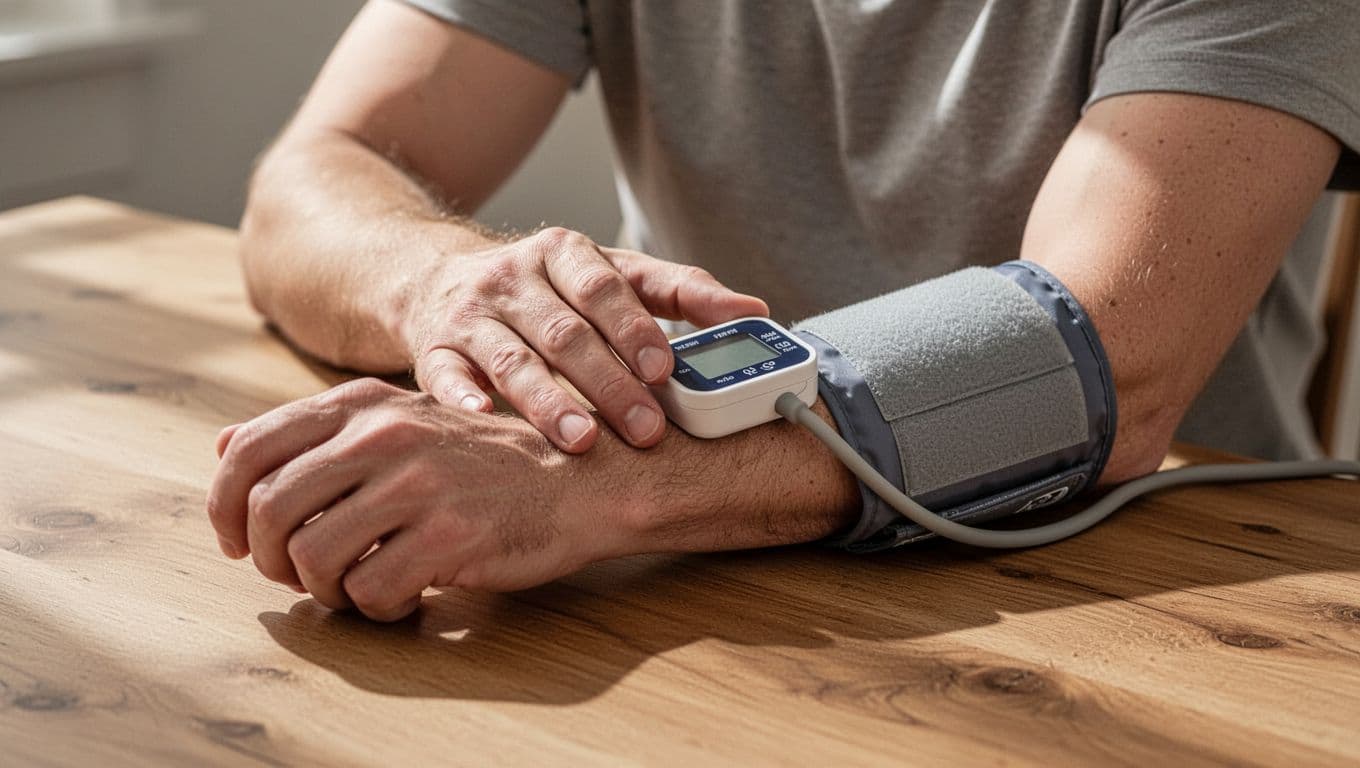
If a reading is 180/120 mmHg or higher, sit quietly and repeat it after a few minutes. Contact a healthcare professional promptly if it remains that high. Call 911 for very high blood pressure with chest pain, severe headache, shortness of breath, confusion, fainting, vision changes, or weakness, especially weakness on one side of the body.
Never stop a blood pressure medicine because you feel well. High blood pressure often has no noticeable symptoms, and prescribed treatment protects your kidneys, heart, and blood vessels even when you feel normal. Cholesterol control matters too, since healthier blood vessels reduce cardiovascular strain. Ask your clinician whether you need cholesterol testing or treatment as part of your kidney and heart risk plan.
Keep Diabetes From Harming Your Kidney Filters
Steady blood sugar control reduces the stress that diabetes places on the kidney’s filtering units. Follow your prescribed treatment plan, take medicines consistently, and track your blood sugar if your care team recommends it. Balanced meals with appropriate portions, regular activity, and follow-up visits all support better glucose control.
Your clinician may use an A1C test, home readings, or other diabetes measures to assess your plan. Don’t change your medication or set a new A1C goal on your own. Treatment goals can vary based on your age, pregnancy, other illnesses, daily routine, and risk of low blood sugar.
Diabetes-related kidney disease can develop without pain or obvious changes in urination. For that reason, people with diabetes may need a urine albumin test and blood tests that estimate kidney function, even when they feel healthy. The National Kidney Foundation’s diabetes and kidney disease guide explains why these checks matter.
Keep every diabetes visit, including appointments for medication review and kidney screening. Also tell your care team about dizziness, repeated low readings, swelling, or difficulty taking medicines. Early adjustments can prevent small problems from becoming lasting kidney damage.
Build a Kidney-Friendly Eating Pattern Without Extreme Diets
A kidney-friendly eating pattern usually starts with ordinary foods, sensible portions, and fewer heavily processed meals. Choose fresh or minimally processed ingredients more often, then adjust the details based on your health needs.
Aim to include vegetables, fruits, appropriate whole grains, lean proteins, and unsalted foods throughout the week. Limit sugary drinks, frequent fast food, highly processed snacks, and foods high in saturated fat. These changes support blood pressure, blood sugar, heart health, and kidney function without requiring a rigid cleanse or extreme diet.
Lower Sodium With Simple Food Swaps

Sodium often comes from packaged and restaurant foods rather than the salt shaker. A practical general goal is no more than 2,300 milligrams of sodium per day, equal to roughly 5 to 6 grams of table salt. Some people with kidney disease or high blood pressure need a lower limit, so follow your clinician’s advice.
Small swaps can make the goal easier:
- Choose fresh chicken, turkey, fish, or lean meat instead of processed deli meat, bacon, sausage, or ham.
- Rinse canned beans and vegetables under running water to remove some of the added sodium.
- Season meals with garlic, onion, paprika, black pepper, lemon juice, vinegar, parsley, or other herbs and spices instead of relying on salt.
- Compare soups, broths, pasta sauces, salad dressings, and frozen meals. Choose the lower-sodium option and compare serving sizes carefully.
- Ask for sauces, gravies, and dressings on the side when eating at a restaurant. You can then use less without giving up the flavor.
Read the Nutrition Facts label even when a product appears wholesome. Sodium may appear in ingredients such as monosodium glutamate, baking soda, sodium phosphate, sodium nitrate, or sodium benzoate. A package labeled “healthy” or “natural” is not automatically low in sodium.
The National Kidney Foundation’s sodium guidance offers more label-reading and seasoning ideas. Also, avoid potassium-based salt substitutes unless your clinician approves them. They can raise blood potassium to unsafe levels in some people.
Lower sodium gradually rather than changing every meal overnight. Your taste preferences can adjust as you use less salt, especially when herbs, spices, citrus, and vinegar add stronger flavor.
When a Kidney Diet Needs Personal Guidance
General healthy eating advice may not fit someone with chronic kidney disease, dialysis, a history of kidney stones, heart failure, or abnormal potassium levels. Advanced kidney disease can require specific limits on potassium, phosphorus, protein, or fluids. A food that fits one person’s plan may not fit another’s lab results or medications.
A registered dietitian, preferably one experienced in kidney care, can help match food choices to your laboratory results, medicines, culture, budget, cooking skills, and personal goals. That support can make changes practical instead of restrictive.
Avoid unsupervised high-protein diets, herbal cleanses, and supplements marketed for kidney health. They may add excess protein, potassium, phosphorus, stimulants, or ingredients that interact with medication. Ask your healthcare team before using any supplement or making major dietary changes.
Use Medicines Safely and Avoid Common Kidney Stressors
Your kidneys remove many medicines and their byproducts from your blood. When kidney function falls, a usual dose may stay in your body longer and cause side effects. Medication safety is therefore part of maintaining healthy kidneys, not an issue only for people with advanced kidney disease.
Keep an updated list of every prescription, over-the-counter product, vitamin, and supplement you use. Bring it to appointments and show it to your pharmacist before adding something new. Ask these questions:
- Is this safe with my kidney function, blood pressure, diabetes, and current medicines?
- Do I need a lower dose or a shorter course?
- Should I pause or adjust anything during vomiting, diarrhea, fever, or poor fluid intake?
- Could this product affect my potassium, blood pressure, fluid balance, or liver?
Never stop a prescribed medicine without professional guidance. Instead, ask your care team for written sick-day instructions that explain what to do if you become dehydrated. Plans differ based on your diagnoses and medicines.
Ask Before Taking Pain Relievers or Supplements
Nonsteroidal anti-inflammatory drugs (NSAIDs), including ibuprofen, naproxen, and diclofenac, can reduce blood flow through the kidneys. They may also cause the body to retain sodium and fluid, which can raise blood pressure or worsen heart failure. The risk increases with dehydration, older age, high blood pressure, heart disease, reduced kidney function, or certain prescriptions.
Using an NSAID occasionally may still be unsafe for some people. Check with a clinician or pharmacist before taking one, especially if you have chronic kidney disease. The National Kidney Foundation’s pain medicine guidance explains why people with kidney disease often need to avoid NSAIDs.
Acetaminophen may be preferred for some types of pain, but it still requires careful use. Follow the package directions, check combination products for duplicate acetaminophen, and ask a professional if you have liver disease or drink heavily. A pharmacist can help you choose a safer option without giving you an unsafe dose.
“Natural” does not always mean kidney-safe. High-dose herbal products, imported remedies, and unproven kidney cleanses may contain ingredients that affect kidney function, blood pressure, or blood clotting. Some products also contain undisclosed compounds or concentrated doses. Ask before using anything marketed as a kidney detox, cleanse, or cure.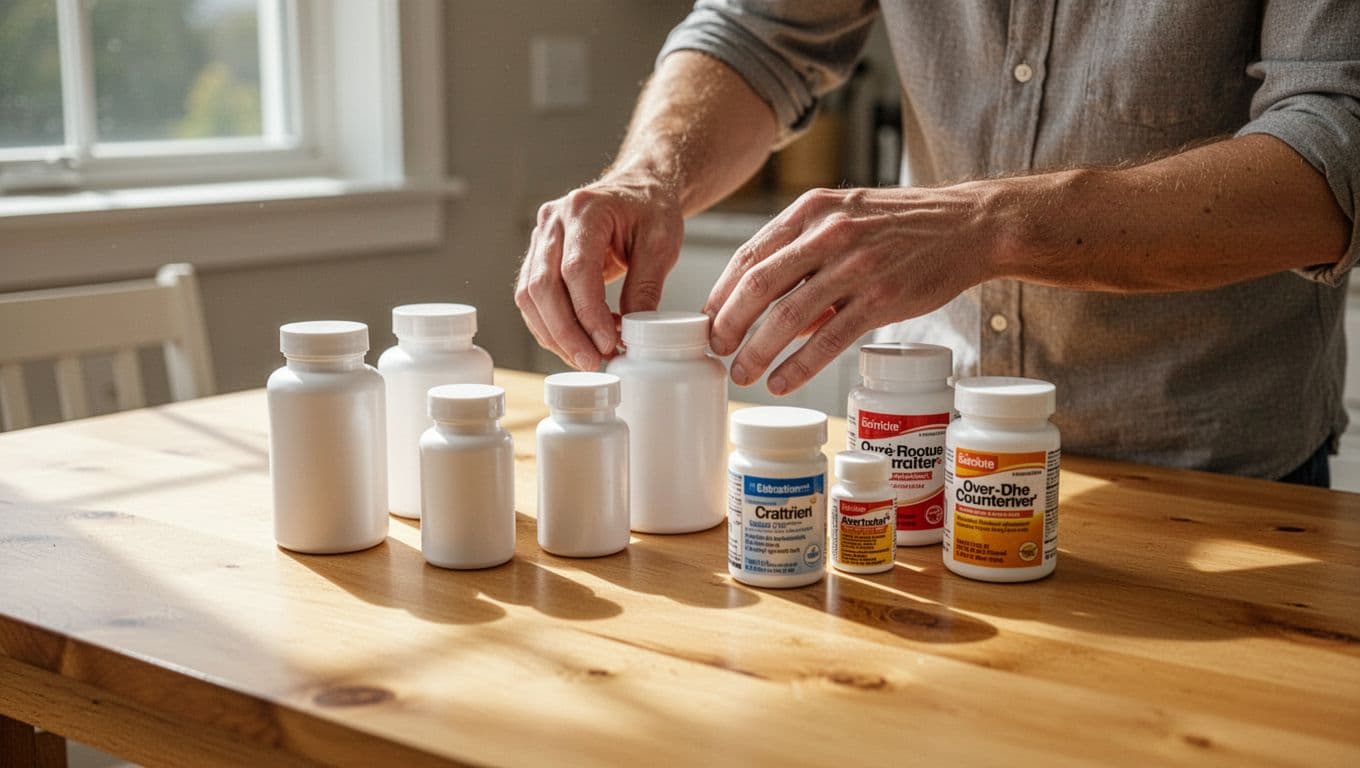
Prevent Dehydration and Kidney Injury During Illness
Prolonged vomiting, diarrhea, fever, heavy sweating, or an inability to keep fluids down can reduce blood flow to the kidneys. Dehydration becomes more concerning when you take blood pressure medicines, diuretics, or diabetes medicines, because illness can change how these drugs affect your body.
Contact a healthcare professional early if you cannot drink normally or symptoms continue. People with chronic kidney disease should ask for guidance rather than relying on general hydration advice, since they may also need to limit fluids.
Some imaging tests use contrast dye. Tell the imaging team about kidney disease, diabetes, dehydration, or prior kidney problems before the procedure. They can review your kidney function, medicines, and hydration plan.
Seek urgent care for severe weakness, confusion, very little urine, fainting, trouble breathing, chest pain, or signs of serious infection. Prompt treatment can reduce the chance that dehydration or another illness causes lasting kidney injury.
Know Your Risk and Get Kidney Tests Before Problems Grow
Kidney disease often develops without pain or obvious changes. Waiting until you feel sick can delay care, so testing matters when you have risk factors. Regular visits also give your clinician a chance to review medicines, vaccines, blood pressure, blood sugar, and heart health.
Who Should Ask About eGFR and Urine Albumin Testing?
Ask a clinician about kidney screening if you have any of these risks:
- Diabetes or high blood pressure, especially when either condition is difficult to control.
- Heart disease, a history of stroke, or other cardiovascular disease.
- Obesity, smoking, or older age.
- A parent, sibling, or child with kidney disease or kidney failure.
- A previous episode of acute kidney injury, including kidney damage during severe dehydration or hospitalization.
- Repeated kidney stones or another known urinary tract problem.
- Long-term use of medicines that can affect the kidneys, such as NSAIDs, lithium, or some specialized treatments.
Your clinician may order two common tests. A blood test estimates your filtration rate, which is often reported as eGFR. It uses your creatinine level and other information to estimate how well your kidneys filter waste from the blood.
A urine albumin-to-creatinine ratio (UACR) checks whether albumin, a blood protein, is leaking through the kidney filters. Healthy filters keep most albumin in the bloodstream. Repeatedly elevated urine albumin can point to kidney damage, even when the eGFR remains in the usual range.
These tests answer different questions, so using both gives a clearer picture. One eGFR number does not diagnose chronic kidney disease by itself. Age, muscle mass, hydration, recent illness, medications, and laboratory variation can affect results. A low or unexpected result may need to be repeated, and your clinician will look at changes over time. The National Kidney Foundation’s eGFR explanation provides a helpful overview of how the test is interpreted.
Ask how often you need testing based on your health history. People with diabetes often need regular eGFR and UACR checks, while others may need a different schedule. Keep routine appointments, take prescribed medicines as directed, and ask whether recommended vaccines can reduce infection risks that may place extra stress on your body.
Symptoms That Should Not Be Ignored
Early kidney disease often causes no symptoms. When signs do appear, they can include:
- Swelling around the eyes, ankles, feet, or legs.
- Foamy urine or urine that looks pink, red, or cola-colored.
- A major change in how often or how much you urinate.
- Unusual tiredness, nausea, itching, muscle cramps, or trouble concentrating.
- Shortness of breath, especially when swelling is also present.
These symptoms have many possible causes, including medication effects, heart problems, infections, and other conditions. Contact a clinician for an assessment instead of trying to identify the cause from symptoms alone.
Seek urgent medical care for very little or no urine, severe breathlessness, chest pain, confusion, sudden severe symptoms, or rapidly worsening swelling. Those changes can signal a serious problem that needs prompt evaluation.
Conclusion
Your kidneys work every day, often without noticeable symptoms, so protecting them starts with habits you can maintain. Keep blood pressure and blood sugar within your recommended range, reduce sodium, stay active, and work toward a healthy weight. Avoid smoking, and limit alcohol according to your clinician’s advice.
Use medicines carefully, especially over-the-counter pain relievers such as ibuprofen and naproxen. Don’t force excessive water or follow a restrictive diet without medical guidance. If you have diabetes, high blood pressure, a family history of kidney disease, or another risk factor, ask about regular eGFR and urine albumin testing. These checks can find changes before you feel unwell.
You don’t need a perfect routine to support healthy kidneys. Choose one practical improvement, repeat it consistently, and build from there.
Talk with a clinician or registered dietitian for advice tailored to your health, especially if you have kidney disease, diabetes, high blood pressure, or symptoms such as swelling, foamy urine, major changes in urination, or unusual fatigue. Small, steady choices can help protect kidney function over time.
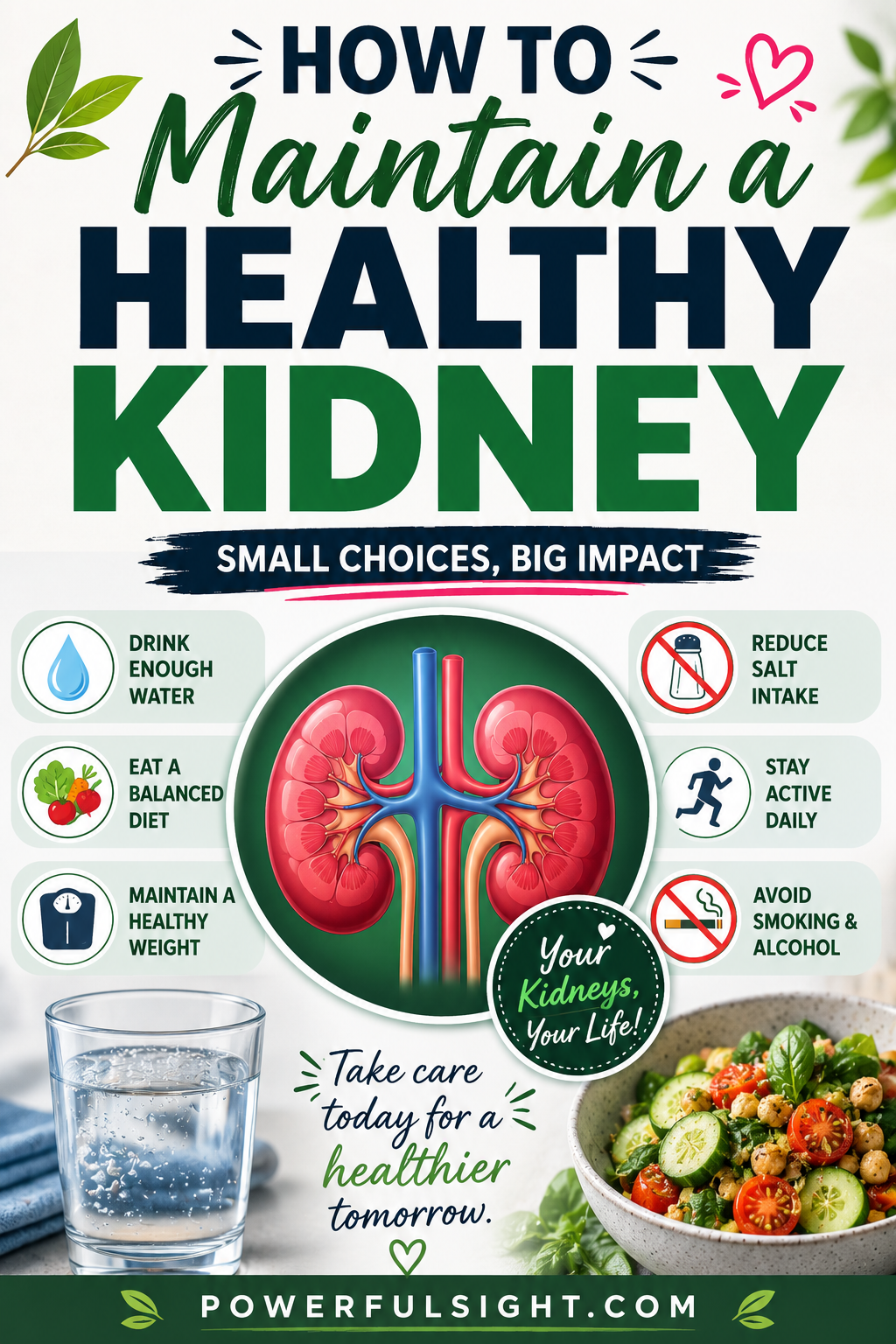
Save the pin for later

- Healthy Air Fryer Recipes for Beginners - 21/09/2026
- Healthy Snacks for Late Night Cravings - 21/09/2026
- High Protein Meal Prep Ideas for Easy Weekly Meals - 21/09/2026

