Finding the right travel caption for Instagram can take longer than picking the photo. You want something that fits the shot, sounds natural, and gives people a reason to like, save, or share it without feeling forced.
In 2026, the best captions are usually short, clear, and matched to the mood of the trip, whether that means a beach reset, a city break, a solo trip, or a group adventure. Some work as funny one-liners, others lean aesthetic or location-based, and the strongest ones feel like they were written for that exact moment.
If you need fresh ideas for every kind of trip, this list makes it easy to find a line that actually fits your feed, including options for relaxing beach captions for Instagram and more.
What makes a travel caption work on Instagram right now
A strong travel caption does three things fast. It matches the photo, sets a clear mood, and gives people a reason to stop scrolling for a second.
That matters more now because Instagram rewards captions that feel easy to read and easy to share. The best ones sound natural, fit the image in front of them, and feel a little more personal than a generic travel line.
The best captions match the photo, not just the destination
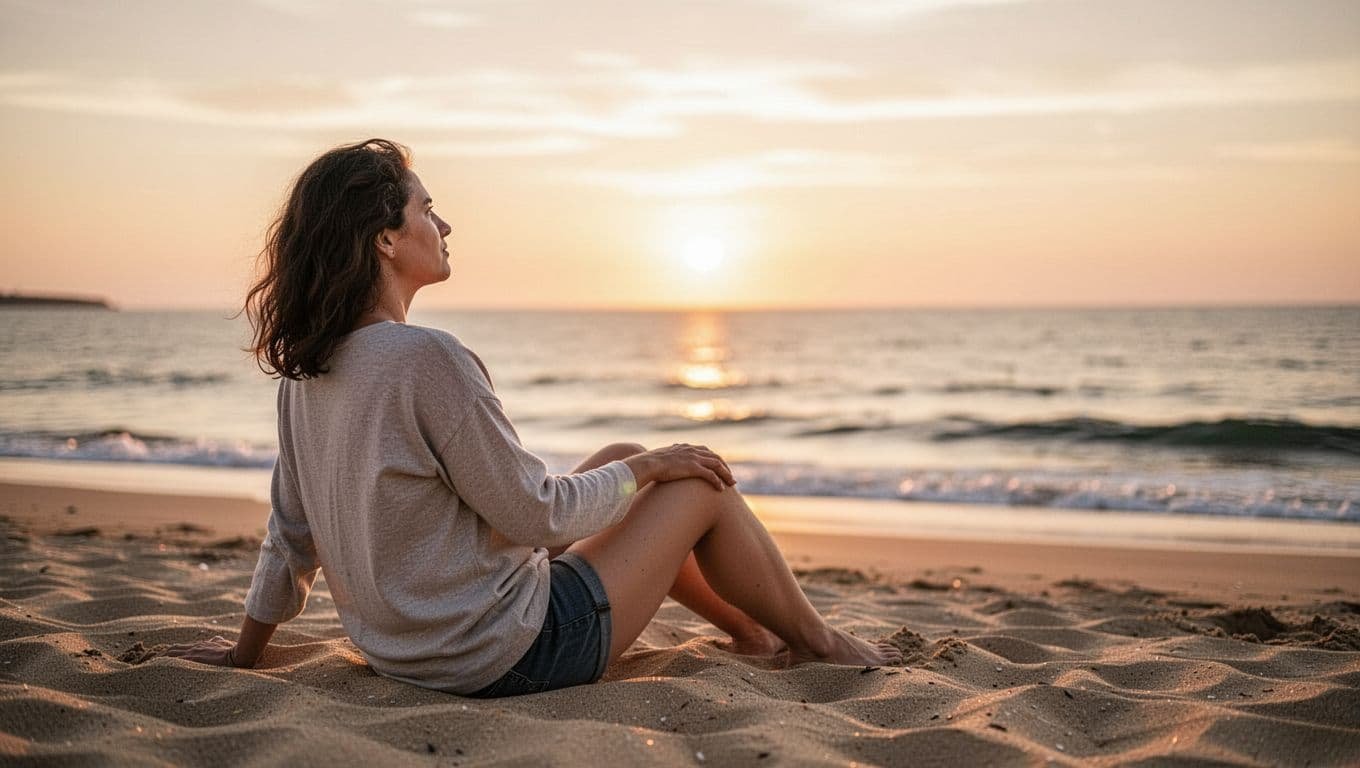
A caption should fit the exact moment in the frame. A sunset shot wants something softer and more reflective, while an airport selfie works better with humor or a quick update. A city skyline can handle a cleaner, sharper line, and a beach photo usually feels better with something relaxed or light.
That’s why the same caption rarely works across every post. “Catch flights, not feelings” may fit a boarding gate selfie, but it feels off on a quiet ocean photo. A line like “golden hour and good decisions” can work for sunset, while “next stop” is stronger for an airport post.
The easiest way to choose is to ask what the image is saying first:
- A sunset photo usually wants calm, gratitude, or a little nostalgia.
- An airport selfie works with movement, anticipation, or playful travel humor.
- A city skyline fits confident, polished, or slightly ambitious wording.
- A beach photo usually calls for ease, rest, and soft, breezy language.
If the caption could sit under any travel photo, it probably needs more detail.
Specific details beat generic lines because they make the post feel lived-in. Mention the red-eye flight, the salty hair, the last drink by the pool, or the view from the train window. Those little touches make the caption feel personal, and personal captions often perform better because they sound like a real moment, not a template.
Why short captions still get attention
Short captions still work because most people read on mobile, and mobile screens reward clarity. One-liners, punchy quotes, and brief phrases are easy to scan, easy to save, and easy to copy into someone else’s story reply.
They also fit clean, aesthetic posts better. A long caption can crowd a minimal photo, while a short line leaves space for the image to do the talking. That balance is one reason short travel captions keep showing up in Instagram caption ideas and similar roundups.
Short captions also help when you want the post to feel effortless. A line like “Out of office” or “Take only memories” lands quickly, which is useful when the photo already says most of what needs saying. For more polished or motivational travel posts, a shorter line can also pair well with motivational Instagram captions when the trip feels more personal than scenic.
A short caption works best when it still has one clear job. Maybe it adds humor, maybe it sets the tone, or maybe it gives the photo a neat finish. If it does all three in five words, even better.
The 2026 travel caption vibe people respond to
The captions getting attention right now feel calm, light, and a little self-aware. Soft life phrases still perform well, especially when the trip looks restful or polished, and peaceful luxury fits posts that show comfort without sounding flashy. Phrases like “soft days ahead” or “quiet luxury” feel current because they match that slower, easier travel mood.
Out-of-office energy is another big one. Simple captions like “OOO” or “Back soon” work because they feel relaxed and direct. They also pair well with holiday posts, work-break escapes, and quick weekend getaways.
People are also responding to memory-collecting language. Lines like “collecting moments” or “keeping this one” feel warmer than vague wanderlust language, and they give the caption a more personal edge. That fits the current shift toward captions that sound like a note to yourself, not a slogan.
Playful travel humor still has a place too. A small joke about jet lag, suitcase chaos, or snack-fueled airport days makes the caption feel human. Location-based wordplay does well here as well, especially when the destination itself gives you an easy pun or a clear visual hook.
A few current styles keep showing up in posts that perform well:
- Soft life wording: calm, rested, and polished.
- OOO captions: short, direct, and a little smug in a fun way.
- Memory-focused lines: simple words that feel personal.
- Location play: smart, light wordplay tied to the place.
The best caption right now sounds like you, but edited. It should match the photo, fit the mood, and read like something you would actually post without overthinking it.
Travel caption ideas by trip type and mood
The easiest travel captions to use are the ones that match the trip itself. A sunny beach day needs a different line than a red-eye flight or a girls’ weekend, and that match is what makes the post feel natural.
Use these ideas as copy-ready starting points, then tweak the details so they fit your photo. A caption that sounds like the moment always lands better than one that sounds generic.
Beach and tropical getaway captions
Beach captions work best when they feel easy, warm, and a little breezy. Think ocean views, poolside drinks, slow mornings, and that no-rush feeling that comes with warm weather.

Try captions like:
- Ocean air, tan lines, and no deadlines.
- Current status: somewhere between the sand and the sea.
- Salt in the air, calm in my head.
- Resort mode is fully on.
- Sunshine looks good on me.
- Out of office, into the ocean.
- Margarita in hand, worries on pause.
- A little beach time fixed everything.
For a softer feel, use lines that sound relaxed and clean. “Golden hour by the water” or “Warm days, easy nights” fits a calm resort post without trying too hard. If the photo shows a drink, a lounger, or a wide ocean view, let that detail do the work.
A caption can also be short and still feel polished. Words like coastal, sun-kissed, reset, and waves keep the tone simple and modern. That style fits the current trend toward beach Instagram captions that are easy to scan and easy to copy.
City break and weekend escape captions
City captions need a little more edge. Rooftop views, landmark shots, street scenes, and food photos usually work better with sharper lines and a bit of wordplay.
If your post is all skyline and movement, try captions such as:
- Concrete jungle, soft focus.
- Wandering these streets one coffee at a time.
- Rooftop views and skyline moods.
- Big city, bigger appetite.
- Main character energy, city edition.
- Collecting views and good meals.
- This city has my full attention.
- Finding my way through the chaos.
Light wordplay helps here. A photo from a landmark can handle something like “Towering over my weekend plans” or “Statue of good timing” if the moment feels playful. Food shots, on the other hand, work best with captions that sound hungry and happy, like “Table for one, maybe two desserts” or “Eating my way through the weekend.”
Street-style photos often feel stronger with a compact caption. “On the move” or “City, please” keeps the energy quick and clean. For more location-specific trips, pair the caption with a destination detail from your post so the image feels even more grounded.
Solo travel captions that sound confident, not lonely
Solo travel captions should feel independent, calm, and sure of themselves. The best ones sound like you chose the trip on purpose, because you did.
A strong solo caption can be reflective without sounding heavy. Use lines like:
- I like my own company on the road.
- Booked the trip, packed the bag, trusted myself.
- Me, myself, and a better view.
- Going where I want, when I want.
- Solo, but never stuck.
- Finding a few more pieces of myself out here.
- This trip is mine.
- Confidence looks good with a passport stamp.
If the photo feels more peaceful than adventurous, keep the line soft. “Quiet mornings, clear mind” or “Learning what I like when no one else decides” gives the post a thoughtful tone. That kind of caption fits a lot of modern solo-travel content, especially posts built around freedom, food, and self-paced plans.
Strong solo captions should sound self-assured, not defensive.
For a more current spin, use language that feels personal and direct, like “This rebrand is personal” or “I picked the destination, and that felt good.” That works well for travelers who want to show independence without turning the caption into a speech.
Friend trip and group getaway captions
Group trips call for bigger energy. Girls’ trips, family vacations, and reunion photos usually need captions that feel fun, slightly chaotic, and full of shared memory.
Use captions that sound like inside jokes in public form:
- Same chaos, better scenery.
- The group chat finally made it out.
- Booked the trip, kept the drama out.
- Friends who travel together, stay laughing together.
- Too many memories for one caption.
- Sun, snacks, and my favorite people.
- Some trips are about the destination, this one was about the laughs.
- Proof that we can all be on time for one thing.
For girls’ trips, playful lines tend to work best. “Sip happens” or “Sun’s out, friends out” keeps the tone light and social. Family travel often does better with warmer wording, like “The family that travels together” or “Different ages, same favorite memories.”
If the photo is messy in the best way, lean into it. A little chaos is part of the appeal. That said, the caption should still feel readable and clean, because the photo already carries the energy. For more ideas in this lane, girls’ trip caption ideas can be a helpful reference point.
Airport, plane, and road trip captions
Travel day captions work best when they sound quick, witty, or a little tired in a funny way. Airport selfies, boarding passes, window-seat views, and long drives all give you easy material.
For takeoff photos and airport posts, try:
- Gate checked and ready.
- Airport hair, but make it intentional.
- Next stop: somewhere better.
- Currently accepting vacation mode.
- Boarding now, responding never.
- Takeoff looks good on me.
- Window seat and no plans.
- Flight mode: on.
Road trip captions can be more relaxed and a little more conversational. “Miles, snacks, and bad singing” fits the mood. So does “Long drive, good company” or “The destination is great, but the snacks are the real MVP.”
Destination reveal posts work well with simple build-up. A line like “And we landed here” or “Final stop: this view” keeps the focus on the surprise. If you want a more polished travel-day caption, use something like “The trip started before the plane did” or “Half the fun is getting there.”
The best airport and flight captions are short because the moment itself is usually the point. A clean line, a window shot, and a carry-on in frame are often enough.
Choosing the right caption for the mood
A good travel caption usually starts with one question: what does the trip feel like? Calm, chaotic, romantic, solo, or celebratory, the mood should lead the wording.
Use these quick matches to narrow it down:
- Beach trips work best with relaxed, sunny, or soft captions.
- City breaks need sharper, faster, or slightly witty lines.
- Solo trips call for confidence and self-trust.
- Friend trips do well with humor and group energy.
- Airport and road trip posts need short, punchy, travel-day captions.
If you want the caption to feel more personal, add one detail from the photo or moment. A resort drink, a rooftop view, a layover delay, or a road trip playlist can turn a generic line into something specific and memorable.
That one small detail is often what makes the caption stick.
How to write captions that sound original instead of overused
Original travel captions usually start with the same idea everyone else has, then get edited until they sound like you. That means trimming the obvious line, adding one real detail, and cutting anything that feels copied from a caption list. A small shift can make a huge difference.
If your first draft sounds familiar, that’s normal. The fix is to make it more specific, more natural, and a little less polished. That usually reads better anyway.

Use one real detail from your trip
One real detail can pull a caption out of cliché territory fast. A street name, a local breakfast, a sudden rainstorm, or a delayed flight gives the line something concrete to hold onto.
Instead of writing “living the dream,” write about what actually happened. “Rainy lunch on Rue Cler” feels more alive than “Paris vibes,” and “espresso, wet shoes, and a missed train” tells a better story than “travel days.” The best captions often sound like a memory, not a slogan.
A few easy details to pull from your photo roll:
- A street or neighborhood name
- The dish you actually ordered
- The weather at that moment
- A delay, detour, or long line
- A small scene in the background
That extra detail gives your caption a fingerprint. It also helps the post feel honest, which matters more than sounding perfect.
Mix a simple line with a small twist
A clean caption base works well when you add one small surprise at the end. Start with something plain, then finish with a local phrase, a tiny joke, or a dry comment that sounds like you.
For example, “Finally made it to the coast” becomes more memorable as “Finally made it to the coast, and my shoes already regret it.” “Sunset in the city” feels fresher as “Sunset in the city, and yes, I did order dessert again.” The base keeps it readable, while the twist keeps it human.
That same approach works with location-specific wording too. If you’re somewhere with a strong local voice, borrow a phrase naturally, then keep the rest simple. For more inspiration on concise travel wording, Adobe Express travel caption examples offer plenty of short starting points.
A caption sounds more original when it feels edited, not decorated.
If the joke feels forced, drop it. A tiny wink is enough. You want the caption to feel like a real thought with a little personality, not a stand-up set.
Skip the phrases everyone has already used
Some travel lines are so common they disappear on sight. Phrases like “catch flights, not feelings,” “wanderlust,” “out of office,” “collecting moments, not things,” and “vacation mode: on” have been recycled so often they no longer stand out. They still work in a pinch, but they rarely make a post feel fresh.
The problem is simple. These lines sound borrowed, so the caption stops feeling tied to your photo. A beach shot, for example, gets more interesting when you describe the salt in your hair or the empty chair beside you. A city photo feels sharper when you mention the rooftop bar, the late train, or the one block that surprised you.
A quick editing pass helps here:
- Write the obvious caption first.
- Circle the most generic phrase.
- Replace it with one detail from the trip.
- Read it out loud and cut anything that sounds too polished.
That last step matters. If the caption sounds like something you’d see in a stock list of travel captions, keep trimming until it feels more specific. The goal is simple, readable, and real.
Smart ways to use travel captions for more engagement
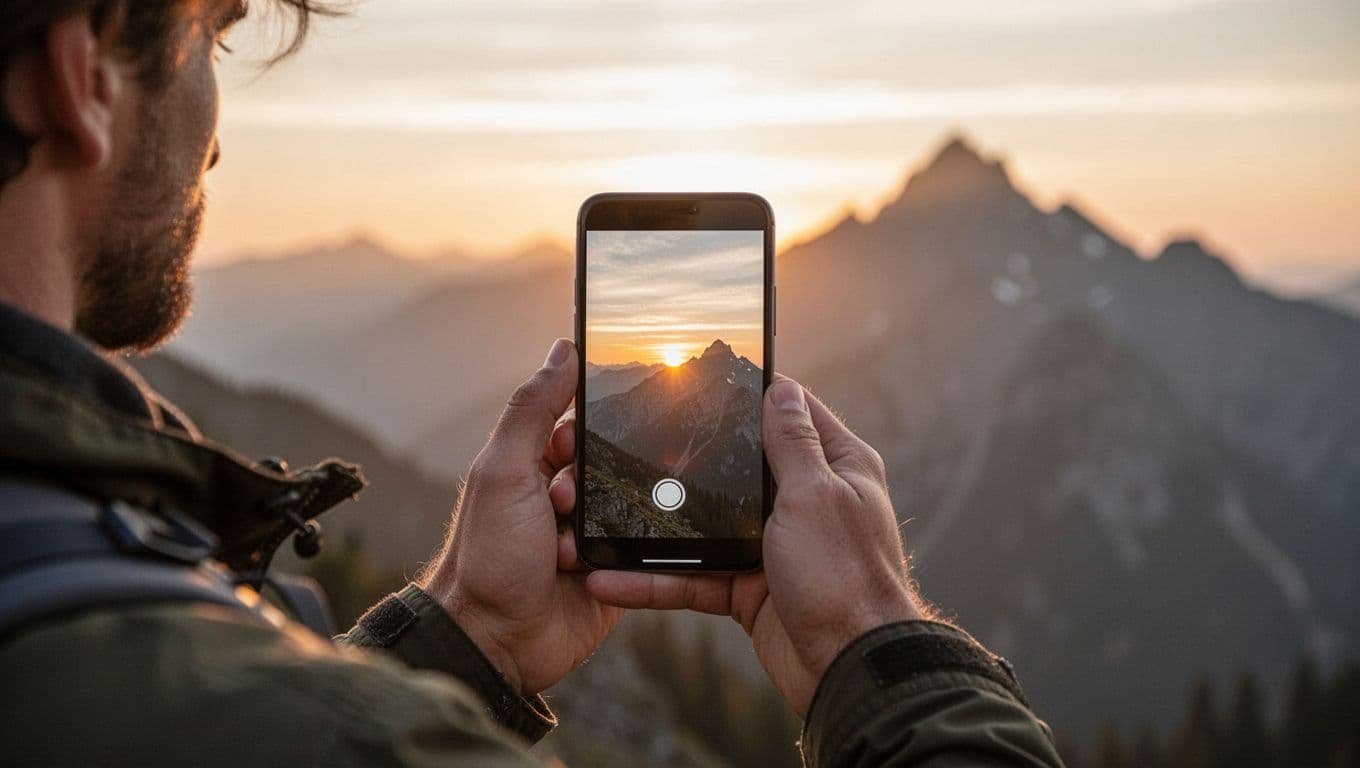
A good travel caption does more than describe the photo. It can nudge people to comment, save the post for later, or send it to a friend who needs trip inspiration. The trick is to make the caption feel natural while still giving readers a clear reason to act.
Instagram favors posts that spark real interaction, so your caption should do a little more work than a simple location tag. A thoughtful question, a useful tip, or a caption that feels easy to share can make a real difference.
Ask a question when it fits the post
Questions work because they invite a reply without feeling pushy. The best ones are simple, specific, and tied to the photo, so people can answer quickly.
Instead of ending with a vague “thoughts?”, ask something that feels easy to respond to. A beach post might say, “Favorite island beach, or do you prefer city breaks?” A city shot could ask, “Which city should be next on my list?” A solo trip photo might work with, “What destination has been on your list the longest?”
A few question styles tend to get better responses:
- Preference questions like “Beach or mountains?”
- Recommendation questions like “What city should I visit next?”
- Experience questions like “Have you been here before?”
- Decision questions like “Which stop would you choose?”
Specific questions usually get better replies than broad ones because they are easier to answer fast.
You can also make the question part of the story itself. A caption like “Would you stay one more night in this place, or move on?” feels more personal than a generic prompt. That small shift makes the post feel like a conversation, not a request for engagement.
Use hashtags and captions together
Hashtags still help discoverability, but the caption has to do the emotional work. A few relevant tags can support the post, yet the caption is what makes someone pause, comment, or save it.
That means the caption should carry the mood, while hashtags stay focused and clean. A strong caption with 3 to 5 relevant hashtags usually works better than stuffing the post with tags that don’t match the photo. For more on pairing captions with discoverability, Instagram travel caption strategies show how travel content can stay engaging without feeling overloaded.
Keep the hashtags specific to the trip, destination, or style of content. For example, a beach photo might use tags tied to the coast, the location, and vacation content. A city post can use tags for the city itself, street style, or weekend travel.
A simple structure helps:
- Write the caption first.
- Add the mood or story in the first few lines.
- Finish with a small set of relevant hashtags.
That approach keeps the post readable. It also gives the caption room to breathe, which matters when you want people to actually read it instead of skipping straight past the tag block.
Match the caption length to the post goal
Caption length should match what you want the post to do. Short captions work well when the photo is already strong and you want quick likes, saves, or a clean aesthetic. Longer captions fit better when you want comments, story sharing, or a more personal connection.
A very short caption, like “Next stop” or “Out of office,” works when the image does most of the talking. A few lines are enough for a sunset photo, a stylish city shot, or a polished resort post. These captions feel neat and easy to scan, which helps on mobile.
Longer captions make sense when you have something worth saying. A travel story, a useful tip, or a mini reflection gives people more to react to. Captions with a clear takeaway often get saved more because they feel useful, especially when they include planning tips, a lesson learned, or a route recommendation.
Use the format that fits the result you want:
| Post goal | Best caption style |
|---|---|
| More comments | A question or personal prompt |
| More saves | A useful tip or quick travel note |
| More shares | A relatable, funny, or highly specific line |
| More likes | Short, clean, photo-first wording |
If you want a post to get bookmarked, make the value obvious early. If you want conversation, write for replies. If you want shares, give people a line that feels like something they’d send to a friend. The best travel captions match the photo and the action you want at the same time.
Ready-to-use travel caption styles you can copy and tweak
When you already have the photo, the easiest caption is usually the one with a clear shape. Start with a style, then swap in your own detail, destination, or mood so it sounds like you instead of a template.
These caption styles work because they are flexible. You can use them for beach days, city breaks, airport selfies, mountain views, or a quiet weekend away. The framework stays the same, and the details do the rest.

Short and punchy captions
Short captions work best when the image already carries the mood. They are clean, easy to read, and perfect for aesthetic posts, quick updates, or photos that do not need much explaining.
Use them when you want the caption to feel effortless. A few words can do a lot if they are specific enough.
Try this format:
- [Mood] + [place]: “Golden hour in Lisbon.”
- [Action] + [feeling]: “Chasing sunsets again.”
- [State of mind]: “Out of office.”
- [Tiny update]: “Next stop: coast.”
- [Simple flex]: “Good view, great day.”
A few easy examples:
- Slow mornings, loud views.
- Here for the scenery.
- Wander, snap, repeat.
- Vacation state of mind.
- Current location: somewhere sunny.
If you want a caption that feels a little more current, keep it direct and specific. “Coffee first, then the city” feels sharper than a vague travel quote, and “Sunset looks better here” says more with less.
Funny and playful captions
Funny captions work when the trip feels relaxed, messy, or lightly chaotic. They bring personality without needing a long story, and they are especially good for airport posts, road trips, and group travel photos.
The trick is to keep the joke easy to get. Light sarcasm, vacation humor, and a little self-awareness usually work better than trying too hard.
Use this style formula:
- [Travel moment] + [honest reaction]
- [Vacation behavior] + [small joke]
- [Expectation] + [real-life twist]
Examples that fit almost anywhere:
- Mentally still on vacation.
- I packed for ten outfits and wore three.
- Jet lag is my plus-one.
- Out of office, barely holding it together.
- A little sand never hurt anybody.
If the photo has big vacation energy, lean into it. A beach chair shot can carry “Doing the least, loving it,” while a suitcase photo can handle “I travel light, except for snacks.” For more caption inspiration across styles, Good Housekeeping’s travel Instagram captions include plenty of easy options to build from.
Aesthetic and dreamy captions
Aesthetic captions fit scenic views, golden hour shots, quiet mornings, and photos that feel soft and calm. These lines should sound smooth and visual, almost like a whisper under the image.
They work best when you keep the language simple. Words like golden, soft, quiet, drift, and still help set the tone without crowding the photo.
A few reliable formats:
- [Light detail] + [emotional tone]
- [Place] + [soft feeling]
- [Visual image] + [short reflection]
Try captions like:
- Golden light and good timing.
- Soft skies, calm mind.
- The day looked better from here.
- Some places just slow you down.
- Quiet moments stay longest.
If you want the line to feel even more polished, pair it with one concrete detail from the photo. “Warm air, white walls, and an open window” feels more alive than a generic dreamy caption. The image does the visual work, so the words can stay light.
Aesthetic captions work best when they feel edited down, not dressed up.
Quote-style captions with a personal feel
Quote-style captions are useful when you want something familiar but not overused. You can borrow the structure of a travel quote, then change one part so it feels personal and current.
That small edit matters. Instead of copying a line word for word, switch the destination, change the verb, or add a detail from your trip. The caption keeps the same mood, but it sounds more like your own post.
A simple formula helps here:
- Start with a familiar travel idea.
- Change one phrase so it fits your photo.
- Add a real detail if the line still feels generic.
Examples:
- The world feels bigger when I slow down.
- I left for the view and stayed for the peace.
- Some trips stay with you longer than the suitcase dust.
- I go where the light feels right.
- This one feels worth remembering.
You can also modernize a classic line by trimming it. “Take only pictures, leave only footprints” still works, but “Take the photo, keep the memory” feels more personal. Likewise, “The world is wide” can become “My world got wider here” when you want a softer, less familiar finish.
If you want the caption to feel fresh, keep the quote shape but make the words more specific to your own trip. A famous line gets attention, but a small twist makes it feel like yours.
Conclusion
The best travel captions for Instagram are the ones that fit the photo, the trip, and your own voice. When a caption sounds true to the moment, it feels cleaner, stronger, and easier to remember.
Keep a few styles on hand, like short one-liners, playful travel humor, and simple aesthetic lines, so you can reuse them when the next post is ready. A good caption does not try too hard, it just matches the memory.
Save the styles that feel most like you, then use them again when the right photo shows up. That kind of consistency makes your feed feel more natural, and your best captions usually come from there.

- 25 Gothic Tattoo Ideas for a Bold, Dark Look - 21/09/2026
- 34 Black Fine Line Tattoo Ideas for a Delicate Look - 21/09/2026
- 23 Micro Tattoo Ideas for Women With Meaning - 21/09/2026

