Hiccups can start out of nowhere, and once they do, they can get annoying fast. Most hiccups are harmless and fade on their own within minutes, but when they keep coming back or last more than a couple of days, they need more attention.
You can usually stop a short bout of hiccups at home with simple, low-risk tricks that calm the diaphragm and interrupt the hiccup reflex. That might mean holding your breath, sipping cold water, or trying another safe remedy that gives your body a reset.
If the hiccups keep going, or you notice chest pain, numbness, trouble speaking, or another sudden symptom, it’s time to get checked. The steps below start with practical home fixes, then move into the warning signs that mean you shouldn’t wait.
What causes hiccups in the first place?
Hiccups start when the diaphragm suddenly spasms, then the vocal cords snap shut a split second later. That quick closure makes the familiar “hic” sound. The hiccup reflex involves the vagus nerve and nearby nerves that help control breathing, so even a small irritation can set it off.
Most short hiccup spells come from everyday triggers that irritate the stomach or change breathing patterns. Eating too much, eating too fast, or swallowing air can stretch the stomach and bother the diaphragm. Carbonated drinks, gum, and alcohol can do the same thing. So can spicy food, laughing hard, sudden excitement, or a burst of anxiety. Even a quick shift in temperature, like a hot drink followed by a cold one, can flip the switch.
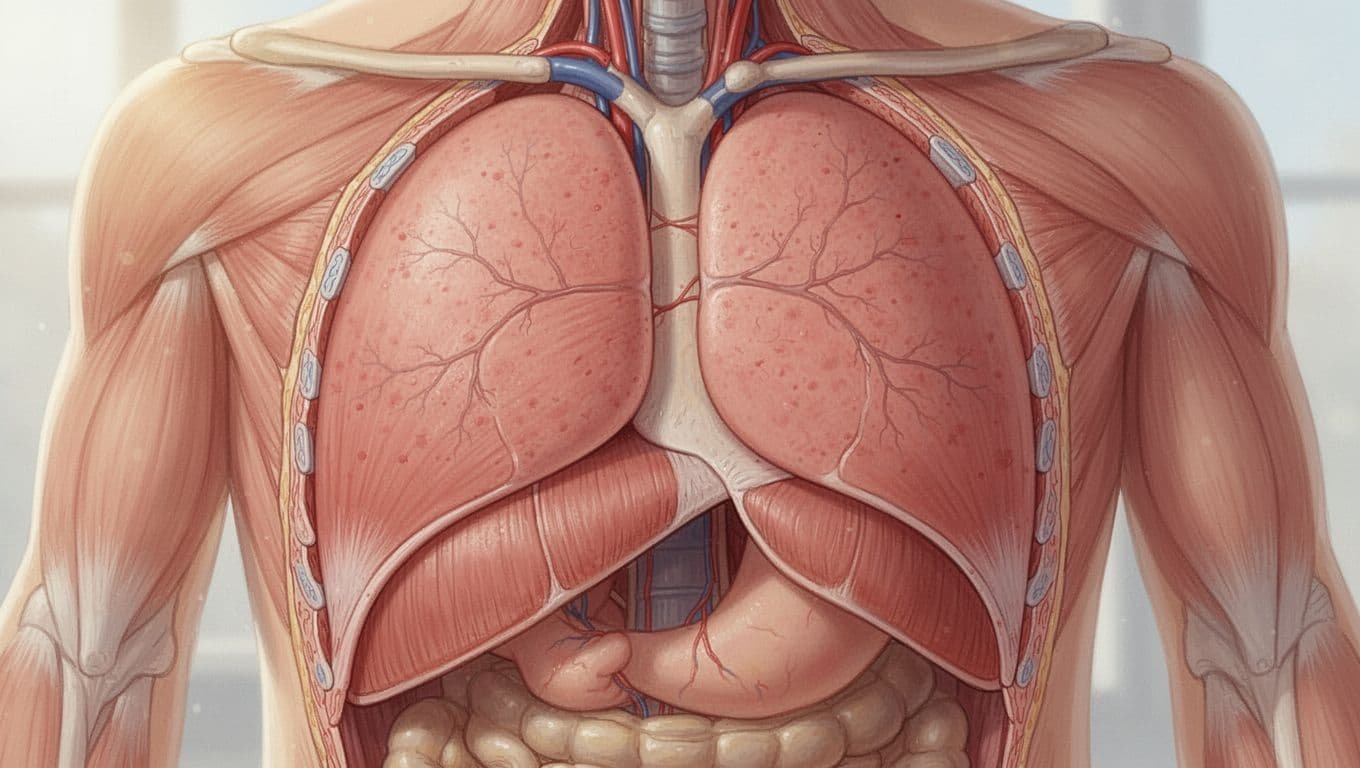
> Most hiccups are a reflex problem, not a sign that something serious is happening.
When hiccups stick around, the cause can be different. Persistent hiccups are sometimes linked to acid reflux (GERD), medication side effects, or irritation of the nerves that control the diaphragm. Less common causes include infection, neurologic problems, metabolic issues, or recovery after surgery.
A clear cause matters because the fix depends on what started the reflex. If the trigger is a full stomach or fizzy soda, simple home remedies often help. If the hiccups keep returning or last longer than expected, the problem may be deeper than a passing irritation. For a closer look at one common trigger, see Mayo Clinic’s overview of hiccups.
Everyday triggers that usually set off short hiccup spells
The most common hiccup triggers are usually harmless and easy to spot. You may notice them after a big meal, a rushed lunch, or a few too many sips of soda.
Common triggers include:
- Overeating: A stretched stomach can press on the diaphragm.
- Fast eating: Quick bites often mean more swallowed air.
- Fizzy drinks: Carbonation adds gas and bloating.
- Gum chewing: It can increase air swallowing.
- Sudden temperature changes: Hot and cold foods may irritate the esophagus.
- Excitement or anxiety: Stress can change breathing and trigger the reflex.
When hiccups can be linked to a health problem
If hiccups last longer than a day or keep coming back, they may point to something beyond an ordinary trigger. GERD is a common cause, because stomach acid can irritate the nerves involved in the hiccup reflex. Certain medications can also bring them on, especially steroids, anesthesia, and some neurologic or pain medicines.
Less common causes include nerve irritation, infection, metabolic problems, surgery, or a condition affecting the brain or chest. That is why stubborn hiccups deserve attention, especially if they come with other symptoms.
Simple home remedies that can stop hiccups
The best way to get rid of hiccups fast at home is to start with simple tricks that change breathing, raise carbon dioxide a bit, or stimulate the vagus nerve. No single remedy works every time, and hiccups often stop on their own, but these methods are safe enough for most people to try first.
A good rule is to move from the easiest options to the more involved ones. Try one method for a short stretch, then switch if the hiccups keep going.

Breathing tricks that may stop the hiccup reflex
Breathing tricks can help reset the rhythm of your diaphragm. They work by changing how you breathe, holding air in the lungs a little longer, or creating pressure that interrupts the hiccup reflex.
Start with a simple breath hold. Take a deep breath, hold it for 10 to 20 seconds, then exhale slowly. If that does not help, try slow diaphragmatic breathing, where you breathe in through your nose and let your belly rise gently instead of taking quick, shallow breaths. That slower pattern can calm the diaphragm.
The Valsalva maneuver is another common option. Close your mouth, pinch your nose, and try to exhale gently as if you were blowing up a balloon. This may stimulate the vagus nerve and shift the pressure in your chest enough to break the hiccup cycle. For a closer look at the technique, Cleveland Clinic explains the Valsalva maneuver.
Breathing into a paper bag is sometimes used for the same reason, because it can raise carbon dioxide levels slightly. Use only a paper bag, and never try this if you feel dizzy, short of breath, or unwell. If breathing already feels difficult, skip this method and choose a safer option.
The goal is to interrupt the reflex, not to strain hard or force anything.
Cold water, sugar, and other simple throat-based remedies
Throat-based remedies may work because they distract the nerves involved in swallowing and breathing. They are easy to try, and many people start here because they take seconds, not minutes.
Sip ice-cold water slowly, one small swallow at a time. Some people find that gargling cold water helps too, since the throat sensation can interrupt the hiccup pattern. Swallowing a teaspoon of sugar is another classic trick. Let it sit on your tongue for a moment before swallowing, because the grainy texture may stimulate nerves in the throat.
A few other common options fit this same idea. A small bite of lemon, a teaspoon of vinegar, or even a spoonful of peanut butter can sometimes help by giving your throat a strong, unusual sensation. These are not guaranteed fixes, but they are practical and easy to test at home.
If you want a quick summary of why these tricks are used, they often work by distracting the reflex pathway or giving the throat and esophagus a new stimulus to respond to. Cleveland Clinic’s hiccup guide also notes that some home remedies may help by stimulating the vagus nerve or shifting carbon dioxide levels.
Body-position tricks that can calm hiccups
A small change in posture can take pressure off the diaphragm and make it easier for the reflex to settle down. These moves are gentle, simple, and safe for most people.
Try bringing your knees up to your chest while sitting or lying down. Hold that position for a few seconds and breathe slowly. Leaning forward, especially while seated, can do something similar by changing the way the diaphragm sits under the lungs.
You can also try a curled, relaxed posture, almost like a soft fetal position. The point is not to squeeze yourself tightly. The point is to ease the muscle tension around the diaphragm so the spasm has less room to keep going.
If one position makes you uncomfortable, stop and choose another. The safest posture trick is the one you can hold without strain.
Small habits that help prevent hiccups from coming back
These habits will not stop a hiccup spell in the moment, but they can lower the odds of another one starting soon after. That matters if hiccups keep showing up after meals or drinks.
Try these prevention habits:
- Eat more slowly so you swallow less air.
- Choose smaller meals if hiccups often follow a heavy plate.
- Cut back on carbonated drinks because fizzy soda can stretch the stomach.
- Limit alcohol if you notice a clear connection.
- Manage stress with steady breathing, a short walk, or a pause before meals.
Small changes often make a bigger difference than people expect. If your hiccups keep returning after meals, the pattern may point to a trigger you can actually control.
What works for hiccups that last longer than a day?
When hiccups last more than 48 hours, they move out of the “annoying but harmless” category. At that point, the goal changes from quick relief to finding the cause and treating it directly. Persistent hiccups can come from reflux, medication side effects, stomach distension, nerve irritation, or a condition that needs medical care.
If you keep hiccupping for a full day or more, don’t just keep repeating home tricks. A medical evaluation matters because the right treatment depends on what’s driving the hiccup reflex in the first place. For a plain-language overview of when hiccups need more attention, the Mayo Clinic treatment guide is a helpful reference.
Treating the cause, not just the symptom
Persistent hiccups often improve only when the trigger is treated. If acid reflux is the problem, a doctor may start reflux medicine so the stomach acid stops irritating the esophagus and nearby nerves. If bloating or trapped gas is the issue, treatment may focus on easing stomach pressure instead.
Medication reactions can matter too. Some medicines can trigger hiccups, so a clinician may review your current prescriptions and decide whether one of them is part of the problem. In that case, changing the medicine, switching it, or treating the side effect may help more than any home remedy.
The key point is simple: if the trigger stays in place, the hiccups often stay too.
Medicines doctors may use for stubborn hiccups
Doctors sometimes use prescription medicines when hiccups don’t stop on their own. The exact choice depends on your health history, other medicines you take, and what seems to be causing the hiccups.
Common examples include:
- Baclofen, which can calm the hiccup reflex in some people
- Gabapentin, which is sometimes used when nerve irritation may be involved
- Chlorpromazine, one of the better-known prescription options for persistent hiccups
- Metoclopramide, which may help when reflux or slowed stomach emptying is part of the problem
- Reflux medicines, such as acid reducers, when GERD appears to be the driver
These medicines can help, but they should only be used under medical guidance. They can cause side effects, and the wrong choice can make another problem worse. The Cleveland Clinic hiccups overview also notes that persistent hiccups may need medication if home care does not work.

When specialists or procedures may be needed
If the cause isn’t clear, or the hiccups still do not improve, a specialist may need to step in. A gastroenterologist may look for reflux, bloating, or other digestive causes. A neurologist may help if the hiccups seem tied to the brain, nerves, or another neurologic issue.
In rare cases, doctors may consider less common treatments such as nerve-focused approaches, acupuncture, or other procedures for stubborn symptoms. Those options are usually reserved for people whose hiccups keep coming back or do not respond to standard treatment. At that stage, the workup matters as much as the treatment, because the best fix depends on finding the real source.
When hiccups are a warning sign
Most hiccups are harmless and pass on their own, but some hiccups are a signal to stop trying home remedies and get medical help. The bigger concern is not the hiccup itself, but what comes with it. If your body is sending other warning signs, pay attention.
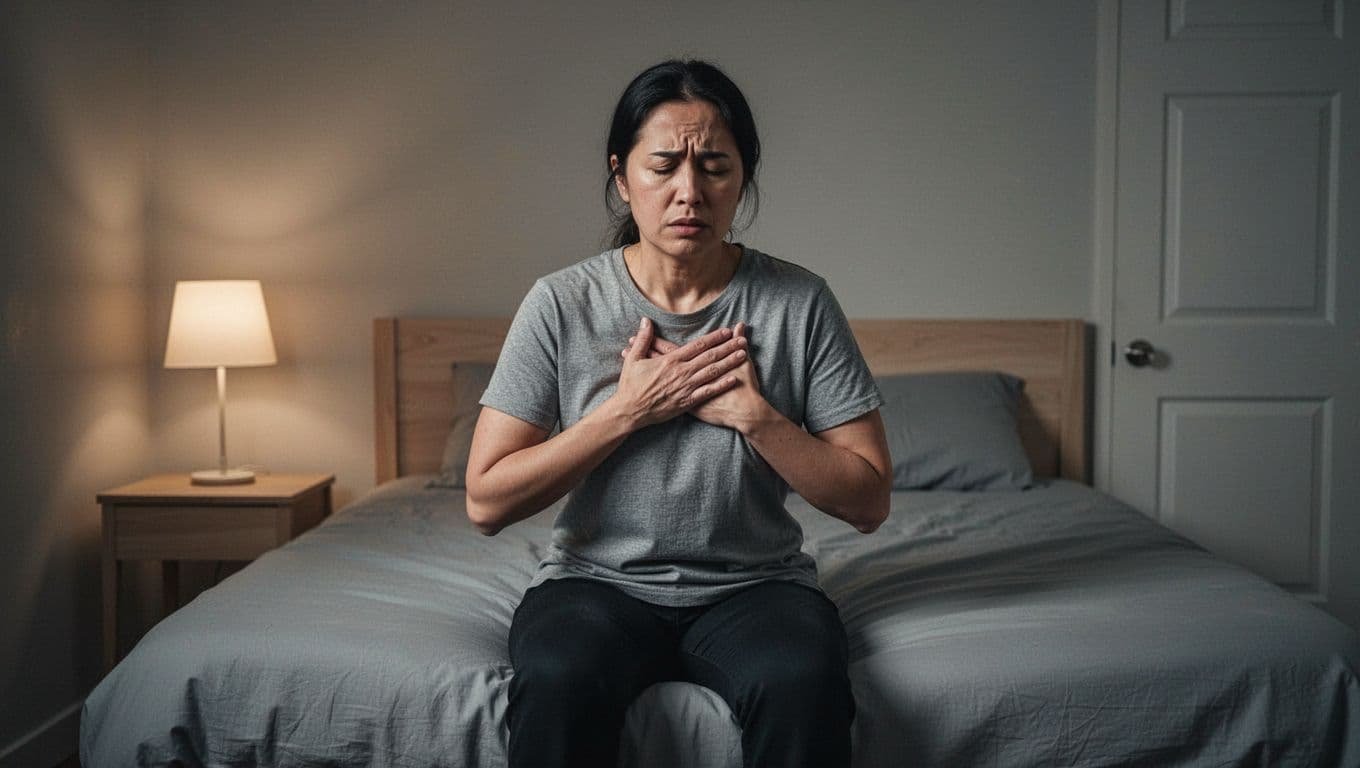
Symptoms that need medical care now
Get urgent care right away if hiccups come with breathing trouble, chest pain, or a feeling that something is seriously wrong. Sudden weakness, confusion, trouble speaking, or one-sided numbness can point to a stroke or another neurologic problem, and those symptoms need immediate help.
Other red flags include:
- Hiccups lasting more than 48 hours
- Severe pain in the chest, back, or abdomen
- Vomiting that keeps you from keeping fluids down
- Trouble swallowing or choking on food or drink
- Fever with ongoing hiccups
- Unexplained weight loss
- Shortness of breath or shallow breathing
If hiccups come with chest pain, breathing changes, or stroke-like symptoms, don’t wait to see if they fade.
If you are unsure whether your symptoms are serious, treat them as serious and get checked. The warning signs your body needs urgent attention matter more than the hiccups themselves.
Who to call first and what to expect
A primary care doctor is often the best first call if the hiccups keep coming back, last longer than a day or two, or interrupt sleep and meals. If you can’t get in quickly, urgent care may be a better option, especially if the hiccups are persistent and bothering you more each hour.
The doctor will usually ask simple questions about what happened before the hiccups started. Be ready to talk about food, carbonated drinks, alcohol, stress, reflux symptoms, medicine use, and how long the hiccups have lasted. That history helps narrow down the cause fast.
In many cases, the pattern points to something common, like reflux or a medication side effect. If the story doesn’t fit a simple trigger, the doctor may look deeper. Merck Manual notes that hiccups lasting more than a couple of days should be evaluated, especially if warning signs are present, and it also helps to know what made them start in the first place, including reflux, alcohol, or medication use.
Conclusion
Most hiccups are short-lived, so the best approach is simple: start with safe home remedies, then try a few breathing tricks, cold water, or a spoonful of sugar to interrupt the reflex. A small change in posture can help too, especially if the hiccups started after eating too fast or drinking something fizzy.
If hiccups last longer than 48 hours, keep coming back, or show up with chest pain, breathing trouble, or other warning signs, get medical help. That is when the cause matters more than the symptom itself.
For most people, hiccups are annoying but harmless, and they pass without much trouble.
Save the pin for later

- Healthy Air Fryer Recipes for Beginners - 21/09/2026
- Healthy Snacks for Late Night Cravings - 21/09/2026
- High Protein Meal Prep Ideas for Easy Weekly Meals - 21/09/2026

