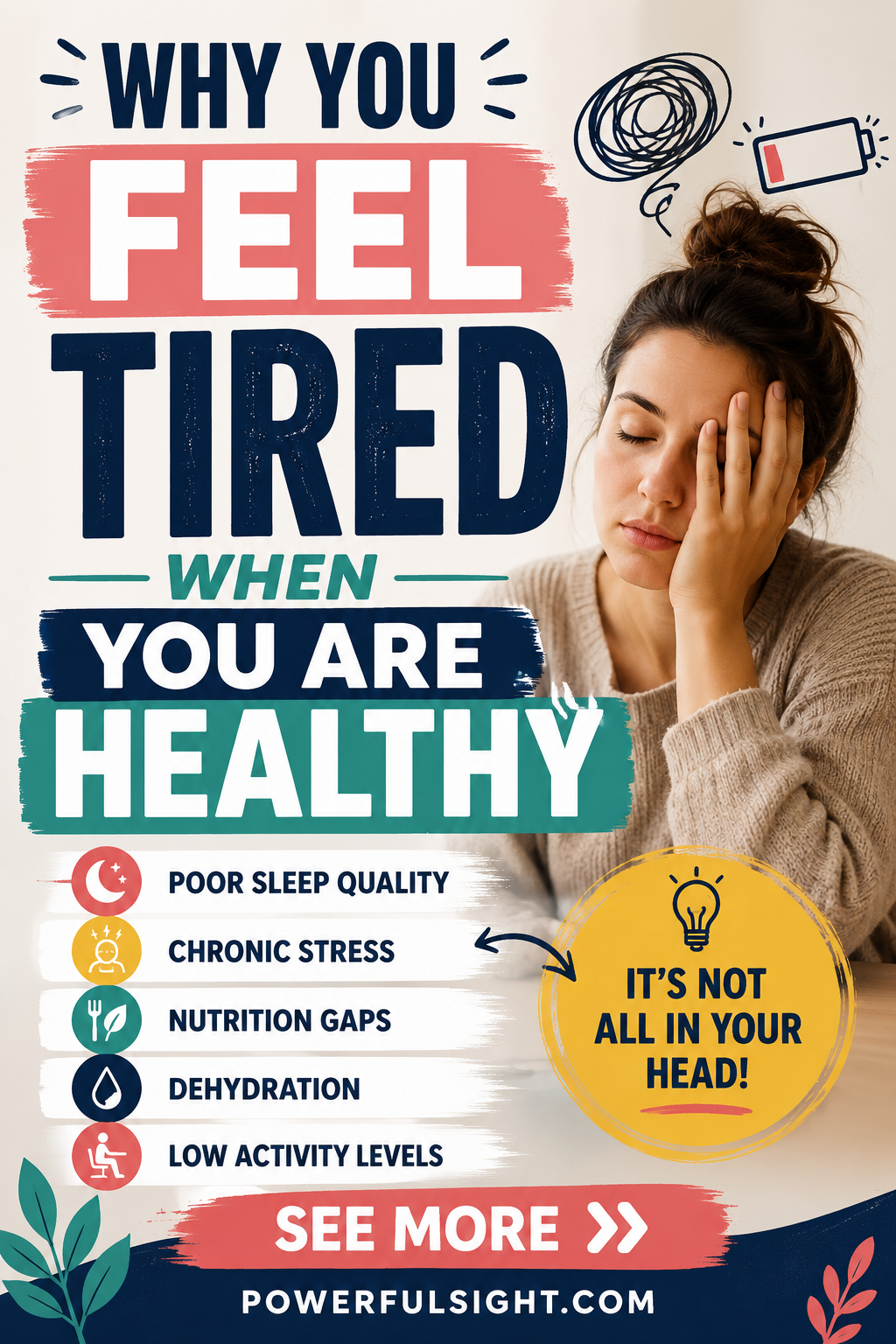
It is frustrating to wake up after a full night of rest only to feel like you haven’t slept at all. You eat well and exercise, yet your body still signals that it’s running on empty. You aren’t alone in this experience, as constant exhaustion is a common complaint even among those who appear perfectly healthy.
This fatigue often stems from subtle lifestyle imbalances rather than a hidden medical condition. Your body is likely reacting to your daily routines, stress levels, or even small gaps in your nutrition.
The Hidden Culprits Behind Your Daily Fatigue
Often, the reason you feel drained isn’t a complex mystery. Instead, it is usually a collection of small, everyday choices that accumulate over time. When your habits don’t align with your body’s needs, exhaustion becomes the default state. Recognizing these patterns is the essential first step in learning how to beat fatigue.

Is Your Sleep Quality Actually Meeting Your Needs?
Many people assume that spending eight hours in bed equates to eight hours of restorative sleep. Unfortunately, your body doesn’t work like a simple clock. You might be physically in bed, but if your environment or habits prevent you from reaching deep, restorative sleep stages, you will still wake up feeling like you haven’t rested.
Screen time is a primary offender. The blue light emitted by phones and computers suppresses melatonin, the hormone your body requires to signal that it is time to sleep. Beyond the light, your brain remains engaged and alert when scrolling or messaging, making it difficult to shift into a calm state. If you find yourself checking notifications right up until you close your eyes, your mind stays in a state of high arousal long after your head hits the pillow.
Your bedroom environment matters just as much as your pre-sleep habits. A room that is too warm, noisy, or bright disrupts the body’s internal thermostat and keeps your senses on edge. To improve your sleep quality, consider these adjustments:
- Create a sanctuary: Keep your bedroom dark, quiet, and cool to help your nervous system settle.
- Establish a buffer zone: Put away all digital devices at least an hour before you plan to sleep.
- Maintain consistency: Go to bed and wake up at the same time every day, even on weekends, to stabilize your internal clock.
How Nutrition and Hydration Impact Energy Levels
What you consume throughout the day dictates the rhythm of your energy. Relying on high-sugar snacks or processed foods creates a classic energy rollercoaster. Your blood sugar spikes quickly, providing a brief burst of alertness, only to crash soon after. This cycle leaves you reaching for more caffeine or sugar to bridge the gap, which creates a cycle of dependency and fatigue. You can stabilize your energy by focusing on steady, consistent healthy eating for energy.
Hydration is just as important yet frequently overlooked. Even mild dehydration can slow your metabolism and dampen your cognitive function. When you do not drink enough water, your blood volume drops, which forces your heart to work harder to pump oxygen to your muscles and brain. You might notice this as a mid-afternoon slump or a vague sense of sluggishness that refuses to go away.
| Hydration Habit | Potential Impact on Energy |
|---|---|
| Drinking water regularly | Sustained mental clarity and physical stamina |
| Relying on sugary sodas | Temporary energy spike followed by a sharp crash |
| Ignoring thirst cues | Increased irritability and physical lethargy |
You don’t need fancy supplements or complex diets to fix these imbalances. Simply swapping sugary snacks for whole foods and keeping a water bottle nearby can make a noticeable difference in how you feel. By attending to these fundamental needs, you provide your body with the fuel it needs to function at its best.
Managing Your Physical and Mental Energy Daily
Maintaining consistent energy requires you to view your body as a system that thrives on rhythm rather than brute force. Many people mistake constant busyness for productivity, but your energy levels are finite resources that require deliberate management. When you fail to respect your limits, your body will eventually force a shutdown to protect itself from exhaustion. Finding the right cadence between movement, rest, and mental demands is the primary key to feeling vibrant throughout your day.

Finding the Right Balance with Exercise
Exercise is a paradox because it costs energy in the moment but produces more of it in the long run. If you find yourself perpetually drained, you might be trapped in a cycle of either sedentary behavior or overtraining. A body that stays still for too long becomes stiff and sluggish, while a body pushed to its limits without recovery stays in a state of chronic inflammation.
Healthy activity works by increasing your cardiovascular efficiency and boosting dopamine levels. You don’t need a high-intensity routine to reap these rewards; in fact, aggressive exercise can often deplete your reserves if you are already fatigued. Aim for movement that challenges your muscles without leaving you feeling completely hollow afterward. As noted in guidance on natural energy boosters, finding a sustainable pace is essential for long-term health.
Consider these habits to energize your body:
- Prioritize movement variety: Mix walking, stretching, or light resistance training to keep your system engaged without overtaxing specific muscle groups.
- Time your intensity: Schedule your most strenuous physical activities earlier in the day to avoid disrupting your sleep patterns at night.
- Embrace active recovery: Use days between intense workouts for gentle activities like casual cycling or mobility work to keep blood flowing without stress.
The Role of Stress in Your Energy Levels
Your mental load affects your physical capacity more than you might realize. When your brain is constantly processing high-pressure tasks or worrying about the future, it consumes a massive amount of glucose and oxygen. This process leaves less fuel for your physical needs, which is why a stressful day at work often leaves you feeling as tired as if you had run a marathon.
Preventing burnout requires you to treat your mental focus as a battery that needs recharging. When stress markers rise, your body releases hormones that keep you in a state of high arousal, making true rest nearly impossible. To regain control, you must integrate self-help tips to fight tiredness into your daily routine to lower the internal noise.
These practices can help you mitigate the drain of daily pressures:
- Schedule micro-breaks: Step away from your workspace every ninety minutes to reset your attention, even if only for five minutes of silence.
- Practice intentional stillness: Set aside time each evening for low-stimulation activities like reading or gentle breathing, which help transition your nervous system from alert to calm.
- Simplify your decision-making: Automate routine parts of your life to reduce the daily mental tax, which leaves you more energy for high-priority tasks.
By identifying the stressors that drain your reserves most rapidly, you can better manage your day. Recovery is not a luxury; it is a necessary part of the cycle that allows you to show up with full capacity tomorrow. As detailed in Harvard Health’s energy research, managing these responses effectively creates a more sustainable foundation for daily life.
Taking Control of Your Well Being
Feeling tired is often your body sending a clear signal that it needs an adjustment. Instead of viewing fatigue as a personal failure or a mysterious ailment, treat it as important feedback. Your daily habits are a form of communication with your biology, and you hold the power to shift how you feel. By making small, intentional changes, you move toward a state of better health. These adjustments are positive steps that improve your overall quality of life.

Building Sustainable Daily Habits
True change begins with the routines you maintain every single day. Focus on consistency rather than perfection when you try to improve your energy. When you create predictable patterns, you help your body regulate its internal systems more effectively. You can easily incorporate these wellness tips into your existing schedule to build a stronger foundation.
- Prioritize natural light: Step outside for a few minutes each morning to signal your brain that the day has started.
- Segment your tasks: Focus on one activity at a time to prevent the mental fatigue that often follows multitasking.
- Practice intentional rest: Schedule short, deliberate breaks throughout your workday to let your mind and body reset.
These small shifts build momentum over time. For more structured advice on how to improve your outlook and manage life’s challenges, see the guidance on how to be happier.
Developing a Proactive Mindset
Your mental approach to health is just as important as your physical actions. When you feel overwhelmed, try to set clear goals and identify your top priorities for the day. You do not need to do everything at once. Learning to say no to non-essential tasks protects your time and energy for what matters most.
If you find yourself stuck or struggling with persistent stress, there are evidence-based methods to help you regain your footing. Resources such as the Harvard Health self-care guide provide practical steps for building a life that feels more balanced. Additionally, if negative thought patterns weigh you down, look into the mental health care tips provided by the National Institute of Mental Health.
Taking control is not about finding a quick fix. It is about committing to a way of living that honors your body’s needs. As you refine your habits, you will notice that your baseline energy levels become more stable and your daily experience feels lighter. Trust the process, start with one small change, and pay attention to how your body responds to your care.
Conclusion
Persistent fatigue often results from subtle imbalances in your daily rhythm rather than significant health issues. Small shifts in your nutrition, activity, and rest patterns allow you to reclaim your vitality over time.
Remember that consistency matters more than perfection. Even minor adjustments to your routine create a lasting impact on how you feel. You should look into better sleep for more energy as you continue to build a sustainable path toward feeling vibrant every day.
Save pin for later

- Healthy Air Fryer Recipes for Beginners - 21/09/2026
- Healthy Snacks for Late Night Cravings - 21/09/2026
- High Protein Meal Prep Ideas for Easy Weekly Meals - 21/09/2026

