It is a common goal to slim down your midsection, but there is no magic pill that melts away unwanted weight overnight. While no single food can target fat loss specifically, choosing the right items provides the natural support your body needs to reach its goals.
Understanding your body is key to long-term success. Belly fat is not just about appearance; excess visceral fat, which sits deep around your organs, carries real risks for heart disease and type 2 diabetes. If you are looking to manage this, learning simple steps to healthy eating is the best place to begin.
You can find more guidance on how to integrate these habits in this video on eating for weight loss. Let us look at the specific foods that help you feel full, manage your energy, and support a healthier waistline.
Protein Powerhouses for Lasting Fullness
Eating more protein is a simple strategy to regulate your appetite and support a healthier waistline. Protein is the most satiating macronutrient, which means it helps you feel satisfied for longer after a meal. This occurs because protein alters the levels of hunger-regulating hormones in your body. Furthermore, your body burns more energy to digest protein than it does for fats or carbohydrates. This process, known as the thermic effect of food, means you essentially use more calories just by choosing protein-rich options.
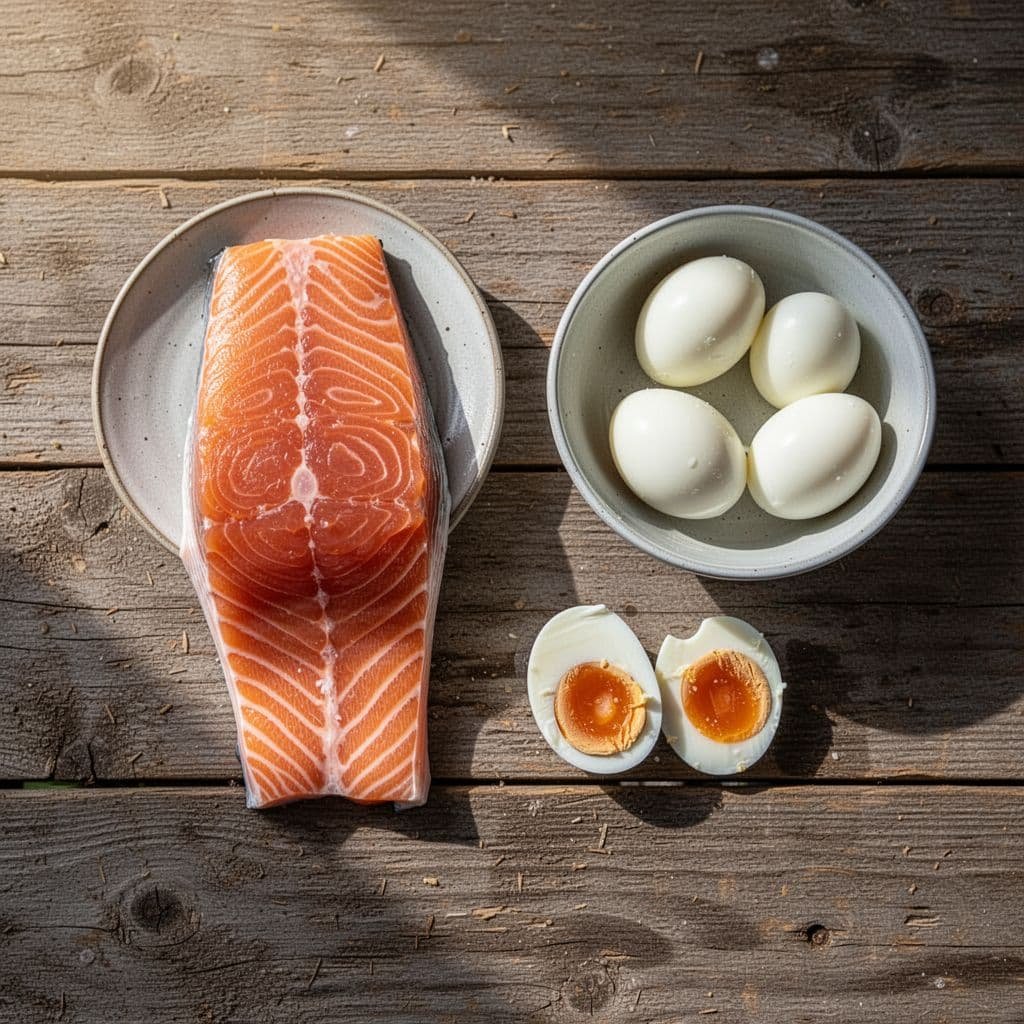
Why Fatty Fish is a Top Choice
Fatty fish such as salmon and mackerel are excellent staples for anyone aiming to reduce stubborn belly fat. They are rich in omega-3 fatty acids, which play a role in managing body composition and inflammation. Unlike saturated fats, these healthy fats support metabolic health and may help your body regulate fat storage more effectively.
Research indicates that these fatty acids might support weight management efforts by influencing how your body processes energy. Because chronic inflammation is often linked to the accumulation of visceral fat, adding these anti-inflammatory foods to your plate is a smart move. They do not just provide high-quality protein for muscle maintenance; they also supply the essential nutrients your system needs to function at its best. If you want to refine your approach, consider achieving a balanced approach to nutrition rather than focusing on restrictive dieting.
Eggs and Dairy for Hunger Control
Eggs and Greek yogurt serve as highly effective tools for managing your hunger throughout the day. Eggs are a classic, versatile protein source that helps stabilize your blood sugar levels. By starting your morning with eggs, you can avoid the mid-morning snack urge that often leads to mindless eating.
Greek yogurt provides a thick, protein-dense snack that occupies your stomach and keeps hunger signals quiet for hours. If you need simple inspiration, there are many nutrient-dense foods recommended by doctors that fit easily into your existing routine. You can mix these foods into your diet without much effort:
- Breakfast: Scramble two eggs with spinach to add fiber and volume.
- Snack: Choose plain Greek yogurt and top it with a few berries for a satisfying treat.
- Lunch: Add sliced hard-boiled eggs to a large salad for an instant protein boost.
Choosing these foods is not about perfection, but about making consistent, small upgrades that make you feel full and energized. When you focus on satiating, whole ingredients, you naturally reduce the need for constant snacking throughout the day.
Fiber Rich Foods That Keep You Slim
Fiber acts as a natural tool for appetite management. It fills your stomach without adding a high calorie load, which signals your brain that you are satisfied after a meal. By slowing down the rate at which food leaves your stomach, fiber keeps you full for hours. This reduction in hunger naturally lowers the amount of calories you consume throughout the day, making it easier to maintain a calorie deficit without feeling deprived.
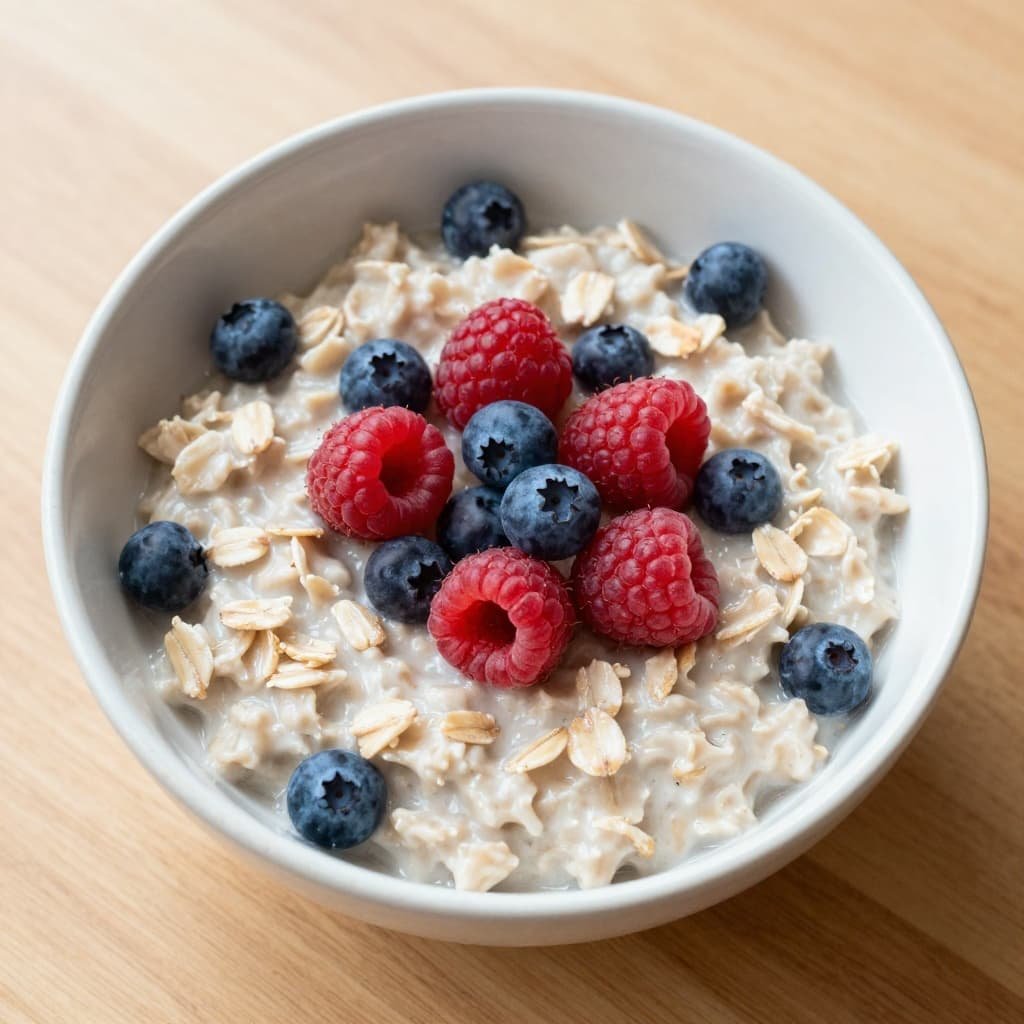
The Benefits of Oats and Legumes
Oats, beans, and lentils are packed with soluble fiber, which is your best friend when you want to manage your weight. When soluble fiber hits your stomach, it absorbs water and forms a thick gel. This gel slows down your digestion process, which creates a steady release of energy rather than a sharp spike in blood sugar. Because your glucose levels stay stable, you avoid the sudden crashes that usually trigger intense cravings for sugary snacks.
Research indicates that this specific type of fiber supports metabolic health by improving how your body processes energy. You can find more about the effects of isolated soluble fiber supplementation on body weight and fat reduction in clinical reviews. Choosing these ingredients is a simple way to influence your hunger hormones, specifically by keeping fullness signals active for longer periods.
Incorporating these foods into your routine is straightforward and does not require major dietary overhauls:
- Oats: A warm bowl of oatmeal at the start of your day provides a slow-burning fuel source that keeps your energy levels consistent until lunch. You can explore healthy high fiber breakfast ideas to see how oats fit into a balanced morning.
- Beans and Lentils: These are versatile additions to soups, stews, or salads that add bulk and fiber to your main meals. Using these staples in your cooking is one of the filling high fiber meals to support weight management that actually leave you satisfied.
Focusing on these fiber-rich staples helps you stay in control of your portions naturally. When you choose foods that work with your body’s hunger signals, you stop fighting against your cravings and start fueling your health with intent.
Vegetables and Fruits for Natural Volume
One of the most effective ways to manage your weight is by adopting a strategy focused on food volume. When you choose foods that are naturally high in water and fiber, you can eat larger portions without consuming an excessive number of calories. This approach, often called volume eating, keeps you physically satisfied while your body works to shed excess fat. By filling your plate with low-energy-density items, you reduce the physical urge to overeat throughout the day. You can learn more about how feeling full on fewer calories helps simplify your weight loss journey.
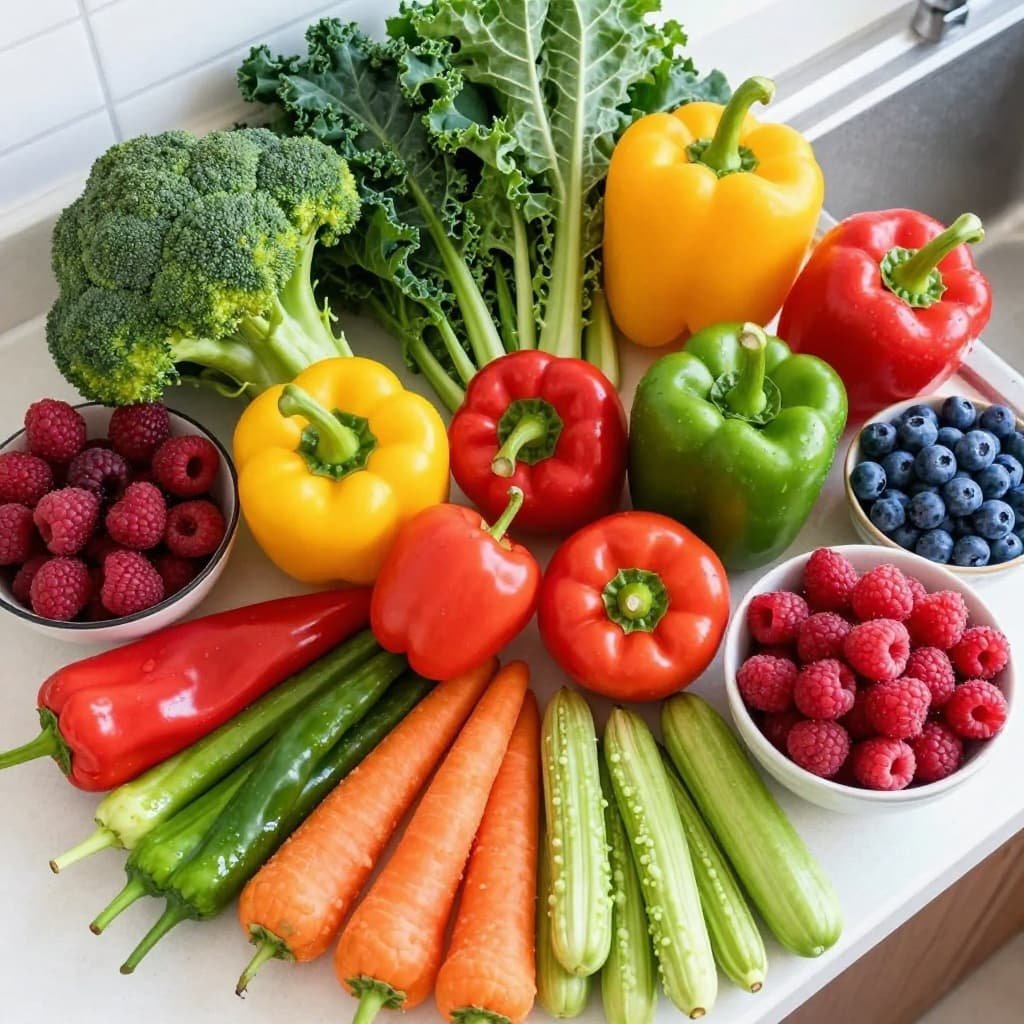
Adding More Greens and Berries to Your Plate
Leafy greens, cruciferous vegetables, and berries are your best allies when you want to increase volume. Vegetables like kale, spinach, broccoli, and cauliflower are dense in essential nutrients but low in calories. They add bulk to your meals, ensuring your stomach feels full after every sitting. If you struggle with portion control, these ingredients provide a reliable way to expand your meal size without sabotaging your progress.
Berries are equally powerful for managing your sweet tooth. They offer high levels of fiber and antioxidants compared to processed snacks. Instead of reaching for a refined sugar alternative, a handful of blueberries or raspberries provides a satisfying texture and natural sweetness. Because these items are so nutrient-dense, they help keep your energy stable and prevent the sharp blood sugar spikes that often lead to fat storage.
You do not need to overhaul your entire kitchen to start seeing results. Focus on small, actionable changes that build over time. You might find it helpful to look at different tips for making healthy habits stick as you adjust your grocery list. Consider these simple ways to increase volume at every meal:
- Add a large handful of spinach or kale to your morning smoothie or eggs.
- Swap half the pasta in a dish for roasted zucchini or steamed broccoli.
- Keep washed berries in the fridge for a quick snack that replaces processed crackers.
- Fill half your dinner plate with raw or roasted vegetables before adding your protein.
This lifestyle change is not about restriction; it is about abundance. By prioritizing these natural foods, you ensure your body receives the vitamins it needs while you naturally reduce your calorie intake. Over time, these daily habits that support your weight loss journey become second nature. You will likely notice that your cravings diminish when your body feels consistently nourished. For a deeper understanding of how these choices impact your health, see the benefits of volume eating and how it fits into a balanced lifestyle.
Smart Fats and Hydration Habits
Many people fear dietary fat, but avoiding it entirely often backfires. Your body requires fat for essential functions, including hormone production and vitamin absorption. The problem is not fat itself, but the type of fat you choose. Replacing processed or saturated fats with healthy alternatives is a proven strategy to keep your hunger in check and support a trimmer midsection.
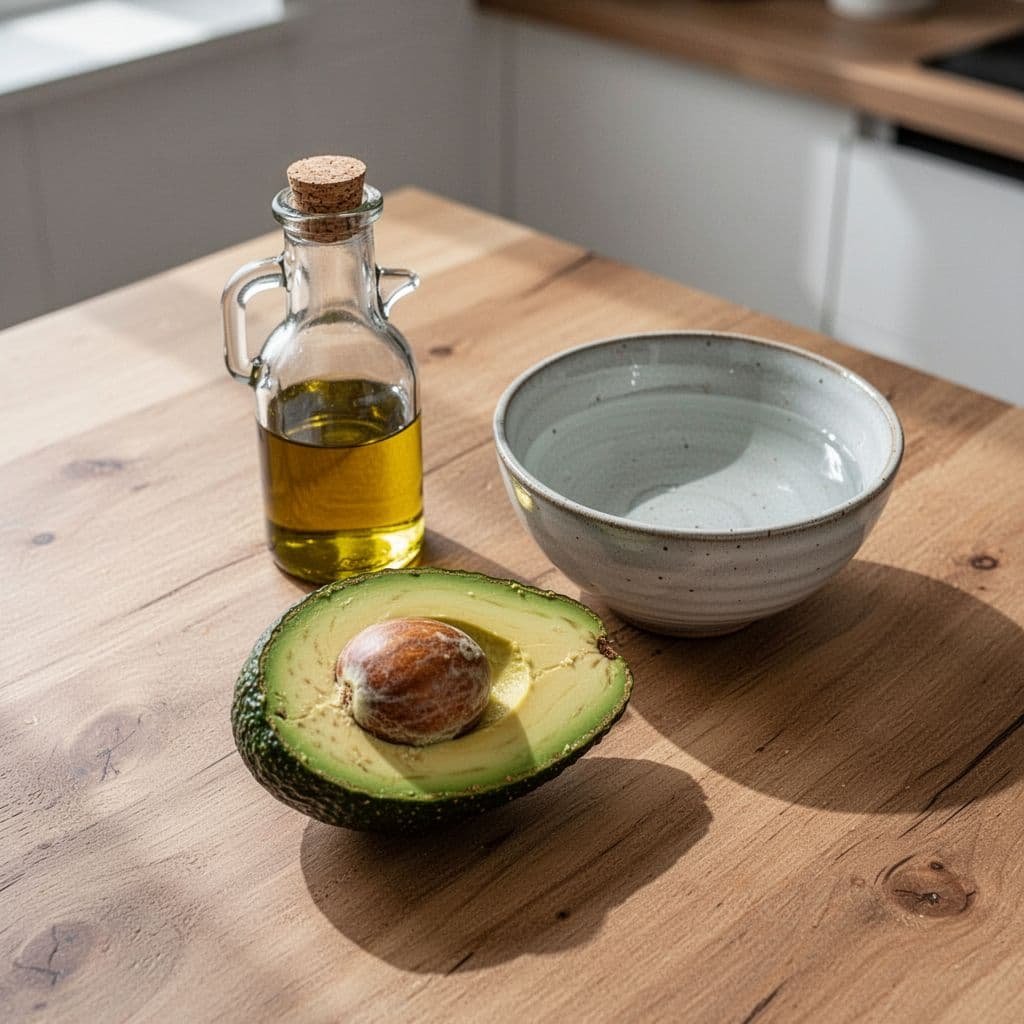
Why Healthy Fats are Essential
Not all fats are created equal. Trans fats and excessive saturated fats trigger inflammation, which can make your body more likely to store fat around your organs. In contrast, monounsaturated and polyunsaturated fats found in whole foods help your metabolism stay flexible.
Avocados are a fantastic source of these healthy fats. Beyond the fat content, they are loaded with fiber. This combination keeps you full for hours, preventing the energy dips that typically send people reaching for sugary snacks. Similarly, extra virgin olive oil provides healthy fats that reduce inflammation. You can read more about how choosing healthy fats versus saturated fats helps you feel full on fewer calories. Just remember that fat is calorie-dense. A little goes a long way toward satisfaction, so enjoy it in moderate amounts to see the best results.
The Power of Proper Hydration
Water is the most overlooked component of any weight loss plan. Your body often confuses thirst signals with hunger cues, leading to unnecessary snacking throughout the day. Staying hydrated ensures your metabolic processes run smoothly. In fact, dehydration makes it much harder for your body to break down fat for fuel.
Focusing on water-rich foods is a smart hack to increase your intake without feeling like you are constantly drinking liquids. Vegetables like cucumbers, celery, and zucchini are mostly water, providing volume and hydration simultaneously. If you want to refine your habits, finding essential morning routines for wellness often starts with a simple glass of water before your first meal. Drinking water before meals can also help you manage your portion sizes, as it naturally occupies space in your stomach and encourages a fuller feeling during dinner. When you are well-hydrated, you improve your overall exercise capacity, which is another factor that supports long-term fat loss. You can find more detail on how increased hydration is associated with weight loss in recent clinical studies. Make it a goal to prioritize these simple habits, as they serve as the foundation for a more energized, leaner version of yourself.
Building a Sustainable Plate for Long Term Success
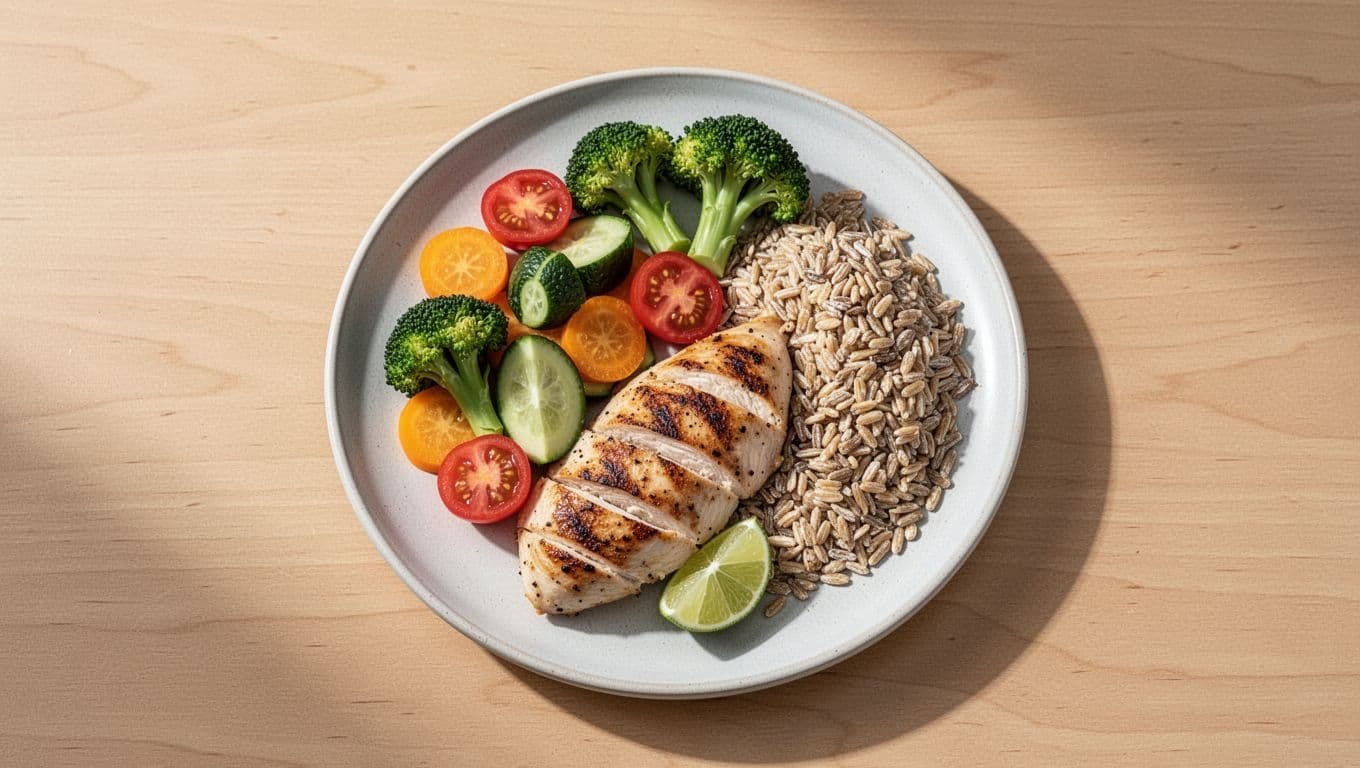
Long-term success relies on how you structure your meals each day. You don’t need complicated calorie tracking or restrictive rules to see results. Instead, focus on a simple visual guide that ensures your body gets the right balance of nutrients.
The Balanced Plate Strategy
The easiest way to build a healthy meal is to divide your plate into clear portions. This method provides the right amount of volume and fuel without you needing to obsess over every single calorie. You can find detailed visual examples of this in the Harvard Healthy Eating Plate guide.
- Fill half your plate with vegetables: Choose non-starchy options like broccoli, leafy greens, or peppers. These add significant volume and fiber, which helps you stay full for hours.
- Dedicate one quarter to protein: Lean sources like chicken, fish, tofu, or beans provide the building blocks your body needs to maintain muscle mass.
- Use one quarter for healthy carbohydrates: Pick whole grains such as brown rice, quinoa, or starchy vegetables like sweet potatoes. These offer steady energy rather than the rapid spikes caused by refined options.
By keeping these proportions consistent, you naturally regulate your intake while ensuring you get the vitamins and minerals necessary for your metabolic health. Consistency is the primary factor that helps you develop healthy eating habits over time.
Avoiding Ultra-Processed Pitfalls
Focusing on whole foods is only half the battle. You must also watch out for ultra-processed items and hidden sugars. These foods are engineered for taste, yet they lack the fiber and nutrients required to keep you satisfied. They often lead to a cycle of hunger and overeating because they spike your blood sugar rapidly, only to let it crash soon after.
Read labels carefully before you buy packaged goods. Manufacturers often hide sugar under names like high-fructose corn syrup, dextrose, or cane juice. If you see sugar listed near the top of the ingredients, that item is likely working against your goals. Focus on fresh or minimally processed options to avoid these traps.
Whenever you find yourself tempted by highly engineered snacks, look for a whole-food alternative. Swapping a sugary granola bar for a piece of fruit or a handful of nuts is a simple shift that pays off. Choosing real ingredients allows you to stay in control of your energy levels throughout the day. It makes your path to a trimmer midsection feel like a natural choice rather than a constant, difficult struggle.
Final Thoughts
Achieving a trimmer waistline is not about finding a magic food or starting an extreme diet. It is about choosing whole, satiating ingredients that keep you satisfied while fueling your body well. By prioritizing protein, fiber, and healthy fats, you naturally support your metabolism without the stress of constant restriction.
Consistency is more powerful than any short-term fix. Instead of worrying about perfection, focus on making small, manageable changes that you can maintain for months or years. If you stumble, just return to your routine at the next meal. Adopting these simple strategies to trim waistline fat helps you reach your goals in a way that feels natural and sustainable.
save pin for later


- Healthy Air Fryer Recipes for Beginners - 21/09/2026
- Healthy Snacks for Late Night Cravings - 21/09/2026
- High Protein Meal Prep Ideas for Easy Weekly Meals - 21/09/2026

