Few dinners hit the table as fast and as warmly as baked ziti with Italian sausage. It’s hearty, easy to make, and perfect for family dinners, potlucks, and leftovers that taste even better the next day.
When you want comfort food without a long prep list, this dish delivers rich sauce, tender pasta, and plenty of melty cheese in every bite. The sausage adds bold flavor, so you don’t need a lot of fuss to make it taste like a special meal.
Keep reading for the best ingredients, simple steps, smart swaps, and the small touches that make it taste rich and cheesy without making it complicated.
Why baked ziti with Italian sausage works so well
Baked ziti with Italian sausage has the kind of balance that keeps people coming back for seconds. It hits salty, savory, creamy, and bright all at once, so every bite feels complete without much effort. That mix also makes it a strong choice when you need dinner to please a crowd.
The flavor balance that makes every bite satisfying
Italian sausage brings a lot to the pan right away. It adds salt, spice, and richness, so the dish tastes bold instead of flat. The tomato sauce cuts through that richness with acidity and brightness, while the cheese softens everything with a creamy, melty finish.
That contrast is what makes baked ziti feel so good on the plate. The pasta picks up sauce in every curve and bite, but it still stays light enough to eat comfortably. You get a hearty meal without the heavy, sticky feel that some baked pastas can have.
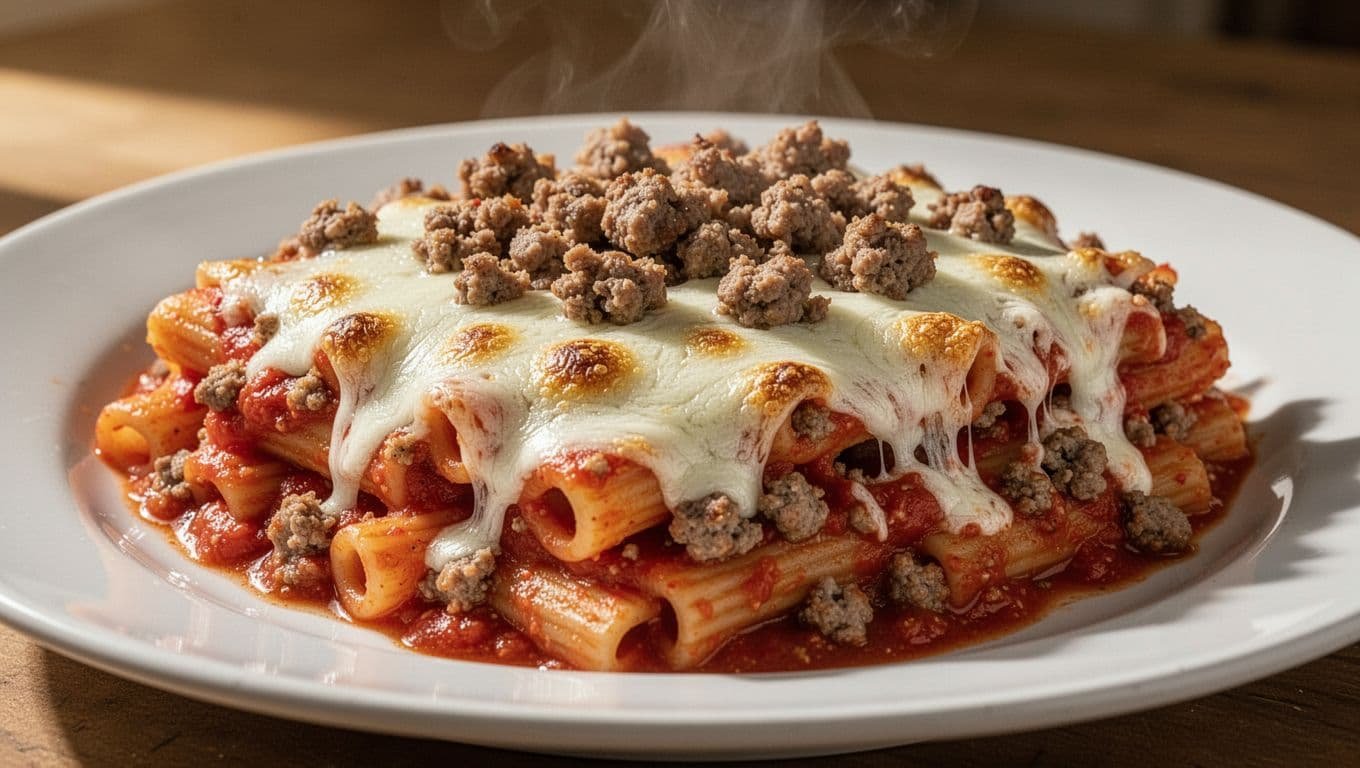
The texture matters just as much as the taste. Tender ziti, saucy sausage, and stretchy cheese create a forkful that feels rich but still balanced. That is why it lands so well as classic Italian-American comfort food, with broad appeal for both kids and adults.
Why it is a smart make-ahead meal
Baked ziti with Italian sausage is also practical, which is a big part of its appeal. You can assemble it ahead of time, keep it in the fridge, then bake it when you are ready. It reheats well too, so it fits busy weeknights, relaxed weekends, and meal prep with the same ease.
This is the kind of dish that works when plans change. If guests show up, dinner is already half done. If you need a few lunches lined up, leftovers hold up nicely and taste even better the next day as the flavors settle together.
For a busy home cook, that convenience matters as much as the flavor. A pan of baked ziti feels generous, comforting, and dependable, which is exactly why it shows up so often for family dinners and feeding a crowd.
Choosing the best ingredients for the richest result
The richest baked ziti starts with simple ingredients that pull their weight. You do not need a long shopping list, but you do need the right balance of pasta, sausage, sauce, and cheese.
Ingredient quality matters more than complexity here. A good jarred marinara, flavorful sausage, and the right cheese mix can give you a bake that tastes layered and full without extra work.
Pick the right pasta shape and cook it just enough
Ziti is the classic choice because its smooth tubes hold sauce well and bake into tidy, hearty bites. That said, penne and rigatoni also work well, especially if ziti is hard to find. Their ridges catch more sauce, which helps every forkful taste loaded and rich.
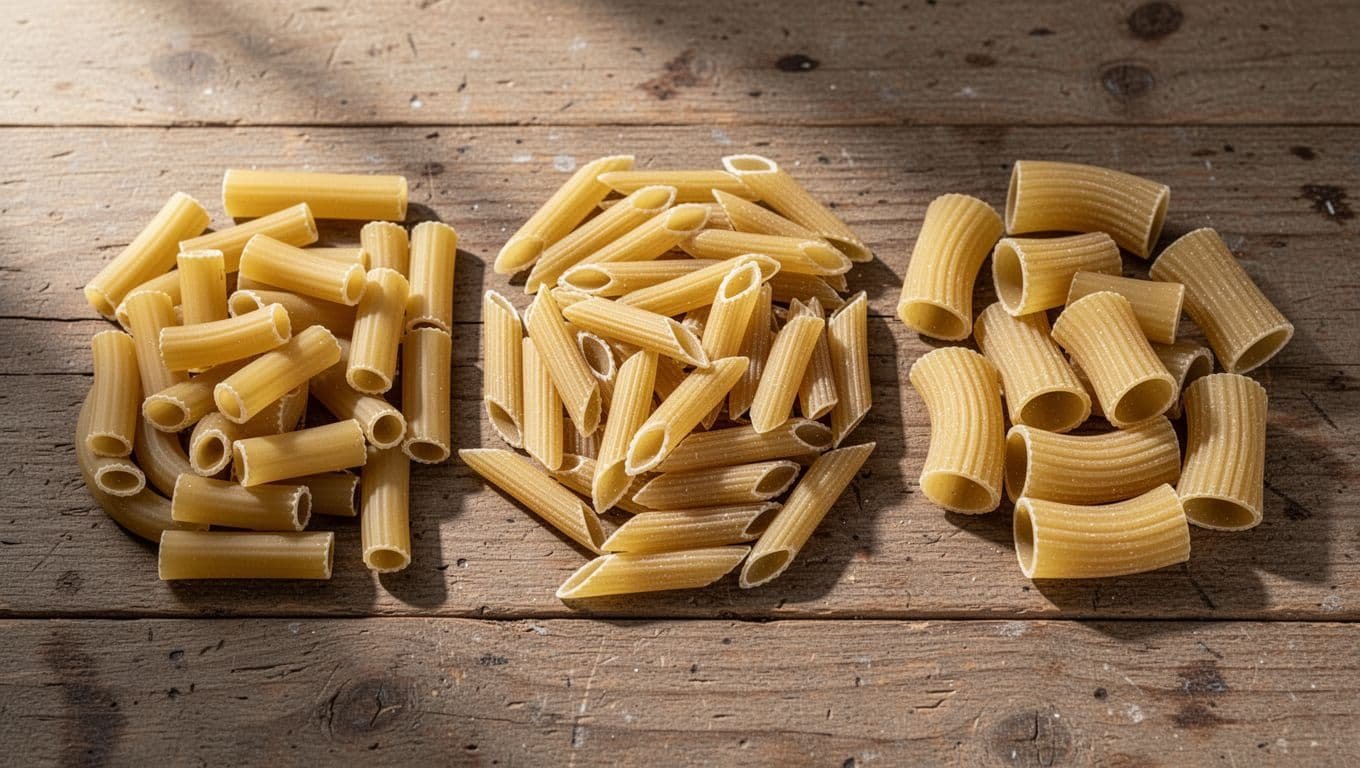
The real trick is to stop cooking the pasta at al dente. It will keep cooking in the oven, so starting a little firm gives you the best final texture. If you cook it too long on the stove, it can turn soft or mushy after baking.
That small detail makes a big difference. You want pasta that still has a little bite, because it needs to hold its shape under the sauce and cheese.
Choose a sausage that matches your taste
Italian sausage brings most of the deep flavor to this dish, so choose one that fits your crowd. Mild sausage gives you a classic, savory flavor without much heat. Sweet sausage adds a softer, slightly sweeter note that works well with rich tomato sauce. Hot sausage brings more kick and gives the whole bake a bolder edge.
If you want the final dish to taste richer and a little more lively, spicy sausage is a smart move. It adds warmth without needing extra seasoning, and it pairs well with creamy cheese and thick sauce.
You can also use ground sausage for a loose, even mix throughout the pasta, or sausage links if you want bigger, meatier pieces. Both styles work, so pick the texture you like best.
Use a sauce that tastes bold, not flat
Jarred marinara is popular for good reason, and a good one saves time without sacrificing flavor. Homemade sauce can bring even more depth, but a strong store-bought sauce works beautifully if you season it well.
A few simple add-ins can make the sauce taste fuller:
- Garlic and onions for a savory base
- Red pepper flakes for a little heat
- Italian seasoning for a classic herb note
- A splash of cream for a softer, richer sauce
The sauce should be thick enough to coat the pasta, not pool at the bottom of the pan. If it looks watery, the bake can turn loose instead of creamy. For a practical guide on pasta meals with simple ingredients, see this healthy tomato basil pasta recipe.
Cheese choices that create the best texture
Ricotta gives baked ziti its creamy middle layer, and mozzarella creates that stretchy, melted top people expect. Parmesan or Pecorino adds sharpness, so the dish tastes fuller instead of just soft and mild.
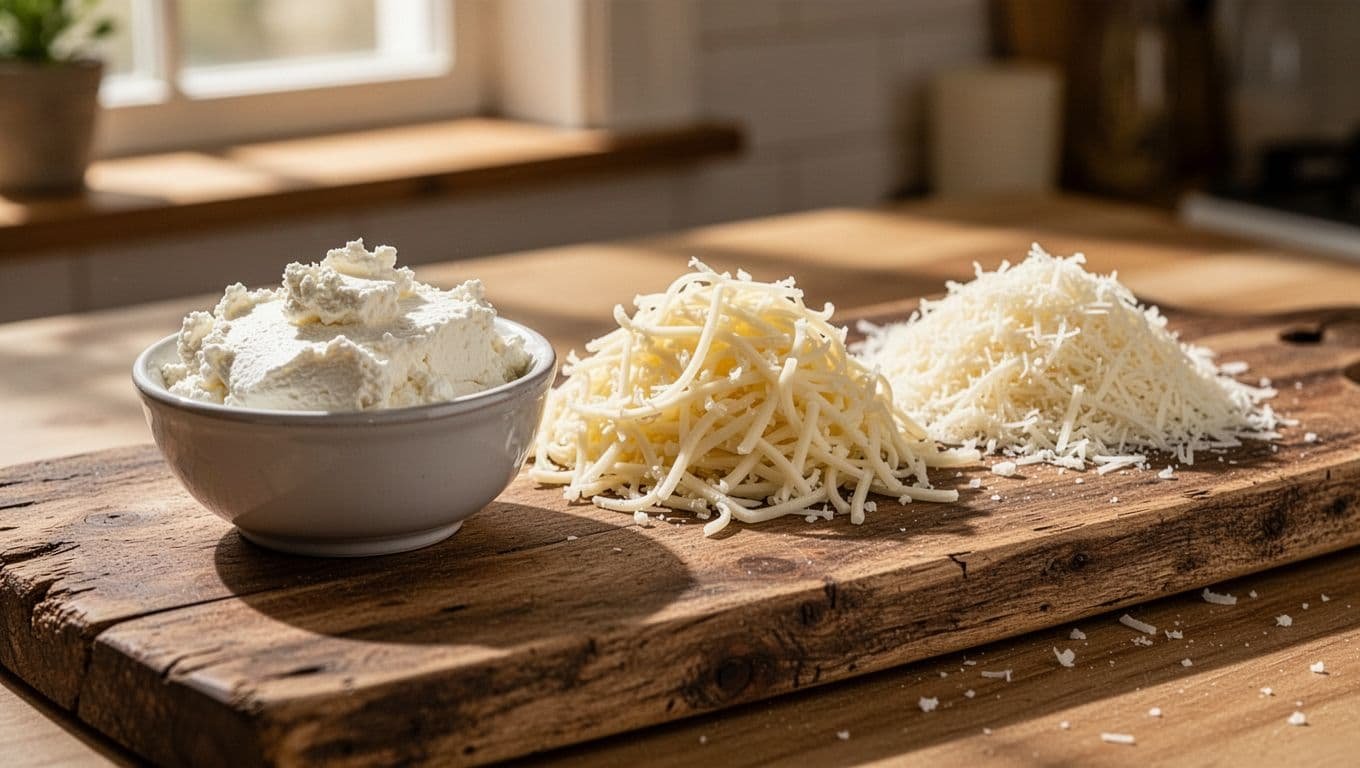
Some newer versions use heavy cream instead of ricotta for a smoother filling. That gives the sauce a silkier finish and a richer mouthfeel, especially if you want a less grainy texture. Either way, the goal is the same, a bake that feels creamy, melts well, and still has enough structure to slice and serve neatly.
How to assemble the casserole so it bakes evenly
A baked ziti casserole needs the right structure if you want every bite to taste balanced. The goal is simple, keep the sauce, pasta, sausage, and cheese distributed evenly so the heat moves through the dish at the same pace.
A little sauce on the bottom matters too. It keeps the pasta from sticking and gives the whole pan a moist base, so the first scoop is just as good as the last.
Build the layers in the right order
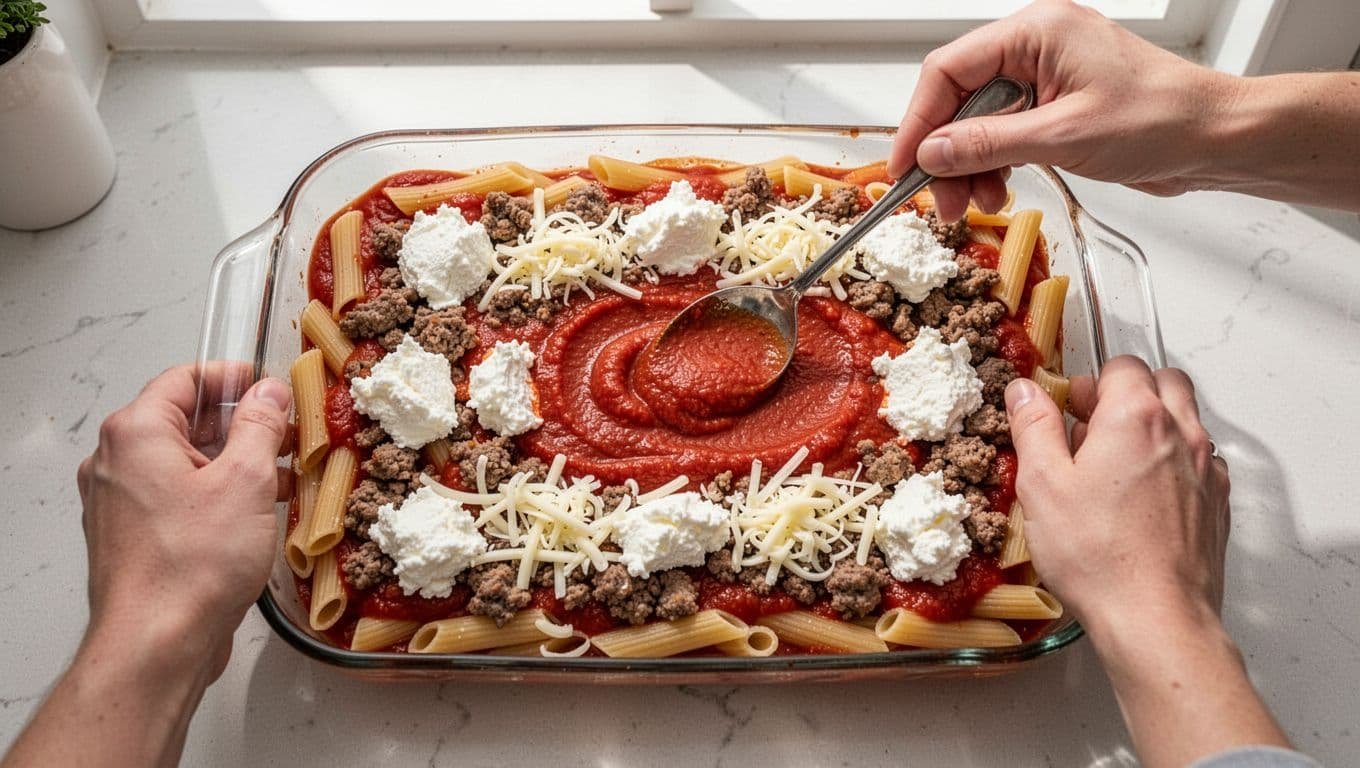
Start with a thin layer of sauce in the baking dish, then add pasta, sausage, and cheese. Repeat the layers until the pan is full, keeping each one even instead of piling everything into the center. That simple pattern helps the casserole bake through without dry spots or soggy pockets.
A good layering rhythm looks like this:
- Sauce on the bottom.
- A layer of pasta.
- Sausage spread across the pasta.
- Cheese over the top.
- Repeat until the dish is filled.
- Finish with sauce and cheese on top.
Even layers do more than help with texture. They also make the finished casserole look cleaner and more appetizing when you scoop it onto a plate. For a classic version, Simply Recipes’ baked ziti method uses the same basic idea, sauce first, then layered pasta and cheese for a tidy, even bake.
Try not to press everything down too hard. A light hand leaves small spaces for heat and steam to move through the casserole, which helps the center bake at the same pace as the edges.
Keep the bake moist and avoid a dry top
Cover the dish at the start of baking so the moisture stays trapped inside. That steam helps the pasta finish cooking without drying out the top before the middle is ready. Then uncover it near the end so the cheese can melt, brown, and bubble.
If the pasta mixture looks a little dry before it goes into the oven, add more sauce now. It is much easier to fix before baking than after.
The top should look golden, not leathery. If it starts to color too fast, keep it covered a little longer. That balance gives you a soft, saucy center with a cheesy finish on top, which is exactly what baked ziti should have.
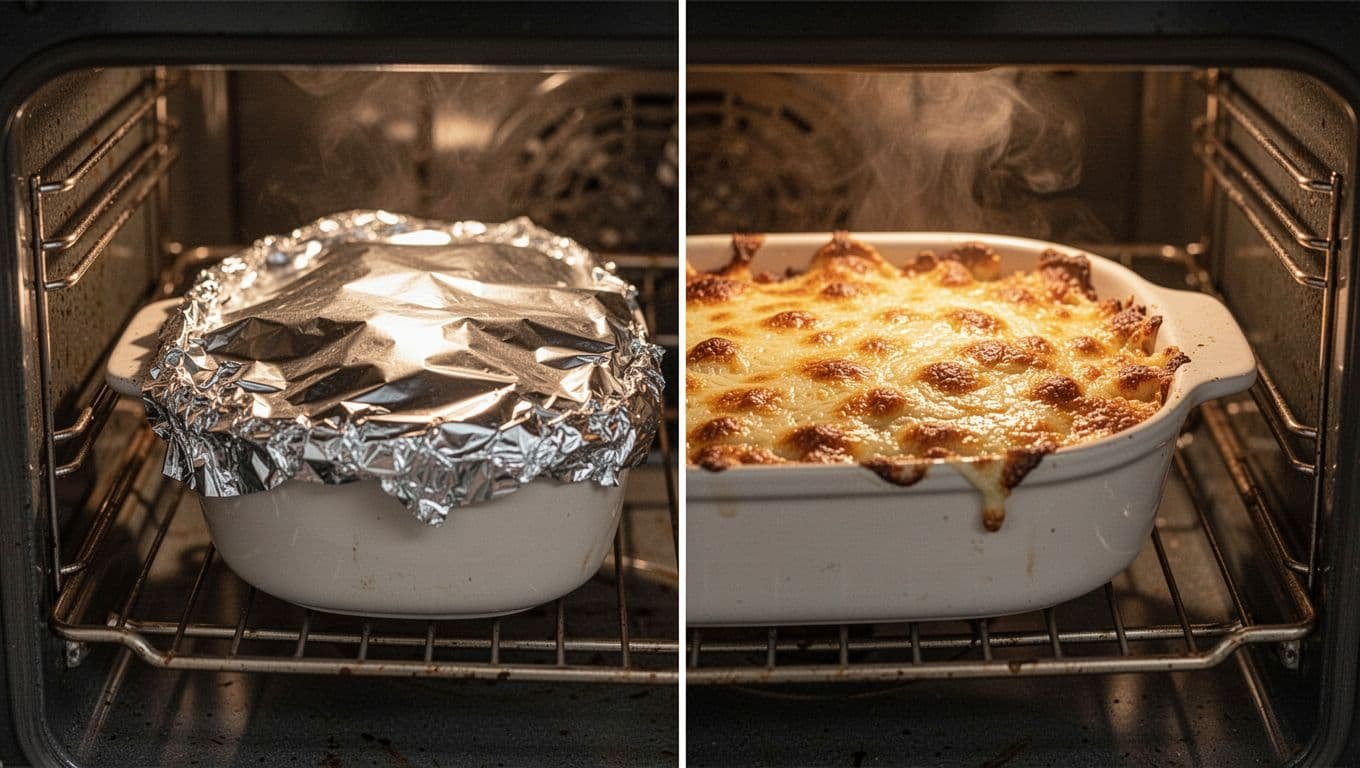
A final spoonful of sauce on top can help too, especially if the pasta was on the firm side. It keeps the surface from drying out and gives the cheese a little cushion as it bakes.
Smart baking tips that keep the ziti from turning mushy
The difference between baked ziti that holds its shape and baked ziti that turns soft and sloppy usually comes down to a few small moves. Temperature, timing, and rest time all matter, and each one changes the final texture in a real way.
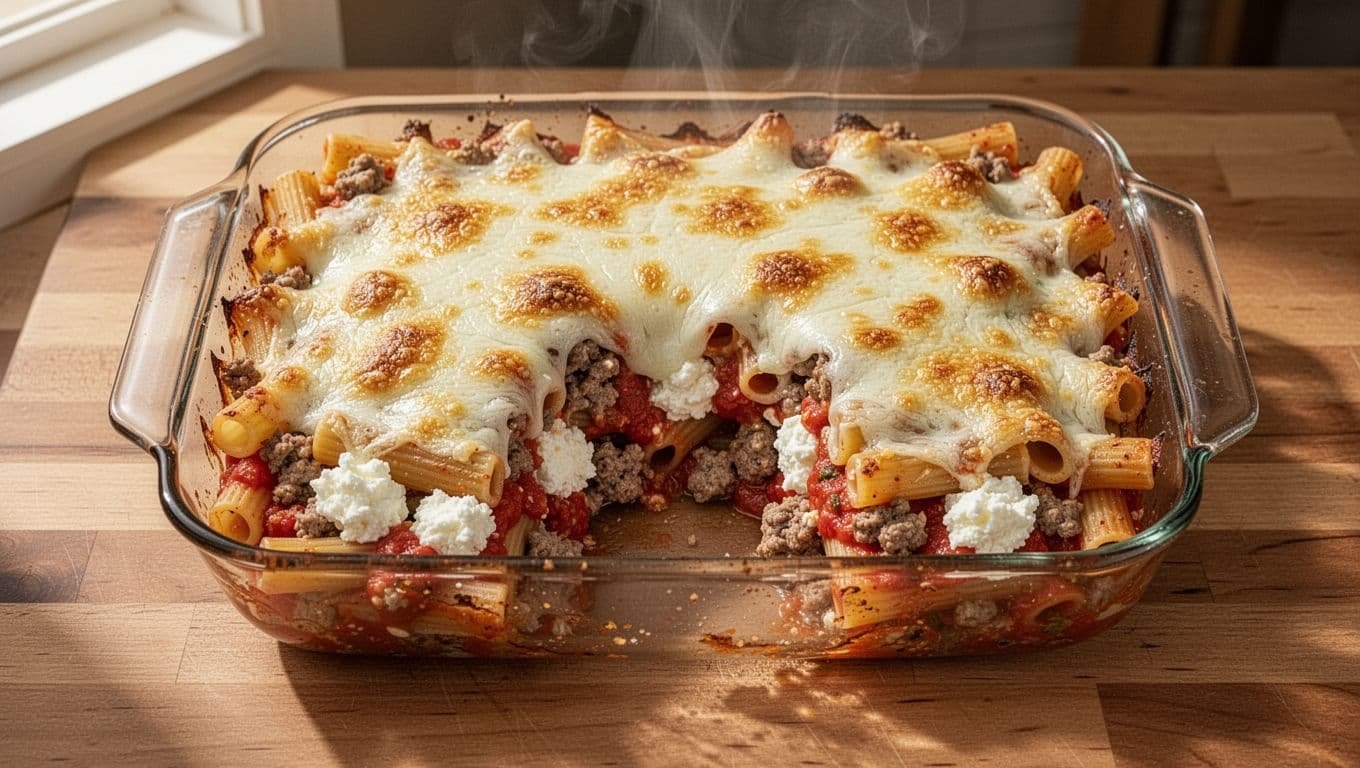
Bake at the right temperature for a bubbly finish
Most baked ziti recipes land around 375 to 400 degrees F because that heat is high enough to melt the cheese, brown the top, and move the casserole along without dragging out the bake. A hotter oven gives you those browned edges and bubbling spots people love, while still protecting the pasta from sitting in the oven too long.
If the oven runs too cool, the dish can dry out before the cheese gets color. If it runs too hot for too long, the pasta can soften too much. A steady, fairly hot bake gives you the best middle ground, with a creamy center and a golden top. For more context on what keeps baked pasta from getting soggy, this baked ziti mistake guide explains why slight undercooking matters so much.
Let it rest before serving
A short rest after baking is one of the easiest ways to improve the texture. Give the casserole about 10 to 15 minutes, and the layers will settle instead of sliding apart the second you cut into it.
That pause does more than help the slices look neat. It gives the sauce time to thicken a little, so it clings to the pasta instead of running across the plate. If you serve it too soon, the steam still trapped inside can make the dish seem looser than it really is.
Resting time is not wasted time. It is what turns a hot casserole into a tidy, scoopable dinner.
Watch for the most common mistakes
Mushy baked ziti usually starts with a few simple errors, and each one is easy to avoid. The first is watery sauce. Use a thick marinara and drain the pasta well, because extra liquid collects fast in a casserole dish.
The second is overcooked pasta. Stop boiling the ziti when it is still firm, since it keeps cooking in the oven. Third, don’t skip seasoning. A bland sauce makes the whole dish taste flat, even if the texture is right.
Finally, don’t rush the rest time. Cutting into the pan right away lets the sauce spill out before it sets. If you want cleaner servings and a better bite, bake it hot, keep the pasta firm, and let the casserole sit before you spoon it onto plates.
Easy ways to change the recipe for your table
Baked ziti with Italian sausage is easy to bend to your needs. You can make it lighter, add more vegetables, or turn up the heat, and it still feels like the same cozy casserole.
That flexibility is one reason this dish works for so many tables. It fits different budgets, different diets, and different taste preferences without losing the rich, baked comfort that makes it so good.
Make it lighter without losing flavor
If you want a lighter version, start with the pasta and sausage. Whole wheat pasta adds more fiber, while leaner sausage or chicken sausage cuts back on fat but still brings plenty of flavor. For the cheese layer, part-skim mozzarella, reduced-fat ricotta, or even cottage cheese can keep the bake creamy without feeling heavy.
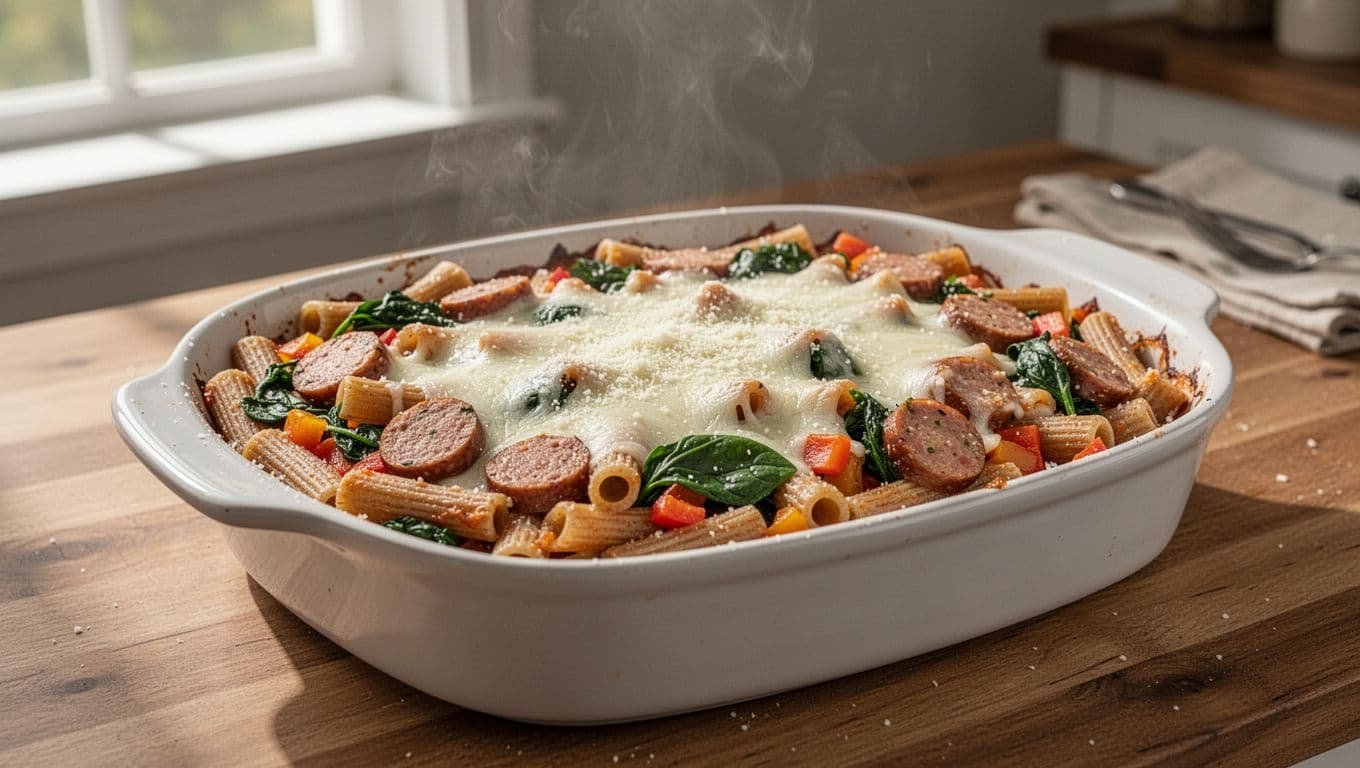
The key is to keep enough richness in the dish so it still tastes satisfying. A lighter swap should trim the heaviness, not strip away the comfort. If you want more ideas for lighter pasta bakes, this vegetable baked ziti recipe shows how creamy and filling a pan of baked pasta can still be.
You can also use a little less cheese on top and more sauce in the middle. That gives you a balanced bake with the same warm, homey feel.
Add vegetables for more color and texture
Vegetables are one of the easiest ways to stretch baked ziti without making it feel like a compromise. Bell peppers, onions, spinach, and mushrooms all work well because they cook fast and blend into the sauce without taking over. They also add color, which makes the finished dish look brighter and more inviting.
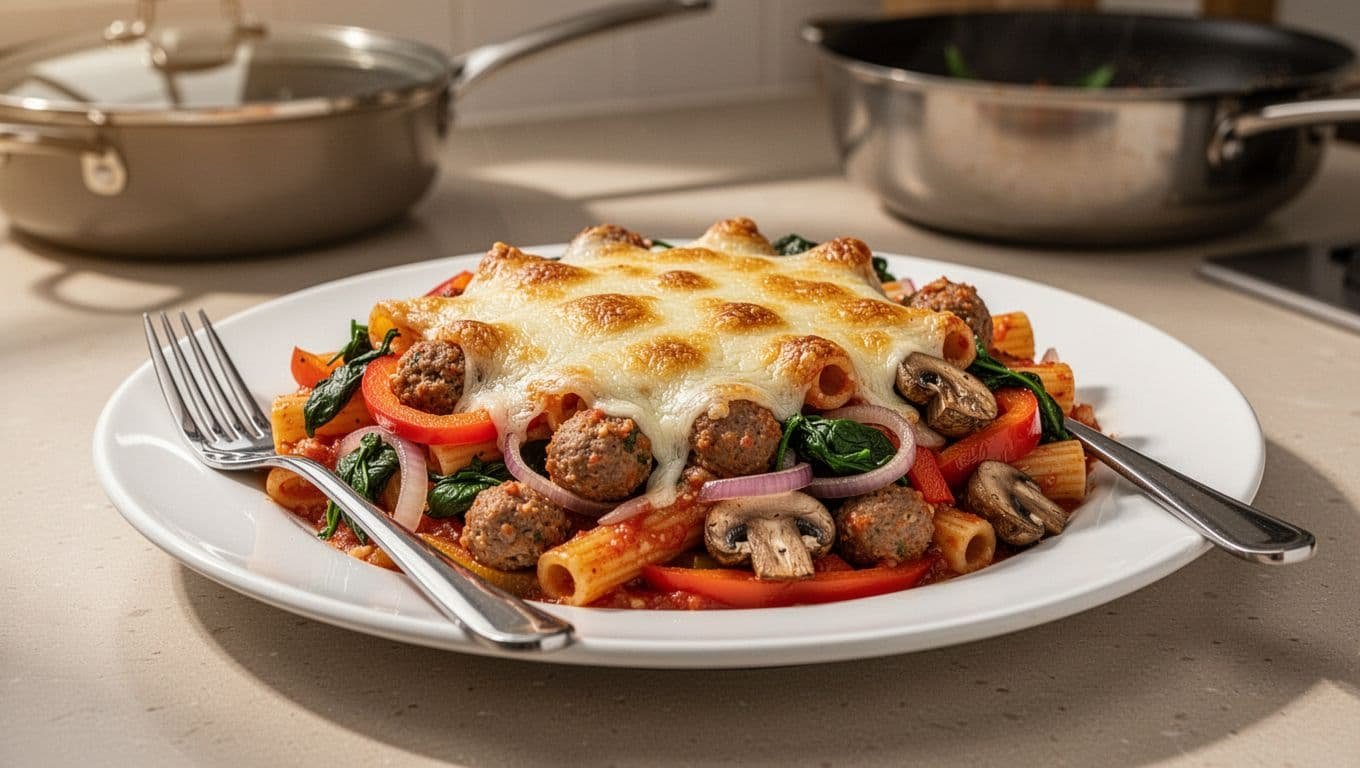
You can sauté the vegetables first so they soften and release extra moisture before they go into the casserole. That keeps the texture from getting watery and gives the sauce more depth. For a simple reference on veggie-packed pasta bakes, this vegetarian baked ziti with vegetables shows how easily vegetables fit into a classic comfort dish.
A few extra vegetables also help the dish go further. That matters when you want to feed more people without making the pan feel sparse.
Turn up the heat for spice lovers
If your table likes bold flavor, baked ziti can handle it. Swap in hot Italian sausage for an easy kick, then add red pepper flakes to the sauce if you want more heat. Even a small pinch changes the whole dish.
Start light if you are unsure, because heat builds as the casserole bakes. You can always add more spice at the table, but you cannot take it back once it is mixed in.
A spicy version still keeps the same comfort food feel. It just brings more edge, more warmth, and a little extra punch for anyone who likes dinner with bite.
What to serve with baked ziti for a complete meal
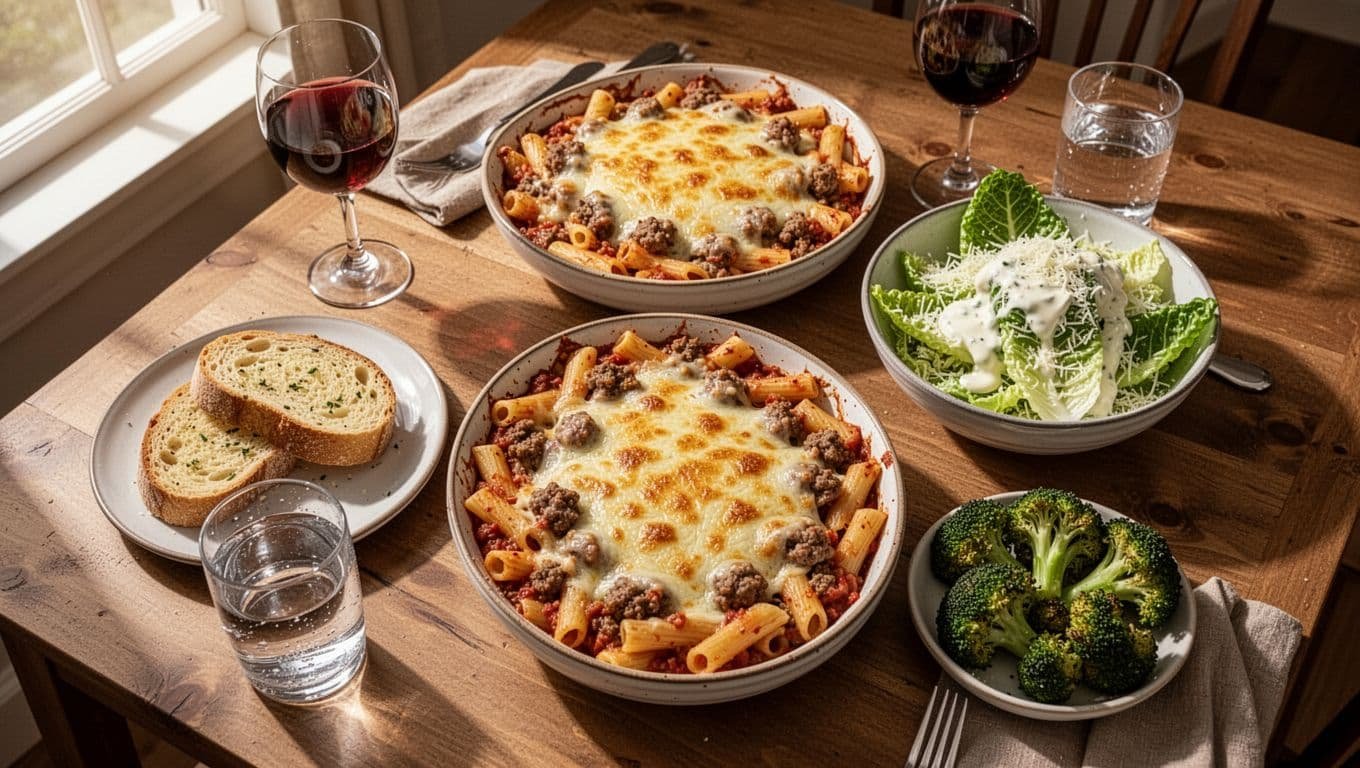
Baked ziti with Italian sausage is rich, so the best sides add contrast. Think crisp greens, roasted vegetables, and bread that catches the sauce. That mix turns a casserole into a full dinner without making the plate feel heavy.
A good meal also needs a little balance at the table. Lighter sides keep each bite lively, while the pasta brings the comfort. For a practical side-dish guide, these baked ziti pairings cover many of the classics people reach for first.
Simple sides that balance the richness
Garlic bread is the easiest win. It gives you a crisp, buttery bite for scooping up extra sauce, and it feels right next to a bubbling pasta bake. Caesar salad is another strong choice because the cool romaine, tangy dressing, and crunchy croutons cut through the cheese.
Roasted broccoli works well too. A little char and garlic bring the kind of bite that baked pasta needs. If you want something even simpler, a basic green salad with a light vinaigrette keeps the meal fresh and helps the ziti stay center stage.
A few smart options:
- Garlic bread for sauce-sopping comfort
- Caesar salad for crunch and sharp dressing
- Roasted broccoli for a warm vegetable side
- Simple green salad for the lightest balance
Lighter sides work because baked ziti already brings plenty of starch, cheese, and meat. You want contrast, not more weight on the plate.
How to make it feel special for guests
Fresh basil, parsley, or a little extra Parmesan on top makes the casserole look finished. That small step adds color and a clean, fresh flavor right before serving.
For guests, serve the ziti in the hot baking dish so it arrives bubbling at the table. A small antipasto plate with olives, cheese, and cured meat also makes the meal feel more complete. It gives people something to nibble on while the pasta rests, which is especially helpful for holidays and potlucks.
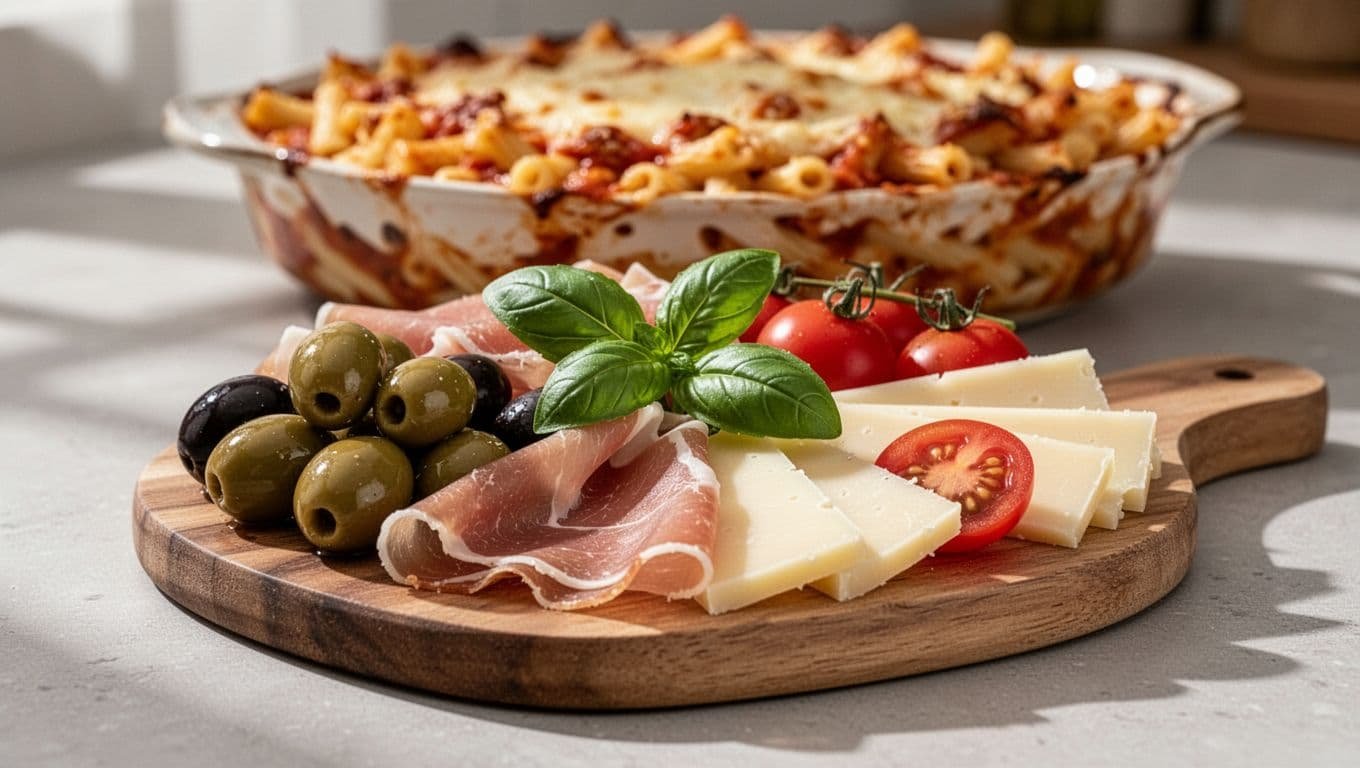
Drinks should stay simple. Red wine, sparkling water with lemon, or an Italian soda all pair nicely with the tomato sauce and sausage. For weeknights, keep it easy with salad and bread. For a crowd, add the antipasto platter and let the casserole do the heavy lifting.
Conclusion
Baked ziti with Italian sausage is the kind of comfort food that feels simple but tastes like you put in extra work. The best results come from good sausage, a sturdy sauce, pasta cooked just to al dente, and careful layering so every bite stays balanced.
Let it rest before serving, and the whole dish holds together better on the plate. That small pause makes a big difference, especially when you want clean scoops and a rich, cheesy finish.
This is a recipe people come back to because it works on busy nights and at big gatherings. It is warm, flexible, and easy to make your own, which is exactly why it earns a spot in the regular dinner rotation.
Save the pin for later


- Healthy Air Fryer Recipes for Beginners - 21/09/2026
- Healthy Snacks for Late Night Cravings - 21/09/2026
- High Protein Meal Prep Ideas for Easy Weekly Meals - 21/09/2026

