Bloating can leave your stomach feeling tight, swollen, or uncomfortable, and it often comes from trapped gas, water retention, or slow digestion. If that sounds familiar, you’re not alone, and the good news is that foods that help reduce bloating naturally can make a real difference when you choose them often and eat them in a way your body can handle.
The best results usually come from small, steady habits, not a quick fix. Along with healthy eating habits that support digestion, the right foods can help calm your gut, ease pressure, and keep things moving more smoothly. Here are the ones worth adding to your plate first.
What actually causes bloating in the first place?
Bloating usually starts when your digestive system gets backed up, stretched, or overloaded. Sometimes the cause is simple, like eating too much too fast. Other times, it comes from salt, food sensitivities, or ingredients your body has trouble breaking down.
The key is that bloating can happen for different reasons, so the best food choice depends on the cause. A meal that helps with gas may not help if the issue is constipation, and a low-salt meal may matter more if you feel puffy after takeout or processed snacks.
Gas, constipation, and water retention are the main culprits
Gas is one of the most common reasons your stomach feels tight. You may swallow extra air when you eat quickly, drink fizzy drinks, or chew gum, and your gut also makes gas when bacteria break down certain foods. That pressure can make your belly feel stretched and uncomfortable.
Constipation can cause the same heavy, swollen feeling. When stool moves slowly through the colon, it takes up space and traps gas behind it. Even if you go every day, hard stools or straining can still mean digestion is moving too slowly. Johns Hopkins Medicine notes that constipation can worsen bloating because stool stays in the colon longer, which gives bacteria more time to make gas.
Water retention is a different problem, but it can feel similar. Salty foods, especially packaged snacks, fast food, and restaurant meals, make the body hold on to extra fluid. That can leave your midsection feeling puffy, even when gas is not the main issue.
Some foods calm the gut, while others can make bloating worse
Once you know what is behind the discomfort, food choices become much easier. Some foods are easier to digest, some help move food through the system, and others support healthy gut bacteria without creating as much pressure.
That is why the next foods on this list matter. They can help when bloating comes from slow digestion, trapped gas, or a salty diet, and they are a smarter starting point than random guesswork. If you also deal with food sensitivities or hard-to-digest ingredients, choosing gentler foods can make a noticeable difference.
Foods that can help reduce bloating naturally
When bloating shows up, food can help in a simple, steady way. Some foods ease digestion, some help balance fluids, and others support a healthier gut over time. The best choices are usually gentle, easy to digest, and simple to add to meals you already eat.
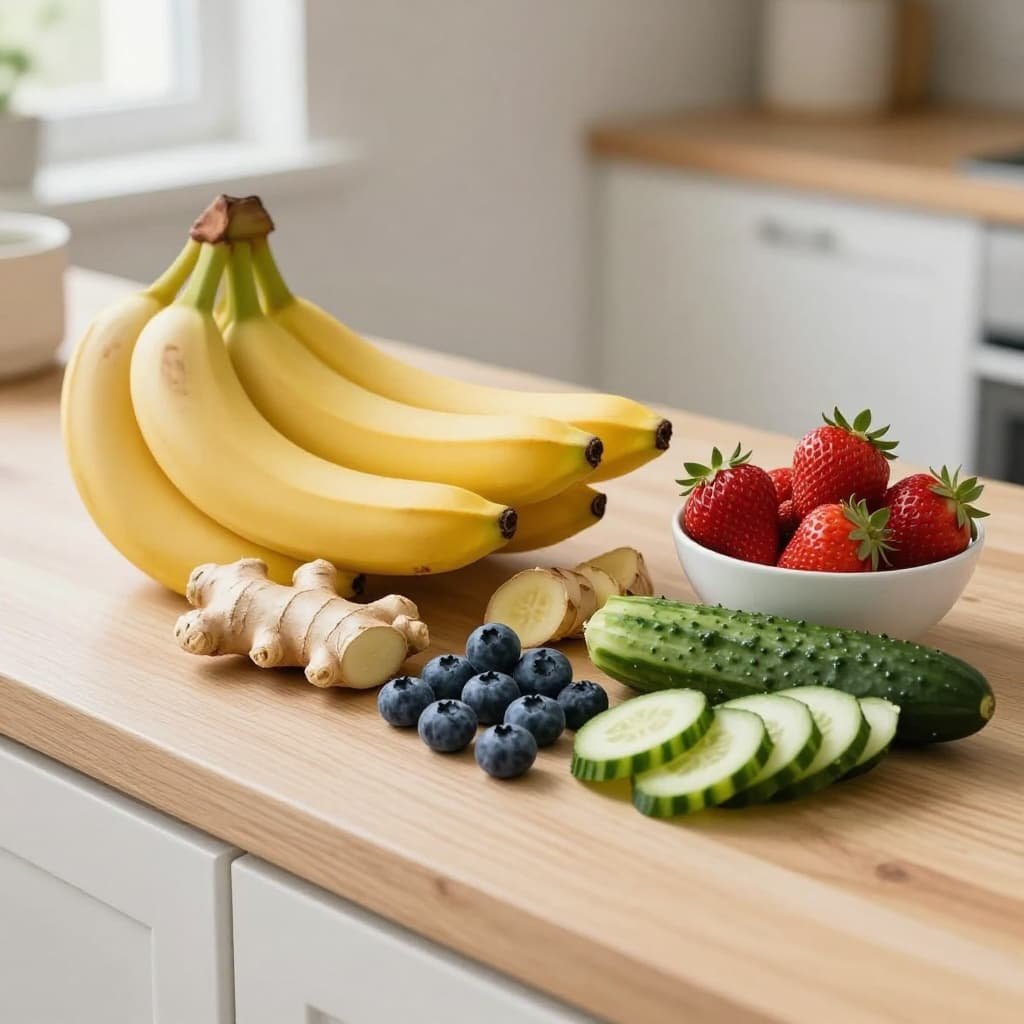
These foods won’t fix every cause of bloating, but they can make a real difference when your stomach feels tight or heavy. A lot of them also work well in small portions, so you don’t have to overhaul your diet to feel better.
Bananas can help balance fluids and support digestion
Bananas are a smart pick when bloating comes with water retention. They are rich in potassium, which helps offset excess sodium, and that can matter after salty meals or processed snacks. They are also soft, easy to chew, and gentle on the stomach.
That makes bananas useful when you don’t feel like eating much. Try one plain, slice it into oatmeal, or pair it with yogurt if dairy sits well with you. A ripe banana is often one of the easiest foods to tolerate when your belly feels off.
Kiwi may help things move through your system
Kiwi gives you fiber in a small, easy package. It also has natural enzymes that help break down food, which can support smoother digestion and more regular bowel movements. If bloating comes from feeling backed up, kiwi can be a good place to start.
One or two fresh kiwis can fit into breakfast or a snack. Cleveland Clinic also points to kiwi as a helpful fruit for bloating and digestion. If you want a simple routine, try it on its own or add it to a fruit bowl.
Ginger can soothe the stomach and ease gas
Ginger is a classic choice for a reason. It may help food move through the stomach faster and calm mild stomach upset, which can make bloating feel less intense. It also works well when gas and nausea show up together.
The easiest way to use it is ginger tea. You can also grate fresh ginger into stir-fries, soups, or warm water with lemon. If you like a stronger flavor, a few thin slices steeped in hot water can be a simple after-meal drink.
Cucumber and celery add hydration without heaviness
Cucumber and celery both have a high water content, so they add volume without weighing you down. That light texture can help when you feel puffy or overly full. They also work well if your bloating seems linked to holding on to fluid.
These two are easy to use in everyday meals. Add cucumber to salads, blend it into smoothies, or snack on it with a little hummus. Celery is just as flexible, and it can go into soups, salads, or a quick snack plate.
When bloating feels tied to salt or fluid retention, light, water-rich foods often feel better than heavy meals.
Papaya and pineapple bring natural enzymes that support digestion
Papaya and pineapple are both fruit options that bring natural enzymes to the table. Papaya contains papain, while pineapple contains bromelain, and both may help break down food more easily. That can be useful after a heavier meal.
These fruits work best when you keep them simple. Eat them fresh, mix them into a smoothie, or serve a small bowl after lunch or dinner. A few bites can be enough when your stomach feels sluggish.
Yogurt and kefir can support healthy gut bacteria
Yogurt and kefir contain probiotics, which may help balance the digestive system over time. That matters because a healthier gut can mean less gas and less frequent bloating. For many people, the key is consistency, not a one-time serving.
Choose plain, low-sugar versions whenever possible. If dairy bothers you, look for dairy-free probiotic options that still include live cultures. For more context on bloating-friendly foods, this Mayo Clinic guide on food and bloating is a helpful reference.
Oats and quinoa are filling but still gentle
Oats and quinoa both bring fiber, which helps keep digestion moving. They can also be easier on your stomach than greasy, heavy foods, especially when you want something filling without the sluggish feeling that often follows a rich meal.
Oatmeal works well for breakfast, while quinoa fits nicely into lunch bowls and simple salads. Keep toppings light if bloating is a problem, and skip heavy cream or sugary add-ins. A plain bowl with fruit or seeds is often the better choice.
Fennel may help calm gas and belly pressure
Fennel has long been used as a simple remedy for gas and bloating. It has a mild, slightly sweet flavor, and many people find it soothing after meals. Fennel tea is one of the easiest ways to try it.
You can also add fennel bulb to roasted vegetables, soups, or salads. If you prefer something even simpler, fennel seeds after a meal are a traditional option. The flavor is gentle, and the effect can feel calming when your belly feels tight.
Berries give you fiber without a lot of bloat triggers
Strawberries, blueberries, raspberries, and blackberries are all solid choices. They provide fiber and antioxidants, but they are often easier on the stomach than very sweet fruits or fruit juices. That makes them useful when you want something fresh without extra heaviness.
They work well in yogurt, oatmeal, or a simple snack bowl. A handful is usually enough to get the benefit without overdoing it. If you want a fruit that feels light but still satisfies, berries are hard to beat.
Peppermint tea can help relax the digestive tract
Peppermint tea is one of the easiest bloating-friendly drinks to keep on hand. It may help relax the digestive tract, which can reduce cramping and that tight, uncomfortable feeling in the belly. For many people, it works best after meals.
Keep it plain and warm. That gives you a gentle option when you want something soothing without adding sugar or carbonation. If your bloating comes with pressure and mild stomach spasms, peppermint tea is a simple place to start.
How to eat these foods so they work better
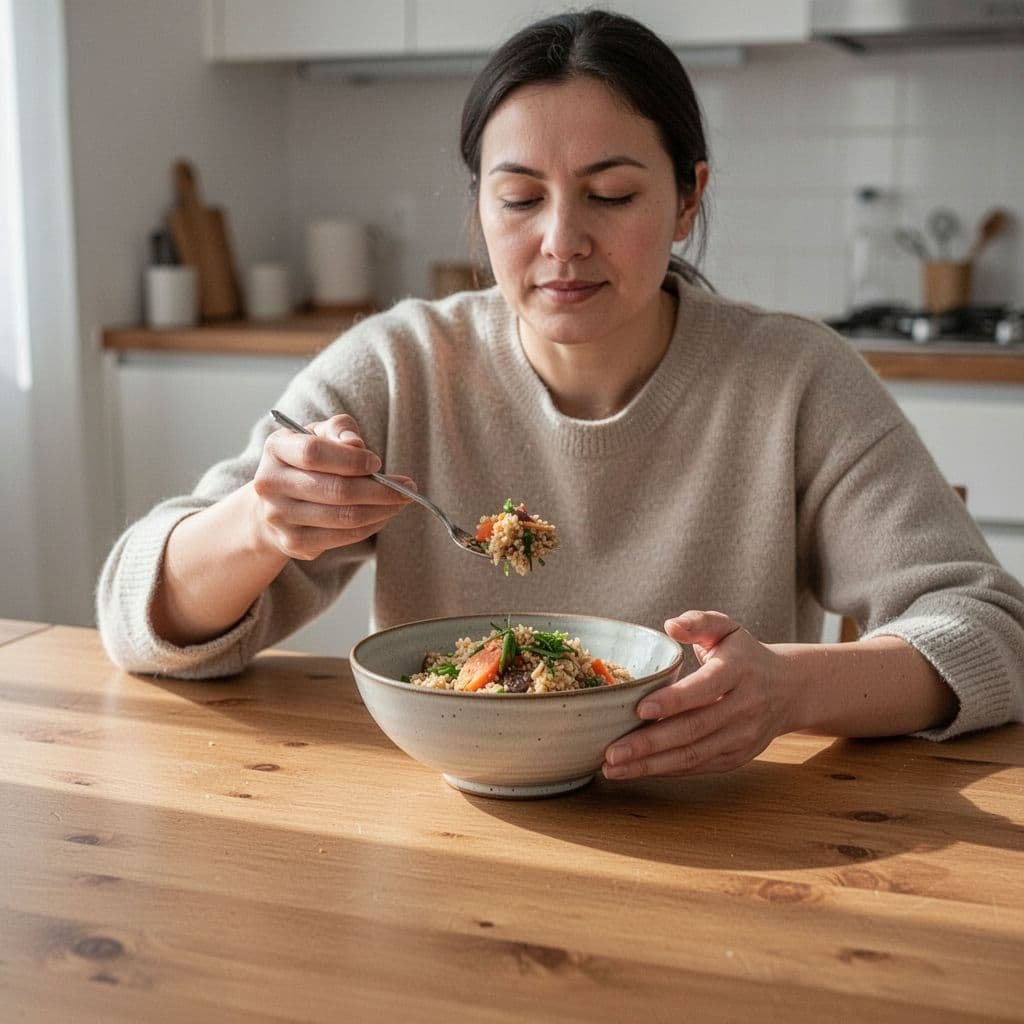
The right foods help most when you eat them in a way your body can handle. Even gentle choices can backfire if you pile on too much fiber, probiotics, or fruit at once, so a slower pace usually works better.
A steady approach also helps you spot what truly supports your digestion. Small portions, enough water, and a little movement after meals can make bloating-friendly foods feel much more effective.
Start with small portions if your stomach is sensitive
If you are adding more fiber or probiotics, start with a small serving and see how you feel. Your gut may need time to adjust, especially if you are not used to foods like kiwi, oats, kefir, or berries.
That extra step matters because healthy foods can still cause gas at first. Try half a banana instead of a full one, a few spoonfuls of yogurt instead of a large bowl, or a small serving of oats before making it a daily habit. If your stomach feels fine, increase the amount slowly over a few days.
A food can be good for bloating and still feel too heavy if you eat too much too fast.
Pair bloating-friendly foods with water and light movement
Water helps fiber do its job, so drink throughout the day instead of waiting until you feel thirsty. When you add more fiber, hydration keeps it moving and lowers the chance of constipation, which can make bloating worse. Cleveland Clinic also points to water as a simple support step for better digestion.
Light movement helps too. A short walk after meals can ease that heavy, stuck feeling and give your digestion a small push. If you want a simple routine, pair a fruit or yogurt snack with a 10-minute walk, or take a gentle stroll after dinner. Walking after eating for better digestion is one of the easiest habits to keep.
Watch for your own trigger foods
What helps one person may bother another. If you notice that very salty foods, carbonated drinks, onions, garlic, or dairy make bloating worse, pay attention and adjust without judging yourself.
A simple food log can help you spot patterns. Write down what you ate, how much, and how your stomach felt an hour or two later. That makes it easier to keep the foods that help and cut back on the ones that leave you puffy or uncomfortable.
For some people, the fix is as simple as smaller portions and fewer fizzy drinks. For others, it means choosing easier fiber sources, like oats, cucumbers, or berries, and saving richer foods for times when the stomach feels calm.
When bloating might be a sign of something more
Most bloating is harmless and tied to food, gas, constipation, or water retention. Still, when it keeps coming back, lasts longer than expected, or starts to feel worse, it deserves a closer look. Your body may be reacting to a food intolerance, IBS, constipation, or another digestive issue.

Signs you should pay closer attention
Bloating that shows up once in a while usually isn’t a big concern. However, if you feel bloated most days, after nearly every meal, or for more than a week without relief, it’s time to pay attention. The same goes for bloating that gets worse instead of better, especially if diet changes haven’t helped.
A few common patterns can point to something beyond a food choice. These include:
- Bloating with constipation or a sudden change in bowel habits
- Bloating that follows specific foods, which may point to a food intolerance
- Bloating with cramping, urgency, or discomfort that may fit IBS
- Bloating that comes with ongoing fatigue or a very full feeling after small meals
If bloating is changing your routine, treat it as useful information, not something to ignore.
When to call a doctor
Some symptoms should prompt a medical visit sooner rather than later. The NHS guidance on bloating recommends checking in if bloating keeps happening, does not go away, or comes with weight loss or vomiting. If your abdomen feels hard, the pain is sharp, or the pressure keeps building, don’t wait it out.
A doctor can help sort out whether the problem is simple constipation, a food trigger, IBS, or something else that needs treatment. If bloating is severe, lasts a long time, or comes with pain, vomiting, blood in your stool, or unplanned weight loss, get it checked promptly. A little bloating after a meal is common, but ongoing symptoms should get real attention.
Conclusion
Bloating is common, and the right foods can make a real difference. Bananas, kiwi, ginger, cucumber, yogurt, oats, fennel, berries, peppermint, and papaya are all simple options worth trying when your stomach feels heavy or tight.
The best results usually come from small daily choices, not one big fix. Start with foods that are easy on your body, keep portions sensible, and pay attention to what helps most.
Over time, those steady habits can help your stomach feel calmer and more predictable.
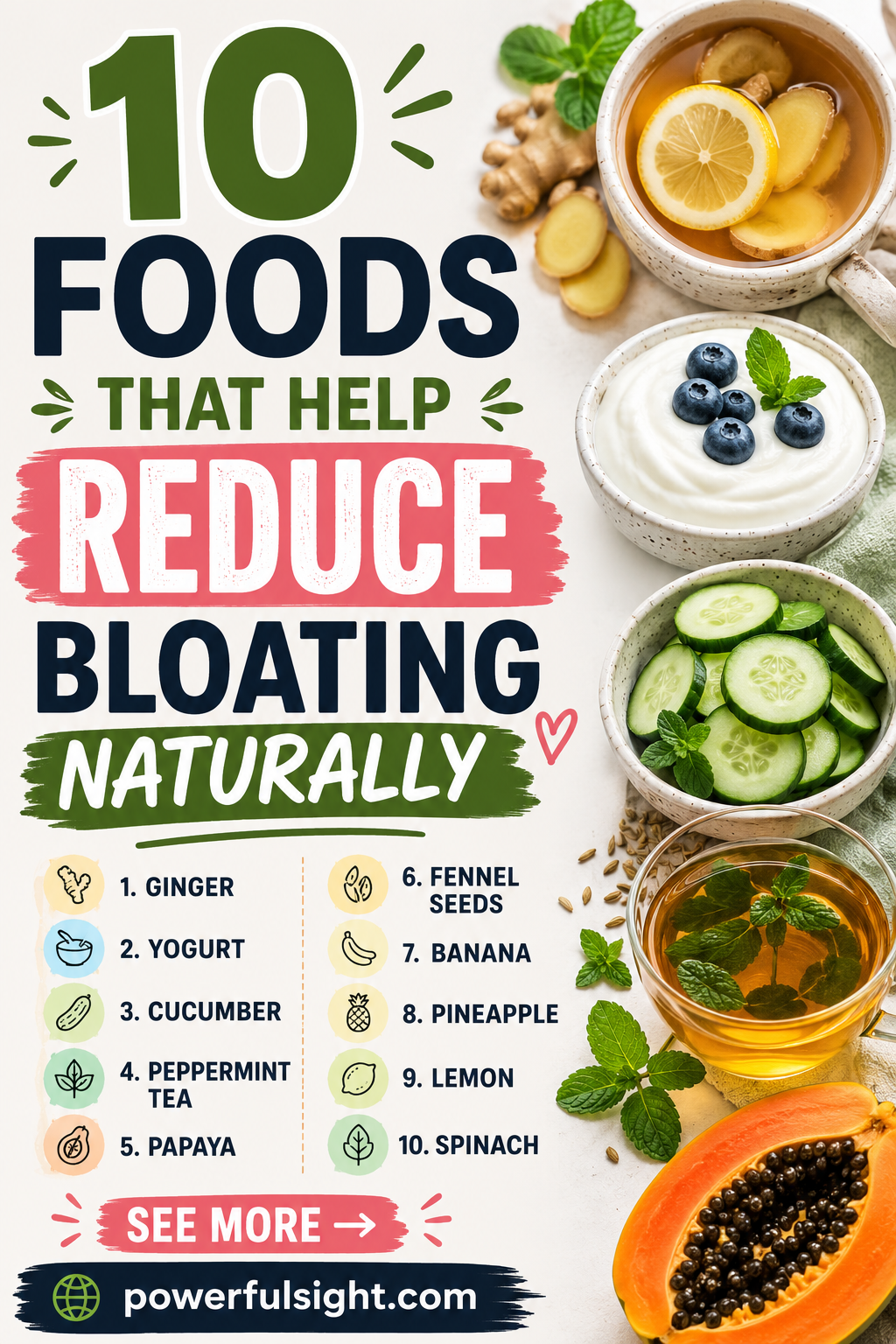
Save pin for later

- Healthy Air Fryer Recipes for Beginners - 21/09/2026
- Healthy Snacks for Late Night Cravings - 21/09/2026
- High Protein Meal Prep Ideas for Easy Weekly Meals - 21/09/2026

