There is nothing quite like a warm, bubbling tray of baked ziti with Italian sausage to bring everyone to the table. This classic dish is the ultimate comfort food, blending savory meat, tender pasta, and layers of melted cheese into one reliable, crowd-pleasing meal. Whether you need a simple weeknight dinner or something special for a gathering, it’s a dish that never fails to satisfy.
If you are looking for other ways to fill your weekly menu with simple pasta recipes for dinner, you have plenty of options. However, when you want pure, rustic flavor, this combination of zesty sausage and rich tomato sauce remains a top choice. It’s hearty enough for a hungry crowd, yet straightforward enough that anyone can pull it off without stress.
In the following sections, I will break down exactly how to prepare this meal so it turns out perfect every time. You can also see a quick visual breakdown of the process in this helpful cooking demonstration to get a better sense of how it all comes together. Let’s get started on making your new favorite family dinner.
Why This Dish Is a Perfect Weeknight Dinner
Baked ziti is a classic answer to the age-old question of what to cook after a long day. It hits that sweet spot between being genuinely satisfying and remarkably easy to pull together. You get all the comfort of a slow-cooked meal without spending your entire evening tethered to the stove.
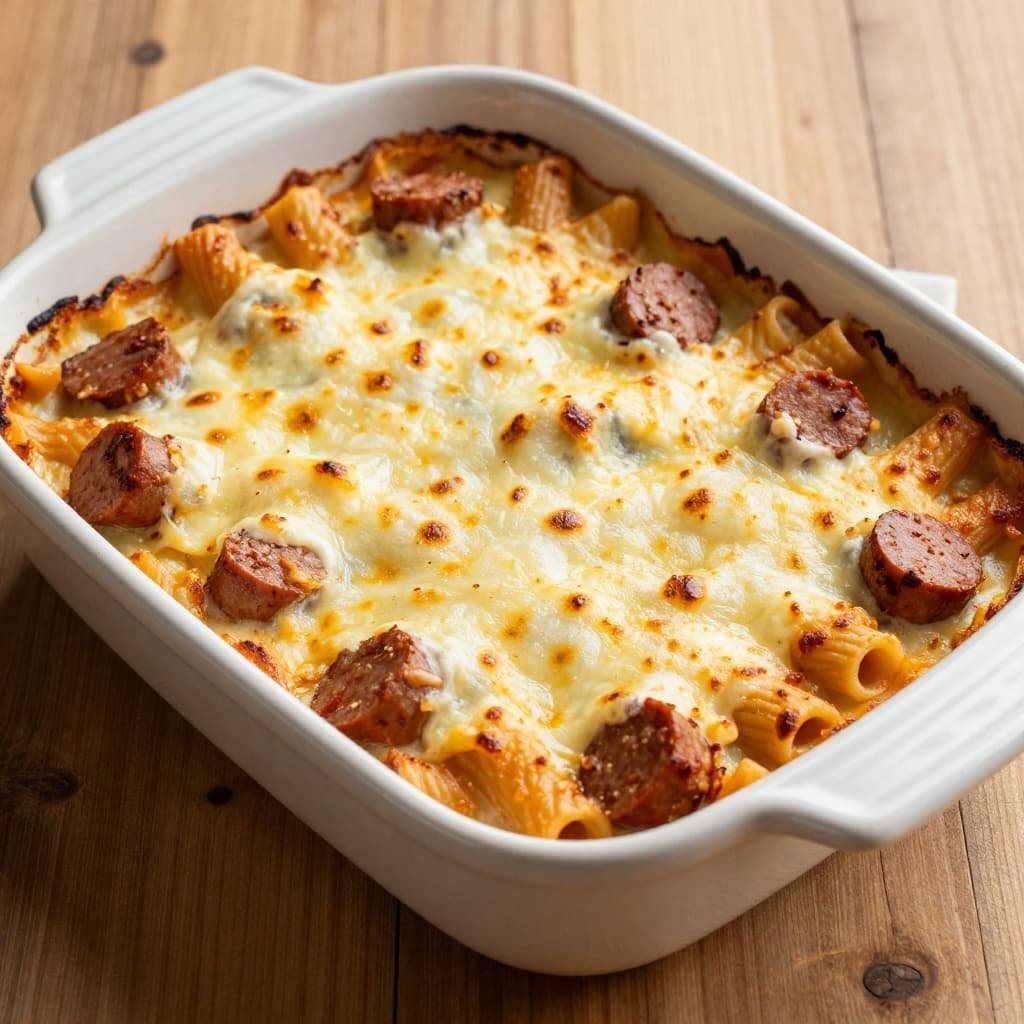
Designed for Busy Schedules
When your calendar is packed, you need a recipe that respects your time. Baked ziti allows you to prep components ahead of the rush. You can brown the sausage and simmer your sauce well before you start the pasta.
This approach turns your kitchen routine into a series of manageable steps rather than one massive chore. You can even assemble the entire dish in its baking vessel earlier in the day. Just tuck it into the refrigerator and slide it into the oven once you are ready for dinner. It is a tried-and-true pasta bake strategy for keeping your weeknights on track.
The Beauty of Better Leftovers
One of the best things about this meal is that it tastes even better the next day. As the dish sits, the sauce seeps into the pasta and the sausage spices meld with the cheese. This process creates a depth of flavor that is often missing from quick-fix meals.
- Easy reheating: You can warm up individual portions in the microwave or reheat the entire pan in the oven.
- Perfect lunch solution: Portions are easy to pack, making it a reliable option for work or school lunches.
- Consistent quality: Unlike some dishes that lose their texture, ziti holds up well under repeated heating.
Because the flavors improve over time, you can effectively cook once and eat multiple times throughout the week. It turns a single evening of effort into a reliable supply of home-cooked comfort.
A Go-To for Feeding a Crowd
Beyond your own household, this dish is a reliable anchor when hosting friends or neighbors. It scales effortlessly, meaning you can easily double the batch to accommodate extra guests without adding significant complexity to your workflow.
It acts as a dependable baked ziti casserole that everyone recognizes and enjoys. Because it is so hearty and self-contained, you do not need to stress over multiple side dishes. A simple green salad or some crusty bread is usually all you need to round out the spread. It takes the pressure off the host, allowing you to actually enjoy the time with your guests rather than staying trapped in the kitchen.
Choosing Your Ingredients for the Best Flavor
Great baked ziti starts with high-quality components. Because this dish relies on a simple list of ingredients, each one carries a lot of weight. Investing a little extra effort into selecting your meat, pasta, and cheese transforms a basic dinner into a memorable meal.
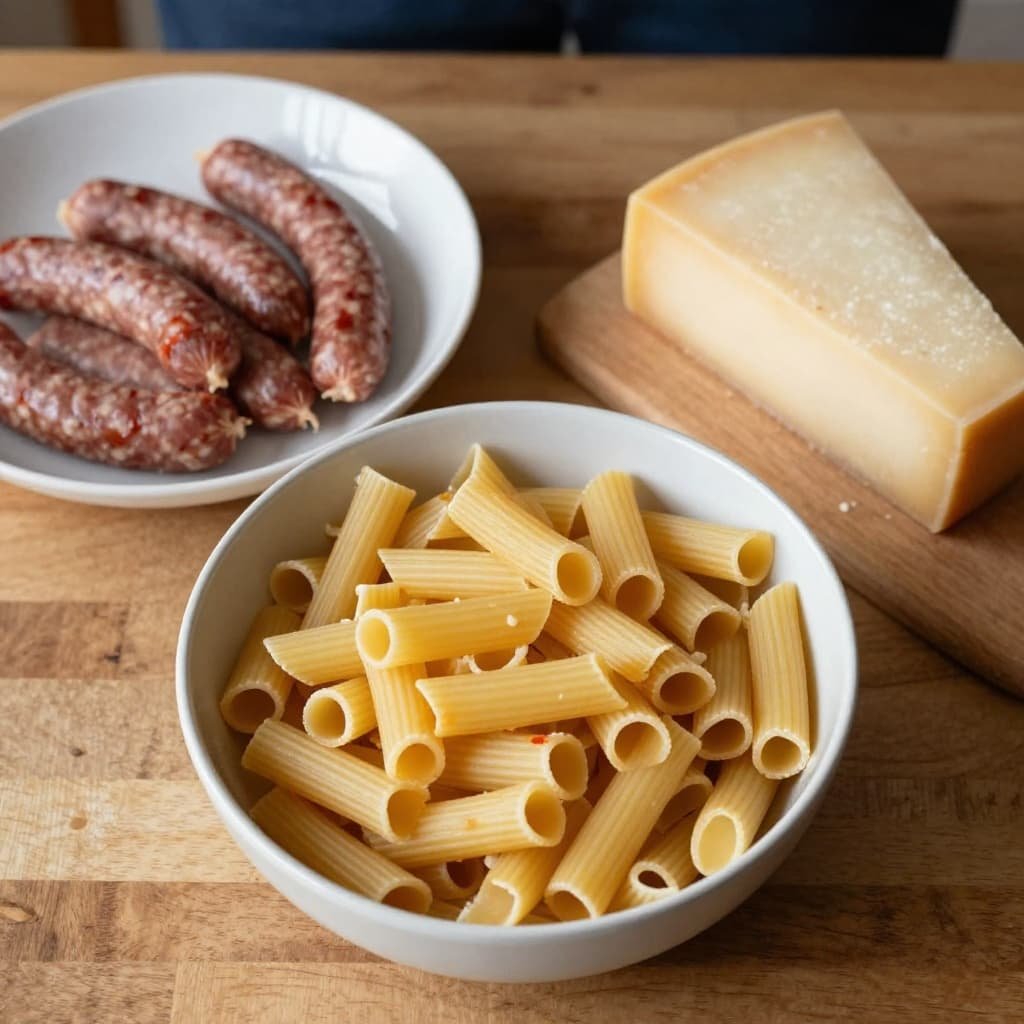
Selecting the Right Sausage and Pasta
The foundation of your flavor is the sausage. Whether you choose mild, sweet, or hot Italian sausage depends on your personal preference for heat. Mild sausage offers a classic, fennel-forward profile that pairs well with rich tomato sauce. If you prefer a kick, hot sausage introduces crushed red pepper flakes that cut through the richness of the cheese.
Browning the meat thoroughly before it enters the sauce is non-negotiable. When you cook the sausage until it develops a deep, golden-brown crust, you release flavorful juices and create savory compounds that plain boiled meat lacks. This process also renders out excess fat, which helps your sauce stay balanced rather than oily. You can learn more about finding the right spicy Italian sausage options if you want to experiment with different flavor levels.
Pasta selection matters just as much as the meat. Ziti and penne are the industry standards for this dish because their tubular shapes act like little reservoirs for sauce. Rigid pasta with ridges, such as penne rigate, grips the sauce even better than smooth varieties. Most importantly, always boil your pasta al dente. Since the ziti will spend more time cooking in the oven surrounded by hot sauce, pulling it from the water when it still has a slight bite prevents it from becoming mushy or overcooked in the final dish.
The Role of Cheeses and Herbs
Cheese provides the iconic gooey texture that makes baked ziti a comfort food staple. For the best pull, use low-moisture mozzarella, which melts evenly without releasing too much liquid. If you rely on fresh mozzarella, expect a bit more moisture in the final pan. Incorporating freshly grated Parmesan or Pecorino Romano adds a necessary salty, nutty depth that levels out the sweetness of the tomatoes.
When it comes to flavor, herbs bridge the gap between simple ingredients and a complex dish. You can find many classic Italian pasta dishes that rely on fresh basil or parsley for a bright finish. Dried herbs, such as oregano and thyme, work best when added during the simmering process because they have more time to hydrate and release their essential oils.
If you prefer fresh herbs, add them at the very end of the cooking process or as a garnish before serving. This keeps their delicate, bright notes intact. Remember that fresh herbs are generally more potent in a fresh state, but dried herbs provide a concentrated punch that stands up well to long oven times. Using a high-quality marinara sauce also simplifies the process. A good base sauce made with ripe tomatoes and minimal added sugar lets the natural flavors of the sausage and cheese shine through without competing for attention.
Step by Step to the Perfect Baked Ziti
Achieving a restaurant-quality baked ziti comes down to how you build your layers and manage your heat. By focusing on flavor extraction at the start and proper assembly techniques, you can avoid common issues like dry pasta or unevenly melted cheese. This process is straightforward once you know the right sequence.
Preparing Your Sausage and Sauce Base
Your sauce base relies on the flavor you build in the skillet first. Start by heating your pan over medium-high heat. Once hot, add the sausage after removing the casing. Use a sturdy wooden spoon to break the meat into small, uniform crumbles as it cooks.
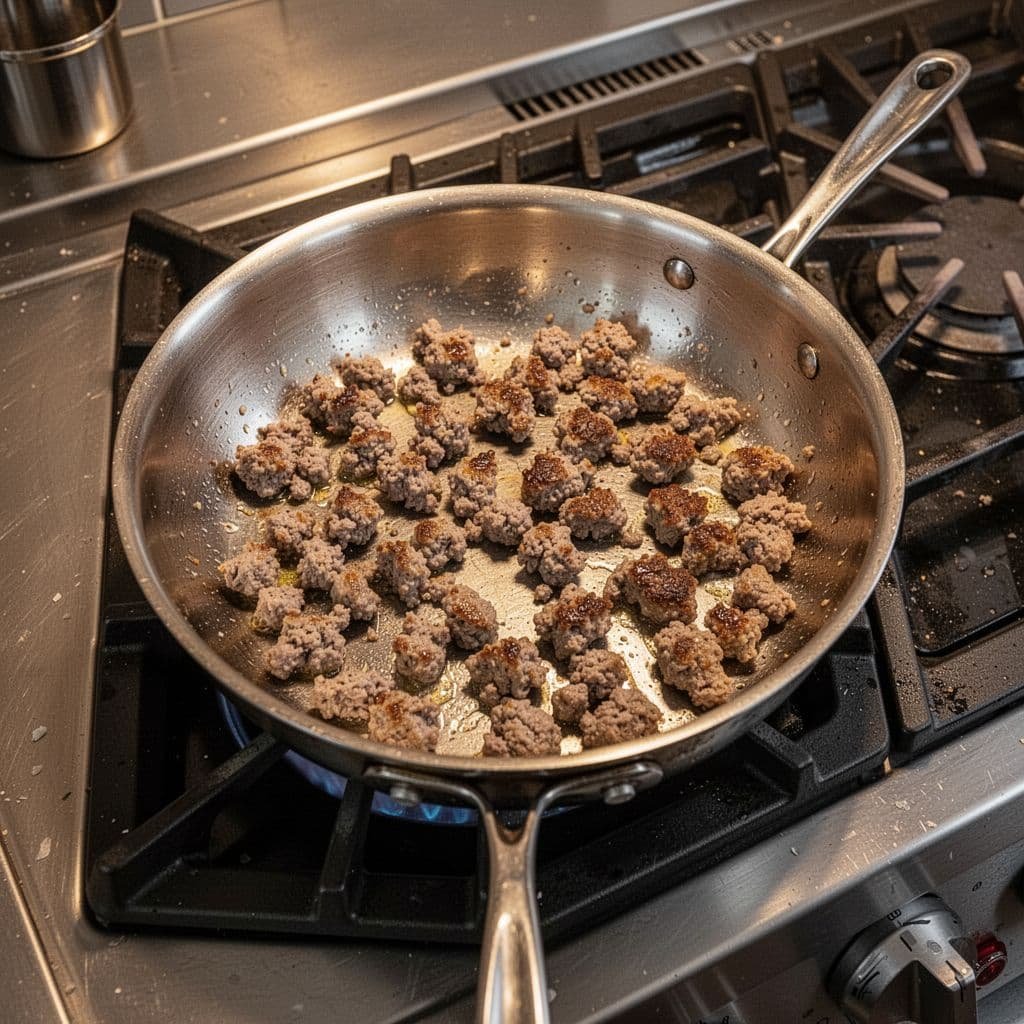
Do not rush this step. Allow the meat to cook undisturbed for a few minutes so it develops a deep, golden-brown crust. This browning is where the flavor lives. As the fat renders, those small brown bits left on the bottom of the pan—often called fond—will add incredible depth to your final tomato sauce. For a more detailed look at why this step matters, see these secrets to flavorful red sauce.
Once the sausage is browned, you can add your aromatics like garlic or onion. After they soften, pour in your tomatoes and let everything simmer. If you find there is too much grease in the pan, spoon off the excess before adding the sauce. A balanced sauce ensures your final casserole stays savory without becoming greasy.
Assembling and Baking Your Casserole
Layering is how you ensure every bite of ziti has the right ratio of sauce, cheese, and pasta. Start by spreading a thin layer of sauce on the bottom of your baking dish. This creates a barrier that keeps the pasta from sticking to the pan while it bakes.
Follow this sequence for the best results:
- Spread a thin layer of sauce across the bottom of the dish.
- Add half of your cooked, slightly under-boiled pasta.
- Distribute half of your ricotta cheese mixture and half of the remaining sauce over the pasta.
- Sprinkle a generous layer of mozzarella and Parmesan to build the internal cheesy structure.
- Repeat these layers with the remaining ingredients.
- Finish with a thick, final layer of mozzarella on top to create a golden, bubbly crust.
Temperature and moisture control are the keys to a perfect finish. Set your oven to 375 degrees Fahrenheit. Cover the dish with aluminum foil for the first 20 minutes of baking. This traps steam and helps the cheese melt without drying out the pasta.
After 20 minutes, remove the foil and bake for another 10 to 15 minutes. This final uncovered step allows the top layer of cheese to turn golden brown and crispy. If the edges begin to burn before the center looks ready, tent the foil loosely over the top. Always let the dish rest for at least 10 minutes once you pull it from the oven. Resting allows the sauce and cheese to settle, which makes the ziti much easier to scoop into portions.
Pro Tips for Making Your Ziti Even Better
You can elevate a standard baked ziti into a professional-grade meal with a few minor adjustments to your technique. Small details, such as how you manage your pasta water and the timing of your bake, make a massive difference in the final texture. These tweaks help you avoid dry, clumpy, or bland pasta every single time you cook.
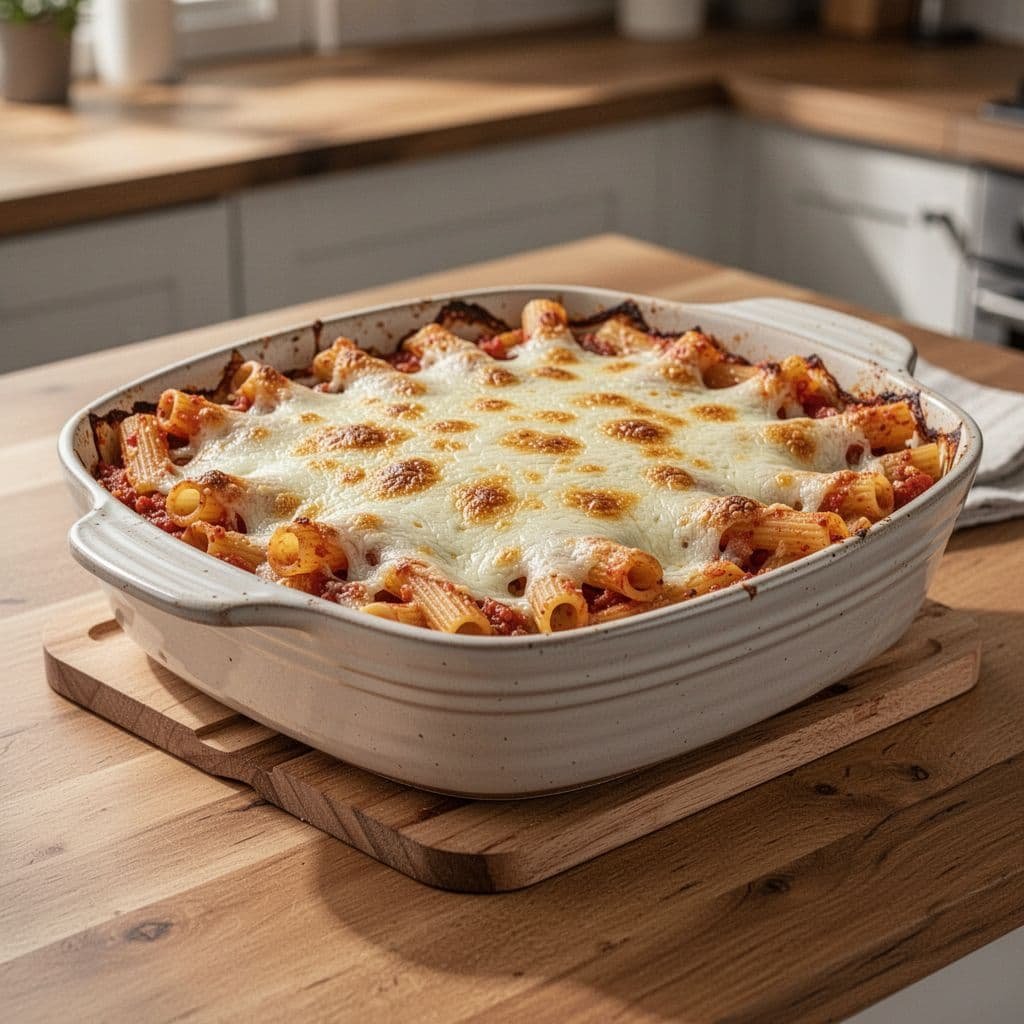
Use Pasta Water to Build Creaminess
Never pour your starchy pasta water down the drain. This liquid is packed with flavor and acts as a binder for your sauce. Before you drain the ziti, scoop out about a cup of that cloudy, salty water. Adding a splash of this water to your tomato sauce creates a silky, emulsified texture that helps the sauce cling to the pasta rather than sliding off it. It adds a subtle body to your meal that plain water or broth simply cannot replicate.
Master the Timing for Pasta Texture
The biggest mistake is overcooking the pasta before it ever reaches the oven. Since the noodles will continue to soften in the hot sauce, you need to stop the boiling process early. Aim to pull your pasta from the water when it is still firm, or about two to three minutes before it reaches a traditional al dente state. If you want to refine your approach, check these tips for an all-star baked ziti to ensure you get the perfect bite every time.
Manage Oven Heat for Even Results
Consistent oven heat is your best friend when you want a bubbly top and a tender interior. Always set your oven to 375 degrees Fahrenheit. Covering the dish with foil for the initial bake keeps the moisture locked inside, which prevents the outer edges from drying out before the center is hot. Once the pasta is heated through, remove the foil and finish baking for a few minutes. This final step crisps up the top layer of cheese to create that crave-worthy golden crust.
Let the Dish Rest Before Serving
Patience is difficult when a tray of cheesy pasta smells that good, but resting is essential for success. Once you remove the pan from the oven, let it sit on your counter for at least 10 to 15 minutes. This cooling period allows the sauce to thicken and the ingredients to settle into a stable structure. When you finally cut into the dish, the layers will stay intact on the plate rather than collapsing into a runny mess. You can find more guidance on proper preparation to further improve your kitchen workflow.
Conclusion
Making baked ziti with Italian sausage transforms a simple kitchen task into a reliable ritual for your family. The combination of savory meat, al dente pasta, and bubbling cheese creates a meal that feels both rustic and deeply satisfying. This dish offers a warmth that is perfect for gathering people around your table.
You should feel free to experiment with the base recipe as you gain confidence in the kitchen. Try adding different vegetables or swapping the cheese blend to find a version that matches your personal taste. Once you perfect your own style, this meal becomes a staple that you can return to whenever you need a hearty, reliable dinner.
Sharing a hot pan of pasta with those you love is the true reward for your time spent prepping and baking. Sit down, serve a generous portion, and enjoy the comfort that comes from a well-made meal at home.
Save pin for later


- Healthy Air Fryer Recipes for Beginners - 21/09/2026
- Healthy Snacks for Late Night Cravings - 21/09/2026
- High Protein Meal Prep Ideas for Easy Weekly Meals - 21/09/2026

