Walking is one of the few habits that’s free, low-stress, and easy to fit into real life. You don’t need a gym, fancy gear, or a perfect schedule to start seeing the benefits of walking daily. In fact, recent research suggests that even short walks matter, and 10-minute daily walks lower early death risk.
If you’ve been sitting more, feeling stiff, or trying to boost your energy and mood without overdoing it, walking is a smart place to begin. This post breaks down 15 science-backed ways daily walks can support your body and mind, from heart health and blood sugar to stress, focus, and sleep. Even 10 to 30 minutes a day can help, and your pace can stay light or move to brisk as your fitness improves.
Now let’s get into the specific benefits, so you can see how much this simple habit can do.
Walking daily helps your body stay strong and healthy
A daily walk does more than help you “get your steps in.” It supports the systems that keep you moving, from your heart and blood vessels to your blood sugar, bones, and joints. Over time, this simple habit can lower disease risk, improve mobility, and help you stay active with less strain.
It supports heart health, blood pressure, and circulation
Walking gives your heart steady practice. As you move, your heart pumps blood more efficiently, your blood vessels respond better, and oxygen reaches your muscles with less effort. That matters because better circulation can help reduce strain on the whole cardiovascular system.
Research has linked meeting basic walking or activity guidelines with about a 30% lower risk of cardiovascular events, including heart disease and stroke. There’s also evidence that in older adults, even adding extra daily steps can make a real difference. One BMJ study on 2,000 extra daily steps found lower cardiovascular event risk in people already at high risk of type 2 diabetes.
Blood pressure can improve, too. Walking helps your blood vessels stay more flexible, so blood can move with less resistance. In plain terms, that means your heart doesn’t have to push as hard every time it beats. Even a brisk 20 to 30-minute walk most days can support healthier numbers over time.
A walk may feel gentle, but for your heart, it adds up like interest in a savings account.
It can lower your risk of type 2 diabetes and help control blood sugar
Daily walking helps your body use insulin better. That’s important because insulin acts like a key, helping sugar move from your blood into your cells for energy. When your body responds better to insulin, blood sugar tends to stay more stable.
Timing helps here. A walk after meals can lower the usual blood sugar spike that comes after eating, especially after lunch or dinner. In addition, regular walking may reduce belly fat, which is closely tied to insulin resistance and diabetes risk.
One well-known PubMed study on walking and diabetes risk in women found that women who walked 30 minutes a day had about a 30% lower risk of type 2 diabetes. That’s a strong return from an activity most people can start without much planning.
If you’re trying to keep blood sugar in check, consistency matters more than perfection. Short daily walks often beat the occasional long workout.
It helps with weight control without feeling extreme
Walking burns calories, but its real strength is that people can stick with it. Because it feels manageable, it often becomes part of daily life instead of another short-lived fitness push. That steady effort can help lower body fat and trim waist size over time.
Brisk walking is especially useful because pace changes the demand on your body. You don’t need to sprint, but walking with purpose can raise your heart rate enough to support fat loss and better fitness. It’s a practical middle ground, not an all-or-nothing plan.
Research also suggests physical activity can blunt some genetic risk for obesity. In other words, your genes are not the whole story. Regular movement, including walking, can push back against that risk and help you maintain a healthier weight with less pressure than more intense programs.
It protects your bones and joints as you age
Walking is a weight-bearing exercise, which means your bones and muscles work against gravity. That small, repeated stress helps support bone strength and may lower fracture risk over time. A recent Scientific Reports study on regular walking and bone density also found a link between regular walking and greater lumbar spine bone density in older men.
Your joints benefit, too. Walking helps move joint fluid around, which can ease stiffness and help the knees and hips feel smoother. For many people with arthritis, gentle daily movement reduces pain more than long stretches of sitting still.
It also supports balance and mobility, which become more important with age. When your legs, hips, and core stay active, you’re better able to move with confidence and recover from small stumbles before they turn into falls.
A simple walk can improve energy, digestion, and everyday comfort
Some benefits of walking show up fast. You may feel lighter after a meal, less stiff after a workday, and more in control when snack cravings hit. That is part of what makes walking so useful. It fits into normal life and often helps you feel better the same day, not just years from now.
Walking helps your digestion and may reduce that heavy, sluggish feeling
A short walk can help your digestive system do its job. Gentle movement encourages food to keep moving through the gut, which may ease that stuffed, slow feeling after eating. For some people, that also means less bloating, better regularity, and more comfort later in the day.
You do not need a long workout for this. Even 10 to 15 minutes at an easy pace after a meal can help. The goal is simple movement, not speed. Cleveland Clinic also notes benefits from walking after eating, especially when you want to avoid feeling too full or sleepy after dinner.
It can strengthen your immune system and help you get sick less often
Walking also supports your body’s day-to-day defenses. In one well-known study, adults who walked at least 20 minutes a day, 5 days a week, had about 43% fewer sick days than those who exercised once a week or less. When they did get sick, their symptoms also tended to be milder.
That does not mean walking makes you immune to every cold. It means regular movement may help your body handle everyday stress better and bounce back faster. Over time, that can look like fewer missed workdays, more steady energy, and less disruption during cold and flu season. The pattern is simple: consistent, moderate activity helps more than doing nothing most days.
Regular walks can make your body feel a little more prepared for real life.
It improves mobility and can ease aches from sitting too much
Sitting for hours can leave your hips tight, your back cranky, and your legs heavy. Walking helps reverse some of that. It loosens stiff muscles, gets blood moving, and reminds your body how to move in a smooth, natural way again.
This matters if you spend long hours at a desk, behind the wheel, or on the couch. A brief walk breaks up that frozen feeling and often reduces the small aches that build up when you stay still too long. Over time, it can also support better posture and easier movement during daily tasks, like climbing stairs or carrying groceries.
For people with circulation problems such as peripheral artery disease, walking can be especially helpful. Research highlighted by the American Heart Association on walking with PAD shows it can improve walking ability and mobility over time.
A short walk can help curb cravings and mindless snacking
Cravings often hit when you are stressed, bored, or mentally worn out. A short walk can interrupt that loop. Research suggests even 15 minutes of brisk walking may reduce cravings for sweets, including chocolate and other sugary snacks.
That is useful if you are trying to build better habits without strict food rules. Instead of fighting every urge with willpower, you can change the moment. Stand up, walk around the block, or take a quick lap after work. In many cases, the craving softens enough for you to make a calmer choice, whether that means having a smaller treat or skipping the snack altogether.
Walking daily is good for your mood, stress, and mental health
Walking does more than move your body. It can also steady your mind, soften stress, and make hard days feel a little lighter. That matters because mental health support does not always need to be dramatic to be real. Sometimes a simple daily walk helps you feel more like yourself again.
Even short walks can help. Current research and recent summaries point to better mood, less stress, and fewer depressive symptoms with regular walking, even when the habit starts small. The effect builds over time, which is one reason walking is such a useful everyday tool.
It can lift your mood and help you feel more balanced
When you walk, your brain gets a useful shift. Movement can raise feel-good chemicals such as endorphins and serotonin, while also lowering physical tension. As a result, you may feel calmer, less irritable, and more emotionally steady after a walk than before it.
Research also suggests that walking for 20 minutes or more a day can improve mood, focus, attentiveness, and self-confidence while reducing anger and hostility. A helpful summary from Health on the benefits of a 20-minute walk highlights how even a brief daily walk can reduce stress and support a better mood.

You might notice this in simple ways. Maybe you start a walk feeling tense, distracted, or snappy. Then you come back with a clearer head, looser shoulders, and a little more patience. That shift is small, but it is real, and those small lifts often add up.
A daily walk can act like a reset button for your mood, especially when emotions start to pile up.
Walking gives your mind a break from stress and mental overload
A walk creates space between you and whatever is crowding your mind. If you’ve been staring at a screen for hours, answering messages, or pushing through work pressure, walking helps break that cycle. Your eyes move away from the monitor, your breathing settles, and your thoughts often stop racing so hard.
This is one reason walks work so well during busy days. For example, a quick lap around the block after a tense meeting can help you clear your head before the next task. Likewise, stepping outside after too much sitting can make you feel less mentally clogged up, almost like opening a window in a stuffy room.
You do not need a perfect route or a full hour. A short walk at lunch, after work, or between chores can give your brain time to reset. If you walk outside, the effect may feel even stronger because fresh air, daylight, and natural scenery can help quiet repetitive thoughts.
It may lower the risk of depression and support long-term mental wellness
Regular walking is also linked with a lower risk of depression and better day-to-day emotional health. Recent evidence suggests that higher daily step counts are tied to fewer depressive symptoms, and even modest increases can help. A JAMA Network Open meta-analysis on daily steps and depression adds to the case that consistent movement supports mental wellness over time.
That does not mean walking is a cure-all. It is a helpful habit, not a replacement for therapy, medication, or other professional care when those are needed. Still, it can be a steady form of support, especially because it is simple, low-cost, and easier to repeat than many other wellness habits.
For many people, the biggest win is consistency. A daily walk can add structure, improve sleep, reduce stress buildup, and help you feel more capable in your own body. Over time, that can support a stronger, more stable sense of well-being.
Your brain, memory, and sleep can benefit more than you might expect
Walking helps more than mood. It also supports the parts of daily life that keep you sharp, steady, and rested. If you want to think more clearly, remember things better, and sleep with less tossing and turning, a simple walk can do more than most people expect.
Walking can sharpen focus, memory, and clear thinking
When you walk, your heart pumps more blood and oxygen to the brain. That matters because your brain needs a steady supply of both to stay alert. As a result, many people notice better concentration after a walk, especially during long workdays or study sessions.
Regular walking may also help with learning and memory. It supports brain areas linked to recall and attention, and some research suggests it may help the brain stay more adaptable over time. The CDC notes that physical activity can improve memory, focus, and problem-solving, which is one reason walking works so well for adults with busy schedules and students with full days of mental work.

If your mind feels foggy by midafternoon, a short walk can help reset it. For older adults, that may mean clearer thinking. For professionals, it can mean better focus before the next meeting. For students, it may make it easier to retain what they just read. A CDC summary on physical activity and brain health gives a helpful overview of these benefits.
It may help protect the brain as you get older
Walking also has a strong link to healthy brain aging. In one well-known finding, older men who walked more than a quarter mile a day had about half the rate of dementia as those who walked shorter distances. That does not mean walking guarantees protection. Still, it is a strong sign that everyday movement can be part of a brain-healthy lifestyle.
This fits with newer research, too. A recent Harvard report on daily steps and Alzheimer’s risk highlighted data showing that 3,000 to 7,500 steps a day may help slow cognitive decline in older adults at higher risk. Walking works best as one piece of the puzzle, along with sleep, social connection, blood pressure control, and good medical care.
Daily walks can make it easier to sleep well at night
Better days often lead to better nights. Walking helps use up physical energy, steady your daytime rhythm, and support a healthier body clock. That can make it easier to feel sleepy at the right time instead of lying awake with a tired but restless mind.
Moving more during the day also tends to improve sleep quality. People often fall asleep faster, wake less during the night, and feel more refreshed the next morning. Research on sleep and daily physical activity continues to show a close link between regular movement and better rest.

A walk outside may help even more because daylight tells your brain when to feel awake. Then, later at night, your body is more ready to power down. If sleep has felt off lately, a daily walk is one of the simplest places to start.
How to make walking a daily habit you can actually keep
The best walking plan is the one you will still do next week. That usually means keeping it simple, making it easy, and giving yourself room to be imperfect. You do not need a big step goal on day one. You need a routine that feels doable on busy, tired, normal days.
Start small, build momentum, and focus on consistency
Start with a walk so easy you cannot talk yourself out of it. For many people, that means 10 minutes a day. If that feels light, good. A short walk you repeat is more useful than an ambitious plan you quit by Friday.
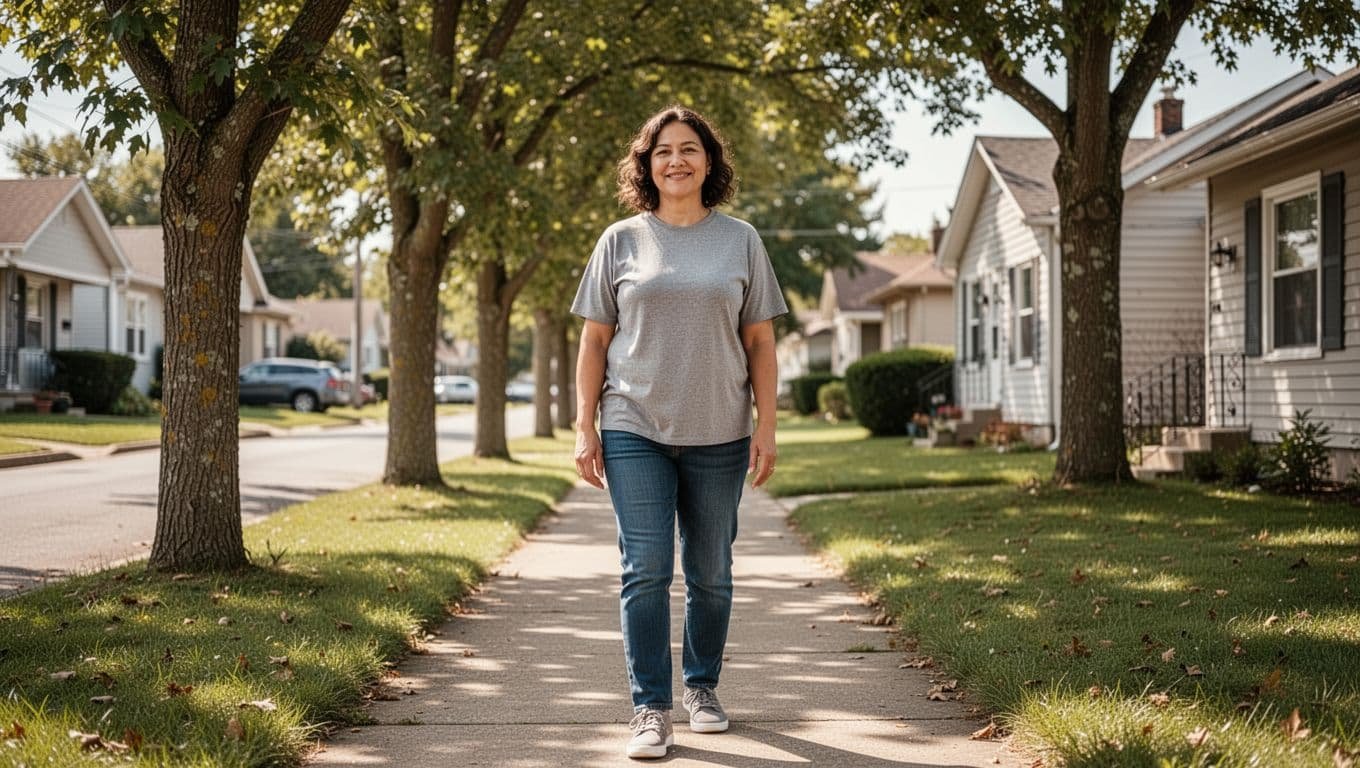
A few beginner-friendly ways to begin work well because they fit real life:
- Walk for 10 minutes after dinner.
- Take a quick lap after lunch.
- Park a little farther away and walk the rest.
- Use phone calls as walking time.
- Add a short walk while errands or chores are already in motion.
If you want a simple target, aim to build toward 150 minutes a week, which matches common public health guidance. Still, do not let that number scare you off. The CDC’s tips for getting started with physical activity also support starting small and building up over time.
Small walks still count, and they count even more when you repeat them.
Some days you may only get in one short walk. That is still progress. Habits grow the same way savings do, with steady deposits.
Make your walks easier to enjoy so the habit lasts
A habit sticks better when it feels rewarding. So make your walk something you look forward to, or at least something you do not dread. Put on music, save a favorite podcast for walking time, or invite a friend when you want company.
It also helps to tie walking to a cue you already have. Go after your morning coffee, after work, or right after meals. When the walk has a clear place in your day, you spend less energy deciding.
A few simple tweaks can help:
- Pick a route you actually like.
- Track steps if seeing progress keeps you motivated.
- Keep your shoes by the door.
- Use a treadmill, mall, or indoor track when weather is rough.
Most importantly, miss one walk without turning it into a trend. Get back to it the next day, keep the bar realistic, and let consistency beat perfection.
Conclusion
Walking is one of the most practical habits you can build for your health because it supports both your body and your mind at the same time. A simple daily walk can help your heart, blood sugar, weight, mood, focus, and sleep. Over time, those small efforts add up, and that’s what makes walking so powerful.
It also works because it’s realistic. You don’t need perfect conditions, expensive gear, or a hard workout plan to feel the benefits. You just need to keep showing up, even for a short walk on busy days.
So start with one short walk today. Ten minutes is enough to begin, and that one step can turn into a habit that helps you feel better, think more clearly, and move through life with more energy.
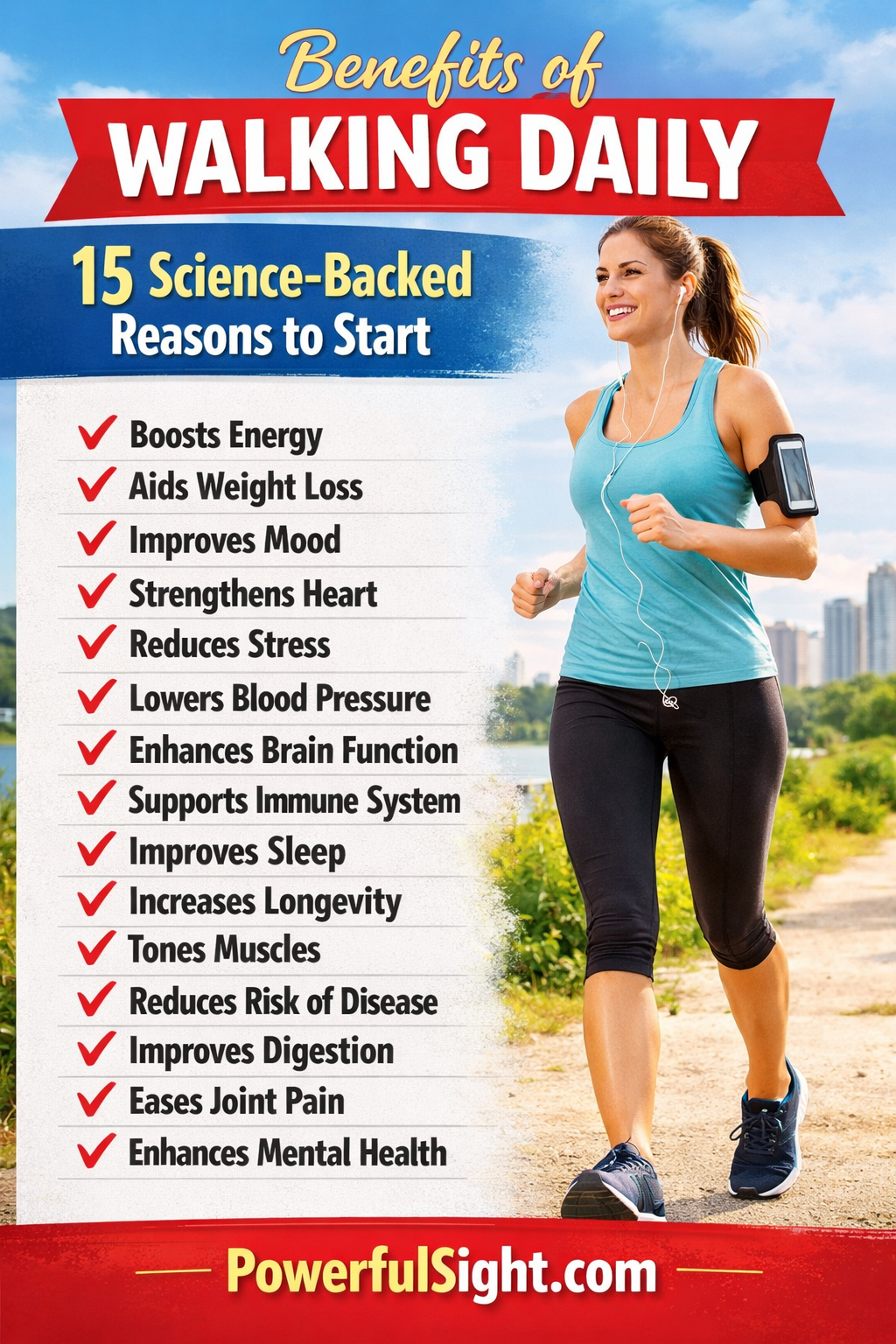
Save the pin for later

- 60 Color Tattoos That Healed Beautifully - 25/09/2026
- 40 Most Painful Tattoo Spots - 24/09/2026
- 20 Tattoo Aftercare Mistakes That Ruin Fresh Ink - 23/09/2026

