You can enjoy restaurant-quality steak at home in less than 20 minutes with garlic butter steak bites. These bite-sized morsels sear quickly to stay tender, making them an ideal choice for a busy weeknight or a crowd-pleasing appetizer when guests stop by.
If you are tired of spending hours in the kitchen, these flavor-packed bites provide a satisfying solution that feels special without the stress. They are simple to prepare, regardless of your cooking experience, and they pair beautifully with many nutritious meal options for busy nights.
See how easy it is to sear these cuts to perfection in this brief video guide. Let’s look at the ingredients you need to get started.
How to Pick the Best Cut of Steak
Choosing the right cut of beef is the most important step in making great steak bites. You want meat that is naturally tender and flavorful, as these small pieces sear quickly and do not have time to break down tough connective tissue. For the best results, prioritize cuts like ribeye, top sirloin, or New York strip. These options offer a balance of texture and beefy flavor that stands up well to high-heat cooking.
Avoid lean cuts such as round steak or sirloin tip, as they often turn chewy and dry when seared in small cubes. Aim for steaks that are between 1 and 1.5 inches thick. This thickness allows you to get a beautiful, brown crust on the outside while the center remains tender and juicy.
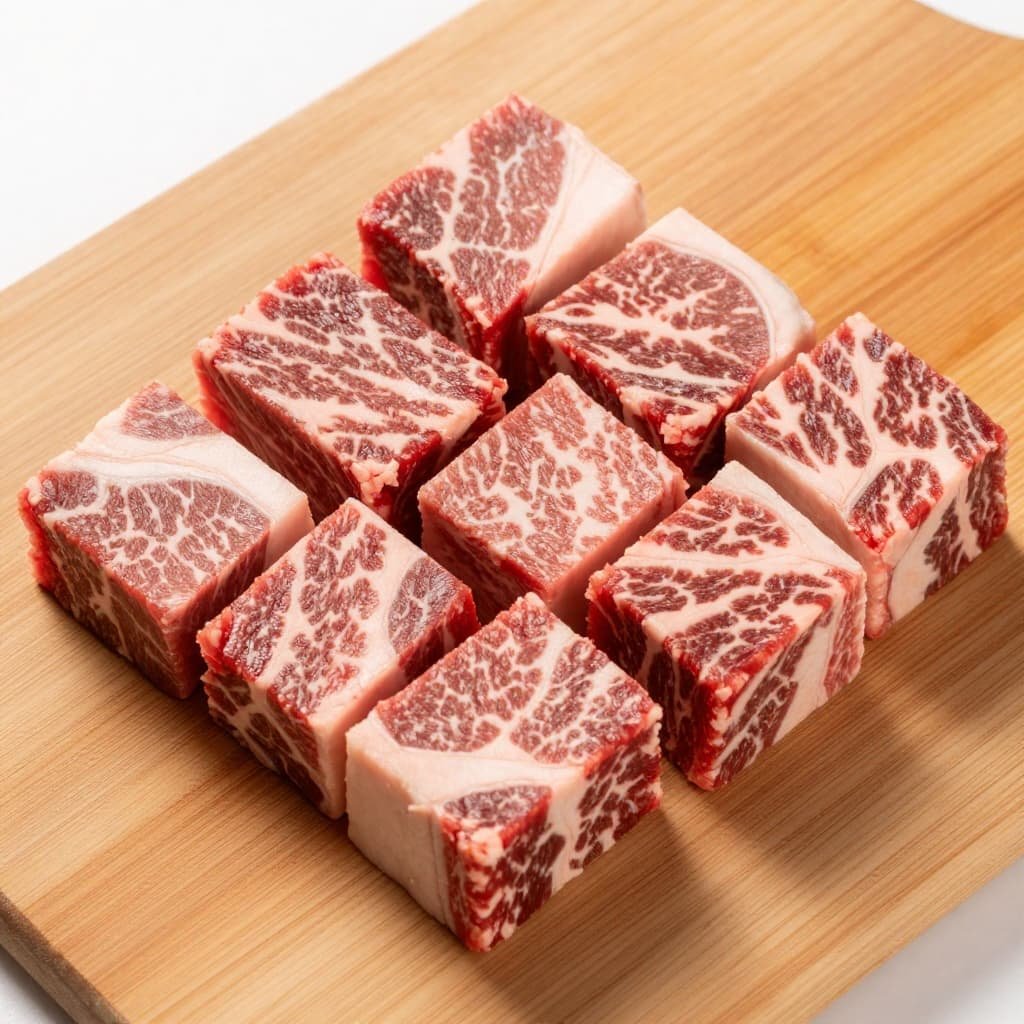
Why Marbling Matters
Marbling refers to the white flecks and streaks of intramuscular fat scattered throughout the red muscle tissue. This fat is the secret to a high-quality, flavorful bite. As the steak hits the hot skillet, the marbling melts into the muscle fibers. This process adds a rich, savory taste and keeps the meat moist during the quick searing process.
When you are at the store, look for beef that shows consistent, fine webbing of white fat rather than large, isolated pockets. Steaks with generous marbling, such as ribeye or New York strip, act like they have built-in basting, which guarantees a tender result even if you have a busy kitchen. Choosing well-marbled meat is one of the easiest ways to ensure your meal tastes like it came from a professional kitchen.
Preparing Your Meat Properly
How you cut your steak before it reaches the pan affects the final texture more than you might think. Start by trimming away any gristle or large, waxy pieces of exterior fat that won’t render down. Then, slice the steak into uniform cubes, aiming for pieces roughly 1 inch in size. Keeping the cubes the same size ensures they all cook at the same speed, preventing some pieces from becoming overdone while others remain undercooked.
Most importantly, always look for the direction of the muscle fibers, known as the grain. You want to cut across these lines rather than parallel to them. Cutting against the grain shortens the fibers, which makes each bite significantly easier to chew. If you are ever uncertain about which way the grain runs, take a close look at the surface of the steak and follow the lines of the muscle. This simple preparation step makes a noticeable difference in the tenderness of your finished garlic butter steak bites.
Secrets to Getting That Perfect Sear
Achieving a restaurant-quality crust on your steak bites is all about managing moisture and heat. When you introduce cold, wet meat to a pan, the temperature drops instantly, which leads to gray, steamed beef rather than a rich, dark sear. To reach that professional result, start by patting your meat dry with paper towels. Removing surface moisture is a small step that prevents the steak from boiling in its own juices. You should also ensure your cast-iron skillet is properly preheated until it emits a faint wisp of smoke, as this ensures an immediate reaction when the beef hits the surface.
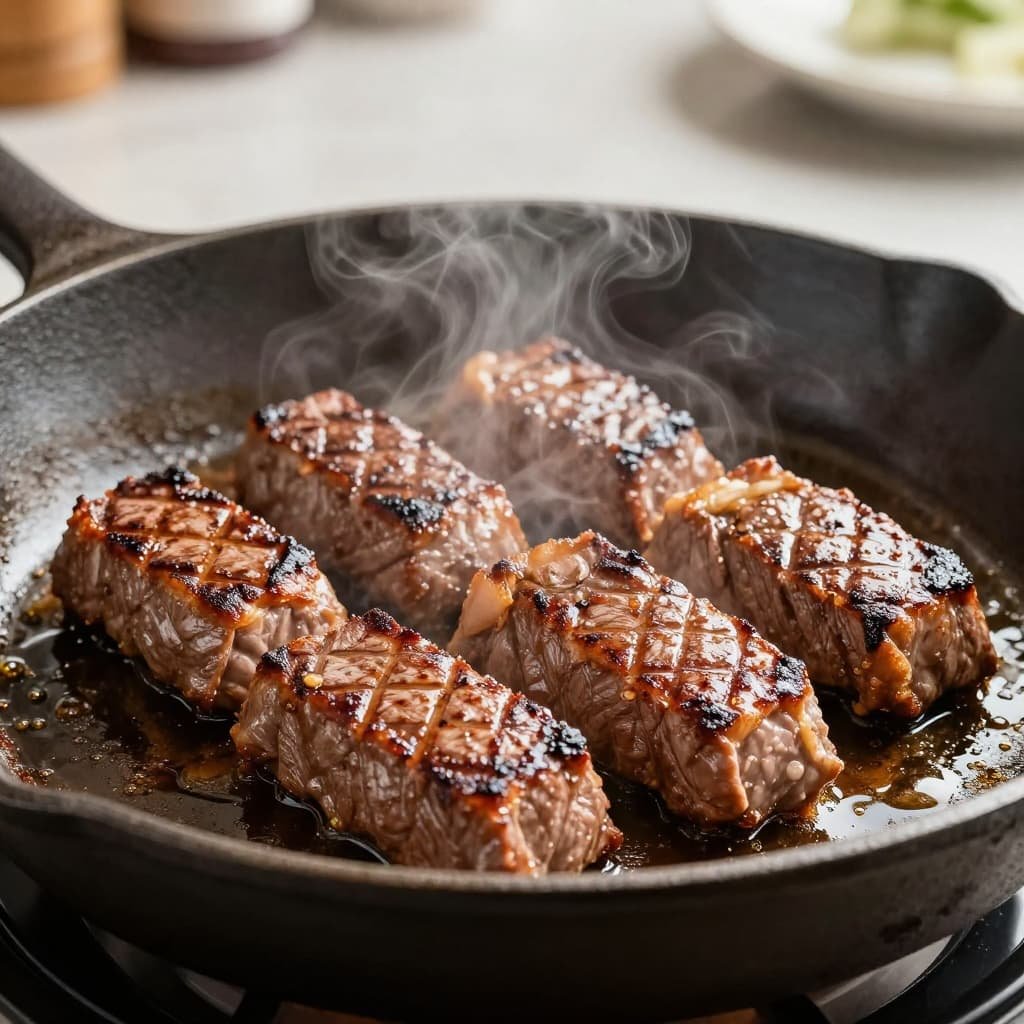
The Art of Batch Cooking
It is tempting to throw all your steak cubes into the pan at once, but this is a common mistake that ruins the texture. If you crowd the pan, the moisture trapped between the pieces has nowhere to go. This turns the process into a steam bath rather than a sear. When the pan is overcrowded, the temperature drops too quickly, and the meat releases its juices, leading to a rubbery consistency.
Instead, cook your steak bites in small batches. Give each piece enough space to sit on the hot surface without touching its neighbor. This method for searing beef ensures that each side develops a crisp, brown crust while the center remains tender and juicy. You can find more helpful advice on how to cook steak bites by focusing on these high-heat fundamentals. By taking the extra minute to cook in stages, you guarantee that every single bite reaches that perfect level of doneness.
When to Add the Garlic Butter
Adding your garlic and butter too early is the fastest way to ruin your hard work. Garlic contains natural sugars that burn instantly when exposed to the high temperatures needed for a proper sear. Once the garlic turns brown or black, it releases a sharp, bitter flavor that permeates the entire dish and ruins the savory notes of the beef. Butter also burns quickly because of its milk solids, which can turn acrid if left in a screaming-hot pan for too long.
Follow this simple rule to keep flavors bright and clean:
- Sear first: Cook the steak in neutral oil until you reach the desired crust on all sides.
- Lower the heat: Once the meat is nearly finished, turn the burner down to avoid burning your aromatics.
- Finish with butter: Add your butter, crushed garlic, and fresh herbs during the final minute of cooking.
Using this timing allows the butter to melt and coat the steak without scorching the ingredients. Spoon the foaming garlic butter over the bites to infuse them with flavor just before serving. This approach creates a balanced, savory finish that elevates the steak without the harshness of burned garlic.
Common Mistakes to Avoid
Even with the best cuts of beef, a few small errors can stand between you and a perfect plate of steak bites. Many home cooks struggle with textures that feel tough or flavors that lack depth. Most of these issues result from common habits that are easy to break once you know what to look for. By staying aware of these pitfalls, you can guarantee every batch you make at home is tender, juicy, and packed with flavor.
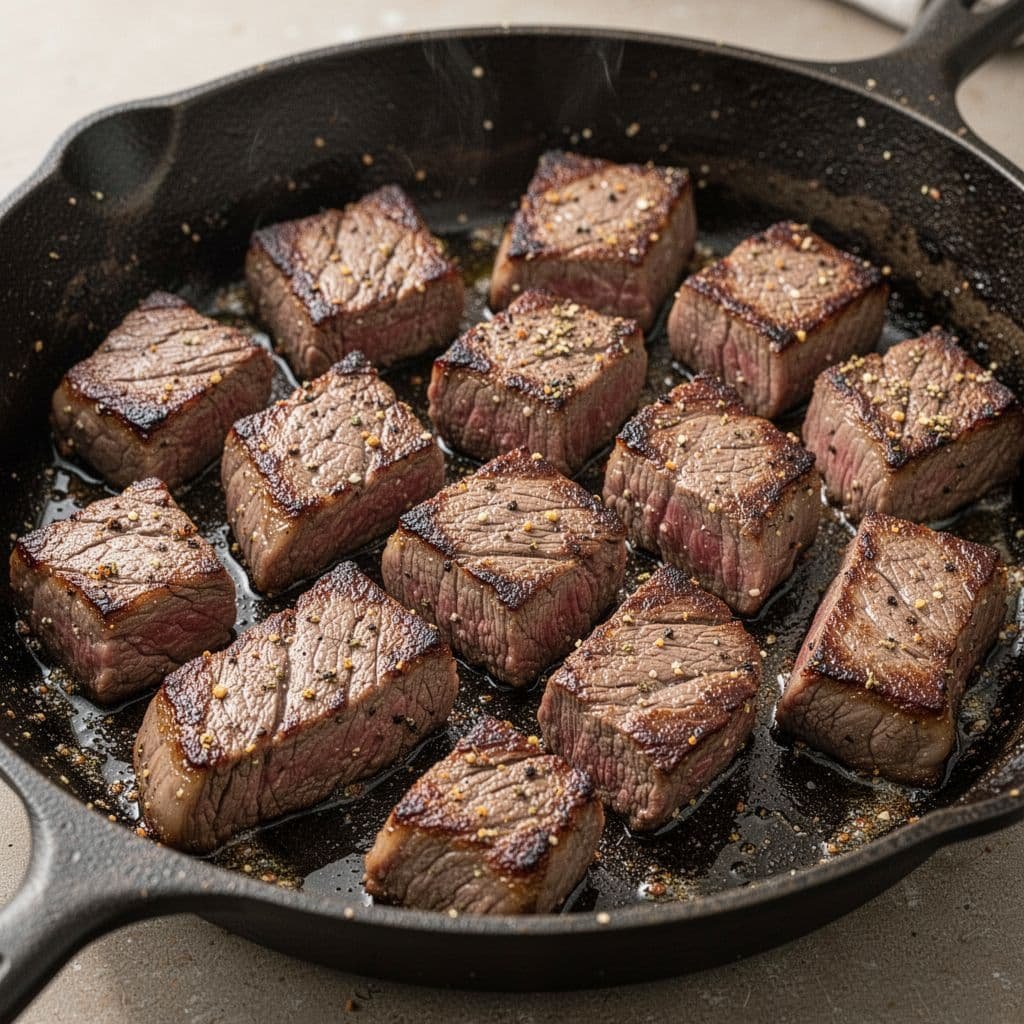
Managing Your Heat Levels
High heat is your best friend when you want that deep, brown crust on your beef. Starting with a cold pan is a frequent mistake that leads to gray, boiled meat. You should preheat your skillet until it is truly hot before adding any oil. This intense initial burst of heat sears the exterior instantly, which locks in the moisture and creates a savory flavor profile.
However, keep in mind that high heat is only meant for the searing phase. Leaving the pan on maximum power throughout the entire process is a recipe for disaster, especially once you introduce garlic and butter. These delicate ingredients burn in seconds when the pan is too hot, which introduces a bitter, charred taste to your meal. You can learn more about common cooking mistakes that ruin steak to understand why temperature control is the mark of a professional approach.
When the crust forms on all sides of the beef, turn the heat down immediately. This lower setting allows you to melt your butter and cook the garlic gently without burning them. Taking the time to adjust your burner is a small step that separates a mediocre meal from one that tastes like it came from a high-end kitchen.
Beyond temperature, be mindful of these other frequent errors:
- Skipping the rest: Just like a full-sized steak, these bites benefit from a short rest. Letting them sit for two minutes after they leave the pan allows the juices to redistribute, preventing them from running out onto the plate.
- Ignoring seasoning: Steak is thick, and salt needs time to penetrate the surface. Season your cubes generously with salt and pepper before they touch the hot oil.
- Overcrowding the pan: Adding too many pieces at once forces the temperature to drop rapidly. Always work in smaller batches to give every cube room to sear properly rather than steam.
If you find yourself struggling with consistent results, consider how these protein meal preparation techniques help you plan your cooking. Balancing your intake of red meat is also wise for long-term health, so think about how often you include these meals in your routine. Consistent practice with these simple temperature and preparation rules will make you more confident in the kitchen every time you fire up the stove.
Serving Suggestions and Sides
Garlic butter steak bites are rich and savory, so pairing them with the right sides transforms a simple snack into a complete dinner. You want dishes that balance the intensity of the garlic and butter while adding variety to your plate. Whether you prefer something fresh, creamy, or crunchy, these options help you build a well-rounded meal without spending extra time in the kitchen.
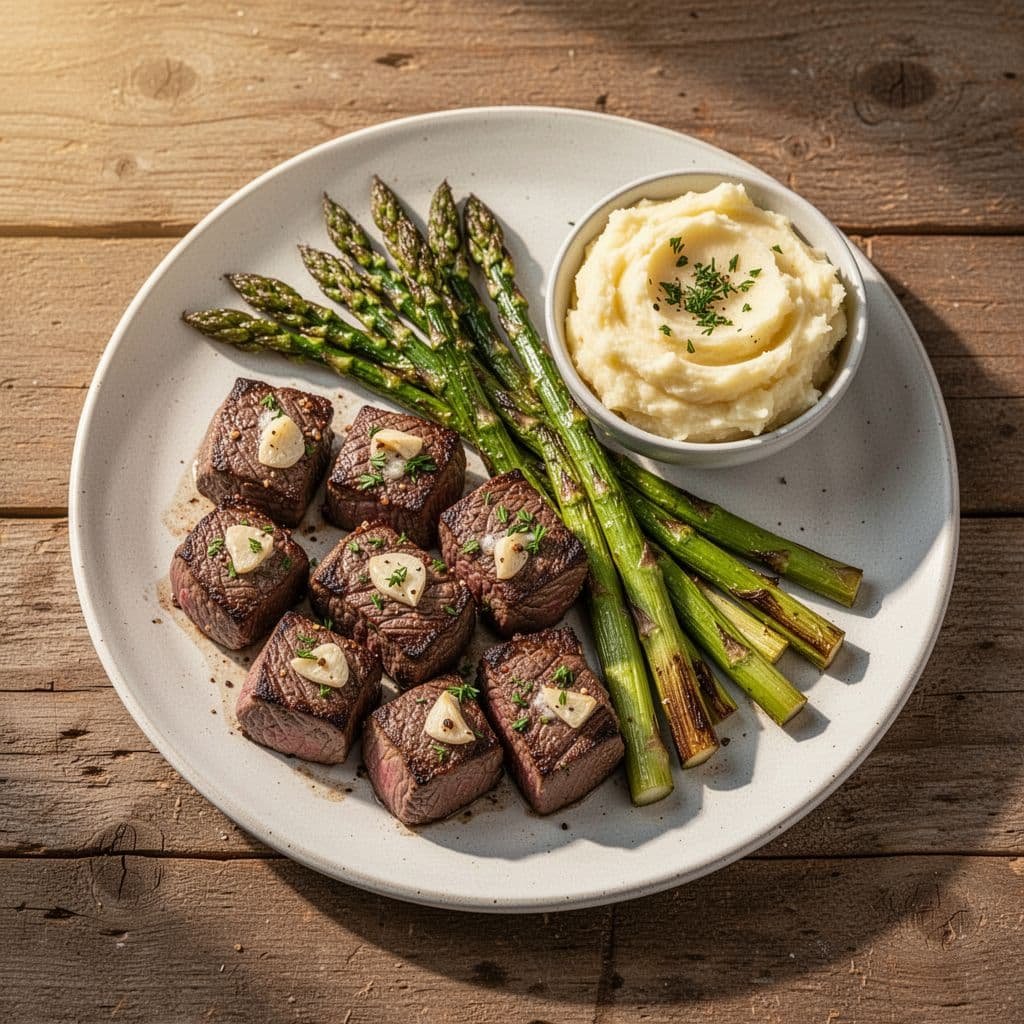
Classic Pairings for Hearty Meals
When you want comfort food, starchy sides are your best choice. They act as the perfect canvas for the leftover garlic butter sauce that remains in your skillet. Mashed potatoes provide a creamy texture that contrasts beautifully with the seared crust of the beef. If you prefer something more rustic, roasted baby potatoes or a side of fluffy rice soak up the juices just as effectively.
For those who enjoy a bit of extra decadence, consider adding a side of mac and cheese. This combination is especially popular for family dinners where you need something filling and satisfying. You can find more ideas on how to pair these proteins with starch-heavy sides in this guide to steak bites and potatoes.
Fresh Sides to Balance Richness
The heavy, buttery nature of the steak often benefits from something crisp or acidic to cleanse your palate. A simple green salad with a bright lemon vinaigrette is an excellent way to cut through the richness. You might also consider sautéed spinach or kale with a hint of balsamic vinegar, which adds both color and depth to your meal.
Vegetables are not just a garnish; they provide essential crunch and nutrients. These options work well:
- Roasted asparagus: A classic pairing that adds a snap of freshness with minimal prep.
- Steamed green beans: Toss these in a little salt and pepper to keep things simple and light.
- Grilled zucchini: This provides a mild flavor that does not compete with the bold garlic butter.
- Broccoli florets: Roasting them until the edges are brown and crisp creates a great textural contrast.
If you are looking for more variety, this list of side dishes for steak bites covers everything from roasted vegetables to light, fresh salads. Adding a crusty loaf of bread to the table also gives you a way to mop up any remaining sauce, ensuring nothing goes to waste. When planning your menu, focus on one hearty side and one fresh component to keep your dinner feeling balanced and professional.
Conclusion
Mastering garlic butter steak bites is a straightforward process that rewards you with a professional dinner in minutes. By choosing well-marbled beef, controlling your pan temperature, and adding aromatics at the very end, you achieve a juicy result every time. This reliable method is a great addition to your weekly meal prep strategies for variety.
Don’t be afraid to make this recipe your own. You can swap fresh parsley for thyme, rosemary, or even a dash of smoked paprika to find your favorite flavor profile. Grab a fresh cut of steak and experiment with these herbs to create your personal signature dish.
Save pin for later


- Healthy Air Fryer Recipes for Beginners - 21/09/2026
- Healthy Snacks for Late Night Cravings - 21/09/2026
- High Protein Meal Prep Ideas for Easy Weekly Meals - 21/09/2026

