You can be exhausted long before you feel “too tired” to function. Poor sleep, heavy stress, and nonstop schedules often show up first as irritability, brain fog, body aches, or a stubborn need for caffeine.
Those signs are easy to brush off, especially when you keep pushing through work, family duties, and packed days. Still, your body usually speaks up before burnout gets worse, and learning to spot those cues early can help you recover faster. If stress has already started to pile up, practical tips to beat work stress can help you slow things down before exhaustion takes over.
The goal here isn’t to scare you, it’s to help you notice what your body is saying and respond before rest becomes an afterthought. How to Know If You Need a Rest Day | Dr. Andy Galpin & Dr. Andrew Huberman
Why your body asks for rest before you feel completely burned out
Your body usually asks for rest long before burnout feels obvious. Small signs build first, and they often show up in your sleep, mood, focus, and energy. A busy week, a few poor nights, and a string of hard workouts can add up faster than people expect.
Sleep is where a lot of repair happens. Your brain sorts information, your muscles recover, and your nervous system gets a chance to settle. When late nights and stress keep cutting that process short, the body starts asking for backup in small ways, like feeling sluggish, tense, or unusually irritable. If that pattern keeps going, even good sleep may stop feeling refreshing.

The first warning signs are often soft, not dramatic. That is why they are easy to miss.
How stress, sleep loss, and activity pile up
Stress does not need to be extreme to wear you down. Work pressure, family demands, emotional tension, workouts, and short sleep all draw from the same recovery pool. When those demands stack up, your body can start conserving energy before you ever feel fully drained.
For example, you might still get through the day, but with less patience, tighter muscles, or a stronger pull toward caffeine. A few lighter days can help, but only if you give your body room to recover. If rest has been missing for a while, how to recover from emotional burnout quickly can be a useful next step.
Why early warning signs matter
Catching the signs early helps you stop the slide before it gets worse. That can mean fewer sick days, better workouts, steadier sleep, and a lower risk of burnout that takes weeks to shake off.
The warning signs are often simple, like waking up tired, losing motivation, or feeling run down more often than usual. When you notice them, you can respond sooner with lighter days, better sleep, and less pressure. Small changes now are much easier than a long recovery later.
The first signs your body needs more rest
Early fatigue does not always look like collapsing into bed. Sometimes it shows up as a low battery feeling that follows you all day, even when you slept. Other times, it looks like restless nights, a racing pulse, sore muscles, or a mind that feels slower than usual.
These signs can be easy to miss because they often build in small ways. You may still get through work, school, and errands, but everything takes more effort. That extra strain is your body asking for a break before the crash gets worse.
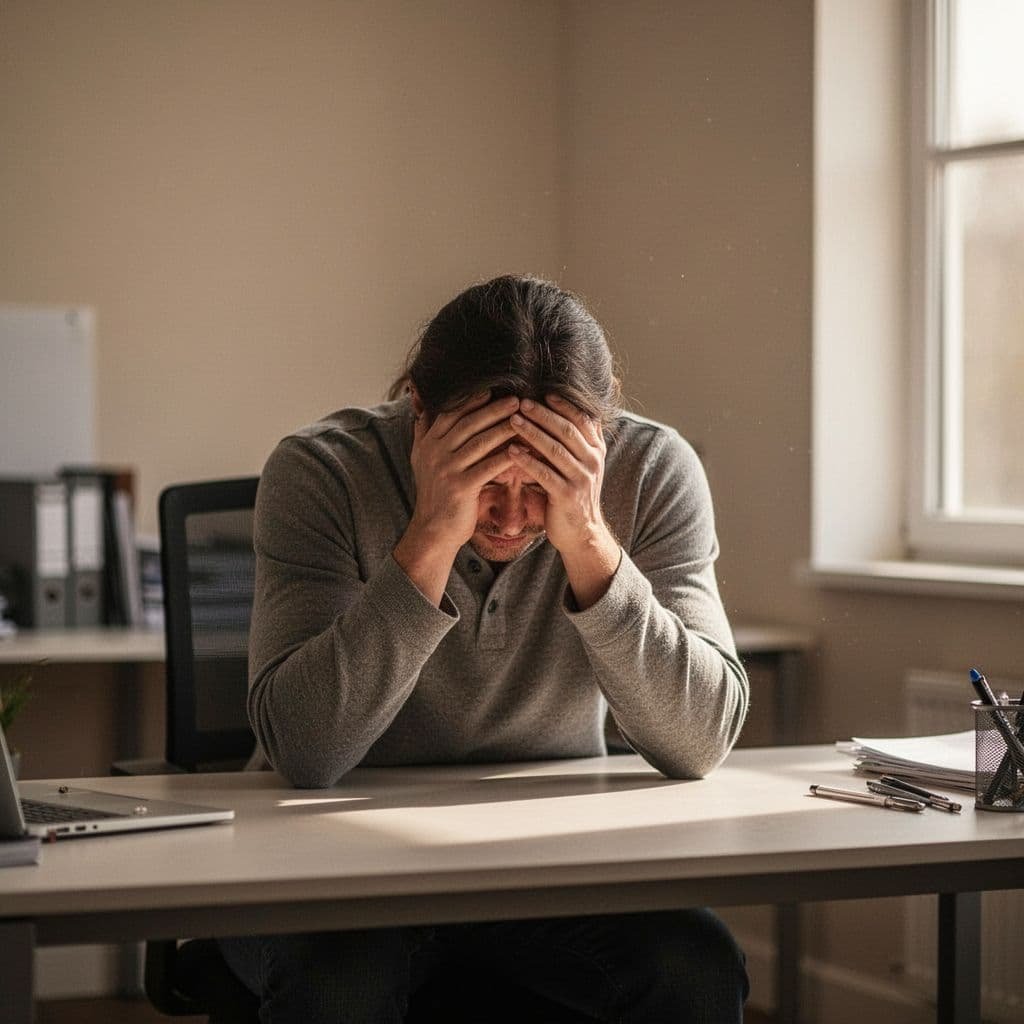
If your sleep keeps feeling off, why you wake up exhausted may help you spot what is getting in the way. For many people, the warning signs start here, before the bigger burnout signs appear.
Constant tiredness that does not go away
Feeling drained all day, even after a full night of sleep, is one of the clearest signs your body is not recovering well. Coffee may help for an hour, but the heavy feeling comes right back. That kind of fatigue often means your system is running on empty.
You may notice simple tasks feel harder than they should. Concentration slips, motivation drops, and your body feels slow before noon. When tiredness sticks around this long, it is usually more than a busy week.
Trouble falling asleep or staying asleep
Being overtired can make sleep worse. You may lie in bed tossing and turning, wake up too early, or get up feeling like you never slept at all. Stress and exhaustion can keep your nervous system on alert, which makes rest harder to reach.
If that pattern sounds familiar, tips for falling asleep faster can help you reset your bedtime habits. A night of poor sleep can quickly turn into a cycle, where the more tired you are, the harder it becomes to rest well.
A higher resting heart rate than usual
Your heart can work harder when your body is stressed and still trying to recover. That may show up as a resting heart rate that runs higher than your normal baseline. A small jump can matter if it keeps happening for several days.
This is easy to miss unless you already track your usual numbers. Still, if your pulse feels unusually fast while you are resting, that can be a clue your body needs more downtime and less pressure.
Ongoing muscle soreness or body aches
Soreness that lasts too long, or aches that feel stronger than usual, can point to poor recovery. This can happen after hard workouts, but it can also show up during stressful weeks when your body never gets a real break. Tight shoulders, heavy legs, and random aches are all common signs.
When rest is lacking, muscles do not bounce back as well. If the soreness keeps building instead of easing, your body may be asking you to slow down before the strain turns into something bigger.
Signs that rest is affecting your mind and mood too
Rest shows up in your mind long before it shows up in a sore muscle. When you are running low, your brain has a harder time sorting thoughts, filtering stress, and keeping your emotions steady. That is why mental fatigue can feel just as heavy as physical fatigue.
These signs are easy to miss because they often look like a rough day, a busy week, or a bad mood. However, if they keep repeating, your body may be asking for real recovery, not just a break in the schedule.

Brain fog and poor focus
Brain fog often feels like your mind is moving through mud. You may forget simple things, lose your train of thought, reread the same line, or stare at a task without absorbing it. Even normal decisions can feel strangely slow.
This kind of mental drag is common when you are under-rested. Your brain has less patience for detail, so small tasks start to feel scattered and hard to finish. If that sounds familiar, daily habits for mental wellness can help support better recovery between busy days.
Irritability, mood swings, or feeling more anxious
Low rest can make you more reactive. A small delay, a loud sound, or one extra request can feel like too much, and patience runs out fast. You may also feel more anxious, even when nothing obvious is wrong.
That happens because tired brains have a harder time calming stress signals. Mental exhaustion often shows up as short temper, worry, and feeling worn down by things you usually handle well. When your emotional tank is low, everything feels sharper.
Losing motivation or joy in normal activities
A tired mind can flatten the things you usually enjoy. Work feels heavier, exercise feels optional, and hobbies start to feel like chores. Even time with friends can seem like effort instead of relief.
That flat, burned-out feeling is a strong sign you need more than sleep alone. You may need fewer demands, more quiet, and a real pause before motivation comes back on its own.
When low rest starts affecting your immune system, appetite, and performance
When rest stays low for too long, the effects stop being just about feeling sleepy. Your body starts to protect itself in other ways, and that can show up as more colds, weird hunger swings, and workouts that feel harder than they should.
These changes are easy to dismiss at first. You may think you are just busy, eating off schedule, or having an off week at the gym. In reality, poor recovery can touch your immune system, your appetite, and your daily output all at once.

Getting sick more often or feeling run down
If you keep catching every cold that goes around, low rest may be part of the reason. Sleep helps your body make the immune signals and protective cells it needs to fight off illness, and too little of it can leave you more open to infections. The Mayo Clinic explains the sleep and illness connection clearly, and the pattern is simple, less recovery often means weaker defense.
You may notice that you do not get fully sick, but never feel fully well either. A scratchy throat, a stuffed nose, or that “something is coming on” feeling can hang around longer than usual. When your body stays in that half-fighting mode, it has less energy left for the rest of your day.
Unexpected appetite changes or strong cravings
Poor rest can scramble hunger cues. You might feel hungrier than usual, skip meals because you are too tired to think about food, or crave quick energy foods like sweets, chips, and refined carbs.
That happens because fatigue and stress push your body toward fast fuel. In plain terms, tired brains want easy calories. So if your eating habits feel off lately, the real issue may be sleep debt, not lack of willpower.
Workouts or daily tasks suddenly feel harder
Low rest also shows up in performance. A normal workout can feel heavier, your pace can drop, and recovery can drag into the next day. Even simple tasks, like carrying groceries or climbing stairs, may feel like more work than they used to.
If you train regularly, watch for weaker strength, lower stamina, and a bigger effort cost for the same routine. That is a sign your body is not bouncing back well, and it needs more recovery before you push again.
What to do when your body is asking for more recovery
When your body keeps flashing warning signs, the next move should be simple: reduce the load and give recovery a real chance. That usually means better sleep, gentler activity, more fluids, and enough food to support repair.
You do not need a perfect reset plan. Start with small changes you can hold for a few days, then watch how your energy, mood, and soreness respond. If symptoms keep building or do not improve, it makes sense to talk with a doctor.
Take a real rest day, not just a lighter workout
A lighter workout still asks your body to do work. A real rest day gives it space to catch up. If you feel worn down, sore, or mentally flat, choose full rest or very easy movement instead of pushing through a normal session.
Active recovery can help when you feel a little tight but not drained. Try a relaxed walk, gentle stretching, or a short yoga flow. Keep it easy enough that you could hold a conversation the whole time.

A rest day is better when your body feels overloaded. A walk or light stretch is better when you need movement without strain. If you want a clear comparison of recovery styles, active recovery versus rest days explains when each one fits best.
If the movement makes you feel better, keep it light. If it makes you feel worse, stop and rest.
Improve sleep habits tonight
Sleep is the fastest place to start because recovery happens there. Make your room cool, dark, and quiet, then keep your bedtime steady so your body can settle into a rhythm. Even one better night can help you feel less raw the next day.
Cut screen time before bed if you can, and dim the lights about 30 minutes before sleep. A short wind-down routine helps too, like reading, deep breathing, or a warm shower. Harvard Health has a helpful overview of simple sleep hygiene habits.
If your mind stays busy at night, keep the routine boring and repeatable. That makes sleep easier to find.
Use food, water, and tracking to support recovery
Recovery also depends on what you put into your body. Eat balanced meals, include protein at each meal, and do not skip food for long stretches if you already feel run down. Hydration matters too, since fatigue can feel worse when you are under-hydrated.
A simple journal can help you spot patterns over time. Track three things each day:
- How rested you feel in the morning
- Your energy, soreness, and mood
- Any workout, stress, or sleep changes
After a week or two, patterns often stand out. Maybe poor sleep follows late caffeine. Maybe heavy soreness shows up after back-to-back hard days. Those clues help you adjust before exhaustion piles up again.
If you keep feeling off for a long time, or the symptoms get worse, get checked by a doctor. Persistent fatigue is worth taking seriously, especially when rest does not seem to help.
Conclusion
The biggest takeaway is simple: your body usually asks for rest before it hits a hard stop. Constant tiredness, brain fog, mood shifts, and slower recovery are not signs to push harder. They are signs that your system needs a break.
That need for rest is normal, and it’s smart to respect it. If you keep noticing these cues, give yourself more sleep, lighter days, and a real pause when you need one. How to take a mental break can help when your mind feels just as worn out as your body.
Listen sooner, rest more often, and get checked if the symptoms do not improve.
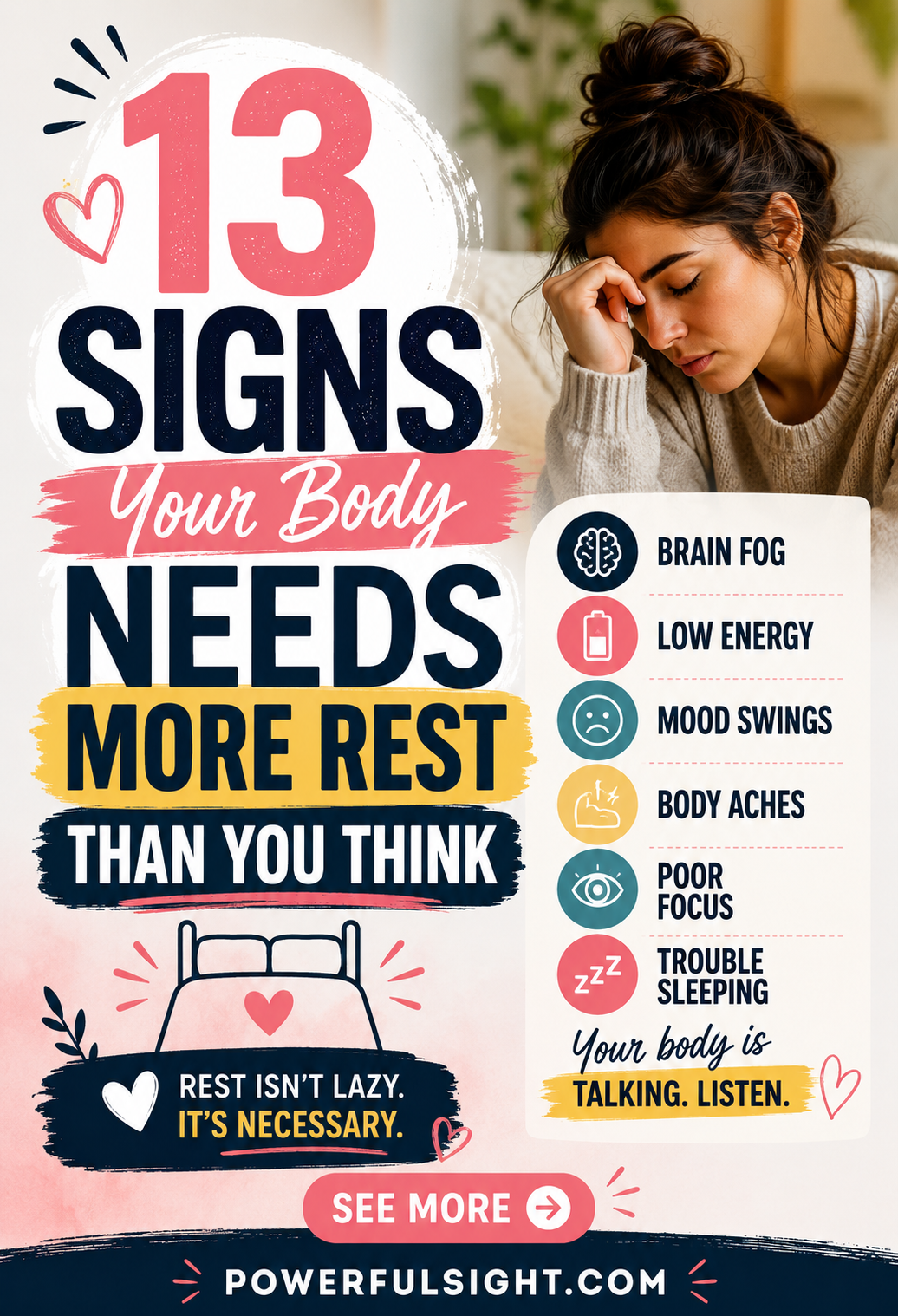
Save pin for later

- Healthy Air Fryer Recipes for Beginners - 21/09/2026
- Healthy Snacks for Late Night Cravings - 21/09/2026
- High Protein Meal Prep Ideas for Easy Weekly Meals - 21/09/2026

