Emotional burnout happens when stress, pressure, and emotional strain build up until you feel numb, irritable, overwhelmed, detached, or drained even after a full night’s sleep. A lot of people want to know how to recover from emotional burnout quickly, but the fastest path usually starts with slowing down, not pushing harder. Small, honest changes can calm your system faster than another burst of effort.
For some people, a few days of rest and better boundaries bring relief. For others, recovery takes weeks or longer, especially when burnout has been building for months or started to affect sleep, focus, or mood.
Quick recovery starts when you stop treating exhaustion like a productivity problem.
If work stress is part of the picture, healthy work-life balance strategies can help you start reducing the pressure right away. The next steps will show you how to get some relief fast, while still setting yourself up for fuller recovery.
Spot the signs before burnout gets worse
Burnout rarely hits all at once. More often, it starts with small changes that feel easy to ignore, then keeps piling up until your mind and body both push back. If you want to know how to recover from emotional burnout quickly, spotting those early clues matters just as much as rest and boundaries.
A lot of people miss burnout because they still look “fine” on the outside. Inside, though, the signs are already there. Mood shifts, body tension, and constant fatigue usually show up before behavior changes.
Look for the emotional signs that are easy to miss
Emotional burnout often shows up in your mood before it shows up in what you do. You may cry more than usual, feel numb, or swing between panic and irritability. Guilt can show up too, especially if you think you should be handling everything better.
Watch for these quieter warning signs:
- Feeling detached from people or tasks you normally care about
- Losing interest in hobbies, conversations, or plans
- Getting angry fast over small things
- Feeling heavy guilt for resting or saying no
- Feeling numb, flat, or disconnected
When burnout builds, even good news can feel dull. That lack of care is a sign, not a personality flaw. If your emotions feel muted or unstable, your system may already be overloaded.
Signs of survival mode often overlap with burnout, especially when you feel like you’re just getting through the day. That constant state of strain can wear you down long before you fully crash.
Notice the physical clues your body gives you
Your body often sends warning signs before your mind accepts that something is wrong. Poor sleep is a big one. So are headaches, stomach trouble, tight shoulders, jaw tension, and a sense of constant fatigue that sleep does not fix.
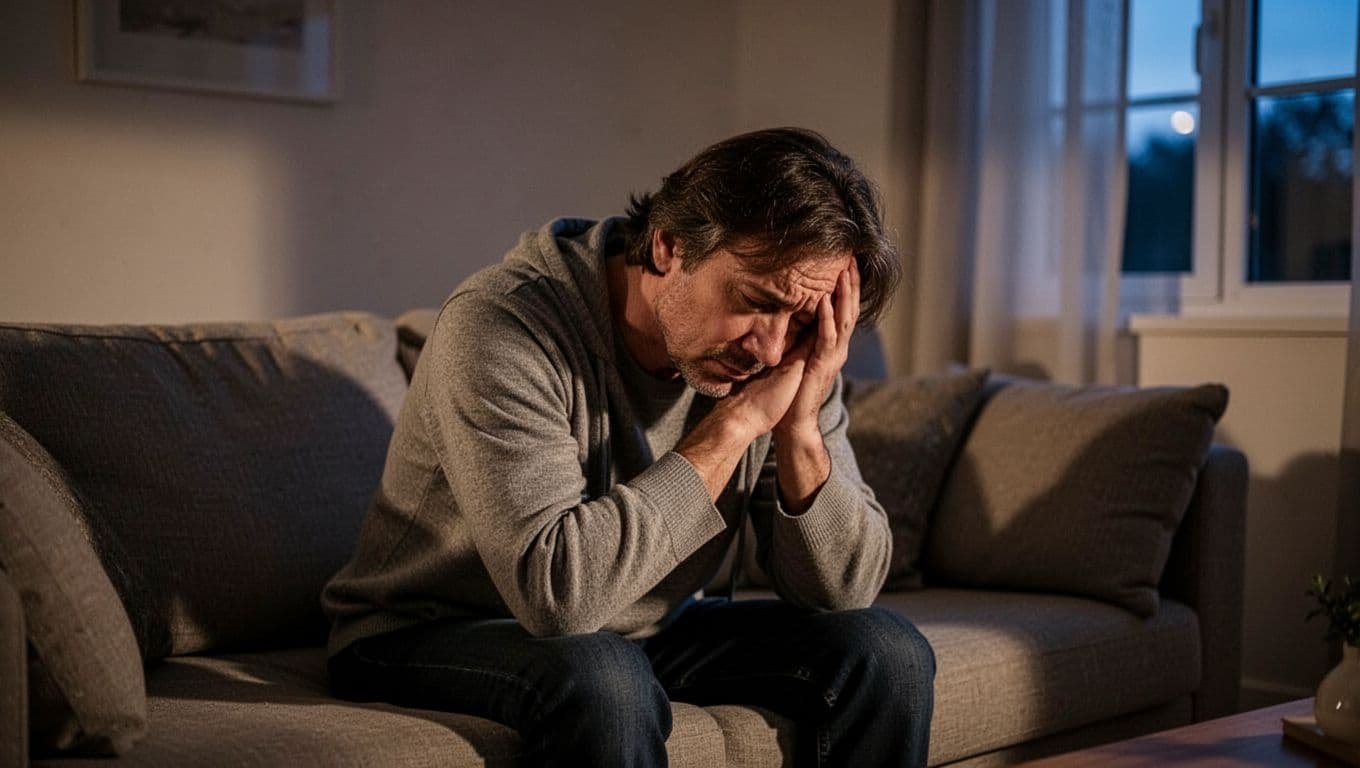
Burnout can also leave your nervous system stuck in overdrive. Your heart may race, your muscles may stay tense, and it may feel hard to relax even when nothing is happening. That is your body saying it has been on alert for too long.
Common physical clues include:
- Sleep problems, like waking up often or sleeping too much
- Frequent headaches or migraines
- Stomach issues, such as nausea, cramps, or bowel changes
- Tight muscles in the neck, back, or jaw
- Ongoing exhaustion that rest does not clear
For a fuller look at burnout symptoms, Cleveland Clinic’s guide to burnout signs breaks down the emotional and physical patterns clearly. If these symptoms keep stacking up, your body may be heading toward a bigger crash.
Know when it is more than burnout
Some symptoms need faster help. If you feel hopeless, have panic attacks, think about self-harm, or cannot handle basic daily tasks, take it seriously. Those signs go beyond обычный stress and should not be brushed off.
Get professional support right away if:
- You feel unsafe with your thoughts.
- You cannot get through normal routines like eating, showering, or working.
- Panic, despair, or numbness is getting worse instead of better.
If symptoms feel severe, unsafe, or hard to manage, reach out to a doctor, therapist, or crisis support right away. That step can protect you before burnout turns into something harder to recover from.
If you’re not sure where you stand, how to beat work stress can help you separate everyday strain from a bigger problem. The sooner you name the warning signs, the sooner you can start healing.
What to do in the first 24 hours to calm your system
The first day matters because your body needs proof that the pressure has eased. If you want to know how to recover from emotional burnout quickly, start by lowering demand, creating small pockets of rest, and cutting off anything that keeps your mind on high alert. One calm day can do more than a week of pushing through.
Your goal is simple: make everything feel less urgent. That means fewer decisions, fewer pings, and fewer things to hold in your head at once. The nervous system settles faster when it gets a clear signal that the fire is out.
Cancel what you can and lower the load fast
Start by removing anything that does not need your attention today. Cancel the extra meeting, move the nonessential task, and say no to social plans that would leave you drained. Even a short break from obligation can give your system room to breathe.
If your mind keeps spinning, get the clutter out of your head and onto paper. Write down the tasks, worries, and loose ends, then sort them into three groups:
- Must handle today
- Can wait until later
- Can be dropped or delayed
That quick sort lowers mental noise. It also keeps you from treating every task like an emergency.
A lighter day is not laziness. It is a recovery move. When you are burnt out, protecting energy for one day can help you recover faster than trying to power through with a full load. If work stress is driving the crash, setting stronger boundaries can make the next few days feel much more manageable.
Use short rest breaks that actually help
Rest works best when it is simple and low-effort. Put your phone in another room, lie down for 10 to 20 minutes, and let your body stop bracing for a while. Even if you do not fall asleep, the pause still helps.
A quiet walk can also settle a jittery system. Keep it easy, keep it slow, and leave your earbuds off if music keeps your brain busy. Another option is slow breathing, such as inhaling for four counts and exhaling for six.

Hydration and food matter too. Drink water, eat something simple, and avoid running on caffeine alone. If you need a nap, take one without guilt, then keep the rest of the day gentle. For a good overview of how short breaks and mindful resets help, Cleveland Clinic’s burnout recovery advice gives practical steps you can use right away.
A short rest that truly lowers stress is more useful than an hour of distracted downtime.
Create a calm boundary for work and messages
Your phone can keep your body on alert even when nothing urgent is happening. Mute notifications for a while, set an out-of-office message, or send a brief note that replies will be slow. That small step removes pressure before it turns into guilt.
You do not need a long explanation. A simple message is enough:
- “I’m taking a quiet day and may reply later.”
- “I’m handling a personal matter and will get back to you tomorrow.”
- “I’m offline for the rest of the day and will respond when I can.”
Clear boundaries reduce the mental tug-of-war that keeps burnout in place. They also give other people a fair expectation, so you are not carrying their questions in your head all day. If you want a fuller reset plan, how to reboot your brain can support the same goal with calmer habits.
When you protect the first 24 hours, you stop the drain before it runs deeper. That is often the fastest first step in how to recover from emotional burnout quickly, because your system finally gets a chance to stop reacting and start settling.
Rebuild energy with the basics that help the fastest
When burnout drains you, the best first moves are usually plain and repeatable. Sleep, food, water, and gentle movement sound simple, but they can shift how you feel faster than big life changes.
If you’re trying to recover from emotional burnout quickly, start with habits that lower strain on your body first. These basics help because they support your nervous system, steady your mood, and cut down on the energy crashes that make everything feel harder.
Sleep like it is part of the treatment
Sleep should move to the top of your recovery plan, not the bottom. Protect it the same way you would protect an important appointment, because even a few better nights can improve mood and stress tolerance.
A regular bedtime helps your body stop guessing when to shut down. Try to keep the same sleep and wake times, even on rough days, and give yourself a buffer before bed so you are not rushing from work into sleep.
That means fewer late-night emails, less scrolling, and fewer “just one more thing” tasks. A simple evening routine can help your brain switch off work mode faster, and night habits that support sleep can make that easier to stick with.
Better sleep does not fix burnout overnight, but it gives your body a fair chance to recover.
Research on burnout recovery shows that improved sleep quality is tied to better symptom relief and less fatigue, which lines up with what many people feel in real life. For a closer look at that connection, sleep and emotional recovery is a useful read.
If work thoughts keep intruding, write them down before bed. That small habit gives your brain permission to stop carrying them through the night.
Eat and drink in a way that supports recovery
Burnout makes it easy to skip meals, snack randomly, or run on caffeine. The problem is that those habits can set off energy dips that feel like emotional crashes.
Keep this part basic. Aim for regular meals, enough water, and simple foods that include protein and fiber so you stay fuller longer and avoid sharp drops in energy.
A few easy options can help without turning this into a diet plan:
- Yogurt with fruit and nuts
- Eggs with toast and vegetables
- Soup with beans or chicken
- Peanut butter on whole-grain bread
- A sandwich with protein and a side of fruit
Water matters too. Even mild dehydration can make you feel more tired, tense, and foggy, which makes burnout harder to shake. If you need a simple reset, keep a bottle near you and sip often instead of waiting until you feel drained.
For a practical look at how food affects stress and burnout, nutrition for stress recovery gives a clear breakdown. The goal is not perfect eating. The goal is stable fuel so your body stops running on empty.
Move gently, not intensely
You do not need hard workouts when you’re burned out. In fact, intense exercise can feel like another demand on a system that is already overloaded.
Gentle movement is enough. Light walking, stretching, easy yoga, or a slow bike ride can help your body release tension without adding pressure. The point is to wake the body up a little, not to prove anything.
A short walk can be especially useful because it changes both your body state and your headspace. If you keep it easy, it can lower stress without leaving you wiped out after. The same goes for a few minutes of stretching at your desk or before bed.
Try this simple approach when your energy is low:
- Start with 5 to 10 minutes.
- Keep your pace relaxed.
- Stop before you feel strained.
- Repeat later if it still feels good.
That small amount of movement can help more than forcing yourself through a hard session. Burnout recovery works better when your body feels safe, not pushed. As shown in burnout recovery routines, gentle movement fits well with hydration, rest, and other low-pressure habits.
If you want one clear rule here, use this: move in a way that leaves you calmer afterward. That is the kind of energy rebuild that actually lasts.
Recover the emotional side, not just the tired part
When burnout hits, exhaustion is only half the story. The other half is emotional weight, the kind that sits in your chest, tightens your jaw, and makes everything feel harder than it should. If you want to know how to recover from emotional burnout quickly, you have to work with both parts.
That means paying attention to what hurt, what piled up, and what you have been swallowing for too long. Rest helps, but emotional healing starts when you stop treating your feelings like background noise.
Let yourself name what you have been carrying
Start by putting words on the feelings under the burnout. Maybe it is resentment because you keep giving more than you get back. Maybe it is grief, fear, shame, or disappointment. Naming it makes the load easier to hold.
A clear name can lower the pressure fast. “I am angry” feels less foggy than a vague sense of being off. “I feel ashamed” is hard to say, but it opens the door to real relief.
Try finishing one of these sentences:
- “What I keep carrying is…”
- “The feeling under my exhaustion is…”
- “What hurts most right now is…”
You do not need perfect words. You just need honest ones. That small shift can help you understand whether you need rest, space, comfort, or a boundary.
A feeling loses some of its power when you stop circling around it and call it by name.
If you tend to push through pain, this step can feel uncomfortable. Still, it matters because unspoken emotions often keep draining energy in the background. That is a big reason self-compassion for burnout recovery helps so much once the body starts to slow down.

Use self-compassion to stop the inner pressure
Burnout often gets worse when your inner voice turns harsh. You tell yourself you should have kept up, done better, or handled everything with more grace. That kind of talk keeps the pressure on long after your energy has run out.
Self-compassion breaks that cycle. It does not excuse everything, and it does not mean giving up. It means speaking to yourself like someone who is tired, hurt, and still worthy of care.
Try simple phrases like these when blame shows up:
- “I did the best I could with what I had.”
- “I was under a lot of pressure.”
- “I do not need to punish myself to improve.”
- “This is hard, and I can be kind to myself right now.”
If you are used to perfectionism, this may feel unnatural at first. Keep going anyway. Gentle self-talk helps soften the inner grip that keeps burnout in place, and research on self-compassion shows it can reduce distress and support recovery from stress.
You can also use a firmer kind of kindness when needed. For example, “This pace is too much for me, and I need to change it” is self-compassion in action. It protects your energy instead of just soothing your feelings after the damage is done.
Choose a safe outlet for what you feel
Feelings need somewhere to go. If you keep them bottled up, they usually come out as irritability, numbness, tears, or exhaustion. A safe outlet gives those emotions a place to move without turning into more chaos.
Good outlets include journaling, talking with a trusted person, counseling, art, prayer, or voice notes. The point is release with direction, not endless venting that leaves you more spun up than before. A helpful outlet helps you feel clearer afterward.

Journaling works well because it slows your thoughts down. You can write what happened, what you felt, and what you need next. If writing feels easier with structure, therapeutic writing exercises for mental health can give you a simple way to start.
Talking can help too, as long as the person is safe and steady. Pick someone who listens without rushing you, fixing you, or turning the conversation back to themselves. Counseling is another strong option when the feelings are heavy or tangled.
Use this simple filter before you open up:
- Will this outlet help me feel clearer?
- Is this person or practice safe for me?
- Can I stop afterward without feeling worse?
That last question matters. Emotional release should leave some room for relief, even if the feelings are still real. If an outlet just feeds the spiral, it is not helping you recover.
When you make space for the emotional side, recovery becomes more complete. Your body gets rest, and your mind gets some honesty. That combination is what starts to ease burnout in a real way.
Set boundaries that keep burnout from coming back
Recovery gets harder when your old habits stay in place. If you want to know how to recover from emotional burnout quickly and keep that progress, boundaries have to become part of the plan, not a side note.
That means protecting your time, your focus, and your energy before they get drained again. Small limits can stop burnout from creeping back in through work, texts, favors, or a packed routine.
Say no without overexplaining
A clear no saves more energy than a long excuse. You do not need to give a full backstory every time someone asks for help, invites you out, or adds one more task to your plate.
Keep your language short and kind. A few simple lines work well:
- “I can’t take that on right now.”
- “I need to pass this time.”
- “That won’t work for me.”
- “I’m keeping my schedule light this week.”
If you feel pulled to explain, pause first. Overexplaining often comes from guilt, not need. A calm no is enough, and it gets easier each time you use it.
When the request is work-related, keep the tone firm and respectful. If it helps, review healthy reasons to say no so you can spot the difference between a real yes and a stress-driven one. That kind of clarity protects emotional energy before it drains you again.
A short no is often kinder than a resentful yes.
Protect your attention from constant interruptions
Burnout returns fast when your brain never gets a break. Messages, alerts, and endless checking keep your mind on duty all day, even when the task is small.
Set limits around when you check email, apps, or work chats. You can turn off nonessential notifications, batch replies into set time blocks, and mute message previews when you need to focus. Fewer interruptions mean less mental switching, and that lowers strain fast.
Try a simple rhythm like this:
- Check messages at set times.
- Keep notifications off outside those windows.
- Use do-not-disturb mode during rest or deep work.
- Resist the urge to answer every ping right away.

Even a small cut in interruptions can lower emotional tension, because your mind stops bracing for the next demand. For a broader look at what burnout feels like and how boundaries help, Cleveland Clinic’s burnout guide explains the pattern clearly.
Build a lighter version of your routine
Recovery is easier when your days ask less of you for a while. You do not need to redesign your whole life. You do need a short period where chores, work, and expectations are simpler.
Look for places to reduce pressure on purpose. Order takeout a few nights a week, postpone nonurgent tasks, and trim social plans that leave you wiped out. At work, focus on the must-do items and let the rest wait.
A lighter routine can look like this:
- Fewer decisions in the morning
- Shorter to-do lists
- Easier meals
- More downtime between commitments
- Lower expectations for perfection
That temporary slowdown gives your nervous system room to settle. It also makes it easier to notice your limits before you hit the wall again. If you want support with a steadier daily rhythm, building a wellness routine that sticks can help you keep the pressure down without adding more stress.
A lighter season is not failure. It is a reset that lets your energy come back without being spent as fast as it returns.
When to get help so recovery is safer and faster
Some burnout can improve with rest, boundaries, and simpler days. Still, there are times when outside support helps you recover faster and keeps things from getting worse. If your symptoms keep growing, professional help is a smart next step, not a last resort.
The goal is to catch the point where burnout stops being a rough patch and starts affecting your health, work, or relationships. Early support can shorten recovery and make the process feel less heavy.
Signs you should not try to handle this alone
If the numbness does not lift, that is a sign to reach out. The same is true when anxiety, sadness, or hopelessness keeps getting stronger instead of easing with rest.
You also need support if burnout is showing up as frequent crying, panic, or a constant sense of being trapped. When basic tasks like eating, showering, or getting through work feel impossible, your system needs more than self-care alone.
Pay attention if you notice any of these patterns:
- Ongoing numbness or emotional flatness
- Worsening anxiety or depression
- Frequent crying or sudden emotional swings
- Trouble functioning at work or at home
- Feeling stuck, trapped, or unable to cope
If the smallest tasks feel huge for several days in a row, that is a clear sign to ask for help.
For some readers, burnout overlaps with other problems, like depression or chronic stress. A trusted guide to burnout symptoms can help you compare what you are feeling with common warning signs. If your symptoms are severe or you feel unsafe, get help right away.

What kind of support can help most
The right support depends on what is draining you most. For many people, therapy is the strongest place to start because it gives you space to sort out stress, boundaries, and recovery habits with guidance. A therapist can also help if burnout connects to anxiety, grief, trauma, or depression.
A primary care doctor can help too, especially if fatigue, sleep problems, headaches, or stomach issues are part of the picture. It is smart to rule out health problems that can look like burnout or make it worse.
Other support can make a real difference:
- Mental health programs for structured care and coping skills
- Trusted friends or family who can listen, check in, or help with daily tasks
- Workplace adjustments like reduced hours, fewer meetings, or temporary flexibility
If work stress is a big part of the problem, recognizing overwork early can help you spot when you need changes, not just rest. The best support is the kind that lowers pressure in real life, not just in theory.
A safer recovery usually starts with one honest step, then another. Ask for help before the burnout gets deeper, and you give yourself a better chance to heal without crashing first.
Conclusion
If you want to know how to recover from emotional burnout quickly, the answer is simple but not easy, slow the pace, cut the pressure, and give your body a real chance to settle. Rest, better boundaries, steady meals, sleep, and small moments of calm work better than forcing yourself to keep up.
The emotional side matters just as much. Name what you have been carrying, speak to yourself with more care, and lean on support when the load feels too heavy. If you need a next step for easing the strain, finding relief from overwhelming stress can help you keep going with less pressure.
Burnout can improve, and it often improves faster when you stop trying to push through it alone. Start small, stay consistent, and let recovery be a process that supports you instead of drains you.
Save the pin for later

- 60 Color Tattoos That Healed Beautifully - 25/09/2026
- 40 Most Painful Tattoo Spots - 24/09/2026
- 20 Tattoo Aftercare Mistakes That Ruin Fresh Ink - 23/09/2026

