Stress can build so slowly that you don’t notice it until your sleep, mood, or focus starts slipping. A little stress is normal, but high stress can show up in your body, your behavior, and the way you handle everyday life.
If you’ve been snapping more often, feeling drained, or dealing with headaches, stomach trouble, or restless nights, it may be more than a rough week. This guide covers 9 clear signs your stress may be too high, so you can tell when it’s time to take it seriously and start making changes.
Why stress gets dangerous when it stops feeling temporary
Stress is part of normal life. A deadline, a hard conversation, or a packed week can push you to focus, move faster, and get things done. In the short term, that pressure can help.
The problem starts when stress does not ease up. Then your body stops treating it like a one-time alert and starts acting like the pressure is permanent. That shift can wear down your sleep, your patience, your focus, and even your physical health. A good overview of acute vs. chronic stress shows how the body handles short bursts well, but struggles when strain keeps stacking up.
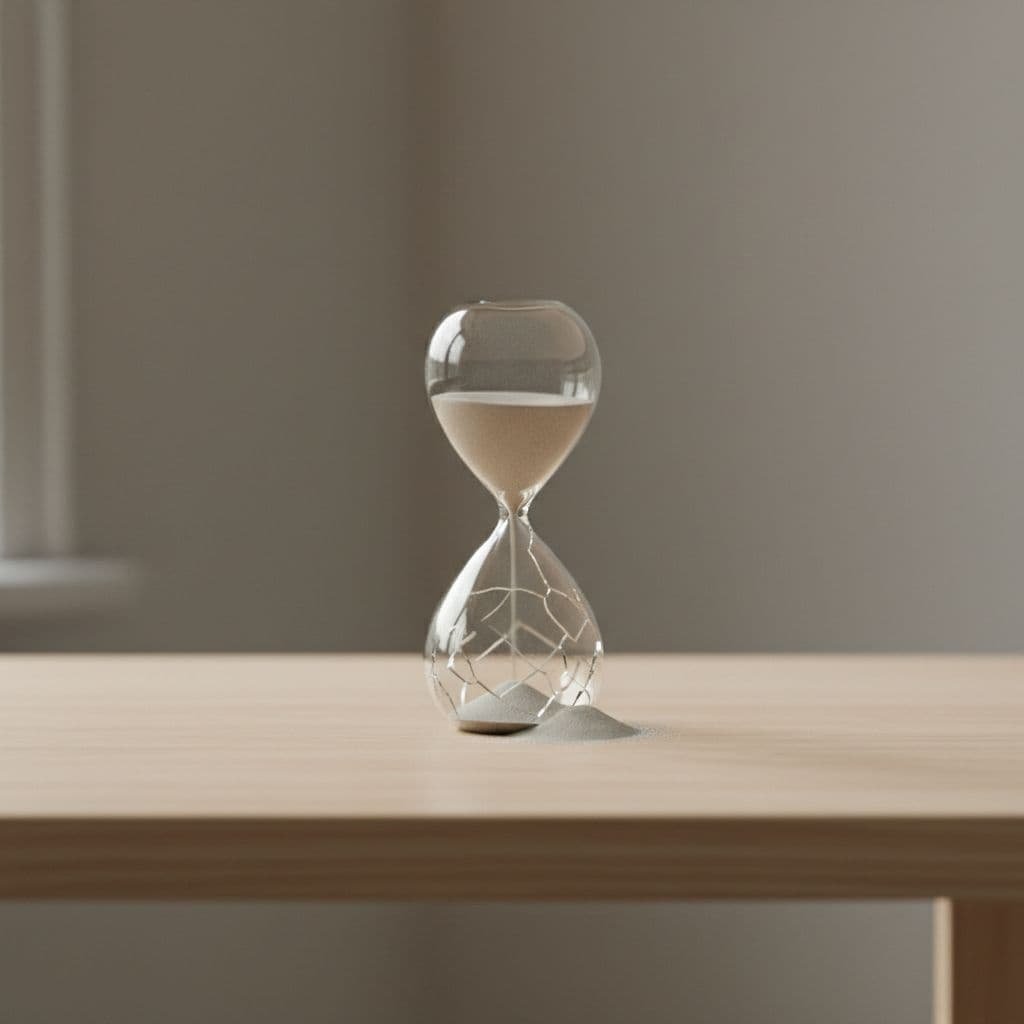
What stress looks like in a healthy response
Healthy stress is usually tied to a clear trigger and a clear finish line. You feel it before a presentation, during an argument, or while racing to meet a deadline. Once the moment passes, your body should start settling back down.
That kind of stress can sharpen attention and help you act fast. You may feel your heart beat quicker or your energy rise, but you still recover. In other words, stress gives you a push, then steps back.
When stress becomes a long-term problem
Stress turns dangerous when it keeps showing up without a real break. The body stays tense, and that constant strain starts to show up in everyday life. You may notice headaches, sleep trouble, irritability, or a sense that you never fully relax.
Over time, that ongoing pressure can lead to burnout. It can also make it harder to think clearly, stay patient, and feel like yourself. If stress feels constant, it may be time to look closer at the common signs of high cortisol and the habits that help you recover.
A simple way to tell the difference is this:
- Temporary stress helps you respond, then fades.
- Long-term stress keeps your body on alert.
- Burnout starts when that alert state lasts too long.
Stress management matters most before the pressure becomes your new normal.
The physical signs your body is under too much stress
Stress does not stay in your head. It often shows up in your body first, sometimes before you even realize what is happening. A tight jaw, a sour stomach, or nights of poor sleep can all be early clues that your system is overloaded.
These signs can feel vague at first. Still, when they keep showing up together, they often point to a body that has been on alert for too long. The sections below break down the most common physical warning signs so you can spot them sooner and take them seriously.
Frequent headaches, tight muscles, and jaw pain

Stress often settles in the neck, shoulders, and face. You may catch yourself clenching your jaw, grinding your teeth at night, or walking around with stiff shoulders that never fully relax. That constant tension can lead to headaches, sore muscles, and a general feeling that your body is braced for impact.
Many people notice the pain without a clear cause. You might wake up feeling tight, even if you did not exercise hard or sleep in a bad position. If your jaw feels sore, your temples ache, or your neck stays tight through the day, stress may be part of the picture.
A tense body needs recovery time. Simple habits like stretching, deep breathing, and stepping away from the source of pressure can help. If stress is tied to your daily routine, simple lifestyle changes for better mental balance can also support a calmer baseline.
Sleep problems and waking up exhausted
Stress can make sleep feel broken in every direction. Some people lie awake with a busy mind. Others fall asleep, then wake up in the middle of the night and can’t settle back down. Even when you spend enough time in bed, you may still wake up tired and unfocused.
That poor sleep creates a loop. The next day feels harder, your patience drops, and stress builds even faster. In other words, bad sleep does not just reflect stress, it can make it worse.
If this sounds familiar, your body may be stuck in a low-level alarm state. Good sleep habits matter here, but so does giving your mind space to slow down before bed. A short reset can help, and ways to take a refreshing mental break may make it easier to unwind at night.
Waking up exhausted after a full night in bed is a warning sign, not something to brush off.
Stomach issues, appetite changes, and low energy
Stress and digestion are closely linked. When your nervous system stays active for too long, your stomach often reacts. You may feel nauseous, bloated, or stuck with heartburn. Some people deal with constipation or diarrhea, while others bounce between both.
Appetite changes are common too. Stress can make you overeat, skip meals, or lose interest in food altogether. Either way, your body may feel out of sync, and that can drain your energy even more.
Ongoing fatigue is another big clue. If you feel worn out all the time, even after rest, your body may be carrying more strain than it can comfortably handle. A doctor can help rule out other causes, but stress is often part of the story. Cleveland Clinic notes that chronic stress can lead to digestive problems, exhaustion, and muscle tension, which is why these symptoms matter as a group. For more on the body side of stress, see Cleveland Clinic’s stress overview.
A few common body-based patterns include:
- Upset stomach or nausea after a hard day or stressful event.
- Heartburn or chest discomfort that flares when pressure builds.
- Constipation or diarrhea with no clear food trigger.
- Overeating or low appetite when stress stays high.
- Low energy that doesn’t improve much with rest.
A racing heart, shallow breathing, or feeling constantly on edge
Stress can also show up as a body that feels stuck in overdrive. Your heart may beat faster than usual, your breathing may feel short or shallow, and you might notice sweating, shaking, or a restless buzz in your chest. These symptoms can show up during a tense moment, but they can also linger when stress becomes chronic.
That constant edge can feel exhausting. You may start to feel jumpy, startle easily, or stay physically tense even when nothing urgent is happening. The body acts like it needs to be ready for trouble, which makes calm feel hard to reach.
Shallow breathing can make the whole cycle feel worse, because it keeps your body from fully settling. Slow breathing, a short walk, or a quiet break can help bring the pace down. If your body feels like it never gets a reset, your stress level may be higher than you think.
For a broader look at how stress affects the body, the Mayo Clinic’s guide to chronic stress offers a clear breakdown of common physical effects.
How high stress changes the way you think and feel
High stress does more than leave you tired. It can change how your brain reads the world, how your body reacts to small problems, and how steady your emotions feel day to day. You may still get through your routine, but everything can feel harder, louder, and less manageable.
That shift happens because stress keeps your system on alert. Over time, that can make worry feel constant, emotions feel closer to the surface, and clear thinking feel harder to reach. The signs below show how that often looks in real life.
You feel anxious, worried, or unable to relax
A normal concern has a clear shape. You worry about a meeting, a bill, or a family issue, then your mind moves on when the problem passes. High stress feels different. The worry keeps circling, even when nothing new has happened.
You may feel restless, tense, or unable to sit still. Racing thoughts can make it hard to rest, and your mind may keep jumping to the worst possible outcome. That constant feeling that something bad is about to happen can wear you down fast.
This kind of stress often shows up at night, when your mind has less to distract it. If you keep replaying the same fears or scanning for the next problem, your body stays in alert mode. For a deeper look at calming practices, see how to practice mindfulness for stress relief.
Small things make you snappy or more emotional than usual
High stress can shorten your fuse. A minor delay, a messy room, or a small question at the wrong time can suddenly feel like too much. You may snap, shut down, or feel tears come faster than they used to.
That reaction does not mean you are difficult or overly sensitive. It often means your stress load is already full. When your brain spends too much time bracing for pressure, it has less room left for patience.
You might notice this in a few common ways:
- Irritability that shows up over tiny annoyances.
- Tearfulness during conversations that normally would not bother you.
- Feeling overwhelmed by tasks that once felt simple.
- A short temper with people you care about most.
When stress is high, your emotions can feel closer to the surface. That is a strain response, not a character flaw. If work pressure is part of the problem, practical tips for reducing job stress may help you spot what is pushing you too hard.
Focus, memory, and decision-making get harder
Stress can make your mind feel foggy. You may lose your train of thought, forget small tasks, or reread the same email three times without taking in the words. Finishing one thing also takes more effort, because your attention keeps breaking apart.
This happens because chronic stress affects the parts of the brain that handle focus, memory, and self-control. Research on chronic stress shows it can disrupt cognition and emotional regulation, which helps explain why even simple choices can feel draining. See PubMed’s review on cognitive function and chronic stress for a research-backed overview.
When stress is high, the brain often shifts into survival mode, and clear thinking takes a back seat.
You might also feel mentally scattered. One task leads to three new worries, then none of them get finished. Over time, that can make you feel less organized and less confident, even if the problem is really stress, not ability.
A few signs stand out here:
- Brain fog that makes it hard to think clearly.
- Forgetfulness with names, dates, or small commitments.
- Trouble finishing tasks because your attention keeps slipping.
- Mental clutter that makes planning feel harder than usual.
If this feels familiar, stress may be crowding out the mental space you need to stay steady. The good news is that these changes often improve when the pressure comes down and your brain gets room to recover.
The hidden behavior changes that can signal overload
High stress often shows up in daily routines before it shows up in obvious breakdowns. You may still get through work and family life, but your habits start shifting in small, easy-to-miss ways. That is why behavior changes matter, they can be an early warning sign that your system is overloaded and burnout may be close behind.
You start pulling away from people or avoiding plans
One of the clearest behavior changes is social withdrawal. You may cancel plans more often, stop replying as quickly, or tell yourself you are just tired and need a quiet night. That can be true, but when it becomes a pattern, stress may be the real reason.
People under heavy stress often feel too drained to show up, even for friends they care about. They may avoid calls, skip family visits, or leave texts unanswered because even small social demands feel like one more task. Over time, that distance can become an early warning sign of burnout.
A little space is normal. A steady retreat from everyone is different. If you notice yourself pulling back from the people who usually ground you, that is a sign to slow down and look at what is piling up. The recover from emotional burnout guide can help you start that reset.
Your eating, drinking, or coping habits shift
Stress can also change the way you feed, numb, or soothe yourself. Some people stress-eat without thinking, reaching for snacks late at night or leaning on comfort food after hard days. Others skip meals because their appetite drops or because they are too busy to pause.
Caffeine often creeps up too. Extra coffee, energy drinks, or soda can feel like a way to keep up when you are running on fumes. Alcohol can become another coping tool, especially if you use it to take the edge off or shut your mind down at the end of the day.
These habits are not a moral failure. They are usually a sign that your body and mind are trying to get relief fast. Stress can push people toward food, caffeine, alcohol, or other numbing habits because chronic pressure keeps the body on alert. The Mayo Clinic’s burnout guide also notes that using food, drugs, or alcohol to feel better can be part of burnout.
Nervous habits become harder to stop
Stress also shows up in small, repetitive motions. You may fidget more, bite your nails, pick at your skin, pace around the room, or keep checking things that are already fine. These habits can feel automatic, almost like your body is looking for a release valve.
That makes sense. When tension has nowhere to go, it often comes out through motion. The habit may not solve the stress, but it can briefly lower the pressure inside your body.
A few common signs stand out:
- Fidgeting when you are stuck, waiting, or overwhelmed.
- Nail biting or skin picking when your mind feels crowded.
- Pacing or restlessness when you can’t settle.
- Constant checking of locks, messages, or tasks because your brain wants reassurance.
If these habits are new or more intense than usual, pay attention. They often rise when stress has moved past a short-term spike and started wearing you down.
What to do when you recognize several of these signs
If a few of these signs sound familiar, don’t wait for them to pile up. Stress often gets easier to handle when you act early, while the problem is still manageable.
Start with small changes that calm your body and give your mind a break. Then pay attention to how long the symptoms last, how often they return, and whether they are getting in the way of work, sleep, or relationships.
Simple ways to lower stress today

You don’t need a full life overhaul to feel a little better. A few basic steps can lower stress enough to help you think more clearly.
Try one or two of these today:
- Take a short walk, even if it’s just around the block.
- Breathe slowly for a few minutes, and let your exhale be longer than your inhale.
- Drink a glass of water if you haven’t had much today.
- Reduce screen time for a while, especially if news or social media is adding pressure.
- Write down the worries looping in your head so they stop taking up so much space.
- Return to a simple routine with regular meals, rest, and a set bedtime.
These steps may sound small, but small changes matter when your system feels overloaded. A calm body often makes a calmer mind possible.
If you need extra structure, the Mayo Clinic’s stress symptoms guide has a clear list of common stress effects and when to get help. Use it as a reference, not a test.
When it is time to talk to a doctor or mental health professional
Some stress can be handled at home. Other times, you need more support, and that’s a smart next step.
Reach out to a doctor or mental health professional if your symptoms keep going, get worse, or make it hard to function. Ongoing sleep problems, chest pain, panic, depression, or trouble getting through work and daily tasks are all reasons to speak up.
If stress is interfering with your life, you don’t have to wait until it becomes a crisis.
A doctor can check for other causes, since stress can look a lot like other health problems. They can also help you find treatment that fits, whether that means counseling, stress management support, or another plan. The National Institute of Mental Health stress fact sheet explains that professional help is a good option when symptoms don’t go away or coping feels out of reach.
If symptoms feel sudden or severe, get help right away. And if stress is becoming part of your daily life, treat that as a signal, not a setback. The sooner you respond, the easier it is to get back on steady ground.
Conclusion
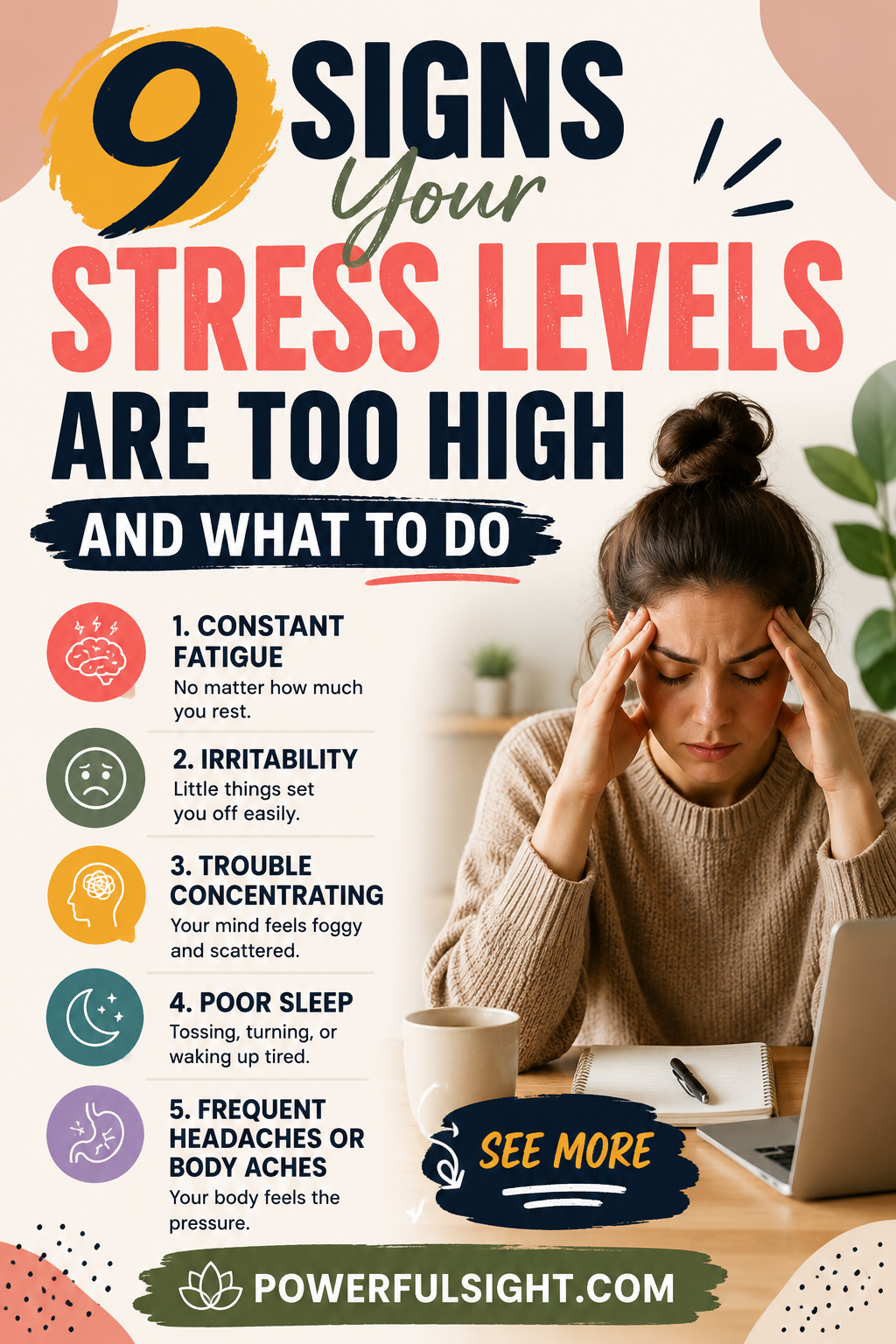
High stress shows up in the body, mood, and behavior long before it turns into a bigger problem. The 9 signs in this guide are warning signals worth noticing, especially when they start showing up together.
If your sleep is off, your mind feels foggy, and small things set you off, your stress level may be too high. Pay attention to those signals, because the sooner you catch them, the easier it is to get back on steady ground.
Stress can be managed better when it is handled early. Listen to your body, slow things down where you can, and if the pressure is not letting up, learning how to improve your life after a hard season can help you rebuild at your own pace.
Save pin for later

- Healthy Air Fryer Recipes for Beginners - 21/09/2026
- Healthy Snacks for Late Night Cravings - 21/09/2026
- High Protein Meal Prep Ideas for Easy Weekly Meals - 21/09/2026

