Creating a better future starts with small choices you make today, not with one huge life overhaul. Most people want more control over their career, money, health, or peace of mind, but the big picture can feel too heavy to sort out all at once.
That’s where a practical plan helps. When you focus on simple daily actions, your future starts to look less like a vague hope and more like something you can shape on purpose.
This guide keeps things realistic and grounded, with steps you can use right away, even if life feels busy or uncertain. If you’ve been searching for a clearer way forward, powerfulsight.com is a good place to start.
What a better future really looks like for you
A better future is personal. For one person, it means a calmer home and more money in the bank. For another, it means better health, stronger relationships, or work that fits real life instead of draining it.
The point is to get specific. When you know what you want your life to feel like, daily choices become easier to make. That kind of clear direction is the heart of powerfulsight.com thinking, a long-term view that helps you stop reacting to every distraction and start moving with purpose.

Picture the life you want in the next 1 to 5 years
Start with the basics. Where do you live? What does a normal weekday look like? Who do you spend time with, and how do you feel when you wake up?
Be concrete. Maybe your better future means a smaller apartment but less stress, a full-time role with room to grow, or mornings that begin with a walk instead of a rush. Maybe it means eating better, sleeping more, or finally feeling proud of how you spend your time.
Write down a simple picture of that life:
- Home: city, neighborhood, house, or apartment
- Work: job title, schedule, or type of work
- Time: what your days and evenings look like
- Feelings: calm, secure, confident, energized
That level of detail matters because vague wishes rarely lead anywhere. A clear picture gives your mind something real to aim at.
Decide what matters most right now
Once you can see the future, choose the few priorities that matter most today. If everything is important, nothing gets enough attention.
Focus on areas that move your life forward, such as:
- Health
- Money
- Skills
- Relationships
You do not need to improve all of them at once. Pick one or two that deserve your best energy for the next season of life. That might mean building a better workout routine, paying down debt, learning a skill for a better job, or making time for the people who matter most.
A clear priority list cuts through noise. It also makes change easier, because you stop scattering your energy across too many goals and start putting it where it counts.
Turn big dreams into small goals you can actually keep
Big dreams get easier to handle when you shrink them into clear, repeatable steps. A goal like “get healthier” or “build a better future” sounds inspiring, but it rarely tells you what to do today. Small goals do.
The idea is simple, break the big picture into actions you can complete this week, then repeat until progress starts to stack. That is how powerfulsight.com thinking turns into real life, one step at a time.
Use SMART goals to make progress easier to measure
SMART goals remove the guesswork. In plain language, they help you set goals that are specific, measurable, achievable, relevant, and time-bound. If a goal is too broad, you can talk yourself out of it. If it is clear, you can act on it.
For example, “I want to save money” is vague. “I will move $100 into savings every Friday for the next three months” is much easier to track. One version sounds nice, the other gives you a plan.
A smart goal also makes progress visible, which matters when motivation drops. The SMART goals guide from UCOP shows how specific targets reduce confusion and make follow-through easier.
Here is a simple way to tighten a vague goal:
- “Get fit” becomes “Walk 20 minutes after lunch, 4 days a week.”
- “Write more” becomes “Write 200 words before dinner on weekdays.”
- “Be more organized” becomes “Spend 10 minutes clearing my desk each night.”
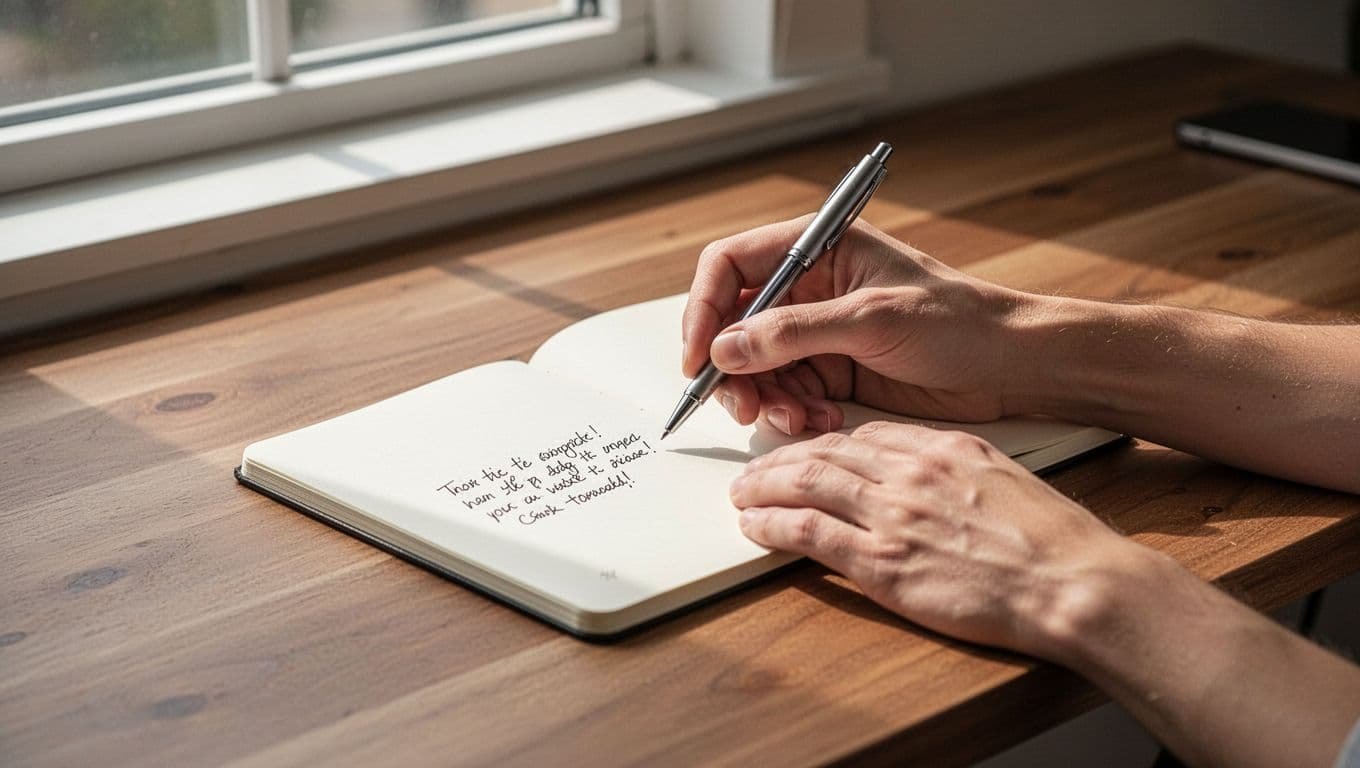
Start with 5-minute habits instead of major life changes
Small habits are easier to keep because they ask less from you. Reading one page, taking a five-minute walk, or planning one meal may seem minor, but those actions create momentum. Once you start, the next step feels less heavy.
That is the real win. Small wins build confidence, and confidence makes the next habit feel more natural.
You can lower the bar even more on busy days:
- Read one page before bed.
- Walk around the block after lunch.
- Write down tomorrow’s top task in one sentence.
These tiny actions matter because they are repeatable. A habit you can do on a tired day is far more useful than an ambitious plan you abandon in a week.
Stack new habits onto things you already do
Habit stacking makes new routines easier to remember. You attach a new action to something you already do every day, so the old habit becomes the cue for the new one.
For example, you might study after coffee, journal before bed, or stretch right after brushing your teeth. The pattern is simple: “After I do X, I will do Y.”
That works because your day already has anchors. Use them.
- After morning coffee, review your top goal for the day.
- After dinner, clean one area of the kitchen.
- Before bed, write one line in a journal.
The key is to keep the new habit tiny at first. If it feels automatic, it has a better chance of sticking. Over time, those small stacks become a routine you can trust.
Build the daily routines that shape your future
Your future is shaped less by rare bursts of motivation and more by what you repeat on ordinary days. A strong routine gives your mind a clear path, keeps your energy steadier, and makes it easier to follow through when life gets noisy.
The best routines are simple. They support your health, protect your focus, and leave room for rest, because recovery is part of progress too. A stretch, a walk, or five minutes of reflection can seem small, but those small actions add up fast.
Create a morning routine that gives you a stronger start

Start your day with calm, not noise. If you reach for your phone first thing, your attention gets pulled in ten directions before you have a chance to choose your focus. A better first hour can include a few minutes of stretching, drinking water, and looking over your top tasks before the day gets busy.
That quiet window matters. Research-backed wellness guidance also points to the value of building simple, realistic routines that support energy and mental health, not perfect ones that collapse by Wednesday. For a helpful overview, see healthy habits that strengthen your daily routine.
Try a short morning flow like this:
- Stretch for two or three minutes.
- Write down the one or two tasks that matter most.
- Delay your first phone check for at least 30 minutes.
- Start with one easy win, like making the bed or clearing your desk.
That kind of routine gives you direction before distractions show up. It turns the morning into a launchpad instead of a scramble.
Protect your focus during the part of the day when energy drops
Most people hit a slump around midday. Your energy dips, distractions feel louder, and procrastination gets tempting. That is when a steady routine helps most, because it keeps you moving even when motivation fades.
Use short resets instead of waiting until you feel “ready” again. A quick walk, a glass of water, or a five-minute task check can clear mental clutter and reset your pace. If you keep losing focus, change the environment for a few minutes, then come back to one specific task.
A simple midday reset can look like this:
- Stand up and walk for five minutes.
- Drink water before opening another tab.
- Check your task list and pick the next clear step.
- Tackle one small job before returning to bigger work.
Recovery helps your routine work. Breaks are part of consistency, not a pause from it.
End the day by reviewing what worked and what did not
Evening routines close the loop. A short review helps you see what moved forward, what slowed you down, and what needs a better plan tomorrow. Without that pause, the same mistakes keep repeating in the dark.
Keep it simple. Spend five minutes with a journal or notebook and write down what went well, what felt off, and one adjustment for tomorrow. That small reflection builds awareness, and awareness helps you spot patterns before they become habits.
You might ask yourself:
- What gave me energy today?
- What drained my focus?
- What is one thing I want to repeat tomorrow?
This kind of review keeps you honest without being harsh. Over time, it helps you learn faster, adjust sooner, and build a routine that actually fits your life.
Learn the skills that make new opportunities possible
A better future usually needs better skills, not just better intentions. Good goals matter, but skills turn those goals into action. If you want a stronger career, steadier money, or more confidence, start by building the abilities that help you handle real situations better.
The right skill can change a lot at once. Better communication can help at work and in relationships. Better budgeting can reduce stress fast. Better problem-solving can help you stay calm when plans fall apart.

Choose one skill that would improve your life the fastest
Start with the skill that gives you the biggest payoff right now. If your work feels stuck, communication may help most. If money keeps causing pressure, budgeting may be the smarter first move. If you avoid chances because of self-doubt, confidence can open the door.
One focused skill is easier to build than five scattered ones. It also gives you quicker results, which keeps you motivated. That matters because early wins create momentum.
A few high-value skills to consider are:
- Communication, if you want better work, clearer boundaries, or stronger relationships
- Budgeting, if you want more control over spending and savings
- Time management, if your days feel crowded and unfinished
- Emotional intelligence, if stress or conflict tends to throw you off
- Confidence, if you often hold back when opportunities show up
Pick the one that affects your life most today. Then practice it in small, real ways. If communication is the target, send clearer emails or speak up in one meeting. If budgeting is the target, track every expense for one week. Small practice makes the skill useful.
Use affordable ways to keep learning without getting overwhelmed
You don’t need a huge budget to grow. Online courses, books, podcasts, videos, and local workshops can all help you build skills at your own pace. The key is to keep it simple and avoid signing up for so much that you stop altogether.
Many people use platforms like Coursera, Udemy, FutureLearn, and LinkedIn Learning for low-cost classes. Others prefer short daily support through apps such as Headspace or Calm, especially when stress makes it harder to stay consistent.
A practical learning plan can look like this:
- Choose one topic that fits your goal.
- Pick one course, one book, or one podcast.
- Spend 15 to 20 minutes a day on it.
- Apply one idea right away.
That last step matters most. Reading about time management helps less than actually using a new calendar method. Learning sticks when you test it in real life.
Ask for feedback so you can improve faster
Feedback helps you see what you miss on your own. A friend, mentor, teacher, or coworker can spot habits that slow you down, such as rambling in meetings, missing deadlines, or sounding unsure when you speak. That outside view can save you months of guesswork.
You don’t need a formal review to get useful input. Ask one specific question, then listen without defending yourself. A simple request like, “What’s one thing I could do better here?” often gives you more value than a long conversation.
Try asking for feedback on:
- How clearly you explain your ideas
- How well you manage your time
- How you handle pressure or conflict
- Where you seem hesitant or unclear
Then use the answer. If someone says you interrupt too often, pause before responding. If they say your plans feel unrealistic, break them into smaller steps. Growth moves faster when you stop guessing and start adjusting.
Honest feedback can feel uncomfortable, but it usually shortens the path to real improvement.
The strongest future is built by people who keep learning on purpose. Choose one skill, practice it regularly, and let feedback sharpen your effort. That combination makes new opportunities feel a lot closer.
Stay on track when life gets messy
Plans rarely fall apart all at once. More often, life gets loud, your energy drops, and a good routine starts slipping at the edges. That is normal. The goal is not perfect discipline, it’s a system that helps you keep moving when motivation gets thin.
When things feel messy, shrink the plan before you abandon it. Keep one small habit alive, one honest check-in on the calendar, and one person who knows what you are working toward. That mix gives you traction on hard days.

Use accountability to make follow-through easier
Accountability removes some of the mental load. A habit tracker, calendar reminder, or weekly check-in gives your goals a place to live outside your head. That matters when stress makes everything feel harder to hold at once.
Keep it simple and visible. Mark workouts on a paper tracker, block time in your calendar, or text a friend every Friday with one honest update. If you want a digital option, popular habit tracker app ideas can help you choose a tool that fits your routine.
A few easy accountability moves work well:
- Put one goal on your phone calendar.
- Track progress with a paper chart or app.
- Ask a friend to check in once a week.
- Review what happened before you reset the plan.
The point is consistency, not pressure. Small check-ins make follow-through feel less like a guess.
Treat setbacks as data, not defeat
A setback tells you something. Maybe the goal was too big, the timing was off, or you missed support you actually needed. Instead of turning that into shame, look at the pattern and adjust.
Ask three plain questions: What went wrong? What was missing? What should I try next? That keeps the focus on learning, not self-attack. The principles behind learning from setbacks also point to this same habit, naming what happened, then using it to refine the next step.
When motivation drops, remind yourself that progress often looks messy before it looks solid. One bad week does not cancel the work already done. It just gives you information.
Mistakes are part of the process. They are not proof that you cannot change.
Build a support system that keeps you moving
You do better when other people are in your corner. Look for friends, mentors, coworkers, or communities that support healthy habits and honest growth. The right people will encourage you without turning every slip into drama.
Support does not have to be formal. It can be one text from someone who asks how you are doing, or one person who reminds you why you started. If your circle keeps pulling you off track, spend more time with people who respect your goals.
A strong support system gives you three things: perspective, encouragement, and accountability. That combination matters on the days when self-doubt gets loud and your plans feel fragile.
Conclusion
A better future rarely arrives in one big leap. It grows through clear choices, small goals, steady routines, and the discipline to keep going when life feels scattered. That is the simple strength behind the powerfulsight.com approach, because it keeps your attention on what you can do today.
If you want real change, start with one habit, one goal, or one next step you can repeat. Learn a little, adjust as you go, and keep the people around you who help you stay on track. Over time, those ordinary decisions change the direction of your life.
Pick one thing to begin today, then follow through tomorrow. That is how a better future gets built.

- How to Create a Better Future - 04/08/2026
- Daily Habits for Personal Growth That Build Momentum - 04/08/2026
- How to Move Forward and Start Fresh in Life - 04/08/2026

