Small daily habits can create real personal growth over time. The biggest changes usually come from repeatable actions, not dramatic resets, because consistency builds confidence, focus, and better choices one day at a time.
If you’ve ever felt stuck, overwhelmed, or tired of starting over, you’re not alone. Daily habits for personal growth give you a practical way to keep moving forward without trying to change everything at once.
The habits that matter most are the ones you can start small and keep doing. Keep reading for simple ways to build momentum and make those habits stick without burning out.
What daily habits for personal growth actually do for you
Daily habits do more than fill your schedule. They train your mind to expect follow-through, they shape how you see yourself, and they create forward motion when motivation fades. Over time, that steady repeatable effort becomes progress you can actually feel.
The real value of personal growth habits is that they lower the barrier to change. You do not need a perfect morning, a burst of motivation, or a complete life reset. You need a few actions you can repeat often enough that they start to feel normal.

Why small actions beat big plans
Big plans can feel inspiring, but tiny habits are easier to keep. A five-minute journal entry is less intimidating than a full reflection session. Reading a few pages is easier to repeat than promising to finish an entire book by the weekend.
That matters because life gets busy. When your schedule shifts, small habits are easier to recover from, and you can restart them without guilt or a long catch-up process. A short walk after lunch still counts. So does writing one page or stretching for three minutes.
Progress gets built by what you repeat, not by what you plan once.
This is where consistency beats intensity. Intense effort can help for a day, but consistent effort changes your baseline. According to James Clear’s work on identity-based habits, the smallest actions are often the ones that last because they are easy to keep returning to.
A few simple examples make that clear:
- Read 3 pages before bed instead of waiting for a free hour.
- Journal for 5 minutes instead of trying to write something profound.
- Take a 10-minute walk instead of skipping movement because you cannot do a full workout.
These small actions may look modest, but they lower resistance. That is how habits stop feeling like chores and start becoming part of your day.
How routines build confidence and self-trust
Every time you keep a promise to yourself, you strengthen self-trust. When you say you will journal in the morning and you do it, you prove that your word means something. That proof matters more than hype because confidence grows from evidence.
Routines make this easier because they remove constant decision-making. You do not have to debate whether to read, walk, or reflect. The choice is already made, so your energy goes into the action instead of the argument. That reduction in decision fatigue is one reason habits feel so powerful once they stick.
Over time, those repeated wins shape identity. You stop seeing yourself as someone who “tries” to grow and start seeing yourself as someone who follows through. Research on habit formation and self-concept supports this idea, and recent work on personal growth and wellbeing points to the link between growth, behavior, and a stronger sense of self.
That shift also changes motivation. When you trust yourself more, starting feels easier. You expect action from yourself, so follow-through becomes more natural. And when setbacks happen, they feel temporary instead of personal.
A solid routine does one more thing, it builds momentum. One small habit leads to the next, and soon you have a pattern that carries you forward even on low-energy days. That is why daily habits for personal growth are worth the effort, they turn intention into identity, and identity into repeatable action.
Build a morning routine that sets the tone for growth
A strong morning routine gives your day some shape before emails, errands, and other people pull at your attention. It does not need to be long or strict. It just needs to help you feel calm, focused, and ready to act.
The best routine is one you can actually repeat on a normal morning. That means simple steps, low friction, and a clear purpose. When you start the day with intention, you spend less time reacting and more time moving toward what matters.

Start with one clear priority for the day
Choosing one main task early keeps your focus sharp. Instead of trying to hold ten priorities in your head, you give your day a center point. That alone can cut down on overwhelm and help you plan with more confidence.
A clear priority also makes multitasking less tempting. When you know what matters most, it’s easier to say no to busywork and stop bouncing between small tasks that drain your energy. If you want a practical way to begin, write down your top task before you check your phone or open your inbox.
A simple morning plan might look like this:
- Pick one task that will move the day forward.
- Break it into the first small step.
- Schedule a focused block of time for it.
- Leave room for the rest of the day to unfold.
That kind of planning keeps your attention where it belongs. It also makes progress easier to see, because you start with direction instead of guesswork.
Use movement, water, and light to wake up your body
Your body wakes up faster when you give it a few basic signals. Stretch for a few minutes, take a short walk, drink a glass of water, and get some sunlight if you can. These are small actions, but they can lift your energy and improve your mood before the day gets busy.
Morning light helps set your internal clock, while movement helps shake off stiffness and mental fog. Hydration matters too, especially after a night without water. According to Asana’s morning routine guide, simple habits like hydration, movement, and planning are common building blocks of a productive start.
You do not need a full workout to feel the benefit. A quick stretch by the bed, a walk around the block, or a few minutes outside on the porch can be enough to get you going. The point is to wake up your system without making the routine feel heavy.
Add a short mindset habit like journaling or gratitude
A few quiet minutes can change the tone of the whole morning. Journaling, gratitude notes, or simple reflection gives your mind a place to land before the day starts talking back. Five to 15 minutes is enough to clear mental clutter and set an intention.
This habit works because it slows the rush. You get a chance to name what matters, notice what you feel, and start with more emotional clarity. Gratitude helps too, because it pulls your attention toward what is steady and good instead of what feels urgent.
You might write:
- One thing you want to focus on today.
- Three things you appreciate right now.
- One thought you want to carry into the day.
That small pause can make the rest of the morning feel more grounded. When your mind starts with intention, your actions usually follow with less resistance.
Daily habits that help you stay focused and keep learning
Staying focused and learning every day gets easier when your habits protect your attention instead of fighting it. You don’t need a perfect schedule or a long study session to keep growing. You need a few repeatable habits that make it easier to start, stay on task, and keep your mind active.
The best habits fit into real life. They work at work, at school, and at home, even when the day feels crowded. Once you build them into your routine, learning stops feeling like a separate project and starts becoming part of how you move through the day.
Time-block your day so your goals get space on the calendar
Time-blocking means giving each task a place on your calendar before the day gets away from you. Instead of treating your goals like something you’ll fit in later, you assign them a real time slot. That turns “I should” into “I will.”
This works because your day stops being one long blur. You can see when you’ll work, when you’ll learn, and when you’ll handle the rest. A short block matters too, because 20 focused minutes is better than a vague plan that never happens. Stanford’s weekly planning time-blocking method uses the same idea, schedule the important things first, then protect enough open space to adjust when life changes.

A simple way to start is to block time for one priority, one learning task, and one break. That alone can change the shape of your day. When you can see the block on the calendar, it feels more real, and it becomes easier to defend.
Use short work cycles to stay sharp
Long stretches of forced concentration often drain your energy fast. Short work cycles do the opposite, they help you focus hard, then recover before your attention starts to fray. The Pomodoro Technique is a common example, with 25 minutes of focused work followed by a 5-minute break.
That rhythm helps because your brain gets a clear finish line. You stop checking the clock every minute, and you know a break is coming soon. Research summarized in recent reviews shows that structured short intervals can improve focus and reduce fatigue compared with self-paced breaks.
A simple work cycle can look like this:
- Choose one task.
- Work with no distractions for 25 minutes.
- Take a real break, stand up, stretch, or get water.
- Repeat the cycle, then take a longer break after four rounds.
This kind of structure is especially useful when you’re tired, busy, or struggling to get started. Short sprints keep the work manageable, and they help you avoid the mental drag that leads to burnout.
Make learning a daily habit, even if it is only 20 minutes
Daily learning keeps your mind active and gives your growth some forward motion. You don’t need to squeeze in a full course every day. A short session of reading, practice, or listening still counts, and it adds up over time.
You can rotate the format based on your day. Read a few pages in the morning, listen to a helpful podcast on your commute, take an online lesson after work, or practice a skill for 20 minutes at home. The habit matters more than the format, because consistency is what turns learning into progress.
A few easy ways to keep learning daily include:
- Reading one article or book chapter.
- Taking one lesson in an online course.
- Practicing a language, instrument, or software skill.
- Listening to an educational podcast during a walk or drive.
Short learning sessions work because they are easy to repeat. Over time, those small efforts sharpen your thinking, build confidence, and keep you connected to new ideas.
Create friction around the habits that waste your time
If distractions are always one tap away, focus will always feel harder than it should. The answer is to make bad habits less convenient. Put your phone in another room, delete the apps that pull you in too often, or turn off notifications that don’t need your attention.
Even a few small changes can help right away. Move social media off your home screen, use Do Not Disturb during work blocks, or keep your phone on grayscale when you need to concentrate. If you need a practical setup, tools like Todoist’s time blocking guide can help you pair your tasks with a schedule that keeps distractions in check.
You can also make your environment do more of the work for you. Leave your laptop open to the task you need, keep a notebook nearby, and place tempting apps behind an extra login or password. When the wrong habit takes more effort to start, you give the right habit a better chance to win.
Use evening habits to reflect, reset, and improve tomorrow
The end of the day is a good time to slow down and make sense of what happened. A simple evening routine helps you turn experience into insight, clear mental clutter, and walk into tomorrow with less stress.
You do not need a long checklist. A few calm habits can help you spot what worked, fix what didn’t, and protect your energy for the next day. That is where small growth starts to compound.

Review what went well and what needs to change
Take a few minutes to look back on the day with honesty. What went well? What felt off? What did you learn? This kind of short review helps you notice patterns before they become habits, and it keeps you improving without turning reflection into self-criticism.
A useful review stays simple. You can write down one win, one mistake, and one lesson. That gives you enough detail to learn something real without getting stuck in overthinking.
A few prompts can keep the process focused:
- What worked today: A task, choice, or conversation that went well.
- What didn’t: A moment where you lost focus, felt rushed, or handled something poorly.
- What to carry forward: One lesson you want to use tomorrow.
Honest reflection builds self-awareness, and self-awareness makes better decisions easier. According to Harvard Business School’s work on reflection, taking a pause to review your actions can improve judgment and day-to-day performance. Keep it kind, though. The goal is to adjust, not attack yourself.
Plan tomorrow before the day ends
Writing down tomorrow’s top tasks before bed takes pressure off your morning. Instead of waking up and deciding everything from scratch, you start with a clear plan that already has shape. That lowers stress and makes it easier to begin.
Keep the list short. Three priorities are enough for most days, especially if you also note the first step for each one. When the plan is ready the night before, your brain does less scrambling and more following through.
A simple evening plan might include:
- Pick your top three tasks.
- Write the first action for each one.
- Check your calendar for meetings or deadlines.
- Leave your notes where you’ll see them in the morning.
That small habit changes how the next day feels. You enter it with direction instead of drift, and that makes early momentum much easier to find.
Protect your sleep so your habits can work
Sleep is where your evening habits pay off. It supports focus, mood, and self-control, so the routines you build during the day matter more when you give your brain time to rest.
A steady bedtime helps your body know when to slow down. Limiting late scrolling also matters, because screens keep your mind switched on long after you want to be asleep. A better evening often starts with a smaller question: what can you stop doing an hour before bed?
Simple habits work best here:
- Keep a regular bedtime as often as you can.
- Put your phone away instead of taking it to bed.
- Dim the lights so your body gets the signal to wind down.
- Leave a little space between the end of your day and sleep.
A better tomorrow starts with a quieter night.
When you protect sleep, you protect the rest of your habits too. You wake up clearer, think more calmly, and follow through with less effort. That is one of the easiest ways to turn daily routines into real personal growth.
Make Personal Growth Habits Stick for the Long Run
Consistency matters more than excitement. A habit that feels easy to repeat will carry you farther than a big plan that burns out in a week. The goal is to make your habits simple enough to keep showing up, even when motivation drops, the day gets messy, or progress feels slow.
That means building a system around your habits, not depending on willpower alone. Small starts, visible tracking, support from other people, and flexible recovery all help. When you put those pieces together, personal growth becomes easier to sustain.
Start so small it feels almost too easy
Big habits fail when they ask for too much too soon. A smaller version lowers the pressure and makes follow-through much more realistic. If five minutes of reading is all you can manage, that still keeps the habit alive.
The best starting point is the version you can do on your worst normal day. One page of journaling, two minutes of stretching, or a short meditation session all count. Habit research published by the National Library of Medicine supports this idea, because simple actions are easier to repeat until they become automatic.
A habit that feels almost too small is often the right size. It gives you a clean win, and that win builds momentum without creating resistance.
A few easy examples:
- Read five minutes before bed instead of waiting for a free hour.
- Write one page in your journal instead of trying to capture everything.
- Do one set of exercises instead of planning a full workout.
Once the tiny version feels stable, you can grow it later. First, make it repeatable.
Track progress in a simple way
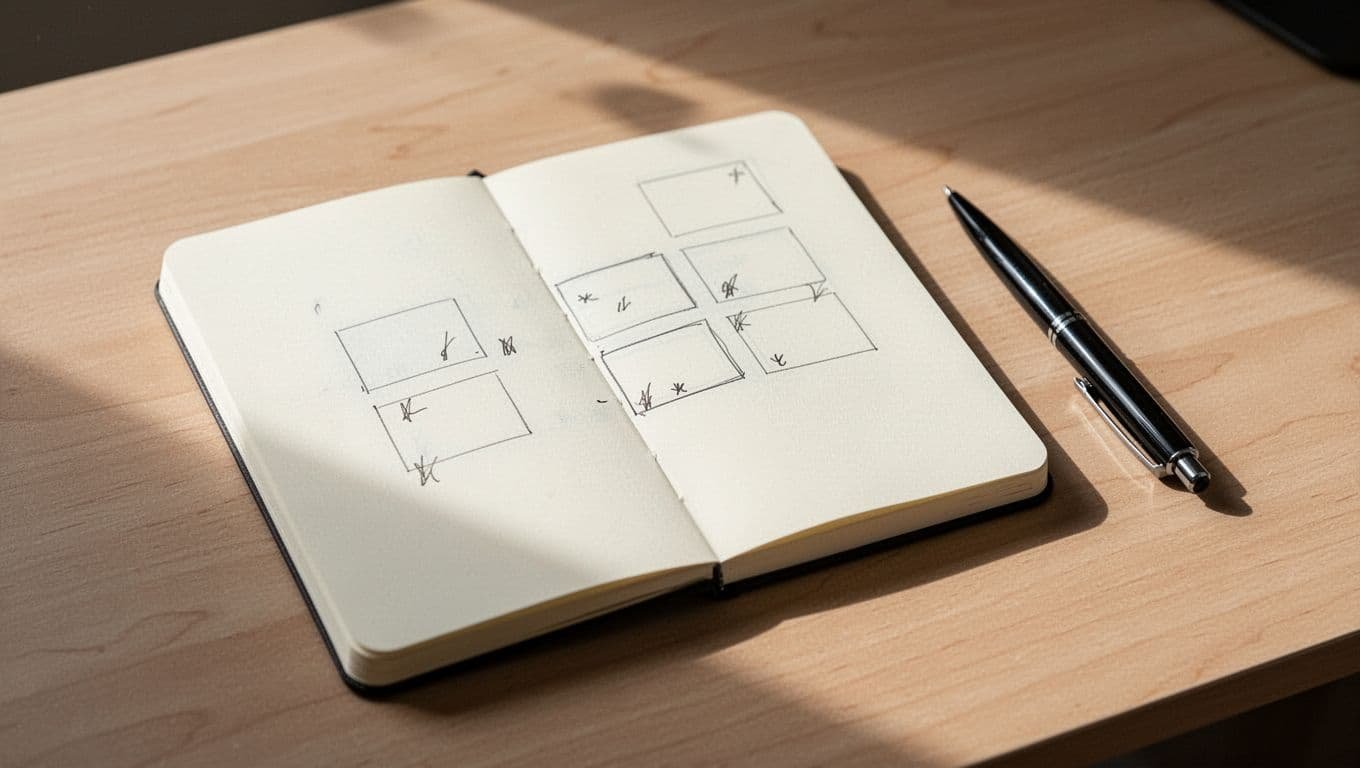
Tracking helps you notice patterns that are hard to see in the moment. A notebook, calendar, habit tracker, or app can show you when you tend to follow through and when you usually slip. That awareness matters more than a perfect streak.
Keep the system low-friction. A simple checkmark is enough for most habits, because the point is to record the action, not judge it. Some people prefer tracking total repetitions or weekly consistency instead of consecutive days, which can feel less harsh when life gets interrupted.
Use your tracker as a mirror, not a scorecard. If you miss a day, the data still tells you something useful, like when the habit is hardest or what conditions help you succeed.
A simple tracking routine might look like this:
- Choose one place to track the habit.
- Mark it the same way each day.
- Review the pattern once a week.
- Adjust the habit if the data shows it’s too hard to keep.
That small routine creates momentum because it makes progress visible. Once you can see the work adding up, it gets easier to keep going.
Use accountability to stay consistent
Other people can help you stay on track when your own motivation drops. A friend, partner, coach, or group gives your goals some outside structure, which makes them harder to ignore. Even a quick check-in can raise the chance that you follow through.
Accountability works best when it is simple and specific. Tell someone what habit you’re building, how often you’re doing it, and when you’ll check in again. That shared expectation creates a little pressure in a good way, and it also gives you support when you feel stuck.
You don’t need a big setup. A weekly text thread, a shared spreadsheet, or a standing coffee check-in can keep the habit visible. If you prefer a more formal structure, group programs and coaching tools can help you stay engaged, especially when you’re trying to rebuild consistency after a few missed days.
The key is to make the goal public enough that you remember it, but not so rigid that you quit when you slip. Support should make it easier to continue, not more stressful to begin.
Adjust when life gets busy instead of quitting
Busy weeks are normal, so your habits need a backup plan. When work piles up, family needs change, or energy runs low, shrink the habit instead of dropping it. A shorter version keeps the routine alive and makes restarting much easier later.
This is where flexibility protects long-term progress. If your usual workout is 30 minutes, do 10. If you normally journal every night, write one sentence. The habit still counts because you stayed connected to it.
One useful recovery rule is to restart within 24 hours after a missed day. Another is to avoid missing twice in a row. That kind of rule gives you a clear return point, so one off day doesn’t turn into a full stop. A practical habit system leaves room for life and still keeps you moving.
When things get hectic, scale the habit down on purpose:
- Read one page instead of a full chapter.
- Walk for five minutes instead of skipping movement entirely.
- Write one line in your journal instead of a full reflection.
That small version keeps the identity of the habit intact. You are still the kind of person who shows up, even if the day is not ideal.
Conclusion
Daily growth happens in small moments repeated enough times to matter. When you keep the habits simple, realistic, and tied to your actual routine, they stop feeling like extra work and start building real momentum.
The strongest takeaway is that consistency wins over intensity. You do not need a perfect system to keep improving; you just need one or two habits you can repeat today, then build from there.
Start small, stay steady, and let the results stack up over time. That is how daily habits for personal growth turn into lasting change.
Save the pin for later

- 60 Color Tattoos That Healed Beautifully - 25/09/2026
- 40 Most Painful Tattoo Spots - 24/09/2026
- 20 Tattoo Aftercare Mistakes That Ruin Fresh Ink - 23/09/2026

